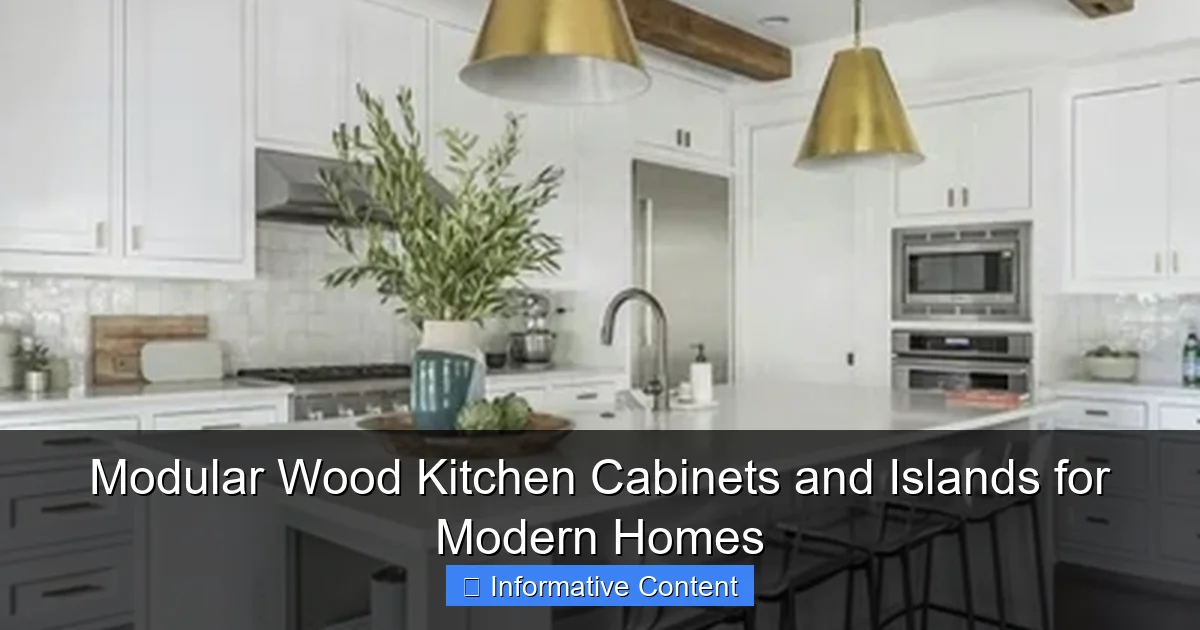
Featured image for modular wood kitchen cabinets and islands
Image source: renovationmaterial.com
Modular wood kitchen cabinets and islands offer unmatched flexibility and modern style for today’s evolving home layouts, allowing homeowners to customize, expand, or reconfigure their kitchens with ease. Crafted from premium, sustainable wood, these units blend durability with timeless aesthetics, making them a smart, eco-friendly investment. Perfect for open-concept living, they deliver both function and elegance in one seamless package.
Key Takeaways
- Modular wood cabinets offer unmatched customization for modern kitchen layouts and storage needs.
- Choose sustainably sourced wood to balance style, durability, and eco-conscious values.
- Pre-assembled modules save time during installation without sacrificing quality or design.
- Islands enhance workflow by adding prep space, storage, and seating in open layouts.
- Mix finishes and textures to create visual interest while maintaining cohesive design.
- Future-proof your kitchen by selecting reconfigurable units that adapt to changing needs.
📑 Table of Contents
- Why Modular Wood Kitchen Cabinets and Islands Are a Game-Changer
- What Makes Modular Wood Kitchen Cabinets Different?
- Design Flexibility: How Modular Wood Fits Any Kitchen Layout
- Material Matters: Why Wood Is the Heart of Modular Design
- Islands That Do More: The Rise of Modular Wood Islands
- Making the Most of Modular: Tips, Tricks, and Real Talk
- Data Table: Comparing Modular Wood Cabinet Brands
- Final Thoughts: Are Modular Wood Cabinets Right for You?
Why Modular Wood Kitchen Cabinets and Islands Are a Game-Changer
Let’s be honest—kitchen remodels can feel overwhelming. Between choosing materials, layouts, and finishes, the process often starts with excitement and ends with exhaustion. If you’ve ever stood in a showroom, staring at endless rows of cabinets, wondering if any of them truly fit your lifestyle, you’re not alone. That’s where modular wood kitchen cabinets and islands come in. They’re not just a design trend; they’re a practical solution that blends flexibility, craftsmanship, and modern aesthetics.
Imagine walking into your kitchen and seeing cabinets that feel like they were made just for you—because they kind of were. Modular wood cabinets and islands are pre-designed, customizable units that snap together like puzzle pieces, offering the perfect balance between off-the-shelf convenience and bespoke elegance. Whether you’re renovating a tiny galley kitchen or building a spacious open-concept dream space, modular wood options adapt to your needs without sacrificing style. And the best part? They’re built to last, using real wood that ages beautifully over time. No more flimsy particleboard or plastic-looking finishes.
What Makes Modular Wood Kitchen Cabinets Different?
Pre-Engineered, Not Prefab
When people hear “modular,” they often think “prefabricated” or “mass-produced.” But that’s not quite right. Modular wood cabinets are pre-engineered—meaning each unit is carefully designed for specific functions, sizes, and configurations. Think of them like high-end Lego sets for kitchens. Each cabinet is crafted with precision, often using solid hardwood, dovetail joints, and soft-close hinges, but they’re designed to fit together seamlessly with other modules.
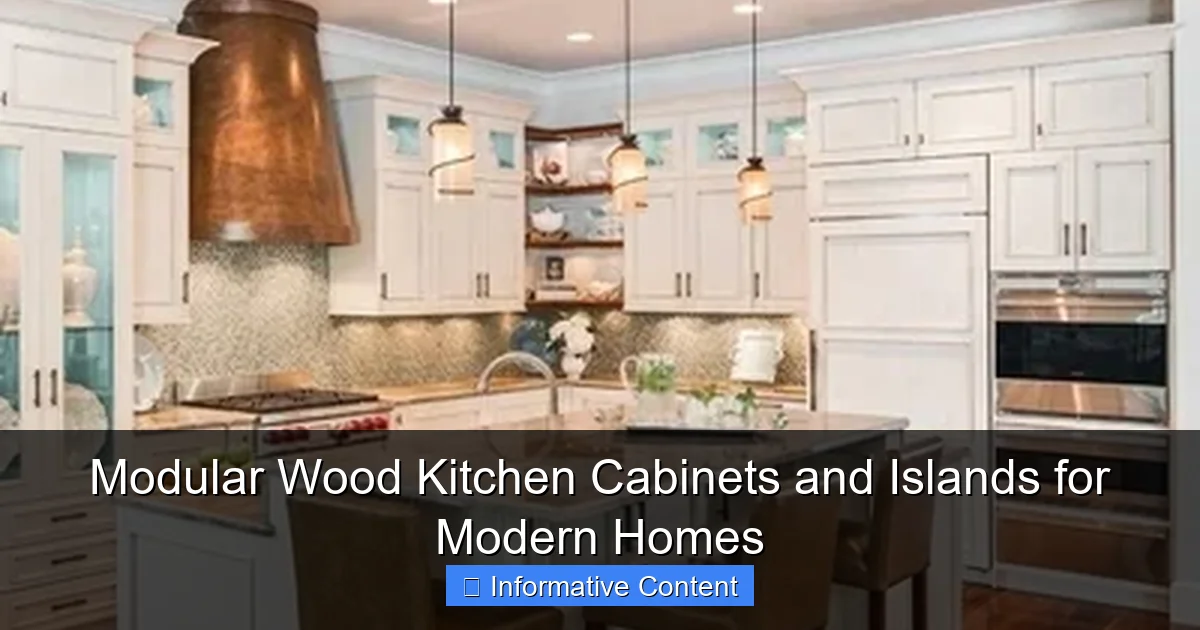
Visual guide about modular wood kitchen cabinets and islands
Image source: renovationmaterial.com
For example, a base cabinet with deep drawers might pair with a corner pull-out unit, a tall pantry, or a sink base—all with matching wood grain and finish. This modularity allows you to build a kitchen that feels cohesive, even if you’re adding new pieces later. I once helped a friend redesign her kitchen after a leak damaged one wall. Instead of replacing everything, we just swapped out the damaged base cabinet with a new modular unit. It matched perfectly, and the repair took less than a day.
Customization Without the Custom Price Tag
Custom cabinets are dreamy, but they come with a dreamy price tag—often $100–$200 per linear foot. Modular wood cabinets, on the other hand, offer a sweet spot: you get the look and feel of custom work, but with a more accessible price (typically $50–$120 per linear foot). How? Because manufacturers produce standard sizes and configurations at scale, reducing labor and material waste.
That doesn’t mean you’re stuck with cookie-cutter designs. Most modular systems let you choose from dozens of wood species (like oak, maple, walnut, or birch), stain colors, door styles (shaker, flat-panel, beadboard), and hardware. Some brands even offer “semi-custom” options, like adjustable shelf depths or pull-out organizers, so you can tweak the interior to fit your coffee maker or spice collection.
Easier Installation and Future-Proofing
One of the biggest perks of modular cabinets? They’re easier to install. Since each unit comes pre-assembled (or with simple assembly required), your contractor can work faster—saving you time and money. And if you ever want to reconfigure your kitchen (say, after a move or a lifestyle change), you can take your modules with you. I know a couple who moved from a 1,200-square-foot apartment to a 3,000-square-foot house. They kept their modular island and reused it as a breakfast bar in the new kitchen. Talk about sustainability!
Design Flexibility: How Modular Wood Fits Any Kitchen Layout
Galley Kitchens: Smart Storage in Tight Spaces
Galley kitchens are all about efficiency. Every inch counts. Modular wood cabinets shine here because you can mix and match narrow base units, tall pantries, and wall cabinets to maximize storage without blocking traffic flow. For instance, a 12-inch deep drawer base can hold pots and pans, while a 18-inch corner cabinet with a Lazy Susan keeps spices and oils within reach.
Pro tip: Use open shelving modules (like a floating wood shelf with integrated brackets) to display everyday dishes. It makes the space feel bigger and more inviting. One client of mine had a galley kitchen with zero upper cabinets—just a row of open shelves. She loved how airy it felt, but her dishes were always dusty. We added a few glass-front upper modules to protect her favorites while keeping the open look.
L-Shape and U-Shape Kitchens: Seamless Transitions
L- and U-shaped kitchens are popular for their work triangles and storage capacity. But corners can be tricky. Modular systems often include specialized corner units—like diagonal pull-outs, swing-out trays, or rotating shelves—that turn dead space into functional storage.
For a U-shaped kitchen, consider adding a modular island in the center. It creates a natural gathering spot and doubles as prep space. Choose a wood island with a butcher block top for a warm, rustic feel, or opt for a painted finish to contrast with natural wood cabinets. I recently designed a U-shaped kitchen for a family with three kids. We placed a large wood island with built-in stools in the center. It’s now their homework spot, breakfast bar, and weekend pancake station—all in one.
Open-Concept Kitchens: Blending Style and Function
In open-concept homes, the kitchen often shares space with the living or dining room. That means your cabinets aren’t just storage—they’re part of the decor. Modular wood cabinets let you create visual continuity. For example, you could use the same wood finish on kitchen cabinets, a built-in dining nook, and a media console. Or, use a two-tone design: dark wood lower cabinets for a grounded feel, with light wood uppers to keep the space bright.
Real-world example: A client wanted her kitchen to feel like an extension of her Scandinavian-style living room. We used light oak modular cabinets with flat-panel doors and black hardware. The island had a waterfall edge in matching oak, tying everything together. The result? A kitchen that feels both modern and timeless.
Material Matters: Why Wood Is the Heart of Modular Design
Durability and Longevity
Let’s face it—plastic and MDF cabinets might look nice at first, but they don’t age well. Scratches, dents, and peeling finishes are common after a few years. Solid wood, on the other hand, gets better with age. It develops a patina, like a well-worn leather jacket. Plus, it’s easier to repair. A scratch on a wood cabinet can be sanded and refinished. Try that with a laminate!
Most modular wood cabinets use hardwood frames and plywood boxes (for stability), with solid wood doors and drawers. Look for brands that use FSC-certified wood or sustainably harvested timber. It’s better for the environment and often means higher quality construction.
Wood Species and Finishes: Finding Your Perfect Match
Not all wood is created equal. Here’s a quick guide to popular options:
- Maple: Light, smooth, and resistant to wear. Great for painted finishes (think white or navy shaker cabinets).
- Oak: Strong grain pattern, warm tone. Holds stains well—perfect for honey or espresso finishes.
- Walnut: Rich, dark brown with a luxurious feel. Ideal for modern or mid-century styles.
- Birch: Affordable alternative to maple, with a subtle grain. Works well with both stains and paints.
When choosing a finish, consider your lifestyle. High-gloss paints show fingerprints but are easy to clean. Matte stains hide smudges but may show water rings. I once had a client who loved the look of white oak but worried about stains. We went with a light gray stain—it hid crumbs and spills while still showing the wood grain.
Eco-Friendly Benefits
Wood is one of the most sustainable building materials—especially when sourced responsibly. Trees absorb CO2, and well-managed forests are renewable. Plus, modular design reduces waste. Instead of building cabinets on-site (which creates sawdust, offcuts, and packaging), modules are made in controlled factory settings, where scraps are recycled or repurposed.
Some brands go even further, using low-VOC finishes or reclaimed wood. For example, one company I follow uses salvaged barn wood for accent panels on modular islands. It adds character and reduces the need for new timber.
Islands That Do More: The Rise of Modular Wood Islands
Beyond Storage: Islands as Multi-Functional Hubs
Gone are the days when kitchen islands were just big blocks of wood in the middle of the room. Today’s modular wood islands are designed to do everything—cook, clean, eat, and connect. A well-designed island might include:
- A built-in sink with a pull-down faucet
- Induction cooktop or electric grill
- Wine cooler or beverage fridge
- Overhang for bar stools
- Hidden trash and recycling bins
- Charging stations for phones and tablets
One of my favorite projects involved a modular island with a retractable cutting board. The homeowner loved to bake, so we added a pop-up marble surface that tucked away when not in use. It was like a kitchen magic trick!
Mobility and Flexibility
Some modular islands come with casters or leveling feet, making them easy to move. This is perfect for renters or people who love to rearrange. I once helped a couple with a small kitchen install a rolling island. They could push it against the wall during dinner parties (to free up space) and roll it back for meal prep. It was like having two kitchens in one.
Tip: If you’re using a mobile island, make sure it has locking wheels and a sturdy base. You don’t want it sliding around when you’re chopping onions!
Customizing Your Island: From Rustic to High-Tech
Just like cabinets, modular islands can be customized to fit your style. Love farmhouse charm? Go for a shaker-style island with a butcher block top and apron-front sink. Prefer modern minimalism? Choose a flat-panel design with a quartz or concrete countertop and integrated LED lighting.
For tech lovers, some brands offer islands with built-in smart features—like touchscreen controls for lighting, music, or even a recipe display. (Yes, really.) One client wanted an island that could double as a home office. We added a fold-down desk with USB ports and a hidden cable tray. It was a hit with her remote-working husband.
Making the Most of Modular: Tips, Tricks, and Real Talk
Planning Your Layout: Measure Twice, Buy Once
Before you order any cabinets, measure your space—including ceiling height, window placement, and door swings. Modular systems come in standard sizes (like 12″, 18″, 24″, 30″, and 36″ widths), so you’ll need to plan around those. Use graph paper or free design apps (like SketchUp or Planner 5D) to map out your layout.
Common mistake: Forgetting about appliance clearances. Your dishwasher needs at least 27″ of clearance to open fully. Your fridge needs 3″ on each side for ventilation. Don’t let your dream island block your fridge door!
Working With Contractors (or DIYing It)
If you’re hiring a contractor, make sure they’re familiar with modular cabinets. Some installers are used to custom builds and might not realize that modular units can be adjusted for level and alignment. Ask for references and check their past projects.
Feeling brave? Modular cabinets are DIY-friendly—especially if you’re handy with a drill and level. Most come with detailed instructions and video guides. Just be honest about your skills. If you’ve never installed cabinets before, start with a small section (like a pantry) before tackling the whole kitchen.
Balancing Budget and Quality
Modular cabinets can save you money, but don’t cut corners on quality. Look for:
- Solid wood doors and drawer fronts (not veneers)
- Full-extension, soft-close drawer glides
- Adjustable shelves with metal brackets
- Water-resistant finishes (especially near sinks)
That said, you don’t need to buy the most expensive brand. Some mid-range companies (like IKEA’s higher-end lines or regional cabinet makers) offer great value. I once helped a friend on a tight budget. We mixed IKEA cabinets with custom wood doors from a local artisan. The result looked high-end—without the high-end price.
Common Pitfalls (and How to Avoid Them)
Even with modular systems, things can go wrong. Here’s what to watch for:
- Matching wood grain: If you’re buying cabinets over time, keep a sample. Wood batches can vary slightly.
- Delivery delays: Order early. Some modular lines have 6–8 week lead times.
- Installation gaps: Use filler strips or trim to hide gaps between cabinets and walls.
- Over-customizing: Stick to the system’s standard sizes. Custom modules often cost more and take longer.
Data Table: Comparing Modular Wood Cabinet Brands
| Brand | Wood Species | Price Range (per linear ft) | Customization Options | Eco-Certifications | Warranty |
|---|---|---|---|---|---|
| GreenLine Cabinets | Maple, Oak, Walnut | $70–$110 | 12 finishes, 8 door styles, pull-outs | FSC, CARB2 | Lifetime on structure, 5 years on finish |
| ModuKitchen | Birch, Cherry, Hickory | $60–$90 | 6 stains, 5 door styles, smart tech add-ons | CARB2 | 10 years |
| UrbanMod | Walnut, White Oak, Bamboo | $80–$130 | Custom sizes, integrated lighting, mobile islands | FSC, Greenguard | 15 years |
| IKEA SEKTION (Premium Line) | Oak, Ash, Painted MDF | $50–$80 | 15 colors, 7 door styles, accessories | None (but low-VOC finishes) | 25 years |
Note: Prices vary by region and retailer. Always check for current promotions or floor models to save money.
Final Thoughts: Are Modular Wood Cabinets Right for You?
At the end of the day, modular wood kitchen cabinets and islands are about giving you more control—over your budget, your timeline, and your design. They’re not a one-size-fits-all solution, but they’re incredibly adaptable. Whether you’re a minimalist who wants clean lines, a foodie who needs serious storage, or a parent who wants a kitchen that can handle spilled juice and homework projects, modular wood can work for you.
What I love most is the peace of mind. When you choose modular, you’re investing in something that’s built to last, easy to repair, and simple to update. No more living with a kitchen that doesn’t fit your life. And if you ever move? Pack it up and take it with you. That’s the beauty of modular design—it’s not just for today. It’s for all the meals, memories, and moments to come.
Frequently Asked Questions
What are the benefits of modular wood kitchen cabinets and islands?
Modular wood kitchen cabinets and islands offer flexibility in design, allowing you to customize layouts for any space. Their prefabricated components simplify installation while maintaining the durability and aesthetic appeal of solid wood.
Are modular wood cabinets suitable for small kitchens?
Yes, modular wood kitchen cabinets are ideal for small kitchens due to their space-efficient, customizable configurations. You can mix and match units like pull-out shelves or corner cabinets to maximize storage.
How do I choose the right wood type for modular kitchen cabinets?
Consider durability, grain pattern, and maintenance—oak and maple are popular for their strength, while walnut offers a luxurious look. Lighter woods brighten small spaces, while darker tones add sophistication.
Can modular wood islands be relocated or reconfigured later?
One key advantage of modular wood kitchen islands is their adaptability—units can be disassembled and repositioned during renovations. This makes them a sustainable, long-term investment for evolving kitchen layouts.
Are modular wood cabinets eco-friendly compared to other materials?
Solid wood modular cabinets are more sustainable than particleboard or MDF, especially when sourced from FSC-certified forests. Wood’s longevity also reduces waste from frequent replacements.
What customization options exist for modular wood kitchen cabinets?
From finishes (stained, painted, or natural) to hardware and internal organizers, modular wood cabinets allow extensive personalization. You can even integrate appliances or seating into islands for a seamless look.