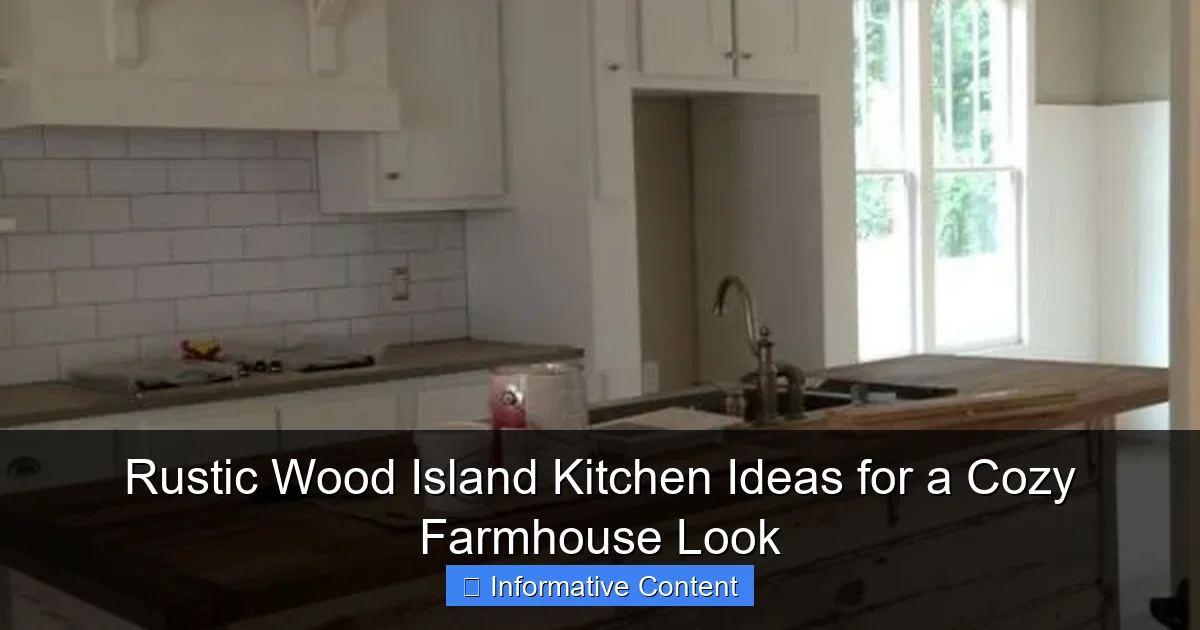
Featured image for rustic wood island kitchen
Image source: i.pinimg.com
Transform your kitchen into a warm, inviting farmhouse haven with a rustic wood island that combines timeless charm and everyday functionality. Featuring natural grain textures, distressed finishes, and sturdy craftsmanship, these islands anchor the space while offering storage, seating, and a cozy focal point for family gatherings.
Key Takeaways
- Choose reclaimed wood: Adds authenticity and eco-friendly charm to your rustic island.
- Opt for distressed finishes: Enhances the weathered, farmhouse aesthetic effortlessly.
- Pair with open shelving: Creates balance and showcases rustic kitchenware beautifully.
- Use neutral tones: Keeps the space warm and cohesive with natural hues.
- Add iron hardware: Boosts rustic appeal with vintage-inspired fixtures and accents.
- Prioritize natural lighting: Highlights wood grain and amplifies cozy vibes effectively.
📑 Table of Contents
- Why Rustic Wood Island Kitchens Are the Heart of Farmhouse Charm
- Choosing the Right Wood for Your Rustic Island
- Designing the Perfect Rustic Island Layout
- Styling Your Rustic Wood Island for Maximum Cozy Vibes
- Maintaining Your Rustic Wood Island: Care Tips for Longevity
- Real-World Examples: Rustic Wood Island Inspiration
- Final Thoughts: Creating a Kitchen That Feels Like Home
Why Rustic Wood Island Kitchens Are the Heart of Farmhouse Charm
There’s something undeniably warm and inviting about a rustic wood island kitchen. Maybe it’s the way sunlight glints off weathered oak or the way a rough-hewn countertop tells a story of time and use. For many of us, the kitchen isn’t just a place to cook—it’s where we gather, laugh, and share meals with loved ones. And nothing captures that cozy, lived-in farmhouse feel quite like a rustic wood island.
I remember visiting a friend’s home last winter. She’d just renovated her kitchen with a massive reclaimed wood island, complete with a butcher block top and turned legs. As I sat on a barstool, sipping tea and watching her prep dinner, I felt instantly at ease. The space had character, warmth, and a sense of history. That’s the magic of rustic wood: it doesn’t just look good—it feels good. Whether you’re going for a full farmhouse overhaul or just want to add a touch of rustic charm, a wood island can be the centerpiece that ties it all together.
Choosing the Right Wood for Your Rustic Island
The type of wood you choose sets the tone for your entire kitchen. It affects durability, maintenance, and the overall aesthetic. Let’s break down the most popular options and what makes each one special.
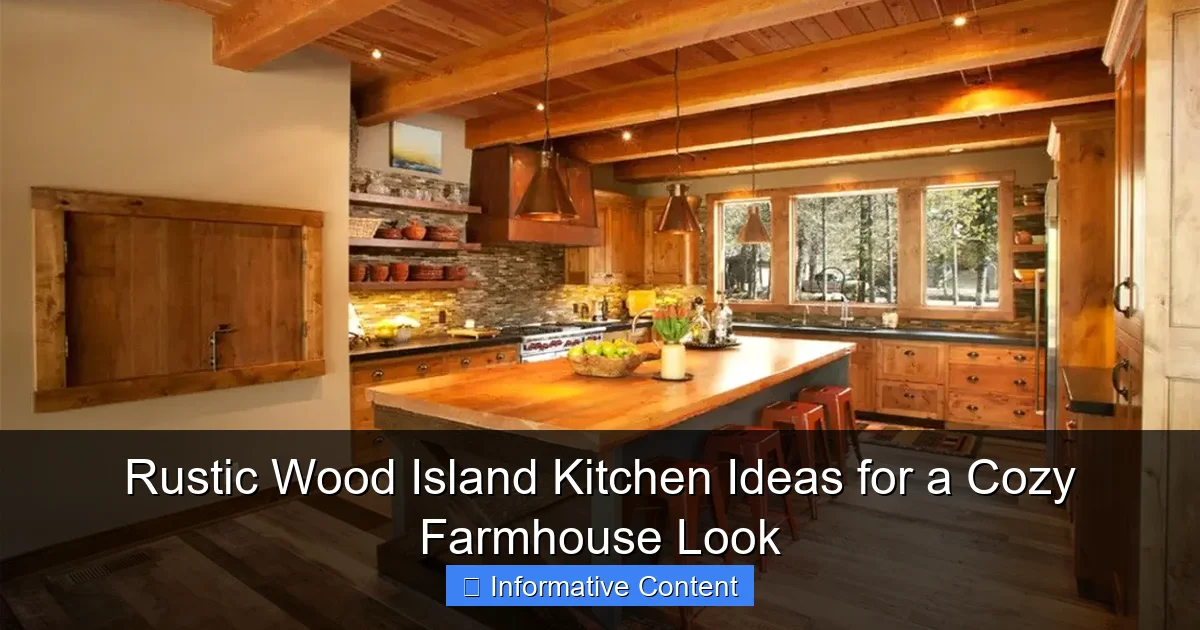
Visual guide about rustic wood island kitchen
Image source: decasacollections.com
Reclaimed Wood: Beauty with a Story
Reclaimed wood is the gold standard for authentic rustic charm. Sourced from old barns, factories, or even wine barrels, this wood carries unique grain patterns, nail holes, and natural weathering that new wood simply can’t replicate. A friend of mine used reclaimed barn wood for her island, and every guest comments on how “lived-in” it feels. The imperfections—like subtle warping or knots—add character.
- Pros: Eco-friendly, rich patina, one-of-a-kind look
- Cons: Can be expensive, may require extra sealing, limited availability
Tip: If you’re on a budget, consider using reclaimed wood for the island’s base or accent panels, and pair it with a new wood top for durability.
Butcher Block: Functional and Warm
Butcher block is a favorite for island countertops because it’s practical and beautiful. Made from strips of wood glued together, it’s ideal for cutting, prepping, and even serving meals directly on the surface. Maple and walnut are popular choices—maple for its light, clean look, and walnut for its rich, chocolatey tones.
- Pros: Affordable, easy to maintain, food-safe
- Cons: Can stain or scratch if not oiled regularly, not ideal for wet areas
Tip: Oil your butcher block every 2–3 months with food-grade mineral oil to keep it hydrated and prevent cracks.
Live-Edge Slabs: Nature’s Art
Live-edge slabs bring the raw beauty of nature into your kitchen. With one side left natural (bark or irregular edges), these slabs feel organic and dramatic. A client once used a live-edge black walnut slab for her island, and it became the focal point of her entire home.
- Pros: Stunning visual impact, unique grain patterns
- Cons: Expensive, can warp or crack if not properly sealed, heavy
Tip: Use live-edge slabs for the top only—pair with a simpler base to balance the look.
Designing the Perfect Rustic Island Layout
A rustic wood island isn’t just about the materials—it’s about how it fits into your space. The layout determines how functional and inviting your kitchen feels. Here’s how to get it right.
Size and Scale: Big Enough, But Not Too Big
The island should complement your kitchen, not overwhelm it. As a rule of thumb:
- Allow 36–48 inches of clearance around all sides for easy movement.
- For a standard kitchen, an island measuring 3×5 feet is a good starting point.
- If you have a large open-concept space, go bigger—up to 4×6 feet or even larger.
I once saw a tiny galley kitchen with a 4-foot island. It looked cramped and made cooking frustrating. Don’t make that mistake!
Shape: Rectangle, Square, or Curved?
Most rustic islands are rectangular or square—they’re classic and easy to build. But if you want something unique, consider a curved edge or a U-shaped design. A friend added a rounded live-edge top to her island, and it softened the whole room. Curves are especially great for open-plan kitchens where the island acts as a visual divider.
Height: Standard, Counter, or Bar?
Your island’s height depends on how you’ll use it:
- Standard (30–32 inches): Matches most cabinets. Ideal for food prep.
- Counter (36 inches): Slightly taller. Great for baking or casual dining.
- Bar (42 inches): Perfect for stools and entertaining. Adds a pub-like vibe.
Tip: If you’re using the island for both cooking and dining, consider a split-level design with a lower prep area and a higher bar section.
Styling Your Rustic Wood Island for Maximum Cozy Vibes
Now that you’ve got the structure down, it’s time to style it. The right details can turn a simple wood island into a warm, inviting heart of the home.
Hardware: The Finishing Touch
Hardware is like jewelry for your island. For a rustic look, opt for:
- Black iron pulls or knobs with a hammered texture.
- Brass or copper accents for a vintage feel.
- Leather-wrapped handles for a modern-rustic twist.
My neighbor chose black iron cup pulls on her reclaimed wood island, and they look like they’ve been there for decades. It’s the little things!
Seating: Stools That Complement the Wood
Barstools should echo the island’s rustic vibe. Think:
- Windsor or ladder-back stools with wood seats.
- Metal stools with distressed finishes (like matte black or oil-rubbed bronze).
- Leather or linen-upholstered seats for added comfort.
Tip: Leave 10–12 inches of legroom under the overhang for comfort.
Lighting: Set the Mood
Lighting transforms your island from functional to magical. Try:
- Pendant lights with mason jars, iron cages, or seeded glass.
- Chandeliers made from wood, antlers, or wrought iron.
- Under-cabinet lighting to highlight the wood grain.
A client installed three mason jar pendants over her island, and the soft glow at night makes the whole kitchen feel like a cozy cabin.
Maintaining Your Rustic Wood Island: Care Tips for Longevity
Wood is beautiful, but it needs love to stay that way. Here’s how to keep your island looking its best for years to come.
Cleaning: Gentle but Effective
Never use harsh chemicals or abrasive scrubbers on wood. Instead:
- Wipe with a damp cloth and mild dish soap for daily cleaning.
- For stubborn stains, use a paste of baking soda and water.
- Always dry the surface immediately to prevent water damage.
I once saw a friend use steel wool on her butcher block—big mistake! It left tiny scratches that trapped food. Stick to soft cloths!
Sealing and Oiling: The Secret to Durability
Sealing protects wood from moisture, stains, and wear. Options include:
- Food-grade mineral oil (for butcher blocks). Reapply every 2–3 months.
- Beeswax polish (for added shine and protection).
- Polyurethane (for high-traffic areas, but not food-safe).
Tip: Test any sealant on a small, hidden area first to ensure it doesn’t alter the wood’s color.
Repairing Scratches and Dents
Minor damage is normal—embrace it as part of the island’s character! But if you want to fix it:
- For scratches, rub a walnut over the area (the natural oils help mask marks).
- For dents, place a damp cloth over the spot and iron on low heat to “pop” the fibers.
- For deep gouges, fill with wood putty and sand smooth.
Remember: rustic charm is about imperfection. A few dings just add to the story.
Real-World Examples: Rustic Wood Island Inspiration
Let’s look at how real homeowners have used rustic wood islands to create their dream kitchens. Here’s a quick comparison of popular styles and their key features.
| Style | Wood Type | Countertop | Hardware | Best For |
|---|---|---|---|---|
| Classic Farmhouse | Reclaimed pine | Butcher block (maple) | Black iron pulls | Cozy, traditional kitchens |
| Modern Rustic | Live-edge walnut | Concrete with wood inlay | Matte black handles | Open-concept homes |
| Industrial Rustic | Reclaimed barn wood | Galvanized metal | Pipe brackets | Urban lofts |
| Coastal Rustic | Whitewashed oak | Butcher block (ash) | Brass knobs | Beach cottages |
| Minimalist Rustic | Plain-sawn oak | Butcher block (walnut) | Hidden pulls | Small kitchens |
Take Sarah, a homeowner in Vermont. She went for a classic farmhouse look with a reclaimed pine base, maple butcher block top, and black iron hardware. The island seats four, with a built-in wine rack underneath. “It’s where we start and end our days,” she says. “Even my teens hang out here now!”
Then there’s Mark and Elena in Colorado. They chose a modern rustic design: a live-edge walnut slab with a concrete base. The island has a waterfall edge and built-in charging stations. “We wanted something that felt organic but still fit our tech-heavy lifestyle,” Mark says. “The wood grounds the whole space.”
Final Thoughts: Creating a Kitchen That Feels Like Home
A rustic wood island isn’t just a trend—it’s a timeless choice that brings warmth, character, and functionality to your kitchen. Whether you go for reclaimed barn wood, a live-edge slab, or a simple butcher block, the key is to make it work for your lifestyle.
Remember: perfection isn’t the goal. Rustic charm comes from imperfections—the knots in the wood, the slight unevenness of a hand-built base, the way the light catches the grain. These details tell a story. They remind us that homes are meant to be lived in, not just looked at.
So, take your time. Choose wood that speaks to you. Style it with pieces that make you smile. And don’t forget to enjoy the process. After all, the best kitchens aren’t just beautiful—they’re full of memories. Whether you’re sipping coffee at sunrise or hosting a holiday feast, your rustic wood island will be there, holding space for life’s little moments.
Ready to start? Grab a tape measure, sketch your dream island, and let the wood tell its story. Your cozy farmhouse kitchen is closer than you think.
Frequently Asked Questions
What are the best types of wood for a rustic wood island kitchen?
Reclaimed barn wood, oak, and pine are top choices for a rustic wood island kitchen due to their durability and natural grain patterns. These materials add warmth and character while complementing farmhouse aesthetics.
How do I style a rustic kitchen island to achieve a cozy farmhouse look?
Pair your rustic wood island with vintage bar stools, wrought iron hardware, and open shelving for a cohesive farmhouse vibe. Add texture with woven baskets, mason jar lighting, and a farmhouse sink.
Can a rustic wood island kitchen work in a modern home?
Absolutely! Balance the rustic wood island with sleek countertops (like quartz) and minimalist cabinetry to blend farmhouse charm with modern design. The contrast creates a warm yet contemporary space.
How do I maintain a rustic wood island kitchen to prevent wear and tear?
Seal the wood with a food-safe oil or wax to protect it from spills and scratches. Regularly clean with a damp cloth and avoid harsh chemicals to preserve its natural finish.
What colors pair well with a rustic wood island kitchen?
Neutral tones like white, cream, or gray cabinets highlight the island’s wood grain, while sage green or navy blue adds a pop of color. Earthy tones enhance the cozy, inviting feel.
Are rustic wood island kitchens expensive to install?
Costs vary based on wood type and customization, but reclaimed wood or prefabricated island kits can make it affordable. DIY-friendly designs also help reduce labor expenses.