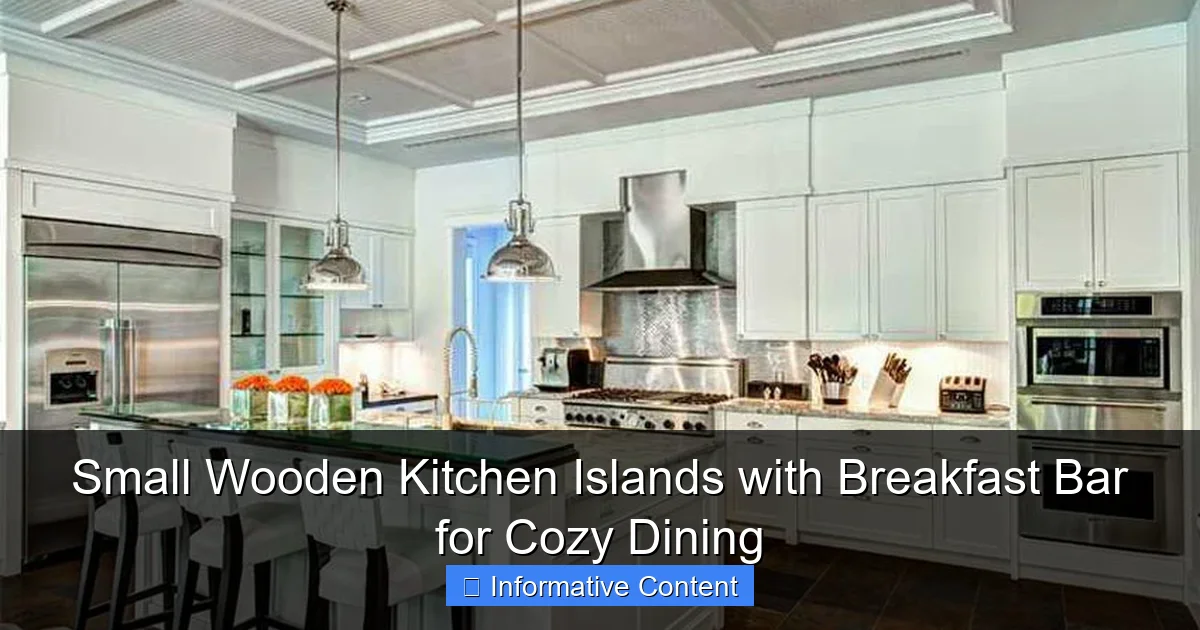
Featured image for small wooden kitchen islands with breakfast bar
Image source: tierneykitchens.ie
Small wooden kitchen islands with breakfast bars maximize space and style in compact kitchens, offering a seamless blend of functionality and cozy charm. Perfect for casual dining and meal prep, these islands feature built-in seating, smart storage, and warm wood finishes that elevate any kitchen’s aesthetic—all without overwhelming the room.
Key Takeaways
- Maximize space: Choose compact islands with built-in breakfast bars for efficient small kitchens.
- Prioritize materials: Opt for solid wood for durability and timeless aesthetic appeal.
- Measure carefully: Ensure at least 36 inches of clearance around the island for comfort.
- Storage matters: Pick designs with shelves or cabinets to reduce clutter in tight spaces.
- Style cohesion: Match wood finish and design to your existing kitchen decor seamlessly.
- Stool selection: Use backless or low-back stools to maintain visual openness in cozy areas.
📑 Table of Contents
- Why Small Wooden Kitchen Islands with Breakfast Bar Are Perfect for Cozy Dining
- The Allure of Wood: Warmth, Durability, and Timeless Style
- Maximizing Space: Smart Design for Compact Kitchens
- Breakfast Bar Design: Comfort Meets Function
- Real-World Examples: Islands That Inspire
- Maintenance and Care: Keeping Your Wooden Island Beautiful
- Is a Small Wooden Kitchen Island with Breakfast Bar Right for You?
Why Small Wooden Kitchen Islands with Breakfast Bar Are Perfect for Cozy Dining
Imagine this: a quiet Sunday morning, sunlight filtering through your kitchen window, the smell of freshly brewed coffee in the air, and a plate of golden pancakes waiting for you at a warm, wooden breakfast bar. You’re not in a café—you’re at home. This cozy scene is made possible by one simple addition: a small wooden kitchen island with breakfast bar.
For many of us, kitchen space is limited. Apartments, condos, and older homes often have compact layouts where every inch matters. But that doesn’t mean you have to give up the idea of a dedicated dining or prep area. Enter the small wooden kitchen island with a breakfast bar—a clever, stylish, and functional solution that brings warmth, utility, and charm to even the tiniest kitchens. Whether you’re sipping your morning tea, helping the kids with homework, or sharing a quick dinner, this compact setup turns your kitchen into a true heart of the home.
The Allure of Wood: Warmth, Durability, and Timeless Style
When it comes to kitchen design, few materials match the timeless appeal of wood. It’s not just about looks—wood brings a sense of warmth and natural comfort that metal or plastic simply can’t replicate. A small wooden kitchen island with breakfast bar doesn’t just serve a purpose; it becomes a focal point, a conversation starter, and a reflection of your personal style.
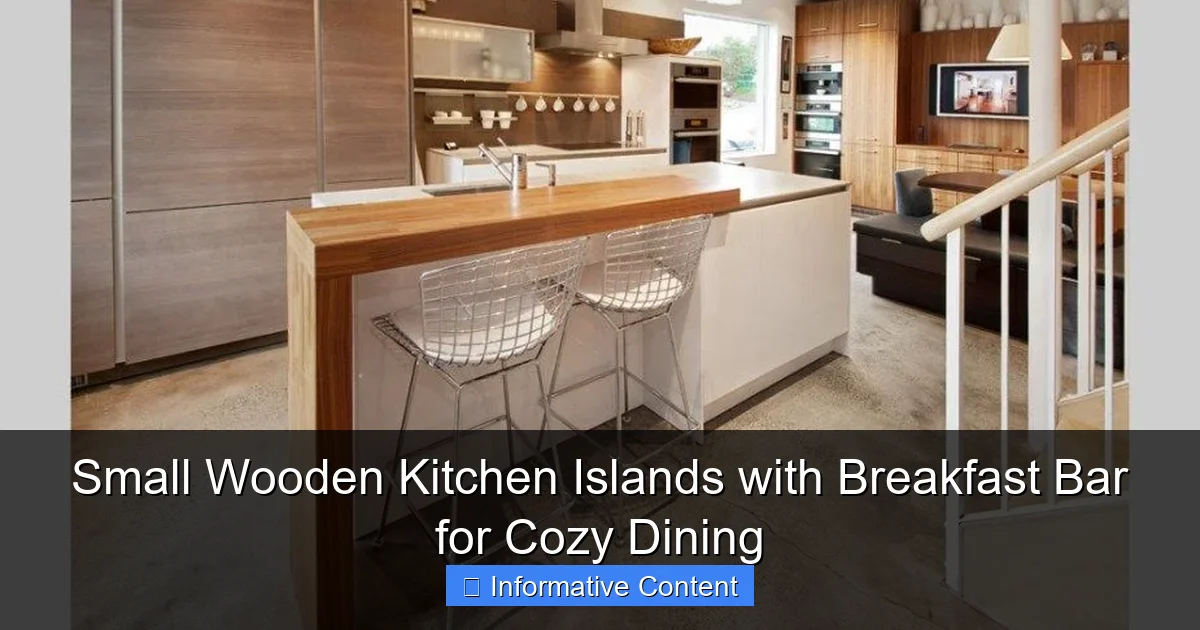
Visual guide about small wooden kitchen islands with breakfast bar
Image source: i.pinimg.com
Why Wood Wins Over Other Materials
Let’s be honest—kitchen islands come in all sorts of materials: stainless steel, granite, laminate, and even acrylic. But wood stands out for several reasons:
- Natural Aesthetic: Wood grains, knots, and subtle color variations give each island a unique character. No two are exactly alike.
- Warmth and Comfort: Unlike cold metal or stone, wood feels inviting. It’s the kind of surface you want to rest your elbows on while chatting with a friend.
- Durability: With proper care, solid wood can last decades. Hardwoods like maple, oak, and walnut resist scratches and dents better than many engineered alternatives.
- Eco-Friendly Options: Reclaimed wood or sustainably sourced timber makes for a greener choice, especially if you’re environmentally conscious.
One friend of mine, Sarah, swapped her old laminate island for a reclaimed pine model with a built-in breakfast bar. “It changed the whole vibe of my kitchen,” she told me. “It feels like I’m in a rustic cottage, even though I live in a downtown high-rise.”
Wood Types: Which One Is Right for You?
Not all wood is created equal. The type you choose affects the look, feel, and maintenance of your island. Here’s a quick guide:
- Maple: Light in color, smooth grain, and very hard. Great for modern kitchens. Requires regular sealing to prevent water damage.
- Oak: Classic choice with prominent grain patterns. Durable and widely available. Works well in traditional and farmhouse styles.
- Walnut: Rich, dark brown with a luxurious feel. Softer than maple or oak but stunning in contemporary spaces. Best for low-traffic areas.
- Pine: Light, affordable, and easy to stain. Softer and more prone to dents, but perfect for shabby-chic or rustic looks.
- Bamboo: Technically a grass, but often used like wood. Eco-friendly, durable, and modern-looking. Great for minimalist kitchens.
Tip: If you have kids or pets, go for a harder wood like maple or oak. Pine is beautiful but shows wear faster—ideal if you love a “lived-in” look.
Maximizing Space: Smart Design for Compact Kitchens
Let’s face it: not all of us have a 10-foot island with a six-burner cooktop. But that doesn’t mean you can’t enjoy the benefits of a kitchen island—especially one with a breakfast bar. The key is smart design tailored to your space.
Dimensions That Work in Small Kitchens
For a small kitchen, your island should ideally be between 24 to 36 inches wide and 42 to 60 inches long. This leaves enough room for two bar stools (or one if space is tight) and still allows for a 36-inch walkway—the minimum recommended for comfortable movement.
Here’s a real-life example: My neighbor, Mark, has a 10×12 foot kitchen. He installed a 30×48-inch island with a 12-inch overhang on one side for seating. It fits perfectly, giving him a prep area, extra storage, and a cozy spot for morning coffee—all without blocking the flow.
Multi-Functional Features to Look For
A small wooden kitchen island with breakfast bar should do more than just look pretty. It should work hard for you. Here are some must-have features:
- Storage Drawers and Cabinets: Even a small island can have deep drawers for pots, spice racks, or utensils. One of my favorite designs includes a pull-out cutting board with a trash chute underneath.
- Open Shelving: Great for displaying cookbooks, mason jars, or decorative bowls. Just be mindful of dust!
- Drop-Leaf or Fold-Down Extensions: Need more space? A fold-down breakfast bar can double as a prep surface when open and disappear when closed.
- Integrated Trash or Compost Bin: A discreet compartment keeps waste out of sight and reduces trips to the bin.
- Rolling Casters: If you like flexibility, choose an island with lockable wheels. You can move it for cleaning, entertaining, or even use it as a serving station in your dining area.
Pro tip: Measure your ceiling height and bar stool clearance. Most breakfast bars sit at 42 inches, so stools should be 24 to 26 inches high. Leave at least 10 inches between the seat and the countertop for legroom.
Placement Matters: Where to Put Your Island
Even the best-designed island won’t work if it’s in the wrong spot. Consider these placement tips:
- Near the Fridge or Sink: Makes food prep and cleanup easier. If your kitchen has an L-shape, place the island in the open corner.
- Centered in the Room: Works well in square kitchens. Just make sure there’s at least 36 inches of clearance on all sides.
- Along a Wall: A “peninsula” style island attached to a countertop saves floor space and still offers a breakfast bar.
- Opposite the Range: Creates a natural work triangle (fridge–sink–stove) and keeps cooking zones organized.
One common mistake? Blocking a doorway or appliance. Always sketch a floor plan or use painter’s tape to mark the island’s footprint before buying.
Breakfast Bar Design: Comfort Meets Function
The breakfast bar isn’t just an afterthought—it’s the heart of the island. It’s where meals happen, homework gets done, and conversations flow. So, how do you make it both comfortable and practical?
Choosing the Right Bar Stools
Not all stools are created equal. For a wooden kitchen island with a breakfast bar, consider:
- Material: Wood stools match the island and add warmth. Metal stools feel modern and sleek. Upholstered seats are comfy but harder to clean.
- Back Support: Low-back stools save space and keep sightlines open. High-back or full chairs offer more support for long meals.
- Footrests: A must for comfort, especially if you’re over 5’6”. Look for stools with a built-in footrest 10–12 inches from the floor.
- Stackable or Foldable: Great for small kitchens or when you need extra seating for guests.
I learned this the hard way. I once bought backless stools that looked great but left my back sore after 10 minutes. Now I only buy stools with a gentle back curve and padded seats—worth every penny.
Countertop Overhang: How Much Is Enough?
The overhang is the part of the countertop that extends past the base to create seating space. For comfort, aim for:
- 10–12 inches: Minimum for legroom. Any less, and you’ll feel cramped.
- 14–16 inches: Ideal for deeper seating or if you plan to use the island for full meals (not just snacks).
- 18+ inches: Only if you have extra space. Great for leaning on or placing plates, but can make the island look bulky in small kitchens.
Tip: Add a small lip or rounded edge to the overhang. It’s more comfortable for resting your arms and prevents plates from sliding off.
Lighting: The Secret to a Cozy Breakfast Nook
Good lighting transforms your breakfast bar from a functional spot to a mood-boosting zone. Here’s how:
- Pendant Lights: Hang 2–3 small pendants 30–36 inches above the bar. Choose warm-toned bulbs (2700K) for a cozy glow.
- Under-Cabinet Lighting: Soft LED strips under shelves or the overhang add ambiance and make food prep easier.
- Natural Light: If your island is near a window, position it to catch morning sun. A sheer curtain adds privacy without blocking light.
My sister installed two vintage-style brass pendants over her walnut island. “It’s like having a little café at home,” she said. “Now I actually look forward to breakfast.”
Real-World Examples: Islands That Inspire
Theory is great, but nothing beats seeing real examples. Here are a few small wooden kitchen islands with breakfast bars that nail the balance of style, space, and function.
Farmhouse Charm: The Rustic Pine Island
Dimensions: 30×48 inches
Wood: Reclaimed pine with a whitewash finish
Features: Two open shelves, a drop-leaf bar, and two ladder-back stools
Why It Works: The light wood brightens a dark kitchen, while the drop-leaf saves space when not in use. The open shelves display mason jars and vintage cookbooks—perfect for a cozy, lived-in feel.
Modern Minimalist: The Maple Monolith
Dimensions: 24×60 inches
Wood: Solid maple with a matte sealant
Features: Deep drawers, a pull-out trash bin, and two low-back metal stools
Why It Works: The clean lines and neutral color blend into a white kitchen. The deep drawers hold everything from baking sheets to Tupperware, and the trash bin keeps messes hidden.
Urban Apartment Hack: The Rolling Walnut Cart
Dimensions: 28×36 inches
Wood: Walnut with brass casters
Features: Lockable wheels, a fold-down breakfast bar, and a built-in wine rack
Why It Works: This island doubles as a prep station, bar, and dining area. The wheels let the owner move it to the living room for parties. The walnut adds warmth to a modern, concrete-heavy apartment.
DIY Success: The Custom Oak Peninsula
Dimensions: 36×48 inches (attached to existing counter)
Wood: Oak with a natural oil finish
Features: Two cabinets, a spice rack, and a 14-inch overhang
Why It Works: A homeowner built this island to match her existing oak cabinets. The peninsula style saved floor space, and the spice rack keeps essentials within reach during cooking.
Maintenance and Care: Keeping Your Wooden Island Beautiful
Wood is beautiful, but it needs a little love to stay that way. Here’s how to keep your small wooden kitchen island with breakfast bar looking great for years.
Daily Cleaning Tips
- Wipe spills immediately: Water is wood’s worst enemy. Use a damp cloth and mild dish soap, then dry with a soft towel.
- Avoid harsh chemicals: Ammonia or bleach can strip the finish. Stick to pH-neutral cleaners or a 50/50 mix of vinegar and water.
- Use cutting boards: Never cut directly on the countertop. A wooden island is not a cutting board!
Long-Term Care
- Seal regularly: Oil-based finishes (like mineral oil or tung oil) need reapplication every 3–6 months. Polyurethane lasts longer but can yellow over time.
- Sand and refinish: Every 5–10 years, lightly sand the surface and reapply finish to restore shine and protection.
- Protect from heat: Use trivets or hot pads. A hot pan can leave permanent marks.
One friend neglected her pine island for years. By the time she refinished it, the wood was deeply stained. “I wish I’d been more consistent,” she said. “A little care every week would’ve saved me hours of sanding.”
Dealing with Common Issues
- Scratches: Light scratches can be buffed out with a walnut or a wood filler pen. Deep gouges may need sanding.
- Water Rings: Rub with a paste of baking soda and water, then reseal the area.
- Warping: Rare in well-sealed wood, but can happen in high-humidity areas. Use a dehumidifier or keep the kitchen well-ventilated.
Remember: wood ages beautifully. A few small dents and marks? That’s not damage—it’s character.
Is a Small Wooden Kitchen Island with Breakfast Bar Right for You?
After reading this, you might be thinking: “This sounds perfect… but does it actually work in my kitchen?” Let’s recap.
A small wooden kitchen island with breakfast bar is ideal if you:
- Want to add warmth and character to a modern or minimalist kitchen
- Need extra prep space or storage without a full remodel
- Love the idea of a cozy, dedicated dining spot (even if it’s just for two)
- Have limited space but don’t want to sacrifice style
- Value durability and timeless design over fleeting trends
It’s not the best choice if:
- You have a very tight kitchen (under 30 inches of clearance on all sides)
- You hate the idea of maintenance (wood requires more care than laminate)
- You prefer a high-gloss, ultra-modern look (wood is more rustic or organic)
But for most people, the benefits far outweigh the drawbacks. As one homeowner told me, “It’s not just an island—it’s where we start our day.”
So, whether you’re dreaming of a farmhouse breakfast nook, a sleek urban bar, or a custom-built peninsula, a small wooden kitchen island with breakfast bar could be the missing piece in your kitchen puzzle. Measure your space, choose the right wood, and don’t forget those bar stools. Your cozy, inviting kitchen is just an island away.
| Island Size (inches) | Recommended Stool Height (inches) | Overhang Depth (inches) | Best For |
|---|---|---|---|
| 24×42 | 24–26 | 10–12 | Single diner, tight spaces |
| 30×48 | 24–26 | 12–14 | Two people, small families |
| 36×60 | 24–26 | 14–16 | Entertaining, larger kitchens |
| 28×36 (rolling) | 24–26 | 10–12 | Multi-use spaces, apartments |
Frequently Asked Questions
What are the benefits of a small wooden kitchen island with a breakfast bar?
A small wooden kitchen island with a breakfast bar maximizes space in compact kitchens while adding warmth and functionality. The natural wood aesthetic enhances cozy dining vibes, and the breakfast bar offers a casual spot for meals, socializing, or food prep.
How do I choose the right size for a small wooden kitchen island with a breakfast bar?
Measure your kitchen layout, leaving at least 36 inches of clearance around the island for movement. Opt for compact designs (under 4 feet wide) with overhangs of 12–18 inches for comfortable seating at the breakfast bar.
Are small wooden kitchen islands with breakfast bars durable enough for daily use?
Yes, high-quality hardwood islands (e.g., oak, maple) resist wear and tear, especially when sealed with a protective finish. Regular maintenance, like wiping spills promptly, ensures longevity even with frequent breakfast bar use.
Can I add seating to a small wooden kitchen island with a breakfast bar?
Absolutely! Look for islands with extended countertops or built-in overhangs to fit 2–3 counter-height stools. Choose backless stools to tuck neatly underneath when not in use, saving space.
How do I style a small wooden kitchen island with a breakfast bar for a cohesive look?
Pair wooden islands with matching or contrasting bar stools (e.g., metal for modern flair) and add textured cushions or a runner for visual interest. Keep the color palette warm and natural to enhance the cozy dining atmosphere.
Do small wooden kitchen islands with breakfast bars require professional assembly?
Most pre-assembled or flat-pack islands come with user-friendly instructions and require only basic tools for setup. However, if your model includes plumbing or electrical features, professional installation is recommended.