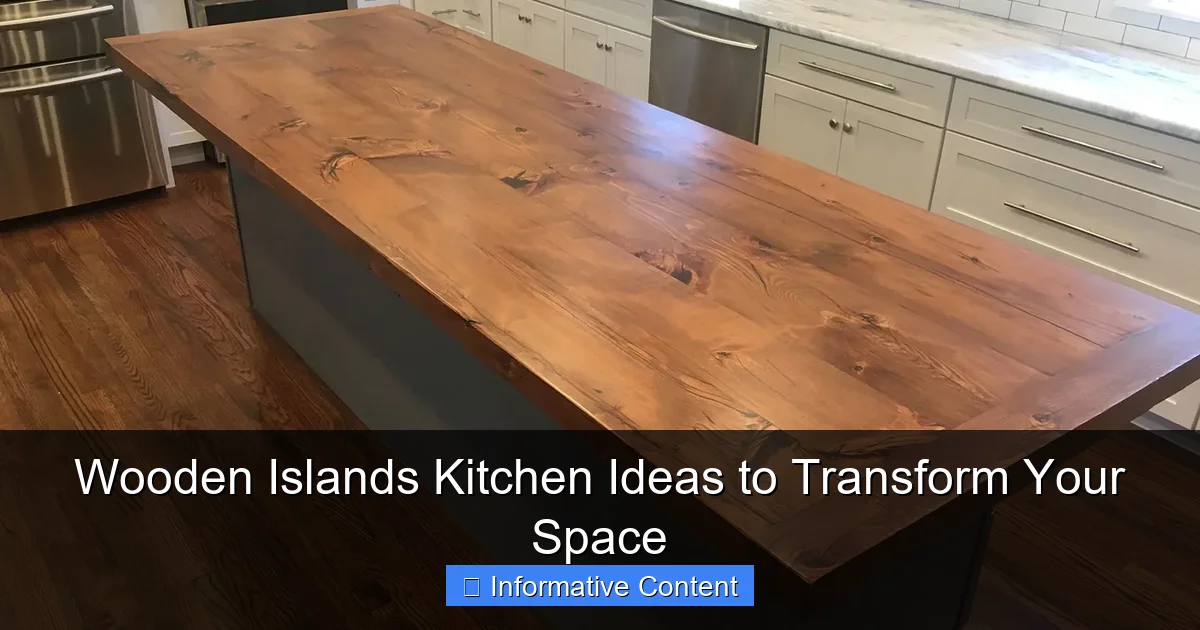
Featured image for wooden islands kitchen
Image source: i2.wp.com
Wooden kitchen islands blend timeless elegance with unmatched durability, instantly elevating your culinary space into a warm, inviting hub. Whether you prefer rustic charm or modern minimalism, customizable wood finishes and designs offer endless versatility to match your style and boost functionality. Transform your kitchen with a statement piece that’s as practical as it is stunning.
Key Takeaways
- Choose solid wood: Opt for durable hardwoods like oak or walnut for longevity.
- Maximize storage: Add built-in shelves or drawers to reduce clutter efficiently.
- Pair with contrasts: Combine wood with stone or metal for visual balance.
- Prioritize finishes: Use food-safe, water-resistant sealants for practicality and safety.
- Light it right: Install pendant lights above the island to highlight its texture.
- Scale matters: Match island size to your kitchen for a cohesive layout.
📑 Table of Contents
- Why a Wooden Islands Kitchen Could Be Your Dream Upgrade
- Choosing the Right Wood for Your Kitchen Island
- Design Ideas for Every Kitchen Style
- Functional Features to Maximize Your Island
- Maintenance and Care: Keeping Your Wooden Island Beautiful
- Cost Considerations and Budget-Friendly Tips
- Final Thoughts: Is a Wooden Islands Kitchen Right for You?
Why a Wooden Islands Kitchen Could Be Your Dream Upgrade
Imagine walking into your kitchen and being greeted by the warm, inviting glow of natural wood. A wooden islands kitchen isn’t just a trendy design choice—it’s a lifestyle upgrade that brings warmth, functionality, and timeless charm to the heart of your home. Whether you’re renovating an outdated kitchen or building from scratch, a wooden island can be the centerpiece that ties everything together. I remember visiting a friend’s newly renovated kitchen a few years ago, and the first thing that struck me was the stunning walnut island. It wasn’t just a countertop; it was a conversation starter, a meal prep station, and a cozy breakfast nook all in one.
Wooden kitchen islands are more than just beautiful—they’re practical, durable, and incredibly versatile. From rustic farmhouse vibes to sleek modern aesthetics, wood adapts to almost any style. But before you rush to install one, it’s essential to understand the nuances: the type of wood, maintenance needs, design considerations, and how it fits into your daily life. In this guide, we’ll explore everything you need to know about wooden islands kitchens, from design ideas to real-world tips, so you can make an informed decision that transforms your space into something truly special.
Choosing the Right Wood for Your Kitchen Island
Understanding Wood Types: Hardwood vs. Softwood
Not all wood is created equal, and the type you choose will significantly impact your island’s durability, maintenance, and aesthetic. Hardwoods like oak, walnut, maple, and cherry are the go-to choices for kitchen islands. They’re dense, resistant to scratches and dents, and age beautifully. I once saw a 20-year-old oak island that had developed a rich patina—its imperfections told a story of family meals and late-night baking sessions.

Visual guide about wooden islands kitchen
Image source: luxarts.net
Softwoods like pine or cedar are cheaper but require more upkeep. They’re prone to dents and scratches, which might not bother you if you love a lived-in, rustic look. However, in a high-traffic kitchen, softwoods may not hold up as well. A friend of mine chose pine for her island, and while it looked charming at first, it quickly developed water stains and gouges from everyday use. If you’re set on softwood, consider sealing it with a durable finish or using it as an accent rather than the main countertop.
Grain Patterns and Aesthetic Impact
Wood grain isn’t just about looks—it influences how the island interacts with light and other materials in your kitchen. For a bold statement, opt for woods with dramatic grain patterns, like tiger maple or zebrawood. These create visual interest and work well in modern or eclectic kitchens. On the other hand, woods like white oak or birch have subtle, uniform grains, making them ideal for minimalist or Scandinavian-style spaces.
Pro tip: Visit a lumberyard or showroom to see samples in person. Lighting and finish can dramatically alter how the wood appears. For example, a walnut island might look almost black in low light but rich and chocolatey in sunlight. Also, consider how the grain aligns with your island’s shape. Long, continuous grain lines can make a small island feel larger, while cross-grain designs add texture.
Eco-Friendly and Sustainable Options
If sustainability matters to you, look for FSC-certified wood or reclaimed timber. Reclaimed wood—often sourced from old barns or factories—adds character and reduces environmental impact. I once helped a client install a reclaimed oak island, and the history in the wood (nail holes, weathering) made it a unique focal point.
Keep in mind that reclaimed wood can be more expensive and may require additional prep work (like planing or treating for pests). But the payoff—both environmentally and aesthetically—is often worth it. Another eco-friendly option is bamboo, which grows quickly and is surprisingly durable. Just avoid bamboo that’s been heavily processed, as it may not be as sustainable as advertised.
Design Ideas for Every Kitchen Style
Farmhouse Charm with Reclaimed Wood
Nothing says “cozy kitchen” like a reclaimed wood island paired with shiplap walls and vintage hardware. This style embraces imperfections—knots, nail holes, and weathered finishes are part of the charm. Pair the island with a white apron-front sink, open shelving, and a farmhouse-style pendant light for a cohesive look.
Real-world example: A client in Vermont wanted a kitchen that felt “lived-in but not cluttered.” We used reclaimed pine for the island, paired it with black iron legs, and added a butcher block top for food prep. The result was a warm, inviting space that felt both rustic and functional. Tip: Add a distressed finish or chalk paint to the base to enhance the farmhouse vibe without overdoing it.
Modern Minimalism with Sleek Hardwoods
For a contemporary kitchen, a wooden island can add warmth to an otherwise cold, minimalist space. Opt for a monochromatic palette—like a walnut island with white quartzite countertops and matte black hardware. The key is to keep lines clean and avoid clutter. Think: integrated appliances, hidden storage, and a seamless countertop-to-cabinet transition.
One of my favorite modern designs used a single slab of live-edge maple for the island. The natural curve of the wood softened the sharp lines of the cabinetry, creating a balance between organic and geometric. Pro tip: Use LED lighting under the island to highlight the wood’s texture and create a floating effect at night.
Scandinavian Simplicity with Light Woods
Scandinavian design is all about light, airy spaces, and light woods like birch or ash fit perfectly. A birch island with a matte finish can make a small kitchen feel larger and brighter. Pair it with white cabinetry, stainless steel appliances, and natural fiber stools for a cohesive look.
Example: A client in Seattle wanted a “Scandi-chic” kitchen. We used a birch island with a waterfall edge (where the wood wraps down the sides) and paired it with a white oak floor. The result was a bright, open space that felt both modern and cozy. Tip: Keep the island’s base simple—think open legs or a slim metal frame—to maintain the airy feel.
Industrial Edge with Mixed Materials
Love the industrial look? Combine a wooden island with metal accents—like a steel base, exposed rivets, or a concrete countertop. This style works well in lofts or converted spaces. For example, a reclaimed wood island with a black steel base and a concrete top creates a rugged, urban vibe.
One project used a live-edge slab for the island, paired with a galvanized steel base and vintage barstools. The mix of textures (rough wood, smooth metal, smooth concrete) added depth without feeling chaotic. Tip: Balance the heaviness of metal with soft lighting—like Edison bulbs or a woven pendant shade.
Functional Features to Maximize Your Island
Storage Solutions: Hidden vs. Open
Your island should work as hard as you do. Storage is key, but the type you choose depends on your lifestyle. Hidden storage (drawers, cabinets, and pull-outs) keeps things tidy but can feel bulky. Open shelving or wine racks add visual interest but require constant organization.
Real-world insight: A client with young kids opted for deep drawers with dividers for utensils, a pull-out trash can, and a built-in spice rack. The result was a clutter-free countertop—a game-changer during busy mornings. Tip: Use soft-close drawers to avoid slamming noises (and angry family members).
Appliance Integration: Ovens, Sinks, and More
Want to take your island to the next level? Consider integrating appliances. A cooktop or sink in the island can create a “work triangle” (the efficient flow between stove, sink, and fridge). But this requires careful planning—especially for plumbing and ventilation.
Example: A client installed a sink in their walnut island, with a waterfall edge that doubled as a backsplash. The design was sleek, but we had to reroute plumbing, which added to the cost. Pro tip: If you’re adding a cooktop, ensure proper ventilation (a downdraft hood or overhead fan) to avoid smoke and grease buildup.
Seating and Social Zones
Islands are perfect for casual dining or socializing. The standard overhang for seating is 12-18 inches, but measure your space—and your family’s height—to get it right. I once helped a tall couple design an island with a 24-inch overhang, which made barstool seating much more comfortable.
Tip: Use countertop materials that can withstand spills (like quartz or sealed wood) if you plan to eat at the island. And don’t forget leg room—leave at least 36 inches between the island and other counters for easy movement.
Maintenance and Care: Keeping Your Wooden Island Beautiful
Daily Cleaning and Quick Fixes
Wooden islands require a bit more care than stone or laminate, but it’s manageable with the right routine. Wipe up spills immediately—especially acidic ones like lemon juice or red wine—to prevent staining. Use a damp cloth and mild soap for daily cleaning, and avoid harsh chemicals like bleach or ammonia.
Real-world tip: A client kept a small spray bottle of water and vinegar (1:1 ratio) under the sink for quick cleanups. It worked great for sticky spots without damaging the finish. For minor scratches, try a walnut or pecan (yes, really!)—the oil can temporarily mask shallow marks.
Seasonal Maintenance and Refinishing
Wood expands and contracts with humidity changes, so inspect your island every few months. Look for gaps between boards, warping, or dull spots. Reapply oil (for oiled finishes) or wax (for waxed finishes) every 3-6 months to protect the wood.
Example: A client in a humid climate noticed their oak island developing tiny cracks in summer. We added a dehumidifier to the kitchen, which solved the issue. For deep scratches or stains, sanding and refinishing may be needed. Tip: Hire a professional for refinishing—it’s easy to damage the wood if you’re not experienced.
Dealing with Common Issues: Water Damage, Stains, and More
Water damage is the biggest threat to wooden islands. If you have a sink, ensure the faucet is drip-free and use a backsplash to protect the wood. For stains, try a paste of baking soda and water, or a specialized wood cleaner.
One client spilled coffee on their maple island and panicked. We gently sanded the spot and applied a matching stain, which made it nearly invisible. Pro tip: Keep extra wood finish or stain on hand for quick touch-ups.
Cost Considerations and Budget-Friendly Tips
Price Breakdown: Materials, Labor, and Extras
| Component | Average Cost Range | Notes |
|---|---|---|
| Hardwood (oak, walnut, maple) | $50-$150 per sq ft | Higher for exotic or reclaimed wood |
| Softwood (pine, cedar) | $30-$70 per sq ft | May require more maintenance |
| Labor (installation) | $50-$100 per hour | Complex designs cost more |
| Finishing (oil, wax, sealant) | $10-$30 per sq ft | DIY options available |
| Appliance integration | $1,000-$5,000+ | Depends on type (sink, cooktop, etc.) |
Your total cost will depend on size, materials, and features. A basic 4×6 ft island with standard oak and no appliances might cost $3,000-$5,000. Add a sink or cooktop, and you could easily hit $10,000+. But there are ways to save.
DIY vs. Professional Installation
DIY can save money, but wooden islands require precision. If you’re handy, you can build the base and install the countertop yourself. But tasks like leveling, plumbing, or electrical work are best left to pros. I once helped a friend assemble a kit island from a big-box store—it took two weekends, but they saved $1,500 in labor.
Tip: Buy pre-finished wood slabs to avoid the hassle of sanding and sealing. And always measure twice—cutting a slab too short can be an expensive mistake.
Affordable Alternatives: Butcher Block and Laminate
If solid wood is out of budget, consider butcher block (layers of glued wood) or wood-look laminate. Butcher block costs 30-50% less than solid wood and can be sanded and refinished. Laminate is the cheapest option but lacks the warmth of real wood.
Example: A client chose a birch butcher block island and sealed it with food-grade oil. The look was nearly identical to solid wood, but the cost was half. Pro tip: Use butcher block for the countertop and pair it with a painted base for a custom look.
Final Thoughts: Is a Wooden Islands Kitchen Right for You?
A wooden islands kitchen isn’t just a design choice—it’s an investment in your home’s heart. The warmth, durability, and versatility of wood make it a timeless addition, whether you lean toward rustic, modern, or somewhere in between. But like any investment, it requires thought. Consider your lifestyle, budget, and how much maintenance you’re willing to commit to.
Think about the moments you want to create: family breakfasts around the island, holiday baking with kids, or quiet mornings with coffee. A wooden island can be the backdrop to these memories. And if you choose wisely—balancing aesthetics, function, and care—you’ll have a centerpiece that ages gracefully, becoming even more beautiful over time.
So, take the leap. Visit showrooms, gather inspiration, and talk to experts. Whether you go for a bold walnut statement or a subtle birch accent, your wooden island can transform your kitchen from a utilitarian space into a warm, inviting hub. After all, the kitchen is where life happens—why not make it extraordinary?
Frequently Asked Questions
What are the benefits of choosing wooden islands for kitchen designs?
Wooden islands for kitchen spaces add warmth, natural beauty, and timeless appeal. They also offer durability and versatility, blending seamlessly with various decor styles from rustic to modern.
How do I maintain a wooden kitchen island to keep it looking new?
Regularly clean your wooden kitchen island with a damp cloth and mild soap, and avoid excessive moisture. Periodically apply a food-safe mineral oil or wax to preserve the wood’s luster and prevent drying or cracking.
Can wooden islands kitchen designs accommodate modern appliances?
Yes, wooden islands kitchen designs can be customized with built-in cutouts for sinks, cooktops, or refrigerators. Pairing wood with stainless steel or quartz countertops creates a functional, modern look.
Are wooden kitchen islands suitable for small spaces?
Absolutely! Compact wooden islands for kitchen areas maximize storage and prep space without overwhelming the room. Opt for open shelving or slim profiles to maintain an airy feel.
What types of wood work best for kitchen islands?
Hardwoods like oak, maple, and walnut are ideal for wooden islands due to their durability and resistance to wear. Reclaimed wood is also a popular eco-friendly choice with unique character.
How can I personalize my wooden islands kitchen setup?
Add personality with custom details like turned legs, butcher block tops, or painted bases. Incorporate seating, pendant lighting, or contrasting countertops to make your wooden islands kitchen uniquely yours.