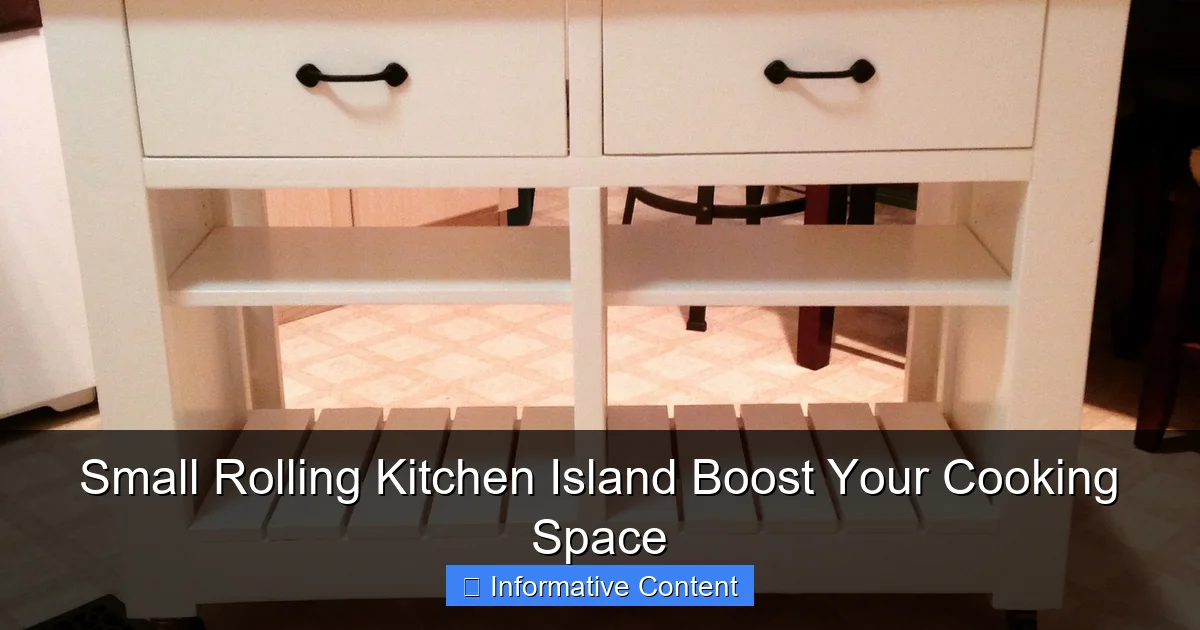
Featured image for small rolling kitchen island
Image source: i.pinimg.com
Maximize your kitchen space with a small rolling kitchen island—the ultimate solution for adding storage, prep area, and mobility in tight layouts. Ideal for renters and compact homes, these versatile islands feature wheels for easy repositioning and often include shelves, drawers, or built-in spice racks to streamline cooking efficiency.
Key Takeaways
- Maximize space: Use a rolling island for flexible, extra prep area.
- Easy mobility: Locking wheels ensure stability when stationary.
- Smart storage: Choose models with shelves or drawers for clutter-free counters.
- Style matters: Match the island’s design to your kitchen decor.
- Quick setup: No installation—roll it in and start cooking.
- Multi-functional: Doubles as a serving cart or breakfast bar.
📑 Table of Contents
- Why a Small Rolling Kitchen Island Is a Game-Changer
- What Makes a Small Rolling Kitchen Island So Useful?
- Choosing the Right Small Rolling Kitchen Island for Your Space
- How to Use Your Small Rolling Kitchen Island Like a Pro
- Top Brands and Models Worth Considering
- Real-World Tips and Lessons Learned
- Final Thoughts: Is a Small Rolling Kitchen Island Right for You?
Why a Small Rolling Kitchen Island Is a Game-Changer
Let’s be honest: not all of us have the luxury of a spacious, open-concept kitchen with endless counter space. In fact, most of us are working with a modest kitchen layout—maybe even a galley-style setup or a corner nook that feels more like a tight squeeze than a culinary playground. I remember when I lived in a 600-square-foot apartment, my kitchen was barely big enough for two people to turn around at the same time. Counter space? Dream on. Storage? Even more of a stretch. But that’s when I discovered the small rolling kitchen island—a humble, unassuming piece of furniture that completely transformed how I cooked, stored, and lived in my kitchen.
A small rolling kitchen island isn’t just a trendy accessory. It’s a practical, versatile solution for anyone who wants more functionality without a full kitchen remodel. Whether you’re renting (and can’t make permanent changes), living in a tiny home, or just trying to make better use of your current space, this little workhorse can be your kitchen’s best friend. It gives you extra prep space, extra storage, and even extra style—all on wheels. You can move it where you need it, tuck it away when you don’t, and use it for everything from chopping vegetables to hosting a casual dinner party. And the best part? You don’t need a designer or a contractor to make it work.
What Makes a Small Rolling Kitchen Island So Useful?
When I first started looking into kitchen islands, I assumed they were only for large kitchens. But the truth is, a small rolling kitchen island is often the *perfect* fit for compact spaces. Unlike fixed islands or bulky cabinets, these mobile units are designed with flexibility in mind. They’re compact, lightweight, and built to adapt to your changing needs throughout the day.
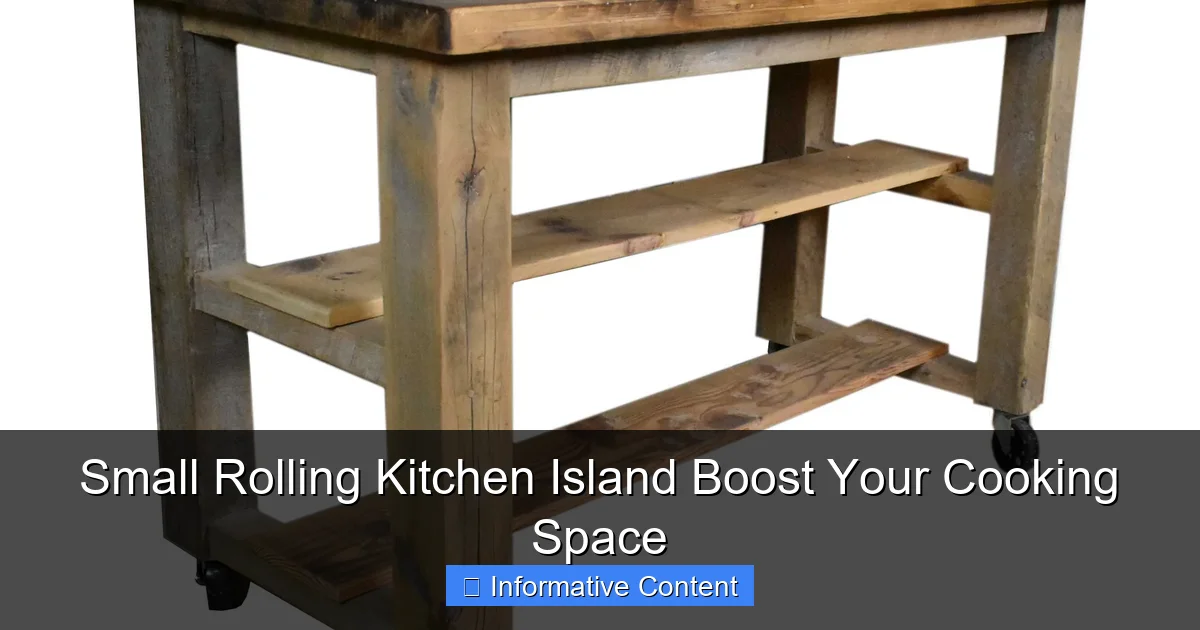
Visual guide about small rolling kitchen island
Image source: whatmanhardwoods.com
Extra Counter Space Without the Commitment
One of the biggest perks? Instant counter space. If your kitchen counters are always cluttered with appliances, spices, or that one pan you forgot to put away, a rolling island gives you a clean, dedicated surface. I use mine for meal prep—chopping veggies, kneading dough, or just laying out ingredients for a recipe. It’s like having a second countertop that follows you around.
- Ideal for small kitchens, studio apartments, or open-concept living spaces
- Provides a clean surface for food prep, baking, or even as a temporary dining table
- Can double as a coffee or bar station during gatherings
And because it’s on wheels, you can roll it out of the way when you’re not using it. No more tripping over it or blocking your path. It’s there when you need it, gone when you don’t.
Smart Storage Solutions for Clutter-Free Cooking
Storage is another area where a small rolling kitchen island really shines. Most models come with built-in shelves, drawers, or even cabinets. Some have open cubbies for baskets or cookbooks, while others feature closed storage for hiding away less attractive items (like that stack of takeout menus).
For example, I use the bottom shelf of my island to store my cast iron pans—easy to reach, but out of the way. The drawer holds measuring spoons, kitchen twine, and a few small gadgets. And the open shelf? That’s where I keep my favorite cookbooks and a pretty ceramic bowl for fruit. It’s functional, but also adds a bit of personality to the room.
Pro tip: Look for islands with adjustable shelves or modular storage. That way, you can customize the space to fit your specific needs—whether that’s storing wine bottles, bulk dry goods, or bulky appliances like a stand mixer.
Mobility and Flexibility for Everyday Use
Let’s talk about the wheels. Not all casters are created equal, so pay attention to the type and quality. I’ve tried a few rolling islands with flimsy plastic wheels that got stuck or wobbled on uneven floors. Not fun. But the good ones? They glide smoothly, even on tile or hardwood.
- Look for locking casters—they keep the island steady when you’re chopping or using sharp knives
- Swivel wheels make it easy to maneuver around corners or into tight spaces
- Rubber or silicone wheels are quieter and less likely to scratch your floors
Mobility also means you can use your island in different ways. Need a breakfast bar? Roll it near the window. Hosting a party? Move it to the living room and use it as a serving station. It’s like having a kitchen assistant that can go wherever you need it.
Choosing the Right Small Rolling Kitchen Island for Your Space
Now that you’re sold on the idea, how do you pick the right one? With so many options out there—different sizes, materials, styles, and features—it’s easy to get overwhelmed. But don’t worry. I’ve made my share of mistakes (like buying one that was too tall for under-cabinet clearance), so I’ve learned a few things along the way.
Measure Your Space (and Your Clearances)
This might sound obvious, but it’s the #1 thing people forget. Before you fall in love with a gorgeous wooden island, measure your kitchen. Not just the floor space, but the height clearance under cabinets, the width of your doorways, and how much room you have to move around when the island is in use.
- Standard counter height is 36 inches—make sure the island matches so it aligns with your existing counters
- Allow at least 36–42 inches of walking space around the island for comfortable movement
- Check the depth: most small islands are 18–24 inches deep, which fits well in narrow kitchens
I once ordered a 30-inch-deep island for my 12-foot-wide kitchen. It looked huge when it arrived. I had to return it and wait two weeks for a smaller model. Lesson learned: always double-check your measurements.
Material Matters: Wood, Stainless Steel, or Laminate?
The material you choose affects both looks and durability. Here’s a quick rundown:
- Solid wood: Warm, classic, and durable. Great for farmhouse or rustic styles. Can be heavy, so make sure the wheels are strong enough. May require occasional sealing or oiling.
- Stainless steel: Sleek, modern, and easy to clean. Ideal for contemporary kitchens or if you do a lot of messy prep (think: raw meat, sticky dough). Can show fingerprints and water spots.
- Laminate or engineered wood: Affordable and available in many colors and finishes. Lightweight and easy to assemble. Less durable than solid wood but still a solid choice for budget-conscious buyers.
I went with a white laminate island with a butcher block top. It gives me the look of wood without the maintenance, and it’s easy to wipe down after cooking. Plus, the light color makes my small kitchen feel brighter and more open.
Features to Look For (and Which Ones You Can Skip)
Not all features are worth the extra cost. Here’s what I’ve found actually matters:
- Pull-out cutting board: Handy for quick prep, but not essential if you already have a dedicated cutting board
- Drop-leaf or foldable sides: Great for expanding counter space when you need it, then tucking away when you don’t
- Built-in power strip or USB ports: A game-changer if you use small appliances often (like a blender or electric kettle)
- Wine rack or spice rack: Nice for organization, but only if you actually use them
- Overhang for stools: Perfect if you want to use the island as a breakfast bar or casual dining spot
Skip the gimmicky extras—like a built-in wine cooler or Bluetooth speaker—unless you truly need them. They add cost and complexity without much real-world benefit.
How to Use Your Small Rolling Kitchen Island Like a Pro
Buying the island is just the beginning. To get the most out of it, you need to use it strategically. Think of it not just as furniture, but as a tool that can help you cook smarter, store better, and even entertain more easily.
Maximize Prep Efficiency with Smart Organization
One of the biggest mistakes I made early on was treating my island like just another surface to pile things on. That defeats the purpose. Instead, I now use it as a prep station—a dedicated zone for getting meals ready.
Here’s how I do it:
- Keep a small caddy with my most-used knives, cutting boards, and peelers on the island
- Store dry ingredients (like rice, pasta, or beans) in airtight containers on the shelves
- Use the top surface for chopping, mixing, and assembling—never for storing random clutter
This way, when I start cooking, everything I need is right there. No running back and forth between cabinets and counters. It saves time and reduces stress, especially on busy weeknights.
Transform It Into a Dining or Entertaining Space
When friends come over, I roll my island out into the living room and turn it into a buffet. I set out snacks, drinks, and even a small charcuterie board. With a few stools pulled up, it becomes a cozy dining spot.
Pro tip: Use a drop-leaf island if you have limited space. When the party’s over, just fold down the sides and roll it back to the kitchen. No need for a permanent dining table.
For smaller gatherings, I’ll use the island as a coffee bar in the morning—grinder, kettle, mugs, and syrups all in one place. It’s a simple way to make guests feel welcome without cluttering the main kitchen.
Use It as a Laundry or Craft Station (Yes, Really!)
Your small rolling kitchen island doesn’t have to stay in the kitchen. I’ve used mine in the laundry room to sort and fold clothes, and even in my home office as a temporary craft table for wrapping gifts or doing small DIY projects.
The wheels make it easy to move between rooms. Just make sure the floor type is compatible (e.g., avoid thick rugs if the wheels aren’t designed for them). And if you’re using it for messy tasks, lay down a plastic mat or old towel to protect the surface.
Top Brands and Models Worth Considering
There are dozens of brands out there, but not all are created equal. Based on my research and personal experience, here are a few that consistently get good reviews for quality, value, and design.
Budget-Friendly Options Under $200
If you’re looking for something affordable but still functional, these are solid picks:
- Homestyles Kitchen Island: Simple design, easy assembly, and includes a towel bar. Made of engineered wood with a butcher block top. Great for small apartments.
- Better Homes & Gardens Rolling Island: Lightweight, modern look, with open shelves and a drop-leaf. Perfect for renters or those who want flexibility.
These won’t last forever, but they’re excellent for short-term use or if you’re not ready to invest heavily.
Mid-Range Picks ($200–$500)
For better materials and more features, consider:
- Linon Home Decor Island: Solid wood frame, stainless steel top, locking wheels. Durable and stylish, with a built-in spice rack and towel bar.
- Walker Edison Kitchen Island: Modern design with drop-leaf, adjustable shelves, and a power strip. Great for tech-savvy cooks.
These models strike a nice balance between price and performance. I’ve had my Linon island for three years, and it still looks great.
Premium Choices ($500+)
If you’re ready to invest, these are worth a look:
- Pottery Barn Kitchen Island: Handcrafted wood, dovetail drawers, and custom finishes. A bit heavy, but built to last.
- Williams Sonoma Rolling Prep Table: Stainless steel construction, professional-grade wheels, and a pull-out cutting board. Ideal for serious home cooks.
These are more like heirloom pieces—designed to last a lifetime with proper care.
Real-World Tips and Lessons Learned
After using my small rolling kitchen island for over three years, I’ve learned a few tricks that aren’t in the instruction manual. Here are the real-world insights that made a difference.
Keep It Clean and Protected
Wood and stainless steel need different care. For my butcher block top, I wipe it down with a damp cloth after use and oil it every few months to prevent drying and cracking. For stainless steel, I use a microfiber cloth and a vinegar-water mix to avoid streaks.
And if you’re using the island for messy prep (like cutting raw meat), always use a cutting board. It protects the surface and makes cleanup easier.
Don’t Overload It
Even the sturdiest island has weight limits. I learned this the hard way when I stacked my stand mixer, blender, and a full bag of flour on top—then tried to roll it. The wheels groaned, and I nearly tipped it over.
Check the manufacturer’s weight rating, and distribute the load evenly. Store heavier items on the bottom shelves, lighter ones on top.
Use It as a Design Feature, Not Just a Tool
A rolling island doesn’t have to be plain or utilitarian. I added a few personal touches: a small potted herb garden on the side shelf, a colorful towel on the bar, and a vintage-style clock on the back panel. It’s now a focal point in my kitchen—not just a work surface.
Choose a style that matches your kitchen’s vibe. Whether it’s farmhouse, modern, or industrial, the right island can tie the whole room together.
| Feature | Why It Matters | Best For |
|---|---|---|
| Locking Wheels | Keeps the island steady during prep | Anyone using sharp knives or heavy appliances |
| Drop-Leaf Design | Expands space when needed, saves space when not | Small kitchens or multi-use rooms |
| Butcher Block Top | Durable, knife-friendly, and warm aesthetic | Home cooks who prep frequently |
| Open Shelving | Easy access to frequently used items | Those who like visual organization |
| Power Strip | Convenient for charging or running small appliances | Tech-heavy kitchens or remote workers |
Final Thoughts: Is a Small Rolling Kitchen Island Right for You?
After years of using a small rolling kitchen island, I can say without hesitation: it’s one of the best kitchen upgrades I’ve ever made. It solved my space problems, improved my cooking workflow, and even made my kitchen feel more inviting. And it didn’t cost a fortune or require a contractor.
But it’s not magic. It works best when you choose the right size, material, and features for your lifestyle. Don’t buy one just because it looks cute online. Think about how you cook, how you entertain, and how you use your space every day.
If you’re short on counter space, storage, or flexibility—this could be the solution you’ve been looking for. It’s not just a piece of furniture. It’s a tool that helps you live better, cook smarter, and enjoy your kitchen more. And in a world where space is at a premium, that’s worth its weight in gold.
Frequently Asked Questions
What is the best small rolling kitchen island for tight spaces?
A great small rolling kitchen island should offer storage, mobility, and countertop space without overwhelming your kitchen. Look for models with wheels, adjustable shelves, and compact dimensions (under 36 inches wide) to maximize functionality in limited areas.
How does a small rolling kitchen island improve my cooking space?
A small rolling kitchen island adds extra prep space, storage, and versatility, making it easier to cook and organize. Its mobility lets you reposition it as needed, whether for meal prep, serving, or creating a temporary breakfast bar.
Are small rolling kitchen islands easy to assemble and move?
Most small rolling kitchen islands come with simple assembly instructions and lightweight materials like wood or metal for easy setup. Lockable casters ensure stability when in use and effortless rolling when you need to relocate it.
Can a small rolling kitchen island support heavy appliances?
Yes, many models feature sturdy materials (e.g., stainless steel or solid wood) and weight capacities of 100+ pounds, making them suitable for holding mixers, microwaves, or small ovens. Always check the product’s weight limit before loading.
What features should I look for in a small rolling kitchen island?
Prioritize key features like durable wheels, ample storage (drawers, shelves, hooks), and a scratch-resistant countertop. Bonus additions include towel racks, spice racks, or drop-leaf designs for extra versatility in your small rolling kitchen island.
Where can I use a small rolling kitchen island besides the kitchen?
Beyond the kitchen, it’s ideal for small apartments, dining areas, or as a portable bar cart for entertaining. Its mobility makes it perfect for outdoor cooking, craft rooms, or even as a mobile workspace in tiny homes.