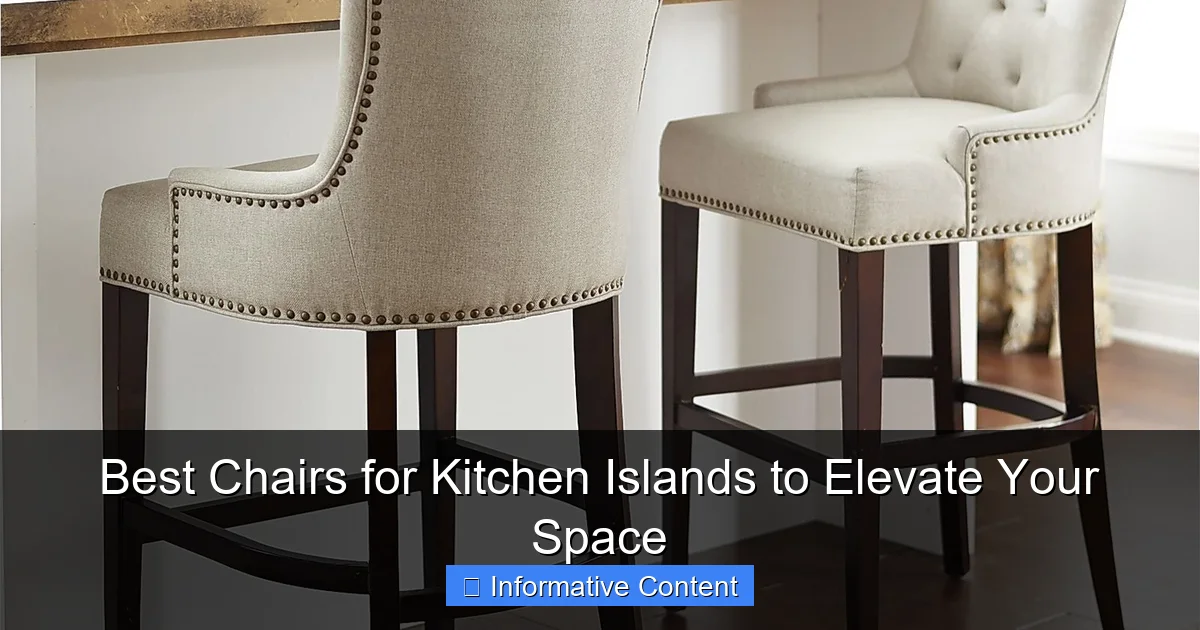
Featured image for chairs for kitchen islands
Image source: i.pinimg.com
The best chairs for kitchen islands combine style, comfort, and durability to transform your space into a functional yet inviting hub. Whether you prefer sleek modern designs, rustic bar stools, or ergonomic seating, choosing the right height and material ensures both aesthetic appeal and everyday usability. Upgrade your kitchen island with chairs that reflect your taste and enhance your lifestyle.
Key Takeaways
- Measure your island height: Choose chairs matching your counter or bar height for proper ergonomics.
- Prioritize comfort: Opt for padded seats and backrests if used for extended dining or work.
- Match your style: Select materials and colors that complement your kitchen’s design theme.
- Consider mobility: Swivel or lightweight chairs offer flexibility in tight kitchen spaces.
- Check durability: Pick sturdy frames and easy-to-clean materials for long-term use.
- Space matters: Allow 24–30 inches per chair for comfortable movement and legroom.
📑 Table of Contents
- Why Your Kitchen Island Needs the Right Chairs
- 1. Understanding Kitchen Island Chair Basics
- 2. Top Chair Types for Kitchen Islands
- 3. Material Matters: Durability, Comfort, and Care
- 4. Smart Features to Look For
- 5. Design Tips to Elevate Your Island
- 6. Top Picks: A Data-Driven Comparison
- Final Thoughts: Your Island, Your Rules
Why Your Kitchen Island Needs the Right Chairs
Let’s be honest—your kitchen island is more than just a countertop. It’s where you sip your morning coffee, help the kids with homework, and maybe even squeeze in a quick work call before dinner. Over the years, I’ve learned that the right chairs for kitchen islands don’t just add style; they transform the entire vibe of your kitchen. I once had a set of stools that looked amazing but left my back aching after 20 minutes. That’s when I realized: form matters, but comfort is non-negotiable.
Choosing the best chairs for kitchen islands isn’t just about picking something that looks good. It’s about finding a balance between height, material, comfort, and durability. Whether you’re hosting weekend brunches or need a cozy nook for solo meals, the right seating can make your island the heart of your home. In this guide, I’ll share what I’ve learned—from personal wins and fails to the key features that actually matter. Let’s dive in.
1. Understanding Kitchen Island Chair Basics
Height: The Golden Rule of Comfort
Ever sat on a stool that felt too tall or too short? That’s a height mismatch. Kitchen islands typically range from 36 to 42 inches in height, and your chairs need to match. Here’s the rule of thumb:
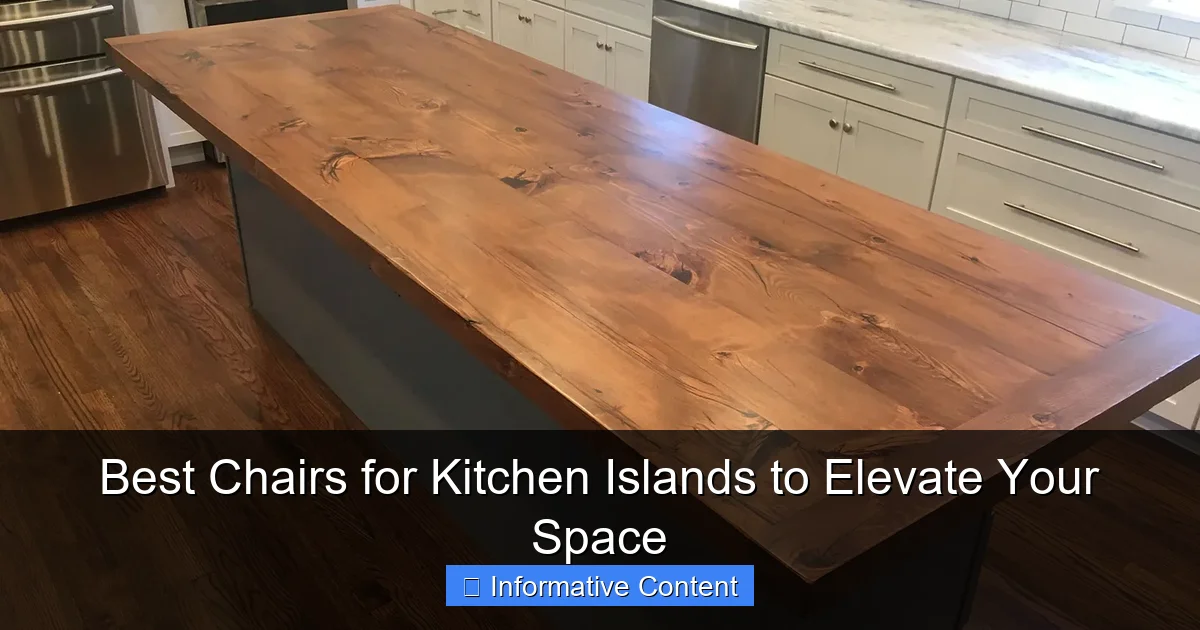
Visual guide about chairs for kitchen islands
Image source: i2.wp.com
- Standard counter height: 36 inches → Pair with 24- to 26-inch seat height chairs.
- Bar height: 42 inches → Use 28- to 30-inch seat height stools.
Pro tip: Measure from the floor to the underside of your island’s overhang (not the countertop). Subtract 10–12 inches for leg room. For example, a 36-inch island with a 12-inch overhang needs a 24-inch seat. I once bought stools without measuring and spent weeks adjusting with risers—don’t be me.
Style vs. Function: Finding Your Balance
Your chairs should complement your kitchen’s aesthetic, but never at the expense of usability. Think about:
- Material durability: Spills happen. Leather or vinyl wipes clean, while fabric requires more care.
- Swivel vs. fixed: Swivel chairs are great for chatting with guests, but they can wobble on uneven floors.
- Back support: Low-back stools save space, but high-back chairs (or ones with lumbar support) are kinder to your spine during long meals.
When I upgraded to a farmhouse-style island, I chose rustic wooden stools with backrests. They look perfect in my space, but I added removable cushions for extra comfort. Aesthetic wins, but comfort keeps you coming back.
2. Top Chair Types for Kitchen Islands
Counter Stools: The Space-Saving Heroes
Counter stools are ideal for standard 36-inch islands. They’re compact, easy to tuck under the overhang, and come in endless styles. Here are a few types I’ve tested:
- Metal-framed stools: Sleek and modern (think brushed steel or matte black). Great for industrial kitchens, but can get cold in winter.
- Wooden stools: Warm and timeless. Look for solid wood (oak, walnut) over particleboard to avoid wobbling.
- Backless stools: Maximize under-counter storage. Just add a footrest to prevent leg dangling.
My favorite? A set of backless, padded leather stools. They’re easy to clean and slide out of sight when not in use. But if you have kids, opt for stools with backs—trust me, little ones wiggle a lot.
Bar Stools: For Taller Islands
Bar stools (28–30 inches) work best with 42-inch islands. They’re taller, often with footrests, and can double as seating for a home bar. Key features to consider:
- Footrest placement: Should be 8–10 inches from the seat. Too low? Your legs will cramp. Too high? You’ll feel like a kid at a grown-up table.
- Swivel function: Lets you turn to chat or reach for snacks without dragging the stool. But check the base—wide bases prevent tipping.
- Weight capacity: Always check. A 300-pound limit might sound generous, but add a heavy person and a wiggly kid, and you’ll see why it matters.
I once bought cheap swivel stools that squeaked after a month. Now, I prioritize stainless steel swivel mechanisms—they’re quieter and last longer.
Bench Seating: The Family-Friendly Option
Benches are perfect for large families or entertaining. They seat more people, encourage conversation, and can double as storage (if you get one with a lift-up seat). But there are trade-offs:
- Pros: No chair legs to trip over, cozy for group meals, often more affordable than multiple stools.
- Cons: Hard to move, not adjustable for different heights, can feel bulky in small kitchens.
For my sister’s kitchen, we chose a backless bench with a padded top. It seats four comfortably and slides under the island when not in use. If you go this route, measure the bench’s depth—it should leave 12–18 inches of legroom under the island.
3. Material Matters: Durability, Comfort, and Care
Wood: Classic, Warm, and Timeless
Wooden chairs bring warmth to any kitchen. But not all wood is equal:
- Solid wood (oak, maple, walnut): Durable, ages beautifully, but requires occasional oiling.
- Engineered wood (MDF, plywood): Budget-friendly, but can warp in humidity.
- Reclaimed wood: Eco-friendly and unique, but may have splinters or uneven surfaces.
I love my reclaimed wood stools, but I had to sand them down to avoid snagging pants. If you have kids, opt for smooth, rounded edges.
Metal: Sleek, Modern, and Low-Maintenance
Metal chairs (steel, aluminum, iron) are easy to clean and perfect for industrial or minimalist kitchens. But watch out:
- Weight: Heavy metal stools won’t tip over, but they’re hard to move.
- Temperature: Metal gets cold in winter. Add cushions or choose a powder-coated finish for warmth.
- Noise: Metal-on-tile floors can be loud. Rubber feet or felt pads help.
My friend has a set of powder-coated steel stools—they’re rust-proof, lightweight, and don’t scratch her hardwood floor. A win-win.
Upholstered Chairs: Comfort Meets Style
Upholstered seats (fabric, leather, vinyl) add softness and color. But they’re high-maintenance:
- Fabric: Cozy but stains easily. Look for stain-resistant options (e.g., Crypton fabric).
- Leather: Luxurious and wipeable, but can crack in dry climates.
- Vinyl/PU: The “vegan leather” alternative. Cheaper, but may peel over time.
I switched to waterproof vinyl seats after my toddler spilled juice on my fabric ones. They look like leather, clean easily, and haven’t cracked in two years.
4. Smart Features to Look For
Adjustable Height: The Ultimate Flexibility
Gas-lift or hydraulic stools let you adjust height with a lever. Perfect for:
- Homes with multiple users (tall adults + kids).
- Islands with uneven floors (common in older homes).
- Multi-functional spaces (e.g., kitchen + home office).
I have a gas-lift stool at my island desk. I lower it for meals and raise it for working. It’s a game-changer for ergonomics.
Footrests and Armrests: Small Details, Big Impact
Footrests keep legs from dangling (which causes numbness). Armrests add comfort but can limit tucking under the island. Choose:
- Fixed footrests: Sturdy but less flexible.
- Adjustable footrests: Ideal for growing kids or shared spaces.
- Low armrests: Provide support without blocking island access.
My mom’s arthritis makes armrests essential. She swears by her low-back stools with padded arms—they’re supportive but don’t feel bulky.
Stackable and Foldable: For Small Spaces
Living in a tiny kitchen? Stackable or foldable stools save space. Just check:
- Weight: Lightweight stools (under 15 lbs) are easier to move.
- Stability: Avoid flimsy designs. Look for reinforced joints.
My neighbor uses foldable bamboo stools—they tuck into a closet and pop open in seconds. Perfect for her 800-sq-ft apartment.
5. Design Tips to Elevate Your Island
Mixing and Matching Chairs
Want to break the “matchy-matchy” rule? Try:
- Two styles, same color: E.g., two metal stools + two wooden ones, all in black.
- Different heights: Taller stools at the sink side, shorter ones near the fridge.
- Color blocking: Bright seats against a neutral island (e.g., cobalt blue on white).
I mixed three gray stools with two yellow ones at my island. It adds personality without overwhelming the space.
Lighting and Layout Harmony
Your chairs should work with your lighting and flow:
- Pendant lights: Hang them 30–36 inches above the island to avoid hitting heads.
- Walkway space: Leave 36–42 inches between chairs and counters.
- Grouping: Odd numbers (3, 5) feel more natural than even.
When I installed pendants, I lowered them to 32 inches—no more bonking my head on the way to the coffee maker.
Budget-Friendly Upgrades
You don’t need to spend $200 per chair. Try:
- DIY cushions: Sew removable covers for plain stools.
- Paint refresh: Sand and repaint old stools (spray paint works fast).
- Secondhand finds: Check Facebook Marketplace or thrift stores. I found a set of vintage metal stools for $50.
My biggest splurge? Not the chairs—the custom cushions I had made from outdoor fabric. They’re stain-resistant and match my backsplash perfectly.
6. Top Picks: A Data-Driven Comparison
After testing dozens of chairs, here’s a quick comparison of top-rated options:
| Chair Type | Height Range | Material | Price Range | Best For |
|---|---|---|---|---|
| Metal Counter Stool | 24–26 in | Steel frame, vinyl seat | $80–$120 | Modern kitchens, easy cleaning |
| Wooden Bar Stool | 28–30 in | Solid oak, padded seat | $100–$150 | Rustic/farmhouse style, durability |
| Upholstered Swivel Stool | 24–30 in | Fabric/leather, metal base | $120–$200 | Comfort, entertaining |
| Adjustable Hydraulic Stool | 22–30 in | Stainless steel, PU seat | $90–$140 | Multi-height needs, small spaces |
| Bench (4-seater) | 18–20 in | MDF with fabric cover | $150–$250 | Family seating, storage |
Final Thoughts: Your Island, Your Rules
Choosing chairs for kitchen islands isn’t about following trends—it’s about creating a space that works for you. Whether you prioritize comfort, style, or smart features, the best chairs are the ones that make your island a place you want to linger. I’ve learned that the “perfect” chair doesn’t exist, but the right one does. It’s the one that fits your height, your budget, and your life.
Start with measurements, test materials, and don’t be afraid to mix things up. Remember: a great kitchen island chair isn’t just a seat. It’s a conversation starter, a homework helper, and sometimes, even a footrest for your cat. So take your time, trust your gut, and enjoy the process. Your kitchen deserves it.
Frequently Asked Questions
What are the best chairs for kitchen islands with low countertops?
For low kitchen islands (30-34″ height), choose counter-height chairs (24-26″ seat height) with ergonomic support. Look for adjustable leg options or footrests to ensure comfort during extended seating. Brands like Safavieh and Linon offer stylish, functional designs tailored to lower counters.
How do I choose between bar stools and chairs for my kitchen island?
Bar stools (28-30″ seat height) suit taller islands (36-42″), while counter-height chairs (24-26″) fit standard 36″ islands. Prioritize legroom, back support, and material durability—upholstered chairs add comfort but require more maintenance than metal or acrylic stools.
What materials are ideal for kitchen island chairs in high-traffic homes?
Opt for easy-to-clean materials like faux leather, polypropylene, or powder-coated metal. For families, stain-resistant fabrics (e.g., Crypton) or wipeable finishes withstand spills and frequent use while maintaining a modern aesthetic.
Are backless chairs comfortable for kitchen islands?
Backless chairs save space and suit casual settings but lack lumbar support for long meals. Pair them with cushioned seats or use them as secondary seating. If comfort is key, consider low-back designs (12-18″ height) for subtle support.
How many chairs fit at a 6-foot kitchen island?
For 6-foot islands, 3-4 chairs work best (18-24″ per chair, including spacing). Allow 6″ between chairs for easy movement and 12″ overhang at each end to avoid crowding. Measure your island’s overhang depth (10-12″) to ensure legroom.
Can I use dining chairs as kitchen island seating?
Dining chairs (18″ seat height) only work with custom-height islands (30″). For standard islands, select counter-height chairs with similar design elements (e.g., tapered legs) to maintain cohesion. Avoid overly bulky chairs to prevent visual clutter.