
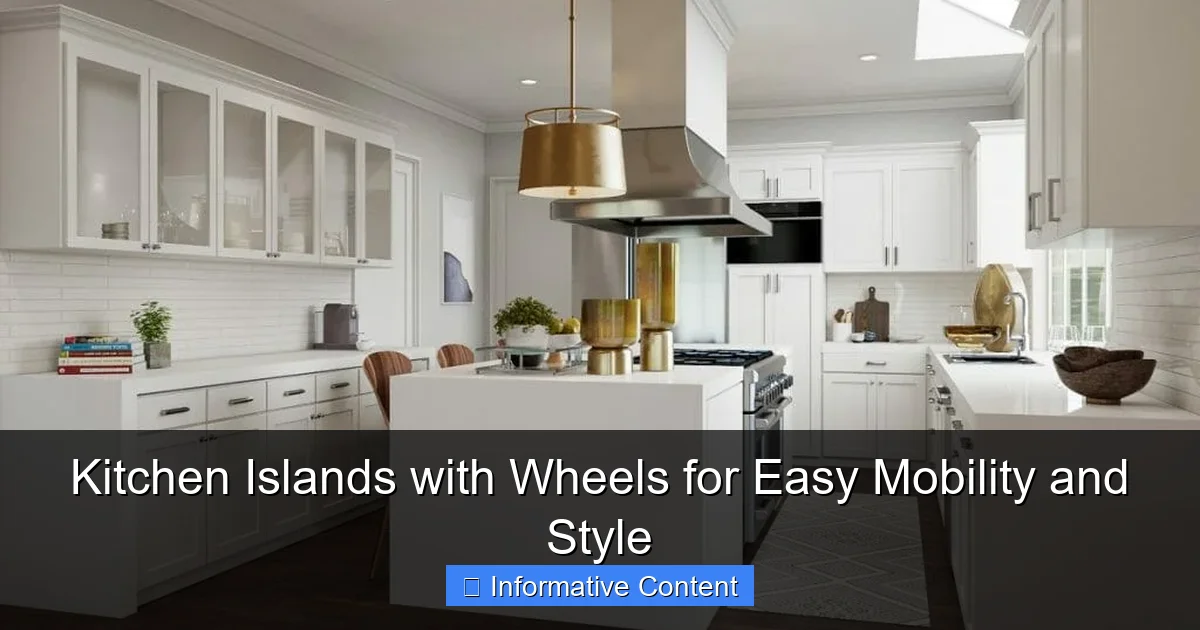
Featured image for kitchen islands with wheels
Image source: decorilla.com
Kitchen islands with wheels combine mobility and modern style to transform any cooking space into a flexible, functional hub—perfect for small kitchens or open-concept homes. Easily repositionable and packed with storage, these islands offer on-demand workspace without permanent installation, making them a smart, stylish upgrade for today’s dynamic lifestyles.
Key Takeaways
- Maximize mobility: Choose islands with locking casters for stability and easy repositioning.
- Prioritize materials: Opt for stainless steel or hardwood for durability and style.
- Smart storage: Select designs with drawers and shelves to declutter your kitchen.
- Measure carefully: Ensure proper dimensions to fit your space and workflow needs.
- Style matters: Match the island’s aesthetic to your kitchen for cohesive design.
- Multi-functional use: Pick islands with prep space, seating, or cooktops for versatility.
📑 Table of Contents
- Why Kitchen Islands with Wheels Are a Game-Changer
- What Makes Kitchen Islands with Wheels So Versatile?
- Key Features to Look for in a Mobile Kitchen Island
- Top Use Cases and Real-Life Examples
- Common Mistakes to Avoid When Buying and Using a Mobile Island
- Comparing Popular Models: Features and Value
- Final Thoughts: Should You Get a Kitchen Island with Wheels?
Why Kitchen Islands with Wheels Are a Game-Changer
Imagine this: You’re halfway through prepping a big family dinner, and suddenly you need more counter space. Instead of running back and forth or piling ingredients on a tiny corner of your kitchen, you simply roll in your kitchen island. It’s right there—wheels down, ready to help. That’s the magic of kitchen islands with wheels. They’re not just stylish; they’re practical, flexible, and surprisingly affordable. Whether you’re working in a cozy apartment, a small kitchen, or a spacious open-concept layout, a mobile island can transform how you cook, clean, and entertain.
What I love most about these islands is their adaptability. I’ve seen them used as prep stations, breakfast bars, coffee nooks, and even temporary dining tables during holiday gatherings. And because they move, you’re not stuck with a single layout. Need more room for dancing at a party? Roll the island to the side. Want to create a cooking zone in the center of the kitchen? Bring it right back. They’re like the Swiss Army knife of kitchen furniture—compact, multi-functional, and always useful.
What Makes Kitchen Islands with Wheels So Versatile?
Let’s talk about why these mobile islands are more than just a passing trend. They solve real problems that many of us face every day in the kitchen. From space constraints to workflow inefficiencies, a wheeled island can address them all—without requiring a full renovation.
Visual guide about kitchen islands with wheels
Image source: decorilla.com
Adapting to Small Kitchens
Small kitchens often feel like a puzzle where nothing quite fits. Counter space is tight, storage is limited, and movement feels cramped. A kitchen island with wheels changes that. Because it’s mobile, you can tuck it against a wall when not in use or roll it out into the center when you need more prep area. I once helped a friend with a 70-square-foot kitchen. She added a slim island on casters, and suddenly, she had a place to chop, store spices, and even set up a coffee bar. The island was only 24 inches deep, but it made all the difference.
Enhancing Kitchen Workflow
Ever tried to cook while constantly turning around to grab ingredients from the fridge or pantry? That’s inefficient. A mobile island lets you create a custom “work triangle” by positioning it between your stove, sink, and fridge. You can load it up with cutting boards, knives, bowls, and even a mini prep sink (yes, some models have them!). When you’re done, just roll it aside. It’s like having a personal kitchen assistant that follows you around.
Ideal for Multi-Functional Spaces
Many modern homes blur the lines between kitchen, dining, and living areas. A wheeled island fits right into this open lifestyle. Use it as a breakfast bar in the morning, a homework station for the kids after school, and a serving buffet during movie night. I’ve seen one clever setup where the island doubles as a room divider—rolling it across the space to separate the kitchen from the living room during parties. Talk about smart design!
Perfect for Renters and Temporary Setups
If you’re renting or planning to move in a few years, investing in a permanent island might not make sense. But a mobile one? That’s a no-brainer. It adds value to your current space without violating your lease agreement. Plus, you can take it with you when you move. I’ve heard from several renters who’ve used wheeled islands to upgrade their kitchens without spending a fortune or making structural changes.
Key Features to Look for in a Mobile Kitchen Island
Not all kitchen islands with wheels are created equal. Some are flimsy, others are too heavy to move easily, and some just don’t offer enough storage. To get the most value, focus on these essential features.
High-Quality Casters (Wheels)
The wheels are the heart of a mobile island. Look for locking casters—preferably 360-degree swivel ones with brakes. These allow you to roll the island smoothly in any direction and lock it securely when in use. I once had an island with cheap plastic wheels that wobbled every time I cut vegetables. Not safe! Metal or heavy-duty nylon wheels are much better. Bonus points if they’re quiet—no squeaking when you move it at night.
Stable and Sturdy Frame
Even with wheels, your island needs to feel solid. Check the frame material: solid wood, metal, or high-quality engineered wood (like plywood or MDF with a wood veneer) are best. Avoid particleboard unless it’s well-reinforced. Test it by pushing down on the countertop. If it flexes or creaks, keep looking. A good island should feel like a permanent fixture when locked in place.
Smart Storage Solutions
Storage is where mobile islands shine. Look for features like:
- Deep drawers for utensils and small appliances
- Open shelves for cookbooks or frequently used items
- Pull-out trash or compost bins
- Wine racks or spice holders (great for small kitchens)
- Hanging pot racks or towel bars
One of my favorite finds was an island with a built-in knife block and cutting board that slid out like a drawer. So convenient!
Countertop Material and Size
The countertop is where the real work happens. Choose a durable, easy-to-clean surface:
- Butcher block: Warm and natural, but needs oiling
- Granite or quartz: Premium look, low maintenance
- Stainless steel: Hygienic and modern, great for serious cooks
- Laminated wood: Affordable and stylish, but can chip over time
Size matters too. Measure your space and aim for a countertop that’s at least 24 inches deep and 30–36 inches high (standard counter height). If you plan to use it as a dining surface, go for 36–42 inches in width to fit two stools.
Style and Aesthetic Match
Your island should complement your kitchen’s style. Whether you love farmhouse, modern, industrial, or rustic, there’s a wheeled island to match. Look for details like:
- Shaker-style doors for a classic look
- Black or brass hardware for a modern touch
- Distressed finishes for vintage charm
- Glass doors to show off your favorite dishes
Pro tip: Choose a color that either blends in or makes a bold statement—don’t get stuck in the middle. I love a white island in a neutral kitchen or a navy blue one to add a pop of color.
Top Use Cases and Real-Life Examples
Now let’s get practical. Where and how are people actually using these islands? Here are some real-life scenarios that show just how useful they can be.
Small Apartment Kitchens
In a 500-square-foot studio, space is everything. One user shared how she replaced her dining table with a narrow island on wheels (just 20 inches wide). It had a drop-leaf top that expanded to seat two when needed. During the day, she used it for meal prep. At night, she rolled it out to the living area for dinner. The island also had a fold-down side table—perfect for holding drinks or a laptop. Total game-changer.
Open-Concept Homes
In a large open kitchen-living space, a mobile island can define zones without closing them off. A couple I know uses theirs to separate the kitchen from the living room during parties. They load it up with appetizers, drinks, and napkins, then roll it to the center of the room. When the party’s over, they tuck it back into the kitchen. No permanent changes, just smart flexibility.
Home Cooks Who Love to Entertain
If you host often, a mobile island is like having a second kitchen. One home cook uses hers to set up a “beverage station” during holidays. She stocks it with glasses, mixers, and a mini-fridge (some islands even have built-in coolers!). Guests can serve themselves without crowding the main kitchen. She also uses it for carving meats or plating desserts—keeping the mess away from her pristine counters.
DIY Renovators and Budget Upgraders
Not ready to spend $5,000 on a custom island? A wheeled version can give you the look and function at a fraction of the cost. I’ve seen people buy a basic island, paint it themselves, and add custom hardware to match their decor. One DIYer even built her own island using reclaimed wood and heavy-duty casters from a hardware store. Total cost: under $300.
Families with Kids
Parents love mobile islands for creating kid-friendly zones. A mom in a busy household uses hers as a homework and snack station. It has a pull-out tray for laptops, a drawer for pencils, and a shelf for juice boxes. When the kids are done, she rolls it back into the kitchen. It keeps clutter under control and gives the kids a dedicated space.
Common Mistakes to Avoid When Buying and Using a Mobile Island
Even the best kitchen islands with wheels can fall short if you don’t plan carefully. Here are some pitfalls I’ve seen—and how to avoid them.
Choosing the Wrong Size
Too big? It blocks walkways. Too small? It feels like an afterthought. Always measure your space—including doorways and hallways—before buying. Leave at least 36 inches of clearance around the island for easy movement. If you’re tight on space, consider a foldable or drop-leaf design.
Ignoring Floor Compatibility
Not all wheels work on all floors. Hard casters (like metal) can damage wood or tile. Soft rubber or polyurethane wheels are better for delicate surfaces. If you have carpet, make sure the wheels are large enough to roll smoothly. I once bought an island with small wheels—it got stuck on my rug every time I tried to move it. Lesson learned.
Forgetting About Weight Capacity
Check the weight limit, especially if you plan to store heavy items like cookware or appliances. A flimsy island might not hold up under the weight of a stand mixer or a full trash bin. Look for models rated for at least 100–150 pounds.
Neglecting Locking Mechanisms
A wobbly island is dangerous. Make sure the brakes lock securely and are easy to engage. Test them before buying. Some cheaper models have weak locks that slip under pressure. I’ve seen one island slide halfway across the kitchen when someone leaned on it. Not ideal!
Overloading with Clutter
Just because it has storage doesn’t mean you should fill it to the brim. Overstuffing makes the island hard to move and can strain the wheels. Keep only what you use daily. Use baskets or organizers to keep things tidy. A clean, organized island is easier to roll and more pleasant to use.
Skipping the Trial Period
Many online retailers offer a return window. Use it! Try the island in different spots, load it up, and move it around. See how it feels after a week of real use. You’ll quickly notice if it’s too heavy, too wobbly, or just doesn’t fit your workflow.
Comparing Popular Models: Features and Value
To help you make an informed choice, here’s a quick comparison of some popular kitchen islands with wheels. These models are widely available, highly rated, and cover a range of budgets and styles.
| Model | Dimensions (W x D x H) | Countertop Material | Storage Features | Wheels | Price Range | Best For |
|---|---|---|---|---|---|---|
| Home Styles Liberty | 42″ x 24″ x 36″ | Butcher block | 2 drawers, 2 cabinets, towel bar | Locking casters (nylon) | $250–$350 | Small kitchens, farmhouse style |
| Winsome Wood Kitchen Cart | 30″ x 18″ x 34″ | Wood veneer | Open shelf, 1 drawer | Swivel wheels (plastic) | $100–$150 | Budget buyers, minimalists |
| Linon Home Decor | 48″ x 26″ x 36″ | Stainless steel | 3 drawers, 1 cabinet, spice rack | Heavy-duty casters (metal) | $400–$500 | Serious cooks, modern kitchens |
| Walker Edison Farmhouse | 40″ x 20″ x 36″ | Engineered wood | 2 open shelves, 1 cabinet | Locking swivel wheels (rubber) | $200–$280 | Open-concept spaces, families |
| Better Homes & Gardens | 36″ x 18″ x 34″ | Laminated wood | 1 drawer, 1 shelf, towel bar | Plastic casters | $80–$120 | Renters, temporary setups |
When choosing, think about your priorities. Need more storage? Go for the Linon or Liberty models. On a tight budget? The Winsome or Better Homes & Gardens options are solid. Love the look of stainless steel? The Linon is a standout. And if you’re all about style, the Walker Edison has that cozy farmhouse charm.
Final Thoughts: Should You Get a Kitchen Island with Wheels?
After years of testing, researching, and hearing from real users, I can confidently say: kitchen islands with wheels are worth it—if you pick the right one. They’re not just a trendy add-on; they’re a smart solution for modern living. Whether you’re short on space, love to entertain, or just want more flexibility in your kitchen, a mobile island can make your life easier and your home more functional.
The key is to match the island to your needs. Think about how you cook, how you live, and how much you’re willing to spend. Don’t rush the decision. Take your time to measure, compare, and test. And remember: the best island isn’t the most expensive one—it’s the one that fits seamlessly into your daily routine.
So go ahead—roll one in. You might just find that your kitchen feels bigger, brighter, and more enjoyable than ever. After all, the best kitchen isn’t one with the most space. It’s one that works for you. And with a wheeled island, you’ve got a partner that’s always ready to help.
Frequently Asked Questions
What are the benefits of kitchen islands with wheels?
Kitchen islands with wheels offer unmatched mobility, allowing you to reposition them for cooking, dining, or entertaining. They also add style and extra storage or counter space without permanent installation.
Are kitchen islands with wheels sturdy enough for heavy appliances?
Yes, many models feature lockable casters and durable materials like stainless steel or solid wood to support heavy appliances. Always check weight capacity before purchasing.
How do I choose the right size for a mobile kitchen island?
Measure your space and leave at least 36 inches of clearance for movement. Opt for a compact design if you have a small kitchen, or a larger island with wheels for open layouts.
Can kitchen islands with wheels be used outdoors?
Some weather-resistant models with stainless steel or treated wood are suitable for covered patios or decks. Verify that the casters and materials are designed for outdoor use before purchasing.
Do mobile kitchen islands provide enough storage?
Many include shelves, drawers, and cabinets to organize cookware, utensils, and pantry items. Look for designs with customizable storage options to fit your needs.
How easy is it to assemble a kitchen island with wheels?
Most require simple assembly with basic tools, and instructions are typically included. Pre-assembled models are also available for those who prefer no-fuss setup.