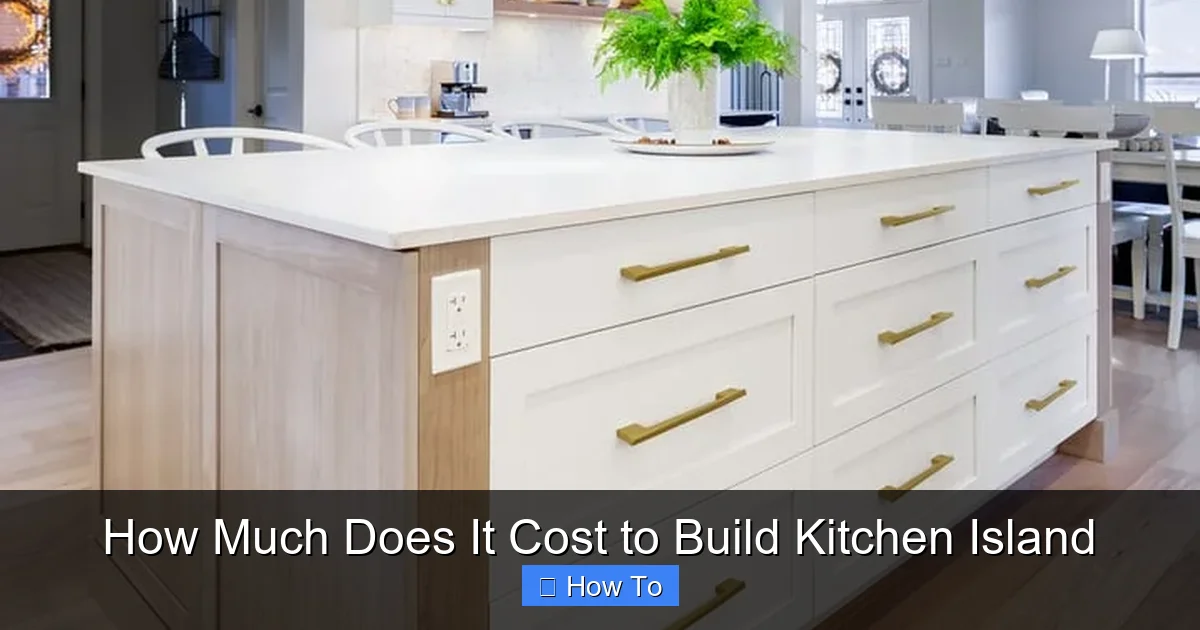
Featured image for this comprehensive guide about how much does it cost to build kitchen island
Image source: deslaurier.com
How Much Does It Cost to Build a Kitchen Island: Your Ultimate Guide
Ah, the kitchen island. For many, it’s the undisputed centerpiece of the modern home, a versatile hub for cooking, dining, entertaining, and even homework. It’s where families gather, where culinary creations come to life, and where memories are made. If you’re dreaming of adding this coveted feature to your kitchen, you’re not alone. But before you start pinning inspiration photos, one crucial question inevitably pops up: how much does it cost to build a kitchen island?
Understanding the financial investment required to bring your vision to life is the first step towards a successful project. The truth is, there’s no one-size-fits-all answer. The cost to build a kitchen island can vary dramatically, ranging from a few hundred dollars for a basic, DIY-friendly option to well over $10,000 for a large, custom-designed marvel with all the bells and whistles. This comprehensive guide will break down every factor, from materials and labor to hidden costs and smart budgeting strategies, to help you get a clear picture of what you can expect to pay.
Whether you’re considering a simple movable cart or an elaborate, plumbed-in workstation, we’ll equip you with the knowledge to make informed decisions and transform your kitchen. Let’s dive deep into the world of kitchen island costs and demystify the investment, ensuring your dream island doesn’t turn into a budget nightmare.
Quick Answers to Common Questions
How much does it typically cost to build a kitchen island?
On average, you can expect the cost to build a kitchen island to range from $1,500 for a basic, professionally installed unit up to $10,000 or more for a larger, custom island with premium materials and features.
Can I save money by building a kitchen island myself?
Yes, definitely! If you’re tackling a DIY project, how much it costs to build a kitchen island can be significantly reduced, often bringing your expenses down to just $100-$1,000 for materials alone.
What makes the cost to build a kitchen island vary so much?
The biggest factors influencing how much it costs to build a kitchen island are its size, the materials you choose (like countertop type), and whether you include features such as sinks, cooktops, or electrical outlets.
Is it cheaper to buy a pre-made island or build one?
For a simple, non-custom addition, buying a ready-made kitchen island can often be more budget-friendly than considering how much does it cost to build a kitchen island from scratch, especially when you factor in professional labor.
What’s a common budget for a moderately sized, functional kitchen island?
A good starting budget for a moderately sized and functional kitchen island, professionally installed with a decent countertop and some storage, will often fall in the $3,000 to $7,000 range when considering how much does it cost to build a kitchen island.
📋 Table of Contents
- The Core Factors Influencing Your Kitchen Island Cost
- Breaking Down the Materials: What Will You Pay For?
- Beyond the Basics: Features That Add to Your Kitchen Island Investment
- Professional Labor and Installation Costs
- Average Cost Ranges and Budgeting Strategies
- Is a Kitchen Island Worth the Investment?
- Conclusion
The Core Factors Influencing Your Kitchen Island Cost
Before we get into specific numbers, it’s essential to understand the primary drivers behind the cost to build a kitchen island. These fundamental choices will set the baseline for your entire project budget.
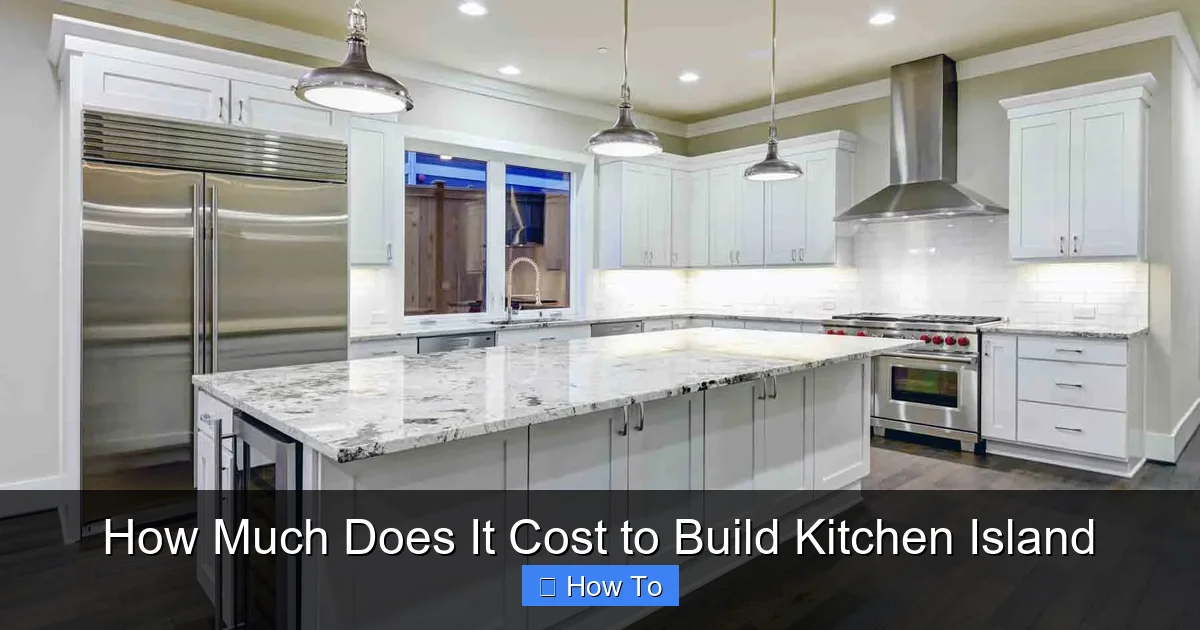
Learn more about how much does it cost to build kitchen island – How Much Does It Cost to Build Kitchen Island
Image source: static.homeguide.com
DIY vs. Professional Installation: A Key Decision
One of the biggest factors influencing your total kitchen island cost is whether you decide to tackle the project yourself or hire professionals. Each approach has its pros and cons:
| Island Type/Approach | Estimated Cost Range | Key Considerations/Effort |
|---|---|---|
| **DIY from Stock Cabinets/Materials** | $300 – $1,500 (materials) | High DIY skill & tools required, significant time commitment, basic customization. |
| **Semi-Custom (e.g., RTA Cabinets, IKEA)** | $800 – $3,000 (materials & assembly) | Moderate DIY skills for assembly, good design flexibility, more finish options. |
| **Pre-fabricated Island (Store-bought)** | $1,000 – $5,000 (unit cost, often excludes install) | Minimal assembly/installation effort, limited customization, instant solution. |
| **Custom-Built (Professionally Designed & Installed)** | $4,000 – $10,000+ (materials, labor, install) | Tailored design & functionality, premium materials, professional finish, minimal effort for homeowner. |
| **Adding Utilities (Plumbing/Electrical)** | +$500 – $2,500 (on top of island cost) | Requires professional contractors, permits, significantly increases complexity and labor costs. |
- DIY (Do-It-Yourself): Opting for DIY can significantly reduce the cost to build a kitchen island by eliminating labor fees. If you have solid carpentry skills, access to tools, and a good amount of time, you could save thousands. However, it requires a significant time commitment, careful planning, and the ability to troubleshoot potential issues. Mistakes can be costly and frustrating.
- Professional Installation: Hiring experienced contractors (carpenters, plumbers, electricians) ensures a high-quality finish, proper installation, and adherence to building codes. While this adds substantially to the overall kitchen island price, it offers peace of mind, saves you time and effort, and often results in a more polished, durable outcome. Professionals can also provide valuable insights and solutions you might not have considered.
Size and Complexity: Bigger Isn’t Always Better for Your Wallet
It stands to reason that a larger kitchen island will require more materials and labor, thus increasing the cost to build a kitchen island. But it’s not just about square footage:
- Size: A compact island (e.g., 3×2 feet) will naturally cost less than a sprawling, multi-functional island (e.g., 8×4 feet). More material for the base, countertop, and finishes equals a higher price.
- Complexity: A simple rectangular island is less expensive than one with custom angles, curves, multiple tiers, or intricate joinery. Complex designs require more skilled labor and specialized fabrication, pushing up your custom kitchen island cost.
Materials Chosen: From Budget-Friendly to Luxury
The selection of materials for your island’s base, countertop, and decorative finishes plays a monumental role in the final cost to build kitchen island. The range is vast:
- Base Materials: Options include affordable plywood and MDF, stock cabinetry, semi-custom units, or high-end custom solid wood cabinets.
- Countertop Materials: This can range from economical laminate or butcher block to mid-range solid surface, and high-end natural stone (granite, quartz, marble) or specialty options like concrete or stainless steel.
- Finishes: The choice of exterior finishes, such as paint, stain, decorative panels (shiplap, beadboard), or custom veneers, will also impact the aesthetic and overall kitchen island materials cost.
Breaking Down the Materials: What Will You Pay For?
Let’s dive deeper into the specific material choices that will shape your kitchen island price. Each component offers a spectrum of quality and cost.
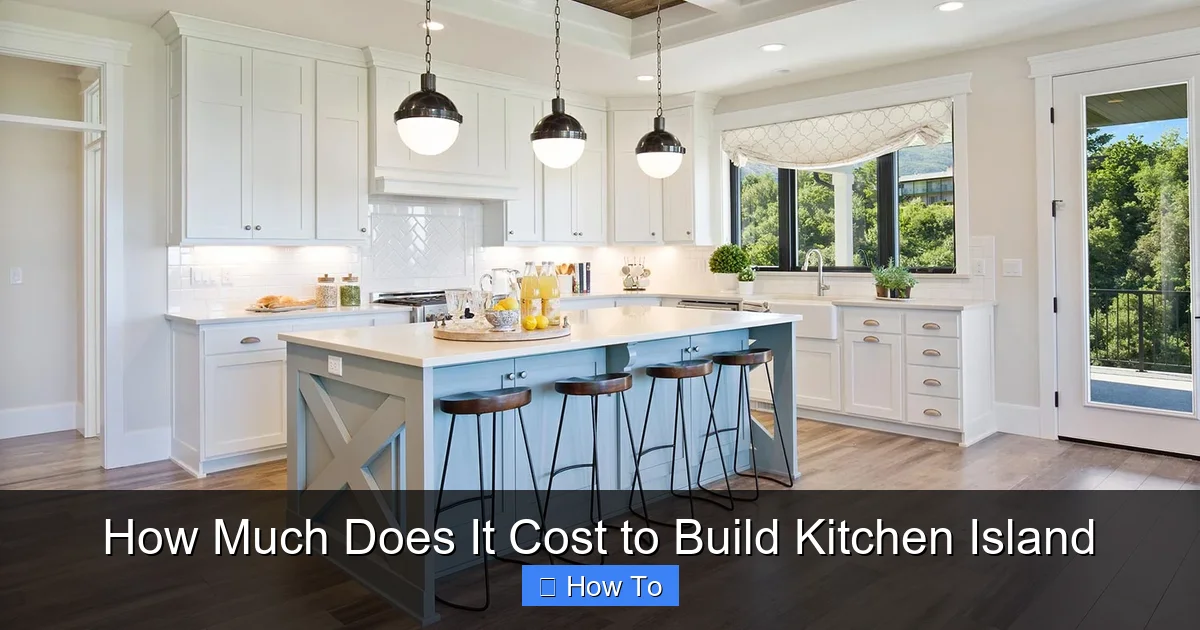
Learn more about how much does it cost to build kitchen island – How Much Does It Cost to Build Kitchen Island
Image source: media.angi.com
Cabinetry and Base Structure: The Foundation of Your Island
The underlying structure of your island is critical for stability and functionality. Your choice here significantly impacts the cost to build kitchen island:
- Ready-to-Assemble (RTA) Cabinets: These flat-pack cabinets are the most budget-friendly option, ideal for DIYers. You assemble them yourself, saving on labor. Expect to pay anywhere from $100 to $400 per cabinet.
- Stock Cabinets: Readily available in standard sizes and styles from home improvement stores. A good middle-ground option for quality and cost. Prices typically range from $200 to $800 per cabinet.
- Semi-Custom Cabinets: Offer more size flexibility and style options than stock cabinets. You can often adjust dimensions slightly to fit your space perfectly. These will run from $400 to $1,200 per cabinet.
- Custom Cabinets: Designed and built specifically for your kitchen, offering unlimited customization in size, style, and finish. This is the highest-end option, significantly increasing your custom kitchen island cost, often starting at $800 and going upwards of $2,500+ per cabinet or linear foot.
- Alternative Bases: For a more unique or industrial look, you might consider building a base from lumber, steel, or even repurposing a sturdy piece of furniture. This can be more budget-friendly if you have the skills, but custom fabrication can still be costly.
Countertop Selection: The Surface That Defines Your Island
The countertop is arguably the most visible and heavily used part of your island. Its material choice has a huge impact on both aesthetics and the overall kitchen island materials cost.
- Laminate: The most economical choice, offering a wide range of patterns and colors. Durable but not heat or scratch-resistant like other options. Expect $15 – $40 per square foot.
- Butcher Block: A popular, warm, and natural option. Can be DIY-friendly to install and relatively affordable, especially if purchased as a slab. Requires regular oiling and maintenance. Prices range from $40 – $100 per square foot.
- Solid Surface (e.g., Corian): Non-porous, seamless, and repairable. Offers a uniform look and feel. Generally priced between $50 – $120 per square foot.
- Quartz: An engineered stone that is highly durable, non-porous, and resistant to stains and scratches. Available in a vast array of colors and patterns. One of the most popular choices. Costs typically range from $60 – $150 per square foot.
- Granite: A natural stone known for its unique patterns and durability. Requires sealing but offers timeless elegance. Similar to quartz, prices are usually $60 – $150 per square foot.
- Marble: A luxurious natural stone, prized for its classic beauty. Softer and more porous than granite or quartz, making it more prone to etching and staining. High-end, often starting at $75 – $200+ per square foot.
- Concrete: Customizable in color and texture, offering an industrial or modern look. Can be DIY-ed but professional casting is often preferred for quality. Price varies widely, from $50 – $150 per square foot, plus custom fabrication costs.
Finishes and Siding: The Decorative Touches
The exterior finish of your island impacts its aesthetic and can subtly add to the cost to build kitchen island.
- Plywood or MDF Panels: The most basic and budget-friendly, typically painted or stained.
- Shiplap or Beadboard: Adds texture and character, often used in farmhouse or cottage-style kitchens. Material costs are moderate.
- Decorative Wood Panels: Can be customized with carvings or patterns, adding to a higher-end look and increasing the kitchen island materials cost.
- Veneer Panels: Mimic the look of solid wood at a lower price point.
- Paint/Stain: The cost of high-quality paint or stain should also be factored in, especially if hiring a painter.
Beyond the Basics: Features That Add to Your Kitchen Island Investment
A simple island provides counter space and storage, but many homeowners dream of a multi-functional hub. Adding features like sinks, cooktops, or specialized storage significantly increases the overall cost to build kitchen island due to additional materials and the need for specialized labor.
Plumbing and Electrical: The Hidden Infrastructure
If your island is more than just a surface, you’ll need to consider utilities. This is often where the cost to build kitchen island can jump considerably.
- Plumbing (Sink, Dishwasher, Wine Fridge): Adding a prep sink, full-size sink, or a small dishwasher requires running new water lines and drain pipes to the island. This often involves cutting into your floor and potentially routing pipes through your foundation or crawl space, which is a significant labor expense. Expect to pay a licensed plumber anywhere from $500 to $2,500+ depending on the complexity and distance from existing lines.
- Electrical (Outlets, Lighting, Appliances): An island with a cooktop, microwave drawer, beverage cooler, or even just convenience outlets will require new electrical wiring. This work must be done by a licensed electrician to ensure safety and compliance with codes. Costs can range from $300 for basic outlets to over $1,500 for dedicated circuits for high-power appliances.
Appliances and Ventilation: Integrating Functionality
Beyond the cost of the appliance itself, you’ll need to factor in installation and any necessary modifications to the island structure.
- Cooktop/Range: Integrating a cooktop means you’ll need proper ventilation (a downdraft vent or overhead range hood), which adds another layer of complexity and kitchen island installation cost.
- Microwave Drawer: A sleek and convenient option, but requires dedicated electrical and precise cabinet dimensions.
- Beverage/Wine Fridge: Adds a luxury touch, but also requires electrical and can impact the overall cabinet layout.
- Appliance Costs: The appliances themselves can range from a few hundred dollars for a basic microwave to several thousand for a high-end cooktop or professional-grade beverage cooler. Installation fees for these can add $100 to $300 per appliance.
Storage and Customizations: Tailoring Your Space
The more specialized your storage and design elements, the higher your custom kitchen island cost will be.
- Drawers and Pull-Out Shelves: These add incredible functionality but are more expensive than standard cabinet doors. Soft-close mechanisms also add to the price.
- Trash Pull-Outs/Recycling Centers: A highly desirable feature, but requires specific cabinet inserts.
- Spice Racks/Pantry Pull-Outs: Maximizes storage in narrow spaces.
- Built-in Bookcases/Display Shelving: Adds character and display opportunities.
- Breakfast Bar Overhangs: Requires structural support and can necessitate deeper countertops, increasing material and fabrication costs.
- Integrated Charging Stations: Small but adds to the electrical needs and complexity.
- Architectural Details: Fluted columns, decorative corbels, and custom legs add aesthetic value but increase the carpentry labor and material cost.
Professional Labor and Installation Costs
Unless you’re planning a full DIY project, a significant portion of your cost to build kitchen island will be dedicated to professional labor. Understanding who does what, and how they charge, is crucial.
General Contractor vs. Individual Trades: Managing Your Project
- General Contractor (GC): If your island project is part of a larger kitchen renovation, or if it involves significant structural, plumbing, and electrical work, a GC might be worthwhile. They manage all the trades, coordinate schedules, and ensure the project runs smoothly. This convenience comes at a premium, typically adding 10-20% to the total project cost.
- Individual Trades: For a standalone island, you might hire individual specialists: a carpenter for the base, a plumber for plumbing, an electrician for electrical, and a countertop fabricator for the surface. This can potentially save you money by cutting out the GC’s fee, but it requires you to manage the project yourself, coordinating schedules and overseeing the quality of work from each professional.
Breakdown of Labor Types and Their Costs
Here’s an overview of typical labor costs you might encounter:
- Carpentry/Cabinetry Installation: This involves assembling cabinet boxes, building custom framework, installing decorative panels, and ensuring everything is level and secure.
- Hourly Rate: $50 – $100 per hour
- Project Rate: $300 – $1,500+ depending on the complexity and size of the island’s base.
- Plumbing: Installing a sink, dishwasher, or other plumbed appliances. This includes running water supply lines, drain lines, and ensuring proper venting.
- Hourly Rate: $75 – $150 per hour
- Project Rate: $500 – $2,500+ for basic sink installation to complex multi-appliance plumbing with new lines.
- Electrical Work: Installing outlets, light fixtures, and dedicated circuits for appliances. This is critical for safety and functionality.
- Hourly Rate: $60 – $120 per hour
- Project Rate: $300 – $1,500+ for running new circuits and installing multiple outlets/fixtures.
- Countertop Fabrication and Installation: This involves precise measurement, cutting, edge profiling, and careful installation of your chosen countertop material. Natural stone and complex shapes will be on the higher end.
- Project Rate: $500 – $2,000+, depending on material, size, cutouts (sink, cooktop), and edge profiles. This is often factored into the per-square-foot cost of the material by suppliers.
- Tiling/Backsplash (if applicable): If your island includes a tiled wall or backsplash, a tiler’s labor will be extra.
- Hourly Rate: $40 – $70 per hour
- Project Rate: $200 – $800+ depending on area and tile complexity.
Remember that labor costs can vary significantly based on your geographic location, the complexity of the job, and the experience level of the tradesperson.
Average Cost Ranges and Budgeting Strategies
Now that we’ve dissected all the components, let’s look at some average ranges for the cost to build kitchen island and practical ways to manage your budget.
Estimated Kitchen Island Costs by Component
The table below provides a general overview of what you might expect to pay for various components, helping you to estimate your total kitchen island cost.
| Cost Component | Low End (Basic/DIY) | Mid Range (Stock/Semi-Custom) | High End (Custom/Luxury) |
|---|---|---|---|
| Cabinetry/Base Structure | $300 – $800 | $800 – $3,000 | $3,000 – $10,000+ |
| Countertop Material & Fabrication | $200 – $800 (Laminate/Butcher Block) | $800 – $3,000 (Quartz/Granite/Solid Surface) | $3,000 – $8,000+ (Premium Stone/Custom Concrete) |
| Plumbing (for sink/dishwasher) | $0 (if no plumbing) | $500 – $1,500 | $1,500 – $3,000+ |
| Electrical (for outlets/appliances) | $0 (if no electrical) | $300 – $1,000 | $1,000 – $2,500+ |
| Appliances (e.g., sink, cooktop, fridge) | $100 – $500 (Basic Sink/Faucet) | $500 – $3,000 (Mid-range appliances) | $3,000 – $10,000+ (High-end/Professional) |
| Finishes/Siding Materials | $50 – $200 | $200 – $800 | $800 – $2,000+ |
| Professional Labor (Installation, excl. GC) | $0 (DIY) | $1,000 – $4,000 | $4,000 – $10,000+ |
| Total Estimated Kitchen Island Cost | $650 – $3,500 | $3,600 – $12,300 | $12,300 – $38,500+ |
Note: These are broad estimates. Actual costs will vary based on location, material choices, specific features, and labor rates. Always get multiple quotes.
Budgeting Tips to Control Your Kitchen Island Cost
Don’t let the wide range of costs overwhelm you. With smart planning, you can build a fantastic island within your budget.
- Prioritize Features: Determine your absolute must-haves versus nice-to-haves. Do you really need a second sink, or is extra counter space more important? Every added feature increases the cost to build kitchen island.
- Consider RTA or Stock Cabinets: If your budget is tight, pre-made cabinets are a huge cost-saver compared to semi-custom or custom options.
- DIY Where Possible: If you have the skills, doing non-structural work yourself, such as painting, installing basic paneling, or even assembling RTA cabinets, can cut labor costs significantly. However, always leave plumbing and electrical to licensed professionals.
- Choose Smart with Countertops: Butcher block or high-quality laminate can offer a beautiful look at a fraction of the cost of quartz or granite.
- Get Multiple Quotes: Always obtain at least three detailed bids from different contractors for comparison. Ensure they itemize material and labor costs.
- Factor in a Contingency Fund: Unexpected issues can arise (e.g., discovering old plumbing issues, needing a stronger electrical circuit). Allocate 10-20% of your total budget for contingencies.
- Shop for Sales: Keep an eye out for sales on appliances, sinks, faucets, and even cabinet components to reduce your kitchen island materials cost.
- Think About Lighting: Under-cabinet lighting or decorative pendant lights above the island can elevate the space but add to the electrical and fixture costs.
Is a Kitchen Island Worth the Investment?
After breaking down all the potential expenses, you might wonder, “Is the cost to build a kitchen island truly worth it?” For most homeowners, the answer is a resounding yes. The benefits often far outweigh the initial investment.
Benefits Beyond the Initial Cost
- Increased Counter Space: This is perhaps the most immediate and appreciated benefit, providing ample room for meal prep, baking, or serving.
- Additional Storage: Islands offer valuable cabinet or drawer space, helping to declutter your main kitchen area and keep essentials organized.
- Enhanced Functionality: With integrated sinks, cooktops, and seating, an island transforms into a versatile workstation and dining area.
- Improved Kitchen Flow: A well-designed island can create a more efficient “work triangle” and improve the overall traffic flow in your kitchen.
- Social Hub: It creates a natural gathering spot, allowing family and guests to interact with the cook without getting in the way.
- Increased Home Value: A modern, functional kitchen island is a highly sought-after feature for homebuyers. It can significantly boost your home’s appeal and resale value, offering a solid return on investment (ROI). According to a 2022 survey by the National Association of Home Builders, a kitchen island ranks high on a list of desirable features for prospective buyers.
- Aesthetic Appeal: Beyond functionality, a beautiful island serves as a focal point, enhancing the overall design and elegance of your kitchen.
Making the Right Decision for Your Home
Ultimately, the decision to build a kitchen island and how much you invest depends on your specific needs, lifestyle, and budget. Consider:
- Your Kitchen’s Size: Ensure your kitchen can comfortably accommodate an island without hindering movement. Allow at least 36-42 inches of walkway space around all sides.
- Your Lifestyle: Do you entertain often? Do you need extra prep space for cooking? Does your family gather in the kitchen?
- Your Budget: Be realistic about what you can afford. Remember that there are excellent options across all price points.
- Long-Term Goals: Are you planning to sell your home soon? A well-executed island can be a major selling point.
Conclusion
The journey to understanding how much does it cost to build a kitchen island reveals a nuanced picture, influenced by a myriad of choices, from the materials you select to the extent of professional labor you employ. While a simple, DIY-friendly island might start at a few hundred dollars, a large, custom-designed, multi-functional island with integrated appliances and professional installation could easily climb into the tens of thousands.
By carefully considering factors like DIY vs. professional installation, the size and complexity of your design, your material selections, and the functional features you wish to include (like plumbing and electrical), you can accurately estimate your potential kitchen island cost. Remember to gather multiple quotes, prioritize your must-have features, and always allocate a contingency fund for unexpected expenses.
A well-planned kitchen island is more than just an expense; it’s an investment in the heart of your home, promising enhanced functionality, increased living space, and significant value. With this comprehensive guide, you’re now equipped to embark on your kitchen island project with confidence and a clear understanding of the investment. Start planning, get those quotes, and get ready to enjoy your beautiful, functional new kitchen hub!
Frequently Asked Questions
What’s the average cost to build a kitchen island?
The cost to build a kitchen island can range widely, typically from $500 for a basic DIY project using pre-made cabinets to over $10,000 for a large, custom-designed island with premium materials and integrated appliances installed by professionals. Most homeowners can expect to pay between $1,500 and $5,000 for a moderately sized island with good quality finishes.
Is building a kitchen island myself cheaper than hiring a professional?
Generally, yes, building a kitchen island yourself can significantly reduce costs as you save on labor, which often accounts for a substantial portion of a professional installation. However, this assumes you have the necessary skills, tools, and time to complete the project to a high standard. If you lack experience, hiring a professional ensures quality, efficiency, and often comes with a warranty.
What factors most influence the overall cost to build a kitchen island?
Several key factors influence the total cost of a kitchen island, including its size, the type of materials chosen for the countertop and cabinetry, and the inclusion of features like a sink, electrical outlets, or built-in appliances. Labor costs, whether DIY or professional, also play a significant role. Custom designs and high-end finishes naturally increase the expense.
How do material choices affect the price of building a kitchen island?
Material choices have a profound impact on the price. For example, a laminate countertop is considerably less expensive than natural stone like granite or engineered quartz. Similarly, pre-fabricated stock cabinets are more budget-friendly than custom-built cabinetry made from exotic hardwoods. The quality of hardware, finishes, and flooring materials also contribute to the final cost.
Does adding features like a sink or outlets increase the cost to build a kitchen island?
Absolutely. Incorporating features such as a sink, dishwasher, or a cooktop requires plumbing and potentially gas line installation, which adds both material and professional labor costs. Similarly, adding electrical outlets or built-in appliances like a wine fridge necessitates wiring and specialized installation, further increasing the overall price of your kitchen island.
Are there ways to reduce the cost of building a kitchen island?
Yes, there are several ways to save money when building a kitchen island. Consider using more affordable materials like laminate countertops or paint-grade wood for cabinetry, or opt for pre-fabricated stock cabinets instead of custom ones. Limiting the number of complex features like sinks or cooktops, and undertaking parts of the work as a DIY project, can also help significantly reduce the overall cost.