
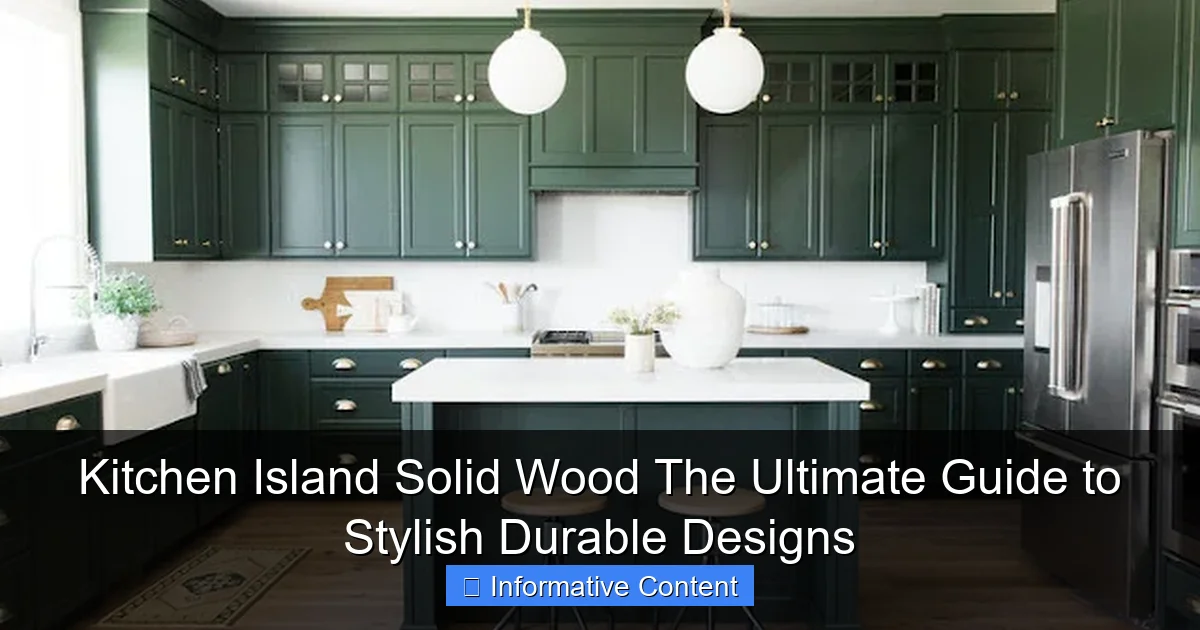
Featured image for kitchen island solid wood
Image source: publicdomainpictures.net
Solid wood kitchen islands combine unmatched durability with timeless style, making them a top choice for long-lasting, elegant kitchen design. Crafted from hardwoods like oak, maple, and walnut, these islands resist wear while developing a rich patina over time, enhancing their aesthetic appeal. With customizable finishes, joinery options, and built-in storage, solid wood islands offer both functional versatility and a striking focal point for modern and traditional kitchens alike.
Key Takeaways
- Choose solid wood: Opt for oak, maple, or walnut for lasting durability and timeless appeal.
- Measure carefully: Ensure your kitchen layout allows at least 36 inches of clearance around the island.
- Seal properly: Apply food-safe sealant to protect wood from moisture and stains effectively.
- Prioritize craftsmanship: Inspect joinery and finishes to ensure long-term structural integrity.
- Customize smartly: Add storage, overhangs, or seating to boost functionality without overcrowding.
- Maintain regularly: Clean with pH-neutral cleaners and reseal annually to preserve wood quality.
📑 Table of Contents
- The Heart of the Home: Why a Solid Wood Kitchen Island Matters
- Why Solid Wood Is the Gold Standard for Kitchen Islands
- Choosing the Right Wood Type for Your Kitchen Island
- Design Ideas: Styling Your Solid Wood Island for Every Kitchen
- Maintaining Your Solid Wood Island: Care Tips for Longevity
- Solid Wood vs. Alternatives: Is It Worth the Investment?
- Where to Buy and What to Ask: A Shopper’s Checklist
- Final Thoughts: Your Island, Your Legacy
The Heart of the Home: Why a Solid Wood Kitchen Island Matters
Let’s be honest—kitchen islands have become more than just a trend. They’re the new heartbeat of the modern kitchen. Whether you’re prepping dinner, helping your kids with homework, or hosting friends for a casual wine night, the kitchen island is where life happens. And when it comes to choosing materials, kitchen island solid wood stands head and shoulders above the rest. It’s not just about looks (though, let’s admit it, solid wood is stunning). It’s about durability, warmth, and a sense of authenticity that engineered or laminate materials just can’t match.
I remember visiting a friend’s home a few years ago. Their kitchen had a sleek, minimalist island with a glossy white finish. It looked great—until I accidentally set down a hot pot. The surface bubbled and warped within minutes. That’s when it hit me: style without substance is a gamble. Solid wood, on the other hand, handles heat, spills, and daily wear like a champ. It ages gracefully, develops character, and often becomes a family heirloom. Whether you’re building a new kitchen or upgrading your current one, a solid wood island isn’t just a purchase—it’s an investment in both function and beauty.
Why Solid Wood Is the Gold Standard for Kitchen Islands
Durability That Lasts Generations
Solid wood is, quite literally, built to last. Unlike particleboard or MDF (medium-density fiberboard), which can swell, chip, or degrade over time, solid wood holds its shape and integrity for decades. Hardwoods like oak, maple, walnut, and cherry are especially resilient. I once saw a 100-year-old farmhouse kitchen with an original walnut island. It had scratches, yes, but they told a story—not a flaw. The wood had only deepened in color and richness with age.
Visual guide about kitchen island solid wood
Image source: 3.bp.blogspot.com
Think of it this way: a solid wood island is like a fine wine. It gets better with time. Scratches? They’re not damage—they’re character. Dents? They add charm. And with proper care, a solid wood island can easily outlive the home itself.
Natural Beauty and Timeless Appeal
Let’s talk aesthetics. There’s something inherently inviting about natural wood grain. Each piece is unique—swirls, knots, and color variations create a one-of-a-kind centerpiece. A maple island might have a light, creamy tone perfect for a Scandinavian kitchen, while a dark walnut brings drama and warmth to a modern farmhouse.
And unlike painted finishes, which can chip or yellow, solid wood retains its natural depth. You don’t need to “match” it to trends—because it’s always in style. Whether your kitchen leans rustic, contemporary, or eclectic, a solid wood island adapts effortlessly.
Environmental and Health Benefits
Here’s a lesser-known perk: solid wood is one of the most eco-friendly materials available. It’s renewable, biodegradable, and often sourced from responsibly managed forests. Plus, it doesn’t off-gas volatile organic compounds (VOCs) like some laminates or engineered woods. If you’ve ever walked into a new kitchen and smelled that “new furniture” odor—that’s VOCs. Solid wood doesn’t do that.
For families with allergies or respiratory sensitivities, this is a game-changer. No synthetic resins, no hidden toxins—just clean, natural wood.
Choosing the Right Wood Type for Your Kitchen Island
Hardwoods vs. Softwoods: What’s the Difference?
Not all wood is created equal. When shopping for a kitchen island solid wood piece, you’ll likely encounter two categories: hardwoods and softwoods.
- Hardwoods: Derived from deciduous trees (like oak, maple, cherry, walnut). Denser, more durable, and ideal for high-traffic areas. They’re also more expensive—but worth it for a kitchen island that sees daily use.
- Softwoods: Come from coniferous trees (like pine, fir, cedar). Lighter, more affordable, and easier to work with. Pine, for example, has a charming rustic look but is softer and more prone to dents. Best for low-traffic or decorative islands.
For most kitchens, I recommend starting with hardwoods. They’re the workhorses of the wood world.
Top 5 Hardwoods for Kitchen Islands (With Pros and Cons)
Let’s break down the most popular options:
- Oak: Affordable, strong, and widely available. Red oak has a warm tone; white oak is slightly harder and more water-resistant. Downside: Can have bold grain patterns that clash with minimalist designs.
- Maple: Extremely durable, light in color, and smooth-grained. Perfect for modern kitchens. Downside: Can be pricey and harder to stain evenly.
- Walnut: Luxurious, rich brown with beautiful grain. Ages beautifully. Downside: Expensive and less resistant to scratches than maple.
- Cherry: Warm reddish-brown that darkens over time. Smooth texture and elegant finish. Downside: Can be sensitive to sunlight (may darken unevenly).
- Hickory: Extremely hard, with dramatic grain variations. Great for rustic or industrial styles. Downside: Can be difficult to work with and may have uneven color.
Pro tip: If you’re unsure, ask for samples. Wood looks different under various lighting, so test them in your kitchen at different times of day.
Grain Patterns and Finishes: Matching Your Style
Beyond the wood type, consider the grain and finish. Do you prefer a straight grain (clean and linear) or cathedral grain
And don’t forget about stains. A light whitewash can brighten a dark kitchen, while a dark espresso stain adds sophistication. Just remember: the stain doesn’t change the wood’s inherent qualities. A pine island stained dark still won’t be as durable as a walnut one.
Design Ideas: Styling Your Solid Wood Island for Every Kitchen
Farmhouse Chic: Rustic and Warm
Farmhouse kitchens are all about warmth and nostalgia. A kitchen island solid wood in reclaimed oak or pine is perfect here. Pair it with:
- Shiplap paneling
- Butcher block countertop (also solid wood)
- Black iron hardware
- Open shelving with mason jars and ceramic pitchers
One of my favorite designs I’ve seen: a reclaimed pine island with a live edge (where the natural bark is preserved along one side). It’s rustic, yes, but also deeply personal—like a piece of art.
Modern Minimalism: Sleek and Functional
For contemporary kitchens, opt for a clean-lined island in maple or white oak. Choose a matte finish to reduce glare and keep things understated. Add:
- Integrated induction cooktop or sink
- Hidden storage with soft-close drawers
- Bar stools with slim metal legs
- Under-cabinet LED lighting
The key here is simplicity. Let the wood speak for itself—no ornate carvings or heavy details.
Two-Tone Magic: Contrast and Character
Want to make a statement? Try a two-tone island. For example:
- Dark walnut base with a light maple countertop
- White-painted lower cabinets with a natural wood top
- Black legs with a warm cherry surface
This creates visual interest without overwhelming the space. I once helped a client design a navy-blue island base with a walnut top. The contrast was stunning—and the wood top grounded the whole look.
Custom Features That Elevate Your Island
Your island can do more than just look good. Consider these functional upgrades:
- Pull-out trash/recycling bins: Hidden and hygienic.
- Wine rack or spice drawer: Keeps essentials within reach.
- Built-in charging station: For phones, tablets, or laptops.
- Overhang for bar seating: At least 12 inches for comfort.
- Integrated cutting board or knife rack: Saves counter space.
And if you have kids? A lower section for homework or baking is a lifesaver.
Maintaining Your Solid Wood Island: Care Tips for Longevity
Daily and Weekly Care Routine
Solid wood isn’t high-maintenance, but it does need attention. Here’s what to do:
- Wipe spills immediately: Water is wood’s biggest enemy. Use a soft, dry cloth.
- Clean with mild soap and water: Avoid harsh chemicals. A 1:1 mix of white vinegar and water works great for disinfecting.
- Dry thoroughly: After cleaning, buff with a dry microfiber cloth.
- Use cutting boards: Never chop directly on the wood. Even a butcher block can get dented.
- Rotate items: Don’t leave hot pots, plants, or electronics in one spot for too long—this can cause uneven aging.
One client told me she used a lemon and salt mix to clean her island. Big mistake! The acidity stripped the finish and left a dull spot. Stick to gentle, pH-neutral cleaners.
Seasonal Maintenance: Oil, Wax, and Sanding
To keep your island looking fresh:
- Oil or wax every 6–12 months: Use food-safe products like mineral oil, beeswax, or tung oil. Apply with a lint-free cloth, let it soak in, then buff.
- Sand minor scratches: For light surface scratches, lightly sand with 220-grit paper, then reapply oil.
- Refinish every 5–10 years: If the wood looks dull or scratched, a light sanding and fresh coat of finish can restore it.
Pro tip: Always test any product on a hidden area first. Some oils darken wood significantly.
Dealing with Common Issues
Even with care, issues can arise. Here’s how to handle them:
- Water rings: Rub with a paste of baking soda and toothpaste (non-gel), then wipe with a damp cloth.
- Deep scratches: Fill with a wood filler that matches the color, then sand and refinish.
- Warping: If the island is exposed to extreme humidity or heat, it may warp. Use a dehumidifier or space heater to stabilize the environment.
- Sun damage: If your island is near a window, use UV-protective finishes or curtains to prevent fading.
Remember: minor imperfections add character. Don’t panic over small dings—they’re part of the island’s story.
Solid Wood vs. Alternatives: Is It Worth the Investment?
Cost Comparison: Upfront and Long-Term
Yes, solid wood is more expensive upfront. But let’s look at the big picture:
| Material | Average Cost (4×6 ft island) | Lifespan | Maintenance | Resale Value |
|---|---|---|---|---|
| Solid wood (oak) | $2,500–$5,000 | 50+ years | Low | High |
| Butcher block (wood veneer over core) | $1,500–$3,000 | 15–25 years | Medium | Medium |
| Laminate | $800–$1,500 | 10–15 years | Low | Low |
| Stainless steel | $2,000–$4,000 | 20–30 years | Medium | Medium |
| Quartz | $3,000–$6,000 | 30–50 years | Low | High |
See the trend? Solid wood may cost more initially, but it lasts longer, requires less frequent replacement, and adds more value to your home. Plus, you can refinish it—something you can’t do with laminate or quartz.
When Alternatives Might Make Sense
Solid wood isn’t the only option. Consider alternatives if:
- You’re on a tight budget: A butcher block island (with a solid wood top over a plywood core) can mimic the look at a lower cost.
- You need extreme moisture resistance: Quartz or stainless steel are better near sinks or in humid climates.
- You want a seamless, non-porous surface: Ideal for families with young kids or messy eaters.
But here’s the catch: no alternative offers the same warmth, texture, or longevity as true kitchen island solid wood. It’s the only material that truly ages like fine furniture.
Where to Buy and What to Ask: A Shopper’s Checklist
Retailers: From Big Box to Artisan
You have options:
- Big-box stores (IKEA, Home Depot): Affordable, but often use veneers or engineered wood. Check labels carefully.
- Specialty kitchen showrooms: Higher quality, more customization. Expect to pay a premium.
- Local woodworkers and artisans: The best choice for truly unique, handcrafted pieces. You can discuss wood source, joinery, and finish.
- Online retailers (Etsy, Wayfair, Houzz): Wide variety, but hard to assess quality without seeing it in person. Read reviews and ask for samples.
My advice? If you’re investing in a solid wood island, go local or to a reputable artisan. You’ll get better craftsmanship and a piece that’s truly yours.
Questions to Ask Before Buying
Don’t just buy—ask. Here’s what to verify:
- “Is this solid wood, or is it veneer?” (Veneer looks like wood but is a thin layer over particleboard.)
- “What type of joinery is used?” (Mortise-and-tenon or dovetail joints are strongest.)
- “Is the finish food-safe?” (Especially important if you’ll use the surface for food prep.)
- “Can I see the wood source?” (Sustainably harvested wood is better for the planet.)
- “What’s the return policy?” (In case it doesn’t fit or you change your mind.)
And if it’s custom-built? Ask for a detailed contract with materials, dimensions, and timeline.
Budgeting Tips: Getting the Best Value
Want a solid wood island without breaking the bank? Try these:
- Choose a less expensive hardwood (like oak instead of walnut).
- Opt for a simpler design (fewer custom features).
- Buy during seasonal sales (many retailers offer discounts in January or July).
- Consider a used or refurbished island (check Facebook Marketplace or Craigslist).
One couple I know bought a solid oak island from a restaurant closure sale. It needed a little sanding and oiling, but it looked brand new—and cost half the price.
Final Thoughts: Your Island, Your Legacy
A kitchen island isn’t just a piece of furniture. It’s a gathering place, a workspace, a stage for life’s little moments. And when it’s made of kitchen island solid wood, it becomes something more—a legacy. It’s the surface where your grandkids will do their first cookie decorating, where you’ll share late-night talks with your partner, where you’ll prep meals for holidays and birthdays.
Yes, it’s an investment. But it’s one that pays off in durability, beauty, and emotional value. Unlike trendy materials that fade or fail, solid wood grows richer with time. It tells a story—your story.
So when you’re ready to choose, don’t just pick what’s cheapest or easiest. Pick what feels right. Visit a local woodshop. Touch the grain. Smell the sawdust. Talk to the craftspeople. Because your island isn’t just part of your kitchen—it’s part of your home.
And years from now, when you see a small scratch or a faint ring from a forgotten cup, you won’t see damage. You’ll see a memory. That’s the magic of solid wood.
Frequently Asked Questions
What are the benefits of a solid wood kitchen island?
A solid wood kitchen island offers unmatched durability, timeless aesthetic appeal, and the ability to withstand daily wear and tear. Unlike engineered materials, solid wood can be refinished over time, extending its lifespan and maintaining its beauty for decades.
How do I choose the right kitchen island solid wood design for my space?
Consider your kitchen’s size, layout, and existing style—opt for compact designs for small spaces or farmhouse-inspired styles for rustic decor. Match the wood type (e.g., oak, maple, walnut) to your cabinets or flooring for a cohesive look.
Is solid wood suitable for kitchen islands with heavy use?
Yes, solid wood is ideal for high-traffic kitchens due to its sturdiness and resistance to scratches and dents. Proper sealing with polyurethane or oil finishes enhances its durability and moisture resistance.
Can I customize a kitchen island solid wood piece to fit my needs?
Absolutely! Many manufacturers offer customizable options, including size, storage (shelves, drawers, cabinets), countertop materials (butcher block, granite), and finishes to match your preferences.
How do I maintain a solid wood kitchen island to keep it looking new?
Regularly dust with a soft cloth and use a wood-safe cleaner. Reapply sealant every 1-2 years to protect against stains and moisture, and avoid placing hot items directly on the surface.
What wood types are best for a long-lasting kitchen island?
Hardwoods like oak, maple, and walnut are top choices due to their density and resistance to wear. Cherry and birch are also durable options, offering unique grain patterns at a lower cost.