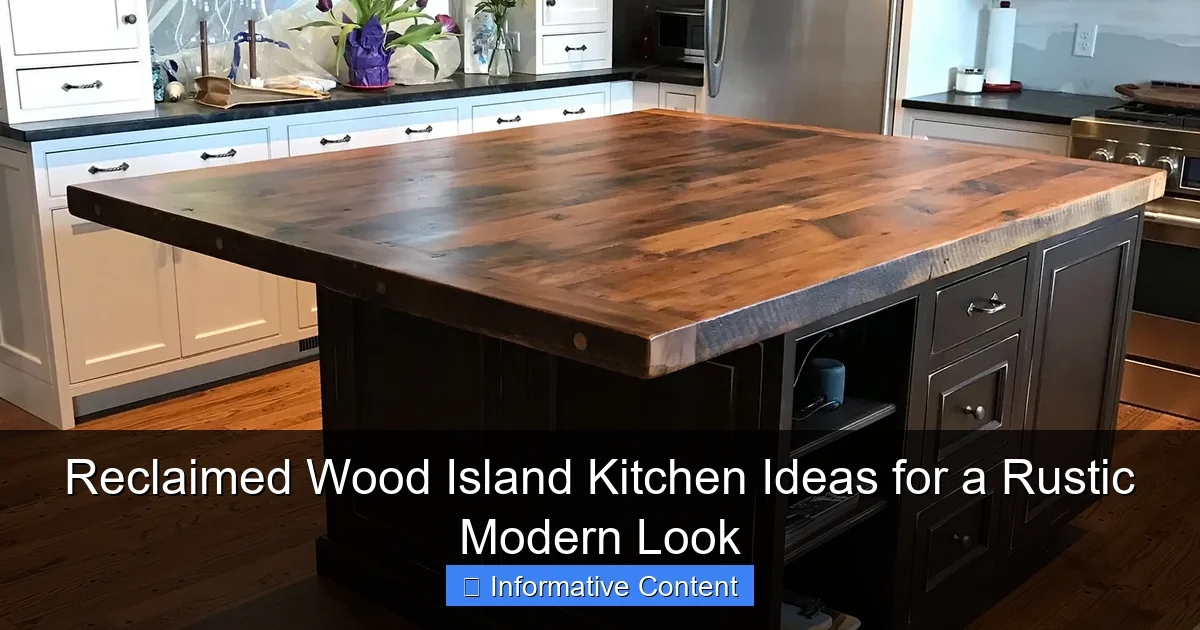
Featured image for reclaimed wood island kitchen
Image source: i2.wp.com
Reclaimed wood kitchen islands blend sustainability with style, offering a rustic modern aesthetic that transforms any kitchen into a warm, inviting space. Each unique piece tells a story through weathered textures and natural imperfections, pairing effortlessly with contemporary fixtures for a balanced, eco-conscious design. Perfect for homeowners seeking character and charm without sacrificing modern functionality.
Key Takeaways
- Choose reclaimed wood: Opt for sustainable, character-rich wood to enhance your kitchen’s rustic modern aesthetic.
- Mix materials: Pair wood with metal or concrete for a balanced, contemporary contrast.
- Prioritize finishes: Use matte or natural oil finishes to highlight wood grain and texture.
- Add functionality: Incorporate built-in storage or seating for practicality without sacrificing style.
- Light strategically: Hang pendant lights above the island to emphasize its natural beauty.
- Maintain regularly: Clean and reseal wood annually to preserve durability and appearance.
📑 Table of Contents
- Why Reclaimed Wood Island Kitchens Are Stealing the Show
- What Makes Reclaimed Wood So Special?
- Design Ideas for Your Reclaimed Wood Island Kitchen
- How to Choose the Right Reclaimed Wood for Your Island
- Practical Tips for Installing and Maintaining Your Reclaimed Wood Island
- Cost, Budget, and Where to Buy Reclaimed Wood
- Final Thoughts: Is a Reclaimed Wood Island Right for You?
Why Reclaimed Wood Island Kitchens Are Stealing the Show
Picture this: you walk into a kitchen where the island isn’t just a place to prep meals—it’s a conversation starter. The wood tells a story. It’s weathered, warm, and full of character. That’s the magic of a reclaimed wood island kitchen. It blends the soul of the past with the function of today, creating a space that feels both timeless and fresh. Whether you’re drawn to rustic charm or a sleek modern twist, reclaimed wood offers a unique way to bring personality into one of the most-used rooms in your home.
What I love most about reclaimed wood is how it bridges the gap between old and new. It’s not just about aesthetics—it’s about sustainability, authenticity, and craftsmanship. When you choose reclaimed wood for your kitchen island, you’re not only making a design statement; you’re giving a second life to materials that once served another purpose. Maybe it was a barn from the 1800s, a factory floor from the 1920s, or even an old wine barrel. Each piece carries history, and when you incorporate it into your kitchen, you’re adding depth and meaning to your everyday life.
What Makes Reclaimed Wood So Special?
The Beauty of Imperfections
Let’s be honest—perfection can feel cold. Reclaimed wood isn’t about flawless surfaces. It’s about embracing the knots, the grain variations, the nail holes, and the subtle warping. These “imperfections” are what make each piece one-of-a-kind. I remember visiting a friend’s home where the island had a visible scar from an old barn beam. At first, I thought, “Huh, that’s odd.” But after she told me the story—how the beam survived a fire and was salvaged from a family farm—it became the most beautiful part of the room. That’s the emotional power of reclaimed wood.
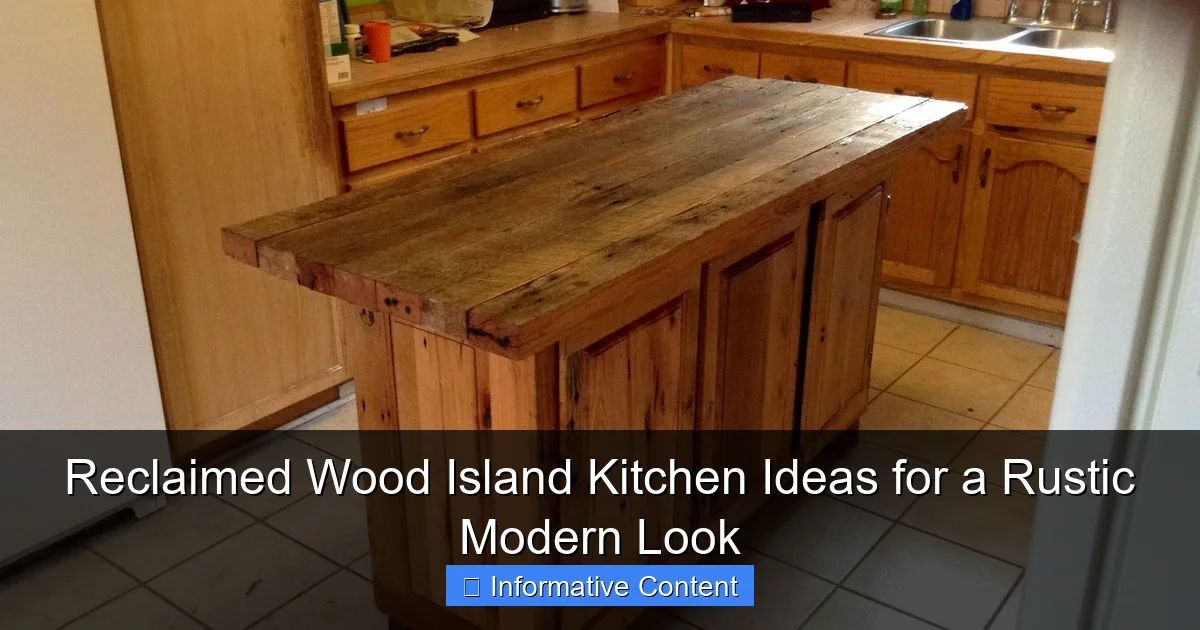
Visual guide about reclaimed wood island kitchen
Image source: i.pinimg.com
Sustainability You Can Feel Good About
We all want to make eco-conscious choices, and reclaimed wood is a standout in that department. Instead of cutting down new trees, you’re repurposing wood that’s already been used. According to the Environmental Protection Agency, reusing building materials like wood can reduce landfill waste by up to 30%. Plus, reclaimed wood often comes from old-growth trees, which means denser grain and better durability than many modern softwoods. It’s a win-win: beautiful and responsible.
Durability That Lasts
Contrary to what some might think, reclaimed wood isn’t fragile. In fact, it’s often more stable than new wood. Why? Because it’s already gone through decades of natural aging, drying, and settling. This means less warping, shrinking, or expanding over time. I’ve seen islands made from reclaimed oak that are still rock-solid after 10+ years—even in humid climates. Just make sure the wood has been properly de-nailed, cleaned, and kiln-dried to prevent pests or mold.
Versatility in Style
Reclaimed wood doesn’t lock you into a single aesthetic. It works beautifully with farmhouse, industrial, modern, and even Scandinavian designs. The key is how you finish and pair it. For example, a light, bleached finish gives a coastal vibe, while a dark, charred look (shou sugi ban) adds drama. Pair it with concrete countertops for an industrial edge, or white marble for a luxe contrast. The wood becomes a canvas, not a constraint.
Design Ideas for Your Reclaimed Wood Island Kitchen
1. Rustic Modern Fusion
This is my personal favorite—a blend of raw wood and sleek finishes. Imagine a reclaimed oak island with a live edge on one side, paired with a smooth quartz countertop in soft gray. Add matte black metal legs or a black steel base, and you’ve got a modern-rustic masterpiece. The wood brings warmth, while the metal and quartz keep it clean and functional. I once helped a client design this exact combo, and she said her kitchen felt “cozy but not cluttered.” That’s the sweet spot.
2. Industrial Chic with Exposed Metal
If you love the look of old factories and warehouses, go all in. Use reclaimed pine or Douglas fir with a grayish, weathered patina. Pair it with a black iron frame, riveted corners, and open shelving made from matching wood. Add pendant lights with Edison bulbs, and suddenly your kitchen feels like a Brooklyn loft. One couple I worked with even added a reclaimed wood island with a built-in wine rack—each bottle slot was carved from a single barn beam. Talk about functional art.
3. Farmhouse Warmth with a Twist
Farmhouse kitchens are classic, but you can modernize them with reclaimed wood. Instead of a traditional apron-front sink island, try a reclaimed wood base with a farmhouse sink on top. Use white or cream shiplap on the sides for contrast, and add brass or copper hardware. The wood adds texture without overwhelming the space. A tip: sand the edges slightly to soften the look—this keeps it from feeling too “heavy” in a smaller kitchen.
4. Minimalist Reclaimed Wood
Yes, you can go minimalist with reclaimed wood! The trick is to keep the design simple. Use a single, clean-lined island with a light-stained reclaimed wood top. Avoid ornate carvings or dark finishes. Pair it with white cabinets, a subway tile backsplash, and stainless steel appliances. The wood becomes the only texture in the room, making it the focal point without shouting. I once saw this in a Scandinavian-style kitchen in Portland, and it was serene—like a quiet forest clearing.
5. Two-Tone Island Design
Want to add visual interest? Try a two-tone island. Use reclaimed wood for the base or sides, and pair it with a contrasting countertop—like black granite, white quartz, or even concrete. This works especially well in open-concept kitchens, where the island acts as a room divider. One homeowner I know used dark walnut reclaimed wood for the base and a white marble waterfall edge. The result? A kitchen that felt both grounded and elegant.
How to Choose the Right Reclaimed Wood for Your Island
Know Your Wood Types
Not all reclaimed wood is created equal. Here’s a quick guide to common types:
- Pine: Light, affordable, and easy to work with. Great for painted finishes or light stains. Can be softer, so avoid high-traffic edges.
- Oak: Dense, durable, and rich in grain. Holds up well to scratches and moisture. Ideal for heavy use.
- Maple: Smooth, light, and modern-looking. Less character than oak or pine, but great for a clean aesthetic.
- Walnut: Dark, luxurious, and naturally water-resistant. Perfect for a high-end look, but pricier.
- Douglas Fir: Strong, with a reddish hue. Often used in barns and factories—great for industrial styles.
My advice? Go for oak or walnut if you want longevity. Pine works if you’re on a budget and okay with a more casual look.
Check for Quality and Safety
Always buy from a reputable supplier who can tell you the wood’s origin. Ask: Was it kiln-dried? Is it free of lead paint or chemicals? (Old barn wood, for example, might have been painted with lead-based paint.) Look for signs of rot, insect damage, or warping. A good supplier will also offer planing and sanding services so the wood is smooth and safe to touch.
Finish Matters: Seal or Not to Seal?
This is a big one. Some people love the raw, unfinished look—especially in a farmhouse or industrial kitchen. But for a kitchen island, I usually recommend sealing. Why? Because food spills, water rings, and grease are inevitable. A good sealant (like polyurethane, tung oil, or Rubio Monocoat) protects the wood and makes cleaning easier. If you want that “natural” feel, use a matte or satin finish. Avoid high-gloss—it can look plastic-like on reclaimed wood.
Size and Shape Considerations
Reclaimed wood often comes in irregular sizes and shapes. That’s part of its charm, but it can make planning tricky. Measure your kitchen space carefully. A standard island is 36–42 inches high (counter height), 24–30 inches deep, and 60–72 inches long. But if you’re using live-edge slabs, you might need custom supports or legs. Talk to a carpenter early in the process—they can help you work with the wood’s natural shape instead of against it.
Practical Tips for Installing and Maintaining Your Reclaimed Wood Island
Work with the Right Professionals
Don’t DIY this unless you’re experienced. Reclaimed wood is heavy, often uneven, and requires special handling. A skilled carpenter or cabinetmaker can ensure the island is structurally sound. They’ll also know how to attach the wood to a frame without splitting it. I’ve seen too many DIYers try to glue reclaimed planks directly to a base—only to have them crack or shift over time. Spend the extra money on a pro. It’s worth it.
Support and Stability
Reclaimed wood can be thick—sometimes 2–3 inches or more. That’s great for durability, but it means you need strong supports. Use metal brackets, steel legs, or a sturdy wooden frame. For live-edge slabs, consider hidden steel supports underneath. Also, make sure the base is level. A wobbly island is not just annoying—it’s a safety hazard.
Maintenance: Less Is More
Reclaimed wood doesn’t need much. Clean it with a damp cloth and mild soap. Avoid harsh chemicals or abrasive scrubbers. For sealed wood, reapply the finish every 1–2 years, depending on use. For unsealed wood, use a food-safe oil (like mineral oil) every few months to prevent drying and cracking. And if you get a scratch? Embrace it. That’s part of the story.
Protect Against Water and Heat
Even sealed wood can be damaged by water rings or hot pans. Use coasters, trivets, and cutting boards. If you’re installing a sink or cooktop on the island, make sure the wood around it is extra well-sealed. One homeowner I know used a reclaimed wood island with a built-in prep sink. She sealed the area with a marine-grade epoxy—no water damage after five years.
Lighting and Accents
Good lighting makes reclaimed wood shine. Use under-cabinet LED strips to highlight the grain, or hang pendant lights above the island. Add texture with woven bar stools, ceramic bowls, or a vintage rug nearby. The goal is to let the wood be the star, not compete with it.
Cost, Budget, and Where to Buy Reclaimed Wood
What to Expect Price-Wise
Reclaimed wood isn’t cheap—but it’s not always expensive either. Here’s a rough breakdown:
| Wood Type | Price Range (per sq ft) | Best For |
|---|---|---|
| Pine | $10–$15 | Budget-friendly projects, painted finishes |
| Oak | $15–$25 | Durability, high-traffic kitchens |
| Maple | $18–$30 | Clean, modern looks |
| Walnut | $25–$50 | High-end, luxury kitchens |
| Douglas Fir | $12–$20 | Industrial, rustic styles |
Remember: this is just the wood. Add 20–30% for labor, finishes, and supports. A custom island can range from $2,000 to $10,000+, depending on size and complexity.
Where to Buy: Local vs. Online
Local is best if you can find it. Visit salvage yards, architectural salvage stores, or woodworking co-ops. You’ll see the wood in person and ask questions. I once found a perfect 8-foot oak beam at a local salvage shop—half the price of online retailers. If you’re buying online, look for companies that offer sample kits. Some even let you choose your own slabs. Just be ready for shipping costs—reclaimed wood is heavy!
DIY vs. Custom Build
If you’re handy, you can build a simple base and top it with reclaimed wood planks. But for a seamless, professional look, I’d go custom. A carpenter can match the wood’s grain, hide seams, and ensure it’s level and stable. Plus, they’ll handle the finishing—saving you hours of sanding.
Hidden Costs to Watch For
- De-nailing and cleaning fees (if not included)
- Custom milling (for uniform thickness)
- Delivery and installation
- Sealant and maintenance supplies
- Permits (if structural changes are needed)
Factor these in early to avoid surprises.
Final Thoughts: Is a Reclaimed Wood Island Right for You?
Let’s wrap this up with a heart-to-heart. A reclaimed wood island isn’t just a trend—it’s a choice that reflects who you are. If you value sustainability, history, and authenticity, this is a no-brainer. It’s not the cheapest option, and it does require some care. But the payoff? A kitchen that feels alive, personal, and deeply connected to the past.
I’ve seen families gather around reclaimed wood islands for years—cooking meals, doing homework, sharing stories. The wood ages gracefully, gaining character with each scratch and stain. It’s not about perfection. It’s about creating a space that grows with you.
So, ask yourself: Do you want a kitchen that’s just functional? Or one that tells a story? If it’s the latter, a reclaimed wood island kitchen might be your dream come true. Just remember—start with a solid plan, work with pros, and let the wood’s natural beauty shine. You’re not just building an island. You’re building memories.
Frequently Asked Questions
What is a reclaimed wood island kitchen?
A reclaimed wood island kitchen features a central countertop or cabinet base made from salvaged wood, often sourced from old barns, factories, or warehouses. This eco-friendly design adds warmth, character, and a rustic modern aesthetic to your space.
How do I incorporate a reclaimed wood island into a modern kitchen?
Pair the reclaimed wood island with sleek countertops (like quartz or concrete), minimalist hardware, and modern lighting to balance rustic and contemporary elements. The contrast highlights the wood’s natural texture while keeping the kitchen fresh and updated.
Is reclaimed wood durable enough for a kitchen island?
Yes, when properly sealed and finished, reclaimed wood is highly durable and resistant to wear. Its aged density often makes it more stable than new wood, ideal for high-traffic kitchen islands.
Where can I source reclaimed wood for my kitchen island?
Reclaimed wood can be found at salvage yards, specialty lumber suppliers, or online marketplaces like Etsy or Craigslist. Always verify the wood’s history and condition to ensure it’s safe and structurally sound.
How do I maintain a reclaimed wood island kitchen?
Clean regularly with a damp cloth and mild soap, and reapply a food-safe sealant (like polyurethane or tung oil) every 1–2 years to protect against stains and moisture. Avoid harsh chemicals to preserve the wood’s natural patina.
Can a reclaimed wood island work in a small kitchen?
Absolutely! Opt for a compact, multi-functional design (e.g., a narrow island with built-in storage or seating). Light-colored reclaimed wood or whitewashed finishes can also help maximize the sense of space.