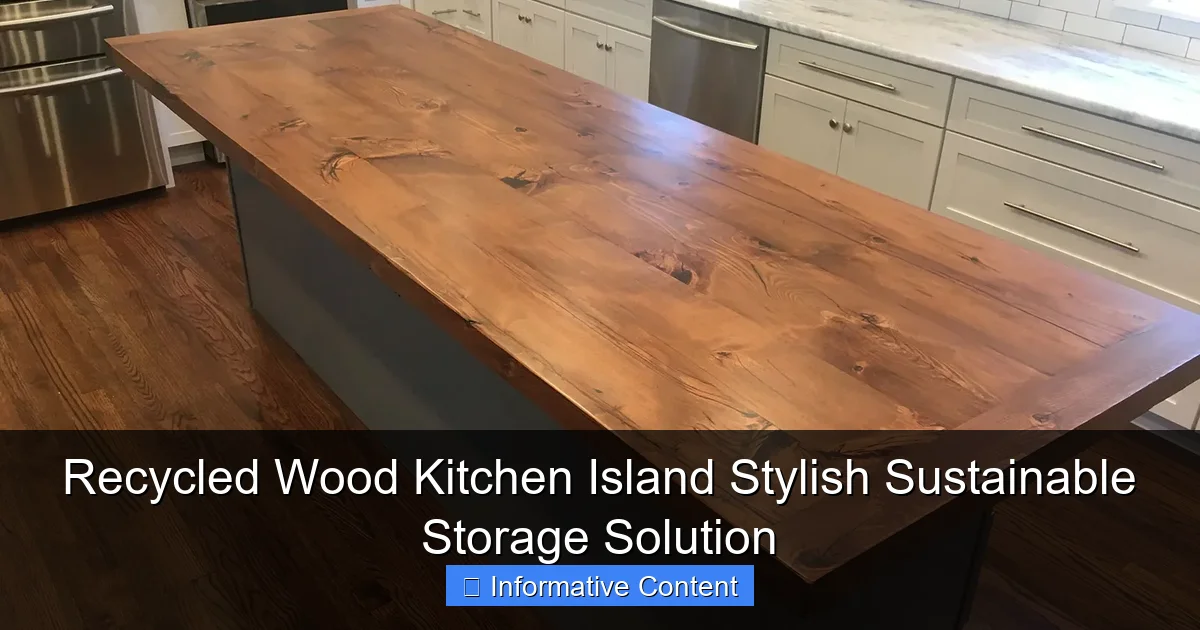
Featured image for recycled wood kitchen island
Image source: i2.wp.com
The recycled wood kitchen island merges sustainability with high-end design, offering an eco-conscious storage solution that enhances any modern kitchen. Crafted from reclaimed timber, each piece features unique character and durability, reducing environmental impact without sacrificing style or function.
Key Takeaways
- Choose recycled wood: Opt for eco-friendly, durable materials with unique character.
- Maximize storage: Utilize cabinets, shelves, and drawers for clutter-free kitchens.
- Enhance style: Match finishes to your decor for a cohesive, modern look.
- Support sustainability: Reduce waste by repurposing wood with minimal environmental impact.
- Add mobility: Install lockable casters for flexible placement and easy cleaning.
- Seal properly: Protect surfaces with non-toxic sealants for long-lasting beauty.
📑 Table of Contents
- The Rise of Sustainable Kitchen Design
- What Makes Recycled Wood Kitchen Islands Unique?
- Choosing the Right Recycled Wood for Your Kitchen Island
- Design Ideas and Styling Tips
- Maintenance and Care: Keeping Your Island Looking Great
- Comparing Recycled Wood to Other Materials
- Real-World Inspiration: Success Stories and Lessons Learned
The Rise of Sustainable Kitchen Design
Remember when kitchen islands were just big blocks of granite and stainless steel? Those days are fading fast. Today, more homeowners are choosing recycled wood kitchen islands—a stylish, eco-friendly twist on the traditional centerpiece. These islands don’t just look good; they tell a story. Each knot, groove, and weathered edge carries the history of barns, warehouses, or even old wine barrels. It’s like having a piece of heritage in your home, but with a modern twist.
What’s driving this shift? Sustainability, for one. The U.S. Environmental Protection Agency estimates that over 292 million tons of municipal solid waste were generated in 2018 alone—and a significant portion came from construction and demolition debris. Reclaimed wood helps divert this waste, turning discarded materials into functional art. But it’s not just about saving the planet. A recycled wood kitchen island brings warmth and character to your kitchen, something mass-produced cabinets just can’t match. It’s the perfect blend of style, function, and conscience.
What Makes Recycled Wood Kitchen Islands Unique?
Aesthetic Appeal: Beauty in Imperfection
Let’s face it—perfection can be boring. A recycled wood kitchen island embraces the charm of imperfections. Think of the soft gray patina of barn wood or the rich, deep grain of reclaimed oak. These aren’t flaws; they’re features. Each piece has unique markings—nail holes, saw marks, or even old paint—that add depth and character. It’s like wearing a vintage jacket instead of something off the rack. You get a one-of-a-kind look that’s impossible to replicate with new materials.

Visual guide about recycled wood kitchen island
Image source: foter.com
Take, for example, a kitchen island made from reclaimed pine beams. The wood might have been pulled from a 19th-century farmhouse, and the natural aging process gives it a warm, honeyed hue. Pair it with matte black hardware, and you’ve got a rustic-meets-industrial vibe that feels both cozy and sophisticated. Or consider a teak island sourced from decommissioned fishing boats—its silvery-gray finish and tight grain bring a touch of coastal elegance to any kitchen.
Environmental Benefits: More Than Just a Pretty Face
Beyond aesthetics, the environmental benefits are a major draw. Reclaimed wood reduces the demand for virgin timber, which helps preserve forests and biodiversity. According to the Forest Stewardship Council, deforestation accounts for nearly 15% of global greenhouse gas emissions. By choosing recycled wood, you’re directly reducing this impact. Plus, reusing wood saves energy—it takes far less to process reclaimed material than to cut, transport, and mill new lumber.
Here’s a fun fact: recycling one ton of wood can save up to 4,000 kWh of energy and prevent 3.3 cubic yards of landfill space from being filled. That’s not just good for the planet—it’s a win for your conscience too. And unlike synthetic materials, recycled wood is biodegradable. At the end of its life, it won’t sit in a landfill for centuries.
Durability and Longevity: Built to Last
Don’t let the “recycled” label fool you—this stuff is tough. Reclaimed wood often comes from old-growth trees, which are denser and more stable than today’s fast-grown lumber. The aging process also makes it more resistant to warping and shrinking. I once visited a friend’s kitchen with a 15-year-old recycled oak island, and it looked as solid as the day it was installed. The only sign of wear? A few more scratches and dings—proof of its history, not a flaw.
That said, proper sealing is key. A high-quality polyurethane or oil finish will protect the wood from spills, heat, and daily wear. Think of it like seasoning a cast-iron skillet—a little maintenance goes a long way.
Choosing the Right Recycled Wood for Your Kitchen Island
Types of Reclaimed Wood: Matching Material to Style
Not all recycled wood is created equal. The type you choose will depend on your kitchen’s style, budget, and functional needs. Here’s a quick rundown of popular options:
- Barn Wood (Pine, Oak, or Fir): Perfect for farmhouse or rustic kitchens. Its weathered look and visible nail holes add instant charm. Just be sure to sand it smooth—you don’t want splinters in your morning coffee.
- Teak: Ideal for coastal or modern designs. Its natural oils make it highly water-resistant, but it’s pricier than other options.
- Heart Pine: A favorite for its rich color and tight grain. It’s durable and works well in both traditional and contemporary kitchens.
- Reclaimed Walnut: For a touch of luxury. Its dark, chocolatey tones pair beautifully with white or gray cabinets.
Pro tip: Visit a local salvage yard or reclaimed wood supplier. Seeing the wood in person helps you assess its quality and character. And don’t be afraid to ask about its origin—many suppliers can tell you where the wood came from, adding to its story.
Size and Layout: Making It Work for Your Space
A recycled wood kitchen island isn’t just a decorative piece—it’s a functional hub. Before buying, measure your kitchen and consider how you’ll use the island. Do you need extra counter space for meal prep? Storage for cookbooks and appliances? A built-in sink or cooktop? The answers will guide your size and layout.
For small kitchens (under 200 sq ft), a compact island (36″ x 36″) with open shelving can provide storage without crowding the space. In larger kitchens, go bold—a 48″ x 72″ island with a butcher block top and deep drawers can double as a dining table. Just remember the “work triangle” rule: leave at least 36 inches of clearance between the island and other appliances for easy movement.
Budget Considerations: Balancing Cost and Quality
Recycled wood can be pricey, but it’s an investment. Expect to pay $50–$150 per square foot for high-quality reclaimed wood, depending on the species and finish. That might sound steep, but compare it to the cost of a new hardwood island ($30–$100 per sq ft) plus the environmental cost of new materials. In the long run, the durability and timeless appeal of recycled wood make it a smart choice.
If budget’s tight, consider a hybrid approach. Use reclaimed wood for the island’s top and frame, but opt for new plywood or MDF for the base. You’ll still get the eco-friendly benefits without breaking the bank.
Design Ideas and Styling Tips
Color and Finish: Enhancing the Natural Look
Recycled wood doesn’t need much help to shine, but the right finish can elevate its appearance. Here are a few options:
- Clear Sealer: Preserves the wood’s natural color and grain. Best for light-colored woods like pine or fir.
- Stain: Deepens the color while highlighting the grain. Try a gray stain for a modern farmhouse look.
- Whitewash: Lightens the wood, giving it a beachy, coastal vibe. Works great with reclaimed pine.
- Oil Finish: Adds richness and water resistance. Ideal for high-traffic kitchens.
One of my favorite tricks? Pair a reclaimed wood island with a contrasting countertop. For example, a dark walnut base with a white quartz top creates a striking visual contrast. Or go monochromatic—a light pine island with a butcher block top feels cohesive and inviting.
Hardware and Accents: The Finishing Touches
The right hardware can make or break your island’s look. For a rustic feel, try black iron or oil-rubbed bronze pulls and knobs. For a modern touch, opt for brushed nickel or matte black. And don’t forget the legs or base—a chunky reclaimed beam or metal hairpin legs can add personality.
Lighting is another key detail. Pendant lights above the island draw attention to its craftsmanship. Try vintage-style Edison bulbs for a cozy glow, or sleek geometric fixtures for a contemporary look. And if you’re feeling adventurous, add under-cabinet LED strips to highlight the wood’s texture.
Functional Upgrades: Storage and Beyond
Storage is where a recycled wood kitchen island really shines. Here are some ideas:
- Deep Drawers: Great for pots, pans, and utensils. Add felt liners to protect the wood.
- Open Shelving: Perfect for displaying cookbooks, baskets, or plants. Use reclaimed wood shelves for a cohesive look.
- Pull-Out Trays: Ideal for spices or cutting boards. Keeps clutter off the counter.
- Integrated Seating: Extend one side for bar stools. Use matching reclaimed wood for the seats.
For a truly custom touch, add a built-in wine rack or spice rack. Or install a pull-out cutting board—just make sure it’s sealed to prevent moisture damage.
Maintenance and Care: Keeping Your Island Looking Great
Cleaning and Sealing: Simple Steps for Long-Term Beauty
Recycled wood is low-maintenance, but it does need some TLC. Here’s how to keep it looking its best:
- Daily Cleaning: Wipe with a damp cloth and mild soap. Avoid abrasive cleaners—they can scratch the surface.
- Deep Cleaning: Every few months, use a wood-safe cleaner to remove grime. A mixture of vinegar and water (1:1) works well for light stains.
- Re-Sealing: Every 1–2 years, apply a fresh coat of sealer. This protects against spills and UV damage. For high-use areas, consider a water-based polyurethane—it dries clear and resists yellowing.
One thing to watch out for? Water rings. If you spill water, wipe it up immediately. For stubborn stains, try a paste of baking soda and water—just be gentle to avoid scratching the wood.
Repairing Scratches and Dents: Embracing the Patina
Scratches and dents are part of the charm, but if they bother you, here’s how to fix them:
- Light Scratches: Rub with a walnut or pecan. The natural oils fill in the scratch.
- Deep Scratches: Use a wood filler or wax repair kit. Match the color as closely as possible.
- Dents: Place a damp cloth over the dent and iron it on low heat. The steam can lift the wood fibers.
Remember—every mark tells a story. Over time, your island will develop a rich patina, like a well-worn leather jacket. That’s part of its appeal.
Comparing Recycled Wood to Other Materials
Cost, Durability, and Environmental Impact: A Side-by-Side Look
How does recycled wood stack up against other popular island materials? Here’s a quick comparison:
| Material | Avg. Cost (per sq ft) | Lifespan | Environmental Impact | Maintenance |
|---|---|---|---|---|
| Recycled Wood | $50–$150 | 25+ years | Low (reuses existing material) | Moderate (sealing every 1–2 years) |
| New Hardwood (Oak, Maple) | $30–$100 | 20–30 years | Medium (requires new timber) | Moderate (similar to recycled) |
| Laminate | $20–$50 | 10–15 years | High (plastic-based) | Low (easy to clean) |
| Granite | $50–$150 | 30+ years | Medium (mining impact) | Low (seals well) |
| Stainless Steel | $75–$200 | 30+ years | High (energy-intensive production) | Low (durable but shows fingerprints) |
As you can see, recycled wood holds its own—especially when you consider its environmental benefits and timeless appeal. While it may cost more upfront, its longevity and character make it a worthwhile investment.
When Recycled Wood Might Not Be the Best Fit
That said, recycled wood isn’t perfect for every kitchen. If you have a high-gloss, ultra-modern design, the rustic look might clash. Or if you’re on a tight budget, laminate or new hardwood could be more practical. And in very humid climates (looking at you, Florida), reclaimed wood might expand or contract more than synthetic materials.
The key is to weigh your priorities. If sustainability, character, and durability top your list, a recycled wood kitchen island is hard to beat. But if you need something sleek, low-cost, or ultra-durable, other materials might suit you better.
Real-World Inspiration: Success Stories and Lessons Learned
Case Study: A Farmhouse Kitchen Transformation
Take Sarah and Mark, a couple from Vermont who renovated their 1920s farmhouse. Their old kitchen was cramped and outdated, with laminate cabinets and a tiny counter. They wanted to open it up but keep its rustic charm. Their solution? A custom recycled wood kitchen island made from reclaimed pine barn beams.
The island became the heart of the kitchen—a 48″ x 60″ centerpiece with a butcher block top, open shelving, and a built-in wine rack. They paired it with white shaker cabinets and a subway tile backsplash, creating a cozy yet modern space. The best part? The island’s imperfections—nail holes, saw marks—added character without looking shabby. “It feels like it’s always been here,” Sarah told me. “Like it’s part of the house’s story.”
Lessons from a DIY Disaster (And How to Avoid It)
Not every project goes smoothly. I once helped a friend build a DIY island from reclaimed wood. We were excited—until we realized we’d underestimated the weight. The legs were too thin, and the island wobbled like a Jenga tower. Lesson learned: always use sturdy supports (at least 4″ x 4″ posts) and anchor the island to the floor if possible.
Another common mistake? Skipping the sealing step. We rushed the project and didn’t seal the wood properly. A spilled glass of red wine left a permanent stain. Now we always recommend sealing the wood before assembly—it’s easier than doing it after.
Where to Find Inspiration
Feeling inspired? Check out design blogs like Design*Sponge or Houzz for real-life examples. Pinterest is another great resource—search “recycled wood kitchen island” and you’ll find hundreds of ideas. Or visit a local salvage yard or furniture maker. Seeing the wood in person can spark creativity and help you envision the possibilities.
A recycled wood kitchen island is more than just a storage solution—it’s a statement. It says you value sustainability, craftsmanship, and timeless design. Sure, it might cost a bit more than a laminate island, but it’s an investment in your home and the planet. Plus, there’s something deeply satisfying about using materials with history. Every scratch, every grain tells a story—and now, it’s part of yours.
So if you’re renovating or just dreaming of a kitchen upgrade, consider recycled wood. It’s not just a trend; it’s a movement toward smarter, more meaningful design. And who knows? In 50 years, someone might admire your island and wonder, “Where did this wood come from?” And you’ll smile, knowing it’s a piece of history—reclaimed, reimagined, and loved all over again.
Frequently Asked Questions
What is a recycled wood kitchen island?
A recycled wood kitchen island is a stylish and eco-friendly storage solution crafted from reclaimed or repurposed wood. It combines sustainability with functionality, offering a unique rustic or modern aesthetic while reducing environmental impact.
How durable is a recycled wood kitchen island compared to new wood?
Recycled wood is often more durable than new wood because it has already undergone natural aging and weathering, making it less prone to warping or cracking. Properly treated and sealed, it can last for decades with minimal maintenance.
Are recycled wood kitchen islands easy to maintain?
Yes, most recycled wood kitchen islands require simple care, like occasional wiping with a damp cloth and resealing every few years to preserve the finish. The wood’s natural character often hides minor scratches, making upkeep hassle-free.
What makes a recycled wood kitchen island a sustainable choice?
Using reclaimed wood reduces deforestation and waste, giving old materials a new life while lowering carbon emissions from manufacturing. It’s an eco-conscious alternative that doesn’t sacrifice style or quality.
Can I customize my recycled wood kitchen island to fit my kitchen?
Many manufacturers offer customizable options, including size, finish, and hardware, to match your kitchen’s design. Some even use salvaged wood from specific sources (like barns or factories) for a personalized touch.
Where can I buy a high-quality recycled wood kitchen island?
You can find premium recycled wood kitchen islands at eco-friendly furniture stores, artisan workshops, or online marketplaces specializing in sustainable home goods. Look for certifications like FSC or reclaimed wood labels to ensure authenticity.