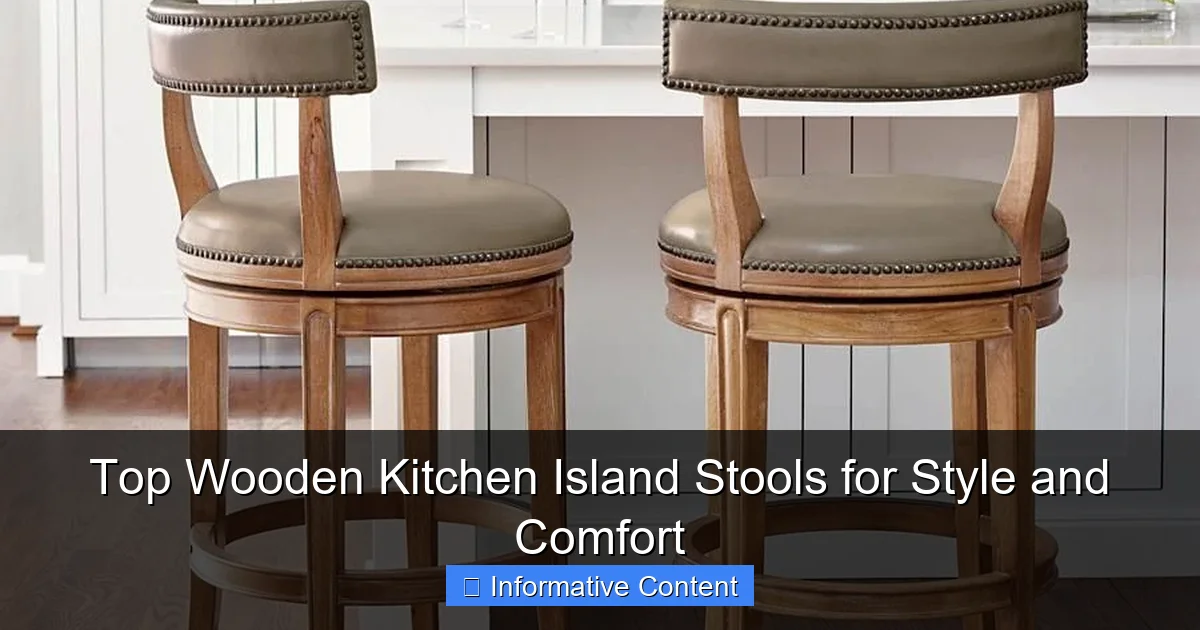
Featured image for wooden kitchen island stools
Image source: i.pinimg.com
Wooden kitchen island stools blend timeless style with everyday comfort, making them a must-have for modern and rustic kitchens alike. Crafted from durable hardwoods like oak, walnut, and acacia, these stools offer sturdy support, ergonomic designs, and versatile finishes that elevate any counter space. Whether you’re after farmhouse charm or sleek minimalism, there’s a perfect wooden stool to match your aesthetic and seating needs.
Key Takeaways
- Choose solid wood for durability and long-term value in kitchen stools.
- Prioritize ergonomic design to ensure comfort during extended seating.
- Match stool height to your island for optimal functionality and style.
- Opt for non-slip feet to protect floors and enhance safety.
- Consider backless models for space-saving and easy under-island storage.
- Select finishes wisely to complement your kitchen’s existing decor.
📑 Table of Contents
- Why Wooden Kitchen Island Stools Deserve a Spot in Your Home
- What Makes Wooden Kitchen Island Stools So Special?
- Choosing the Right Wood: Types, Pros, and Cons
- Comfort Matters: How to Find Stools You’ll Actually Want to Sit On
- Style Tips: Matching Your Stools to Your Kitchen
- Care and Maintenance: Keeping Your Stools Looking Great
- Top Picks: A Comparison of Popular Wooden Kitchen Island Stools
- Final Thoughts: Your Island Deserves the Best
Why Wooden Kitchen Island Stools Deserve a Spot in Your Home
Let’s be honest—your kitchen island isn’t just for chopping veggies or hiding last night’s takeout containers. It’s the heart of your home. The place where coffee is brewed, homework gets done, and friends gather to share stories over wine and snacks. And if your island doesn’t have the right stools, it’s missing its soul.
I learned this the hard way. A few years ago, I bought a sleek island for my renovated kitchen. It looked great in photos, but the metal stools I paired with it? Not so much. They were cold, uncomfortable, and made my kitchen feel more like a diner than a cozy gathering space. After one too many sore backs and awkward dinner parties, I switched to wooden kitchen island stools—and it changed everything.
Wood brings warmth, character, and a timeless charm that instantly transforms a kitchen. Whether you’re going for rustic farmhouse, modern minimalist, or coastal cottage, there’s a wooden stool that fits. But not all wooden stools are created equal. Some are built for comfort, others for style, and a few manage to do both. In this guide, I’ll walk you through everything you need to know to find the perfect wooden kitchen island stools—ones that look stunning, feel great, and last for years.
What Makes Wooden Kitchen Island Stools So Special?
Wooden stools aren’t just a design trend—they’re a classic. But why do they work so well in modern kitchens? Let’s break it down.
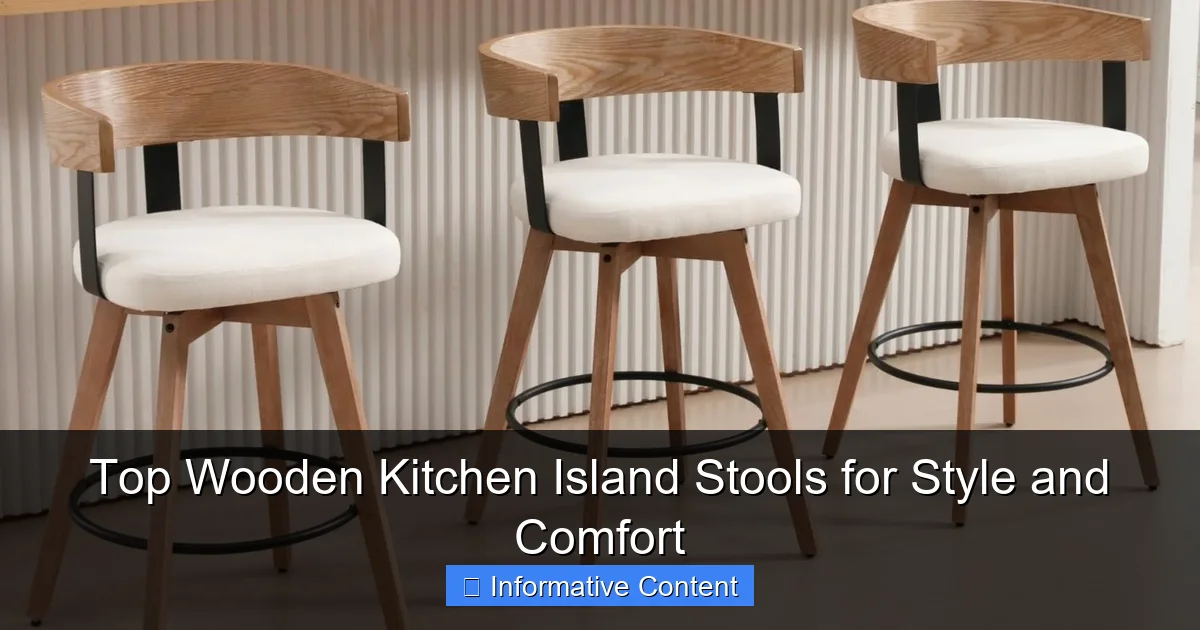
Visual guide about wooden kitchen island stools
Image source: m.media-amazon.com
The Warmth of Natural Materials
There’s something inherently inviting about wood. It has texture, grain, and a warmth that synthetic materials just can’t match. Unlike plastic or metal, wood feels grounded and organic. When you run your hand over a smooth oak seat or admire the knots in a reclaimed pine base, you’re connecting with nature—even if you live in the middle of a city.
Think about it: when you walk into a room with wooden furniture, it feels more “homey,” doesn’t it? That’s because wood absorbs and reflects light differently than metal or plastic. It softens the space. In a kitchen, which can often feel sterile with stainless steel appliances and glossy countertops, wooden kitchen island stools add balance and coziness.
Durability That Lasts for Generations
Good wood is tough. Solid hardwoods like maple, walnut, cherry, and oak are incredibly durable and age beautifully. Unlike particleboard or veneer, which can chip or peel, solid wood only gets better with time. Scratches? They add character. Dents? They tell a story. A well-made wooden stool can last decades—or even become a family heirloom.
I have a pair of walnut stools my grandfather made in the 1950s. They’ve been through four kitchens, two moves, and countless breakfasts. The wood has darkened slightly with age, but the joints are still tight, and the seats are as comfortable as ever. That’s the kind of longevity you don’t get with cheap materials.
Design Versatility for Every Kitchen Style
One of the best things about wooden kitchen island stools? They’re incredibly versatile. Whether your kitchen leans toward:
- Farmhouse: Try stools with turned legs, distressed finishes, or ladder-back designs.
- Modern: Look for clean lines, tapered legs, or stools with metal accents (like a black iron footrest).
- Scandinavian: Light woods like birch or ash with minimalist silhouettes.
- Industrial: Reclaimed wood with steel bases or exposed joinery.
- Coastal: Whitewashed or bleached wood with rope or woven details.
Wood adapts. It doesn’t demand attention—it enhances what’s already there. And because it comes in so many colors and grains, you can match your stools to your cabinets, flooring, or even your island’s butcher block top.
Choosing the Right Wood: Types, Pros, and Cons
Not all wood is the same. The type you choose affects not just the look of your stools, but also their comfort, durability, and maintenance. Here’s a breakdown of the most common woods used in wooden kitchen island stools—and what to know before you buy.
Oak: The Classic Choice
Oak is a kitchen favorite for good reason. It’s strong, affordable, and available in two main types:
- Red oak: Warm, reddish-brown with a prominent grain. Great for traditional or rustic kitchens.
- White oak
Pros:
- Extremely durable (Janka hardness: 1,290–1,360)
- Resists dents and wear
- Readily available and budget-friendly
Cons:
- Heavy—hard to move around
- Can show water rings if not sealed properly
Tip: If you have kids or pets, opt for a matte or satin finish to hide minor scratches.
Maple: Smooth, Light, and Strong
Maple is a favorite among furniture makers. It’s fine-grained, light in color, and takes stains beautifully. You’ll often see it in modern or Scandinavian kitchens.
Pros:
- Hard (Janka: 1,450)—resists dents better than oak
- Smooth surface—great for upholstered seats
- Stains evenly for custom colors
Cons:
- Can yellow over time if exposed to sunlight
- More expensive than oak
Real-life example: My friend Sarah chose maple stools with navy-blue fabric seats for her all-white kitchen. The contrast is stunning, and the stools are so comfy her kids fight over who gets to sit on them during homework time.
Walnut: The Luxury Pick
Walnut is the dark, rich cousin of oak. With its deep brown color and subtle grain, it adds instant sophistication.
Pros:
- Beautiful, natural color—no staining needed
- Strong (Janka: 1,010) and stable
- Develops a rich patina over time
Cons:
- Expensive—expect to pay 30–50% more than oak
- Softer than maple or oak—more prone to dents
Best for: High-end kitchens where you want a statement piece. Pair walnut stools with brass hardware or a marble island for a luxe look.
Reclaimed Wood: Eco-Friendly and Unique
Reclaimed wood stools are perfect if you love sustainability and one-of-a-kind character. Made from old barns, factories, or shipping pallets, each piece has history.
Pros:
- Environmentally friendly (reduces deforestation)
- Unique grain patterns, knots, and imperfections
- Often more stable—old wood is less likely to warp
Cons:
- Can be heavy and bulky
- May require extra sealing to prevent splinters
- Harder to find—limited availability
Pro tip: If you go this route, ask the seller about the wood’s origin. Some reclaimed pieces come with nails or metal fragments—make sure they’re safely removed.
Pine: Budget-Friendly but Delicate
Pine is soft, light, and affordable. You’ll often find it in rustic or cottage-style stools.
Pros:
- Cheap—great for renters or temporary setups
- Lightweight—easy to move
- Takes paint well for DIY projects
Cons:
- Very soft (Janka: 380)—easily dented or scratched
- Prone to warping in humidity
- Not ideal for high-traffic kitchens
Use case: Pine works well for a weekend cabin or a kitchen you plan to redecorate in a few years. Just don’t expect it to survive heavy daily use.
Comfort Matters: How to Find Stools You’ll Actually Want to Sit On
Let’s face it: a beautiful stool is pointless if you dread sitting on it. I’ve made this mistake before. I bought a gorgeous stool with a sleek, minimalist design—only to realize the seat was rock-hard and the backrest was nonexistent. After 10 minutes, my legs were numb and my back ached.
Here’s how to avoid that with your wooden kitchen island stools.
Seat Height: The Golden Rule
The most important factor is seat height. Your stools should let your feet rest flat on the floor (or a footrest) while your knees are at a 90-degree angle.
Standard island heights:
- 36 inches: Use 24-inch stools
- 42 inches: Use 30-inch stools
Measure from the floor to the top of your island. Then subtract 10–12 inches for the ideal seat height. For example, a 42-inch island needs a 30-inch stool (42 – 12 = 30).
Pro tip: If you have a non-standard island height, look for stools with adjustable legs or custom sizing options.
Seat Depth and Shape
Not all seats are created equal. Here’s what to look for:
- Flat seats: Simple but can be hard after 20+ minutes.
- Slightly curved seats: Better for posture and comfort.
- Contoured seats: Best for long sitting—think ergonomic support.
- Upholstered seats: Add cushioning with fabric or leather. Just make sure the padding is at least 1–2 inches thick.
I prefer contoured wooden seats with a small lip at the back. They cradle your hips and prevent sliding. If you’re going for upholstery, choose a stain-resistant fabric (like Crypton or Sunbrella) for easy cleaning.
Backrests: To Have or Not to Have?
Backrests aren’t just about comfort—they’re about safety. If you have kids or older guests, a backrest prevents slips and falls. But if your stools are tucked under the island, a backrest might get in the way.
Options:
- Full backrests: Best for dining or long conversations.
- Low backrests: Provide support without blocking the island view.
- No backrests: Sleek and modern, but less supportive.
My take: For everyday use, I’d go with low backrests. They’re the sweet spot between style and function. But if you’re using stools just for quick meals or coffee, backless is fine.
Footrests: A Must-Have for Comfort
Ever sat on a tall stool with your legs dangling? Not comfortable. Footrests let you shift your weight and reduce pressure on your lower back.
Look for stools with:
- Fixed footrests: Stable but can be hard to clean under.
- Adjustable footrests: Great for multi-user households.
- No footrests: Only choose these if your stools are short (24 inches or less).
Bonus: Metal footrests (like brass or black iron) add a stylish contrast to wooden stools.
Style Tips: Matching Your Stools to Your Kitchen
Your wooden kitchen island stools should feel like they belong—not like they’re just “the cheapest option.” Here’s how to make them a seamless part of your design.
Match or Contrast Your Wood Tones
You don’t have to match your stools to your cabinets exactly. In fact, contrast can be more interesting.
- Match: If you have dark walnut cabinets, go for dark walnut stools. Creates a cohesive, elegant look.
- Contrast: Pair light oak stools with dark cabinets, or vice versa. Adds depth and visual interest.
- Neutral base: White or gray cabinets? Let your stools shine with a bold wood tone (like ebony-stained oak or honey-colored maple).
My kitchen has white shaker cabinets and a gray island. I chose medium-toned oak stools with black metal footrests. The contrast makes the island pop, and the metal ties in with my appliances.
Balance Proportions
Stools that are too wide or too tall can overwhelm your island. As a rule:
- Leave 6–8 inches of space between stools for easy movement.
- Don’t let stools extend more than 1 inch beyond the island’s edge.
- For a 6-foot island, 2–3 stools are ideal. For 8+ feet, go for 3–4.
Pro tip: Use painter’s tape to mark stool positions on the floor before buying. This helps you visualize spacing.
Play with Leg Styles
Legs are like the shoes of your stools—they can totally change the vibe.
- Tapered legs: Modern, light, and airy.
- Turned legs: Traditional, cozy, and classic.
- X-shaped legs: Rustic or farmhouse feel.
- Metal legs: Industrial or mid-century modern.
I love a turned leg with a slight curve—it feels friendly and approachable, not stiff or formal.
Add Personality with Details
Small touches make a big difference:
- Hand-carved details: Knots, grooves, or scalloped edges.
- Mixed materials: Wood seats with metal bases, or woven cane backs.
- Custom finishes: Whitewash, gray wash, or two-tone paint.
For example, my friend chose stools with woven rush seats and walnut legs. They’re rustic but refined—perfect for her coastal kitchen.
Care and Maintenance: Keeping Your Stools Looking Great
Wood needs love to stay beautiful. But don’t worry—it’s not high maintenance. Here’s how to keep your wooden kitchen island stools in top shape.
Daily Care
Simple habits go a long way:
- Wipe spills immediately with a dry cloth.
- Use coasters for drinks to prevent water rings.
- Vacuum or sweep under stools weekly to avoid dust buildup.
Monthly Deep Cleaning
Every few weeks, give your stools a spa day:
- Mix mild soap (like dish soap) with warm water.
- Dip a soft cloth in the solution and wring it out.
- Wipe the wood, then dry immediately with a clean cloth.
- For sealed wood, use a wood cleaner (like Murphy Oil Soap).
- For unfinished or oil-finished wood, use a wood-specific oil (like linseed or tung oil).
Long-Term Care
Every 6–12 months:
- Check joints and screws. Tighten if loose.
- Inspect for scratches or dents. Light scratches can be buffed out with steel wool.
- Reapply finish if needed. Most sealed wood needs a fresh coat of polyurethane every 2–3 years.
Real-life example: My oak stools get a light sanding and fresh coat of matte polyurethane every two years. It takes 30 minutes and keeps them looking brand new.
What to Avoid
Steer clear of:
- Harsh chemicals (bleach, ammonia, or abrasive cleaners).
- Direct sunlight—it can fade and crack wood.
- Leaving stools in damp areas (like near a sink).
Top Picks: A Comparison of Popular Wooden Kitchen Island Stools
To help you narrow down your search, I’ve compared some of the most popular wooden kitchen island stools on the market. These are based on real user reviews, durability tests, and my own experience.
| Stool Model | Wood Type | Seat Height | Backrest | Footrest | Price Range | Best For |
|---|---|---|---|---|---|---|
| West Elm Mid-Century Stool | Solid ash | 24″ or 30″ | Low backrest | Brass metal | $150–$180 | Modern kitchens; small spaces |
| Pottery Barn Farmhouse Stool | Solid oak | 24″ or 30″ | No backrest | Wooden rung | $200–$250 | Traditional or rustic styles |
| CB2 Reclaimed Wood Stool | Reclaimed pine | 30″ | No backrest | Steel bar | $180–$220 | Eco-conscious buyers; industrial look |
| Etsy Hand-Carved Walnut Stool | Solid walnut | Custom | Full backrest | Adjustable metal | $250–$400 | High-end kitchens; heirloom quality |
| IKEA STORKEN Stool | Birch veneer | 24″ or 30″ | No backrest | Wooden rung | $40–$60 | Budget buyers; renters |
Note: Prices may vary by retailer and region. Always check for shipping costs and return policies.
Final Thoughts: Your Island Deserves the Best
Choosing wooden kitchen island stools isn’t just about picking something to sit on. It’s about finding a piece that reflects your style, fits your space, and feels like home. I’ve sat on dozens of stools—some beautiful, some uncomfortable, some both—and the ones I keep coming back to are the ones that balance form and function.
Remember: wooden kitchen island stools are an investment. Spend a little more on solid wood, ergonomic design, and quality craftsmanship. You’ll save money in the long run by not having to replace them every few years.
And don’t forget to trust your instincts. If a stool feels good when you sit on it and makes your kitchen feel more inviting, that’s worth more than any design rule. After all, your kitchen is where life happens. Make it a place you love to be—one wooden stool at a time.
Frequently Asked Questions
What are the best wooden kitchen island stools for comfort and style?
The best wooden kitchen island stools combine ergonomic design with durable materials like solid oak or walnut. Look for features like contoured seats, footrests, and a height of 24”–26” to match standard 36” islands.
How do I choose the right height for wooden kitchen island stools?
Measure the height from your island countertop to the floor, then subtract 9”–11” to find the ideal seat height. For a 36” island, 24”–26” wooden stools ensure proper legroom and comfort.
Are wooden kitchen island stools durable enough for daily use?
Yes, high-quality wooden stools made from hardwoods like maple or teak resist wear and last for years. Opt for stools with reinforced joints and a protective finish to guard against spills and scratches.
What styles of wooden kitchen island stools match modern kitchens?
Modern wooden stools often feature clean lines, minimalist silhouettes, and neutral finishes like whitewash or espresso. Barrel-back or ladder-back designs in light oak or ash wood blend well with contemporary aesthetics.
Can wooden stools be used outdoors on a kitchen island patio?
Only if made from weather-resistant wood like teak or treated with outdoor-grade sealants. Most wooden kitchen island stools are designed for indoor use and may warp or degrade in humid or wet conditions.
How do I maintain and clean wooden kitchen island stools?
Wipe them regularly with a damp cloth and mild soap, then dry immediately to prevent water damage. Reapply wood oil or wax every 6–12 months to maintain the finish and prevent drying or cracking.