
Featured image for distressed wood kitchen island
Image source: i.pinimg.com
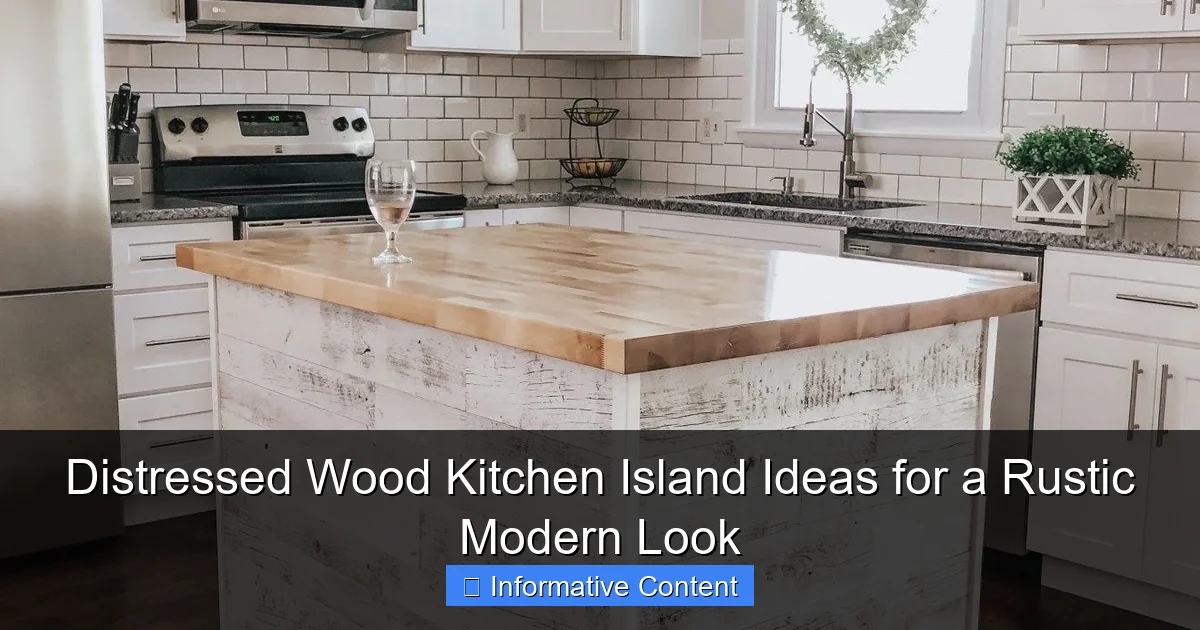
Distressed wood kitchen islands effortlessly blend rustic charm with modern design, creating a warm, inviting focal point in any kitchen. Their weathered textures and natural imperfections add authentic character and timeless appeal, making them perfect for achieving a cozy yet contemporary aesthetic. Pair with sleek countertops or matte black fixtures to enhance the modern rustic vibe.
Key Takeaways
- Choose reclaimed wood: Opt for sustainable, character-rich materials with natural imperfections.
- Balance textures: Pair distressed wood with sleek countertops for modern contrast.
- Highlight craftsmanship: Showcase visible joinery and hand-finished details for authenticity.
- Use neutral stains: Enhance grain while preserving a weathered, timeless appearance.
- Add metal accents: Incorporate iron or black steel for industrial edge.
- Prioritize function: Include storage and seating for practical rustic-modern appeal.
📑 Table of Contents
- Why Distressed Wood Kitchen Islands Are the Perfect Blend of Old and New
- What Makes Distressed Wood So Special? (And Why It Works in Kitchens)
- Design Ideas: How to Style Your Distressed Wood Kitchen Island
- Materials & Finishes: What to Choose for Your Island
- DIY vs. Buying: Which Is Right for You?
- Practical Tips for Maintaining Your Distressed Wood Island
- Real Examples: Distressed Wood Islands in Action
- Final Thoughts: Is a Distressed Wood Island Right for You?
Why Distressed Wood Kitchen Islands Are the Perfect Blend of Old and New
Let me tell you a story. A few years ago, I was helping my sister redesign her kitchen. She wanted something that felt warm and lived-in, but still modern enough to handle daily family chaos. We were stuck between choosing sleek, minimalist cabinetry or something with more character. That’s when we discovered the magic of a distressed wood kitchen island. It wasn’t just a countertop—it was a conversation starter, a piece of history, and the heart of her kitchen. The island had the charm of an old farmhouse table, yet the clean lines and smart storage made it practical for everyday life. It was like the best of both worlds: rustic warmth with modern functionality.
Fast forward to today, and the distressed wood kitchen island is more popular than ever. Homeowners are craving spaces that feel authentic, not sterile. They want kitchens that tell a story, not just look good in Instagram photos. And a distressed wood island delivers exactly that. It brings in texture, warmth, and a sense of timelessness, while still playing well with modern finishes like stainless steel, concrete, or matte black hardware. Whether you’re going full farmhouse, industrial, or a mix of styles, this piece can anchor your space with soul. In this post, I’ll share everything I’ve learned—from design ideas and material choices to practical tips for making your island both beautiful and functional. Let’s dive in!
What Makes Distressed Wood So Special? (And Why It Works in Kitchens)
When most people hear “distressed wood,” they think of chipped paint, dents, and rough edges. And yes, that’s part of it. But there’s more to this finish than meets the eye. Distressed wood is all about embodying the passage of time. It’s not just about looking old—it’s about feeling lived-in, loved, and real. In a kitchen, where so much happens—cooking, eating, homework, family chats—this kind of character makes the space feel like home, not a showroom.
Visual guide about distressed wood kitchen island
Image source: i.pinimg.com
The Emotional Appeal: Warmth and Authenticity
Think about it: when you walk into a kitchen with a smooth, flawless island, it can feel… cold. Like it’s trying too hard. But a distressed wood kitchen island? It invites you in. The imperfections—the slight wobble in a leg, the grain that shows every knot, the subtle color variation—they all add up to a sense of authenticity. It’s like the island has a history, and now it’s part of yours. I remember visiting a friend’s home where the island had been made from reclaimed barn wood. You could still see the old nail holes and saw marks. My kids loved running their fingers over them, asking, “What was this wood before?” That’s the kind of moment a distressed wood island creates—a connection to the past.
How Distressing Is Done (And What to Look For)
There are a few ways to achieve that distressed look:
- Hand-scraping: Artisans use tools to mimic years of wear, creating grooves and texture.
- Wire brushing: A machine or hand tool drags bristles across the grain, highlighting natural texture and making the wood feel softer.
- Sanding and staining: Edges are sanded down, corners are rounded, and dark stains are applied to mimic age.
- Reclaimed wood: The most authentic option. Wood from old barns, factories, or homes is salvaged and refinished, carrying real history.
When shopping, look for pieces where the distressing looks intentional, not accidental. Avoid anything that looks overly “manufactured” or fake. The best distressed wood feels organic, like it evolved naturally. And don’t worry—distressed doesn’t mean fragile. A well-finished island can still handle spills, heat, and daily use. It’s all about the right sealant (more on that later).
Design Ideas: How to Style Your Distressed Wood Kitchen Island
Now comes the fun part: making your island the star of the kitchen. The beauty of a distressed wood kitchen island is its versatility. It can work in so many styles—from cozy farmhouse to sleek modern. Here are some ideas to inspire you, based on real kitchens I’ve seen (and even tried myself).
Rustic Farmhouse: The Classic Look
This is probably the first style that comes to mind. Picture a white shaker kitchen with subway tile backsplash, a farmhouse sink, and a large wooden island. The island might have a thick, butcher-block-style top with visible grain, paired with painted legs in a soft gray or cream. Add vintage-style stools with woven seats, and you’ve got the ultimate cozy kitchen. Pro tip: Use a matte or satin finish on the island to avoid glare. A high-gloss finish can make the wood look “plastic-y,” which defeats the whole purpose of the rustic vibe.
Industrial Edge: Metal Meets Wood
If you love the look of exposed brick, concrete floors, and metal accents, pair your distressed wood island with black iron legs or a steel base. I once saw a kitchen where the island had a reclaimed wood top (with deep grooves and a dark walnut stain) sitting on a black steel frame. It was stunning. The wood softened the industrial elements, while the metal gave it a modern edge. Add leather barstools and Edison bulb pendants, and you’ve got a kitchen that feels both raw and refined. Bonus: Metal legs make it easy to clean under the island—great if you have pets or kids.
Modern Minimalist: Less Is More
Yes, a distressed wood island can work in a minimalist kitchen! The key is to keep the rest of the space clean and neutral. Think white cabinets, a simple backsplash, and a large, uncluttered island. Choose a wood with a light stain (like whitewashed oak or driftwood) and pair it with slim, modern legs. Avoid ornate carvings or chunky designs. One client of mine had a small kitchen and worried the island would look too heavy. We went with a narrow, 4-foot island in whitewashed pine. It added warmth without overwhelming the space. The result? A kitchen that felt airy, yet inviting.
Two-Tone Magic: Mixing Materials
For a bold statement, try a two-tone island. Use distressed wood for the top and pair it with painted cabinetry in a contrasting color. For example, a navy base with a light oak top, or a black base with a warm walnut top. This creates visual interest and helps the island stand out. I love this look because it lets you play with color without committing to all-wood cabinetry. Just make sure the wood tone complements the paint—no clashing undertones. A good rule of thumb: if the wood has warm undertones (red, yellow, orange), pair it with warm paint colors (cream, beige, olive). If the wood is cool (gray, blue), go with cool paints (gray, blue, white).
Materials & Finishes: What to Choose for Your Island
Not all distressed wood is created equal. The type of wood, finish, and construction method all affect how your island looks, feels, and holds up over time. Here’s what I’ve learned from years of working with different options.
Best Wood Types for Distressing
Some woods take distressing better than others. Here’s a quick guide:
- Reclaimed pine: Affordable, soft, and easy to distress. Has a lot of character (knots, grain). Best for rustic styles. Can dent easily, so use a strong sealant.
- Reclaimed oak: Harder and more durable than pine. Has a pronounced grain that looks great when wire-brushed. Works in both rustic and modern kitchens.
- Walnut: Rich, dark, and luxurious. Distressing highlights the grain beautifully. More expensive, but worth it for high-traffic kitchens.
- Maple: Light, smooth, and very hard. Harder to distress, but can achieve a subtle, elegant look with hand-scraping.
- Barn wood: The ultimate in authenticity. Comes from old structures, so it’s full of history. But can have splinters, nails, or pests—make sure it’s been properly cleaned and treated.
Sealants: Protecting Your Investment
This is crucial. Distressed wood is porous, which means it can absorb spills, oils, and moisture. Without a good sealant, your island will stain, warp, or develop mold. Here are the best options:
- Polyurethane (water-based): Clear, durable, and low-odor. Resists water and heat. Apply 3-5 thin coats for best results.
- Tung oil: Natural, food-safe, and enhances the wood’s grain. Requires more maintenance (reapply every 6-12 months), but gives a beautiful, satin finish.
- Wax: Soft, natural feel. Great for low-traffic islands or decorative pieces. Not ideal for heavy use.
My advice: For a kitchen island, go with water-based polyurethane. It’s tough, easy to clean, and won’t yellow over time. If you want a more natural look, use tung oil on the top (where food is prepared) and polyurethane on the sides and legs.
Legs & Bases: Style Meets Function
The base of your island can make or break the design. Here are popular options:
- X-base or trestle: Classic farmhouse look. Sturdy and stylish.
- Metal legs: Industrial or modern. Black iron, stainless steel, or brass.
- Turned legs: Traditional, with a bit of flair. Great for cottage or coastal styles.
- Floating base: Island appears to be “floating” above the floor. Modern and sleek, but requires strong supports.
Consider how you’ll use the island. If you need storage, choose a base with cabinetry or open shelves. If you want a clean look, go with legs. And don’t forget about height—standard island height is 36 inches, but you can go up to 42 inches for bar seating.
DIY vs. Buying: Which Is Right for You?
This is a big decision. Should you build your own distressed wood kitchen island, or buy a pre-made one? Both have pros and cons. Let’s break it down.
DIY: Customization and Cost Savings
Building your own island lets you control every detail—size, shape, wood type, finish, storage. It’s also usually cheaper than buying a high-end custom piece. I built an island for my own kitchen using reclaimed pine and black iron legs. Total cost: about $400 (compared to $1,500+ for a similar pre-made island). Plus, I got exactly the look I wanted.
But: DIY requires time, tools, and skill. If you’re not comfortable with woodworking, you might end up with a wobbly or unsafe island. And sourcing quality wood (especially reclaimed) can be tricky. You’ll also need to finish and seal it properly—no shortcuts here.
Buying Pre-Made: Convenience and Quality
Buying a ready-made island saves time and effort. You’ll get a professionally constructed piece, often with warranties and customer support. Many retailers offer customizable options (like size, stain, and base style). I’ve seen beautiful islands from brands like Pottery Barn, Restoration Hardware, and Etsy artisans.
But: Pre-made islands can be expensive. And you’re limited to what’s available. If your kitchen has an unusual layout, you might need to compromise on size or shape. Also, some “distressed” pieces are mass-produced with fake aging—look for real wood and authentic distressing.
Hybrid Option: Refinish an Existing Island
If you already have an island, consider refinishing it. Sand it down, add a distressed finish, and swap out the hardware. This is a great way to refresh a space without starting from scratch. I did this with a plain oak island—added wire brushing, a dark stain, and black metal legs. It looked brand new (or rather, brand old).
Practical Tips for Maintaining Your Distressed Wood Island
Let’s talk real talk: a distressed wood island is an investment. It’s not just a piece of furniture—it’s a centerpiece. So how do you keep it looking great for years?
Daily Care: Simple Habits
- Wipe spills immediately: Even with a sealant, liquids can penetrate over time.
- Use cutting boards: Don’t cut directly on the wood. Knife marks will ruin the distressed look.
- Clean with mild soap and water: Avoid harsh chemicals or abrasive cleaners.
- Rotate placemats and trivets: Prevent uneven fading or heat marks.
Long-Term Maintenance: What to Watch For
- Reapply sealant every 1-2 years: Especially on the top, where it gets the most wear.
- Check for loose joints or wobbly legs: Tighten screws or bolts as needed.
- Sand and refinish if needed: Over time, the distressing might wear down. Light sanding and a new stain can restore it.
- Watch for pests: Reclaimed wood can harbor insects. If you notice small holes or sawdust, call a professional.
Dealing with Imperfections (The Good Kind)
Remember: imperfections are part of the charm. A small scratch or dent isn’t a flaw—it’s character. But if a deep gouge or crack appears, you can often fix it with wood filler or a dark wax. The key is to embrace the aging process. Your island will get better with time, just like a good pair of jeans.
Real Examples: Distressed Wood Islands in Action
Here’s a quick look at some real kitchens with distressed wood islands. These aren’t just photos—they’re lessons in what works (and what doesn’t).
| Style | Wood Type | Base | Finish | Storage | Why It Works |
| Farmhouse | Reclaimed pine | X-base (painted white) | Matte polyurethane | Open shelves, drawers | Warm, cozy, and functional |
| Industrial | Reclaimed oak | Black steel frame | Tung oil | None (floating) | Bold contrast, modern edge |
| Minimalist | Whitewashed maple | Slender metal legs | Water-based poly | Two cabinets | Light and airy, no clutter |
| Two-tone | Walnut | Navy base (painted) | Satin polyurethane | Deep drawers, wine rack | Color contrast adds drama |
Final Thoughts: Is a Distressed Wood Island Right for You?
So, should you go for a distressed wood kitchen island? If you want a kitchen that feels warm, authentic, and full of character—yes. It’s not just a trend. It’s a way to create a space that’s uniquely yours. Whether you love the cozy charm of farmhouse style, the bold contrast of industrial, or the clean lines of modern design, there’s a distressed wood island that fits your vision.
But remember: it’s not for everyone. If you prefer sleek, flawless surfaces, or if you’re worried about maintenance, a different material might be better. And that’s okay. The goal isn’t to follow the crowd—it’s to make a kitchen that works for your life.
My biggest tip? Start small. If you’re unsure, try a distressed wood stool or a cutting board. See how it feels in your space. Or, if you’re ready to commit, talk to a local artisan or cabinetmaker. A custom island, made with care and attention to detail, can be the heart of your home for decades.
At the end of the day, a distressed wood island isn’t just about looks. It’s about creating a space where memories are made—where you cook, laugh, and gather with the people you love. And that, to me, is the real beauty of this timeless piece.
Frequently Asked Questions
What is a distressed wood kitchen island?
A distressed wood kitchen island features intentionally weathered or aged wood with visible imperfections like knots, scratches, or faded finishes. This design adds rustic charm while blending seamlessly with modern elements for a timeless, cozy aesthetic.
How do I style a distressed wood kitchen island for a rustic modern look?
Pair your distressed wood kitchen island with sleek countertops (like quartz or concrete) and minimalist hardware to balance rustic and modern styles. Add open shelving or metal barstools to enhance the contrast and functionality.
Is distressed wood durable enough for a kitchen island?
Yes, most distressed wood kitchen islands use solid hardwoods like oak or pine, which are durable and age beautifully over time. Proper sealing or finishing protects the wood from daily wear while preserving its rustic character.
Can I DIY a distressed wood kitchen island?
Absolutely! Sanding, whitewashing, or using chalk paint techniques can create a distressed effect on a basic wooden island. For beginners, prefinished distressed wood panels simplify the process while achieving authentic results.
What colors work best with a distressed wood kitchen island?
Neutral tones like white, gray, or navy complement the warmth of distressed wood, while bold hues like emerald green or black add drama. Stick to a cohesive palette to highlight the island’s natural texture.
How do I maintain a distressed wood kitchen island?
Clean with a damp cloth and mild cleaner, avoiding harsh chemicals that could damage the finish. Reapply wax or oil periodically to protect the wood and maintain its vintage appeal without over-polishing.