
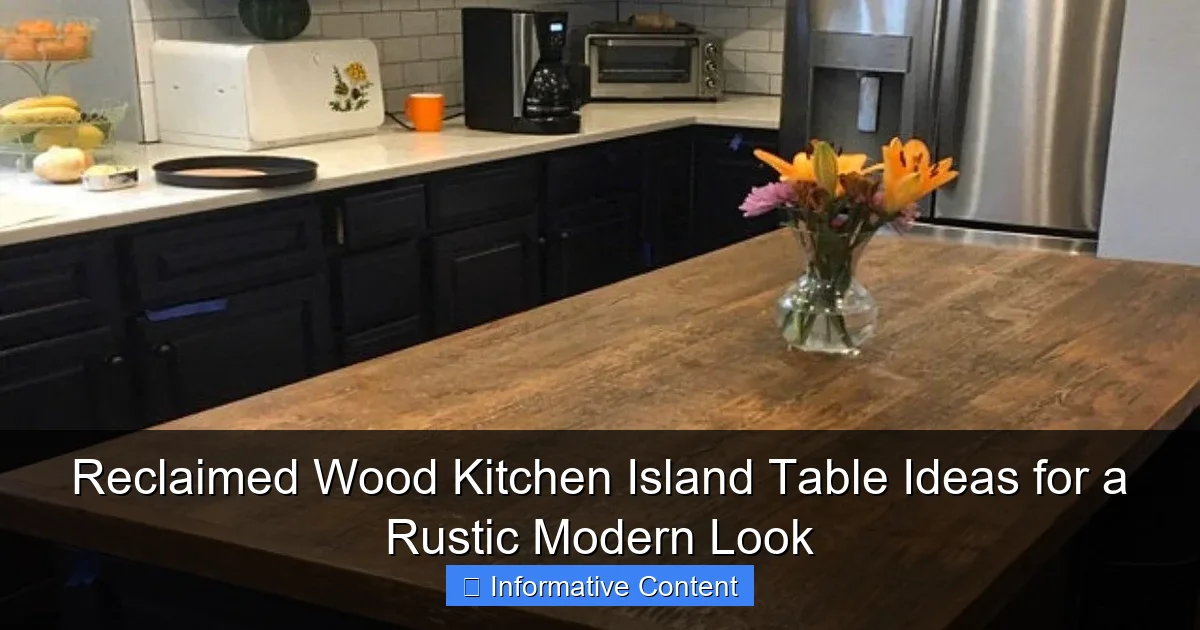
Featured image for reclaimed wood kitchen island table
Image source: canadianloghomes.com
Reclaimed wood kitchen island tables blend sustainability with style, offering a rustic modern aesthetic that transforms any kitchen into a warm, inviting space. Each piece tells a story through unique grain patterns and weathered textures, ensuring your island is both eco-friendly and one-of-a-kind. Perfect for adding character and durability, these tables pair effortlessly with contemporary fixtures for a balanced, timeless look.
Key Takeaways
- Choose reclaimed wood for a sustainable, eco-friendly kitchen island table.
- Mix textures by pairing wood with metal or stone for contrast.
- Seal properly to protect against stains and enhance durability.
- Opt for live edges to highlight natural wood character and charm.
- Balance rustic-modern with sleek hardware and minimalist design elements.
- Source locally to reduce carbon footprint and support artisans.
📑 Table of Contents
- The Allure of Reclaimed Wood Kitchen Island Tables
- Why Choose Reclaimed Wood for Your Kitchen Island?
- Designing Your Reclaimed Wood Island: Key Considerations
- Styling Your Reclaimed Wood Kitchen Island for a Rustic Modern Look
- Maintenance and Care: Keeping Your Island Looking Great
- Cost and Value: Is a Reclaimed Wood Island Worth It?
- Final Thoughts: Making the Rustic Modern Dream a Reality
The Allure of Reclaimed Wood Kitchen Island Tables
Imagine walking into your kitchen and being greeted by a warm, rustic charm that feels both inviting and timeless. That’s the magic a reclaimed wood kitchen island table brings to your space. These unique pieces blend the best of old-world craftsmanship with modern design, creating a focal point that’s as functional as it is beautiful. Whether you’re renovating your kitchen or simply adding a statement piece, a reclaimed wood island can transform the vibe of your home.
What makes these tables so special? It’s the story behind the wood. Reclaimed wood comes from old barns, factories, or even wine barrels—each plank carrying decades (or centuries) of history. The knots, grain patterns, and imperfections aren’t flaws; they’re character. And when paired with modern elements like metal legs or concrete countertops, the result is a stunning blend of rustic and contemporary styles. In this post, we’ll explore why reclaimed wood kitchen island tables are worth considering, how to style them, and practical tips to make the most of this investment.
Why Choose Reclaimed Wood for Your Kitchen Island?
Reclaimed wood isn’t just a trend—it’s a sustainable, stylish choice with real benefits. Here’s why it stands out:
Visual guide about reclaimed wood kitchen island table
Image source: i.etsystatic.com
1. Eco-Friendly and Sustainable
Reclaimed wood is the ultimate in recycling. Instead of cutting down new trees, manufacturers repurpose wood from old structures. According to the U.S. Environmental Protection Agency (EPA), reclaiming wood reduces landfill waste and lowers carbon emissions by avoiding the energy-intensive process of new lumber production. For environmentally conscious homeowners, this is a win-win.
Pro Tip: Look for certifications like FSC (Forest Stewardship Council) or SCS (Scientific Certification Systems) to ensure your wood is ethically sourced. Not all reclaimed wood is created equal—some suppliers may mislabel new wood as “reclaimed,” so do your research!
2. Unique Aesthetic Appeal
Every piece of reclaimed wood tells a story. You’ll find rich grain patterns, nail holes, saw marks, and even old paint layers that give your island table a one-of-a-kind look. No two tables are alike, which means your kitchen will have a custom feel without the custom price tag.
Example: A friend of mine installed a reclaimed oak island with visible barn siding markings. Guests always ask about its history—it’s become a conversation starter!
3. Durability That Lasts
Reclaimed wood is often decades (or centuries) old, which means it’s already survived extreme conditions. The wood is naturally dried and stable, reducing the risk of warping or splitting. Plus, the aging process makes it denser and more durable than new lumber. A well-maintained reclaimed wood table can last generations.
Trade-off: The downside? It’s heavier and may require reinforced support (more on this later).
4. Versatile Styling Options
Reclaimed wood works with almost any decor style—from farmhouse to industrial to modern minimalist. The key is balancing the rustic texture with other elements in your kitchen. For example:
- Rustic Modern: Pair a weathered wood top with sleek black metal legs and concrete flooring.
- Farmhouse Chic: Combine a white-painted island base with a natural wood top and apron sinks.
- Industrial Edge: Use a reclaimed wood top with steel brackets and exposed pipes.
Designing Your Reclaimed Wood Island: Key Considerations
Before you rush out to buy a reclaimed wood kitchen island table, there are a few design decisions to make. Here’s what to keep in mind:
1. Size and Shape
Kitchen islands come in all shapes and sizes, but your space will dictate the best fit. Measure your kitchen carefully, leaving at least 36–42 inches of clearance around the island for comfortable movement. For small kitchens, a rectangular or L-shaped island works well. Larger spaces can accommodate U-shaped or circular designs.
Example: A client of mine wanted a round reclaimed wood island in a narrow galley kitchen. We opted for a 48-inch diameter table with a drop-leaf extension—perfect for casual meals but easy to tuck away when not in use.
2. Base Materials and Finishes
The base of your island can make or break the design. Popular options include:
- Metal: Steel, iron, or brass legs add an industrial touch. Black metal pairs beautifully with weathered wood.
- Concrete: A concrete base gives a modern, sculptural feel. It’s also heat-resistant, ideal for cooking.
- Wood: A painted or stained wood base (like shiplap or beadboard) keeps the look cohesive.
Pro Tip: If you’re mixing materials, keep the color palette neutral (whites, grays, blacks) to avoid clashing textures.
3. Countertop Thickness and Edge Style
Reclaimed wood countertops are typically 2–4 inches thick, adding visual weight. For edges, you have choices:
- Live Edge: Preserves the natural, irregular bark edge of the wood. Great for a dramatic, organic look.
- Beveled Edge: A slightly angled edge softens the table’s profile.
- Square Edge: Clean and modern, works well with industrial or minimalist styles.
Caution: Live edges require extra sealing to prevent moisture damage, so factor in maintenance.
4. Seating and Functionality
Do you want your island to double as a dining table? If so, consider:
- Overhang: Extend the countertop by at least 12 inches to accommodate bar stools.
- Storage: Add shelves, drawers, or cabinets beneath the table for pots, pans, or wine glasses.
- Appliances: Some islands include built-in cooktops, sinks, or wine coolers. Just ensure your plumbing and electrical are up to code.
Styling Your Reclaimed Wood Kitchen Island for a Rustic Modern Look
Now for the fun part: styling! A reclaimed wood kitchen island table is a statement piece, so you’ll want to balance it with the rest of your kitchen. Here’s how to nail the rustic modern aesthetic:
1. Play with Contrasts
Rustic modern is all about contrast—rough vs. smooth, old vs. new. Try these combinations:
- Reclaimed Wood + Glass: Pair your island with glass pendant lights or a glass backsplash for lightness.
- Weathered Wood + Polished Metal: Brass faucets, stainless steel appliances, or chrome hardware add shine.
- Natural Textures + Clean Lines: Keep cabinetry simple (think flat-panel doors) to let the wood shine.
Example: A kitchen in Portland featured a reclaimed wood island with matte black steel legs, a white quartz backsplash, and matte gold bar stools. The mix felt fresh yet cozy.
2. Lighting Matters
Lighting can highlight or hide your island’s best features. For a rustic modern look:
- Pendant Lights: Hang 2–3 geometric metal pendants (like hexagons or cylinders) above the island.
- Track Lighting: Sleek track lights with adjustable heads work well in modern spaces.
- Chandeliers: A vintage-inspired chandelier (with wood or iron) adds drama.
Pro Tip: Install dimmers to switch from bright task lighting to soft ambiance.
3. Color Palette
Stick to a neutral base (white, gray, black) to let the wood’s natural tones shine. Then, add pops of color through:
- Bar Stools: Navy blue, forest green, or rust-colored stools add vibrancy.
- Textiles: Throw in a woven rug or linen seat cushions.
- Greenery: Potted herbs or a fiddle-leaf fig bring life to the space.
4. Accessorize Thoughtfully
Less is more with a statement island. Avoid clutter by choosing a few standout accessories:
- Cutting Boards: Display a large reclaimed wood board as a centerpiece.
- Trays: Use a metal or ceramic tray to corral salt, pepper, and oil.
- Artwork: Hang a small framed print or a black-and-white photo above the island.
Maintenance and Care: Keeping Your Island Looking Great
Reclaimed wood is durable, but it does need care to stay beautiful. Here’s how to maintain your island:
1. Sealing the Wood
Seal your table with a food-safe finish like:
- Polyurethane: Durable and water-resistant. Best for high-traffic kitchens.
- Mineral Oil + Beeswax: Natural option, but requires reapplication every 6–12 months.
- Tung Oil: Penetrates deep into the wood for a matte finish. Apply 2–3 coats.
Pro Tip: Test any sealant on a small, hidden area first to ensure it doesn’t darken the wood too much.
2. Cleaning and Stain Prevention
Clean your island with a damp cloth and mild soap. Avoid harsh chemicals, which can strip the finish. For spills:
- Blot immediately (don’t rub).
- For wine or coffee stains, use a baking soda paste (mix with water) and gently scrub.
- For grease, sprinkle cornstarch, let it sit, then vacuum.
3. Protecting the Surface
Use trivets for hot pans and cutting boards for slicing. If you’re worried about scratches, consider a glass or epoxy coating (though this may reduce the wood’s natural texture).
4. Seasonal Adjustments
Wood expands and contracts with humidity. In dry climates, use a humidifier to prevent cracking. In humid areas, ensure good ventilation to avoid warping.
Cost and Value: Is a Reclaimed Wood Island Worth It?
Reclaimed wood kitchen island tables aren’t cheap—but they’re an investment. Here’s what to expect:
1. Price Ranges
Costs vary widely depending on size, wood type, and craftsmanship. Here’s a rough breakdown:
| Size | Material | Price Range |
|---|---|---|
| 36″ x 36″ | Barn Wood (Pine/Oak) | $1,500–$3,000 |
| 48″ x 30″ | Reclaimed Teak | $3,000–$5,000 |
| 60″ x 42″ | Custom Live Edge (Walnut) | $6,000–$10,000+ |
Note: Custom designs and exotic woods (like teak or walnut) cost more. Mass-produced islands (e.g., from big-box stores) may use “reclaimed” veneers, which are cheaper but less authentic.
2. Long-Term Value
Reclaimed wood islands can add resale value to your home. A National Association of Realtors report found that kitchens with unique, high-quality materials (like reclaimed wood) appeal to 78% of buyers. Plus, if you ever move, your island can be disassembled and taken with you.
3. DIY vs. Buying Pre-Made
Feeling handy? You can build your own island using reclaimed wood planks and a pre-made base. This saves money but requires tools and skills. If DIY isn’t your thing, hire a local artisan—supporting small businesses often means better quality and customization.
Final Thoughts: Making the Rustic Modern Dream a Reality
A reclaimed wood kitchen island table is more than just furniture—it’s a conversation piece, a sustainable choice, and a design anchor. Whether you go for a live-edge walnut masterpiece or a simple barn wood table with black metal legs, this piece will bring warmth and character to your kitchen.
Remember: The key to a successful rustic modern look is balance. Let the wood shine, but don’t be afraid to add sleek, modern elements to keep the space feeling fresh. And don’t stress about perfection—those imperfections in the wood are what make it special. With the right care, your island will age beautifully, becoming even more charming over time. So go ahead, embrace the beauty of reclaimed wood, and create a kitchen that feels like home.
Frequently Asked Questions
What is a reclaimed wood kitchen island table?
A reclaimed wood kitchen island table is a sustainable furniture piece crafted from salvaged wood, often sourced from old barns, factories, or warehouses. These tables combine rustic charm with modern functionality, making them a centerpiece for eco-conscious kitchens.
How do I style a reclaimed wood kitchen island table for a rustic modern look?
Pair your reclaimed wood kitchen island table with sleek metal stools, minimalist lighting, and neutral-toned decor to balance rustic textures with contemporary design. Add greenery or a statement vase to enhance the organic aesthetic.
Is reclaimed wood durable enough for a kitchen island table?
Yes, reclaimed wood is often denser and more stable than new wood due to its age and weathering, making it highly durable for daily kitchen use. Proper sealing and maintenance will further protect the surface from spills and scratches.
Can I customize the size and finish of a reclaimed wood kitchen island table?
Many artisans and retailers offer custom options for reclaimed wood kitchen island tables, including size, leg style, and finish (e.g., matte, glossy, or distressed). This ensures the table fits your space and design vision perfectly.
How do I clean and maintain a reclaimed wood kitchen island table?
Wipe spills immediately with a damp cloth and use a mild wood cleaner for deeper cleaning. Reapply a food-safe wood sealant annually to preserve the table’s finish and protect against moisture.
Where can I buy a high-quality reclaimed wood kitchen island table?
Look for reputable furniture makers, eco-friendly brands, or local artisans specializing in reclaimed wood creations. Online marketplaces like Etsy or specialty retailers like Restoration Hardware also offer curated options.