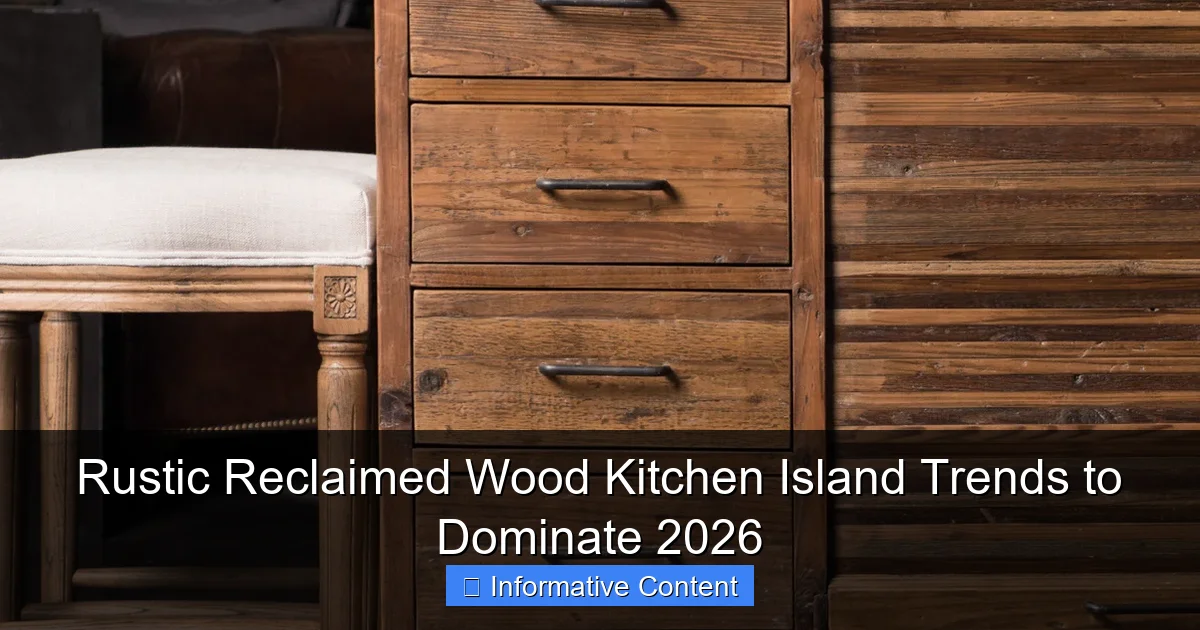
Featured image for rustic reclaimed wood kitchen island
Image source: cdn2.bigcommerce.com
Rustic reclaimed wood kitchen islands are set to dominate 2026, combining sustainability with timeless farmhouse charm. Featuring weathered textures, unique grain patterns, and eco-conscious appeal, these islands transform kitchens into warm, character-filled spaces while reducing environmental impact. Expect to see innovative designs that blend vintage aesthetics with modern functionality, making them a must-have for design-forward homes.
Key Takeaways
- Choose reclaimed wood for eco-friendly, durable kitchen islands with timeless charm.
- Prioritize character marks like knots and grain for authentic rustic appeal.
- Pair with matte finishes to enhance warmth and hide wear naturally.
- Opt for modular designs to blend rustic style with modern functionality.
- Seal properly to protect against spills and maintain longevity effortlessly.
- Combine with open shelving to highlight wood’s texture and maximize storage.
📑 Table of Contents
- The Rise of Rustic Reclaimed Wood Kitchen Islands
- Why Rustic Reclaimed Wood? The Appeal Behind the Trend
- Design Trends Shaping Rustic Reclaimed Wood Islands in 2026
- How to Choose the Right Rustic Reclaimed Wood Island for Your Kitchen
- Maintenance and Care: Keeping Your Island Beautiful
- Cost, Value, and Where to Buy in 2026
- Final Thoughts: The Heart of the Home in 2026
The Rise of Rustic Reclaimed Wood Kitchen Islands
Imagine walking into a kitchen where history greets you at every corner. The scent of aged timber, the warmth of weathered wood grain, and the quiet charm of a bygone era—this is the magic a rustic reclaimed wood kitchen island brings to your home. In recent years, homeowners and interior designers alike have fallen in love with this sustainable, character-rich centerpiece. It’s no longer just a trendy accent; it’s becoming a kitchen staple.
As we look toward 2026, the demand for rustic reclaimed wood kitchen islands is set to soar. According to a 2024 report by Grand View Research, the global reclaimed wood market is expected to grow at a compound annual growth rate (CAGR) of 5.3% through 2026, driven by eco-conscious consumers and a renewed appreciation for artisanal craftsmanship. But it’s not just about looks. These islands offer durability, sustainability, and a story—something mass-produced furniture simply can’t match. Whether you’re renovating a farmhouse kitchen or adding soul to a modern space, a reclaimed wood island might just be the heart your kitchen has been missing.
Why Rustic Reclaimed Wood? The Appeal Behind the Trend
Eco-Friendly and Sustainable Choice
One of the biggest reasons homeowners are choosing rustic reclaimed wood kitchen islands is sustainability. Reclaimed wood comes from old barns, factories, warehouses, and even decommissioned ships. Instead of cutting down new trees, we’re giving old wood a second life. This reduces landfill waste, cuts down on carbon emissions from logging and transportation, and preserves forests.
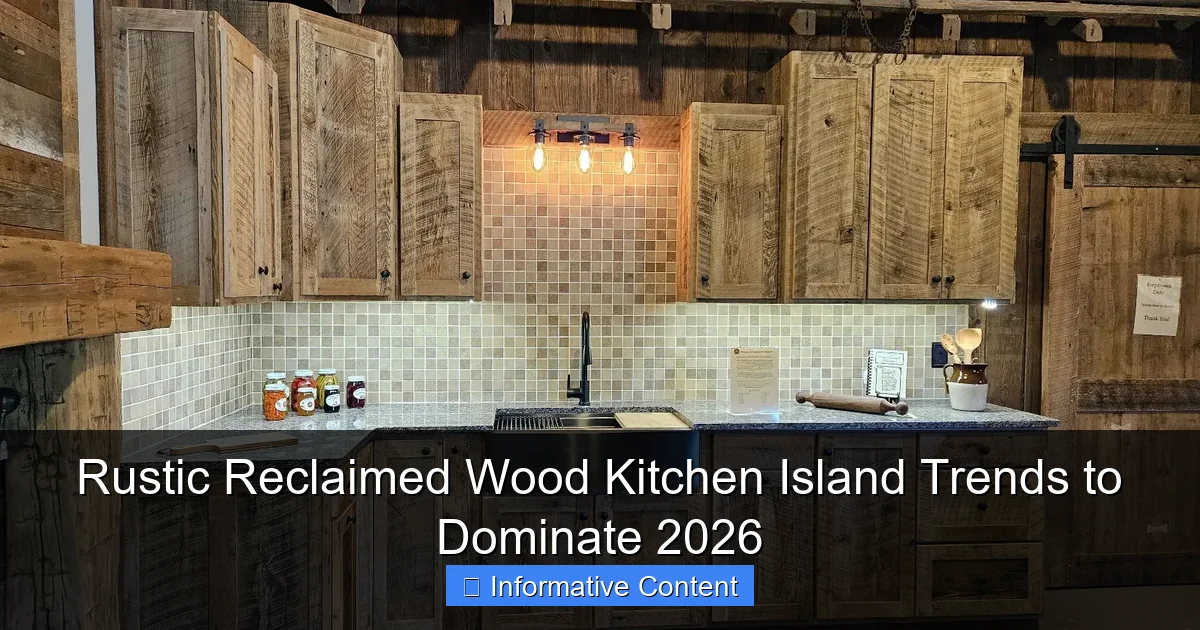
Visual guide about rustic reclaimed wood kitchen island
Image source: oldreclaimedwood.com
For example, a single reclaimed oak beam from a 19th-century barn can be repurposed into a stunning island countertop. That’s not just furniture—it’s a piece of American history. Plus, reclaimed wood often has a tighter grain structure due to slower growth patterns in older trees, making it more durable than many new hardwoods.
Tip: Look for islands made from certified reclaimed sources (like FSC or SCS) to ensure authenticity and ethical sourcing.
Unique Character and Timeless Aesthetic
No two pieces of reclaimed wood are alike. Each plank bears the marks of time—nail holes, saw kerfs, weathering, and patina—creating a one-of-a-kind look. This imperfection is what makes rustic reclaimed wood so appealing. It tells a story. A knot here, a groove there, and suddenly your kitchen island feels like it’s been part of your home for generations.
Take Sarah from Portland, who shared her experience: “I was hesitant at first—wouldn’t the dents and scratches look worn? But once it was installed, the island became the soul of our kitchen. Guests always ask where we got it, and I love telling the story of the old Oregon barn it came from.”
Unlike sleek, uniform modern islands, a rustic reclaimed wood island adds warmth and depth. It pairs beautifully with farmhouse sinks, open shelving, and vintage lighting, making it a versatile anchor in any kitchen style—from cottagecore to industrial chic.
Durability That Stands the Test of Time
Reclaimed wood is often decades, sometimes centuries, old. That means it’s already gone through the drying and settling process. Unlike new wood, which can warp or crack as it adjusts to your home’s humidity, reclaimed wood is stable and resilient.
Many reclaimed islands use hardwoods like oak, maple, or hickory—known for their strength and resistance to wear. When properly sealed with a food-safe finish (like tung or mineral oil), these surfaces can handle daily use, from chopping vegetables to hosting weekend brunches.
Pro tip: Avoid harsh chemical cleaners. A damp cloth and mild soap are all you need. Re-oil the surface every 6–12 months to maintain its luster and protect against moisture.
Design Trends Shaping Rustic Reclaimed Wood Islands in 2026
Mixed Material Magic: Wood Meets Metal and Stone
In 2026, the most sought-after rustic reclaimed wood kitchen islands will feature a fusion of materials. Think: reclaimed wood countertops paired with black iron legs, concrete bases, or stainless steel aprons. This blend of natural and industrial elements creates visual interest and modern functionality.
For instance, a reclaimed walnut top with a powder-coated steel frame offers the warmth of wood with the sleekness of modern design. It’s perfect for transitional kitchens—those that bridge the gap between old and new.
Another popular combo? Reclaimed wood with a honed marble or quartzite inlay. The cool stone adds a touch of luxury, while the wood keeps the space grounded and cozy. This is especially effective in larger kitchens where the island serves as a dual-purpose prep and entertaining zone.
Custom Shapes and Functional Add-Ons
Forget the standard rectangle. In 2026, expect to see more custom-shaped islands—curved edges, L-shapes, and even asymmetrical designs—crafted from reclaimed wood. These shapes not only maximize space but also create a more dynamic flow in the kitchen.
Functional features are also on the rise:
- Pull-out cutting boards made from matching reclaimed planks
- Integrated wine racks or spice drawers
- Hidden charging stations under the countertop edge
- Drop-down breakfast bars for casual dining
For example, a family in Austin recently installed an L-shaped island with a reclaimed pine top and built-in herb planter on one end. “It’s not just for cooking,” they said. “We use it for homework, coffee dates, and even Zoom calls. It’s become our family hub.”
Color Palettes: From Natural to Charred
While natural, unfinished wood remains a favorite, 2026 will see a rise in creative finishes. One standout trend? Shou sugi ban—the Japanese technique of charring wood to preserve it and create a striking blackened effect. When applied to reclaimed wood, it results in a bold, textured surface that’s both modern and rustic.
Other popular finishes include:
- Whitewashed or limed wood for a coastal farmhouse look
- Gray-stained reclaimed oak for a weathered, driftwood vibe
- Two-tone designs (e.g., a dark base with a light top) for contrast
Tip: If you’re unsure about a bold finish, consider using it on the island’s base or legs while keeping the countertop natural. This balances drama with warmth.
How to Choose the Right Rustic Reclaimed Wood Island for Your Kitchen
Assessing Size and Layout
Before falling in love with a design, measure your kitchen. A good rule of thumb: leave at least 36 inches of walking space around the island. For smaller kitchens (under 150 sq ft), opt for a compact island (48–60 inches long) with open legs to create the illusion of space.
For larger kitchens, go bold. A 96-inch island with a double-tiered countertop (one for prep, one for seating) can become the ultimate entertaining spot. Just ensure the ceiling height and lighting (e.g., pendant lights) are proportionate to avoid a cramped feel.
Matching Your Existing Kitchen Style
Reclaimed wood is incredibly versatile, but it needs to harmonize with your kitchen’s overall aesthetic. Here’s a quick guide:
- Farmhouse: Pair with apron sinks, shaker cabinets, and vintage hardware. Use a natural or whitewashed finish.
- Industrial: Combine with exposed brick, metal stools, and Edison bulbs. A charred or dark-stained wood works well.
- Modern Rustic: Balance the wood with sleek quartz countertops, minimalist cabinets, and neutral tones.
- Scandinavian: Keep the wood light and pair with white cabinets and open shelving.
Remember: the island should complement, not compete with, your kitchen’s existing elements. A good designer will help you strike that balance.
Evaluating Quality and Craftsmanship
Not all reclaimed wood is created equal. When shopping, look for:
- Properly kiln-dried wood (to prevent warping)
- Smooth, sanded surfaces (no splinters or rough patches)
- Stable joinery (dovetail or mortise-and-tenon joints over glue-only)
- Food-safe finishes (check for FDA-approved oils or waxes)
Ask the seller where the wood came from. Authentic reclaimed wood should have a documented history. If they can’t provide it, proceed with caution.
Red flag: A “reclaimed” island that looks too perfect. Genuine reclaimed wood has character—don’t be afraid of its flaws.
Maintenance and Care: Keeping Your Island Beautiful
Daily Cleaning Routine
Your rustic reclaimed wood kitchen island doesn’t need high-maintenance care, but consistency is key. After each use:
- Wipe spills immediately with a dry or slightly damp cloth.
- Use a mild dish soap for sticky messes (diluted 1:10 with water).
- Never soak the wood or use abrasive scrubbers.
- For stubborn stains, lightly sand with 220-grit sandpaper and re-oil.
Avoid placing hot pots directly on the wood. Use trivets or heat-resistant pads to protect the surface from burns.
Long-Term Protection and Refinishing
Every 6–12 months, reapply a food-safe oil or wax. This keeps the wood hydrated and prevents drying or cracking. Popular options include:
- Tung oil: Deep-penetrating, water-resistant, and enhances grain.
- Mineral oil: Non-toxic, odorless, and easy to apply.
- Beeswax blend: Adds a soft sheen and mild water resistance.
For deeper restoration, sand the entire surface lightly (start with 120-grit, finish with 220-grit) and apply 2–3 coats of oil, allowing 24 hours to dry between applications.
Pro tip: Keep a small repair kit with extra oil, sandpaper, and a soft cloth. It’s handy for quick touch-ups after parties or heavy use.
Dealing with Common Issues
Even the best care can’t prevent every issue. Here’s how to handle common problems:
- Water rings: Buff with a paste of baking soda and water, then re-oil.
- Scratches: Light scratches can be minimized with a walnut (rub the meat into the scratch). For deeper ones, sand and refinish.
- Odors: Sprinkle baking soda on the surface, let sit for 15 minutes, then wipe clean. Avoid vinegar—it can dull the finish.
- Cracks or gaps: Small gaps are normal in reclaimed wood. Fill with wood filler if they’re deep or catch food. Large cracks may need professional repair.
Remember: minor wear and tear add to the island’s character. Don’t stress over perfection.
Cost, Value, and Where to Buy in 2026
Price Ranges and What to Expect
Reclaimed wood islands vary widely in price, depending on size, materials, and craftsmanship. Here’s a general breakdown:
| Island Type | Size Range | Avg. Price (USD) | Key Features |
|---|---|---|---|
| Basic (pre-fab) | 48–60 in | $800–$1,500 | Solid wood top, metal base, limited customization |
| Mid-Range (semi-custom) | 60–84 in | $1,500–$3,500 | Custom finish, integrated storage, mixed materials |
| High-End (fully custom) | 84–120+ in | $3,500–$8,000+ | Handcrafted joinery, rare wood species, bespoke design |
While custom islands cost more, they often add significant value to your home. A 2023 study by Remodeling Magazine found that kitchens with unique, high-quality islands saw a 78% return on investment (ROI) during resale—higher than standard upgrades.
Where to Shop: Online vs. Local Artisans
Online Retailers: Great for budget-friendly options. Look for brands like Etsy artisans, Reclaimed Wood Designs, or Barnwood Builders. Read reviews, ask for wood source info, and check return policies.
Local Craftsmen: Ideal for custom designs. Visit local woodworking studios or craft fairs. You’ll get to see the wood in person, discuss your vision, and support small businesses. Plus, you can request a site visit to ensure the island fits your kitchen perfectly.
Tip: Many artisans offer 3D renderings before construction. Use this to visualize how the island will look in your space.
Long-Term Value and Investment
A rustic reclaimed wood kitchen island isn’t just a purchase—it’s an heirloom. Unlike mass-produced furniture that fades or goes out of style, a well-crafted reclaimed island ages beautifully. The wood develops a richer patina over time, and its story deepens.
Consider this: a 100-year-old barn beam transformed into your island today could be passed down to your grandchildren. That’s value that goes beyond dollars and cents.
Final Thoughts: The Heart of the Home in 2026
As we approach 2026, the rustic reclaimed wood kitchen island isn’t just a design trend—it’s a movement. It’s about slowing down, appreciating craftsmanship, and making sustainable choices. In a world of fast furniture and disposable culture, these islands stand as a testament to durability, beauty, and history.
Whether you’re drawn to the eco-benefits, the timeless aesthetic, or the emotional connection to the past, one thing is clear: a reclaimed wood island brings warmth, character, and functionality to your kitchen. It’s where meals are made, stories are shared, and memories are built.
So, as you plan your next kitchen upgrade, ask yourself: What story do I want my kitchen to tell? With a rustic reclaimed wood island, that story starts with the wood—and continues with you.
Frequently Asked Questions
What makes a rustic reclaimed wood kitchen island a sustainable choice?
A rustic reclaimed wood kitchen island is eco-friendly because it repurposes old wood from barns, factories, or warehouses, reducing deforestation and waste. Reclaimed wood also requires less processing than new lumber, lowering its carbon footprint.
How do I care for a reclaimed wood kitchen island to maintain its rustic charm?
Clean the surface with a damp cloth and mild soap, then apply food-safe mineral oil or beeswax every few months to preserve the grain and prevent drying. Avoid harsh chemicals to protect the wood’s natural patina.
Are rustic reclaimed wood kitchen islands durable for daily use?
Yes, reclaimed wood is often denser and more stable than new wood due to its age and prior exposure to weathering. Properly sealed, these islands can withstand heavy use while aging beautifully.
What design trends pair well with a rustic reclaimed wood kitchen island in 2026?
Matte black hardware, open shelving, and mixed materials like concrete or iron are top 2026 trends. These elements enhance the island’s organic texture while creating a balanced, modern-rustic aesthetic.
Can a reclaimed wood kitchen island be customized to fit small spaces?
Absolutely! Many artisans offer custom sizing, storage options (like pull-out drawers), and compact designs to suit smaller kitchens. The versatility of reclaimed wood makes it ideal for tailored solutions.
How does the cost of a rustic reclaimed wood kitchen island compare to new wood?
Reclaimed wood islands often cost more due to labor-intensive sourcing and finishing, but they offer unique character and sustainability. Prices vary based on size, craftsmanship, and wood type (e.g., oak vs. pine).