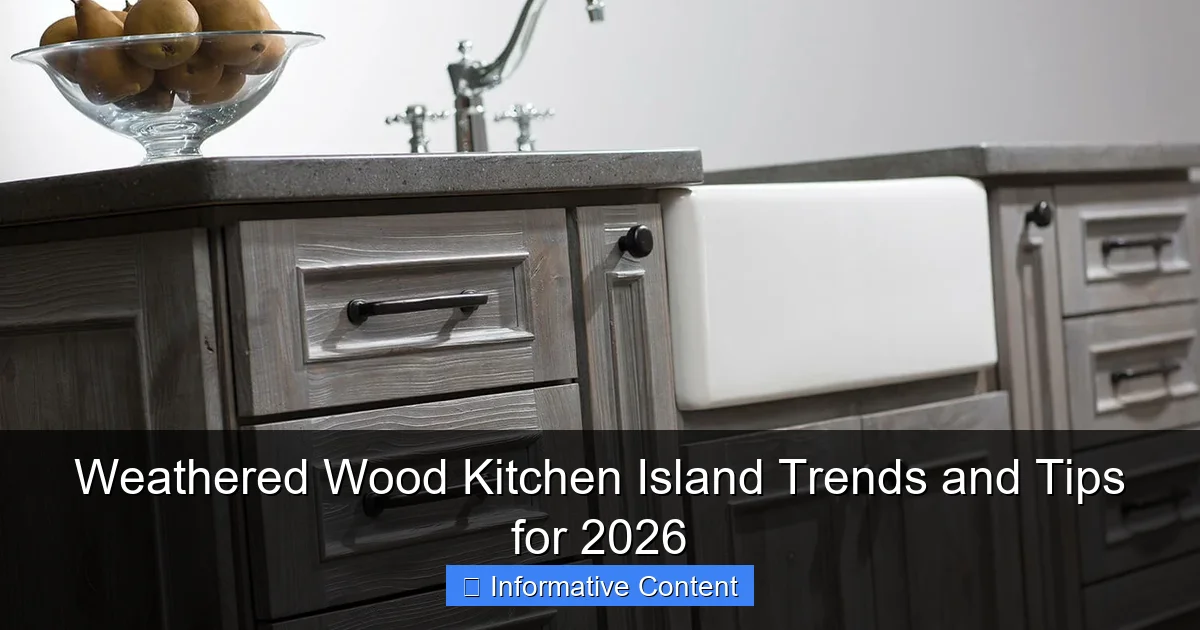
Featured image for weathered wood kitchen island
Image source: parr.durasupreme.com
Weathered wood kitchen islands are set to dominate 2026 design trends, blending rustic charm with modern functionality for a timeless, lived-in appeal. Homeowners love their eco-friendly character and unique grain patterns, making each island a one-of-a-kind centerpiece that pairs effortlessly with both farmhouse and contemporary kitchens.
Key Takeaways
- Choose authentic weathered wood: Opt for reclaimed or distressed finishes for genuine texture and eco-friendly appeal.
- Pair with modern accents: Combine with metal or quartz to balance rustic charm and contemporary style.
- Prioritize durable sealing: Protect surfaces with matte sealants to resist stains and moisture damage.
- Maximize storage smartly: Use open shelving and hidden compartments to maintain a clutter-free, functional island.
- Anchor with neutral tones: Style with creams and grays to let the wood’s natural character stand out.
- Highlight lighting strategically: Install pendant lights above to enhance warmth and focal appeal.
📑 Table of Contents
- Why Weathered Wood Kitchen Islands Are Taking Over Homes in 2026
- Understanding the Appeal of Weathered Wood
- 2026 Design Trends: From Rustic to Modern
- Practical Tips for Choosing and Maintaining Weathered Wood
- Common Mistakes (And How to Avoid Them)
- Real-World Examples and Data
- Final Thoughts: Is a Weathered Wood Island Right for You?
Why Weathered Wood Kitchen Islands Are Taking Over Homes in 2026
Remember when kitchen islands were just sleek, polished slabs of granite or quartz? Fast forward to 2026, and there’s a quiet revolution happening—one where texture, history, and warmth are stealing the spotlight. Enter the weathered wood kitchen island, a design trend that’s less about perfection and more about personality. I first noticed this shift at a friend’s home renovation last year. Instead of the usual high-gloss finishes, she chose a reclaimed wood island with visible grain, knots, and a soft, sun-bleached hue. It wasn’t just beautiful; it felt lived-in, like it had stories to tell. That’s the magic of weathered wood: it brings soul to a space.
This trend isn’t just about aesthetics. Homeowners are craving authenticity—spaces that feel grounded, not staged. Weathered wood, with its natural imperfections, offers that in spades. Whether it’s a farmhouse-style island with chipped paint or a sleek, modern design with wire-brushed oak, these pieces are becoming the heart of the kitchen. But with great charm comes great responsibility. How do you balance rustic appeal with practicality? What finishes hold up to daily use? And how do you avoid making your kitchen look like a Pinterest cliché? Let’s dive into the trends, tips, and real-world insights for making a weathered wood kitchen island work in 2026.
Understanding the Appeal of Weathered Wood
What Makes Weathered Wood So Special?
Weathered wood isn’t just old wood—it’s wood that’s been transformed by time, weather, and wear. The process creates a unique patina, with softened edges, subtle color variations, and a tactile grain that’s impossible to replicate with stains or sanding. Think of a century-old barn door or a driftwood sculpture: the texture isn’t just visual; it’s something you want to run your fingers over. In kitchen islands, this tactile quality adds a layer of intimacy. Unlike cold stone or stainless steel, wood invites touch. It’s a material that ages gracefully, making it a sustainable choice for long-term design.
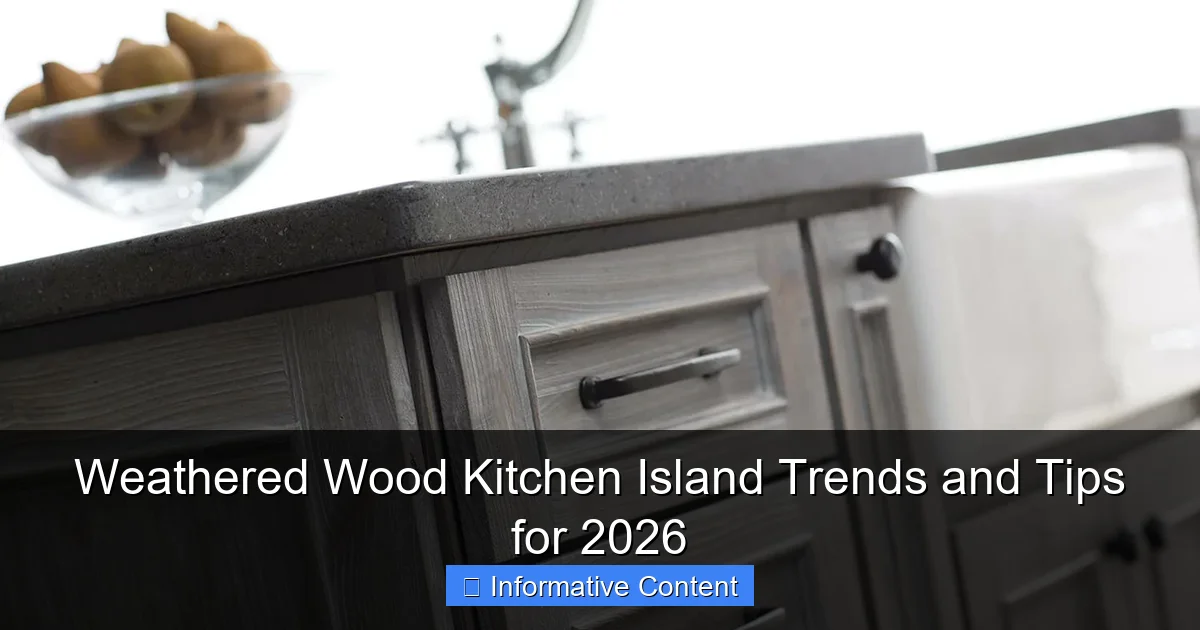
Visual guide about weathered wood kitchen island
Image source: parr.durasupreme.com
But the appeal goes deeper than texture. Psychologically, weathered wood taps into our love for nostalgia and imperfection. In a world of AI-generated art and hyper-polished interiors, there’s comfort in the “wabi-sabi” philosophy—finding beauty in flaws. A weathered island isn’t trying to be perfect; it’s celebrating its history. This resonates with homeowners who want their kitchens to feel personal, not cookie-cutter.
The Sustainability Angle: Reclaimed vs. Newly Weathered
Not all weathered wood is created equal. The most sustainable option? Reclaimed wood, salvaged from old barns, factories, or even shipwrecks. This wood has already lived a full life, so repurposing it reduces waste and adds genuine historical character. For example, a 19th-century oak beam might have nail holes, saw marks, and even bullet dents—each telling a story. However, reclaimed wood can be expensive (often $15–$30 per square foot) and requires extra prep to remove nails, pests, and rot.
Newly weathered wood, on the other hand, is often created through techniques like:
- Wire brushing: Scratching the surface to expose grain and soften edges.
- Chemical aging: Using vinegar, steel wool, or commercial products to create a gray, weathered look.
- Distressing: Hammering, dinging, or scraping wood to mimic wear.
While this approach is more affordable (around $8–$15 per square foot), it lacks the authentic history of reclaimed wood. The key? Be transparent with your designer or builder about your priorities. If sustainability is non-negotiable, reclaimed is worth the investment. If you’re on a budget, newly weathered wood can still deliver the aesthetic—just opt for FSC-certified or locally sourced materials.
2026 Design Trends: From Rustic to Modern
Farmhouse Revival: Cozy Meets Functional
The farmhouse trend isn’t going anywhere in 2026—but it’s evolving. Gone are the days of all-white kitchens with shiplap and apron sinks. Now, we’re seeing farmhouse islands with a bolder twist: think weathered wood paired with black metal legs, concrete countertops, or even bold paint colors like navy or sage. The goal? A space that’s cozy but not kitschy.
For example, a popular 2026 combo is a reclaimed pine island with a matte black iron base and a butcher block top. The wood is left natural or lightly whitewashed, while the metal adds industrial edge. This balances rustic warmth with modern durability. Pro tip: If you’re using a butcher block, opt for a food-safe oil finish (like tung or walnut oil) and reapply every 3–6 months to prevent water damage.
Modern Rustic: Clean Lines, Textured Surfaces
Not everyone wants a full-on farmhouse. Enter modern rustic, where weathered wood is used sparingly to add texture to sleek designs. Picture a minimalist island with flat-panel cabinets, a quartz countertop, and a weathered oak base. The wood acts as a “texture anchor,” grounding the space without overwhelming it. This style works especially well in open-concept homes, where the kitchen needs to flow with living and dining areas.
One clever trend: using weathered wood for the island’s legs or trim, while keeping the rest of the cabinetry in a high-gloss finish. For instance, a white lacquer island with weathered walnut legs creates a striking contrast. The wood adds warmth, while the lacquer keeps the look fresh. Just be mindful of maintenance—lacquer can chip, so avoid dragging heavy pots across the surface.
Coastal and Industrial Hybrids
Coastal and industrial styles are colliding in 2026, and weathered wood is the perfect bridge. Imagine a driftwood-gray island with galvanized steel panels and open shelving. The wood’s soft gray tones mimic beach-worn timber, while the steel adds a utilitarian vibe. This combo works in both seaside cottages and urban lofts.
For a DIY-friendly version, try painting new wood with a “weather wash” (a mix of water, gray paint, and white vinegar). Apply it unevenly, then sand the edges to mimic sun damage. Pair it with steel brackets or hairpin legs for an industrial touch. Just remember: coastal-industrial is all about balance. Too much steel can feel cold; too much wood can feel heavy. Aim for a 60/40 split—wood as the base, metal as the accent.
Practical Tips for Choosing and Maintaining Weathered Wood
Pick the Right Wood Species
Not all woods weather the same. For kitchen islands, you’ll want a species that’s durable, water-resistant, and holds its shape. Here’s a quick guide:
- White oak: Dense, rot-resistant, and ages beautifully. Great for high-traffic areas.
- Black walnut: Rich, chocolate-brown grain. Naturally water-resistant but expensive.
- Pine: Affordable and easy to distress, but softer—prone to dents and scratches.
- Reclaimed barn wood: Often oak or chestnut. Super durable but may need extra prep.
Avoid softwoods like cedar or redwood for countertops—they’re too porous for daily spills. For bases or legs, they’re fine, but seal them well.
Finish Matters: Protection vs. Authenticity
This is where homeowners often get stuck: how to protect weathered wood without losing its character. The key is choosing a finish that enhances, not masks, the texture.
- Matte oil finishes (like Rubio Monocoat): Penetrate deep, highlighting grain without shine. Ideal for a natural look.
- Water-based polyurethane: Clear, durable, and non-yellowing. Good for high-use areas.
- Wax: Adds a soft sheen and is easy to reapply. Best for decorative pieces, not countertops.
Avoid high-gloss varnishes—they’ll make the wood look plastic-y and erase the weathered charm. Also, test finishes on a scrap piece first. Some oils (like linseed) can darken wood significantly.
Maintenance: Daily Care and Long-Term Upkeep
Weathered wood isn’t high-maintenance, but it does need attention. Here’s a simple routine:
- Daily: Wipe spills immediately with a damp cloth. Avoid standing water—it can warp wood or lift finishes.
- Weekly: Dust with a microfiber cloth. For sticky spots, use a mild soap solution (1 tsp dish soap + 1 cup water).
- Quarterly: Inspect for scratches or wear. Lightly sand and reapply oil if needed.
- Yearly: Deep clean with a wood-safe cleaner. For oiled finishes, reapply every 6–12 months.
Pro tip: Use trivets or cutting boards to protect the surface. Even durable wood can’t handle hot pans or knives.
Common Mistakes (And How to Avoid Them)
Over-Distressing: When “Weathered” Becomes “Cheap”
It’s easy to go overboard with distressing. Too many hammer marks, dents, or paint chips can make an island look like a garage sale find—not a designer piece. The rule of thumb? Less is more. Focus on subtle details: a few nail holes, light sanding on edges, or a single chipped paint spot. Let the wood’s natural grain shine through.
For example, a friend once bought a “weathered” island online. It had so many fake cracks and stains that it looked like a prop from a horror movie. When she sanded it down, she discovered beautiful oak underneath. Sometimes, the real charm is hiding beneath the gimmicks.
Ignoring the Kitchen’s Overall Style
A weathered wood island can clash with a sleek, modern kitchen—or a traditional, ornate one. Before buying, ask: “Does this fit my space’s vibe?”
- Modern kitchens: Pair weathered wood with clean lines and neutral colors. Think: white cabinets, stainless appliances, and a single wood accent.
- Traditional kitchens: Use weathered wood as a base for classic details (e.g., turned legs, glass doors). Avoid mixing too many textures (e.g., wood + marble + brass).
- Eclectic kitchens: Go bold! Mix weathered wood with colorful tiles, patterned backsplashes, or vintage hardware.
Skipping the Prep Work
Reclaimed wood isn’t “plug-and-play.” It often needs:
- Sanding: To remove rough edges or splinters.
- Pest treatment: To kill old bugs or fungi.
- Stabilization: To fix warps or cracks (epoxy resin works well).
Skipping these steps can lead to safety issues (e.g., splinters) or long-term damage (e.g., rot). Always work with a pro if you’re unsure.
Real-World Examples and Data
Case Studies: Islands That Work (And Why)
Let’s look at three real-world examples of weathered wood islands in action:
- The Farmhouse Kitchen: A 12-foot reclaimed oak island in a rural home. The wood is left natural with a matte oil finish. Paired with black metal legs and a white quartz countertop, it’s a hub for family meals. The homeowner says, “It’s the one place where everyone gathers—even the dog.”
- The Urban Loft: A modern rustic island with weathered walnut legs and a concrete top. The wood is wire-brushed and sealed with polyurethane. It’s durable enough for daily cooking and entertaining, yet warm enough to feel “homey.”
- The Coastal Cottage: A driftwood-gray island with steel brackets and open shelving. The wood is newly weathered (using a vinegar-steel wool solution) and sealed with wax. It’s low-maintenance and fits the beachy vibe perfectly.
Cost and Durability Comparison
Here’s a quick look at the pros and cons of different weathered wood options:
| Type | Avg. Cost (per sq ft) | Durability | Maintenance Level | Best For |
|---|---|---|---|---|
| Reclaimed oak | $20–$30 | High (dense, rot-resistant) | Medium (needs sealing) | High-end, rustic kitchens |
| Newly weathered walnut | $12–$18 | High (naturally water-resistant) | Low (seal and forget) | Modern rustic, coastal |
| Wire-brushed pine | $8–$12 | Medium (soft, prone to dents) | High (needs frequent oiling) | Farmhouse, budget-friendly |
| Driftwood-style (new) | $10–$15 | Medium (depends on species) | Medium (wax or oil) | Coastal, eclectic |
Final Thoughts: Is a Weathered Wood Island Right for You?
By now, you might be wondering: “Is this trend worth the hype?” The answer depends on your lifestyle and design goals. A weathered wood kitchen island isn’t just a piece of furniture—it’s a statement. It says, “I value character over perfection.” It’s for homeowners who want a kitchen that feels warm, inviting, and uniquely theirs.
But it’s not for everyone. If you’re a minimalist who hates dust or a busy parent who needs a wipe-clean surface, a high-gloss quartz island might be more practical. The key is honesty: ask yourself, “Will I love this in five years, or will I resent the upkeep?”
For those who embrace the journey, a weathered wood island can be transformative. It’s a conversation starter, a family heirloom in the making, and a daily reminder that beauty isn’t about perfection—it’s about personality. So, if you’re ready to trade sterile shine for soulful texture, 2026 is your year. Just remember: the best designs aren’t bought; they’re lived in. And that’s the whole point.
Frequently Asked Questions
What makes a weathered wood kitchen island a popular choice in 2026?
Weathered wood kitchen islands are trending due to their rustic charm, eco-friendly appeal, and ability to blend with modern or farmhouse-style interiors. The aged texture and neutral tones create a warm, inviting focal point that pairs well with various countertop materials and hardware finishes.
How do I maintain a weathered wood kitchen island to preserve its finish?
Regular dusting and occasional wiping with a damp cloth are sufficient for upkeep. For deeper cleaning, use a pH-neutral wood cleaner and avoid harsh chemicals to protect the weathered wood’s natural patina and prevent drying or cracking.
Can a weathered wood kitchen island fit into a modern kitchen design?
Absolutely! A weathered wood kitchen island adds contrast and organic texture to sleek, minimalist spaces. Pair it with matte black or brass hardware, quartz countertops, and clean-lined cabinetry for a balanced, contemporary look.
Is weathered wood durable enough for a high-traffic kitchen?
Yes, especially when properly sealed with a protective finish like polyurethane or wax. Reclaimed or engineered weathered wood options offer enhanced durability, resisting scratches and moisture better than untreated wood.
What countertop materials pair best with a weathered wood kitchen island?
Marble, concrete, or butcher block countertops complement weathered wood’s rustic aesthetic. For a modern twist, consider solid surface or quartz with subtle veining to maintain visual harmony without overpowering the wood’s texture.
Where can I source sustainably made weathered wood kitchen islands?
Look for retailers specializing in reclaimed wood furniture or FSC-certified products. Many brands now offer weathered wood kitchen islands crafted from salvaged materials, ensuring eco-conscious production without sacrificing style.