Featured image for are wood top kitchen islands the in thing
Image source: essepiwood.com
Wood top kitchen islands are currently a top trend in modern home design, prized for their warmth, durability, and timeless appeal. From rustic farmhouse to sleek contemporary kitchens, these islands blend natural texture with functional elegance, making them a sought-after feature in 2024’s most stylish spaces.
Key Takeaways
- Wood tops are trending: Natural materials dominate modern kitchen designs for warmth and character.
- Durability matters: Hardwood tops resist wear and tear better than many alternatives.
- Style versatility: Works in farmhouse, modern, or rustic kitchens with proper finishing.
- Maintenance is key: Regular sealing prevents stains and extends wood surface lifespan.
- Eco-friendly appeal: Reclaimed or FSC-certified wood adds sustainable value to your space.
- Investment-worthy: High-quality wood tops increase resale value and kitchen aesthetics.
📑 Table of Contents
- The Rise of Wood Top Kitchen Islands: A Modern Trend Worth Considering
- Why Wood Top Kitchen Islands Are Trending in 2024
- Benefits of Choosing a Wood Top Kitchen Island
- Potential Drawbacks and How to Overcome Them
- Design Tips: How to Style a Wood Top Kitchen Island
- Real-World Examples and Inspirations
- Are Wood Top Kitchen Islands the In Thing Right Now?
The Rise of Wood Top Kitchen Islands: A Modern Trend Worth Considering
Let’s be honest—kitchen islands have come a long way from being just a fancy countertop with a few drawers. Today, they’re the heart of the home, a place where meals are prepped, conversations flow, and memories are made. But if you’ve been browsing kitchen design blogs or flipping through home magazines lately, you might have noticed one standout feature: wood top kitchen islands. From rustic farmhouse vibes to sleek Scandinavian minimalism, wood surfaces are making a serious comeback. And it’s not just about looks. There’s something deeply satisfying about the warmth, texture, and character that wood brings to a kitchen.
I remember visiting a friend’s newly renovated kitchen last year. The island had a stunning walnut top, oiled to perfection, with visible grain and knots that told a story. It wasn’t just a countertop—it was a statement. And honestly? I couldn’t stop running my hand over it. That’s the magic of wood. It’s tactile, inviting, and timeless. But is this trend just a passing fad, or is it here to stay? More importantly, are wood top kitchen islands the in thing right now? In this post, I’ll break down everything you need to know—from design appeal and durability to maintenance tips and real-world examples—so you can decide if this style is the right fit for your home.
Why Wood Top Kitchen Islands Are Trending in 2024
The Shift Toward Natural Materials
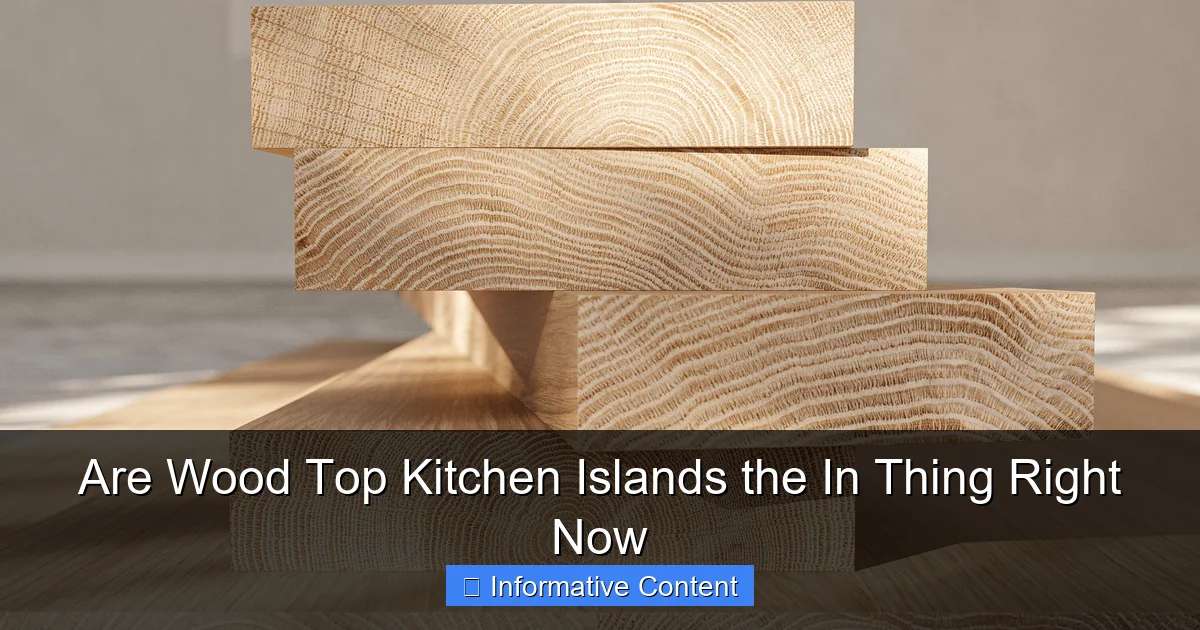
One of the biggest drivers behind the rise of wood top kitchen islands is the growing preference for natural, organic materials in home design. After years of sleek, sterile kitchens dominated by quartz, stainless steel, and high-gloss finishes, people are craving warmth and authenticity. Wood delivers that in spades. It adds a sense of grounding and connection to nature—something many of us are actively seeking in our living spaces.
Visual guide about are wood top kitchen islands the in thing
Image source: materialsoftheworld.com
Think about it: in a world where we’re constantly surrounded by screens and synthetic materials, having a kitchen island made from real wood feels like a small act of rebellion. It’s a return to craftsmanship, to things made by hand, to materials that age gracefully. And let’s not forget the psychological benefits. Studies have shown that natural elements in interiors can reduce stress and improve well-being. So, a wood-top island isn’t just stylish—it might actually make you feel better in your own home.
Versatility Across Design Styles
Another reason wood is so popular is its incredible versatility. Unlike some countertop materials that only work in specific aesthetics, wood can adapt to almost any kitchen style. Whether you’re into:
- Farmhouse – Think reclaimed barn wood with a matte finish and visible saw marks.
- Modern rustic – A clean-lined island with a light ash or birch top and a subtle oil finish.
- Mid-century modern – Teak or walnut with clean grain and a warm, honey tone.
- Scandinavian – Light-toned woods like beech or maple with a matte, low-sheen finish.
- Industrial – Dark-stained oak with metal legs or a black iron base.
The point is, wood works. It’s not a one-trick pony. You can go bold with rich, dark walnut or keep it airy with pale maple. And because wood can be stained, oiled, or left raw, the customization options are endless.
Instagram & Pinterest Influence
Let’s not underestimate the power of social media. Platforms like Instagram and Pinterest are flooded with images of stunning wood top kitchen islands. From influencers sharing their dream kitchens to professional designers posting before-and-after transformations, the visual appeal is hard to ignore. A well-lit photo of a walnut island with morning sunlight streaming through the window? That’s instant kitchen envy.
And it’s not just aesthetics. These platforms often include practical tips—like how to pair wood with other materials or which finishes are best for high-traffic areas. This accessibility has made wood-top islands more approachable, even for homeowners who might have once thought they were too high-maintenance or expensive.
Benefits of Choosing a Wood Top Kitchen Island
Warmth and Aesthetic Appeal
Let’s start with the obvious: wood is beautiful. It has a warmth that no engineered stone or laminate can replicate. The grain patterns, the natural color variations, the way it catches the light—these details add depth and character to your kitchen. Even a simple island with a basic wood top can become a focal point.
I recently helped my sister choose materials for her kitchen remodel. She was torn between quartz and wood for the island. We visited a few showrooms, and the moment she touched a live-edge walnut slab, she was sold. “It just feels alive,” she said. That’s the kind of emotional connection wood creates. It’s not just a surface; it’s a living, breathing part of your home.
Durability and Longevity (With Proper Care)
Now, I know what you’re thinking: “Isn’t wood prone to scratches and water damage?” Yes—but that doesn’t mean it’s fragile. With the right finish and maintenance, a wood top can last decades. Hardwoods like walnut, oak, maple, and cherry are incredibly durable and resistant to wear. They’re also repairable. Unlike quartz or granite, which can chip or crack and require professional replacement, wood can be sanded down and refinished.
For example, a friend of mine has a butcher block island that’s been in her family for over 20 years. It’s got knife marks, a few wine stains, and even a burn mark from a forgotten pot. But instead of replacing it, she sands it lightly every few years and re-oils it. The result? A surface that looks lived-in and loved—not worn out.
Eco-Friendly and Sustainable
Wood is one of the most sustainable countertop materials available—if sourced responsibly. Unlike quartz, which is made from crushed stone and resins (a process that’s energy-intensive), wood comes from renewable resources. Many manufacturers now offer FSC-certified wood, which ensures it’s harvested from responsibly managed forests.
Plus, wood is biodegradable. At the end of its life, a wood top won’t sit in a landfill for centuries like synthetic materials might. And if you opt for reclaimed wood—like old barn beams or salvaged floorboards—you’re giving a second life to materials that might otherwise be discarded.
Customization and Craftsmanship
One of the coolest things about wood is that it can be shaped and finished in ways other materials can’t. Want a live edge? Done. A waterfall edge? Possible. A custom inlay with contrasting wood species? Absolutely. Wood allows for true craftsmanship and personalization.
I once saw a kitchen island with a walnut top that had a maple inlay in the shape of a compass. It was a nod to the homeowner’s love of sailing. That kind of storytelling isn’t possible with mass-produced countertops. With wood, your island can be as unique as your personality.
Potential Drawbacks and How to Overcome Them
Maintenance Requirements
Let’s get real: wood does require more care than some other countertop materials. It needs to be sealed regularly to resist moisture, and it’s more prone to scratches and stains. But here’s the good news—it’s not as high-maintenance as many people assume.
For everyday care:
- Wipe spills immediately.
- Use cutting boards (yes, even on a butcher block).
- Clean with a damp cloth and mild soap—never harsh chemicals.
- Reapply oil or wax every 3–6 months, depending on use.
Many people choose food-safe oils like mineral oil, beeswax, or specialized wood butters. These penetrate the wood, protecting it from within. Some finishes, like Rubio Monocoat or Osmo, offer a more durable, low-maintenance option with a matte sheen that resists water and heat.
Water and Heat Sensitivity
Wood can warp or crack if exposed to prolonged moisture or extreme heat. That’s why it’s not ideal for sinks or stovetops (unless you have a protective insert). But for an island that’s primarily used for prep, dining, or socializing? It’s perfect.
Pro tip: If you do have a sink or cooktop on your island, consider a hybrid design. Use wood for the main surface and a different material (like quartz or stainless steel) for the wet or hot zones. This gives you the best of both worlds—warmth where you want it, durability where you need it.
Cost Considerations
Wood can be more expensive than laminate or even some quartz options, especially if you’re using premium hardwoods or custom finishes. But remember: you’re paying for quality, longevity, and craftsmanship. A well-made wood top can last 30+ years with proper care—making it a smart long-term investment.
To save money:
- Choose a less exotic wood (like maple or birch instead of walnut).
- Opt for a pre-finished butcher block instead of a custom slab.
- Buy from a local woodworker or lumberyard—sometimes you can get a better deal than through big-box retailers.
Design Tips: How to Style a Wood Top Kitchen Island
Pairing Wood with Other Materials
Wood plays well with others. In fact, pairing it with contrasting materials can create a dynamic, layered look. Some popular combos:
- Wood + Metal – A walnut top with black iron legs gives an industrial-rustic vibe.
- Wood + Stone – Pair a light oak island with a marble backsplash for a modern farmhouse feel.
- Wood + Concrete – A reclaimed wood top with a concrete base is bold and contemporary.
- Wood + Glass – Use glass pendant lights above a dark wood island for contrast and elegance.
The key is balance. If your island is dark wood, keep the surrounding cabinets light. If the island is light, you can go bolder with wall color or appliances.
Choosing the Right Finish
The finish you choose has a huge impact on both look and durability. Here’s a quick guide:
- Oil (mineral, tung, or linseed) – Penetrates the wood, enhances grain, and gives a natural, matte look. Needs frequent reapplication (every 3–6 months).
- Wax – Adds a soft sheen and smooth feel. Often used over oil for extra protection. Also needs regular maintenance.
- Polyurethane (water-based) – Durable, low-maintenance, and resists water and heat. Can look slightly plastic if not applied well.
- Hardwax Oil (e.g., Rubio Monocoat) – A hybrid that combines the look of oil with the durability of a sealant. One of the best options for high-traffic kitchens.
Size, Shape, and Functionality
When designing your island, think about how you’ll use it. Do you need extra seating? Add overhangs for bar stools. Need storage? Include drawers, cabinets, or open shelves. Want a prep zone? Make sure there’s enough space for cutting and mixing.
For smaller kitchens, a slim, rectangular island with a wood top can add warmth without taking up too much space. In larger kitchens, you can go bold with a large, freestanding island with a waterfall edge or integrated appliances.
Real-World Examples and Inspirations
Before-and-After Kitchen Transformations
Let’s look at a few real-life examples to see how wood top kitchen islands can transform a space:
Case 1: A dated 1990s kitchen with beige tile counters and oak cabinets. The homeowners replaced the old island with a modern walnut-top island with black metal legs. They kept the original cabinets but painted them white. The result? A fresh, contemporary look with warmth and character.
Case 2: A small urban apartment kitchen with limited counter space. They added a compact island with a reclaimed pine top and open shelving below. The wood brought much-needed warmth to the all-white kitchen, and the open base made the space feel larger.
Case 3: A family with young kids wanted a durable, low-maintenance island. They chose a maple butcher block with a Rubio Monocoat finish. After two years, it shows light knife marks but no deep stains or warping—proof that wood can handle daily family life.
Popular Wood Species and Their Characteristics
| Wood Type | Color & Grain | Durability | Best For |
|---|---|---|---|
| Walnut | Rich, dark brown with wavy grain | High | Statement islands, modern kitchens |
| Maple | Light, creamy with subtle grain | Very high | Butcher blocks, family kitchens |
| Oak | Golden to light brown with bold grain | High | Farmhouse, traditional styles |
| Cherry | Warm reddish-brown, smooth grain | Medium-high | Elegant, transitional kitchens |
| Birch | Pale with fine grain | Medium | Budget-friendly, modern designs |
Are Wood Top Kitchen Islands the In Thing Right Now?
So, after all this—are wood top kitchen islands the in thing right now? The short answer: yes, and for good reason. They’re not just a trend; they’re a movement toward more thoughtful, sustainable, and emotionally resonant design. People are choosing wood because it feels real, warm, and alive—qualities that are increasingly rare in our digital, fast-paced world.
But “trend” doesn’t mean “temporary.” Unlike some fleeting fads (looking at you, avocado appliances), wood has stood the test of time. It’s been used in kitchens for centuries, and it’s not going anywhere. What’s changed is how we’re using it—more creatively, more sustainably, and with more intention.
The key is to choose wisely. Pick a wood species that fits your lifestyle, finish it with a durable sealant, and maintain it with care. And don’t be afraid to mix and match. A wood top doesn’t have to be “all or nothing.” You can pair it with other materials, add modern lighting, or keep the rest of your kitchen minimalist for contrast.
At the end of the day, a kitchen island is more than just a countertop. It’s a gathering place, a workspace, a canvas for your personality. And if you’re looking for something that brings warmth, character, and a touch of nature into your home, a wood top kitchen island might just be the perfect choice. It’s not just in style—it’s in spirit.
Frequently Asked Questions
Are wood top kitchen islands trending in modern kitchens?
Yes, wood top kitchen islands are currently a popular choice due to their warm, natural aesthetic and versatility in both rustic and contemporary designs. They offer a timeless appeal that pairs well with various cabinetry and decor styles.
Why are wood top kitchen islands considered stylish right now?
Wood top kitchen islands bring organic texture and character to spaces, aligning with the growing demand for biophilic and sustainable design. Their ability to age gracefully and develop a rich patina over time adds to their allure.
What makes wood top kitchen islands stand out compared to other materials?
Unlike granite or quartz, wood top kitchen islands provide a softer, more tactile surface that’s ideal for food prep and casual dining. They also offer a unique grain pattern, making each piece one-of-a-kind.
Are wood top kitchen islands durable enough for daily use?
With proper sealing and maintenance, wood tops can withstand daily wear and tear while resisting scratches and heat damage. Hardwoods like oak, maple, or walnut are especially durable for long-term use.
How do I style a wood top kitchen island to match my decor?
Wood top kitchen islands work well with neutral tones, metal accents, or bold backsplashes to create contrast. Consider pairing them with woven bar stools or pendant lighting for a cohesive, inviting look.
Can a wood top kitchen island increase my home’s resale value?
Yes, a well-crafted wood top kitchen island can boost appeal, especially in markets favoring natural materials and artisan touches. It’s a functional yet stylish upgrade that resonates with many buyers.