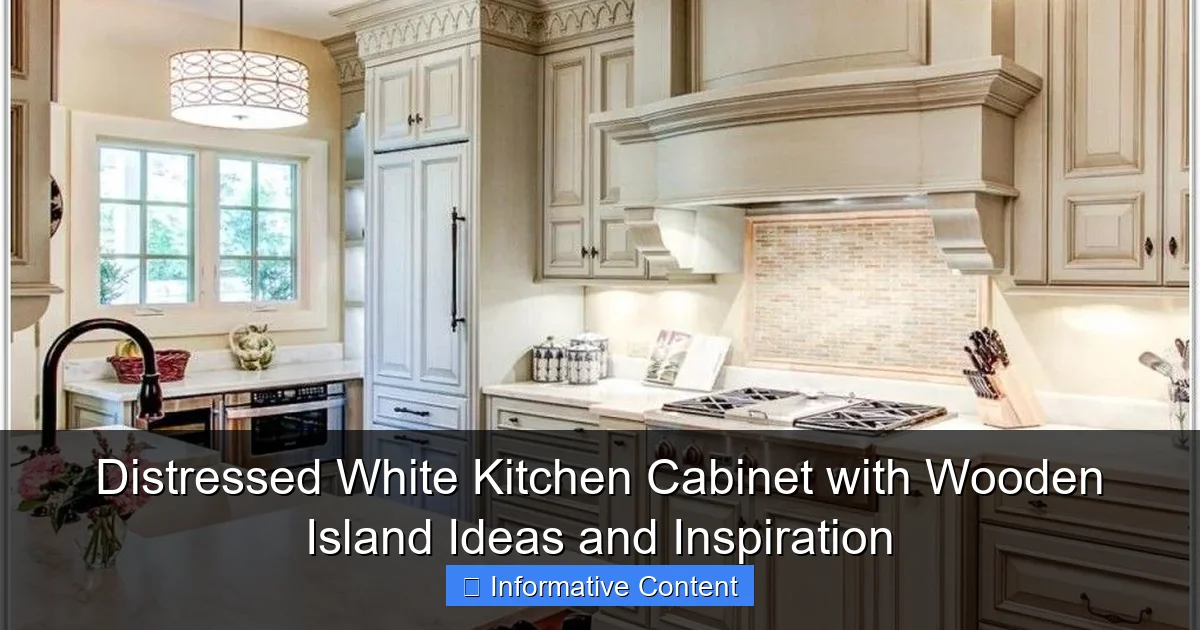
Featured image for distressed white kitchen cabinet with wooden island
Image source: i.pinimg.com
Distressed white kitchen cabinets paired with a wooden island create a timeless, farmhouse-inspired aesthetic that blends rustic charm with modern elegance. This winning combination adds warmth, texture, and character to your kitchen, making it feel both inviting and stylish. Ideal for achieving a shabby-chic or coastal vibe, these design elements offer durability and versatility, easily complementing stainless steel appliances, butcher block countertops, or vintage décor.
Key Takeaways
- Pair distressed white cabinets with warm wooden islands for timeless contrast.
- Choose matte finishes to enhance the rustic, weathered charm.
- Add vintage hardware like iron pulls to amplify the distressed aesthetic.
- Balance textures by combining smooth wood grain with chipped paint details.
- Use open shelving to showcase rustic dishware and maintain airy appeal.
- Layer lighting with pendant lights over the island for functional ambiance.
📑 Table of Contents
- Why Distressed White Kitchen Cabinets with a Wooden Island Are a Timeless Choice
- What Makes the Distressed White and Wood Combo So Appealing?
- Choosing the Right Wood for Your Island: Types, Textures, and Tips
- Designing the Distressed White Cabinets: Style, Finish, and Layout
- Lighting, Backsplash, and Decor: Tying It All Together
- Common Mistakes to Avoid (And How to Fix Them)
Why Distressed White Kitchen Cabinets with a Wooden Island Are a Timeless Choice
Imagine walking into a kitchen that feels both fresh and lived-in—a space that whispers stories of family breakfasts, weekend pancake feasts, and cozy holiday baking. That’s the magic of a distressed white kitchen cabinet with wooden island combo. It’s not just about looks; it’s about creating a kitchen that feels welcoming, warm, and full of character without trying too hard.
This design trend has been gaining traction for a reason. The contrast between the soft, weathered white cabinets and the rich, natural wood island brings balance to a room that’s often all about function. The distressed finish hides minor scuffs and wear (perfect if you’ve got kids or pets), while the wooden island adds texture and earthiness. It’s like pairing a vintage linen shirt with a solid leather belt—effortless, timeless, and full of personality.
What Makes the Distressed White and Wood Combo So Appealing?
1. The Perfect Balance of Light and Warmth
White cabinets are a classic for a reason—they make small kitchens feel bigger and brighten up even the darkest corners. But pure white can sometimes feel too sterile or cold, especially in larger, open-concept spaces. That’s where the distressed white kitchen cabinet with wooden island combo shines.
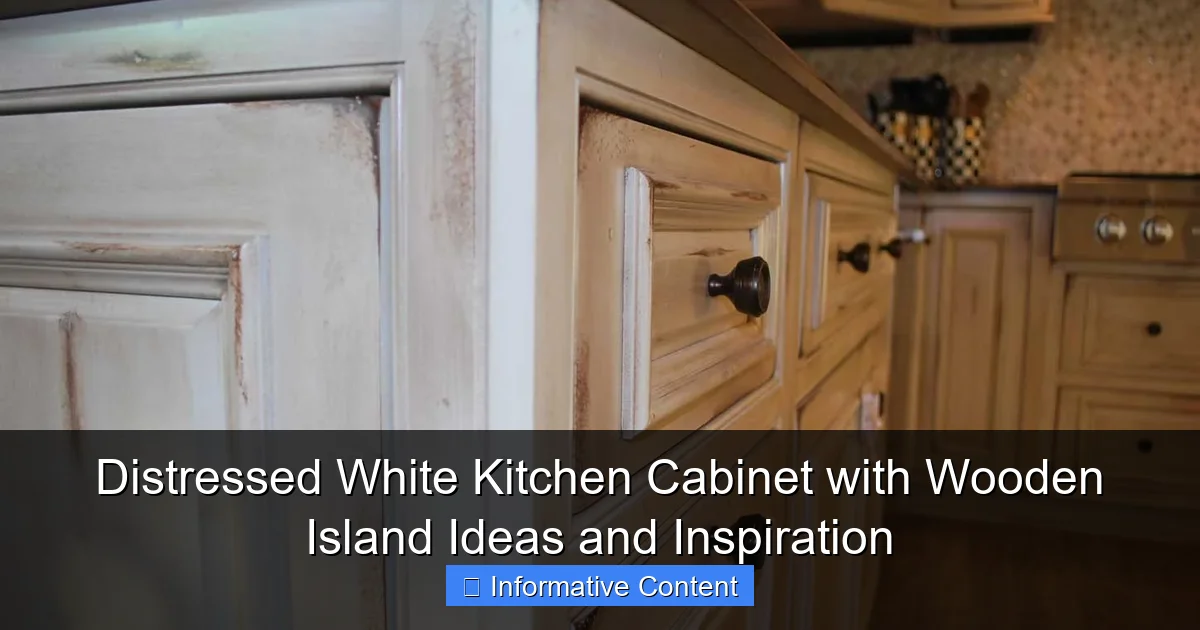
Visual guide about distressed white kitchen cabinet with wooden island
Image source: media.cmsmax.com
The distressed finish adds subtle texture and softness to the white, giving it a vintage, hand-painted feel. It’s not perfectly smooth or glossy. Instead, it has slight imperfections—like gentle brush strokes, subtle chipping, or a matte finish—that mimic years of use. This “worn-in” look makes the kitchen feel lived-in and inviting.
Then there’s the wooden island. Whether it’s reclaimed barn wood, rich walnut, or warm oak, the island brings in natural warmth and contrast. It grounds the space, adding visual weight that balances the lightness of the white cabinets. It’s like the kitchen has two souls: one bright and airy, the other earthy and grounded.
Real-life example: A friend of mine recently renovated her 1920s bungalow kitchen. She went with shaker-style distressed white cabinets (with a soft gray undertone) and a butcher block island made from reclaimed pine. The island had visible grain, knots, and even a few old nail holes. It wasn’t perfect—but that’s what made it special. Her kids love sitting at the island for homework, and the whole room feels like a cozy farmhouse kitchen, not a staged showroom.
2. Hides Wear and Tear (Yes, Really!)
Let’s be honest: kitchens get messy. Kids draw on the walls with crayons, pets scratch the corners, and everyday cooking leads to spills and scuffs. A high-gloss white kitchen might show every fingerprint, but a distressed finish? It actually welcomes minor wear.
The intentional imperfections in distressed cabinets help camouflage small dings, smudges, and scratches. You don’t have to stress about perfection. In fact, the more the kitchen ages, the better it looks—like a well-loved piece of furniture that gets more beautiful with time.
Pro tip: If you’re worried about durability, look for cabinets with a sealed, water-resistant finish. Many modern distressed cabinets use a multi-step process: paint, distress, seal, and sometimes even a light glaze for depth. This protects the wood while preserving the vintage look.
3. Works in Almost Any Kitchen Style
You might think this combo is only for farmhouse or cottage-style kitchens—but that’s not true. A distressed white kitchen cabinet with wooden island can adapt to almost any aesthetic with the right details.
- Farmhouse: Pair with apron sinks, open shelving, and vintage hardware. Think mason jars, enamelware, and a big farmhouse table nearby.
- Coastal: Use light wood (like ash or maple) for the island, add blue or seafoam accents, and keep decor minimal. The white cabinets feel like a beach cottage breeze.
- Modern rustic: Go for clean-lined shaker cabinets with a matte distress, and pair with a sleek, blackened steel base on the island. Add pendant lights with exposed bulbs.
- Industrial: Use reclaimed wood with visible grain and metal brackets on the island. Pair with black hardware and concrete countertops.
The key is in the details—hardware, lighting, backsplash, and decor. The base combo stays the same, but you can shift the mood easily.
Choosing the Right Wood for Your Island: Types, Textures, and Tips
1. Popular Wood Types and Their Vibe
Not all wood is created equal—and the type you choose for your island can completely change the feel of your kitchen. Here’s a quick guide to popular options:
| Wood Type | Color & Grain | Best For | Durability | Maintenance Tips |
|---|---|---|---|---|
| Oak | Warm honey tones; pronounced grain | Traditional, farmhouse, rustic | High | Seal with food-safe oil; avoid direct sunlight to prevent fading |
| Walnut | Rich chocolate-brown; smooth, fine grain | Modern, elegant, luxury | Medium-high | Use coasters; re-oil every 6–12 months |
| Maple | Light, creamy white; subtle grain | Coastal, Scandinavian, minimalist | High (harder than oak) | Wipe spills quickly; avoid cutting directly on surface |
| Reclaimed Barn Wood | Varied tones; knots, nail holes, weathering | Rustic, industrial, vintage | Medium (depends on age) | Seal thoroughly; inspect for pests before installation |
| Butcher Block (Maple or Walnut) | Even tones; smooth, layered construction | Functional, family-friendly, modern | High (if maintained) | Oil monthly; sand and refinish every 3–5 years |
When choosing, think about your lifestyle. Do you cook often? Have kids who use the island as a homework spot? Then a harder wood like maple or oak is a smart pick. Want a showpiece island that feels luxurious? Walnut or a custom live-edge slab might be perfect.
2. Texture Matters: Smooth vs. Rustic
The texture of your wooden island adds another layer of character. A smooth, sanded surface feels modern and clean. A rustic, hand-hewn look—with saw marks, knots, or uneven edges—feels more authentic and cozy.
Example: A client I worked with wanted a “modern farmhouse” look. We went with smooth maple butcher block for the island, but added a live-edge walnut overhang for bar seating. The contrast between the sleek countertop and the organic edge created a stunning focal point. Guests always comment on it!
Tip: If you’re using a rustic wood, make sure it’s properly sanded and sealed. You want texture, not splinters!
3. Size, Shape, and Function
Your island isn’t just a design element—it’s a workhorse. Think about how you’ll use it:
- Storage: Add drawers, pull-out shelves, or open cubbies for cookbooks, pots, or kids’ snacks.
- Seating: Allow at least 24 inches per person for bar stools. For comfort, go 30–36 inches.
- Prep space: If you cook a lot, make sure the island has room for cutting, mixing, and plating.
- Appliances: Consider adding a sink, cooktop, or wine fridge to the island for convenience.
Also, think about the shape. A rectangular island works in most kitchens. But if you have a large, open space, consider an L-shaped or curved island for better flow.
Designing the Distressed White Cabinets: Style, Finish, and Layout
1. Choosing the Right Shaker or Flat-Panel Style
Shaker cabinets are the go-to for a distressed white kitchen cabinet with wooden island design—and for good reason. Their simple, five-piece door design (flat center panel with a frame) is timeless and works well with distressing. The clean lines let the finish shine.
Flat-panel (slab) cabinets are a modern alternative. They have a smooth, minimalist look. When distressed, they show subtle texture—like a soft wash or light sanding. Great for a more contemporary feel.
Pro tip: If you’re going for a farmhouse or vintage look, stick with shaker. If you want something sleeker, try flat-panel with a light distress and matte finish.
2. Distressing Techniques: Hand-Done vs. Factory
There are two ways to get the distressed look:
- Hand-distressed: Done by artisans using sanding, chipping, and staining techniques. Each cabinet is unique. More expensive, but feels authentic.
- Factory-distressed: Mass-produced with a consistent finish. Often uses a glaze or paint wash to mimic wear. More affordable and uniform.
Hand-distressed cabinets have more character, but they can vary from piece to piece. Factory options are consistent, but sometimes feel “too perfect.” If you’re on a budget, look for brands that use a multi-step process—paint, sand, glaze, seal. These often look more natural than basic “distressed” finishes.
3. Layout Tips for a Balanced Look
Balance is key. You don’t want the white cabinets to feel too “floaty” or the island to look like an afterthought. Here’s how to get it right:
- Island placement: Leave at least 36–42 inches of clearance around the island for walking and opening drawers. In a small kitchen, a movable cart with a wooden top can act as an island.
- Countertop material: Pair the wooden island with a contrasting countertop—like quartz, granite, or concrete. This adds visual interest and protects the wood from heat and moisture.
- Upper vs. lower cabinets: Use distressed white for both, or mix it up. Some people do white uppers and a darker base (like navy or charcoal) to ground the space. But for a true distressed white kitchen cabinet with wooden island look, keeping the lower cabinets white helps the island pop.
- Open shelving: Add a few open shelves in the same wood as the island. It creates a visual thread between the cabinets and island.
Real-world example: A couple in Portland did white shaker cabinets with a light distress, a walnut island with quartz countertops, and open walnut shelves above the sink. The wood repeated throughout, making the space feel cohesive and warm.
Lighting, Backsplash, and Decor: Tying It All Together
1. Lighting That Enhances the Warmth
Lighting can make or break your kitchen’s vibe. For a distressed white kitchen cabinet with wooden island design, you want to highlight the textures and warmth without washing out the details.
- Pendant lights: Hang 2–3 over the island. Choose materials that complement the wood—like black iron, brass, or matte black metal. Avoid overly shiny finishes that clash with the rustic look.
- Under-cabinet lighting: Adds task lighting and makes the distressed finish look even more inviting at night. LED strips are energy-efficient and easy to install.
- Ceiling fixtures: Use a simple flush mount or a vintage-style cage light for ambient light.
Pro tip: Use warm white bulbs (2700K–3000K) instead of cool white. They enhance the wood tones and make the white cabinets feel creamy, not stark.
2. Backsplash Ideas That Complement (Not Compete)
The backsplash is your chance to add personality. But don’t let it overpower the cabinets and island. Here are a few winning combos:
- White subway tile: Classic and clean. Use matte finish to match the distressed look.
- Handmade zellige tile: Irregular, glazed tiles with a soft sheen. Perfect for adding subtle texture.
- Wood-look tile: If you want the warmth of wood but need durability, go for porcelain tiles that mimic wood grain. Use behind the stove or sink.
- Exposed brick or shiplap: For a true farmhouse feel. Just make sure it’s sealed for kitchen use.
Avoid overly busy patterns or bold colors that distract from the wood and white combo. Keep it simple and textural.
3. Decor and Accessories: Less Is More
With a distressed white kitchen cabinet with wooden island setup, the materials speak for themselves. You don’t need a lot of decor. Focus on a few well-chosen pieces:
- Wooden cutting boards and bowls: Echo the island’s material.
- Linen or cotton dish towels: In neutral or earthy tones (oatmeal, sage, rust).
- Fresh herbs in terracotta pots: Adds life and color.
- A single statement piece: Like a vintage clock, a large ceramic vase, or a woven basket.
Remember: the goal is to feel warm and welcoming, not cluttered. Let the wood and white cabinets be the stars.
Common Mistakes to Avoid (And How to Fix Them)
1. Over-Distressing
It’s easy to go overboard with the distressing. Too much chipping, sanding, or staining can make the cabinets look cheap or damaged—not vintage.
Solution: Keep it subtle. Look for cabinets with light distress—like soft edges, slight paint wear, or a gentle sanding along corners. If you’re DIY-ing, test on a small area first. Less is more.
2. Mismatched Wood Tones
Not all wood looks good together. A warm oak island might clash with cool gray cabinets, or a dark walnut island might overwhelm light cabinets.
Solution: Test samples together. Bring cabinet and wood swatches into your kitchen under natural and artificial light. Make sure the tones harmonize—either by matching (warm with warm) or creating a balanced contrast (cool white with warm wood).
3. Ignoring Functionality
Design is important, but so is how you use the space. A beautiful wooden island with no storage or seating is just a table.
Solution: Plan for real life. Add drawers, shelves, and seating. If you cook often, include a prep sink or induction cooktop. The island should serve your needs, not just look pretty.
4. Forgetting Maintenance
Wood requires care. Without regular oiling, butcher block can dry out, crack, or stain. Distressed cabinets can collect grease and grime in the crevices.
Solution: Set a maintenance schedule. Oil the island every 3–6 months. Wipe cabinets weekly with a damp cloth and mild cleaner. Use cutting boards—don’t cut directly on the wood.
A distressed white kitchen cabinet with wooden island isn’t just a trend—it’s a lifestyle choice. It’s for people who want a kitchen that feels warm, welcoming, and full of character. It’s for families, entertainers, and anyone who believes that a kitchen should be lived in, not just looked at.
Whether you’re renovating a 100-year-old cottage or designing a new build, this combo offers timeless appeal. The white cabinets bring light and airiness. The wooden island adds warmth, texture, and soul. Together, they create a space that’s both beautiful and functional—one that will age gracefully for years to come.
So go ahead: embrace the imperfections, choose wood that speaks to you, and let your kitchen tell its story—one meal, one memory, at a time.
Frequently Asked Questions
What are the benefits of choosing a distressed white kitchen cabinet with wooden island?
A distressed white kitchen cabinet with wooden island combines vintage charm with modern functionality, offering a timeless aesthetic that hides wear and tear. The wooden island adds warmth and natural contrast, making it a versatile centerpiece for both rustic and contemporary kitchens.
How do I maintain the finish on distressed white kitchen cabinets?
To maintain your distressed white kitchen cabinets, clean them regularly with a soft, damp cloth and mild soap, avoiding harsh chemicals. The distressed finish is designed to show character, so minor scuffs and marks add to its authentic appeal.
Can a wooden island complement distressed white cabinets in a small kitchen?
Yes, a wooden island can enhance a small kitchen by adding visual interest without overwhelming the space. Opt for a compact island with open shelving or slim legs to maintain an airy feel while pairing beautifully with your distressed white kitchen cabinet.
What wood types work best for an island paired with distressed white kitchen cabinets?
Reclaimed wood, oak, or walnut are excellent choices for a wooden island, offering durability and rich grain patterns. These woods contrast elegantly with the soft, weathered look of distressed white kitchen cabinets.
How can I style a kitchen with distressed white cabinets and a wooden island?
Balance the vintage look of distressed white cabinets with modern hardware, neutral backsplashes, and metallic accents like brass or matte black. The wooden island can be styled with woven baskets, greenery, or butcher block accessories to enhance its rustic appeal.
Are distressed white kitchen cabinets suitable for high-traffic households?
Absolutely—distressed white kitchen cabinets are ideal for busy homes because their textured finish naturally conceals fingerprints, scratches, and daily wear. The wooden island adds extra durability, making this combo both practical and stylish for families.