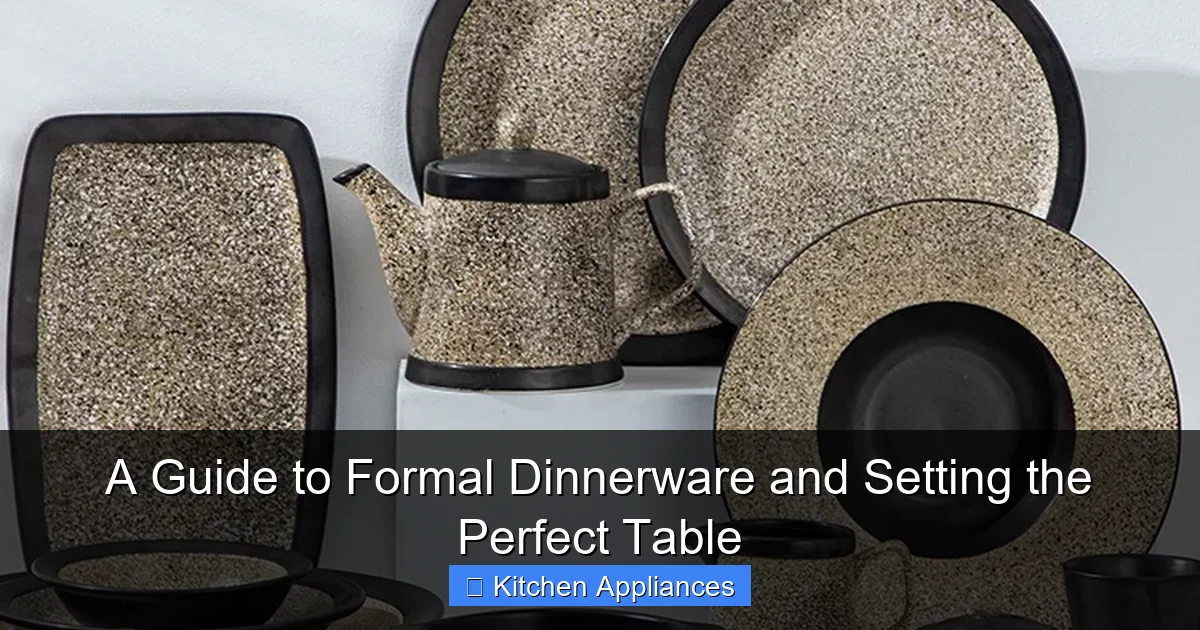
Featured image for this comprehensive guide about formal dinnerware set
Image source: royalwarechina.com
The gentle clink of crystal, the soft glow of candlelight, the tantalizing aroma of a perfectly prepared meal – these are the hallmarks of a truly memorable dinner party. But at the heart of any elegant gathering lies one indispensable element: the formal dinnerware set. More than just plates and bowls, a fine dinnerware collection is an expression of taste, an invitation to connection, and often, a cherished heirloom that tells stories across generations.
In a world increasingly dominated by casual dining, the art of setting a formal table might seem daunting. Yet, embracing this tradition offers a unique opportunity to elevate everyday moments into extraordinary experiences. Whether you’re hosting a holiday feast, a milestone celebration, or simply desire to infuse your dining with a touch of grandeur, understanding the nuances of formal dinnerware is your first step.
This comprehensive guide will demystify the world of elegant place settings, from choosing the right materials and patterns to mastering the art of presentation and care. Prepare to embark on a journey that will not only equip you with actionable tips and insights but also inspire you to create unforgettable dining experiences with your exquisite formal dinnerware set.
Quick Answers to Common Questions
What exactly is a formal dinnerware set?
It’s a collection of matching dishes, typically crafted from fine materials like bone china or porcelain, designed for elegant occasions. Think beyond your everyday plates—this set elevates your dining experience.
When should I use a formal dinnerware set?
You’ll typically pull out your formal dinnerware set for special events like holiday dinners, celebratory parties, or any time you want to create a truly sophisticated dining experience. It’s perfect for making guests feel extra special.
What pieces are typically included in a formal dinnerware set?
A standard formal dinnerware set usually includes dinner plates, salad plates, bread and butter plates, and teacups with saucers. Some sets might also add soup bowls, dessert plates, or serving platters.
Is a formal dinnerware set different from my everyday dishes?
Absolutely! A formal dinnerware set is typically made from higher-quality, more delicate materials and features more intricate designs or elegant finishes. Your everyday dishes are usually more durable and less ornate, designed for daily use.
Do I really need a formal dinnerware set?
While not an everyday necessity, a formal dinnerware set is a wonderful investment for anyone who loves to entertain and wants to create memorable dining experiences. It truly sets the stage for special occasions and makes guests feel honored.
📋 Table of Contents
What Defines a Formal Dinnerware Set?
Unlike everyday dishes designed for durability and casual convenience, a formal dinnerware set is crafted with elegance, sophistication, and special occasions in mind. It’s about more than just functionality; it’s about aesthetics, tradition, and setting a specific tone for your dining experience. The distinction often lies in the materials, the intricate designs, and the comprehensive collection of pieces.
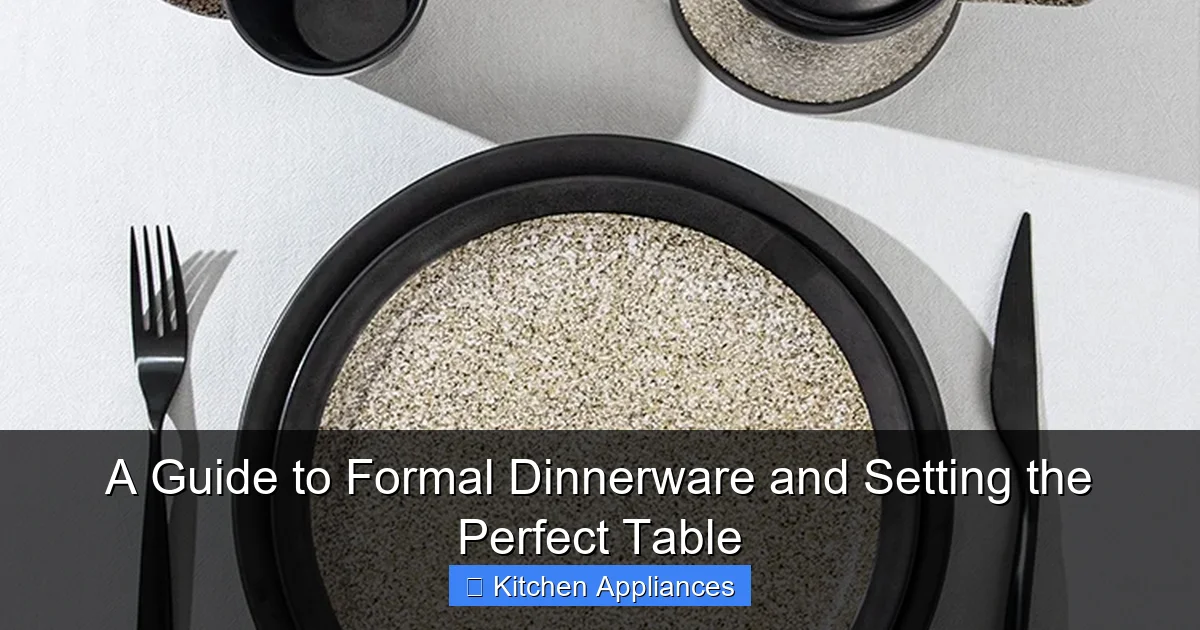
Learn more about formal dinnerware set – A Guide to Formal Dinnerware and Setting the Perfect Table
Image source: royalwarechina.com
The Core Materials of Elegance
The choice of material is paramount when selecting a formal dinnerware set. Each offers unique characteristics that contribute to its beauty, feel, and durability.
| Dinnerware Material | Key Characteristics | Care & Durability (Kitchen Appliance Compatibility) | Typical Price Range (4-pc Setting) |
|---|---|---|---|
| Bone China | Highly translucent, lightweight, elegant, exceptionally strong and chip-resistant. | Often dishwasher safe; microwave safe (if no metallic accents). Generally very durable for its delicate appearance. | $100 – $500+ |
| Porcelain | Durable, non-porous, slightly heavier and less translucent than bone china, crisp white finish. | Dishwasher & microwave safe. Very robust, ideal for frequent use. | $50 – $300 |
| New Bone China | More opaque than traditional bone china, but still strong and elegant. More affordable. | Dishwasher & microwave safe. Good resistance to chipping. | $40 – $200 |
| High-Quality Stoneware | Opaque, heavier feel, often with a rustic or handcrafted aesthetic. Can be very refined. | Dishwasher & microwave safe. Highly durable and less prone to thermal shock than other ceramics. | $30 – $150 |
- Bone China: Often considered the pinnacle of formal dinnerware, bone china is renowned for its exquisite translucence, brilliant white color, and remarkable strength despite its delicate appearance. Made from bone ash, feldspar, and kaolin clay, it is thinner and lighter than porcelain, yet surprisingly chip-resistant. Its elegant drape and smooth, luminous surface make it a favorite for upscale dining and cherished family gatherings. A high-quality bone china dinnerware set can be surprisingly resilient, often dishwasher safe (without metallic accents) and microwave safe.
- Porcelain: A close second to bone china in formality, porcelain is also a classic choice for formal dinnerware sets. Fired at extremely high temperatures, porcelain is non-porous, highly durable, and boasts a lustrous, glassy finish. It’s heavier and typically more opaque than bone china but offers excellent resistance to chips and scratches. Porcelain dinnerware is versatile, often suitable for both formal and semi-formal use, and its robust nature makes it a practical yet elegant option. Many modern porcelain sets are designed for everyday use while still maintaining a formal aesthetic.
- Fine Earthenware/Stoneware (with caveats): While typically associated with more casual dining, certain high-quality, finely glazed earthenware or stoneware can possess an elegant appearance suitable for less rigidly formal settings or for adding a rustic-chic touch to a formal table. However, for truly traditional formal occasions, bone china and porcelain remain the gold standard. They are generally thicker and more prone to chipping than their more formal counterparts.
Understanding Formal Dinnerware Set Components
A true formal dinnerware set goes beyond the basic plate. It typically includes a variety of specialized pieces designed to accommodate multiple courses and beverages, reflecting the meticulous nature of formal dining. While the exact number of pieces can vary, a traditional place setting often includes 5-7 distinct items.
For example, a standard 5-piece place setting usually comprises a dinner plate, salad/dessert plate, bread and butter plate, teacup, and saucer. Larger sets might include soup bowls, charger plates, and various serving pieces, all designed to create a cohesive and impressive presentation.
The Art of Choosing Your Perfect Formal Dinnerware Set
Selecting a formal dinnerware set is an investment, both financially and emotionally. It’s a decision that reflects your personal style, enhances your entertaining capabilities, and potentially creates a legacy for future generations. Consider these factors carefully to find the perfect match for your home and hosting aspirations.
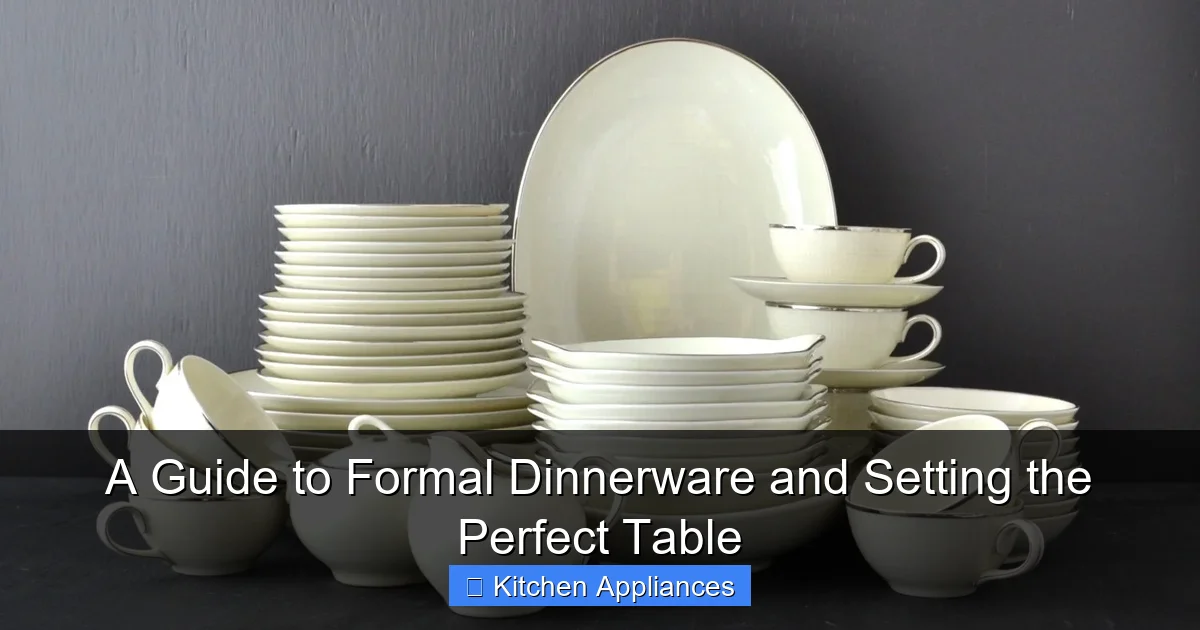
Learn more about formal dinnerware set – A Guide to Formal Dinnerware and Setting the Perfect Table
Image source: img1.etsystatic.com
Style and Aesthetics: Reflecting Your Taste
The visual appeal of your dinnerware set is paramount. It should resonate with your personal style and complement your home décor.
- Classic White & Gold/Silver Trim: This timeless choice offers unparalleled versatility and elegance. A pristine white background allows your food to shine, while delicate metallic banding adds a touch of luxury and sophistication. This style is perpetually in vogue and can easily be dressed up or down with different linens and accessories.
- Patterns: Floral, Geometric, Contemporary: For those who desire more visual interest, patterned dinnerware offers a wealth of options. Traditional floral motifs evoke romance and heritage, while geometric patterns can lend a modern or Art Deco feel. Contemporary designs, often featuring subtle textures or abstract elements, can offer a fresh take on formal dining. When choosing patterns, consider if they will remain appealing over time and if they complement your existing décor.
- Timeless vs. Trendy: While a trendy pattern might be alluring, remember that a formal dinnerware set is often a long-term investment. Opting for a classic design ensures that your set will remain elegant and relevant for decades to come, rather than looking dated in a few years. Timeless pieces often offer greater flexibility in pairing with various seasonal décor and hosting themes.
Durability and Practicality: Beauty That Lasts
While aesthetics are crucial, the practicality and durability of your formal dinnerware set should not be overlooked. You want pieces that can withstand regular use (even if only for special occasions) and retain their beauty.
- Dishwasher/Microwave Safety: Many modern formal sets are designed for convenience. Always check the manufacturer’s guidelines. Sets with gold, silver, or platinum bands are generally not microwave safe, and often require hand washing or delicate cycle dishwasher use to prevent tarnishing or fading of the metallic accents.
- Chip Resistance: Bone china, in particular, is known for its surprising chip resistance despite its thinness. Porcelain is also very durable. Consider sets with reinforced edges if chip resistance is a top priority, especially if your set will see frequent use.
- Weight and Feel: Hold a piece in your hand. Does it feel substantial yet comfortable? The weight and balance contribute to the overall dining experience.
The Importance of Open Stock and Replacements
Accidents happen. Plates break, cups chip. When investing in a formal dinnerware set, especially one intended for long-term use, inquire about the availability of open stock pieces. This allows you to purchase individual replacements for broken items rather than having to buy an entirely new set or live with an incomplete one. Reputable brands often offer open stock for many years, ensuring the longevity of your collection.
Decoding the Dinnerware Set: Essential Components
Understanding the various components of a formal dinnerware set is key to both making an informed purchase and confidently setting a formal table. While sets vary, here are the core pieces you’ll typically encounter, arranged as they might appear in a traditional place setting:
- Charger Plate (Service Plate): This oversized decorative plate is placed directly on the table, serving as a base for other dishes. It is not meant for food but rather to frame the dinner plate and catch any spills, adding an immediate layer of sophistication. Chargers are removed before the main course is served.
- Dinner Plate: The largest plate used for serving the main course. It’s the central element of each place setting.
- Salad/Dessert Plate: A smaller plate, often used for the salad course served before the entrée, or for dessert after the main meal. Its versatility makes it a valuable component.
- Bread & Butter Plate (B&B Plate): The smallest plate, typically placed above and to the left of the main dinner plate. As its name suggests, it’s used for bread rolls and butter.
- Soup/Rimmed Bowl: Often a shallow, wide bowl or a deep bowl with a wide rim, designed for soups, stews, or pasta dishes. It can be placed directly on the dinner plate.
- Teacup & Saucer: Essential for serving hot beverages like tea or coffee after the meal. The saucer provides a stable base for the cup and a place for a small spoon or sugar cube. Some sets may also include demitasse cups and saucers for espresso.
Beyond these individual place setting pieces, a comprehensive formal dinnerware set often includes various serving pieces:
- Serving Platters: Large, oval or round plates for presenting main dishes.
- Serving Bowls: For vegetables, mashed potatoes, or other side dishes.
- Gravy Boat: With an accompanying saucer to catch drips.
- Sugar Bowl & Creamer: For tea and coffee service.
- Salt & Pepper Shakers: Often matching the dinnerware design.
A complete set, sometimes sold as a “dinner service for 12” or similar, ensures a cohesive look for larger gatherings and makes hosting a breeze.
Beyond the Basics: Elevating Your Formal Table Setting
A stunning formal dinnerware set is the foundation, but the true magic of a formal table lies in the symphony of accompanying elements. Each component, from the linens to the centerpieces, plays a crucial role in creating an unforgettable ambiance.
Linens: The Foundation of Elegance
Tablecloths, placemats, and napkins set the stage. For a formal setting, crisp, high-quality fabrics are essential.
- Tablecloths: Choose a pristine white or ivory tablecloth that drapes beautifully and reaches at least to the lap of a seated guest. Linen or damask are classic formal choices.
- Placemats: While not strictly necessary with a formal tablecloth, elegant placemats (e.g., woven, beaded, or embroidered) can add another layer of texture and color, especially if you’re using charger plates.
- Napkins: Linen or cotton napkins, folded artfully, are a must. Avoid paper napkins for formal occasions. Napkin rings can add a decorative touch.
Flatware: Silver, Gold, or Modern Metal?
The choice of flatware should complement your formal dinnerware set. Sterling silver or silver-plated flatware is the traditional choice, offering a timeless luster. Gold-plated flatware provides a luxurious warmth. High-quality stainless steel, particularly with intricate designs or a polished finish, can also be formal and more practical.
Remember the traditional placement: forks to the left (salad fork outside, dinner fork inside), knives to the right (blade facing the plate), and spoons to the right of the knives (soup spoon outside, teaspoon inside). Dessert flatware can be placed above the plate or brought out with the dessert course.
Glassware: A Symphony of Sips
Formal dining often involves multiple beverages, each requiring its appropriate glass. Crystal glassware, with its brilliance and delicate feel, is the traditional choice.
- Water Glass: Typically the largest glass, placed above the knife.
- Wine Glasses: A red wine glass (larger bowl) and a white wine glass (smaller bowl) are common. They are placed to the right of the water glass.
- Champagne Flute: If sparkling wine is served, the flute is placed to the right of the other wine glasses.
Centerpieces and Ambiance
The centerpiece anchors your table and sets the mood. For formal occasions, consider:
- Flowers: Fresh flowers, arranged elegantly, are a timeless choice. Ensure they are not so tall as to obstruct guests’ views across the table.
- Candles: Taper candles in elegant holders or pillar candles can create a warm, inviting glow. Use unscented candles to avoid interfering with the aroma of the food.
- Decorations: Seasonal elements, fine figurines, or intricate candelabras can add to the formal atmosphere. Keep them refined and not overly cluttering.
The Power of Place Cards and Personal Touches
For larger formal gatherings, elegant place cards not only guide guests to their seats but also add a personalized touch. Small, thoughtful favors or a handwritten note can also make guests feel especially welcome and appreciated.
Caring for Your Precious Formal Dinnerware
Your formal dinnerware set is an investment and, often, a cherished possession. Proper care ensures its beauty and longevity, allowing it to serve you for many special occasions and be passed down through generations.
Washing Wisdom: Hand vs. Dishwasher
The cardinal rule: always consult the manufacturer’s care instructions for your specific formal dinnerware set.
- Hand Washing: For pieces with gold, silver, or platinum trim, hand washing is usually recommended. Use warm water, a mild non-abrasive detergent, and a soft cloth or sponge. Avoid harsh scrubbing pads that can scratch delicate surfaces or remove metallic accents. Rinse thoroughly and dry immediately with a soft, lint-free cloth to prevent water spots.
- Dishwasher Use: Many modern bone china and porcelain sets without metallic embellishments are dishwasher safe. If using a dishwasher, place items carefully to avoid chipping, and use a gentle cycle with a mild, non-citrus-based detergent. Avoid abrasive pre-soaks or harsh rinse aids. High heat can sometimes dull finishes or damage delicate patterns over time, so opt for lower temperature settings if available.
Storage Solutions: Protecting Your Investment
Proper storage is crucial to prevent chips, scratches, and dust accumulation.
- Plate Dividers/Felt Protectors: Always use felt or fabric plate dividers between stacked plates, bowls, and platters. This prevents scratching of the delicate surfaces and decorated edges.
- Plate Racks: Vertical plate racks can be an excellent way to store plates, reducing the pressure on individual pieces and making them easier to access.
- China Storage Boxes: For pieces used infrequently, padded china storage boxes offer excellent protection against dust and impact. These often come with individual compartments or soft dividers.
- Avoid Stacking Too High: Excessive stacking can put undue pressure on bottom plates, increasing the risk of breakage, especially for heavier porcelain.
Handling with Care: Tips for Longevity
- Avoid Temperature Extremes: Sudden changes in temperature can cause even durable materials like bone china and porcelain to crack or craze. Avoid moving pieces directly from a cold refrigerator to a hot oven, or vice-versa.
- Be Gentle: Always handle individual pieces with care, especially when washing or placing them in cupboards. Avoid clanging them together.
- Stain Removal: For stubborn tea or coffee stains inside cups or bowls, a paste of baking soda and a little water can gently lift the discoloration. Avoid abrasive cleaners or bleach.
- Buffing Metallic Accents: Over time, silver or gold trim might tarnish slightly. A very soft jeweler’s cloth can often restore its luster, but avoid aggressive polishing which could remove the plating.
By following these care guidelines, your magnificent formal dinnerware set will remain a source of pride and beauty for years to come.
Investing in Legacy: Where to Buy and What to Look For
Choosing a formal dinnerware set is an investment that can bring joy for decades. Knowing where to shop and what criteria to prioritize ensures you make a choice you’ll cherish.
Finding Your Perfect Set: Retailers and Boutiques
When searching for a formal dinnerware set, you have several avenues:
- Department Stores: High-end department stores (e.g., Macy’s, Bloomingdale’s, Nordstrom) often have extensive bridal registries and dedicated home sections featuring a wide array of well-known brands. They offer the opportunity to see and feel the dinnerware in person.
- Specialty Boutiques and China Shops: These stores often offer more curated collections, unique designers, and personalized service. Their staff can be highly knowledgeable about specific brands and materials.
- Online Retailers: Websites like Amazon, Wayfair, and directly from brand sites (e.g., Lenox, Wedgwood, Royal Doulton) provide a vast selection, often at competitive prices. Be sure to check return policies and look for detailed product descriptions and customer reviews when buying online.
- Estate Sales and Antiques Markets: For those seeking unique, vintage, or heirloom quality sets at a potentially lower price point, estate sales and antique markets can be a treasure trove. Be prepared to carefully inspect for chips, cracks, and wear.
What to Look For When Buying
Beyond style and material, consider these practical points:
- Reputation of the Brand: Established brands like Wedgwood, Lenox, Royal Doulton, Rosenthal, and Noritake have centuries of experience crafting high-quality dinnerware. Their reputation often guarantees craftsmanship and long-term availability of open stock.
- Number of Place Settings: Determine how many place settings you need. A service for 8 or 12 is common for formal entertaining. Don’t forget to account for potential breakage or larger gatherings.
- Versatility: While formal, can certain pieces (like the salad plate) also be used for less formal gatherings, offering more utility for your investment?
- Budget: Formal dinnerware sets can range widely in price. Set a realistic budget and look for the best quality within that range. Remember, this is an investment in your home and entertaining style.
- Registry Options: If you’re building a registry for a wedding or other occasion, many retailers offer registry services, allowing guests to contribute to your chosen set.
Data Table: Comparing Formal Dinnerware Materials
To help you in your decision-making process, here’s a comparative look at the primary materials for formal dinnerware sets:
| Material | Key Characteristics | Durability | Best Use | Typical Price Range (per 5-pc setting) |
|---|---|---|---|---|
| Bone China | Translucent, lightweight, brilliant white, smooth finish, delicate appearance. | Highly chip-resistant, surprisingly strong, can be dishwasher/microwave safe (without metallic trim). | Most formal occasions, weddings, cherished heirloom pieces, elegant entertaining. | $100 – $400+ |
| Porcelain | Opaque, heavier than bone china, glossy finish, brilliant white or off-white, non-porous. | Very durable, scratch-resistant, chip-resistant, often dishwasher/microwave safe. | Formal and semi-formal dining, everyday elegant use, versatile for various occasions. | $50 – $250+ |
| Fine Earthenware | Opaque, heavier, less refined finish than porcelain/bone china, often has a rustic or artisanal look. | Less durable than bone china/porcelain, more prone to chipping and crazing, generally not oven-safe. | Less traditional formal settings, rustic elegant themes, suitable for semi-formal gatherings where a unique aesthetic is desired. | $30 – $150 |
Note: Prices are approximate and can vary significantly based on brand, pattern intricacy, and retailer.
By carefully considering these aspects, you can confidently select a formal dinnerware set that not only meets your aesthetic and practical needs but also becomes a treasured part of your home and hospitality for years to come.
A formal dinnerware set is far more than a collection of dishes; it’s an invitation to connect, to celebrate, and to create enduring memories around the table. From the luminous translucence of bone china to the enduring strength of porcelain, each material tells a story of craftsmanship and elegance. We’ve explored the essential components, the art of choosing a set that reflects your unique style, and the meticulous care required to preserve its beauty.
Remember, setting a truly formal table is a creative endeavor, combining your exquisite dinnerware with thoughtfully chosen linens, sparkling glassware, polished flatware, and captivating centerpieces. It’s an opportunity to transform an ordinary meal into an extraordinary event, making your guests feel cherished and special.
As you embark on your journey to acquire or enhance your own collection, may this guide serve as your trusted companion. Invest wisely, care diligently, and most importantly, enjoy the immense pleasure that comes from gathering loved ones around a beautifully set table, adorned with your magnificent formal dinnerware set. Here’s to countless memorable meals and traditions forged around the dining table!
Frequently Asked Questions
What defines a formal dinnerware set?
A formal dinnerware set is typically characterized by its elegant design, high-quality materials, and a more extensive array of pieces compared to everyday dinnerware. It’s designed to create a sophisticated table setting for special occasions, often featuring delicate patterns, precious metal accents, or pristine white finishes.
What essential pieces are typically included in a standard formal dinnerware set?
A basic formal dinnerware set usually includes a dinner plate, salad plate, bread and butter plate, teacup, and saucer for each place setting. Larger sets might also feature soup bowls, dessert plates, demitasse cups, and various serving platters or bowls.
What materials are commonly used for high-quality formal dinnerware?
Premium materials like bone china, fine porcelain, and sometimes earthenware (for a more rustic formal look) are typical for formal dinnerware sets. Bone china is prized for its strength, translucency, and delicate appearance, while fine porcelain offers durability and a classic, elegant finish.
How many formal dinnerware place settings do I really need?
A common recommendation is to start with 8 to 12 place settings for your formal dinnerware set, allowing you to host typical dinner parties. Consider your entertaining habits and the size of your usual guest list, and remember it’s wise to have a couple of extra settings for breakage or unexpected guests.
When should I use my formal dinnerware set?
Your formal dinnerware set is perfectly suited for special occasions such as holiday dinners, celebratory parties, significant anniversaries, or any event where you wish to create a refined and memorable dining experience. It elevates the meal beyond everyday dining.
How do I properly care for my formal dinnerware set?
Most formal dinnerware sets, especially those with metallic accents, are best hand-washed with mild soap and a soft cloth to prevent damage to delicate patterns. Always check manufacturer instructions, as high heat or harsh detergents in a dishwasher can dull or chip the finish on some pieces.