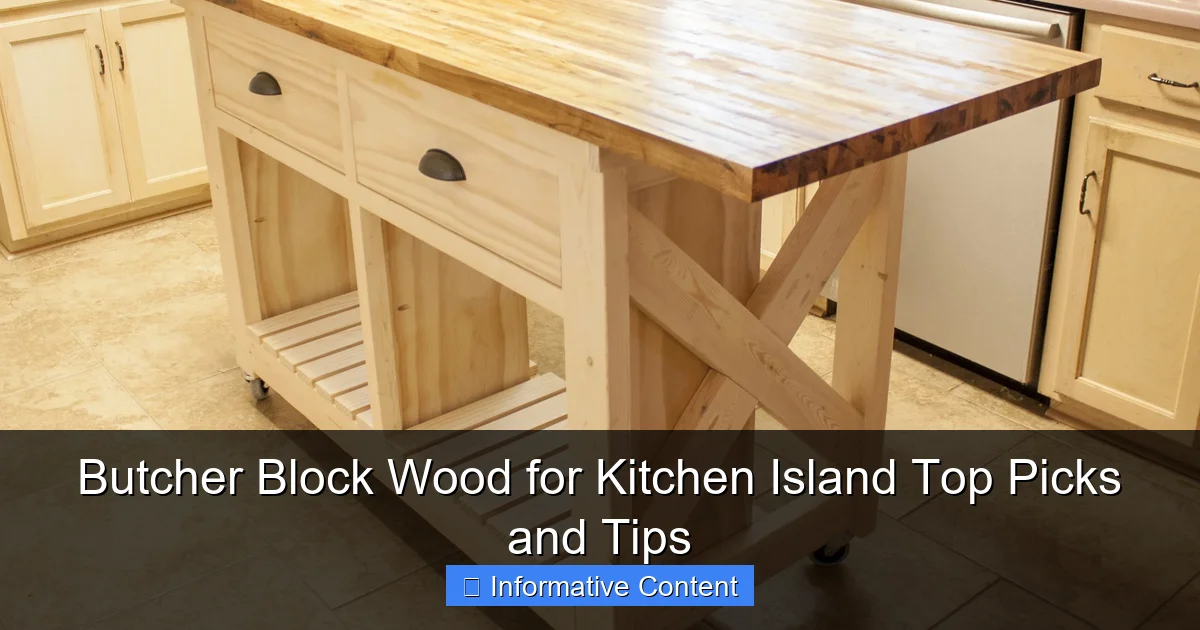
Featured image for butcher block wood for kitchen island
Image source: i.pinimg.com
Butcher block wood is a durable, stylish choice for kitchen island tops, offering warmth and functionality that synthetic materials can’t match. Hardwoods like maple, walnut, and oak provide lasting beauty and resilience, especially when properly sealed and maintained. Choose the right wood type and finish to elevate your kitchen’s design while ensuring long-term performance.
Key Takeaways
- Choose hardwoods: Opt for maple, walnut, or oak for durability and longevity.
- Seal properly: Apply food-safe mineral oil or beeswax to protect the wood.
- Maintain regularly: Reapply sealant every 4-6 weeks to prevent drying and cracking.
- Consider grain direction: Face grain offers beauty; end grain resists knife marks.
- Balance thickness: Use 1.5–2.5 inch thickness for stability and visual appeal.
- Pair with care: Combine with stone or metal to complement and reduce wear.
📑 Table of Contents
- Why Butcher Block Wood Makes a Stunning Kitchen Island
- What Is Butcher Block Wood? And Why It’s Perfect for Islands
- Top Wood Species for Butcher Block Kitchen Islands
- How to Choose the Right Butcher Block for Your Island
- Installation and Care: Keeping Your Butcher Block Beautiful
- Top Picks: Best Butcher Block Brands and Where to Buy
- Final Thoughts: Is Butcher Block Right for You?
Why Butcher Block Wood Makes a Stunning Kitchen Island
Imagine walking into your kitchen and being greeted by a warm, inviting island made of rich, natural wood. That’s the magic of butcher block wood for kitchen islands. I remember the first time I saw a butcher block island in a friend’s home. The way the sunlight danced across the grain, the way it felt under my hand—solid, smooth, and full of character—it was love at first touch. Unlike cold granite or stainless steel, butcher block adds a cozy, organic vibe that makes your kitchen feel like the heart of the home. Whether you’re slicing veggies, rolling out dough, or just enjoying a morning coffee, it’s a surface that’s as functional as it is beautiful.
Butcher block isn’t just a pretty face, though. It’s a workhorse. Designed for heavy-duty chopping and prep work, it’s the kind of countertop that ages gracefully, gaining character with every use. Over time, those little knife marks tell a story—your story. And if you’re someone who values both style and substance, it’s hard to beat. But with so many options out there, choosing the right butcher block wood for your kitchen island can feel overwhelming. That’s why I’ve put together this guide—to help you find the perfect fit for your space, your lifestyle, and your budget.
What Is Butcher Block Wood? And Why It’s Perfect for Islands
At its core, butcher block is a type of countertop made from glued-together strips of solid wood. Unlike veneers or laminates, it’s thick, durable, and made entirely of natural hardwood. The term “butcher block” originally comes from its use in commercial butcher shops, where durability and resistance to knife cuts were essential. Today, it’s a beloved material for kitchen islands, offering a blend of rustic charm and practical utility.
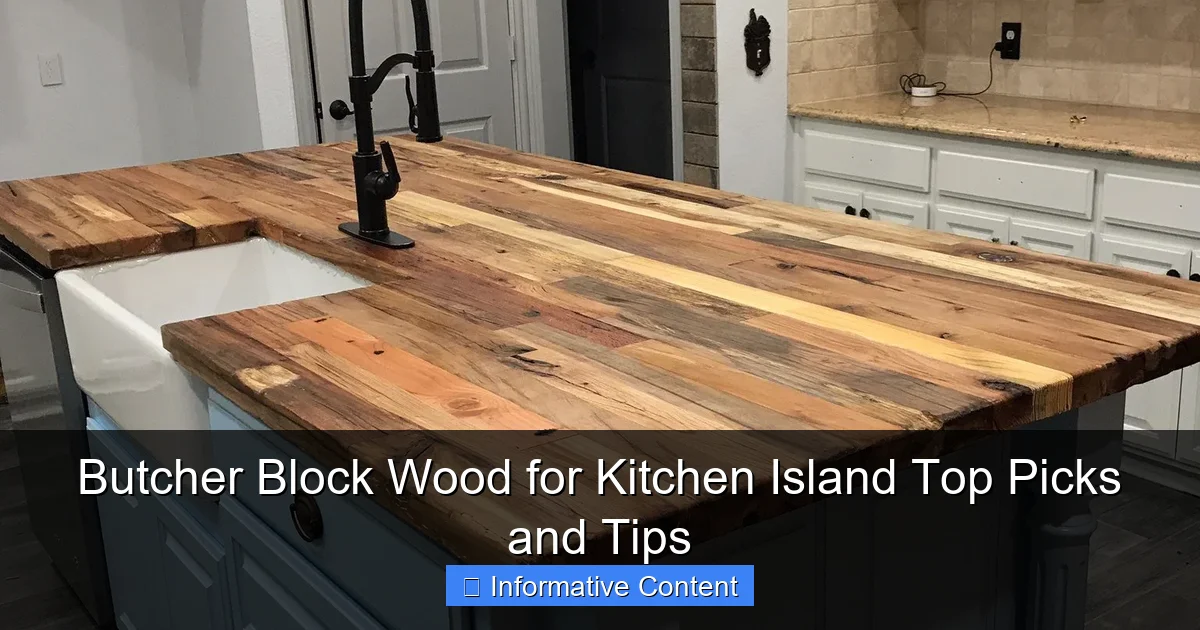
Visual guide about butcher block wood for kitchen island
Image source: i.etsystatic.com
Construction Matters: End Grain vs. Edge Grain
Not all butcher blocks are created equal. The way the wood is joined affects both appearance and performance. There are two main types:
- Edge grain: Strips of wood are glued together with their long edges facing up. This creates a striped, linear pattern. It’s more affordable and easier to maintain, making it a popular choice for everyday use.
- End grain: The ends of the wood strips are glued together, showing the circular growth rings. This creates a checkerboard or mosaic look. End grain is more expensive but excels at resisting knife marks and absorbing impact—ideal if you do a lot of chopping.
I once helped a friend install an end grain block in her farmhouse kitchen. She was a serious home cook who chopped onions like a pro. After a year of use, the surface had a few light marks, but nothing deep—proof that end grain truly holds up to heavy use. Edge grain, while more prone to visible cuts, is still durable and often the better pick for families with kids or those on a budget.
Why It Works So Well on Kitchen Islands
Kitchen islands are more than just counter space—they’re gathering spots, prep zones, and often the visual centerpiece of the room. Butcher block wood fits this role perfectly for several reasons:
- Warmth: It softens the look of modern kitchens, balancing sleek appliances and hard surfaces.
- Functionality: You can chop directly on it (though a cutting board is still a good idea for long-term care).
- Customization: It can be stained, oiled, or left natural to match your kitchen’s color scheme.
- Ease of repair: Scratches and dents can be sanded out and refinished, unlike stone or quartz.
One couple I know used a reclaimed walnut butcher block for their island. They loved the idea of using a piece of history—wood from an old barn—and the rich, dark tones made their white kitchen pop. It wasn’t just a countertop; it was a conversation starter.
Top Wood Species for Butcher Block Kitchen Islands
Not all woods are created equal when it comes to butcher block. The species you choose affects durability, color, grain, maintenance, and price. Here’s a breakdown of the most popular options, based on real-world performance and user feedback.
Maple: The All-Around Winner
Maple is the most popular choice—and for good reason. It’s hard (Janka hardness rating of 1,450 lbf), fine-grained, and light in color, making it a blank canvas for any kitchen style. Whether you want a farmhouse look or a modern minimalist space, maple adapts beautifully.
- Pros: Durable, smooth surface, affordable (especially compared to walnut), resists warping.
- Cons: Can yellow slightly over time, especially if exposed to direct sunlight.
I’ve seen maple butcher blocks in everything from tiny city apartments to sprawling suburban kitchens. One client stained hers with a light walnut tone, giving it the warmth of walnut without the price tag. It looked stunning with her brass hardware and subway tile backsplash.
Walnut: Luxury with a Darker Tone
If you want a rich, elegant look, walnut is hard to beat. With its deep chocolate-brown hue and subtle grain, it adds instant sophistication. It’s softer than maple (Janka 1,010 lbf), so it’s more prone to dents, but its beauty makes up for it.
- Pros: Stunning color, unique grain, ages beautifully.
- Cons: More expensive, softer (not ideal for heavy chopping), can darken over time.
One of my favorite installs was a walnut end grain island in a modern kitchen. The dark wood contrasted beautifully with white cabinetry and stainless steel. The owner used it more for prep and serving than heavy chopping—perfect for walnut’s strengths.
Bamboo: Eco-Friendly and Stylish
Bamboo isn’t technically a wood—it’s a grass—but it’s often used in butcher blocks due to its hardness (Janka 1,380 lbf) and sustainability. It has a light, almost blonde tone with a distinctive grain pattern.
- Pros: Renewable resource, very hard, resistant to moisture.
- Cons: Can feel more “industrial” than traditional wood, limited color options.
A young couple with a small eco-conscious kitchen chose bamboo for their island. They loved that it was fast-growing and low-impact. After two years, it still looked brand new—even with daily use.
Oak: Classic and Budget-Friendly
Oak (especially white oak) is a solid, affordable option. It’s durable (Janka 1,360 lbf) and has a pronounced grain that adds texture. It’s a bit more porous than maple, so it requires more frequent oiling.
- Pros: Inexpensive, strong, traditional look.
- Cons: Pronounced grain can catch food particles, can darken unevenly when oiled.
I once helped a family install a white oak edge grain island. They stained it a medium brown to hide spills and wear. It looked great, and they appreciated the lower cost compared to exotic hardwoods.
Exotics: Teak, Cherry, and More
For those who want something unique, exotics like teak (Janka 1,155 lbf) and cherry (Janka 995 lbf) are worth considering. Teak is naturally water-resistant and has a golden hue, while cherry starts light and deepens to a warm red over time.
- Pros: Unique colors, some natural water resistance (teak), beautiful aging (cherry).
- Cons: Very expensive, harder to find, may require special care.
A friend splurged on a cherry end grain block for her island. She loved watching it change color with the seasons. It was a splurge, but for her, it was worth every penny.
How to Choose the Right Butcher Block for Your Island
Choosing the right butcher block isn’t just about picking a wood—it’s about matching it to your lifestyle, kitchen design, and maintenance habits. Here’s how to make a smart choice.
Assess Your Cooking and Prep Habits
Ask yourself: How often do you chop? Do you use knives heavily, or is the island more for serving and socializing?
- If you’re a serious cook, go for end grain maple or bamboo. They handle knife marks best.
- If you’re more of a casual user, edge grain maple or oak will do just fine.
- If you don’t chop much, consider walnut or cherry for their beauty.
One client loved to bake but rarely chopped. We went with a walnut edge grain block. It looked stunning under her pendant lights and held up perfectly to rolling pins and flour spills.
Match the Wood to Your Kitchen’s Style
Color and grain matter. Think about your cabinetry, flooring, and appliances.
- White kitchens: Light maple or bamboo keeps it bright. Walnut adds contrast.
- Dark cabinets: Maple or oak lightens the space. Cherry blends in beautifully.
- Farmhouse or rustic: Reclaimed wood, oak, or walnut enhance the charm.
- Modern: Bamboo or dark walnut adds sleek sophistication.
A couple with gray cabinets and concrete floors chose a light maple island. It warmed up the space without clashing with the industrial vibe.
Consider Thickness and Overhang
Butcher blocks come in various thicknesses—typically 1.5 to 3 inches. Thicker blocks (2.5–3”) look more substantial and are better for islands with overhangs (where stools sit).
- For overhangs over 12 inches, use at least 2.5” thick wood to avoid sagging.
- Add a support brace or corbels for extra stability, especially on large islands.
I once saw a 3” maple block with a 16” overhang. The owner added hidden steel brackets—looked seamless but provided critical support.
Decide on Finish: Oil, Polyurethane, or Pre-Finished?
How you finish your butcher block affects both look and maintenance.
- Food-safe oil (e.g., mineral or walnut oil): Natural, easy to reapply, but requires monthly maintenance. Best for heavy use.
- Polyurethane: Durable, water-resistant, low maintenance. Looks more like a traditional countertop. Not food-safe once cured, so use a cutting board.
- Pre-finished blocks: Convenient, but may not be food-safe. Check the manufacturer’s specs.
One family with kids chose polyurethane for their island. They wanted low maintenance and spill resistance. They still used a cutting board, but it made cleanup a breeze.
Installation and Care: Keeping Your Butcher Block Beautiful
A butcher block island is an investment—and with the right care, it can last decades. Here’s how to install and maintain it properly.
Installation Tips for a Flawless Fit
Whether you’re DIYing or hiring a pro, these tips ensure a smooth install.
- Acclimate the wood: Let the block sit in your kitchen for 48–72 hours before installing. Wood expands and contracts with humidity.
- Use proper fasteners: Screw it down with countersunk screws, but don’t over-tighten. Allow room for expansion.
- Seal all edges: Apply oil or finish to the bottom and sides to prevent moisture absorption.
- Leave expansion gaps: Leave a 1/8” gap between the block and walls or cabinets to allow for movement.
I once helped a friend install a block without acclimating it first. A week later, it had warped slightly. We had to sand and re-oil it—lesson learned!
Daily and Monthly Maintenance
Butcher block needs regular care, but it’s not as fussy as people think.
- Daily: Wipe with a damp cloth and mild soap. Dry immediately.
- Weekly: Use a vinegar-water mix (1:1) for disinfecting. Rinse and dry.
- Monthly: Apply food-safe oil (mineral or walnut oil) with a clean cloth. Let it soak in for 20–30 minutes, then wipe off excess.
One trick: Use a hair dryer on low heat to help oil penetrate deeper—especially helpful in dry climates.
Fixing Scratches, Dents, and Stains
Wood is forgiving. Most issues can be fixed with a little sanding.
- Light scratches: Sand lightly with 220-grit sandpaper, then re-oil.
- Dents: Place a damp cloth over the dent and iron on low heat. The steam helps lift the wood fibers.
- Stains: For water rings or food stains, sand with 120-grit, then 220-grit, and re-oil.
A client had a red wine spill on her maple block. We sanded it and oiled it—good as new. No need for a replacement.
Top Picks: Best Butcher Block Brands and Where to Buy
With so many options, it’s hard to know where to start. Here are some trusted brands and retailers based on quality, price, and customer satisfaction.
Premium Brands for High-End Projects
- John Boos: The gold standard. Made in the USA, available in maple, walnut, cherry, and more. Offers custom sizes. Price: $$$$.
- Hardwood Reflections: Solid construction, great customer service. Wide range of sizes and finishes. Price: $$-$$$.
I’ve used John Boos blocks in several projects. The craftsmanship is impeccable—no gaps, no warping. Worth the investment if you want a lifetime countertop.
Budget-Friendly Options
- Wayfair (e.g., Lark Manor, Birch Lane): Good quality for the price. Look for “solid wood” and “end grain” in the description. Price: $-$$.
- Amazon (e.g., Ironwood Gourmet): Convenient, but check reviews. Some blocks are thinner or pre-finished with non-food-safe sealants.
One couple bought a Wayfair maple block for their rental kitchen. It looked great and held up well—perfect for a temporary upgrade.
Custom and Local Craftsmen
For a truly unique piece, consider a local woodworker. Many can source reclaimed wood or create a custom design. Check Etsy or local directories.
- Pros: One-of-a-kind, supports small businesses, eco-friendly.
- Cons: Higher cost, longer lead times.
A friend commissioned a local artisan to make a live-edge walnut island. It was breathtaking—and became the centerpiece of her kitchen.
Data Table: Popular Butcher Block Brands Compared
| Brand | Wood Options | Grain Type | Thickness (in) | Price Range | Best For |
|---|---|---|---|---|---|
| John Boos | Maple, Walnut, Cherry, Teak | End grain, edge grain | 1.5–3 | $$$–$$$$ | High-end, custom projects |
| Hardwood Reflections | Maple, Walnut, Oak | Edge grain | 1.75–2.5 | $$–$$$ | Mid-range, durable |
| Lark Manor (Wayfair) | Maple, Bamboo | Edge grain | 1.5–2 | $–$$ | Budget-friendly, rentals |
| Ironwood Gourmet (Amazon) | Maple, Walnut | Edge grain | 1.75 | $–$$ | Convenient, small islands |
| Local Artisan | Custom (reclaimed, live edge) | Custom | 2–3+ | $$$–$$$$ | Unique, statement pieces |
Final Thoughts: Is Butcher Block Right for You?
Butcher block wood for kitchen islands isn’t just a trend—it’s a timeless choice that blends beauty, function, and warmth. Whether you’re drawn to the rustic charm of oak, the luxury of walnut, or the durability of maple, there’s a butcher block that fits your kitchen and your life.
But let’s be real: it’s not for everyone. If you hate oiling wood or want a completely maintenance-free surface, granite or quartz might be better. But if you love the idea of a countertop that tells a story, that gets better with age, and that feels alive under your hands, then butcher block is worth the effort.
Think of it like a good cast-iron skillet. It needs care, but over time, it becomes an extension of your cooking. The same goes for butcher block. With the right wood, proper installation, and a little love, your kitchen island can be a source of joy for years to come. So go ahead—embrace the grain, the warmth, the imperfections. Your kitchen will thank you.
Frequently Asked Questions
What is the best type of butcher block wood for a kitchen island?
Hard maple and walnut are top choices for butcher block wood for kitchen islands due to their durability, resistance to moisture, and attractive grain patterns. Maple offers a light, uniform look, while walnut adds warmth with its rich, dark tones.
How do I maintain a butcher block kitchen island top?
Regularly oil your butcher block with food-grade mineral oil or beeswax to prevent drying and cracking. Clean spills immediately and avoid standing water to preserve the wood’s integrity and appearance.
Can I use butcher block wood for kitchen island surfaces near a sink?
Yes, but ensure the wood is properly sealed and maintained to resist water damage. Consider using a waterproof finish and reapplying oil every 4-6 weeks in high-moisture areas.
Is butcher block wood for kitchen islands prone to scratches and dents?
While durable, butcher block can show wear over time, especially with heavy use. Minor scratches can be sanded out, and regular oiling helps minimize surface damage.
How thick should a butcher block kitchen island top be?
For kitchen islands, a thickness of 1.5 to 2 inches is ideal—thick enough for durability but not overly heavy. Thicker blocks (2+ inches) offer better longevity for high-traffic areas.
Can I DIY a butcher block kitchen island top, or should I hire a professional?
DIY is feasible if you have basic woodworking skills, but hiring a professional ensures precise fitting and finishing, especially for large or custom designs. Pre-made kits simplify the process for beginners.