Featured image for this comprehensive guide about coupe dinner plates
Image source: cdn.shopify.com
In the world of home aesthetics and culinary presentation, few elements play as pivotal a role as your choice of dinnerware. It’s not just about holding food; it’s about setting a mood, enhancing the visual appeal of your meal, and reflecting your personal style. For centuries, the humble dinner plate has evolved, yet two dominant styles stand out in modern kitchens and dining rooms: the classic rimmed plate and the sleek, contemporary coupe dinner plate. Both have their ardent admirers and distinct advantages, making the decision between them a significant one for any home entertainer or daily diner.
Imagine serving a beautifully plated risotto or a vibrant salad. How the plate frames the food can dramatically alter the perception of the dish. A rimmed plate offers a traditional border, while a coupe dinner plate provides an expansive canvas, allowing the food to take center stage. This blog post will delve deep into the nuances of these two popular plate styles, exploring their aesthetics, functionality, and practical considerations, helping you make an informed decision that elevates your dining experience.
Whether you’re furnishing a new home, upgrading your existing collection, or simply curious about the latest dinnerware trends, understanding the fundamental differences between coupe dinner plates and their rimmed counterparts is crucial. We’ll provide actionable insights and tips to guide you through the selection process, ensuring your dinnerware not only looks great but also perfectly suits your lifestyle and culinary adventures.
Quick Answers to Common Questions
What exactly are coupe dinner plates?
These plates feature a smooth, gently sloped curve from edge to center, with no distinct rim. Think of them as a shallow bowl or a plate without a raised border, offering a clean, modern aesthetic.
What’s the main benefit of using coupe dinner plates?
They provide a larger usable surface area for food, making plating easier and more creative. Their minimalist design also beautifully frames your culinary creations, making every meal feel special.
Are coupe dinner plates good for saucy dishes?
Absolutely! The subtle curve of coupe dinner plates helps to contain gravies, sauces, and liquids much better than flat, rimless plates. They’re perfect for pasta, stews, or dishes with a delicious drizzle.
Do coupe dinner plates stack easily for storage?
Generally, yes! Their uniform, rimless design allows coupe dinner plates to stack neatly and compactly, which is a huge plus for maximizing space in your kitchen cabinets.
How do coupe dinner plates contribute to a modern look?
Their sleek, understated elegance and smooth lines embody contemporary design. Choosing coupe dinner plates instantly upgrades your table setting with a sophisticated and fresh aesthetic, perfect for modern dining.
📋 Table of Contents
- Understanding the Anatomy of Dinner Plates: Coupe vs. Rimmed
- The Aesthetic Appeal: Styling Your Table with Confidence
- Functionality and Food Presentation: Beyond Just Looks
- Durability, Material, and Everyday Use
- Making the Right Choice: Actionable Tips for Your Home
- A Quick Comparison: Coupe vs. Rimmed Dinner Plates
- Conclusion: Your Table, Your Style
Understanding the Anatomy of Dinner Plates: Coupe vs. Rimmed
Before we explore the broader implications of choosing one style over the other, it’s essential to grasp the fundamental design principles that define coupe dinner plates and rimmed plates. While seemingly simple, these structural differences influence everything from how food is presented to how the plates stack in your cabinet.
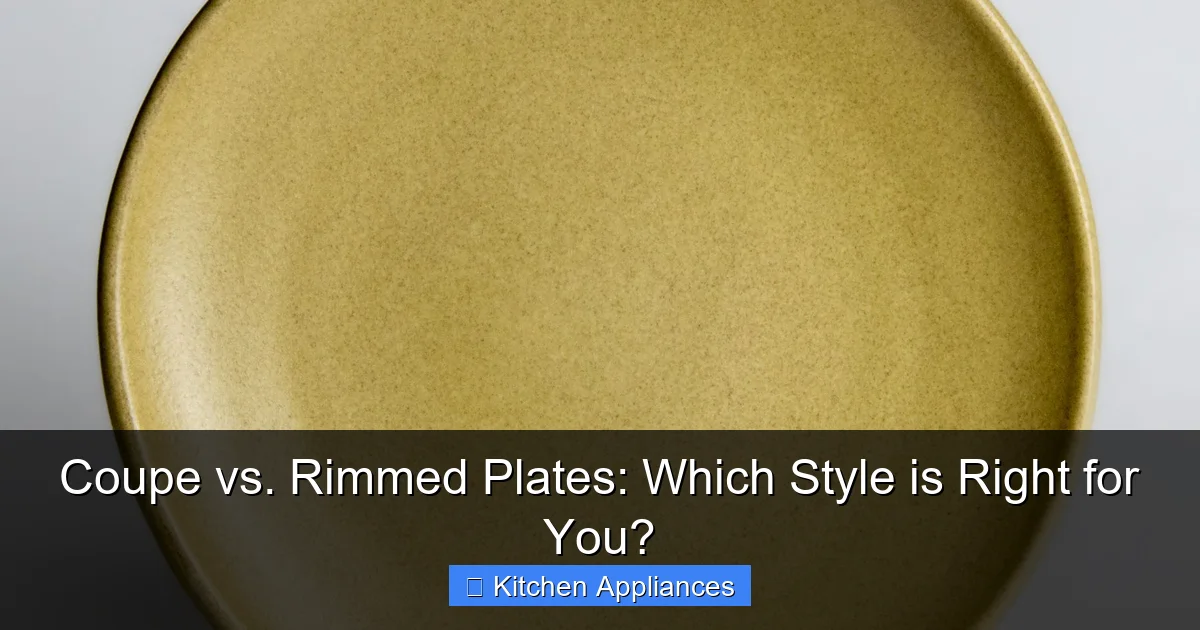
Learn more about coupe dinner plates – Coupe vs. Rimmed Plates: Which Style is Right for You?
Image source: emersoncreekpottery.com
What are Coupe Dinner Plates?
The term “coupe” (pronounced ‘koop’) refers to the French word for “cut,” and in dinnerware, it describes a plate with a simple, rimless design. Instead of a distinct, elevated border, coupe dinner plates feature a gently curved profile that rises smoothly from the flat center to the edge. This creates a continuous, uninterrupted surface area, maximizing the usable space for food. Their design is inherently modern and minimalist, often seen in high-end restaurants and contemporary homes. The absence of a rim contributes to their sleek, understated elegance, making them a favorite for those who prioritize clean lines and an uncluttered aesthetic.
| Plate Attribute | Description | Relevance to Kitchen Appliances | Typical Specification |
|---|---|---|---|
| Material | High-Fired Porcelain or Bone China | Non-porous surface ensures hygiene after dishwasher cycles; material type dictates microwave/oven safety. | Lead & Cadmium-Free Glaze |
| Diameter & Coupe Shape | 10.5 – 11 inches, rimless, flat profile | Optimized for fitting standard dishwasher racks and common microwave turntables; maximizes plating area. | ~10.75″ (27.3 cm) |
| Appliance Safety | Designed to withstand various kitchen appliance environments. | Essential for convenient daily use with dishwashers, microwaves, and often ovens for warming. | Dishwasher, Microwave, Oven Safe (up to 300°F/150°C) |
| Heat Retention | Ability to keep food warm during serving, after pre-warming. | Benefits from pre-warming in a low oven or plate warmer; maintains meal temperature when serving. | Good (retains warmth for 15-20 min post-warming) |
| Durability | Resistance to chipping and breakage from daily use. | Withstands repeated handling, stacking, and mechanical stress from dishwasher loading/unloading. | High (reinforced edges, scratch-resistant glaze) |
What are Rimmed Plates?
In contrast, rimmed plates are characterized by a distinct, elevated border that encircles the central eating surface. This rim can vary in width and prominence, from a subtle edge to a wide, decorative band. Historically, the rim served practical purposes, providing a handle for servers and helping to contain sauces and liquids. Aesthetically, rimmed plates often evoke a more traditional, classic, or formal feel. They are a staple in many households and are available in an incredibly vast array of designs, from simple porcelain to elaborate patterns with gilded edges.
The Fundamental Differences
The core distinction lies in their edge design. Coupe dinner plates offer a seamless transition from the eating surface to the edge, creating an expansive canvas. Rimmed plates, on the other hand, provide a clearly defined boundary. This difference impacts:
- Usable Surface Area: Coupe plates generally offer more space for food within the same overall diameter.
- Aesthetics: Coupe plates lean modern and minimalist; rimmed plates are often traditional and ornate.
- Food Containment: Rimmed plates naturally help contain saucy dishes, while coupe plates require more careful handling for liquids.
- Stackability: Coupe plates often stack more compactly due to their consistent profile, whereas the varying rim widths of rimmed plates can sometimes make stacking less uniform.
The Aesthetic Appeal: Styling Your Table with Confidence
Beyond their structural differences, coupe dinner plates and rimmed plates each bring a distinct aesthetic to the dining table. Your choice can significantly influence the overall mood and style of your meal, whether it’s a casual weeknight dinner or a grand celebratory feast.
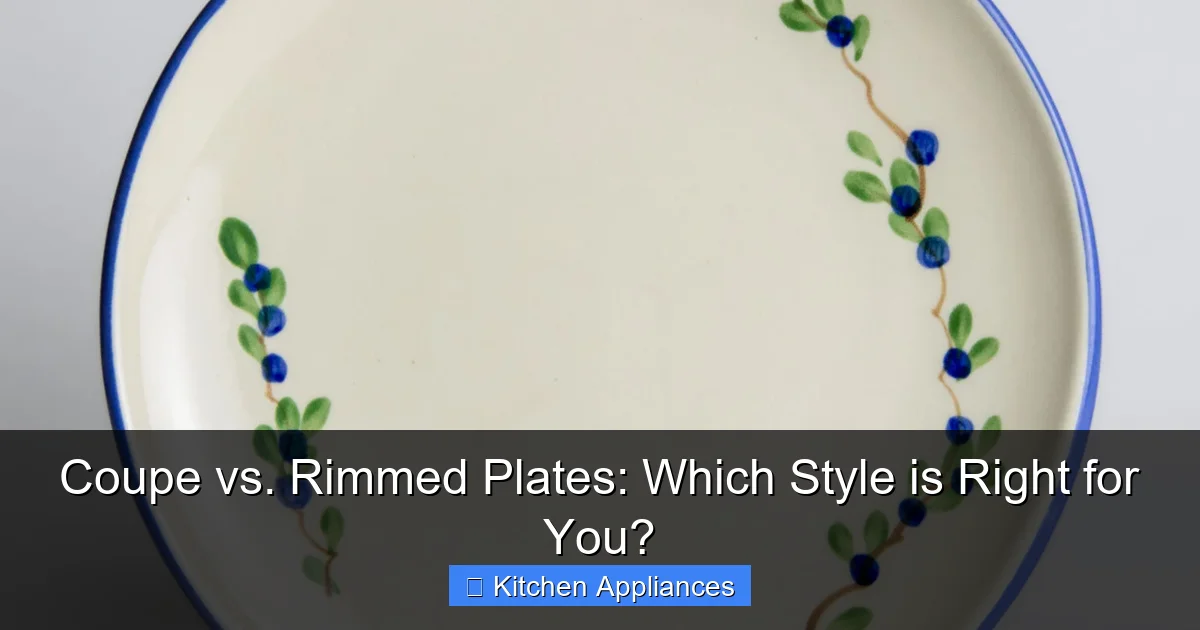
Learn more about coupe dinner plates – Coupe vs. Rimmed Plates: Which Style is Right for You?
Image source: emersoncreekpottery.com
Modern Minimalism with Coupe Dinner Plates
If your heart beats for contemporary design, sleek lines, and an uncluttered look, then coupe dinner plates are likely your ideal match. Their rimless design exudes a sense of modern sophistication and understated elegance. They are the darlings of fine dining restaurants, where the focus is often on the artistry of the food itself. A coupe dinner plate acts as a blank canvas, allowing the vibrant colors and textures of your culinary creations to truly shine without any visual distraction from a rim.
They pair exceptionally well with minimalist décor, Scandinavian-inspired interiors, or any setting where simplicity and functionality are prized. Imagine a beautifully seared scallop dish, each scallop perfectly placed, with a vibrant sauce drizzled strategically – a coupe dinner plate frames this culinary masterpiece with effortless grace. They are perfect for:
- Showcasing artistic food presentation.
- Achieving a sleek, contemporary table setting.
- Creating a sense of spaciousness on the table.
- Homes with a modern, minimalist, or industrial aesthetic.
Classic Elegance with Rimmed Plates
For those who appreciate timeless charm, traditional grandeur, or a more established formal look, rimmed plates offer classic elegance. The defined border can add structure and a sense of formality to your table. Rimmed plates are often associated with traditional china sets, elaborate patterns, and family heirlooms. The rim itself can be a decorative element, featuring intricate patterns, metallic accents, or embossed designs that complement the center. They are versatile, adapting to both casual family meals and the most elaborate holiday dinners. A holiday roast, for instance, often looks right at home on a stately rimmed plate, providing a comforting and familiar presentation.
Rimmed plates are ideal for:
- Traditional and formal dining settings.
- Homes with classic, vintage, or ornate décor.
- Adding a sense of structure and definition to your place setting.
- Pairing with existing traditional flatware and stemware.
Mixing and Matching: A Designer’s Secret
Who says you have to choose just one? A growing trend among interior designers and savvy homeowners is to mix and match dinnerware styles. Combining coupe dinner plates with rimmed accent plates, or using different styles for different courses, can add depth and personality to your table. For example, use elegant coupe dinner plates for your main course to highlight your culinary skills, and then switch to smaller, patterned rimmed plates for dessert or appetizers. This eclectic approach allows you to enjoy the best of both worlds, creating unique and memorable dining experiences that are both modern and timeless.
Functionality and Food Presentation: Beyond Just Looks
While aesthetics often drive the initial choice, the true test of any dinner plate lies in its functionality. How well does it serve its primary purpose – holding and presenting food? Here, the differences between coupe dinner plates and rimmed plates become particularly apparent, influencing everything from plating techniques to ease of use.
Maximizing Your Canvas: Coupe Dinner Plates for Culinary Art
One of the most celebrated advantages of coupe dinner plates is their expansive usable surface area. Without a raised rim taking up space, these plates offer a larger, uninterrupted canvas for chefs and home cooks to express their culinary creativity. This makes them perfect for:
- Artful Plating: Dishes that involve intricate arrangements, drizzles, or smears, like a deconstructed salad, a meticulously plated steak, or a vibrant pasta dish.
- Spreading Dishes: Foods that naturally spread out, such as a generous serving of paella, a large portion of roasted vegetables, or a gourmet pizza slice.
- Generous Portions: If you tend to serve larger portions, a coupe dinner plate can accommodate more food without feeling overcrowded.
However, this very advantage can also be a slight drawback. The lack of a rim means less containment for very saucy dishes, gravies, or runny liquids. While professional chefs master techniques to manage this, home cooks might find themselves needing extra care to prevent spills when serving dishes like stews, curries, or even a generous helping of spaghetti with a rich sauce. Despite this, the visual impact of food artfully arranged on a coupe dinner plate is often unparalleled.
Containment and Comfort: The Rimmed Plate Advantage
Rimmed plates truly shine when it comes to practicality, especially for everyday dining. The raised border serves as a natural barrier, keeping food and liquids contained within the plate. This makes them an excellent choice for:
- Saucy Dishes: Pastas with generous sauces, stews, soups (if deep enough), curries, and dishes with gravies are perfectly contained by a rim.
- Child-Friendly Meals: The rim provides a helpful edge, making it easier for children (and sometimes adults!) to scoop food without it sliding off the plate.
- Casual Dining: Less concern about spills means a more relaxed dining experience, especially when juggling multiple dishes or dining with guests.
- Easy Handling: The rim also provides a natural gripping point, making plates easier to carry from kitchen to table, especially when full.
While the rim reduces the effective plating surface compared to a coupe dinner plate of the same diameter, it offers a sense of security and traditional comfort that many find appealing. Food is neatly framed, and the focus remains on the dish in the center, offering a classic presentation.
Practical Considerations: Stacking, Storage, and Cleaning
Beyond the table, how your plates integrate into your kitchen is important:
- Stacking and Storage: Generally, coupe dinner plates tend to stack more compactly and uniformly due to their consistent, rimless profile. This can be a significant advantage if you have limited cabinet space. Rimmed plates, especially those with wide or unusually shaped rims, can sometimes be bulkier and less uniform when stacked, leading to wobbles or inefficient use of space.
- Cleaning: The smooth, uninterrupted surface of coupe dinner plates can sometimes make them marginally easier to clean, as there are no crevices or defined edges for food particles to get trapped. Both styles, however, are typically dishwasher-safe (depending on material) and easy to hand wash.
The choice between the two often comes down to a balance of aesthetic desire and practical needs in your daily life. Do you prioritize a stunning presentation for every meal, or do you need a plate that offers maximum spill protection?
Durability, Material, and Everyday Use
When investing in dinnerware, durability and material are paramount. Your plates should not only look good but also withstand the rigors of daily use, from microwave reheating to enthusiastic scrubbing. Both coupe dinner plates and rimmed plates are available in a wide array of materials, and the material often dictates their resilience and longevity more than the style itself.
Common Materials for Coupe Dinner Plates and Rimmed Plates
The good news is that both coupe dinner plates and rimmed plates are manufactured from similar, high-quality materials. This means your choice of style won’t necessarily force you into a particular material category. Here are some of the most common materials:
- Porcelain: A classic choice, known for its bright white appearance, durability, and non-porous surface. It’s often microwave, oven, and dishwasher safe. Both coupe and rimmed porcelain plates are popular for everyday use and formal occasions.
- Bone China: An even more refined and delicate form of porcelain, bone china is surprisingly strong, chip-resistant, and lightweight. It often has a beautiful translucency. While traditionally associated with elegant rimmed patterns, modern bone china also produces exquisite coupe dinner plates.
- Stoneware: Heavier and more rustic than porcelain, stoneware is durable and often has a unique, earthy look. It can be prone to chipping if not handled carefully, but its robustness makes it great for casual, everyday dining. Both styles are readily available in stoneware.
- Melamine: A durable, shatter-resistant plastic, melamine is ideal for outdoor dining, children’s meals, or situations where breakability is a concern. You’ll find a vast selection of both coupe and rimmed designs in melamine, known for vibrant colors and patterns.
- Glass (Tempered): Offering a contemporary and often translucent look, tempered glass plates are highly durable and chip-resistant. They are excellent for everyday use and can be found in both sleek coupe forms and traditional rimmed designs.
The material chosen will directly impact the plate’s weight, heat retention, chip resistance, and overall feel. For instance, bone china coupe dinner plates will feel light and elegant, while stoneware versions will be heavier and more substantial.
Everyday Resilience vs. Special Occasion Splendor
When selecting your dinnerware, consider how often you plan to use it. For everyday sets, you’ll want materials known for their resilience and ease of care. Porcelain, tempered glass, and sturdy stoneware are excellent choices for both coupe dinner plates and rimmed plates that will endure daily microwave reheating, dishwasher cycles, and general wear and tear.
For special occasion sets, you might opt for more delicate bone china or hand-painted pieces. While a coupe dinner plate might present a modern canvas for a gourmet meal, a beautifully rimmed bone china plate might be preferred for a traditional holiday dinner. The key is to match the material’s properties with the intended use. Always check manufacturer guidelines for microwave, oven, and dishwasher safety, as decorative elements (like metallic rims) can affect this.
Cost Implications
Interestingly, the “coupe” or “rimmed” style itself rarely dictates the price point. Instead, factors like the material (bone china is generally more expensive than stoneware), the brand, the country of origin, and the complexity of any decorative elements are the primary drivers of cost. You can find affordable coupe dinner plates made from melamine, just as you can find incredibly luxurious rimmed plates crafted from fine bone china. Therefore, your budget should primarily guide your material choice, rather than limiting you to one style of plate over the other.
Making the Right Choice: Actionable Tips for Your Home
Now that we’ve explored the various facets of coupe dinner plates and rimmed plates, it’s time to consolidate that knowledge into actionable advice. Choosing the right dinnerware set for your home involves introspection about your lifestyle, aesthetic preferences, and practical needs. Here are some tips to guide your decision-making process:
Assess Your Dining Style and Frequency
How do you typically dine? Are you a:
- Casual Daily Diner? If most meals are relaxed family affairs, practicality, durability, and ease of cleaning should be top priorities. Both styles can work, but consider what feels most comfortable and least fussy.
- Frequent Entertainer? If you host dinner parties often, consider the impression you want to make. Do you prefer a modern, restaurant-style presentation (coupe dinner plates) or a more traditional, formal setting (rimmed plates)?
- Special Occasion User? If you only bring out “the good china” a few times a year, you might prioritize aesthetics and perceived luxury over everyday resilience.
Consider Your Cuisine
Think about the types of food you prepare and serve most often:
- Saucy Soups & Stews? Rimmed plates offer superior containment and reduce the risk of spills.
- Artful Presentations & Spreading Dishes? Coupe dinner plates provide the ideal expansive canvas for showcasing culinary artistry.
- Mixed Cuisine? If you cook a wide variety, you might consider owning both styles or opting for a versatile, medium-rimmed plate.
Evaluate Your Storage Space
Kitchen storage is often a premium. Measure your cabinets and consider how much space you have available. As noted earlier, coupe dinner plates tend to stack more compactly and uniformly than many rimmed plates, which could be a deciding factor if space is tight.
Test the Feel and Weight
If possible, visit a store and physically handle plates of both styles. Pick them up, feel their weight, and imagine holding them full of food. Some people prefer the substantial feel of a heavier rimmed plate, while others appreciate the lighter, sleek profile of a coupe dinner plate. This ergonomic factor is surprisingly important for daily comfort.
Budget and Investment
Determine your budget for a full set of dinnerware. Remember that the material choice will have a greater impact on price than the style (coupe vs. rimmed). Consider your dinnerware an investment. Good quality plates, regardless of style, should last for years. It’s often better to buy fewer, higher-quality pieces that you truly love than a larger, cheaper set you’ll want to replace quickly.
Don’t Be Afraid to Mix and Match
For ultimate flexibility and a personalized touch, consider purchasing a core set of one style (e.g., versatile coupe dinner plates for mains) and complementing it with a smaller set of the other style (e.g., decorative rimmed plates for appetizers or desserts). This allows you to adapt your table setting to different occasions and experiment with diverse culinary presentations.
A Quick Comparison: Coupe vs. Rimmed Dinner Plates
To help summarize the key differences and advantages, here’s a quick comparison table:
| Feature | Coupe Dinner Plates | Rimmed Dinner Plates |
|---|---|---|
| Design | Rimless, gently curved edges, continuous surface. | Distinct, raised border (rim) around the central eating area. |
| Aesthetic | Modern, minimalist, sleek, contemporary, understated elegance. | Traditional, classic, formal, often ornate, timeless charm. |
| Usable Surface Area | Maximizes plating space, entire diameter available for food. | Reduced plating space due to the rim, food confined to the center. |
| Food Presentation | Ideal for artistic plating, showcasing culinary creations, spreading dishes. | Frames food neatly, provides a traditional backdrop, structured presentation. |
| Liquid Containment | Less effective for very saucy dishes, requires careful handling. | Excellent for containing sauces, gravies, and liquids due to the raised rim. |
| Stacking/Storage | Generally stacks more compactly and uniformly. | Can be bulkier, stacking less uniform depending on rim width. |
| Everyday Use | Great for modern homes, conscious plating, versatile. | Highly practical for everyday family meals, casual and formal. |
| Best For | Fine dining, minimalist decor, gourmet dishes, large portions. | Traditional settings, family meals, saucy dishes, formal events. |
Conclusion: Your Table, Your Style
Choosing between coupe dinner plates and rimmed plates is more than a simple aesthetic decision; it’s about curating a dining experience that reflects your personal style and caters to your practical needs. Both styles offer unique benefits, from the expansive canvas of the coupe dinner plate, perfect for modern culinary artistry, to the classic containment and timeless appeal of the rimmed plate.
Ultimately, there’s no single “best” choice. The ideal dinnerware set for you will depend on your lifestyle, the types of meals you prepare, your home’s aesthetic, and your budget. By considering the tips and insights shared in this guide, you’re now equipped to make an informed decision that will bring joy to your table for years to come. Whether you opt for the sleek sophistication of coupe dinner plates, the enduring charm of rimmed designs, or a creative combination of both, invest in pieces that you love and that truly enhance your daily life. Elevate your dining experience, one plate at a time!
🎥 Related Video: Types of plate – identify plates in one min.
📺 Nakul solanki
To understand the in and out of the crockery world, watch out one min video of ‘types of plate’ and learn identifying in just one min …
Frequently Asked Questions
What exactly is a coupe dinner plate?
A coupe dinner plate is characterized by its smooth, gently curved sides that rise slightly from a flat base, creating a rimless, bowl-like appearance. This modern design lacks the distinct flat edge or “rim” found on traditional plates, offering a seamless surface for your culinary creations.
What’s the main difference between coupe and rimmed plates?
The primary distinction lies in their edges: coupe plates feature a continuous, upward-curving form without a defined rim, while rimmed plates have a flat, raised border surrounding the central eating surface. This design choice significantly impacts both aesthetics and the functional space available for food.
Why should I choose coupe dinner plates over rimmed ones?
Coupe dinner plates are often preferred for their sleek, contemporary aesthetic and their ability to make food presentations pop, as the entire surface is usable for plating. They also tend to be more compact for storage and provide a larger usable surface area compared to rimmed plates of the same diameter.
Are coupe plates practical for everyday family meals?
Absolutely, coupe plates are highly practical for daily use due to their robust design and often greater resistance to chipping at the edge compared to sharp-rimmed plates. Their seamless surface also makes them easy to clean and often more accommodating in dishwashers.
How do coupe dinner plates enhance food presentation?
Coupe dinner plates provide an expansive, uninterrupted canvas that draws the eye directly to the food, making every dish appear more intentional and artful. The gentle curve cradles sauces and smaller ingredients beautifully, preventing them from spilling over while creating a sophisticated visual appeal.
Do coupe plates stack well in cabinets or dishwashers?
Yes, typically coupe plates stack very efficiently due to their uniform, rimless design, taking up less vertical space in cabinets compared to plates with thick rims. Their lack of a distinct edge also often allows for easier and more stable loading in dishwashers.