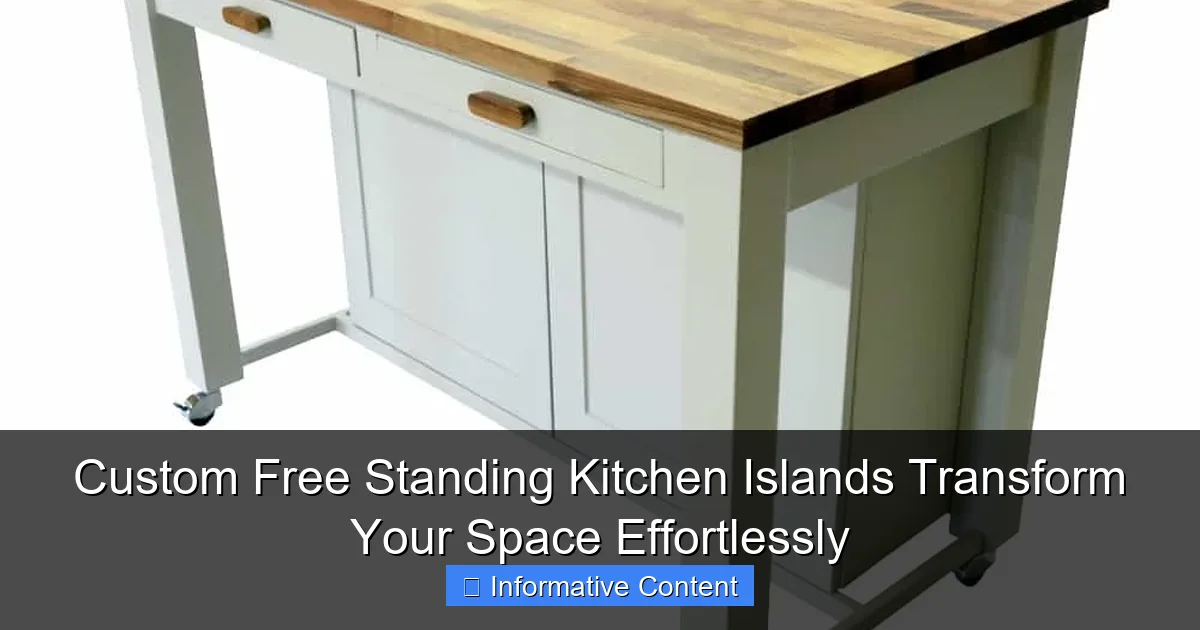
Featured image for custom free standing kitchen islands
Image source: rainbowsfurniture.co.uk
Custom free standing kitchen islands offer a versatile, stylish solution to instantly elevate your kitchen’s functionality and design without the need for costly renovations. Tailored to fit your space and needs, these islands provide extra storage, seating, and workspace while allowing for easy reconfiguration or relocation as your lifestyle evolves. Transform your kitchen effortlessly with a personalized centerpiece that blends practicality and modern aesthetics.
Key Takeaways
- Maximize space: Custom islands fit any kitchen layout seamlessly.
- Tailored storage: Design compartments for pots, pans, and pantry items.
- Boost functionality: Add prep zones, sinks, or cooktops effortlessly.
- Style your way: Choose materials, colors, and finishes to match decor.
- Portable convenience: Relocate or modify islands as needs evolve.
- Increase home value: Custom islands enhance kitchen appeal for resale.
📑 Table of Contents
- Why Custom Free Standing Kitchen Islands Are a Game-Changer
- What Makes Custom Free Standing Kitchen Islands Unique
- Benefits of Going Custom (And Why It’s Worth the Investment)
- Design Ideas to Inspire Your Custom Island
- How to Choose the Right Custom Island for Your Space
- Common Mistakes to Avoid (And How to Fix Them)
- Real-Life Examples: How Custom Islands Transformed Kitchens
- Final Thoughts: Is a Custom Free Standing Island Right for You?
Why Custom Free Standing Kitchen Islands Are a Game-Changer
Let’s face it—kitchens are more than just places to cook. They’re the heart of the home, where meals are shared, stories are told, and late-night snacks are guiltlessly devoured. But if you’ve ever felt like your kitchen is missing something—maybe more storage, counter space, or just a stylish focal point—you’re not alone. That’s where custom free standing kitchen islands come in. These versatile, movable units can transform your kitchen without the headache of a full renovation.
Imagine this: You’ve got a small galley kitchen, and every time you open the fridge, you hit the oven door. Or maybe your open-concept kitchen feels too open, with no clear definition of space. A custom island can solve these problems while adding personality, function, and even resale value to your home. The best part? Unlike built-in islands, free standing ones give you flexibility. You can move them, repaint them, or even take them with you if you relocate. They’re like the Swiss Army knife of kitchen design—compact, clever, and endlessly useful.
What Makes Custom Free Standing Kitchen Islands Unique
Not all kitchen islands are created equal. While pre-made islands from big-box stores might seem like a quick fix, they often lack the personal touch and tailored fit that a custom free standing kitchen island provides. Let’s break down what sets them apart.

Visual guide about custom free standing kitchen islands
Image source: media02.living4media.com
Tailored to Your Kitchen’s Dimensions
One-size-fits-all rarely works in home design. A custom island is built to fit your kitchen’s exact dimensions, whether you’ve got a cozy nook or a sprawling great room. For example, if you have a 10-foot ceiling and an awkward corner, a custom island can fill that space without looking like an afterthought. No more awkward gaps or overcrowding.
Pro tip: Measure your kitchen’s floor space, door swings, and appliance clearances before designing your island. You’ll need at least 36 inches of walking space around it for comfort.
Material and Finish Options That Reflect Your Style
Want a rustic butcher block countertop with reclaimed wood shelves? Or a sleek, minimalist island with a quartz top and matte black legs? With a custom island, you’re the designer. Materials range from affordable (laminate, pine) to high-end (marble, walnut, stainless steel). Here’s a quick rundown:
- Butcher block: Warm, durable, and great for food prep. Requires occasional oiling.
- Quartz: Low-maintenance, stain-resistant, and available in endless colors.
- Stainless steel: Industrial vibe, easy to clean, but can show fingerprints.
- Concrete: Modern and sturdy, but heavy—make sure your floor can support it.
One homeowner in Portland, for instance, paired a reclaimed wood base with a concrete top for a farmhouse-industrial hybrid that wowed her guests. The key is balancing aesthetics with function. (No one wants a beautiful island that’s too delicate to actually use!)
Smart Storage Solutions
Clutter is the enemy of a peaceful kitchen. Custom islands can include:
- Deep drawers for pots and pans
- Pull-out trash bins or recycling stations
- Wine racks or spice drawers
- Hidden charging stations for phones/tablets
For example, a family in Austin added a rotating lazy Susan inside their island’s corner cabinet—perfect for storing baking supplies. “It’s like a secret compartment,” they joked. The takeaway? Think about how you use your kitchen daily, and design storage that matches your habits.
Benefits of Going Custom (And Why It’s Worth the Investment)
Yes, a custom island costs more than a store-bought one. But here’s why it’s a smarter long-term choice.
1. Solves Specific Problems
Pre-made islands are generic. Custom ones solve *your* problems. Got a tight budget? A local carpenter might build a simple island with open shelves for $800. Need a high-end look? A designer could create a marble-topped island with built-in appliances for $5,000–$10,000. The flexibility is unmatched.
Real-world example: A couple in Chicago had a kitchen with a narrow 18-inch gap between cabinets. A standard island would’ve blocked traffic, but their custom 12-inch-wide island fit perfectly—and included a fold-down leaf for extra counter space when needed.
2. Adds Value to Your Home
Kitchen upgrades are among the top home improvements for ROI (return on investment). A custom island can increase your home’s value by 3–5%, especially if it includes premium materials or integrated appliances. Even better, it makes your kitchen more appealing to buyers. “I fell in love with the island,” one buyer told a realtor in Denver. “It made the whole kitchen feel luxurious.”
3. Adaptable to Future Changes
Unlike built-in islands, free standing ones aren’t permanent. If you redecorate, move, or just get bored, you can:
- Repaint the base to match new decor
- Add wheels for easier mobility
- Swap out countertops (e.g., from laminate to quartz)
- Reconfigure storage to suit new needs
A friend in Seattle moved her custom island from her downtown condo to a suburban house—and simply repainted it from gray to navy blue to match the new kitchen. “It felt like getting a brand-new piece of furniture,” she said.
4. Eco-Friendly Potential
Custom islands can be greener than mass-produced ones. You can use:
- Reclaimed wood (saves trees and adds character)
- Low-VOC paints and finishes
- Locally sourced materials (reduces carbon footprint)
A builder in Vermont once crafted an island from salvaged barn wood and recycled glass countertops. “It’s a conversation starter,” the homeowner said. “And it’s nice to know we didn’t contribute to deforestation.”
Design Ideas to Inspire Your Custom Island
Stuck on where to start? Here are five design directions, from classic to cutting-edge.
1. The Multi-Functional Hub
Combine cooking, eating, and storage in one island. Think:
- A built-in induction cooktop (great for small kitchens)
- Bar seating with stools (adds casual dining space)
- Under-counter mini-fridge or wine cooler
One family in Miami added a sink to their island, turning it into a “prep zone” that kept dirty dishes out of the main kitchen. “It’s a lifesaver when we’re hosting,” they said.
2. The Rustic Farmhouse Look
Love shiplap and apron sinks? A farmhouse-style island with:
- Distressed wood base
- Butcher block top
- Open shelving for baskets and cookbooks
Pro tip: Add a vintage-style faucet to the sink for extra charm. (Just make sure plumbing is accessible!)
3. The Modern Minimalist
Clean lines, hidden storage, and a monochromatic palette. Features:
- Flat-panel cabinets with push-to-open mechanisms
- Matte black or stainless steel legs
- Integrated LED lighting under the countertop
A couple in San Francisco opted for a floating-effect island with slim metal legs and a white quartz top. “It feels like a piece of art,” they said.
4. The Entertainer’s Dream
Designed for parties and gatherings. Ideas:
- Large countertop with room for serving platters
- Built-in ice bucket or beverage dispenser
- Hidden outlets for blenders or crockpots
A homeowner in Austin added a fold-out leaf to their island—perfect for extending the dining area during holidays.
5. The Budget-Friendly DIY
Not ready to hire a pro? Try a DIY custom island using:
- A repurposed dresser or table (paint it, add a countertop)
- Pre-made legs or casters from a hardware store
- Laminate sheets for an affordable countertop
A blogger in Oregon transformed an old bookshelf into a kitchen island with a butcher block top. “It cost under $200,” she shared. “And it’s the most useful thing in my kitchen.”
How to Choose the Right Custom Island for Your Space
Before you start sketching designs, ask these key questions.
What’s Your Kitchen’s Layout?
- Galley kitchen: Opt for a narrow island (24–30 inches wide) with open shelving to avoid crowding.
- L-shaped kitchen: A corner island can fill dead space and add storage.
- Open-concept kitchen: Use a large island to define the cooking zone and add bar seating.
Example: A homeowner with an L-shaped kitchen added a custom island in the center, creating a “U-shape” that maximized counter space.
How Will You Use It?
- Prep space: Prioritize countertop material (e.g., quartz for durability).
- Dining area: Add bar stools or a drop-leaf table.
- Storage: Focus on deep drawers and cabinets.
One family in Denver designed their island with a “kids’ zone”—a lower countertop for homework and snacks, with cubbies for backpacks and lunchboxes.
What’s Your Budget?
Costs vary widely:
- $500–$2,000: Simple designs with laminate or butcher block tops, basic storage.
- $2,000–$5,000: Mid-range materials (quartz, stainless steel), integrated appliances.
- $5,000+: High-end materials (marble, custom wood), smart features (touchless faucets, built-in speakers).
Tip: Get quotes from at least three contractors or designers. Ask for itemized breakdowns so you can compare apples to apples.
Can You DIY or Do You Need a Pro?
DIY works for simple projects (e.g., repurposing furniture), but complex designs (e.g., plumbing, electrical) require professionals. A builder in Nashville once told me: “I’ve fixed more DIY islands than I’ve built.” Save yourself the headache—hire a pro for anything beyond basic carpentry.
Common Mistakes to Avoid (And How to Fix Them)
Even great ideas can go sideways. Here’s what to watch for.
Mistake 1: Poor Placement
Placing the island too close to cabinets, appliances, or walls creates a cramped feel. The fix? Follow the 36-inch rule: Leave at least 36 inches of walking space around the island. Use painter’s tape to mark the footprint and test the layout before building.
Mistake 2: Overloading with Features
It’s tempting to add every bell and whistle, but too many features can overwhelm the space. The fix? Prioritize function over fashion. For example, skip the built-in wine chiller if you don’t drink wine. Focus on what you’ll actually use daily.
Mistake 3: Ignoring Plumbing/Electrical Needs
If your island has a sink, cooktop, or outlets, you’ll need to run plumbing and electrical lines—which can cost $1,000+. The fix? Plan early. Work with a plumber and electrician during the design phase to avoid costly changes later.
Mistake 4: Choosing the Wrong Countertop
A marble top might look stunning, but it stains easily and requires sealing. The fix? Match the material to your lifestyle. Busy parents? Choose quartz. Entertainers? Butcher block adds warmth. Renters? Laminate is budget-friendly and low-maintenance.
Mistake 5: Forgetting About Mobility
Even “free standing” islands can get stuck if they’re too heavy or lack wheels. The fix? Add locking casters (available at hardware stores) for easy movement. Or, if you’re building a permanent base, ensure it’s not too heavy to relocate later.
Real-Life Examples: How Custom Islands Transformed Kitchens
Here’s a data table showcasing real-world projects and their impact:
| Location | Island Style | Key Features | Cost | Homeowner Feedback |
|---|---|---|---|---|
| Chicago, IL | Narrow, fold-down leaf | 12″ width, walnut top, pull-out trash | $1,200 | “Fits our tiny kitchen like it was always meant to be there.” |
| Portland, OR | Farmhouse-industrial | Reclaimed wood, concrete top, open shelves | $3,500 | “The island is the first thing guests comment on.” |
| Miami, FL | Multi-functional hub | Induction cooktop, sink, bar seating | $6,000 | “We use it for everything—cooking, homework, parties!” |
| Denver, CO | Kids’ zone | Lower countertop, cubbies, whiteboard | $2,800 | “The kids love having their own space.” |
Final Thoughts: Is a Custom Free Standing Island Right for You?
Let’s be real: A custom free standing kitchen island isn’t just about looks. It’s about solving real problems—whether that’s lack of storage, awkward layout, or a kitchen that just doesn’t *feel* like yours. The beauty of going custom is that you’re not stuck with someone else’s idea of “perfect.” You can create a piece that’s uniquely yours, from the materials to the storage solutions to the tiny details (like a hidden spice drawer or a built-in tablet stand).
Of course, it’s not all rainbows and unicorns. Custom islands take time, planning, and sometimes a bigger budget. But think of it this way: If you’re going to invest in your home, why not make it something that truly fits your life? As one homeowner put it, “Our island didn’t just change our kitchen—it changed how we use it every day.” So, whether you’re a busy parent, a weekend chef, or someone who just wants a prettier place to pour coffee, a custom island could be the upgrade you never knew you needed. And the best part? You can start small—even a simple DIY version—and grow into it over time. After all, the kitchen is where memories are made. Why not make it a space you love?
Frequently Asked Questions
What are the benefits of a custom free standing kitchen island?
A custom free standing kitchen island offers tailored storage, workspace, and style to match your needs. Unlike built-in options, it’s portable, easy to reconfigure, and can be designed with unique features like seating, sinks, or cooktops.
How do I choose the right size for a free standing kitchen island?
Measure your kitchen layout, leaving at least 36–42 inches of clearance around the island for movement. Consider your needs—larger islands suit open kitchens, while compact designs work well in smaller spaces.
Can a custom free standing kitchen island include appliances?
Yes! Many designs integrate appliances like microwaves, wine coolers, or induction cooktops. Work with your designer to ensure proper ventilation, power access, and seamless functionality.
What materials work best for durable kitchen islands?
Hardwood, quartz, and stainless steel are popular for their durability and easy maintenance. Choose materials based on your cooking habits, aesthetic preferences, and how much wear the island will endure.
Are free standing kitchen islands easy to move or relocate?
Absolutely—since they’re not fixed to floors or walls, you can reposition them as your kitchen needs evolve. Just ensure heavy models have casters or professional movers for easier transport.
How much does a custom free standing kitchen island cost?
Prices vary widely ($500–$5,000+) depending on size, materials, and features like built-in storage or countertops. Custom designs offer flexibility to fit your budget while maximizing functionality.