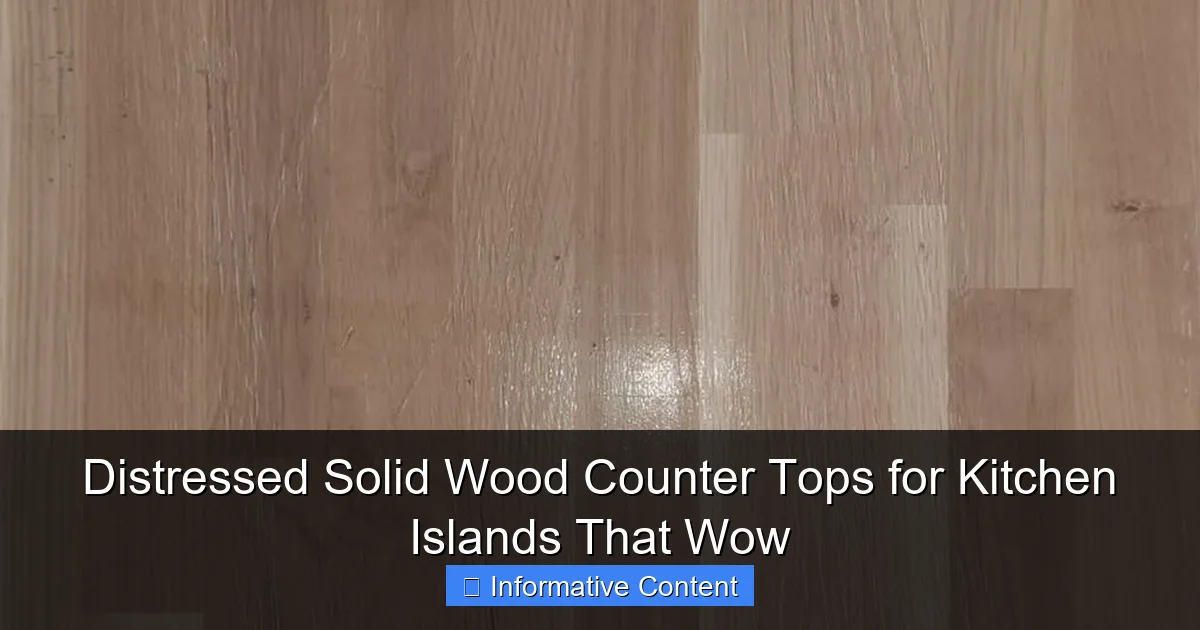
Featured image for distressed solid wood counter tops for kitchen islands
Image source: pebt.co.za
Distressed solid wood counter tops instantly elevate kitchen islands with their timber-rich character and artisanal charm, offering a perfect blend of rustic appeal and modern durability. Each hand-scraped or wire-brushed slab tells a unique story, ensuring your kitchen stands out with warmth and authenticity. Ideal for design-savvy homeowners, these counter tops age gracefully while resisting wear—making them as practical as they are stunning.
Key Takeaways
- Choose distressed wood for a rustic, timeless kitchen island aesthetic.
- Prioritize solid hardwood like oak or maple for lasting durability.
- Seal properly to protect against stains, moisture, and daily wear.
- Embrace imperfections—they add character and hide future scratches.
- Pair with modern fixtures to balance vintage charm with functionality.
- Maintain with oil every 6–12 months to preserve the finish.
📑 Table of Contents
- Why Distressed Solid Wood Countertops Are the Heart of a Rustic-Chic Kitchen
- The Allure of Distressed Solid Wood: Beauty with a Backstory
- Choosing the Right Wood: Strength, Grain, and Personality
- Installation & Maintenance: Keeping Your Countertop Happy
- Design Inspiration: How to Style Your Distressed Wood Island
- Cost, Sustainability, & Real-World Trade-Offs
- Final Thoughts: Is Distressed Solid Wood Right for You?
Why Distressed Solid Wood Countertops Are the Heart of a Rustic-Chic Kitchen
Picture this: You walk into a kitchen, and your eyes are instantly drawn to a warm, inviting island. Its surface tells a story—each knot, grain, and weathered groove feels like a whisper from the past. That’s the magic of distressed solid wood countertops for kitchen islands. They’re not just functional; they’re a conversation starter, a centerpiece that blends rustic charm with modern practicality.
But let’s be honest—choosing the right countertop can feel overwhelming. Granite? Too cold. Quartz? Too polished. And then there’s the budget. That’s why distressed solid wood has quietly become a favorite for homeowners who want character without breaking the bank. It’s like finding a vintage treasure that fits your lifestyle. In this guide, I’ll walk you through everything you need to know—from the types of wood that wear best to how to care for them—so you can make an informed choice that wows your guests (and yourself).
The Allure of Distressed Solid Wood: Beauty with a Backstory
What Makes Distressed Wood So Special?
Distressed wood isn’t just a style; it’s a vibe. Unlike factory-perfect finishes, these countertops are intentionally aged to mimic decades of use. Think hand-scraped edges, wormholes, and subtle dents. The result? A surface that feels alive, not sterile. I once visited a friend’s cabin where the island had a reclaimed oak top. The way the morning light caught the grain made me pause—it was like the wood had its own personality.
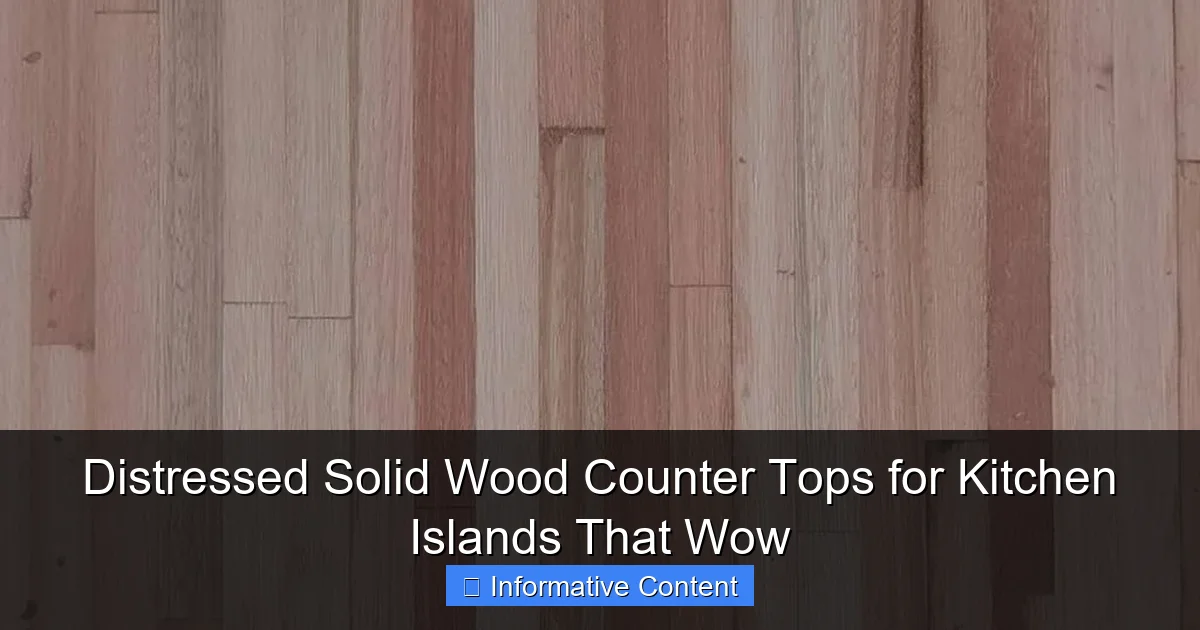
Visual guide about distressed solid wood counter tops for kitchen islands
Image source: pebt.co.za
Here’s the kicker: Distressing isn’t just about looks. It’s a practical choice too. Minor scratches or dings? They blend right in, making these countertops ideal for busy kitchens. No stressing over a toddler’s crayon “art” or a dropped pot. The imperfections become part of the story.
Types of Distressed Finishes (And What They Say About Your Style)
- Hand-scraped: Each groove is carved by hand for a textured, artisanal look. Perfect for farmhouse or industrial kitchens.
- Wire-brushed: A machine or hand tool removes softer grain, accentuating the wood’s natural ridges. Great for subtle texture.
- Reclaimed: Salvaged from old barns or factories, these carry authentic history. Each plank has unique character (and a higher price tag).
- Planed: Lightly sanded to smooth rough edges while preserving knots and grain. A happy medium for modern-rustic blends.
Pro tip: Visit a showroom and run your hands over samples. The texture is just as important as the color. For example, walnut’s deep, chocolate tones with a wire-brushed finish can feel luxe yet lived-in, while pine’s lighter hue with hand-scraping leans cozy-cottage.
Choosing the Right Wood: Strength, Grain, and Personality
Top 5 Woods for Distressed Countertops (And Their Pros & Cons)
Not all woods are created equal. Some handle distressing better than others. Here’s a quick rundown:
- Oak:
- Pros: Affordable, durable, pronounced grain (shows distressing beautifully).
- Cons: Can darken over time; avoid near water (it’s prone to swelling).
- Best for: Farmhouse kitchens with a “lived-in” vibe.
- Maple:
- Pros: Light color, fine grain (great for subtle distressing).
- Cons: Softer than oak; needs regular sealing.
- Best for: Scandinavian or minimalist kitchens.
- Walnut:
- Pros: Rich color, natural resistance to warping, ages beautifully.
- Cons: Expensive (expect $50–$80 per sq. ft.).
- Best for: High-end, statement islands.
- Pine:
- Pros: Budget-friendly ($15–$30 per sq. ft.), soft grain (easy to distress).
- Cons: Scratches easily; not ideal for heavy cooking zones.
- Best for: Casual kitchens or accent pieces.
- Reclaimed Heart Pine:
- Pros: Ultra-dense (historically used for floors), eco-friendly.
- Cons: Rare; prices vary widely.
- Best for: Heritage homes or eco-conscious buyers.
Grain Patterns: How They Affect Distressing
Ever noticed how some woods look “busy” when distressed? That’s the grain at work. For example:
- Open-grain woods (oak, ash): Distressing highlights the deep ridges, creating a bold, textured look. Ideal for rustic styles.
- Closed-grain woods (maple, birch): Subtle distressing works better—think light hand-scraping to add depth without overwhelming the space.
Example: A friend chose white oak for her island. The open grain made the wire-brushing pop, but she sealed it with a matte finish to soften the contrast. The result? A kitchen that felt both modern and timeless.
Installation & Maintenance: Keeping Your Countertop Happy
Installation Tips: From Prep to Perfect Placement
Distressed wood isn’t like granite. It’s a living material that needs TLC from day one. Here’s how to set it up for success:
- Acclimatize the wood: Let planks sit in your kitchen for 48–72 hours. Wood expands/contracts with humidity, and rushing this step can lead to gaps or warping.
- Use a moisture barrier: Install a waterproof underlayment (like 15-lb felt paper) between the island base and the wood. This prevents moisture transfer.
- Pre-drill holes: Avoid splitting by drilling pilot holes before screwing the planks into place. Leave a 1/8″ gap between planks for expansion.
- Edge details matter: For a seamless look, opt for mitered corners or a waterfall edge. Or, embrace a “live edge” for a natural, organic feel.
Real talk: I once saw a DIYer skip the moisture barrier. Two months later, the wood cupped near a sink. Lesson learned: Prep work is half the battle.
Daily Care & Long-Term Maintenance
Distressed wood is low-maintenance but not no-maintenance. Here’s your cheat sheet:
- Daily: Wipe spills immediately with a damp cloth. Avoid harsh cleaners (vinegar or bleach can strip finishes).
- Weekly: Dust with a microfiber cloth. For sticky spots, use a pH-neutral wood cleaner.
- Every 6–12 months: Reapply oil-based sealant (like tung oil or polyurethane). This protects the wood and enhances the grain.
- Every 3–5 years: Lightly sand and refinish to restore the distressed look. Pro tip: Use 220-grit sandpaper to avoid removing too much material.
Bonus: Minor scratches? Don’t panic. Rub a walnut (yes, the nut!) over the mark—its oil can darken the scratch to blend with the distressed areas.
Design Inspiration: How to Style Your Distressed Wood Island
Color Pairings That Pop
Distressed wood is a chameleon. It works with almost any palette, but some combos stand out:
- Wood + White: Crisp white cabinets let the wood’s grain shine. Add black hardware for contrast (think: modern farmhouse).
- Wood + Navy: Deep blue lowers with a walnut island create a moody, sophisticated vibe. Perfect for a “library kitchen” aesthetic.
- Wood + Terracotta: Pair pine countertops with warm, earthy tiles for a Mediterranean feel. Add brass fixtures for glam.
- Wood + Concrete: A concrete backsplash with an oak island bridges rustic and industrial. Add leather stools for texture.
Example: A client wanted a “cozy yet elegant” kitchen. We paired a reclaimed heart pine island with sage green cabinets and brass pendant lights. The wood’s natural warmth balanced the cool tones beautifully.
Hardware & Fixtures: The Finishing Touches
The right hardware can elevate your island. Consider:
- Pulls vs. knobs: Long pulls (like cup pulls) add a rustic touch. Knobs work for a minimalist look.
- Metal finishes: Black iron, oil-rubbed bronze, or brushed nickel complement distressed wood. Avoid shiny chrome (it clashes with the organic vibe).
- Lighting: Pendant lights with woven shades or Edison bulbs highlight the wood’s texture. For a statement, try a chandelier with wood accents.
Pro tip: Install a towel bar on the side of the island. It’s practical and adds a charming detail—like a farmhouse sink with a wooden apron.
Cost, Sustainability, & Real-World Trade-Offs
Price Breakdown: What to Expect
Distressed wood countertops range from budget-friendly to splurge-worthy. Here’s a snapshot:
| Wood Type | Material Cost (per sq. ft.) | Installation Cost (per sq. ft.) | Total Cost (per sq. ft.) | Best For |
|---|---|---|---|---|
| Pine | $15–$30 | $20–$40 | $35–$70 | Budget kitchens, casual spaces |
| Oak | $30–$50 | $25–$45 | $55–$95 | Farmhouse, traditional styles |
| Maple | $40–$60 | $30–$50 | $70–$110 | Modern, minimalist kitchens |
| Walnut | $50–$80 | $35–$60 | $85–$140 | High-end, statement islands |
| Reclaimed | $60–$120+ | $40–$80 | $100–$200+ | Eco-conscious, heritage homes |
Note: Prices vary by region and labor rates. Always get 3+ quotes and ask about waste disposal (reclaimed wood often has nails or metal fragments).
Sustainability: The Eco-Friendly Edge
Distressed wood—especially reclaimed—is a greener choice than stone or quartz. Here’s why:
- Reclaimed wood: Saves trees and reduces landfill waste. Each plank has a unique history (e.g., from a 19th-century barn).
- FSC-certified wood: Ensures responsible forestry. Look for this label when buying new wood.
- Lower carbon footprint: Processing wood uses less energy than quarrying stone or manufacturing quartz.
But there’s a catch: Reclaimed wood isn’t always “green” if it’s shipped long distances. Ask suppliers about sourcing. For example, a local barn demolition might yield usable wood—saving transport emissions.
Final Thoughts: Is Distressed Solid Wood Right for You?
Let’s cut to the chase: Distressed solid wood countertops for kitchen islands aren’t for everyone. If you crave a flawless, low-upkeep surface, quartz might be better. But if you want a kitchen with soul—one that ages gracefully and feels like home—distressed wood is magic. I’ve seen it transform spaces from “nice” to “never want to leave.”
Remember: This isn’t just a countertop. It’s a piece of art that evolves with you. Spills, scratches, and daily wear? They’re not flaws—they’re part of the story. So embrace the imperfections, seal it properly, and let your island become the heart of your kitchen. Whether you’re baking cookies with the kids or hosting a dinner party, that wood will be there, whispering, “You’ve got this.”
Now, go find your perfect plank. And when you run your hand over that textured grain for the first time? That’s the moment you’ll know—it was worth every penny.
Frequently Asked Questions
What are the benefits of distressed solid wood counter tops for kitchen islands?
Distressed solid wood counter tops add rustic charm and character to kitchen islands, blending seamlessly with farmhouse or vintage aesthetics. Their durable, natural finish also hides scratches and wear better than smoother surfaces.
How do I maintain a distressed solid wood counter top?
Clean regularly with a damp cloth and mild soap, then dry immediately to prevent water damage. Reapply food-safe mineral oil or wax every 3-6 months to preserve the wood’s luster and protect against drying.
Are distressed solid wood counter tops prone to warping or cracking?
High-quality solid wood counter tops, when properly sealed and maintained, resist warping and cracking. Avoid prolonged exposure to moisture and extreme temperature changes to ensure longevity.
Can I install distressed solid wood counter tops myself?
While DIY installation is possible, hiring a professional ensures proper fitting, sealing, and alignment—especially for heavy or oversized kitchen island counter tops. Mistakes can lead to costly repairs.
What wood types are best for distressed counter tops?
Reclaimed oak, walnut, and maple are popular choices for distressed solid wood counter tops due to their durability and attractive grain patterns. Each offers unique color tones and distressing potential.
Do distressed counter tops increase kitchen resale value?
Yes, high-quality distressed solid wood counter tops can boost resale value by adding timeless appeal and artisanal craftsmanship. Buyers often appreciate their warmth and durability over synthetic materials.