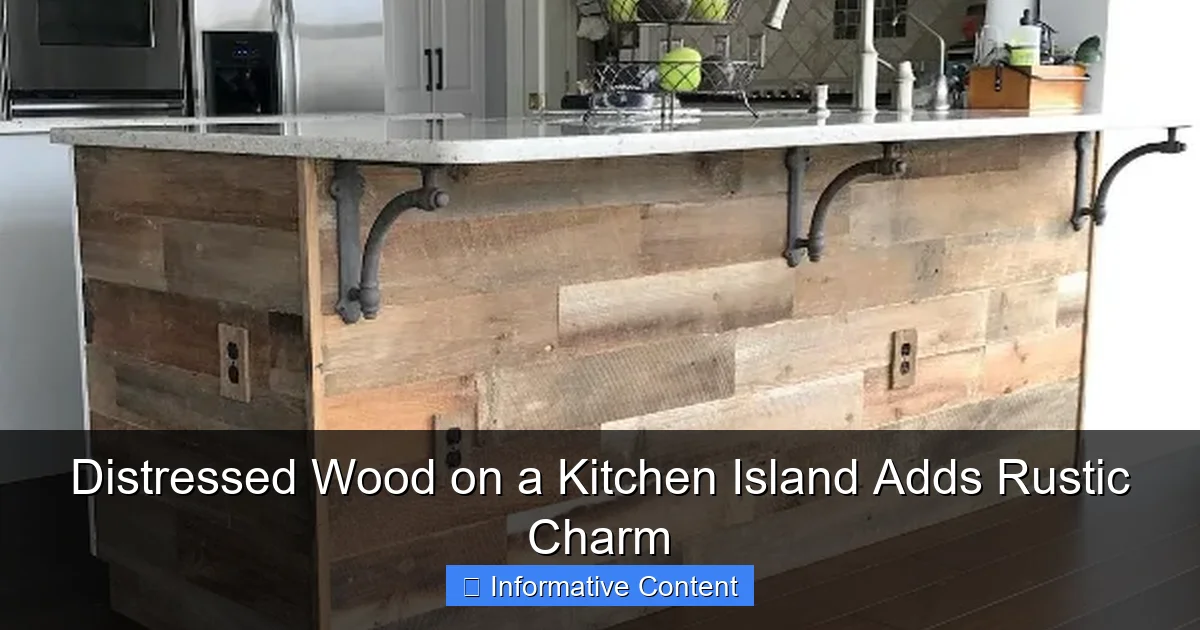
Featured image for distressed wood on a kitchen island
Image source: i.pinimg.com
Distressed wood on a kitchen island instantly infuses rustic charm and timeless character into modern and traditional spaces alike. Its weathered texture and natural imperfections create a warm, inviting focal point that pairs beautifully with metal, stone, or painted cabinetry. This durable, low-maintenance material adds authentic farmhouse appeal while concealing everyday wear, making it a practical yet stylish choice for high-traffic kitchens.
Key Takeaways
- Distressed wood instantly adds rustic charm to any kitchen island design.
- Choose reclaimed wood for authenticity and sustainable appeal.
- Seal properly to protect distressed finishes from moisture and stains.
- Pair with modern elements for a balanced, eclectic look.
- Highlight grain patterns to enhance visual texture and character.
- Use neutral tones to keep the island versatile and timeless.
📑 Table of Contents
- Why Distressed Wood on a Kitchen Island Is a Timeless Choice
- The Appeal of Distressed Wood: More Than Just Aesthetics
- Choosing the Right Type of Distressed Wood for Your Island
- Design Ideas: How to Style a Distressed Wood Island
- Maintenance and Care: Keeping Your Island Beautiful
- Cost, Installation, and Real-World Considerations
- Final Thoughts: Is a Distressed Wood Island Right for You?
Why Distressed Wood on a Kitchen Island Is a Timeless Choice
There’s something undeniably warm and welcoming about a kitchen island made from distressed wood. Whether it’s the soft grain of reclaimed oak, the weathered charm of barnwood, or the hand-scraped finish of a farmhouse pine, distressed wood brings character to a space that’s often dominated by stainless steel, granite, and modern minimalism. I remember stepping into my friend’s newly remodeled kitchen last year—everything was sleek and contemporary, but the island? It was a massive slab of reclaimed wood with visible nail holes, subtle cracks, and a finish that looked like it had stories to tell. That single piece transformed the room from a showroom into a home.
Distressed wood on a kitchen island isn’t just a design trend—it’s a design philosophy. It embraces imperfection, celebrates history, and creates a focal point that feels lived-in and authentic. Unlike perfectly polished surfaces that can feel cold or sterile, distressed wood invites touch, conversation, and connection. And the best part? It’s incredibly versatile. Whether your kitchen leans modern, traditional, or somewhere in between, a distressed wood island can anchor the space with rustic charm without sacrificing functionality. In this post, we’ll explore why this material works so well, how to choose the right kind, and how to maintain it so it ages beautifully—just like a well-loved heirloom.
The Appeal of Distressed Wood: More Than Just Aesthetics
At first glance, distressed wood might seem like a decorative choice—a way to add texture and warmth. But its appeal goes much deeper. It’s about creating a space that feels real, not staged. Think about it: most of us don’t live in magazine-perfect homes. We spill coffee, drop utensils, and let kids doodle with crayons on the counter. A distressed wood island embraces that reality. It doesn’t fear wear and tear; it welcomes it.
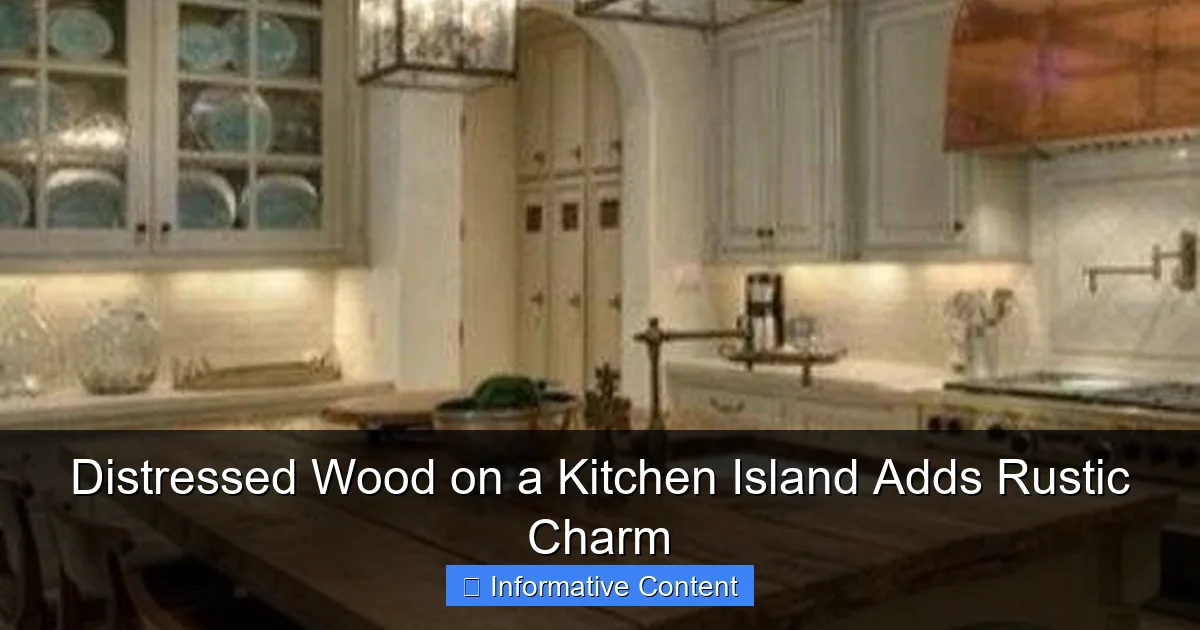
Visual guide about distressed wood on a kitchen island
Image source: i.pinimg.com
Emotional Connection and Storytelling
One of the most powerful aspects of distressed wood is its ability to tell a story. Reclaimed wood, for example, often comes from old barns, factories, or even sunken logs pulled from rivers. Each piece has a history—perhaps it once held up a 100-year-old farmhouse or was part of a 19th-century ship. When you use that wood in your kitchen island, you’re not just adding a countertop; you’re adding a piece of the past. I once visited a home where the island was made from floorboards salvaged from a demolished schoolhouse. The homeowners had kept the original chalkboard markings on one end—tiny doodles, multiplication tables, and a heart with initials. That island wasn’t just functional; it was a conversation starter, a memory keeper.
Versatility Across Design Styles
You might think distressed wood only works in farmhouse or cottage-style kitchens—but that’s far from true. With the right finish, color, and design, it can complement almost any aesthetic:
- Modern kitchens: Pair a light, bleached wood island with matte black fixtures and quartz countertops for a Scandinavian-meets-rustic look.
- Transitional spaces: Combine a medium-toned distressed island with white cabinets and brushed nickel hardware for balance.
- Industrial designs: Use a dark, heavily weathered wood with exposed metal legs and Edison bulbs for a loft-inspired vibe.
The key is in the details. A distressed wood island can be the bridge between old and new, soft and bold, rustic and refined.
Natural Texture and Visual Interest
Flat, uniform surfaces can make a kitchen feel flat and lifeless. Distressed wood adds visual depth through:
- Grain variation: No two boards are the same, creating a dynamic surface.
- Handcrafted imperfections: Tool marks, saw kerfs, and subtle dents add character.
- Color variation: Natural aging creates warm undertones and subtle shifts in hue.
This texture is especially effective in open-concept homes, where the kitchen island often serves as a visual anchor between the cooking area and living space.
Choosing the Right Type of Distressed Wood for Your Island
Not all distressed wood is created equal. The type you choose will impact durability, maintenance, and the overall feel of your kitchen. Here’s what to consider before making a decision.
Reclaimed vs. New Distressed Wood
This is a big debate in the design world. Let’s break it down:
- Reclaimed wood: Sourced from old buildings, it’s eco-friendly and full of character. But it can be expensive (ranging from $10–$20 per board foot), may contain hidden nails or rot, and requires careful inspection. Best for: those who value authenticity and sustainability.
- New distressed wood: Modern lumber that’s artificially aged using techniques like wire brushing, planing, and staining. It’s more affordable ($5–$10 per board foot), consistent in quality, and easier to work with. Best for: budget-conscious homeowners who still want the look.
Tip: If you’re using reclaimed wood, always have it professionally milled and kiln-dried to remove pests, mold, and moisture. I once saw a beautiful reclaimed island that warped after a year because the wood hadn’t been properly dried—don’t make that mistake!
Wood Species and Durability
Different woods age differently. Here are some top choices:
- Oak: Dense, durable, and shows beautiful grain. Resists dents better than softer woods. Ideal for high-traffic kitchens.
- Pine: Softer, more affordable, and takes distressing well. But it scratches easily—best for low-traffic areas or if you embrace the “more wear, more charm” philosophy.
- Walnut: Rich, dark color with a luxurious feel. Expensive but extremely durable. Ages beautifully with a deep, warm patina.
- Cherry: Smooth grain and natural reddish tone. Ages to a deeper red over time—perfect if you want a warm, elegant look.
For most kitchens, I recommend oak or walnut for the island base (especially if it includes a countertop). Pine works well for the base or decorative elements if you’re okay with a more casual, “lived-in” vibe.
Finish and Stain Options
The finish is what brings out the wood’s character. Common options include:
- Natural oil (e.g., tung or linseed): Enhances grain, gives a soft sheen, and is food-safe. Requires reapplication every 6–12 months. Best for: those who want a natural, matte look and don’t mind maintenance.
- Polyurethane: Durable, water-resistant, and low-maintenance. Available in satin, semi-gloss, or gloss. Best for: busy families who need protection from spills and stains.
- Whitewash or gray stain: Lightens the wood, giving a coastal or Scandinavian feel. Hides minor imperfections well. Best for: modern-rustic hybrids.
- Dark stain or espresso finish: Adds depth and drama. Works well in traditional or industrial spaces.
Pro tip: Always test your finish on a scrap piece. Wood absorbs stain differently, especially if it’s reclaimed or has varying densities.
Design Ideas: How to Style a Distressed Wood Island
A distressed wood island is a statement piece, but it doesn’t have to be the only one. Here’s how to style it to create a cohesive, functional kitchen.
Pairing with Countertops
One of the most common questions: “Should the island countertop be wood or stone?” The answer? Both can work—it depends on your priorities.
- Wood countertop (same as base): Creates a seamless, organic look. Great for a cohesive, rustic feel. But wood isn’t as stain- or heat-resistant as stone. Use trivets and avoid cutting directly on the surface.
- Stone countertop (e.g., quartz, marble, granite): Adds contrast and durability. The wood base provides warmth, while the stone offers a practical work surface. Ideal for serious cooks.
- Mixed materials: Try a wood base with a concrete or stainless steel countertop for an industrial twist.
Example: In my sister’s kitchen, she has a walnut island base with a white quartz countertop. The wood adds warmth, while the quartz is easy to clean and resists coffee rings. It’s the best of both worlds.
Hardware and Fixtures
The hardware you choose can make or break the look:
- Pulls and knobs: Black iron, antique brass, or brushed nickel work well. Avoid shiny chrome, which can clash with the rustic feel.
- Legs and supports: Exposed metal legs (black, copper, or galvanized) add industrial flair. Or go for turned wood legs for a more traditional look.
- Sink and faucet: A farmhouse sink with a gooseneck faucet in oil-rubbed bronze complements distressed wood beautifully.
Tip: If your island includes seating, choose stools with wood or metal frames that echo the island’s style. Leather or linen upholstery adds softness.
Lighting and Accessories
Lighting is crucial for highlighting the wood’s texture:
- Pendant lights: Hang 2–3 over the island. Choose materials like black metal, glass, or wood to match the island. Aim for 30–36 inches above the countertop.
- Under-cabinet lighting: If your island has open shelving or cabinets, LED strips can showcase the wood grain at night.
For accessories, keep it simple. A bowl of fruit, a wooden cutting board, or a small potted herb plant adds life without cluttering the surface.
Maintenance and Care: Keeping Your Island Beautiful
Distressed wood is low-maintenance—but not no-maintenance. Here’s how to keep it looking its best.
Daily and Weekly Care
Wood needs gentle care to avoid damage:
- Wipe spills immediately: Water and juice can cause stains or warping.
- Use coasters and trivets: Hot pans and cold glasses can leave marks.
- Clean with a damp cloth: Avoid harsh cleaners. A mix of water and mild dish soap works fine. Dry thoroughly.
- Don’t use abrasive sponges: They can scratch the finish.
For oil-finished wood, apply a light coat of mineral oil every few weeks to keep it hydrated. Polyurethane finishes need less frequent care—just wipe and go.
Long-Term Maintenance
Over time, your island will show signs of wear—and that’s okay! But you can slow excessive damage:
- Refinish every 3–5 years: Sand lightly and reapply finish to restore luster. This is especially important for high-traffic areas.
- Repair scratches: For minor scratches, use a wood filler or touch-up marker. For deeper ones, sand and refinish the area.
- Address warping: If the wood starts to warp, it’s likely due to moisture. Use a dehumidifier in the kitchen and ensure proper ventilation.
Remember: Distressed wood is meant to age. Those tiny dents and scratches? They’re part of the charm. Embrace them as proof of a well-used kitchen.
Protecting Against Common Kitchen Hazards
Kitchens are tough on wood. Here’s how to defend against the worst offenders:
- Heat: Always use trivets. A single hot pot can scorch the finish.
- Moisture: Wipe up water quickly. Consider a sealant if your island is near a sink or dishwasher.
- Grease: Clean cooking splatter with a degreaser (test on a hidden spot first).
Cost, Installation, and Real-World Considerations
Before you commit, let’s talk practicalities: budget, installation, and long-term value.
Average Costs and Budgeting
Here’s a rough breakdown of what to expect (based on a standard 4’x6’ island):
| Component | Reclaimed Wood | New Distressed Wood | Notes |
|---|---|---|---|
| Wood (base and/or top) | $800–$1,500 | $400–$800 | Price varies by species and finish |
| Countertop (if separate) | $1,000–$2,500 | $1,000–$2,500 | Quartz, granite, or concrete |
| Labor (installation) | $500–$1,000 | $500–$1,000 | Depends on complexity and location |
| Hardware, legs, etc. | $200–$500 | $200–$500 | Stools not included |
| Total | $2,500–$5,500 | $2,100–$4,800 | — |
Keep in mind: reclaimed wood can cost more due to sourcing, milling, and labor. But many homeowners find the unique character worth the extra cost.
Installation Tips
Distressed wood islands can be built-in or freestanding. For built-ins, hire a professional cabinetmaker or contractor. For freestanding units, you can DIY with a kit or custom order from a local woodworker.
- Level is key: An uneven island will wobble and cause stress on the wood.
- Secure properly: Use brackets or bolts to attach to the floor or wall if needed.
- Allow for expansion: Wood expands and contracts with humidity. Leave a small gap around the edges (especially if it’s a large island).
Resale Value and Longevity
While distressed wood is a personal choice, it can boost resale value—especially in markets that favor farmhouse, rustic, or eclectic styles. A well-maintained distressed wood island can last 20+ years. And unlike trendy finishes, it ages gracefully. Buyers often see it as a sign of quality craftsmanship and timeless design.
Final Thoughts: Is a Distressed Wood Island Right for You?
At the end of the day, a distressed wood kitchen island is more than a piece of furniture—it’s a commitment to a lifestyle. It’s for people who value authenticity over perfection, who don’t mind a little dust or a scratch from time to time, and who want their kitchen to feel like a place where memories are made, not just meals.
Yes, it requires a bit more care than a stainless steel island. Yes, it might show wear faster than quartz. But that’s the point. This isn’t about creating a sterile, museum-like kitchen. It’s about building a home. The dents from a dropped spoon, the ring from a forgotten coffee mug—these aren’t flaws. They’re proof that your kitchen is lived in, loved, and full of life.
If you’re drawn to the warmth, history, and texture of distressed wood on a kitchen island, go for it. Choose a wood that speaks to you, a finish that suits your lifestyle, and a design that feels right. And when you sit at that island with a cup of tea, running your hand over its grain, remember: you’re not just touching wood. You’re touching a story—one that’s just beginning.
Frequently Asked Questions
What is distressed wood, and how does it enhance a kitchen island?
Distressed wood is intentionally aged or weathered to create a vintage, rustic look. When used on a kitchen island, it adds warmth, character, and timeless charm, making the space feel inviting and unique.
Is distressed wood on a kitchen island durable enough for daily use?
Yes, properly sealed distressed wood is highly durable and resistant to scratches, spills, and wear. A high-quality finish, like polyurethane, protects the wood while preserving its rustic texture and appearance.
How do I maintain distressed wood on a kitchen island?
Clean with a damp cloth and mild soap, avoiding harsh chemicals. Reapply a protective finish every 1–2 years to maintain durability and prevent the wood from drying or fading over time.
Can I mix distressed wood with modern kitchen elements?
Absolutely! Distressed wood pairs well with stainless steel, marble, or matte black accents, creating a balanced blend of rustic and contemporary styles. It’s a versatile choice for eclectic or farmhouse-inspired designs.
What types of wood work best for a distressed kitchen island?
Reclaimed pine, oak, and walnut are popular choices for distressed wood on a kitchen island due to their natural grain and ability to showcase aging techniques. Each adds a distinct tone and texture.
Does distressed wood increase the value of my kitchen?
Yes, distressed wood can boost resale value by appealing to buyers seeking unique, high-character design. Its timeless appeal and craftsmanship often make it a standout feature in home listings.