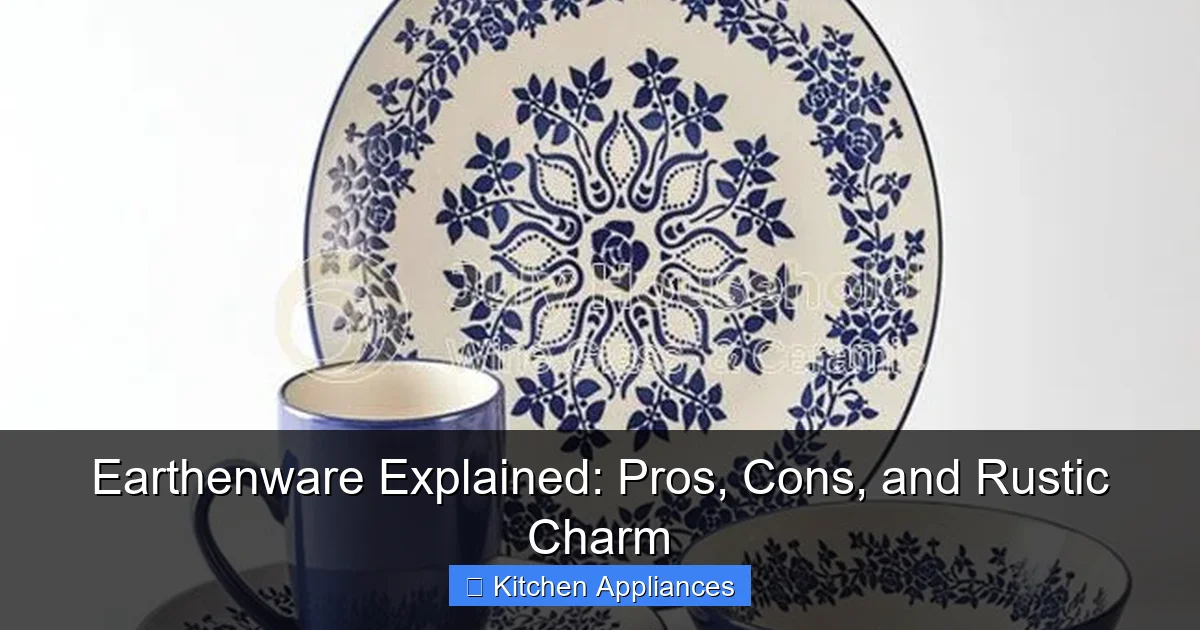
Featured image for this comprehensive guide about earthenware dinnerware set
Image source: tablewarecollection.com
In a world increasingly driven by sleek, minimalist design, there’s a quiet resurgence of appreciation for the rustic, the authentic, and the handmade. Among the many elements that bring warmth and character to our homes, an earthenware dinnerware set stands out as a true embodiment of timeless charm and grounded elegance. More than just vessels for our meals, these pieces tell a story of tradition, craftsmanship, and a connection to the earth itself.
Imagine gathering around a table adorned with dishes that feel substantial in your hand, their earthy tones and subtle imperfections hinting at the artisan’s touch. This isn’t just about eating; it’s about an experience. From hearty family dinners to intimate gatherings, earthenware dinnerware infuses every meal with a sense of history and homeliness. But what exactly is earthenware, and is it the right choice for your kitchen?
This comprehensive guide will delve deep into the world of earthenware dinnerware sets, exploring their rich history, unique properties, and why they continue to captivate hearts. We’ll weigh the pros and cons, share essential care tips for longevity, offer creative styling ideas, and equip you with everything you need to know before investing in a set that will truly transform your dining experience. Prepare to embrace the rustic allure!
Quick Answers to Common Questions
What exactly is an earthenware dinnerware set?
An earthenware dinnerware set is crafted from natural clay fired at lower temperatures, giving it a distinctive porous body and a beautiful, often rustic look. Each piece brings an authentic, handcrafted feel to your table.
Is an earthenware dinnerware set durable for everyday use?
While charming, **earthenware dinnerware sets** are generally more susceptible to chipping and cracking than harder materials like stoneware or porcelain due to their lower firing temperature. They’re best used with a gentle hand.
Can I use my earthenware dinnerware set in the microwave and dishwasher?
It often depends on the specific glaze and manufacturer, so always check the care instructions that come with your **earthenware dinnerware set**! Many are microwave and dishwasher safe, but some might prefer hand-washing to maintain their longevity.
What’s the main aesthetic appeal of an earthenware dinnerware set?
People absolutely love an **earthenware dinnerware set** for its unique rustic charm, earthy tones, and substantial feel that adds a cozy, welcoming, and artisanal touch to any meal. It perfectly embodies a warm, homey aesthetic.
Is an earthenware dinnerware set typically heavy?
Yes, generally, an **earthenware dinnerware set** tends to be thicker and heavier than dinnerware made from materials like bone china or porcelain. This weight adds to its sturdy, grounded presence on your dining table.
📋 Table of Contents
- What is Earthenware? A Deep Dive into its History and Composition
- The Irresistible Allure: Why Choose an Earthenware Dinnerware Set? (Pros)
- Navigating the Nuances: Potential Downsides of Earthenware Dinnerware (Cons)
- Caring for Your Earthenware: Essential Tips for Longevity
- Beyond the Dinner Table: Styling and Decorating with Earthenware
- Making the Right Choice: Factors to Consider When Buying an Earthenware Dinnerware Set
- Conclusion
What is Earthenware? A Deep Dive into its History and Composition
Before we explore the benefits and considerations of owning an earthenware dinnerware set, it’s crucial to understand what this material truly is. Earthenware is one of the oldest forms of pottery, predating both stoneware and porcelain by thousands of years. Its very name, “earthenware,” points to its fundamental ingredient: earth, or rather, clay.
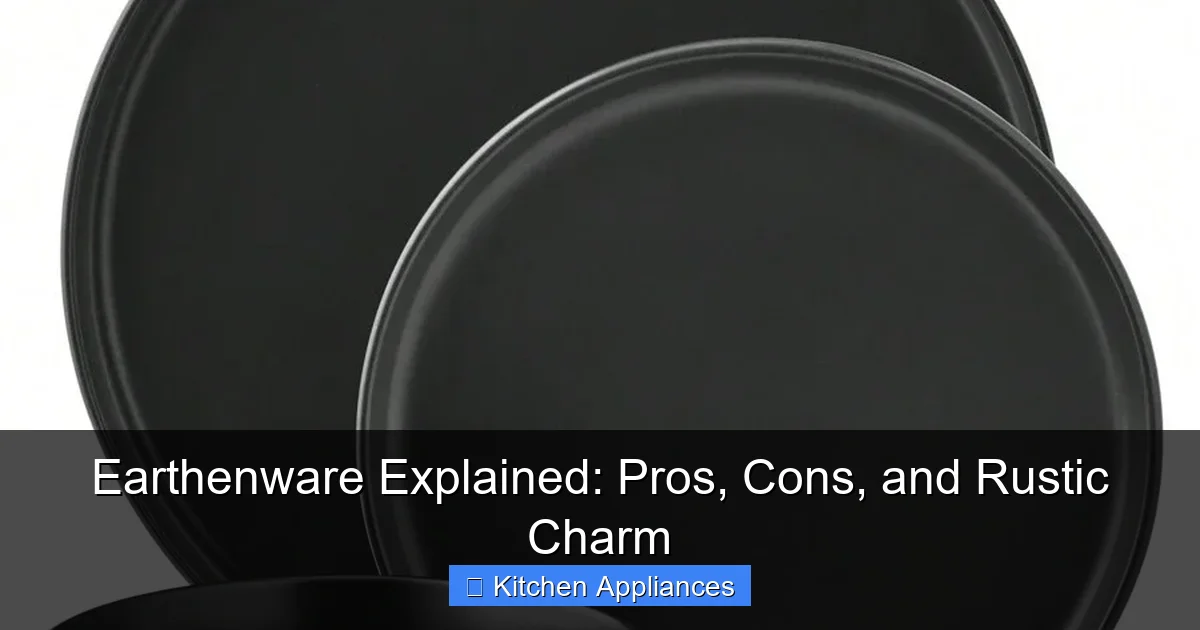
Learn more about earthenware dinnerware set – Earthenware Explained: Pros, Cons, and Rustic Charm
Image source: img.ltwebstatic.com
A Glimpse into the Past: Earthenware Through the Ages
The story of earthenware begins with humanity’s earliest attempts to store food and water. Archaeological evidence suggests that primitive earthenware vessels were being made as far back as the Stone Age, simply by shaping clay and firing it in open pits or bonfires. This humble beginning laid the foundation for countless artistic and utilitarian creations across civilizations.
| Feature | Earthenware Dinnerware | Stoneware/Porcelain (Common Alternatives) |
|---|---|---|
| Durability (Chip Resistance) | Lower; more prone to chipping and breaking, especially at edges. Less impact resistant. | Higher; generally very durable and chip-resistant. Porcelain is exceptionally strong and dense. |
| Heat Tolerance (Oven Safe) | Moderate (typically up to 300°F / 150°C). Not ideal for high-heat oven use; avoid sudden temperature changes. | High (often up to 450-500°F / 230-260°C). Better suited for oven use and thermal shock. |
| Porosity & Stain Resistance | Highly porous if unglazed or poorly glazed; can absorb liquids, stain, and harbor bacteria. Requires good glazing. | Non-porous (especially porcelain). Highly resistant to staining and liquid absorption, very hygienic. |
| Microwave & Dishwasher Safety | Varies greatly; often hand-wash recommended due to porous nature. Microwave safe if properly glazed and free of metallic accents. | Generally microwave and dishwasher safe. Glazes are more robust and less prone to fading. |
| Aesthetic & Weight | Often rustic, earthy, and artisanal feel. Can be heavier and thicker. Wide range of natural glazes. | Stoneware offers a natural, often heavier feel; Porcelain is typically more refined, lighter, and often translucent. |
| Typical Price Range | Low to Moderate ($$) – Can be very affordable for basic sets, higher for artisanal or hand-painted pieces. | Moderate to High ($$$) – Stoneware is often mid-range, while fine Porcelain can be premium priced. |
- Ancient Civilizations: From the ancient Egyptians’ canopic jars to the elaborate pottery of Mesopotamia and the Greek amphorae, earthenware played a vital role in daily life, religious rituals, and artistic expression.
- Medieval Europe: Earthenware evolved to include glazed pieces, improving hygiene and aesthetics. Slip-decorated and lead-glazed wares became common for domestic use.
- Renaissance to Modern Day: Techniques like Majolica (Italy), Delftware (Netherlands), and Faience (France) emerged, showcasing intricate designs and vibrant colors, elevating earthenware from purely utilitarian to decorative art. Today, artisans and manufacturers continue to produce beautiful and functional earthenware dinnerware, blending traditional methods with contemporary designs.
The Science Behind the Charm: How Earthenware is Made
At its core, earthenware is a ceramic material made from porous clay, typically fired at relatively low temperatures compared to other ceramics. This low-firing process is key to its distinctive properties.
- Raw Materials: Earthenware typically uses common, abundant clays rich in iron and other minerals, which often give it a reddish, brownish, or buff color after firing.
- Firing Temperature: It’s fired at temperatures usually ranging from 900°C to 1100°C (1650°F to 2010°F). At these temperatures, the clay becomes hard and durable but remains porous. This porosity means that unglazed earthenware would absorb liquids.
- The Role of Glaze: To make earthenware dinnerware sets functional for food service, they must be glazed. The glaze is a glass-like coating applied to the surface and then fired to create a non-porous, waterproof, and often decorative finish. This sealed surface prevents liquids from seeping into the clay body and makes the dishes safe for food. Lead-free glazes are standard for modern food-safe dinnerware.
- Distinguishing from Other Ceramics:
- Stoneware: Fired at higher temperatures (1200-1300°C), stoneware becomes less porous and stronger, often vitreous (glass-like) without needing a glaze to be waterproof.
- Porcelain: Fired at the highest temperatures (1200-1450°C), porcelain becomes completely vitrified, non-porous, and typically translucent, known for its extreme strength and delicate appearance.
Understanding these fundamental characteristics helps to appreciate both the beauty and the specific care requirements of your cherished earthenware dinnerware set.
The Irresistible Allure: Why Choose an Earthenware Dinnerware Set? (Pros)
There’s a reason why earthenware dinnerware sets have graced tables for centuries and continue to be a popular choice today. Their unique qualities offer a blend of aesthetic appeal, practical benefits, and a certain indescribable charm that sets them apart.
Learn more about earthenware dinnerware set – Earthenware Explained: Pros, Cons, and Rustic Charm
Image source: img.ltwebstatic.com
Unmatched Aesthetic Appeal
Perhaps the most compelling reason to choose earthenware is its distinct look and feel. It exudes a warmth and authenticity that many other materials struggle to replicate.
- Rustic Charm: Earthenware naturally leans towards a rustic, farmhouse, or bohemian aesthetic. Its earthy tones, often hand-painted designs, and subtle imperfections contribute to a lived-in, inviting atmosphere. Each piece can feel unique, telling its own story.
- Rich Colors and Textures: Glazes on earthenware can range from deep, vibrant hues to soft, muted pastels, often with a slightly textured or irregular finish that adds character. Matte glazes are particularly popular for their sophisticated, understated appeal.
- Versatility in Style: While often associated with rustic decor, earthenware dishes can surprisingly complement a wide range of interior designs. They can be dressed up for formal occasions or perfectly suit casual family meals.
- Handcrafted Feel: Many earthenware dinnerware sets retain a handmade quality, even when mass-produced. The substantial weight and unique glaze variations often give the impression of artisanal craftsmanship.
Thermal Properties and Dining Experience
Beyond aesthetics, earthenware offers practical advantages that enhance the dining experience.
- Excellent Heat Retention: Earthenware has good thermal mass, meaning it absorbs and retains heat effectively. This helps keep your food warm longer at the table, a definite plus for leisurely meals or when serving multiple courses.
- Even Heating: When used for baking or warming in the oven (if specified as oven-safe), earthenware provides even heat distribution, which can be beneficial for certain dishes.
Affordability and Accessibility
Generally speaking, earthenware dinnerware tends to be more budget-friendly than stoneware or porcelain, especially for handcrafted or specialty pieces. This makes it an accessible option for those looking to elevate their dining without breaking the bank. Its popularity also means a vast array of styles, colors, and patterns are readily available from various retailers.
Environmental Considerations
For environmentally conscious consumers, earthenware can be an attractive choice:
- Natural Materials: Made from abundant natural clays, earthenware relies on readily available resources.
- Lower Energy Consumption: Due to its lower firing temperatures compared to stoneware and porcelain, the production of earthenware generally requires less energy, potentially reducing its carbon footprint during manufacturing.
The decision to choose an earthenware dinnerware set often comes down to an appreciation for its unique blend of visual warmth, tactile pleasure, and practical benefits that enhance the everyday ritual of sharing a meal.
Navigating the Nuances: Potential Downsides of Earthenware Dinnerware (Cons)
While the rustic charm and unique aesthetic of earthenware dinnerware sets are undeniable, it’s equally important to be aware of their specific characteristics, which can sometimes be perceived as drawbacks. Understanding these limitations will help you make an informed purchase and ensure the longevity of your beloved dishes.
Porosity and Fragility
The very nature of earthenware – its low firing temperature and inherent porosity – contributes to its primary vulnerabilities.
- More Prone to Chipping and Cracking: Compared to denser ceramics like stoneware or porcelain, earthenware is generally softer and more susceptible to impact. A dropped earthenware plate is more likely to chip or break.
- Susceptibility to Thermal Shock: Rapid changes in temperature are a significant enemy of earthenware. Moving a cold dish directly into a hot oven, or pouring boiling water into a cold bowl, can cause cracks (known as thermal shock). This limits its versatility for certain cooking methods.
- Glaze Crazing: Over time, especially with frequent use and temperature fluctuations, the glaze on earthenware can develop a network of fine cracks, known as crazing. While often adding to a vintage aesthetic, these cracks can compromise the protective barrier, potentially allowing liquids and bacteria to seep into the porous clay body.
Staining and Absorption
Even with a glaze, earthenware can present challenges related to absorption.
- Unglazed Areas: The underside of earthenware bowls or plates, or any unglazed rim, is highly porous. If left unsealed or improperly cared for, these areas can absorb water, odors, and stains from food. This can lead to discoloration, mildew, or even food safety concerns if bacteria harbor in the porous body.
- Stain Retention (with crazing): Once crazing occurs, the integrity of the glaze is compromised, making the surface more prone to absorbing pigments from highly colored foods like tomato sauce or turmeric, leading to permanent stains.
Microwave, Dishwasher, and Oven Limitations
While some manufacturers produce microwave-safe and dishwasher-safe earthenware dinnerware sets, it’s crucial to always check specific product instructions. Many traditional or artisan earthenware pieces may not be suitable for these modern conveniences.
- Dishwasher Risk: The harsh detergents, high temperatures, and forceful water jets in dishwashers can be detrimental to earthenware. They can accelerate glaze degradation, crazing, and chipping, shortening the lifespan of your dishes. Handwashing is often recommended.
- Microwave Risk: Due to potential for uneven heating and thermal shock, some earthenware is not microwave safe. Even if deemed “microwave safe,” extreme caution is advised.
- Oven Risk: Most earthenware is not designed for direct oven use, especially at high temperatures. If a piece is oven-safe, it will be explicitly stated, and gradual temperature changes are essential.
A Quick Comparison: Earthenware vs. Stoneware vs. Porcelain
To put the pros and cons into perspective, here’s a brief comparison of common dinnerware materials:
| Feature | Earthenware | Stoneware | Porcelain/Bone China |
|---|---|---|---|
| Firing Temperature | Low (900-1100°C) | Medium-High (1200-1300°C) | High (1200-1450°C) |
| Porosity (Unglazed) | Highly porous | Low porosity, often vitrified | Non-porous, fully vitrified |
| Durability | Moderate; prone to chipping/cracking | Good; robust and durable | Excellent; very strong, chip-resistant |
| Thermal Shock Resistance | Low | Moderate to Good | Excellent |
| Typical Aesthetic | Rustic, earthy, artisanal | Earthy, substantial, modern rustic | Elegant, refined, delicate |
| Microwave/Oven Safe? | Often NOT, check manufacturer | Usually YES | Usually YES |
| Dishwasher Safe? | Often NOT, handwash recommended | Usually YES | Usually YES |
The “downsides” of earthenware are simply characteristics that require a specific approach to care and usage. They do not diminish its beauty or value, but rather highlight the need for conscious handling to preserve its unique charm.
Caring for Your Earthenware: Essential Tips for Longevity
To ensure your beloved earthenware dinnerware set lasts for years, preserving its beauty and functionality, a little extra care goes a long way. Think of it as nurturing a beautiful, delicate piece of art – because in many ways, that’s exactly what it is.
Gentle Cleaning is Key
The most crucial aspect of earthenware care is how you wash it. While some modern sets might claim to be dishwasher-safe, handwashing is almost always the safest and best option for longevity.
- Handwash Immediately: As soon as possible after use, wash your earthenware dishes. This prevents food from drying on and staining, and minimizes contact time with water for any unglazed areas.
- Use Mild Soap and Warm Water: Opt for a gentle dish soap and warm (not hot) water. Avoid harsh, abrasive detergents or those with strong chemicals.
- Soft Sponge or Cloth: Use a soft sponge or a non-abrasive dishcloth. Never use steel wool, scouring pads, or abrasive brushes, as these can scratch the glaze and accelerate crazing.
- Dry Thoroughly: After washing, immediately dry each piece with a soft, clean towel. Do not air dry, as standing water can lead to mineral deposits or seep into any tiny cracks or unglazed areas.
Preventing Chips and Cracks
Earthenware’s relative fragility requires mindful handling and storage.
- Avoid Sudden Temperature Changes: This is paramount! Never place a cold earthenware piece into a hot oven, or pour hot liquid into a chilled bowl. Allow dishes to acclimate to room temperature before extreme temperature changes. Similarly, avoid placing hot dishes directly onto cold surfaces.
- Gentle Stacking: When storing, stack plates and bowls carefully. If possible, use felt or fabric plate dividers between each piece to prevent scratches and chips, especially with decorative or hand-painted earthenware plates.
- Careful Handling: Avoid banging dishes together in the sink or against countertops. Treat each piece with a gentle touch.
Dealing with Stains and Odors
Despite careful washing, occasional stains or absorbed odors can occur.
- Baking Soda Paste: For stubborn stains, create a paste with baking soda and a little water. Gently apply it to the stain with a soft cloth, let it sit for 15-30 minutes, then rinse and dry thoroughly.
- Lemon Juice or Vinegar: For light discoloration or to neutralize odors, a solution of lemon juice or white vinegar diluted with water can be used. Apply, let sit briefly, then rinse and dry. Avoid prolonged soaking.
- Address Crazing Proactively: If your earthenware dinnerware shows signs of crazing, consider using it for decorative purposes rather than food. The cracks can harbor bacteria, making it less hygienic for serving.
Microwave and Oven Use Precautions
Always refer to the manufacturer’s instructions. If your earthenware dinnerware set is labeled “microwave safe” or “oven safe”:
- Microwave: Use short intervals and monitor the dish. If the dish becomes excessively hot while the food remains cold, it’s absorbing microwave energy and likely not truly safe for extensive use.
- Oven: If oven safe, place the dish in a cold oven and allow it to preheat with the oven to prevent thermal shock. Do not exceed the recommended temperature.
By following these care instructions, you can significantly extend the life and beauty of your earthenware dinnerware set, allowing you to enjoy its rustic charm for many years to come.
Beyond the Dinner Table: Styling and Decorating with Earthenware
The appeal of earthenware dinnerware sets extends far beyond their primary function. Their inherent warmth, earthy textures, and unique character make them incredibly versatile decorative elements. Integrating earthenware into your home decor can add depth, history, and a touch of artisanal flair to any space.
Creating a Rustic Farmhouse Vibe
Earthenware is a natural fit for farmhouse and country-style aesthetics. Its organic feel complements natural materials beautifully.
- Open Shelving: Display your earthenware plates and bowls on open shelves or in a hutch. The visual texture and varying hues add interest and warmth to the kitchen or dining area.
- Natural Pairings: Combine your set with linen tablecloths, wooden serving boards, woven placemats, and simple floral arrangements (think wildflowers or dried grasses) for an authentic, wholesome look.
- Wall Decor: Hang decorative earthenware plates on a kitchen wall as a curated art display, perhaps in a cluster or along a plate rail.
Embracing Bohemian Chic
The artisanal quality and often vibrant glazes of earthenware lend themselves perfectly to a bohemian or eclectic style. This look encourages mixing, matching, and a sense of wanderlust.
- Mix-and-Match: Don’t be afraid to combine different patterns, colors, or even other dinnerware materials (like glazed ceramics or wood) with your earthenware dinnerware set. The slight irregularities of earthenware will tie the eclectic pieces together.
- Textural Harmony: Pair earthenware with rich textiles like macrame, block-printed fabrics, woven baskets, and plump cushions.
- Plant Life: Place small plants or succulents in unglazed earthenware pots as centerpieces or accents on the table.
Mediterranean and Global Influences
Many traditional earthenware designs, such as Majolica or Terracotta, boast vibrant colors and intricate patterns inspired by Mediterranean, Spanish, and North African cultures. Leverage these pieces to evoke exotic charm.
- Vibrant Tabletops: Use brightly glazed earthenware dishes with patterns reminiscent of Moroccan tiles or Portuguese ceramics. Complement with deep blues, olive greens, and terracotta hues.
- Herbs and Olives: Adorn your table with small pots of fresh herbs like rosemary or basil, or a bowl of olives, to lean into the Mediterranean theme.
- Wrought Iron Accents: Pair with wrought iron candle holders or serving stands to enhance the rustic Mediterranean feel.
Everyday Elegance and Versatility
Even if you prefer a more minimalist or contemporary aesthetic, earthenware can be integrated with surprising sophistication.
- Layering: Use an earthenware dinner plate as a base layer under a smaller, more delicate salad plate. Introduce metal chargers or glass tumblers to add varied textures.
- Serving Pieces: Even if your main dinnerware is different, a beautiful earthenware serving bowl or platter can be a statement piece for salads, roasted vegetables, or fruits.
- Console or Coffee Table Decor: Arrange a stack of interesting earthenware plates or a few decorative earthenware bowls on a console table or coffee table. They can hold keys, trinkets, or simply act as sculptural elements.
By thinking creatively, your earthenware dinnerware set can become a dynamic part of your home’s aesthetic, adding character and warmth well beyond meal times.
Making the Right Choice: Factors to Consider When Buying an Earthenware Dinnerware Set
Investing in an earthenware dinnerware set is a decision that blends practical needs with aesthetic preferences. With so many options available, from mass-produced collections to artisan creations, knowing what to look for can help you select a set that perfectly suits your home and lifestyle.
Glaze Quality and Finish
The glaze is not just for decoration; it’s essential for the functionality and safety of your earthenware.
- Evenness and Consistency: Examine the glaze for an even, consistent application. Avoid pieces with noticeable bare spots (unless intentionally designed that way) or areas where the glaze is too thin, as these can be weak points.
- Lead-Free Certification: For any earthenware dinnerware that will come into contact with food, ensure it is certified lead-free. Lead-based glazes were common in the past but are highly toxic and should be avoided for food use. Reputable manufacturers will clearly state their products are food-safe and lead-free.
- Matte vs. Glossy: Decide which finish you prefer. Glossy glazes tend to be easier to clean and resist minor scratches better, while matte glazes offer a sophisticated, understated look but can sometimes show marks more easily.
- Crazing: While some antique earthenware is prized for its crazing, for new dinnerware, look for pieces with no pre-existing craze lines, indicating a well-fired and durable glaze.
Your Lifestyle and Usage Habits
Be realistic about how you plan to use and care for your earthenware dinnerware set.
- Dishwasher vs. Handwashing: If you rely heavily on a dishwasher for daily cleaning, traditional earthenware might not be the best fit. Look for sets explicitly labeled as dishwasher-safe, but remember that handwashing will always extend their lifespan.
- Microwave and Oven Use: If you frequently use the microwave or oven for reheating or cooking, verify that the earthenware plates and bowls are safe for these appliances. Many artisanal pieces are not.
- Everyday vs. Special Occasion: If you’re looking for an everyday set that will endure constant use, consider a more robust, heavily glazed earthenware or perhaps a stoneware alternative. For special occasions or decorative use, you might be more forgiving of delicate characteristics.
Design and Aesthetic Compatibility
Your dinnerware should complement your personal style and home decor.
- Color Palette: Does the color of the earthenware dinnerware set harmonize with your kitchen and dining room’s existing scheme? Earthenware comes in a vast array of colors, from natural earth tones to vibrant hues.
- Shape and Form: Do you prefer classic round plates, modern square designs, or organically shaped pieces? Consider how they will look stacked and arranged on your table.
- Pattern and Texture: From subtle speckles to intricate hand-painted designs, earthenware offers diverse artistic expressions. Choose a pattern that resonates with you and won’t tire quickly.
Set Composition and Piece Count
Consider your entertaining needs and household size.
- Place Settings: Standard sets often come in 4-piece or 5-piece place settings (dinner plate, salad plate, bowl, mug/cup and saucer). Decide how many settings you need for your family and guests.
- Serving Pieces: Does the set include matching serving bowls, platters, or pitchers? These can unify your table setting.
- Open Stock Availability: Check if individual pieces are available for purchase separately. This is crucial for replacing broken items or expanding your set over time without having to buy a whole new earthenware dinnerware set.
Brand Reputation and Reviews
Before making a purchase, especially for a significant investment, do your homework.
- Manufacturer’s History: Research brands known for quality ceramics. Some artisan studios specialize in earthenware, offering unique, handmade pieces.
- Customer Reviews: Read reviews from other buyers regarding durability, actual microwave/dishwasher safety, and overall satisfaction with the earthenware dishes. Pay attention to comments about chipping, crazing, or staining.
By thoughtfully considering these factors, you can confidently choose an earthenware dinnerware set that not only enhances your dining experience but also becomes a cherished part of your home for years to come.
Conclusion
Choosing an earthenware dinnerware set is more than just selecting dishes; it’s an embrace of history, craftsmanship, and a desire to bring a touch of earthy warmth to your table. From the ancient origins of clay pottery to the beautifully glazed pieces that adorn modern homes, earthenware offers a unique blend of rustic charm and functional design. Its distinct aesthetic, often characterized by natural tones, rich textures, and a handmade feel, creates an inviting atmosphere for any meal.
While earthenware dishes may require a bit more thoughtful care due to their porous nature and susceptibility to thermal shock, the rewards are well worth the effort. With proper handwashing, careful handling, and mindful storage, your earthenware dinnerware can maintain its beauty and integrity for years, becoming a beloved part of your culinary journey.
Whether you’re drawn to the farmhouse aesthetic, bohemian vibrancy, or a touch of Mediterranean flair, an earthenware dinnerware set provides an exceptional canvas for styling your dining space. By understanding its composition, acknowledging its care requirements, and making an informed choice based on your lifestyle, you’re not just buying dinnerware—you’re investing in an experience, a conversation starter, and a piece of functional art that celebrates the enduring beauty of the earth.
So, go ahead, explore the captivating world of earthenware, and discover the perfect set to infuse your home with rustic elegance and timeless appeal.
Frequently Asked Questions
What exactly is earthenware dinnerware, and how is it made?
Earthenware is a type of pottery made from porous clay, fired at relatively lower temperatures compared to stoneware or porcelain. It’s typically glazed to make it non-porous, food-safe, and to achieve its characteristic smooth or textured finish, often giving it a rustic and earthy aesthetic.
Can I safely use my earthenware dinnerware set in the dishwasher and microwave?
While many modern earthenware dinnerware sets are designed to be dishwasher and microwave safe, it’s crucial to check the specific manufacturer’s instructions. Extreme temperature changes or harsh detergents can sometimes compromise the glaze or the integrity of the earthenware, so gentle handling is always recommended.
How durable is an earthenware dinnerware set, and does it chip easily?
Earthenware is generally more prone to chipping and breaking than stoneware or porcelain due to its lower firing temperature and inherent porosity. However, with proper care and gentle handling, a good quality earthenware dinnerware set can be quite durable and offer many years of enjoyable use, celebrated for its unique character over ultimate resilience.
What are the primary benefits of choosing an earthenware dinnerware set for my home?
The main advantages of choosing an earthenware dinnerware set include its distinct rustic and natural aesthetic, which adds warmth and character to any table setting. Earthenware also often boasts unique handcrafted qualities and a comfortable, substantial feel, enhancing the dining experience with its authentic charm.
What is the best way to care for my earthenware dinnerware set to ensure its longevity?
To prolong the life of your earthenware dinnerware set, avoid sudden temperature changes, such as moving directly from a cold fridge to a hot oven. Handwashing with mild soap is often recommended for more delicate pieces, and always ensure the dinnerware is completely dry before storing to prevent moisture absorption and potential damage.
Is an earthenware dinnerware set prone to staining from food, particularly acidic dishes?
Properly glazed earthenware dinnerware is generally resistant to staining. However, unglazed areas, chips, or cracks can absorb liquids and pigments from food, especially highly acidic or deeply colored dishes. It’s best to rinse dishes promptly after use and avoid leaving intensely colored foods on them for extended periods.