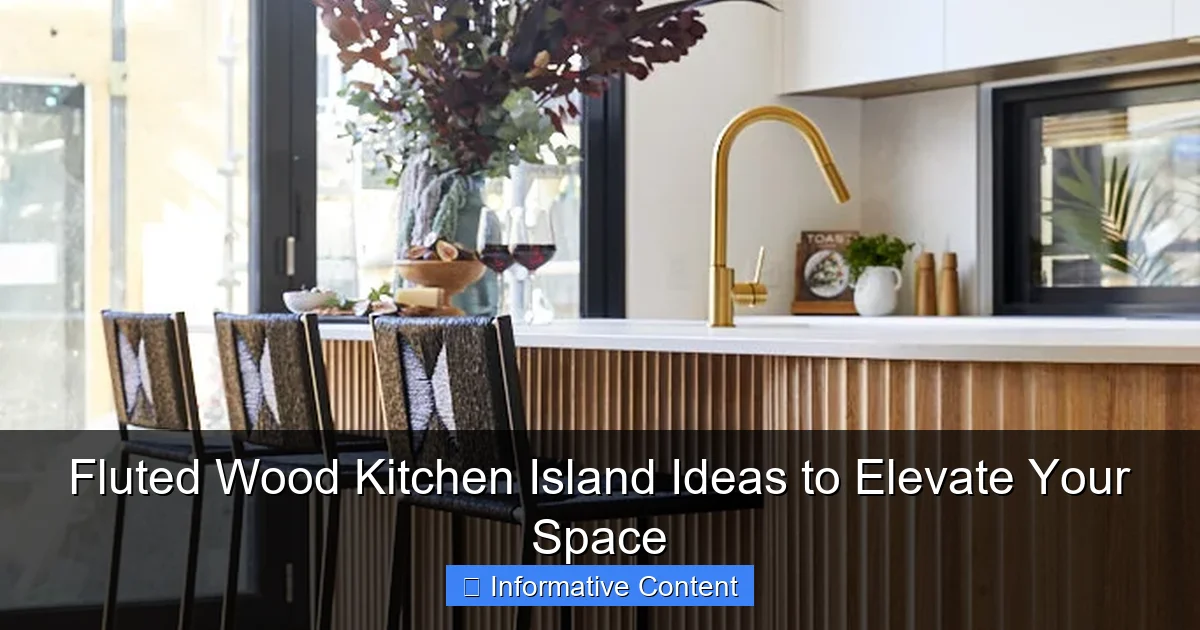
Featured image for fluted wood kitchen island
Image source: noverohomes.com
Fluted wood kitchen islands bring timeless texture and modern elegance to any culinary space, instantly transforming it into a design-forward focal point. Ideal for both contemporary and traditional kitchens, the vertical grooves of fluted wood add visual depth, enhance natural light play, and conceal everyday wear, making them as practical as they are stylish.
Key Takeaways
- Fluted wood adds texture: Enhances visual interest and depth in modern kitchens effortlessly.
- Choose sustainable materials: Opt for reclaimed or FSC-certified wood for eco-friendly style.
- Pair with contrasting finishes: Combine with matte metals or stone for striking balance.
- Customize for storage: Integrate fluted panels into cabinetry for hidden, functional organization.
- Highlight with lighting: Use under-cabinet lights to accentuate fluted details beautifully.
- Match your aesthetic: Fluted wood suits minimalist, farmhouse, and contemporary designs seamlessly.
📑 Table of Contents
- The Timeless Appeal of Fluted Wood Kitchen Islands
- Why Fluted Wood? The Aesthetic and Practical Advantages
- Fluted Wood Kitchen Island Ideas for Every Style
- Materials and Finishes: Choosing the Right Fluted Wood
- Functional Features to Consider
- Maintenance and Care Tips
- Fluted Wood Kitchen Island Inspiration: Real-Life Examples
- Final Thoughts: Making the Fluted Wood Kitchen Island Work for You
The Timeless Appeal of Fluted Wood Kitchen Islands
Imagine walking into a kitchen where the island doesn’t just serve as a functional hub but also as a statement piece. That’s the magic of a fluted wood kitchen island. The vertical grooves, or fluting, on its surface add a touch of elegance and texture that can transform your space from ordinary to extraordinary. Whether you’re renovating or starting from scratch, this design element brings both visual interest and practicality to your kitchen.
Fluted wood kitchen islands are more than just a trend; they’re a nod to timeless craftsmanship. Think of them as the little black dress of kitchen design—versatile, sophisticated, and always in style. From modern minimalism to rustic farmhouse vibes, these islands can adapt to almost any aesthetic. And the best part? They’re not just about looks. The fluted design can hide minor imperfections, add structural strength, and even improve acoustics by breaking up sound waves. So, if you’re looking to elevate your kitchen’s style without sacrificing function, you’re in the right place.
Why Fluted Wood? The Aesthetic and Practical Advantages
Visual Texture and Depth
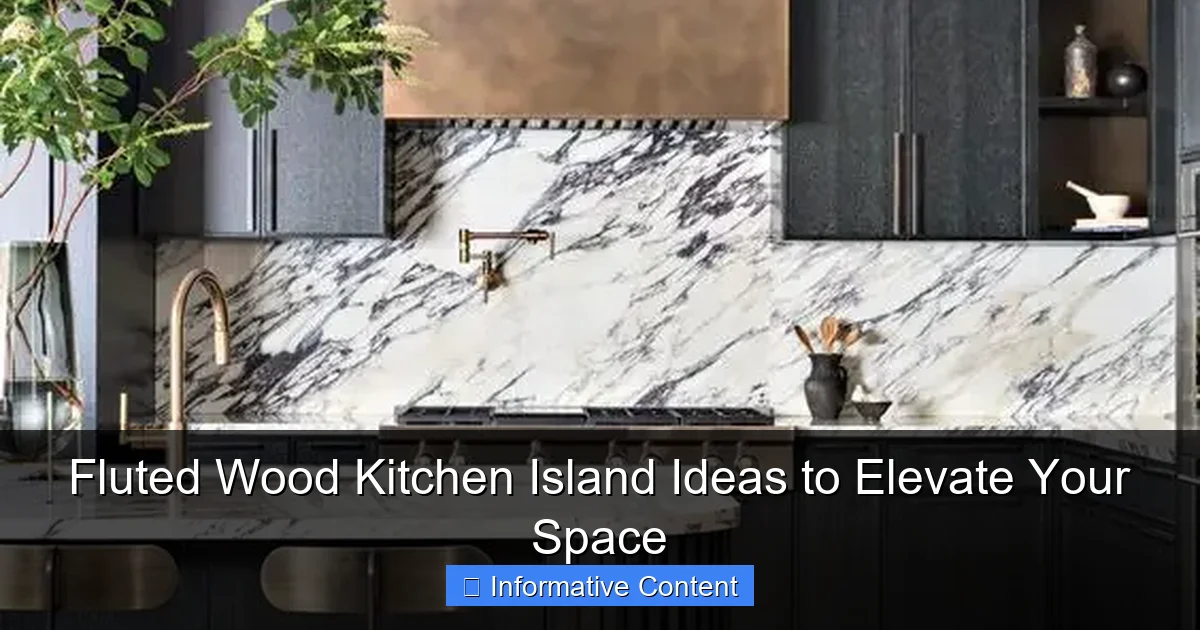
One of the standout features of fluted wood kitchen islands is their ability to create visual texture. The vertical grooves catch light and shadow, adding depth to your kitchen’s design. This is especially useful in spaces with flat surfaces or monochromatic color schemes, where a bit of contrast can make a big difference. For example, a light oak fluted island can brighten up a dark kitchen, while a walnut version can add warmth to a cooler palette.
Visual guide about fluted wood kitchen island
Image source: i.digsdigs.com
But it’s not just about aesthetics. The fluting can also serve as a subtle design trick to make your island appear larger or more dynamic. In smaller kitchens, a well-placed fluted island can draw the eye upward, making the space feel taller and more open. And if you’re worried about the grooves collecting dust? A quick wipe with a microfiber cloth is all it takes to keep them looking pristine.
Durability and Strength
Fluted wood isn’t just about looks—it’s also about strength. The grooves add structural integrity to the wood, making it less prone to warping or cracking over time. This is particularly important for kitchen islands, which often bear the brunt of daily use. Whether you’re chopping veggies, hosting a wine night, or using it as a homework station, a fluted wood island can handle it all.
Another practical benefit? The fluting can help hide minor scratches or dents. Unlike smooth surfaces, where imperfections are glaringly obvious, the grooves can mask wear and tear. This makes fluted wood a great choice for busy households or those with kids and pets. Plus, if you ever decide to refinish or repaint the island, the grooves provide a natural guide for a uniform finish.
Versatility in Design
Fluted wood kitchen islands are incredibly versatile. They can be paired with a wide range of countertops—from sleek quartz to rustic butcher block—and still look cohesive. For a modern look, try pairing a fluted island with a marble countertop and matte black hardware. If you prefer a more traditional vibe, opt for a butcher block top and antique brass pulls.
And don’t think you’re limited to just one style. Fluted wood works equally well in a minimalist kitchen with clean lines as it does in a cozy farmhouse setup with shiplap walls and open shelving. The key is to balance the fluted texture with other elements in the room so that it feels intentional, not overwhelming.
Fluted Wood Kitchen Island Ideas for Every Style
Modern Minimalism
If you love clean lines and uncluttered spaces, a fluted wood kitchen island can be the perfect anchor for your modern minimalist kitchen. Opt for a monochromatic color scheme—like white fluted wood with a white quartz countertop—to keep the look sleek and seamless. Add a pop of contrast with black or brass hardware, and you’ve got a timeless design that won’t feel dated in a few years.
For an extra touch of modernity, consider a waterfall countertop, where the material extends down the sides of the island. This creates a dramatic effect and emphasizes the fluted texture. And if you want to keep the space feeling open, try open shelving on one side of the island for storing cookbooks or decorative items.
Rustic Farmhouse
Fluted wood kitchen islands are a natural fit for farmhouse-style kitchens. The grooves add a handcrafted feel that complements the warmth of reclaimed wood, shiplap walls, and vintage-inspired hardware. For a classic farmhouse look, pair a distressed fluted island with a butcher block countertop and apron-front sink.
To enhance the rustic vibe, consider adding a farmhouse-style pendant light above the island. And don’t forget the stools—wooden or metal barstools with a distressed finish will tie the whole look together. If you’re feeling adventurous, try a two-tone island, with fluted wood on the base and a contrasting paint color on the sides.
Coastal Chic
Want to bring a beachy, relaxed vibe to your kitchen? A fluted wood island in a soft, weathered finish can do the trick. Think light gray or whitewashed wood paired with a quartz or concrete countertop. This combination creates a breezy, coastal feel that’s perfect for a vacation home or a year-round escape.
For a cohesive look, incorporate other coastal elements like blue-and-white striped stools, woven barstools, or a backsplash with sea glass tiles. And if you want to take it up a notch, add a nautical-inspired light fixture—like a rope-wrapped pendant or a lantern-style fixture—above the island.
Industrial Edge
If you’re drawn to the raw, unfinished look of industrial design, a fluted wood kitchen island can add warmth while keeping the edge. Try a dark-stained fluted island with a concrete countertop and matte black metal legs. The contrast between the wood and metal creates a striking visual that’s both bold and inviting.
To enhance the industrial vibe, add exposed brick walls, metal barstools, or a backsplash with subway tiles. And for a unique twist, consider a fluted island with a built-in wine rack or a pull-out trash bin—practical features that don’t sacrifice style.
Materials and Finishes: Choosing the Right Fluted Wood
Wood Types: Pros and Cons
When it comes to fluted wood kitchen islands, the type of wood you choose can make a big difference in both appearance and durability. Here’s a quick rundown of popular options:
- Oak: Durable and affordable, with a prominent grain that adds character. Great for rustic or traditional kitchens.
- Walnut: Rich, dark color with a smooth finish. Perfect for modern or high-end designs, but pricier.
- Pine: Lightweight and budget-friendly, but softer and more prone to dents. Ideal for a casual, cottage-style kitchen.
- Maple: Hard and dense, with a fine, even grain. Works well in contemporary spaces but can be expensive.
Consider your lifestyle and budget when choosing. If you have kids or pets, a harder wood like oak or maple might be a better fit. For a more relaxed vibe, pine or reclaimed wood can add charm without breaking the bank.
Finishes: Matte, Gloss, or Distressed?
The finish you choose can dramatically alter the look and feel of your fluted wood island. Here are some options to consider:
- Matte: Low-reflective and modern, perfect for a minimalist or industrial kitchen.
- Glossy: Adds shine and depth, great for making a small kitchen feel larger.
- Distressed: Creates a vintage, lived-in look, ideal for farmhouse or cottage styles.
- Whitewashed: Light and airy, perfect for coastal or Scandinavian-inspired kitchens.
Keep in mind that glossy finishes show fingerprints and smudges more easily, while matte and distressed finishes are more forgiving. If you’re unsure, test a small sample on your wood to see how it looks in your kitchen’s lighting.
Sustainability and Eco-Friendly Options
If sustainability is a priority, look for fluted wood islands made from reclaimed or FSC-certified wood. Reclaimed wood adds unique character and reduces environmental impact, while FSC certification ensures the wood was sourced responsibly. Another eco-friendly option? Bamboo fluted islands, which are durable, fast-growing, and renewable.
And if you’re on a budget, consider a fluted MDF (medium-density fiberboard) island with a wood veneer. It’s more affordable than solid wood and can be finished to mimic the real thing. Just keep in mind that MDF isn’t as durable as solid wood, so it may not hold up as well in high-traffic kitchens.
Functional Features to Consider
Storage Solutions
A kitchen island is more than just a pretty face—it’s a workhorse. When designing your fluted wood island, think about how you’ll use it daily. Do you need extra storage for pots and pans? A built-in wine rack? A pull-out trash bin? The options are endless.
For maximum storage, consider a fluted island with deep drawers on one side and open shelving on the other. Deep drawers are great for hiding clutter, while open shelves can showcase your favorite cookbooks or decorative items. And if you’re short on cabinet space, add a pantry-style door to one side for storing bulk items.
Seating and Layout
Fluted wood kitchen islands are perfect for creating a cozy seating area. Whether you’re hosting a casual breakfast or a dinner party, having barstools at your island can make the space more inviting. When choosing stools, consider the height of your island—standard counter height is 36 inches, while bar height is 42 inches.
For a comfortable fit, allow 28–30 inches of width per stool and 12–15 inches of legroom between the island and stools. And if you’re tight on space, try backless stools that can tuck neatly under the island when not in use.
Appliance Integration
Want to take your fluted wood island to the next level? Consider integrating appliances like a built-in cooktop, sink, or dishwasher. A cooktop on the island can create a chef’s kitchen feel, while a sink adds convenience for meal prep. Just make sure to plan for proper ventilation and plumbing—these features require professional installation.
Another popular option is a built-in wine cooler or mini-fridge. These are great for entertaining and can free up space in your main refrigerator. And if you’re a coffee lover, a built-in espresso machine or coffee bar can turn your island into a morning oasis.
Maintenance and Care Tips
Cleaning and Dusting
Fluted wood kitchen islands are relatively low-maintenance, but the grooves can collect dust and debris over time. To keep them looking their best, wipe them down regularly with a microfiber cloth or a soft brush attachment on your vacuum. For deeper cleaning, use a mild wood cleaner and avoid harsh chemicals that can damage the finish.
If you have a glossy finish, be extra careful—fingerprints and smudges will be more noticeable. A quick wipe with a damp cloth and a dry microfiber cloth should do the trick.
Protecting Against Scratches and Stains
Even the most durable wood can scratch or stain if not properly protected. To prevent scratches, always use cutting boards and trivets for hot pots. For stains, wipe up spills immediately and avoid leaving wet items (like a damp dish towel) on the surface for too long.
If you notice minor scratches, you can often buff them out with a wood polish or a wax filler. For deeper scratches or dents, you may need to refinish the wood. And if you’re using a butcher block countertop, regular oiling (with mineral or food-grade oil) can help prevent drying and cracking.
Long-Term Care
With proper care, a fluted wood kitchen island can last for decades. But over time, the finish may wear down or the wood may develop a patina. If you love the natural aging process, you can embrace the imperfections—they add character and charm.
If you prefer a like-new look, refinishing is always an option. Sanding and reapplying a fresh coat of stain or paint can restore your island’s original beauty. And if you’re feeling adventurous, you can even change the color or finish to match a new kitchen design.
Fluted Wood Kitchen Island Inspiration: Real-Life Examples
To help you visualize how a fluted wood kitchen island can work in your space, here’s a table of real-life examples with key details:
| Style | Wood Type | Countertop | Hardware | Special Features |
|---|---|---|---|---|
| Modern Minimalist | White Oak | White Quartz | Matte Black | Waterfall countertop, open shelving |
| Rustic Farmhouse | Reclaimed Pine | Butcher Block | Antique Brass | Two-tone finish, farmhouse sink |
| Coastal Chic | Whitewashed Oak | Concrete | Brushed Nickel | Rope-wrapped pendant, woven stools |
| Industrial Edge | Dark Walnut | Concrete | Black Metal | Exposed legs, built-in wine rack |
These examples show how versatile fluted wood kitchen islands can be. Whether you’re going for sleek and modern or cozy and rustic, there’s a design that will suit your taste and lifestyle.
Final Thoughts: Making the Fluted Wood Kitchen Island Work for You
At the end of the day, a fluted wood kitchen island is more than just a design choice—it’s an investment in your home’s functionality and style. Whether you’re drawn to its timeless elegance, practical benefits, or versatility, there’s no denying its ability to elevate your space.
As you plan your kitchen renovation or upgrade, keep in mind the tips and ideas we’ve covered. Think about your lifestyle, the overall aesthetic of your home, and how you’ll use the island every day. And don’t be afraid to mix and match—sometimes the best designs come from combining elements you love.
Remember, your kitchen is the heart of your home. A fluted wood island can make it feel even more welcoming, stylish, and uniquely yours. So go ahead, take the plunge, and enjoy the transformation. Your future self (and your guests) will thank you.
Frequently Asked Questions
What is a fluted wood kitchen island, and why is it popular?
A fluted wood kitchen island features vertical grooves (fluting) carved into the wood panels, adding texture and visual interest. Its popularity stems from the perfect balance of modern elegance and organic warmth, making it a standout centerpiece in any kitchen design.
How do I style a fluted wood kitchen island in a small space?
Opt for a compact island with lighter wood tones and pair it with sleek, minimalist stools to avoid overwhelming the room. The vertical fluting can create an illusion of height, making your kitchen feel more open and airy.
Are fluted wood kitchen islands durable for daily use?
Yes, high-quality fluted wood islands made from hardwoods like oak or walnut are sturdy and long-lasting. Just ensure the finish is sealed to protect against spills, scratches, and daily wear and tear.
Can I DIY a fluted wood kitchen island on a budget?
While custom fluting requires specialized tools, you can achieve a similar look with peel-and-stick fluted wood panels or prefabricated island bases. Focus on budget-friendly materials like birch or engineered wood for a cost-effective yet stylish solution.
What colors and finishes work best with fluted wood kitchen islands?
Natural wood finishes highlight the fluting’s texture, while painted options (like white, navy, or sage) add a contemporary twist. Match the island’s finish to your cabinetry or contrast it for a bold focal point.
How do I clean and maintain a fluted wood kitchen island?
Wipe spills immediately with a damp cloth and use a wood-safe cleaner to avoid damaging the grooves. Regularly apply wood oil or wax to preserve the finish and prevent drying or cracking over time.