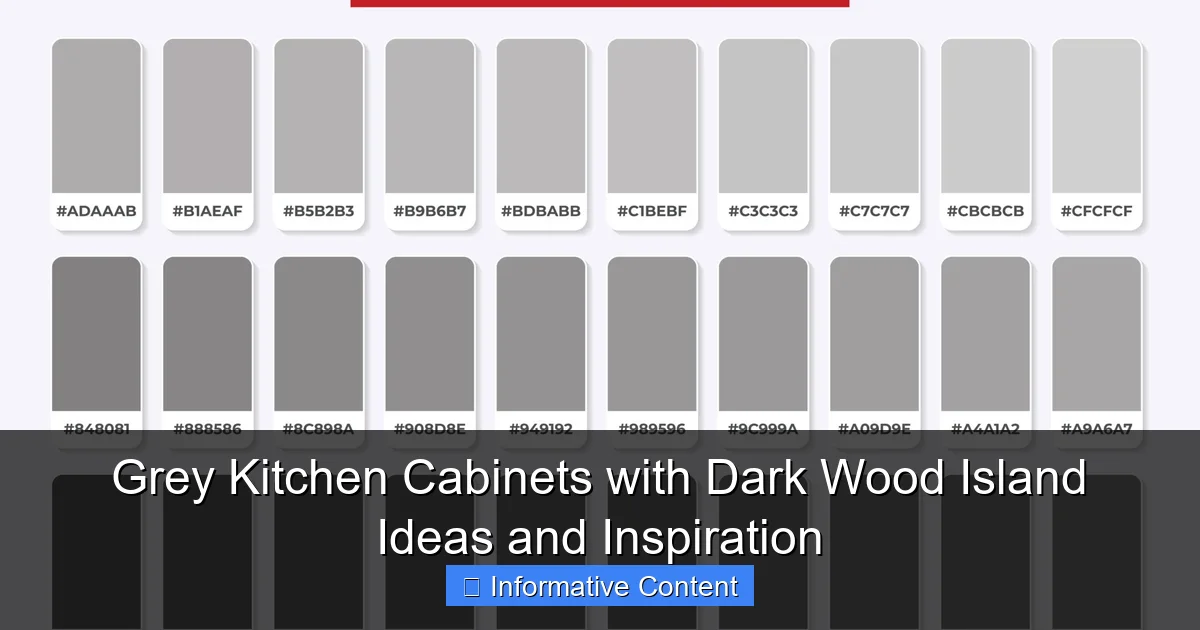
Featured image for grey kitchen cabinets with dark wood island
Image source: static.vecteezy.com
Grey kitchen cabinets paired with a dark wood island create a striking, modern contrast that elevates any kitchen’s aesthetic. This timeless combination balances cool sophistication with warm, natural texture, offering both visual depth and functional elegance. From sleek contemporary designs to rustic farmhouse styles, this duo adapts effortlessly, making it a top choice for designers and homeowners seeking bold yet balanced kitchen inspiration.
Key Takeaways
- Balance tones: Pair warm grey cabinets with dark wood for harmonious contrast.
- Anchor the space: Use a dark wood island to create a focal point.
- Enhance texture: Mix matte grey finishes with wood grain for visual depth.
- Light strategically: Add pendant lights to highlight the island’s rich tones.
- Complement metals: Choose black or bronze hardware to tie both elements together.
- Test samples: Always preview finishes under your kitchen’s natural lighting.
📑 Table of Contents
- The Timeless Allure of Grey Kitchen Cabinets with Dark Wood Island
- Why Grey and Dark Wood Work So Well Together
- Choosing the Right Shades: Matching Grey and Dark Wood
- Styling Your Island: Countertops, Seating, and Hardware
- Lighting, Backsplashes, and Flooring: Tying It All Together
- Real-Life Examples: Kitchens That Nailed the Look
- Final Thoughts: Making the Look Your Own
The Timeless Allure of Grey Kitchen Cabinets with Dark Wood Island
Let’s be honest—kitchen remodels can feel overwhelming. You’re not just picking paint colors or countertops. You’re shaping the heart of your home, the place where coffee brews at dawn, where dinner conversations linger, and where memories are cooked up one meal at a time. If you’ve been scrolling through Pinterest or Instagram lately, you’ve probably noticed a design combo that keeps popping up: grey kitchen cabinets with a dark wood island. It’s everywhere—and for good reason.
This pairing strikes a beautiful balance between modern sophistication and warm, inviting charm. The cool neutrality of grey cabinets brings a clean, airy feel to the space, while the rich, earthy tones of the dark wood island ground the room with warmth and depth. It’s like pairing a tailored blazer with a cozy sweater—stylish, but still comfortable. Whether you’re drawn to farmhouse charm, minimalist elegance, or industrial edge, this combo adapts like a chameleon. And the best part? It’s not just a fleeting trend. Grey and dark wood have proven their staying power, making this a timeless choice that won’t leave you regretting your decision five years from now.
But how do you make this look *your* look? That’s what we’re diving into today. From choosing the right shades to pairing materials and lighting, we’ll walk through real-life examples, practical tips, and design inspiration to help you create a kitchen that feels both fresh and familiar.
Why Grey and Dark Wood Work So Well Together
You might be wondering—why this combo? Why not white cabinets with a light island, or all-dark everything? The truth is, grey kitchen cabinets with a dark wood island create a visual rhythm that’s hard to beat. Let’s break down the magic behind this pairing.
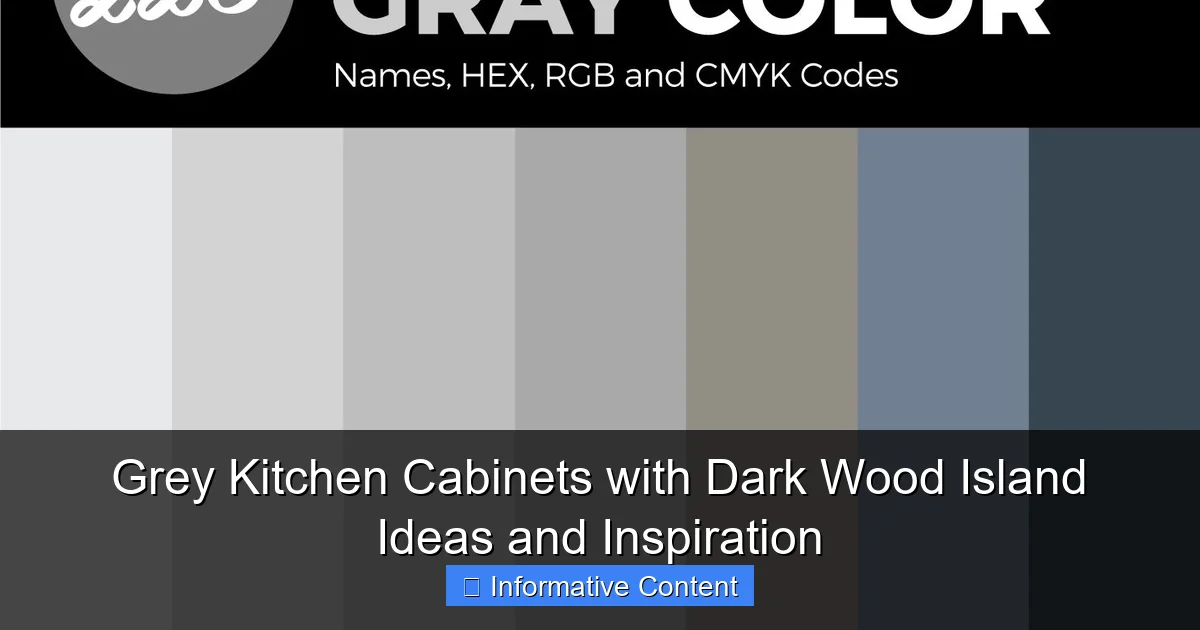
Visual guide about grey kitchen cabinets with dark wood island
Image source: i.pinimg.com
Contrast Without Clash
Grey is a neutral chameleon. It’s not quite white, not quite beige, and not quite black. It’s a quiet, sophisticated base that doesn’t scream for attention—but when paired with a dark wood island (think walnut, espresso-stained oak, or even blackened ash), the contrast becomes the star. This contrast adds dimension without overwhelming the eye. Think of it like a well-balanced outfit: the grey cabinets are your classic trench coat, and the dark wood island is your bold leather boots. Together, they create a look that’s polished but not stiff.
One homeowner in Portland told me, “I was nervous the dark island would make the room feel smaller, but it actually made the space feel more intentional. It’s like the island became the anchor.” That’s the power of contrast: it gives the eye a place to rest and a focal point to appreciate.
Warmth Meets Coolness
Grey can sometimes feel cold—especially in north-facing kitchens with less natural light. That’s where the dark wood island steps in. Wood brings in natural warmth, texture, and organic movement that softens the coolness of grey. It’s a yin-and-yang moment: cool cabinets, warm island. This balance prevents the kitchen from feeling sterile or clinical, which is a common concern with all-grey or all-white designs.
Take Sarah and Mark’s kitchen in Austin. They chose soft dove grey cabinets with a matte finish and paired them with a walnut island that had visible grain. “It’s like the island hugs the room,” Sarah said. “Even on rainy days, it feels cozy.” The wood’s natural grain and subtle variations in color added depth and character—something flat, painted surfaces often lack.
Design Flexibility
One of the biggest perks of this combo is its versatility. Grey is a neutral, so it plays well with almost any accent color. Want a pop of blue? Add navy bar stools. Prefer earthy tones? Bring in terracotta or olive green accessories. The dark wood island acts as a grounding element, so you can experiment with bolder choices elsewhere without the room feeling chaotic.
For example, a client in Denver used light grey shaker cabinets with a black-stained oak island and added mustard yellow barstools and a terracotta backsplash. The result? A kitchen that felt modern, warm, and full of personality. “People always ask if I’m going for a ‘boho’ look,” she laughed. “I’m just going for what feels good.”
Choosing the Right Shades: Matching Grey and Dark Wood
Now comes the fun part: picking the *right* shades. Not all greys and woods are created equal. A mismatch can lead to a disjointed look—like wearing a navy suit with brown shoes. Let’s talk about how to get the pairing just right.
Understanding Undertones in Grey
Grey isn’t just grey. It has undertones—blue, green, purple, or even pink—that can subtly influence how it interacts with other colors. For a harmonious look with dark wood, you’ll want to match the undertones.
- Warm greys (with brown or beige undertones) work best with walnut, cherry, or medium-toned woods. They create a cozy, earthy vibe.
- Cool greys (with blue or green undertones) pair well with espresso-stained oak, blackened ash, or even painted black islands. This combo feels more modern and crisp.
- Neutral greys (a mix of warm and cool) are the most forgiving. They adapt to almost any wood tone, making them a safe bet if you’re unsure.
Pro tip: Always test paint samples on your walls *and* bring a sample of your wood island to compare under natural light. Lighting changes everything. A grey that looks perfect at noon might feel too cold at dusk.
Matching Wood Tones to Your Lifestyle
Not all dark woods are the same. Here’s a quick guide:
- Walnut: Rich, chocolatey brown with subtle purple undertones. Elegant and timeless. Shows scratches less than oak but requires more maintenance.
- Espresso-stained oak: Dark, uniform, and affordable. Great for a modern farmhouse look. Can show water rings if not sealed properly.
- Blackened ash or charred wood: Ultra-modern, with a dramatic, almost black finish. Ideal for industrial or minimalist kitchens. Can be pricey but makes a statement.
- Reclaimed wood: Adds character and history. Perfect for rustic or cottage-style kitchens. May require extra sealing to prevent warping.
One couple in Seattle chose reclaimed walnut for their island because they wanted a “lived-in” feel. “We didn’t want everything to look brand new,” they said. “The island has dents and knots, and we love that. It tells a story.”
Avoiding Common Pitfalls
Here’s a mistake I see too often: choosing a grey that’s too dark. A charcoal grey with a black island can make the kitchen feel like a cave. Instead, opt for a mid-tone grey (like Benjamin Moore’s “Revere Pewter” or Sherwin-Williams’ “Agreeable Grey”) to keep the space feeling open.
Also, avoid pairing two woods with very different undertones. For example, a grey with blue undertones and a warm walnut island can clash. If you’re using two wood types (say, walnut island with oak flooring), make sure they’re in the same color family—like two shades of brown, not brown and red.
Styling Your Island: Countertops, Seating, and Hardware
The island is the star of the show. It’s where people gather, where kids do homework, where you pour your morning coffee. So how do you make it both beautiful and functional?
Countertop Choices
The countertop material can make or break the look. Here are your best bets:
- Quartz: Low-maintenance, durable, and available in a wide range of colors. Choose a white or light grey quartz to contrast with the dark wood island. A veined white quartz (like Calacatta) adds elegance without overpowering.
- Marble: Luxurious and timeless, but requires sealing and can stain. Works best in low-traffic kitchens. A honed (matte) finish hides scratches better than polished.
- Butcher block: Adds warmth and texture. Best for a rustic or cottage vibe. Requires regular oiling and can show knife marks over time.
- Concrete: Industrial and edgy. Great for modern kitchens. Can be sealed to resist stains, but may develop hairline cracks.
One homeowner in Chicago chose a white quartz countertop with subtle grey veining for their dark walnut island. “It feels like a cloud on top of the wood,” she said. “And it’s so easy to clean—no sealing, no stress.”
Seating: Stools and Chairs
Your island seating should complement the style of the room. Here are a few ideas:
- Metal stools (black, brushed brass, or copper) add a modern edge. Pair with a dark wood island for an industrial-chic look.
- Upholstered stools (in leather, linen, or velvet) add comfort and texture. Choose a color that ties into your backsplash or wall decor.
- Wood stools (in a lighter wood like maple or ash) create contrast and keep the space from feeling too dark.
Pro tip: Leave 12–18 inches between the island and surrounding cabinets for easy movement. And make sure the stools are the right height—counter stools are usually 24–26 inches tall, while bar stools are 30–32 inches.
Hardware: The Finishing Touch
Hardware might seem small, but it can pull the whole look together. For grey cabinets, consider:
- Black or oil-rubbed bronze pulls: Classic and timeless. Works with any style.
- Brushed brass or gold: Adds warmth and luxury. Best with warm greys and walnut islands.
- Matte black or gunmetal: Sleek and modern. Pairs well with cool greys and blackened wood.
One designer in Nashville used matte black pulls on grey cabinets and added brass drawer knobs on the island. “It’s a subtle nod to the two-tone idea,” she explained. “It ties everything together without being matchy-matchy.”
Lighting, Backsplashes, and Flooring: Tying It All Together
Great design isn’t just about cabinets and islands. It’s about how everything *works* together. Let’s talk about the supporting cast: lighting, backsplash, and flooring.
Lighting: Brighten Without Overwhelming
Dark wood islands can absorb light, so you need to be strategic. Here’s how:
- Pendant lights over the island: Choose 2–3 pendants with warm-toned bulbs (2700K–3000K). Glass or brass pendants add elegance. Avoid overly large fixtures—they can overwhelm a small island.
- Under-cabinet lighting: Brightens countertops and highlights the backsplash. LED strips are energy-efficient and easy to install.
- Recessed ceiling lights: Evenly distribute light across the room. Use dimmers for ambiance.
A homeowner in Atlanta installed three matte black pendants over their walnut island with a white quartz countertop. “The black pendants mirror the dark wood,” she said. “It’s like a little design wink.”
Backsplash Ideas
The backsplash is your chance to add texture and personality. Here are some winning combos:
- White subway tile: Clean and classic. Works with any grey cabinet.
- Handmade zellige tile: Irregular, glossy, and full of character. Adds warmth and movement.
- Concrete or matte black tile: Modern and edgy. Best with cool greys and black islands.
- Natural stone (like travertine or limestone): Earthy and organic. Pairs well with warm greys and walnut.
One couple in Boulder chose a zellige backsplash in a soft grey-green. “It picks up the undertones in the cabinets and the wood,” they said. “It’s like the room is breathing.”
Flooring: Ground the Space
Your flooring should tie into both the cabinets and the island. Here are a few options:
- Light wood flooring (like oak or maple): Creates contrast with the dark island and keeps the room feeling open.
- Dark wood flooring (in a similar tone to the island): Creates a cohesive, grounded look. Best with light grey cabinets to balance the darkness.
- Tile or luxury vinyl: Durable and easy to clean. Choose a neutral color (like grey or beige) to avoid competing with the cabinets.
Pro tip: If you have dark wood flooring and a dark wood island, add a light grey or beige rug to break up the monotony. A runner in front of the sink or island adds both style and comfort.
Real-Life Examples: Kitchens That Nailed the Look
Let’s look at a few real kitchens that got this combo right—and what you can learn from them.
The Modern Farmhouse Kitchen
Location: Nashville, TN
Cabinets: Soft grey shaker style (Sherwin-Williams “Agreeable Grey”)
Island: Walnut with a natural oil finish
Countertops: White quartz with grey veining
Backsplash: White subway tile with dark grout
Lighting: Matte black pendants with brass accents
Flooring: Light oak hardwood
This kitchen nails the farmhouse-meets-modern vibe. The grey cabinets keep it fresh, while the walnut island adds warmth. The dark grout in the backsplash ties into the island, and the brass accents add a touch of luxury.
The Urban Industrial Kitchen
Location: Brooklyn, NY
Cabinets: Charcoal grey flat-panel (Benjamin Moore “Kendall Charcoal”)
Island: Blackened ash with a matte finish
Countertops: Concrete with a sealed finish
Backsplash: Matte black tile
Lighting: Exposed Edison bulbs on black rods
Flooring: Polished concrete
This kitchen is bold and edgy. The dark-on-dark palette could feel heavy, but the concrete countertops and polished floors keep it light and airy. The exposed bulbs add a cool, urban vibe.
The Cozy Cottage Kitchen
Location: Portland, OR
Cabinets: Warm grey beadboard (Farrow & Ball “Cornforth White”)
Island: Reclaimed pine stained espresso
Countertops: Butcher block
Backsplash: Hand-painted tile in blue and white
Lighting: Woven rattan pendants
Flooring: Wide-plank pine
This kitchen feels like a hug. The warm grey cabinets and reclaimed wood island create a lived-in, cozy feel. The blue-and-white backsplash adds a pop of color, and the rattan pendants bring in natural texture.
Final Thoughts: Making the Look Your Own
At the end of the day, your kitchen should reflect *you*. Grey kitchen cabinets with a dark wood island offer a beautiful foundation, but it’s the little details—the lighting, the hardware, the backsplash, the stools—that make it feel like home.
Remember: this combo is about balance. The grey cabinets keep things light and modern, while the dark wood island adds warmth and character. Don’t be afraid to play with textures, finishes, and colors. Add a pop of color with barstools. Bring in natural materials like stone or wood. Layer in lighting for both function and ambiance.
And if you’re feeling stuck? Start small. Pick one element—like the island countertop or the backsplash—and build from there. You don’t have to get it all perfect on the first try. Design is a journey, not a destination.
As one homeowner in San Diego told me, “I used to think I had to choose between modern and cozy. This kitchen proved me wrong. It’s both. And that’s exactly what I wanted.”
So go ahead—embrace the grey, celebrate the wood, and make your kitchen a place where style and comfort live in perfect harmony. You’ve got this.
Frequently Asked Questions
What are the best countertop materials to pair with grey kitchen cabinets and a dark wood island?
Quartz, granite, or butcher block countertops complement this combo beautifully. Light-colored quartz balances the dark island, while butcher block enhances warmth and texture.
How do I style grey kitchen cabinets with a dark wood island to avoid a dull look?
Add contrast with metallic hardware (gold, brass, or matte black) and light backsplashes. Incorporate vibrant decor like plants or colorful bar stools for visual interest.
Can I mix grey kitchen cabinets with a dark wood island in a small kitchen?
Yes! Use light grey cabinets and a medium-toned wood island to maintain brightness. Open shelving and reflective surfaces (like glossy tiles) help maximize space.
What wall colors work best with grey kitchen cabinets and dark wood islands?
Soft whites, warm beiges, or muted blues create harmony. For a bold look, try navy or emerald green to tie the cabinets and island together.
Are grey kitchen cabinets with dark wood islands still in style for 2024?
Absolutely—this timeless contrast remains popular for its versatility and sophistication. Designers love the balance of modern grey with the rustic charm of dark wood.
How do I maintain the contrast between grey cabinets and a dark wood island?
Use matching hardware finishes and consistent lighting (e.g., pendant lights over the island). Regularly clean both surfaces to prevent dust from dulling their distinct tones.