
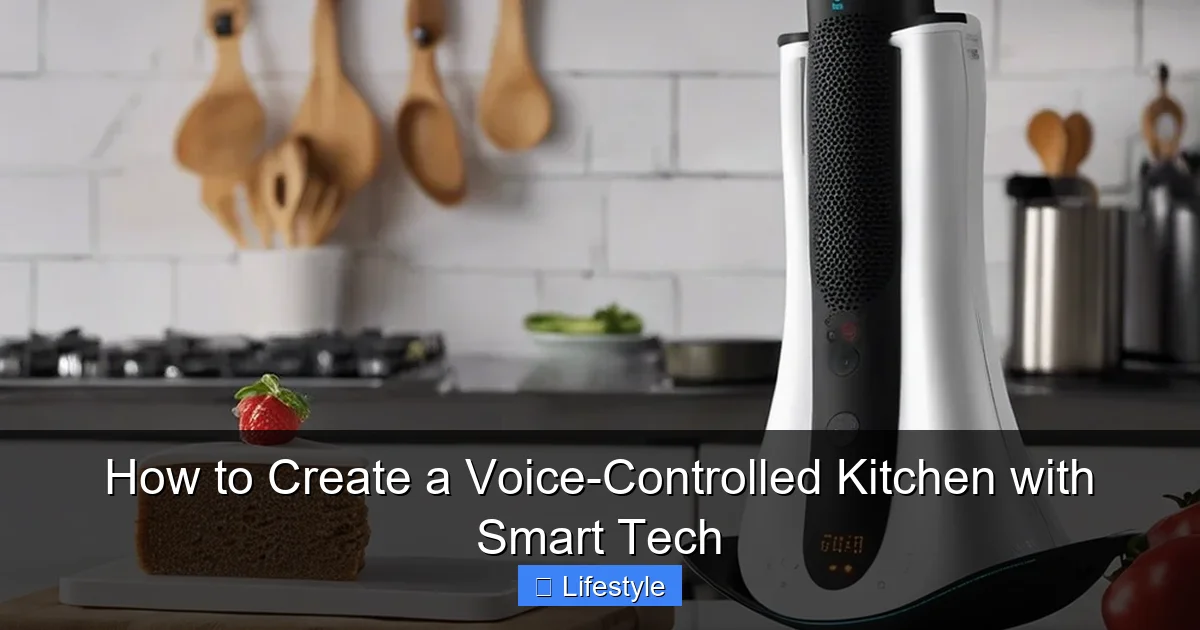
Featured image for this comprehensive guide about How to create a voice-controlled kitchen
Image source: glasgowtradespeople.co.uk
How to Create a Voice-Controlled Kitchen with Smart Tech
Imagine a kitchen that anticipates your needs, responds to your commands, and makes cooking, cleaning, and entertaining an absolute breeze. No more fumbling for switches with messy hands, no more guessing cooking times, and no more forgotten grocery items. This isn’t a scene from a futuristic sci-fi movie; it’s the reality of a voice-controlled kitchen, and it’s more accessible than you might think.
In our fast-paced lives, convenience and efficiency are paramount, and nowhere is this more true than in the heart of our homes: the kitchen. A smart, voice-activated kitchen transforms daily chores into seamless interactions, freeing up your hands and your mental energy. From preheating your oven with a simple phrase to adding items to your shopping list as you run out, the possibilities for automation are endless. It’s about bringing a new level of comfort, safety, and culinary enjoyment to your home.
This comprehensive guide will walk you through everything you need to know about designing and implementing your very own voice-controlled kitchen. We’ll explore the essential devices, the benefits, and practical steps to integrate smart technology seamlessly into your culinary space. Get ready to embrace the future of cooking and home management!
Quick Answers to Common Questions
Why would I want a voice-controlled kitchen?
A voice-controlled kitchen brings unparalleled convenience, allowing you to manage tasks hands-free while cooking or cleaning. Imagine setting timers, adjusting lights, or adding to your shopping list with just your voice!
What essential smart devices do I need to start building a voice-controlled kitchen?
You’ll primarily need a smart speaker (like Amazon Echo or Google Home) as your central hub, along with smart plugs, smart lighting, and compatible kitchen appliances. These form the basic building blocks for your voice-controlled kitchen.
Is it complicated to set up a voice-controlled kitchen?
Not at all! Most modern smart devices are designed for easy, step-by-step setup using their companion apps. It’s more straightforward than you might think to get your voice-controlled kitchen up and running.
What are some practical things I can do with a voice-controlled kitchen?
You can hands-free set multiple timers, add items to your shopping list, control smart lights, play music, or even preheat a smart oven. A voice-controlled kitchen truly streamlines daily culinary activities.
How much does it cost to create a voice-controlled kitchen?
The cost varies widely based on how many devices you integrate and their brands, but you can start affordably with a smart speaker and a few smart plugs. You can expand your voice-controlled kitchen gradually to fit any budget.
📋 Table of Contents
- Why a Voice-Controlled Kitchen is Your Next Smart Home Upgrade
- Essential Smart Hubs: The Brains of Your Voice-Controlled Kitchen
- Smart Appliances: The Workhorses of Your Connected Kitchen
- Beyond Appliances: Enhancing Your Voice-Controlled Kitchen Environment
- Setting Up Your Voice-Controlled Kitchen: A Step-by-Step Guide
- The Future of Your Voice-Controlled Kitchen and Smart Living
- Common Voice Commands for Your Smart Kitchen
- Conclusion: Embrace the Future of Culinary Convenience
Why a Voice-Controlled Kitchen is Your Next Smart Home Upgrade
The allure of a smart kitchen isn’t just about showing off the latest gadgets; it’s about fundamentally improving your daily life. The benefits extend far beyond simple convenience, touching upon efficiency, safety, and even your overall well-being. Let’s dive into why transforming your kitchen into a voice-controlled hub is a truly smart investment.

Learn more about How to create a voice-controlled kitchen – How to Create a Voice-Controlled Kitchen with Smart Tech
Image source: glasgowtradespeople.co.uk
Unmatched Convenience and Efficiency
Picture this: you’re kneading dough, hands covered in flour, and realize you forgot to set a timer for your rising bread. With a traditional kitchen, you’d have to clean your hands, grab your phone, or fumble with a separate timer. In a voice-controlled kitchen, a simple “Hey Google, set a timer for 30 minutes” solves the problem instantly. This hands-free operation is revolutionary for multitasking, allowing you to manage multiple cooking tasks simultaneously without interruption. It means less time spent on mundane tasks and more time enjoying the process, or simply relaxing.
| Essential Component | Key Voice Command Functionality | Estimated Cost & Setup Effort | Primary Lifestyle Benefit |
|---|---|---|---|
| Smart Speaker (Hub) | “Alexa, set a timer for 15 minutes.” “Hey Google, add milk to my shopping list.” “Play cooking playlist.” | $50 – $250 (Low effort for basic setup) | Centralized hands-free control, recipe guidance, entertainment, multi-tasking while cooking. |
| Smart Lighting | “Turn on kitchen lights.” “Dim lights to 50%.” “Change lights to warm white.” | $15 – $50 per bulb (Moderate effort for advanced scenes) | Customizable ambiance, energy efficiency, enhanced visibility for tasks, setting moods for dining. |
| Smart Plugs/Outlets | “Turn on coffee maker.” “Start slow cooker.” “Turn off toaster.” | $10 – $25 per plug (Very low effort) | Retrofit non-smart appliances, convenience for morning routines, improved safety by remote power off. |
| Voice-Enabled Appliances (e.g., Oven) | “Preheat oven to 375 degrees.” “Check oven status.” “Add 10 minutes to cooking time.” | $300 – $2000+ (High effort for appliance replacement) | Advanced cooking control, remote management, precise timing, hands-free operation while preparing food. |
| Smart Faucet | “Dispense 1 cup of water.” “Turn on water to 100 degrees.” “Fill pot with 2 quarts of water.” | $400 – $800 (Moderate to high effort for installation) | Hands-free hygiene, precise measurements for cooking/baking, temperature control, reducing water waste. |
- Hands-free operation: Keep your hands clean and focused on food prep.
- Multitasking mastery: Juggle multiple tasks with ease, from setting timers to playing music.
- Time-saving: Automate routines and commands, shaving precious minutes off your day.
Enhanced Safety and Accessibility
A smart kitchen significantly boosts safety. Imagine preventing a potential fire by verbally telling your smart oven to turn off when you step out of the room. Smart leak detectors can alert you to a dripping faucet before it becomes a major flood. For individuals with limited mobility or disabilities, a voice-controlled kitchen offers unparalleled accessibility, allowing them to operate appliances, adjust lighting, and manage their environment independently. This empowerment can dramatically improve quality of life.
- Reduced cross-contamination: No need to touch surfaces with raw meat on your hands.
- Immediate responses: Quickly turn off appliances or lights in emergencies.
- Accessibility: Empowers individuals with physical limitations to manage their kitchen.
Elevated Culinary Experience
Beyond the practicalities, a smart kitchen enhances the joy of cooking. Need to convert tablespoons to grams? Your voice assistant can do it instantly. Looking for a recipe for chicken stir-fry? Your smart display can pull it up and guide you step-by-step. You can curate the perfect cooking ambiance with voice-controlled lighting and music, transforming your kitchen into a more enjoyable and inspiring space. According to recent surveys, over 60% of smart home users believe smart technology saves them time, and a significant portion specifically cite improvements in their kitchen routines.
- Recipe assistance: Get step-by-step instructions, conversions, and ingredient lists on demand.
- Ambiance control: Adjust lighting and play music to set the perfect mood for cooking or dining.
- Personalized experience: Your kitchen learns your preferences and habits over time.
Essential Smart Hubs: The Brains of Your Voice-Controlled Kitchen
At the heart of every truly voice-controlled kitchen lies a central hub – a digital assistant that acts as the brain, listening to your commands and orchestrating your connected devices. Choosing the right smart hub is crucial, as it dictates the ecosystem of compatible devices and the overall user experience. This decision will be the foundation of your entire smart home kitchen.
Learn more about How to create a voice-controlled kitchen – How to Create a Voice-Controlled Kitchen with Smart Tech
Image source: glasgowtradespeople.co.uk
Choosing Your Digital Assistant
The market is primarily dominated by a few key players, each with its strengths and weaknesses:
- Amazon Alexa (Echo devices): With a vast array of compatible devices and a massive skill library, Alexa is a popular choice for many. Echo Show devices, with their screens, are particularly useful in the kitchen for displaying recipes, video calls, or security camera feeds.
- Google Assistant (Nest Hubs): Known for its superior understanding of natural language and deep integration with Google services (like Calendar, Maps, and Search), Google Assistant is another powerful option. Nest Hubs also feature screens, making them excellent kitchen companions for visual information.
- Apple HomeKit (Siri via HomePod/HomePod Mini): For those deeply embedded in the Apple ecosystem, HomeKit offers strong privacy features and seamless integration with other Apple devices. While its device compatibility list is smaller, it’s known for its robust security.
When selecting your hub, consider which ecosystem you already use, your privacy preferences, and the range of devices you plan to integrate. Most devices today offer compatibility with at least two of these major platforms, but aligning with one primary **home assistant** simplifies setup and management.
Centralizing Control and Automations
Once you’ve chosen your smart hub, it becomes the central point for all your smart kitchen devices. Through its accompanying app, you can:
- Connect devices: Pair new smart appliances, smart plugs, and lighting with your hub.
- Create routines: This is where the magic of a voice-controlled kitchen truly shines. A routine is a series of actions triggered by a single voice command or a scheduled time. For example, saying “Good Morning Kitchen” could turn on the coffee maker (via a smart plug), brighten the kitchen lights, and play your morning news briefing.
- Monitor status: Check the status of your appliances – is the oven preheated? Is the dishwasher running? – all from your phone or by asking your voice assistant.
The ability to create custom routines and automations is what transforms a collection of smart devices into a truly integrated and intuitive smart kitchen. It allows you to tailor your kitchen’s response precisely to your lifestyle and preferences, making it a highly personal and efficient space.
Smart Appliances: The Workhorses of Your Connected Kitchen
No voice-controlled kitchen is complete without the appliances that do the heavy lifting. The market for smart appliances has exploded, offering everything from intelligent ovens to refrigerators that know what’s inside. These devices form the backbone of your automated kitchen, responding to your voice and working together to streamline your culinary tasks.
Smart Ovens and Cooktops
Imagine preheating your oven on your way home from work, so it’s ready the moment you walk through the door. Or telling your oven to cook a specific dish for a set time and temperature without ever touching a dial. Smart ovens offer features like:
- Remote preheating and control: Start, stop, and adjust temperatures from anywhere.
- Recipe integration: Some ovens can download specific cooking instructions directly from apps or voice commands.
- Self-cleaning activation: Initiate the cleaning cycle with your voice.
- Temperature probes: Monitor the internal temperature of your food and notify you when it’s done.
Similarly, smart cooktops can offer precise temperature control, remote monitoring, and even automatic shut-off features for enhanced safety, making them integral to a modern, voice-controlled kitchen.
Smart Refrigerators
More than just keeping your food cold, smart refrigerators are evolving into central kitchen command centers. While not directly voice-controlled in the same way as an oven, they often integrate with your chosen voice assistant via a built-in screen or app, offering features like:
- Inventory management: Internal cameras allow you to see what’s inside your fridge from your phone while at the grocery store.
- Expiration tracking: Get alerts before items spoil.
- Grocery list creation: Add items to your digital shopping list with a voice command or directly on the fridge screen.
- Recipe suggestions: Based on available ingredients, your fridge might suggest meals.
A smart refrigerator can significantly reduce food waste and streamline your meal planning and shopping.
Smart Dishwashers and Microwaves
Even these everyday appliances are getting smarter:
- Smart Dishwashers: Remotely start cycles, monitor progress, and receive notifications when dishes are clean. Some can even order more detergent automatically.
- Smart Microwaves: Offer scan-to-cook technology (scanning barcodes on food for optimal cooking settings), voice control for cooking times, and integration with meal delivery services.
Smaller Smart Kitchen Gadgets and Smart Plugs
Don’t overlook the power of smaller gadgets and the humble **smart plug**. Many appliances that aren’t inherently “smart” can be made so with a simple **smart plug**.
- Smart coffee makers: Brew your morning coffee from bed.
- Smart blenders and air fryers: Activate and manage with voice commands.
- Smart plugs: These are game-changers. Connect any non-smart appliance (like an old coffee maker, slow cooker, or even a standing mixer) to a **smart plug**, and you can then control it with your voice assistant, turn it on/off remotely, or schedule its operation. This is an incredibly cost-effective way to expand the reach of your voice-controlled kitchen without replacing all your existing appliances.
Beyond Appliances: Enhancing Your Voice-Controlled Kitchen Environment
A truly immersive voice-controlled kitchen extends beyond just the major appliances. It encompasses the entire environment, from lighting and water to safety and monitoring. Integrating these elements creates a cohesive and highly functional smart home kitchen that responds to your every need, improving both convenience and peace of mind.
Smart Lighting for Ambiance and Functionality
Lighting plays a critical role in setting the mood and providing functional illumination in any kitchen. With smart lighting, you can:
- Adjust brightness and color temperature: Bright, cool white light for cooking and tasks; warm, dim light for dining and entertaining. All with a voice command.
- Create scenes and routines: Program a “Cooking Mode” that brightens all task lighting or a “Dinner Party” scene that dims the overheads and highlights accent lighting.
- Energy efficiency: Schedule lights to turn off automatically or dim when natural light is abundant, contributing to a more sustainable smart kitchen.
Popular brands like Philips Hue, Lutron, and LIFX integrate seamlessly with major voice assistants, offering a wide range of bulbs, light strips, and fixtures.
Smart Plugs and Outlets: Powering Up Anything
As mentioned before, smart plugs are invaluable. But beyond making non-smart appliances controllable, they offer a host of other benefits:
- Schedules and timers: Program your slow cooker to turn on at a specific time or your toaster oven to be ready when you wake up.
- Energy monitoring: Some smart plugs can track the energy consumption of connected devices, helping you identify energy vampires and save on electricity bills, a benefit that appeals to the growing segment of environmentally conscious consumers.
- Remote control: Forgot to turn off the blender? Do it from your phone, even when you’re not home.
Smart outlets take this a step further by building smart capabilities directly into your wall sockets, offering a cleaner, more integrated look.
Smart Faucets and Water Leak Sensors
Water management is another area where smart tech excels in the kitchen:
- Smart Faucets: Operate with a touch, a wave, or your voice. Ask for an exact measurement (e.g., “Alexa, dispense one cup of water”) for precise cooking or baking. Many also have temperature controls, preventing scalding or delivering the perfect temperature water on demand.
- Water Leak Sensors: Place these discreet sensors under your sink, near your dishwasher, or under your refrigerator. If they detect moisture, they’ll send an alert to your phone and/or voice assistant, potentially preventing costly water damage to your smart kitchen.
Smart Security and Monitoring
While often associated with entrances, integrating security features into your kitchen can provide added peace of mind:
- Indoor Cameras: Keep an eye on pets or children in the kitchen, or check if you left the stove on (if it’s a non-smart stove and you’re feeling paranoid).
- Smart Smoke and Carbon Monoxide Detectors: These devices not only alert you to dangers but can also notify your phone if you’re away, and often integrate with your smart hub to trigger other actions, like turning on lights to aid evacuation.
By extending smart home devices into these often-overlooked areas of the kitchen, you create a truly holistic and responsive environment that enhances both convenience and safety.
Setting Up Your Voice-Controlled Kitchen: A Step-by-Step Guide
Embarking on the journey to a voice-controlled kitchen might seem daunting, but by breaking it down into manageable steps, you’ll find it’s an exciting and rewarding endeavor. This guide provides an actionable roadmap to help you transform your culinary space.
Plan Your Ecosystem
Before you buy anything, take stock of your needs and preferences. Consider:
- Identify Your Needs: What are your biggest kitchen pain points? Do you want hands-free recipe guidance, better organization, or enhanced safety?
- Set a Budget: Smart tech ranges in price. Decide how much you’re willing to invest upfront and over time.
- Choose Your Primary Home Assistant: As discussed, this is a crucial decision. Stick with one ecosystem (Alexa, Google Assistant, or HomeKit) for seamless integration. You can always add devices from other ecosystems later if they offer cross-compatibility, but starting with a core choice simplifies things.
- Prioritize Devices: You don’t need to convert everything at once. Start with a smart speaker/display, a few smart plugs, and perhaps one smart appliance you use frequently. This phased approach makes the transition smoother and more affordable.
Install and Connect Devices
Once you have your plan and your first devices, it’s time to install them:
- Follow Manufacturer Instructions: Each device will come with specific setup instructions. Typically, this involves plugging it in, downloading its companion app, and connecting it to your home Wi-Fi network.
- Integrate with Your Smart Hub: Once a device is connected to Wi-Fi, open your chosen smart hub’s app (e.g., Alexa app, Google Home app) and follow the prompts to “Add Device.” Your hub will then discover and connect to the new smart appliance or gadget.
- Ensure Strong Wi-Fi: A stable and strong Wi-Fi signal is paramount for a responsive voice-controlled kitchen. If your kitchen is a dead zone, consider a mesh Wi-Fi system or a Wi-Fi extender.
Configure Routines and Scenes
This is where your smart kitchen truly comes alive. Routines allow you to automate multiple actions with a single command:
- “Good Morning Kitchen”: Turns on coffee maker (via smart plug), brightens lights to 50%, and plays the news.
- “Dinner Prep”: Turns on task lighting, preheats the smart oven to 375°F, and starts a cooking playlist.
- “Kitchen Cleanup”: Dims overhead lights, turns off all smart plugs, and plays relaxing music.
Experiment with different routines that fit your daily schedule and habits. The more custom routines you create, the more intuitive and helpful your voice-controlled kitchen becomes.
Test and Optimize
After setting up your devices and routines, spend some time testing everything. Identify any devices that aren’t responding correctly or voice commands that aren’t understood. Smart technology sometimes requires a bit of fine-tuning. Update device firmware regularly and ensure your smart hub’s software is current for optimal performance and security.
Prioritize Privacy and Security
As with any connected technology, security is paramount. Ensure your smart home devices are protected:
- Strong, Unique Passwords: Use complex passwords for your Wi-Fi network and all smart device accounts.
- Two-Factor Authentication (2FA): Enable 2FA wherever possible for an extra layer of security.
- Regular Updates: Keep all apps and device firmware updated to patch any security vulnerabilities.
- Understand Data Usage: Be aware of what data your devices collect and how it’s used. Review privacy settings regularly.
By following these steps, you’ll be well on your way to enjoying the unparalleled convenience and efficiency of a fully integrated voice-controlled kitchen.
The Future of Your Voice-Controlled Kitchen and Smart Living
The journey to a voice-controlled kitchen is not just about adopting current technologies; it’s about investing in a future where your home is increasingly intuitive, responsive, and seamlessly integrated into your lifestyle. The pace of innovation in smart home technology suggests even more exciting possibilities on the horizon.
AI and Machine Learning Integration
Expect your kitchen to become even smarter through advanced artificial intelligence and machine learning. Imagine a kitchen that:
- Predicts your needs: Based on your past habits, your smart fridge might suggest a grocery list, or your oven might recommend a recipe after scanning the ingredients you’ve just placed inside.
- Personalized experiences: Your voice assistant could learn your specific cooking preferences and dietary restrictions, offering tailored advice and adapting routines to your evolving lifestyle.
- Proactive maintenance: Appliances could self-diagnose issues and schedule service appointments before you even notice a problem.
This predictive capability will elevate the smart kitchen from reactive to proactive, providing an unprecedented level of convenience.
Energy Efficiency and Sustainability
As environmental concerns grow, smart kitchen technology will play an increasingly vital role in promoting sustainability. Future advancements will focus on:
- Optimized energy consumption: Appliances will learn peak and off-peak energy times, automatically running cycles when electricity is cheapest and most sustainably sourced.
- Waste reduction: Enhanced inventory management in smart fridges, coupled with AI-driven recipe suggestions, will further minimize food waste.
- Water conservation: Smart faucets and leak detectors will become even more sophisticated, providing detailed usage reports and identifying inefficiencies.
These features not only save money but also contribute to a greener planet, making your voice-controlled kitchen a hub of responsible living. Data from the Environmental Protection Agency shows that smart home devices can contribute to significant energy savings, a trend set to grow as integration becomes more sophisticated.
Seamless Integration with the Whole Smart Home
Your voice-controlled kitchen won’t exist in isolation. It will become an even more central component of your entire smart home ecosystem. Picture scenarios where:
- Your kitchen smart display shows who’s at the front door while you’re cooking.
- Your smoke detector alerts not only your phone but also automatically unlocks smart doors and turns on emergency lighting.
- A routine for “leaving home” secures the entire house, including turning off all kitchen appliances and locking the back door.
This holistic integration will create a truly unified and intelligent living space, with the kitchen often acting as a command center for many household functions.
Overcoming Challenges
Of course, the future isn’t without its hurdles. Industry efforts are continually addressing:
- Interoperability: Ensuring devices from different manufacturers can communicate seamlessly is a constant goal.
- Cost: As technology matures, prices are expected to become even more accessible.
- Privacy and Security: Ongoing advancements in data encryption and user controls will enhance trust and protection.
Despite these challenges, the trajectory for the voice-controlled kitchen is clear: it’s becoming an indispensable part of modern living, promising unparalleled convenience, efficiency, and a touch of the extraordinary in your everyday routines.
Common Voice Commands for Your Smart Kitchen
To give you a glimpse into the everyday magic of a voice-controlled kitchen, here’s a table of common commands you might use:
| Category | Example Voice Command | Smart Device Action |
|---|---|---|
| Oven/Cooking | “Hey [Assistant], preheat the oven to 400 degrees.” | Smart Oven starts preheating. |
| Oven/Cooking | “Hey [Assistant], turn off the oven.” | Smart Oven powers down. |
| Timers | “Hey [Assistant], set a 15-minute timer.” | Voice assistant starts a countdown timer. |
| Shopping List | “Hey [Assistant], add milk to my shopping list.” | Item is added to your digital list. |
| Lighting | “Hey [Assistant], turn on kitchen lights.” | Smart Lights illuminate the kitchen. |
| Lighting | “Hey [Assistant], dim kitchen lights to 30%.” | Smart Lights adjust brightness. |
| Music/Entertainment | “Hey [Assistant], play my cooking playlist.” | Smart speaker/display starts music. |
| Information | “Hey [Assistant], how many ounces are in a cup?” | Voice assistant provides unit conversion. |
| Small Appliances | “Hey [Assistant], turn on the coffee maker.” | Smart Plug (connected to coffee maker) powers on. |
| Faucets | “Hey [Assistant], dispense two cups of water.” | Smart Faucet dispenses precise amount of water. |
Conclusion: Embrace the Future of Culinary Convenience
Transforming your kitchen into a voice-controlled kitchen is more than just adopting new gadgets; it’s about upgrading your lifestyle. It’s about reclaiming time, enhancing safety, and injecting a new level of enjoyment into your daily routines. From the unparalleled convenience of hands-free operation to the peace of mind offered by smart safety features, the benefits are clear and compelling. You’ve learned about the essential hubs that power these intelligent spaces, the smart appliances that form their backbone, and the environmental enhancements that complete the picture, making your kitchen not just smart, but truly intuitive.
The journey to a smart kitchen doesn’t have to be overwhelming. By starting with a clear plan, choosing your core ecosystem, and gradually integrating devices that address your specific needs, you can create a personalized culinary haven that truly works for you. Whether it’s through **smart plugs** breathing new life into old appliances or cutting-edge smart ovens responding to your every command, the future of cooking is here, and it’s listening.
So, why wait? Take the first step towards a more efficient, enjoyable, and futuristic home. Start planning your very own voice-controlled kitchen today and discover the incredible difference smart technology can make in the heart of your home. Your kitchen, and your life, will thank you for it.
Frequently Asked Questions
What exactly is a voice-controlled kitchen?
A voice-controlled kitchen is a modern culinary space where you can manage various appliances and tasks using simple voice commands. It integrates smart devices and technology to enhance convenience, efficiency, and safety while cooking or performing kitchen chores.
What smart devices are essential to create a voice-controlled kitchen?
To create a voice-controlled kitchen, you’ll primarily need a smart speaker (like Amazon Echo or Google Nest Hub) as your central command unit. Additionally, smart plugs, compatible smart appliances (e.g., ovens, coffee makers), and smart lighting can be integrated to expand its functionality.
Is setting up a voice-controlled kitchen an expensive endeavor?
The cost of creating a voice-controlled kitchen can vary significantly depending on your desired level of automation and the number of smart devices you wish to integrate. You can start with budget-friendly options like smart plugs and a single smart speaker, or invest more in high-end smart appliances for a fully connected experience.
How difficult is it to set up a voice-controlled kitchen system?
Setting up a basic voice-controlled kitchen can be surprisingly straightforward, often involving just plugging in devices and connecting them to your home Wi-Fi via an app. More complex setups with numerous integrated smart tech devices might require a bit more time and configuration, but most modern smart home ecosystems are designed for user-friendly installation.
What are the main benefits of having a voice-controlled kitchen?
The primary benefits of a voice-controlled kitchen include unparalleled convenience, allowing for hands-free multitasking while cooking or cleaning. It also enhances safety by enabling quick commands like “turn off the oven” and can boost efficiency by automating routine tasks, making your kitchen experience smoother and more enjoyable.
Can I integrate my existing “dumb” appliances into a voice-controlled kitchen setup?
Yes, many existing “dumb” appliances that simply plug into a wall outlet can be integrated into a voice-controlled kitchen setup using smart plugs. These plugs allow you to turn the appliance on or off with your voice, effectively giving older devices smart capabilities without needing to replace them.