
Featured image for this comprehensive guide about How to create a zero-waste kitchen
Image source: everydayhomeandgarden.com
The average household kitchen, bustling with activity, is often a hidden hub of waste. From plastic packaging and food scraps to disposable cleaning supplies, the environmental footprint can be significant. But what if your kitchen could be a beacon of sustainability, a place where waste is minimal, resources are valued, and your impact on the planet is dramatically reduced? Welcome to the world of the zero-waste kitchen.
Creating a zero-waste kitchen isn’t about perfection; it’s about conscious choices and a journey towards greater sustainability. It’s a powerful step you can take right in your own home to combat climate change, reduce plastic pollution, and even save money in the long run. Imagine a kitchen free from single-use plastics, where food waste is a rarity, and every item serves a purpose beyond a quick disposal.
This comprehensive guide will walk you through everything you need to know to transform your culinary space into a lean, green, waste-reducing machine. We’ll explore practical tips, smart swaps, and actionable strategies that empower you to make a tangible difference, one conscious choice at a time. Get ready to embark on an exciting adventure towards a more sustainable and fulfilling kitchen experience!
Quick Answers to Common Questions
Where do I even begin with a zero-waste kitchen?
Start small and simple! Focus on using what you already have and identifying your biggest waste culprits first to kickstart your zero-waste kitchen journey.
Is creating a zero-waste kitchen going to break the bank?
Not at all! Many aspects of a zero-waste kitchen involve using less, reusing more, and making smart choices, which can actually save you money over time by reducing purchases.
What’s the easiest swap I can make in my kitchen today?
Ditch single-use plastic wrap or foil for reusable food covers, beeswax wraps, or glass containers you likely already own. It’s a quick, impactful step towards a zero-waste kitchen.
How do I deal with food scraps in a zero-waste kitchen?
Composting is your best friend! Whether it’s a backyard composter, a local food waste collection, or even a countertop worm bin, diverting food scraps is key to a zero-waste kitchen.
Do I need to buy a bunch of special new products for a zero-waste kitchen?
Absolutely not! The core of a zero-waste kitchen is about making the most of what you already own and choosing reusable, durable items only when replacements are truly needed.
📋 Table of Contents
- The Mindset Shift: Understanding and Committing to a Zero-Waste Kitchen
- Decluttering and Optimizing Your Kitchen Space
- Smart Shopping Strategies for a Sustainable Kitchen
- Mastering Food Waste: Storage, Cooking, and Composting
- Eco-Friendly Cleaning and Maintenance for a Zero-Waste Kitchen
- Beyond the Basics: Continuous Improvement and Community
- Conclusion: Your Zero-Waste Kitchen Journey Starts Today
The Mindset Shift: Understanding and Committing to a Zero-Waste Kitchen
Before diving into practical changes, the most crucial step in creating a zero-waste kitchen is a shift in mindset. It’s about adopting a philosophy of conscious consumption, recognizing the value in every resource, and understanding the impact of our everyday choices. This isn’t about deprivation; it’s about thoughtful living.

Learn more about How to create a zero-waste kitchen – How to Create a Zero-Waste Kitchen: The Ultimate Guide
Image source: yourguardianchef.com
Why Go Zero-Waste in the Kitchen? The Impact of Our Habits
The statistics are stark, highlighting the urgency of adopting more sustainable practices:
| Kitchen Area/Action | Traditional (Wasteful) | Zero-Waste Alternative | Impact/Benefit |
|---|---|---|---|
| Grocery Shopping | Packaged goods, single-use plastic bags, produce bags. | Bulk bins with reusable containers, cloth produce bags, farmer’s markets. | Reduces plastic waste by up to 80%, supports local economies. |
| Food Storage | Plastic wrap, zip-top bags, aluminum foil. | Glass containers, beeswax wraps, silicone bags, reusable cloth covers. | Eliminates single-use plastics, keeps food fresher longer, non-toxic. |
| Food Waste Management | Food scraps in general trash. | Composting (home or community), making stock from scraps, meal planning. | Diverts up to 30% of household waste from landfills, creates nutrient-rich soil. |
| Kitchen Cleaning | Disposable wipes, paper towels, plastic-bottled cleaners. | Reusable cloth rags, DIY cleaners (vinegar/baking soda), refillable products. | Saves money, reduces plastic packaging and landfill waste, avoids harsh chemicals. |
| Hydration & Daily Use | Bottled water, single-use coffee pods. | Reusable water bottles/filters, coffee presses/refillable pods. | Significant reduction in plastic bottle and pod waste, long-term cost savings. |
- Food Waste: According to the U.S. Department of Agriculture (USDA), between 30-40% of the food supply in the United States goes to waste. This equates to approximately 133 billion pounds and $161 billion worth of food each year. Globally, one-third of all food produced for human consumption is lost or wasted.
- Plastic Pollution: Kitchens are notorious for plastic packaging. Globally, we produce over 380 million tons of plastic every year, and a significant portion of this is single-use and ends up in landfills or polluting our oceans, where it can take hundreds of years to break down.
- Resource Depletion: Producing and transporting goods for our kitchens consumes vast amounts of energy, water, and other natural resources. By reducing waste, we reduce the demand for these resources.
By transforming your kitchen into a zero-waste kitchen, you’re not just making a personal choice; you’re contributing to a healthier planet, one mindful action at a time. You’ll also likely discover benefits for your wallet and your health as you gravitate towards fresh, unpackaged foods.
The 5 R’s: Your Guiding Principles for a Zero-Waste Kitchen
The foundational principles of zero waste are often summarized by the “5 R’s.” Keep these in mind as you navigate your zero-waste journey:
- Refuse: Say no to items you don’t need, especially single-use plastics like straws, plastic bags, coffee cups, or freebies. Prevention is always better than cure.
- Reduce: Minimize what you buy and consume. Prioritize needs over wants, opt for fewer, higher-quality items, and declutter your kitchen of unnecessary gadgets or duplicate items.
- Reuse: Choose reusable alternatives over disposables. This includes everything from reusable shopping bags and containers to coffee cups and water bottles. Give items a second life.
- Recycle: For items you can’t refuse, reduce, or reuse, ensure they are properly recycled according to local guidelines. This is a last resort, as recycling still consumes energy and resources.
- Rot (Compost): Turn organic waste (food scraps, yard waste) into nutrient-rich soil through composting. This diverts a significant portion of household waste from landfills, where it would otherwise produce harmful methane gas.
Decluttering and Optimizing Your Kitchen Space
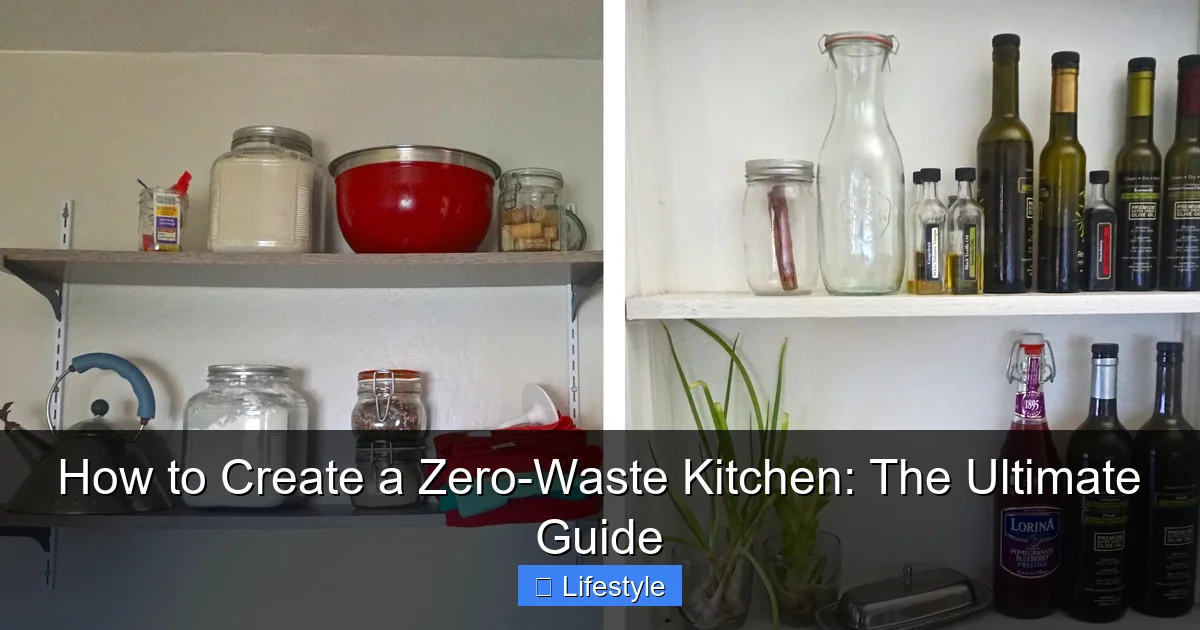
A truly zero-waste kitchen is an efficient, intentional space. Before you bring in new eco-friendly items, it’s essential to clear out the old, the unused, and the wasteful. This step not only makes room for your sustainable swaps but also helps you take stock of what you truly need.
Learn more about How to create a zero-waste kitchen – How to Create a Zero-Waste Kitchen: The Ultimate Guide
Image source: images.squarespace-cdn.com
Taming the Clutter Monster
Start by emptying out your cabinets and drawers. Be honest with yourself about what you use regularly. Ask these questions:
- Have I used this in the last year?
- Do I have duplicates of this item?
- Is this broken or beyond repair?
- Does this serve a real purpose in my daily cooking?
Donate functional items you no longer need, find new uses for old jars, and properly dispose of anything broken. A clear, organized space helps prevent over-purchasing and makes it easier to find and use what you have.
Essential Zero-Waste Tools and Thoughtful Replacements
Once you’ve decluttered, consider investing in some key items that will support your zero-waste kitchen efforts. Focus on quality, durability, and versatility. You don’t need to buy everything at once; replace items as they wear out or as you identify a need.
- Reusable Shopping Bags: A no-brainer! Keep several canvas or fabric bags by your door or in your car.
- Produce Bags: Mesh or fabric bags for fruits and vegetables, eliminating the need for single-use plastic bags in the produce aisle.
- Glass Jars and Stainless Steel Containers: These are gold for bulk shopping, food storage, leftovers, and even meal prep. They are durable, non-toxic, and can last a lifetime.
- Beeswax Wraps or Silicone Lids: Ditch the cling film! Beeswax wraps are reusable, breathable, and natural alternatives for covering bowls and wrapping food. Silicone lids stretch to fit various containers.
- Reusable Water Bottles and Coffee Cups: Essential for avoiding single-use plastics when you’re on the go.
- Sturdy Cloth Napkins and Dish Towels: Replace paper towels entirely. Keep a good stock and wash them regularly.
- Cast Iron Skillet or Stainless Steel Cookware: Durable, long-lasting alternatives to non-stick pans that often contain harmful chemicals and have a short lifespan.
- Wooden or Bamboo Utensils: Natural, biodegradable, and gentle on cookware.
- Compost Bin: An essential for managing organic waste. Options range from small countertop bins to larger outdoor tumblers or worm farms.
- Bulk Sprouting Jars: If you’re interested in growing your own sprouts, these are excellent.
Smart Shopping Strategies for a Sustainable Kitchen
The grocery store is often where most waste enters our kitchens. By adopting mindful shopping habits, you can significantly reduce your environmental footprint and truly embrace a zero-waste kitchen lifestyle.
Embracing Bulk Buying: Less Packaging, More Savings
One of the most impactful strategies for a zero-waste kitchen is buying in bulk. Many grocery stores now have bulk sections for grains, nuts, seeds, pasta, dried fruit, spices, oils, and even cleaning supplies.
- Bring Your Own Containers: Take your clean, empty glass jars, cloth bags, and containers to the store. Ask the cashier to ‘tare’ (weigh) your containers before you fill them, so you only pay for the product.
- Make a List and Stick to It: Meal planning helps prevent impulse purchases and ensures you only buy what you need, reducing food waste.
- Start Small: Don’t feel overwhelmed. Start with one or two items you use frequently, like oats or rice, and expand from there.
- Check for Bulk Liquid Options: Some stores offer bulk refills for olive oil, vinegar, soap, and shampoo.
Prioritizing Local and Seasonal Produce
Shopping at farmers’ markets or signing up for a Community Supported Agriculture (CSA) box offers numerous benefits for a zero-waste kitchen:
- Reduced Packaging: Often, produce comes loose, allowing you to use your reusable produce bags.
- Fresher Food: Local food travels shorter distances, meaning it’s fresher and often more nutritious.
- Support Local Economy: You directly support local farmers and businesses.
- Reduced Carbon Footprint: Less transportation means lower emissions.
- Eat Seasonally: Connect with the natural rhythms of food production and enjoy produce at its peak flavor.
Avoiding Problematic Packaging and Conscious Choices
When bulk or local options aren’t available, make conscious choices to minimize packaging:
- Choose Glass or Metal over Plastic: Opt for items packaged in glass jars or metal cans, which are more easily and widely recyclable than many plastics.
- Look for Minimal Packaging: Select items with the least amount of packaging. For example, choose a block of cheese wrapped in paper over pre-shredded cheese in a plastic bag.
- Buy Fresh, Unpackaged Goods: Prioritize fresh fruits, vegetables, and bakery items that can be placed directly into your reusable bags or containers.
- Ask Questions: Don’t be afraid to ask store managers about their sustainable packaging initiatives or if they plan to introduce bulk options. Consumer demand drives change.
Mastering Food Waste: Storage, Cooking, and Composting
Food waste is a major environmental issue, and tackling it is central to creating a truly zero-waste kitchen. By optimizing how you store, cook, and dispose of food, you can significantly reduce your environmental impact and even save money.
Smart Food Storage Solutions for Longevity
Proper storage is key to extending the life of your food and preventing spoilage:
- Know Your Zones: Understand which foods belong in the fridge, pantry, or freezer. For example, store potatoes and onions in a cool, dark place, not the fridge. Tomatoes actually taste better at room temperature.
- Air-Tight Containers: Use glass jars or stainless steel containers to store leftovers and opened packages. This keeps food fresh longer and prevents odors from spreading.
- Label and Date: Clearly label containers with the contents and date to ensure you eat older food first. The “first in, first out” principle is crucial.
- The “Eat Me First” Box: Designate a visible bin or shelf in your fridge for items that need to be eaten soon.
- Herbs and Greens: Store herbs upright in a jar of water (like flowers) in the fridge, covered loosely with a reusable bag. Wrap greens in a damp cloth inside a container.
- Freezing: Freeze excess produce, cooked meals, or even bread before it spoils. This is an excellent way to preserve food for later.
Creative Cooking to Use Everything
Embrace a “nose-to-tail” or “root-to-stem” approach to cooking in your zero-waste kitchen:
- Vegetable Scraps for Broth: Keep a bag of vegetable scraps (onion peels, carrot tops, celery ends, herb stems) in the freezer. Once full, simmer them with water for a homemade, flavorful vegetable broth.
- Stale Bread Revitalization: Turn stale bread into croutons, breadcrumbs, or French toast.
- Leafy Green Stems: Don’t discard the stems of broccoli, kale, or Swiss chard. Chop them finely and add them to stir-fries, soups, or even smoothies.
- Overripe Fruit: Use overripe fruit for smoothies, baked goods, sauces, or homemade jams.
- Leftover Makeovers: Transform leftovers into new meals. Roast chicken can become chicken salad, soup, or tacos.
- Batch Cooking: Cook larger quantities of staples like grains or beans and use them in different meals throughout the week.
The Power of Composting: Closing the Loop in Your Zero-Waste Kitchen
Composting is arguably the most impactful step you can take to reduce kitchen waste. Organic materials in landfills produce methane, a potent greenhouse gas. Composting, however, turns these scraps into nutrient-rich soil amendment, returning valuable resources to the earth. About 30-50% of typical household waste is organic and can be composted!
- What to Compost:
- Fruit and vegetable scraps (peels, cores, uneaten portions)
- Coffee grounds and tea bags (without staples)
- Eggshells (crushed)
- Plain pasta, rice, bread (in moderation)
- Nut shells
- Yard waste (leaves, grass clippings)
- Paper products (shredded newspaper, paper towels, cardboard, paper plates – if not contaminated with grease/food)
- What NOT to Compost (for home composters):
- Meat, bones, dairy products, oils, grease (attracts pests, creates odors)
- Diseased plants
- Pet waste (unless specifically designed for it)
- Treated wood
- Composting Methods:
- Countertop Bin: A small, sealed bin with a charcoal filter for collecting scraps before transferring them to a larger system.
- Backyard Pile/Bin: The simplest method, involving layering “greens” (nitrogen-rich: food scraps, grass clippings) and “browns” (carbon-rich: dry leaves, wood chips) and turning regularly.
- Compost Tumbler: A sealed barrel that makes turning easier and can speed up decomposition.
- Vermicomposting (Worm Bin): Using specific types of worms to break down food scraps, producing nutrient-rich “worm castings.” Great for small spaces or apartments.
- Municipal Composting: Check if your city offers curbside organic waste collection or community composting drop-off points.
Common Kitchen Scraps and Composting Suitability
This table provides a quick reference for common kitchen items and their composting suitability in a typical home composting setup:
| Kitchen Item | Composting Suitability | Notes |
|---|---|---|
| Fruit/Vegetable Scraps | Yes | Excellent “green” material. |
| Coffee Grounds/Filters | Yes | “Green” material, adds nitrogen. |
| Tea Bags (no staples) | Yes | “Green” material. |
| Eggshells | Yes | Adds calcium, crush for faster breakdown. |
| Bread/Pasta (plain) | Yes (in moderation) | “Green” material, avoid large quantities to prevent pests. |
| Meat/Bones/Dairy | No (home composting) | Attracts pests, creates odors. OK for industrial composting. |
| Oils/Grease | No | Attracts pests, can disrupt decomposition. |
| Paper Towels (clean) | Yes | “Brown” material, avoid if soiled with chemicals/grease. |
| Cardboard (uncoated) | Yes | “Brown” material, tear into small pieces. |
Eco-Friendly Cleaning and Maintenance for a Zero-Waste Kitchen
The cleaning supplies aisle is another area where a zero-waste kitchen can make a significant difference. Traditional cleaners often come in plastic bottles, contain harsh chemicals, and contribute to pollution. Shifting to eco-friendly and DIY alternatives is healthier for your home, your family, and the planet.
Ditching Disposable Cleaning Supplies
The first step is to replace disposables with reusables:
- Reusable Cleaning Cloths: Replace paper towels with microfiber cloths, old t-shirts, or purpose-made cleaning rags. Keep a good supply and wash them regularly.
- Durable Brushes and Sponges: Opt for brushes with natural bristles (wood, bamboo) and sponges made from cellulose or loofah that are biodegradable. Avoid plastic sponges that shed microplastics.
- Refillable Spray Bottles: Instead of buying new plastic bottles of cleaner, invest in durable glass or aluminum spray bottles that you can refill with your DIY solutions.
DIY and Natural Cleaners: Simple, Effective, and Waste-Free
Many effective cleaners can be made with simple, non-toxic ingredients you might already have in your zero-waste kitchen pantry:
- All-Purpose Cleaner: Mix equal parts white vinegar and water with a few drops of essential oil (like lemon or tea tree) for scent. This works wonders on countertops, sinks, and most surfaces. (Avoid on natural stone like marble, as vinegar is acidic).
- Baking Soda Scrubber: For tougher grime, sprinkle baking soda directly onto surfaces, add a little water to make a paste, and scrub. It’s a gentle abrasive and deodorizer.
- Lemon Power: Lemon juice is a natural degreaser and deodorizer. Use it to clean cutting boards, remove stains, or polish stainless steel.
- Castile Soap: A versatile, concentrated vegetable-based soap that can be diluted for dish soap, hand soap, or an all-purpose cleaner.
- Glass Cleaner: Mix 1 part white vinegar, 1 part water, and a drop of dish soap in a spray bottle. Wipe with a lint-free cloth or crumpled newspaper for streak-free windows and mirrors.
Sustainable Dishwashing Practices
Even dishwashing can be made more sustainable in your zero-waste kitchen:
- Dish Soap Bars: Replace liquid dish soap in plastic bottles with solid dish soap bars. Simply rub a wet brush or sponge on the bar to create suds.
- Plastic-Free Dish Brushes: Choose brushes with wooden handles and replaceable natural fiber heads.
- Dishwasher Pods/Powder: Opt for dishwasher detergents that come in cardboard boxes or dissolvable pods, avoiding plastic packaging.
- Run Full Loads: Whether handwashing or using a dishwasher, wait until you have a full load to conserve water and energy.
Beyond the Basics: Continuous Improvement and Community
Establishing a zero-waste kitchen is an ongoing journey, not a destination. Once you’ve mastered the fundamentals, there are always more steps you can take to deepen your commitment and expand your impact. This stage is about refining your practices, embracing DIY projects, and connecting with a wider community.
DIY Your Way to Less Waste
Making certain staples yourself can dramatically reduce packaging and often saves money. It’s a fulfilling way to further embrace your zero-waste kitchen ethos:
- Bake Your Own Bread: Ditch plastic-wrapped loaves. Baking bread from scratch only requires flour, water, yeast, and salt.
- Homemade Yogurt or Nut Milks: Making these at home eliminates plastic tubs and cartons.
- Fermented Foods: Try making sauerkraut, kimchi, or kombucha. This extends the life of produce and introduces beneficial probiotics.
- Snacks: Make your own granola bars, crackers, or energy bites to avoid individually packaged snacks.
- Cleaning Products & Personal Care: Expand your DIY efforts beyond basic cleaning to include laundry detergent, hand soap, or even toothpaste.
Upcycling and Repurposing in Your Kitchen
Before discarding anything, consider if it can have a second life:
- Glass Jars: Excellent for storing pantry staples, leftovers, DIY cleaning solutions, or even as drinking glasses.
- Old T-shirts/Towels: Cut them into cleaning rags, dusting cloths, or even makeshift produce bags.
- Food Scraps: Beyond composting, some scraps can be regrown! Re-grow spring onions, celery, or lettuce from their bases in a shallow dish of water.
Sharing and Swapping Resources
Community is a powerful tool in waste reduction:
- Share Excess Food: If you have an abundance of garden produce or bulk items, share with neighbors, friends, or local food banks.
- Borrow or Lend: Instead of buying a specialized kitchen gadget you’ll only use once, consider borrowing it from a friend or neighbor, or lending yours out.
- Local Buy Nothing Groups: Join local “Buy Nothing” or “Freecycle” groups online to give away items you no longer need and find items you do, completely for free.
Join the Movement: Local Groups and Online Communities
Connecting with like-minded individuals can provide inspiration, support, and practical advice:
- Local Zero-Waste Groups: Search for local meetups, workshops, or community events focused on sustainable living.
- Online Forums and Social Media: Platforms like Reddit, Facebook groups, or Instagram can connect you with a global community sharing tips, tricks, and motivation for a zero-waste kitchen and lifestyle.
- Follow Zero-Waste Bloggers: Many individuals share their journey and insights, providing a wealth of information and inspiration.
Remember, every small step makes a difference. Your zero-waste kitchen is a dynamic space that evolves with your habits and knowledge. Be patient with yourself, celebrate your progress, and continue to learn and adapt.
Conclusion: Your Zero-Waste Kitchen Journey Starts Today
Embarking on the journey to create a zero-waste kitchen might seem daunting at first, but it’s a deeply rewarding endeavor. By shifting your mindset, decluttering your space, making smarter shopping choices, mastering food waste, and adopting eco-friendly cleaning practices, you’re not just organizing a room; you’re cultivating a lifestyle of intentionality, responsibility, and sustainability.
The benefits extend far beyond your pantry and fridge. You’ll likely discover improved health from fresh, whole foods, savings in your budget from reduced impulse buys and DIY solutions, and the profound satisfaction of knowing you are making a positive impact on the environment. Your zero-waste kitchen becomes a personal statement against rampant consumerism and a commitment to a healthier planet.
Start small, choose one or two areas to focus on first, and gradually build your habits. Every reusable bag, every composted food scrap, every DIY cleaning solution contributes to a more sustainable future. The ultimate guide to creating a zero-waste kitchen is an invitation to transform not just your space, but your relationship with food, resources, and the world around you. Let your journey begin today!
Frequently Asked Questions
What’s the best way to start creating a zero-waste kitchen if I’m a beginner?
Begin by conducting a quick audit of your current kitchen habits and identifying one or two areas where you generate the most waste. Focus on making small, manageable changes first, like swapping out paper towels for reusable cloths or bringing your own bags to the grocery store.
What are the most crucial items or swaps for a zero-waste kitchen?
Focus on essential reusables like cloth bags for shopping, reusable produce bags, and durable containers for food storage. Other key swaps include ditching single-use plastic wrap for beeswax wraps or silicone lids, and replacing paper towels with washable kitchen cloths.
How can I effectively reduce food waste in my zero-waste kitchen?
Effective food waste reduction involves careful meal planning, proper food storage to extend shelf life, and utilizing all parts of your ingredients. Consider starting a composting system for unavoidable food scraps, which diverts organic material from landfills and creates nutrient-rich soil.
Is it expensive to transition to a zero-waste kitchen?
While some initial investments in durable, reusable items might seem costly upfront, a zero-waste kitchen often leads to long-term savings by reducing recurring purchases of disposable products. Focus on using what you already have, DIY solutions, and making conscious purchases over time rather than a complete overhaul.
What are some zero-waste alternatives for kitchen cleaning supplies?
Many zero-waste cleaning solutions can be made with simple, natural ingredients like vinegar, baking soda, and essential oils, effectively replacing multiple conventional cleaners. Look for refill stations for dish soap and all-purpose cleaners, or opt for solid dish soap bars and reusable scrubbing brushes.
How do I approach grocery shopping when creating a zero-waste kitchen?
Prioritize shopping at bulk stores, farmers’ markets, or stores that offer package-free options, bringing your own reusable bags, jars, and containers. Plan your meals ahead to create a shopping list, which helps avoid impulse buys and reduces the likelihood of food waste.