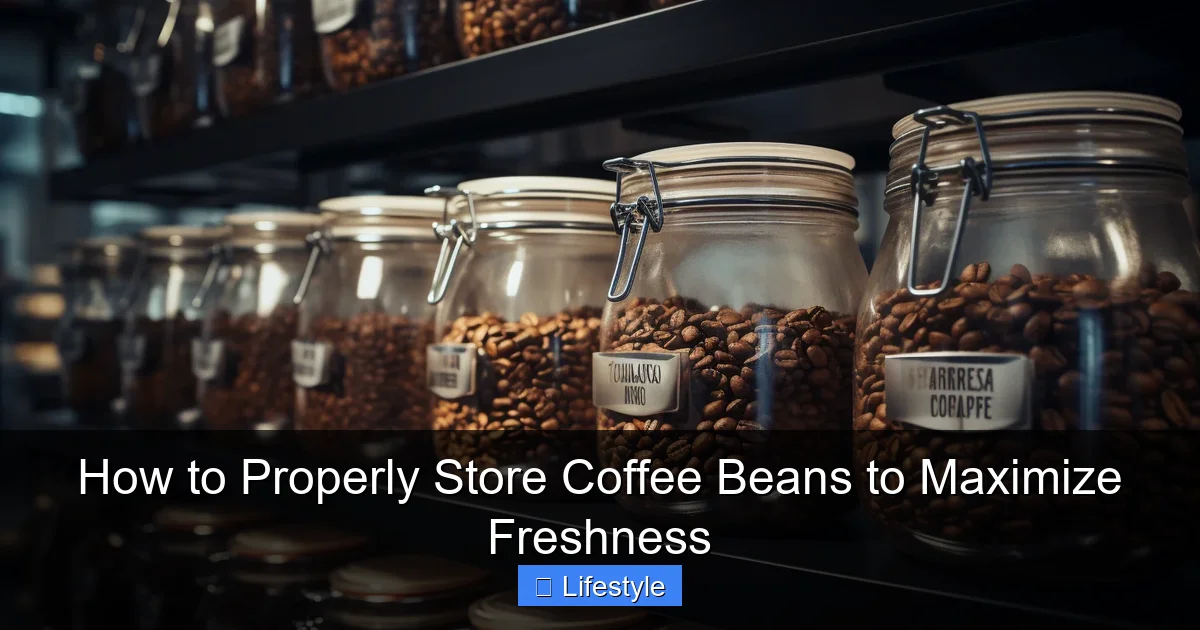
Featured image for this comprehensive guide about How to properly store coffee beans
Image source: blog.jporganiccoffee.com
Ah, the unmistakable aroma of freshly brewed coffee. It’s a symphony for the senses, a ritual, and for many, the very essence of a good morning. But what happens when that invigorating scent starts to fade, replaced by something less vibrant, less enticing? The culprit, more often than not, isn’t your brewing technique or the coffee itself, but how it’s been stored.
You invest time and money in selecting the perfect roast, perhaps from an artisan roaster or a specialty store, only to have its intricate flavors diminish prematurely. The difference between a truly exceptional cup and a merely “okay” one often boils down to one critical factor: how you properly store coffee beans. Just like fine wine or delicate produce, coffee beans are perishable, constantly battling environmental factors that chip away at their peak freshness. Understanding these enemies and implementing strategic storage solutions is paramount to enjoying your coffee to its fullest potential.
This comprehensive guide will unlock the secrets to preserving your coffee’s exquisite flavor profile and aroma for as long as possible. We’ll delve into the science behind staling, explore the best containers and environments, debunk common myths, and equip you with actionable tips to ensure every cup you brew is as rich and satisfying as the first. Get ready to transform your coffee experience by mastering the art of how to store coffee beans correctly.
Quick Answers to Common Questions
What’s the biggest enemy of fresh coffee beans?
Oxygen, light, heat, and moisture are the archenemies of your precious **coffee beans**. Keeping them away from these elements is crucial to preserve their flavor.
What kind of container is best for storing coffee beans?
An opaque, airtight container is your best friend. Look for ceramic or non-reactive metal canisters with a good seal to protect your **coffee beans**.
Should I put my coffee beans in the fridge or freezer?
Generally, avoid the fridge as it introduces moisture and odors. The freezer *can* work for long-term storage of large, unopened batches of **coffee beans**, but avoid frequent thawing and refreezing.
Where’s the ideal spot in my kitchen to store coffee beans?
A cool, dark pantry or cupboard, away from direct sunlight and heat sources like ovens, is perfect. This helps maintain the quality of your **coffee beans**.
Can I just keep them in the bag they came in?
If it’s a high-quality, resealable bag with a one-way valve, it’s a good start! However, for optimal freshness, transferring your **coffee beans** to an additional airtight container is even better.
📋 Table of Contents
- The Four Horsemen of Stale Coffee: Understanding the Enemies of Freshness
- The Golden Rules for Peak Coffee Freshness
- Choosing Your Coffee’s Sanctuary: The Best Storage Containers
- The Ideal Home for Your Beans: Environment and Location
- The Freezer Fiasco: When to Freeze Coffee Beans (and How)
- Common Storage Mistakes to Avoid & Pro Tips for Longevity
- Impact of Storage Factors on Coffee Freshness
- Conclusion: Elevate Your Brew by Mastering Coffee Storage
The Four Horsemen of Stale Coffee: Understanding the Enemies of Freshness
Before we dive into the “how,” it’s crucial to understand the “why.” Coffee beans, despite their robust appearance, are delicate. Their flavor and aroma compounds are highly susceptible to degradation when exposed to certain environmental factors. Think of it as a relentless attack on your coffee’s soul. To properly store coffee beans, you must first know your adversaries.

Learn more about How to properly store coffee beans – How to Properly Store Coffee Beans to Maximize Freshness
Image source: tencoffees.com
Oxygen: The Invisible Flavor Thief
Oxygen is the primary culprit behind coffee staling. When roasted coffee beans come into contact with oxygen, a process called oxidation begins. The volatile oils and aromatic compounds that give coffee its complex flavor undergo chemical changes, breaking down and turning rancid over time. This leads to a flat, cardboard-like taste and a significant loss of those cherished notes—floral, fruity, nutty, chocolaty. Even small amounts of air can rapidly accelerate this process, making airtight storage non-negotiable if you want to maximize coffee freshness.
| Storage Element | Impact on Freshness | Best Practice | Reason/Benefit |
|---|---|---|---|
| Oxygen/Air | Rapid oxidation of oils, staling, loss of delicate aromas. | Airtight container (e.g., vacuum-sealed, opaque canister with one-way valve). | Prevents oxidation, preserves volatile compounds, extends freshness by 2-3 weeks. |
| Light (UV Rays) | Degrades coffee oils, breaks down flavor compounds, leading to “skunky” tastes. | Store in opaque container, placed in a dark cupboard or pantry. | Protects delicate oils from degradation, maintains flavor integrity and aroma. |
| Moisture/Humidity | Beans absorb moisture, becoming stale, losing crispness and flavor. Risk of mold. | Keep in a dry environment, away from steam (e.g., stove, sink, dishwasher). | Prevents flavor dilution and deterioration; crucial for preserving roasted coffee’s structure. |
| Temperature (Fluctuations) | Heat accelerates staling; fluctuating temperatures cause condensation inside containers. | Cool, stable room temperature (e.g., 68-75°F / 20-24°C). Avoid fridge for short-term. | Minimizes chemical reactions; avoids condensation that introduces moisture and freezer burn. |
Light: The Silent Degrader
Just as sunlight can damage skin or fade fabrics, it’s detrimental to your coffee beans. Both natural sunlight and artificial light, especially UV rays, accelerate the breakdown of coffee’s aromatic compounds and oils. This light exposure doesn’t just make your coffee stale; it can introduce undesirable flavors and aromas, further degrading the quality of your brew. This is why you rarely see premium coffee sold in clear packaging and why opaque containers are essential to properly store coffee beans.
Heat: The Accelerator of Staling
Temperature plays a significant role in the rate of chemical reactions. Higher temperatures accelerate the oxidation process and the breakdown of delicate flavor compounds in coffee beans. Storing coffee near heat sources like ovens, stovetops, or even in direct sunlight on a countertop will drastically shorten its shelf life. Consistent, cool temperatures are vital to slow down these detrimental reactions and maintain the integrity of the beans, ensuring you can preserve coffee flavor for longer.
Moisture: The Enemy of Aroma and Structural Integrity
Coffee beans are hygroscopic, meaning they readily absorb moisture and odors from their environment. Excess moisture can dilute the flavor compounds, leading to a weaker, less aromatic brew. Even worse, it can promote mold growth, rendering your coffee unsafe for consumption. Moreover, if beans absorb moisture and then dry out, their internal structure can be compromised, leading to uneven grinding and extraction. Keeping your beans in a dry environment is critical to store coffee beans properly and maintain their quality.
The Golden Rules for Peak Coffee Freshness
Now that you understand what harms your coffee, let’s explore the fundamental principles that form the bedrock of excellent coffee storage. Adhering to these “golden rules” will significantly extend the life and vibrancy of your precious beans.

Learn more about How to properly store coffee beans – How to Properly Store Coffee Beans to Maximize Freshness
Image source: yasumicoffee.com
Rule #1: Whole Beans Reign Supreme – Grind Just Before Brewing
This is arguably the most important rule for anyone serious about coffee quality. Whole coffee beans, with their protective outer shell, act as tiny, self-contained flavor capsules. Once ground, the surface area exposed to oxygen increases exponentially—by thousands of times! This massive increase in exposure means that ground coffee begins to stale almost immediately, losing its volatile aromas and flavors at an alarming rate. Research suggests that ground coffee can lose up to 60% of its aromatic compounds within 15-30 minutes of grinding.
- Actionable Tip: Invest in a good burr grinder (blade grinders are a no-go for quality). Only grind the amount of coffee you intend to brew right before you start the brewing process. This simple habit will dramatically improve your coffee experience.
Rule #2: Buy Smart, Buy Small – Freshness Has a Short Window
Even with perfect storage, coffee beans have a peak flavor window. Most roasters recommend consuming beans within 2-4 weeks of their roast date for optimal flavor. After this, while still drinkable, the flavors will gradually diminish. Buying large quantities of beans, even if they’re on sale, often leads to stale coffee if you can’t consume them quickly enough.
- Actionable Tip: Purchase smaller batches of coffee more frequently. Aim to buy enough to last you 1-2 weeks at a time. This ensures you’re always working with relatively fresh beans and allows you to explore different origins and roasts without commitment.
Rule #3: Original Packaging vs. Your Container – When to Transfer
Many specialty coffee bags are designed with storage in mind, often featuring one-way degassing valves and resealable zippers. These valves allow the carbon dioxide (a natural byproduct of roasting) to escape without letting oxygen in, which is crucial for the first few days post-roast. However, not all coffee bags are created equal.
- One-Way Valve Bags: If your coffee comes in a high-quality, opaque bag with a one-way valve and a sturdy seal, it’s often best to keep the beans in their original packaging, ensuring it’s sealed tightly after each use.
- Standard or Clear Bags: If the packaging is flimsy, transparent, or lacks a one-way valve, immediately transfer your beans to a dedicated, airtight, opaque storage container (which we’ll discuss next) to properly store coffee beans.
Choosing Your Coffee’s Sanctuary: The Best Storage Containers
The container you choose is your coffee’s first line of defense against the elements. Selecting the right one is paramount to maintaining freshness. Here’s what to look for when choosing the best way to store coffee beans.
Airtight is Non-Negotiable: Sealing Out Oxidation
An effective coffee container must create an airtight seal to prevent oxygen from reaching your beans. Look for features like:
- Silicone Gaskets: These create a tight seal between the lid and the container body, preventing air ingress.
- Clasp Locks or Vacuum Seals: Some containers use robust clasps to press the lid down firmly, while others offer a pump mechanism to create a vacuum, actively removing air.
- Latching Mechanisms: Ensure the latch is strong and durable, designed for repeated opening and closing without losing its sealing integrity.
Many containers claim to be “airtight,” but true airtightness is key. A simple screw-top jar, for instance, might not be as effective as one with a robust gasket and clamp system.
Opaque for Optimum Protection: Blocking Out Light
As discussed, light degrades coffee quickly. Therefore, your storage container must be opaque. This means no clear glass jars, no transparent plastic bins, and certainly no storing beans out in the open in their clear retail bags. The best materials for this purpose are:
- Ceramic: Heavy, often stylish, and completely opaque.
- Stainless Steel: Durable, non-reactive, and provides excellent light protection.
- Tinted Glass: While not as ideal as fully opaque options, very dark, amber, or cobalt blue glass can offer some light protection if placed in a dark cupboard. However, completely opaque is always superior.
Aim for a container that completely blocks out any light from reaching the beans.
The One-Way Valve Advantage: Degassing with Protection
Freshly roasted coffee beans release carbon dioxide gas (a process called degassing) for several days after roasting. If this gas can’t escape, it can cause bags to burst or affect flavor by creating an overly pressurized environment. A container with a one-way valve allows this CO2 to exit without letting oxygen in. This feature is particularly beneficial for beans consumed within the first week or two post-roast.
- Actionable Tip: Look for specialized coffee canisters that incorporate these one-way valves. They represent an excellent investment for dedicated coffee enthusiasts.
Material Matters: Ensuring Non-Reactivity
The material of your container shouldn’t react with the coffee or impart any unwanted flavors. Stainless steel and ceramic are excellent choices because they are inert. Some plastics can absorb odors or leach chemicals, so if opting for plastic, ensure it is food-grade, BPA-free, and ideally, designed specifically for coffee storage.
Summary of Ideal Container Features:
- Airtight Seal: Crucial to keep oxygen out.
- Opaque Body: Protects from light degradation.
- One-Way Degassing Valve (Optional but Recommended): Allows CO2 to escape.
- Non-Reactive Material: Stainless steel, ceramic, or food-grade plastic.
- Appropriate Size: Choose a container that’s just big enough for your usual batch of beans to minimize air space.
The Ideal Home for Your Beans: Environment and Location
Beyond the container, the environment in which you store your coffee beans is equally critical. You can have the best container in the world, but if it’s placed in a hostile environment, your coffee will still suffer. To truly properly store coffee beans, consider these environmental factors:
Cool and Consistent Temperature: Stability is Key
As established, heat accelerates staling. Coffee beans thrive in a cool, stable temperature environment. This doesn’t mean “cold” (we’ll address the freezer later) but rather room temperature, ideally between 60-75°F (15-24°C). The key is consistency; avoid locations where temperatures fluctuate wildly throughout the day or night. Fluctuations can cause condensation inside containers, introducing moisture—another enemy.
- Where NOT to Store: Above the stove, next to a window with direct sunlight, on top of the refrigerator (which often emits heat), or in a cabinet directly above a heat source like a dishwasher or oven.
Dry, Not Damp: Humidity Control
Moisture is detrimental, so a dry environment is paramount. High humidity can cause beans to absorb moisture, leading to a duller flavor and a risk of mold. Your pantry or a dry cupboard away from any steam or water sources is usually ideal. Avoid basements or areas prone to dampness.
- Actionable Tip: If you live in a very humid climate, consider adding a desiccant pack (like silica gel, but ensure it’s food-safe and not in direct contact with beans) to your storage area, though a well-sealed container should primarily handle this.
Dark and Hidden: Out of Sight, Out of Light’s Harm
Even if your container is opaque, an extra layer of protection from light is always beneficial. Store your coffee in a dark place, such as a pantry, a cabinet, or a designated coffee drawer. This shields it from ambient light and any accidental exposure to direct sunlight that might occur if a cabinet door is left ajar.
Away from Odors: Coffee is a Sponge
Coffee beans are highly porous and will readily absorb strong odors from their surroundings. Storing coffee next to spices, cleaning supplies, or other pungent items can taint its delicate flavor profile. Imagine your morning brew tasting faintly of garlic or laundry detergent – not exactly appetizing!
- Actionable Tip: Designate a specific, neutral-smelling spot in your pantry or kitchen for coffee storage. Keep it isolated from strong-smelling foods or chemicals to preserve the coffee’s inherent aromas.
The Freezer Fiasco: When to Freeze Coffee Beans (and How)
The topic of freezing coffee beans is one of the most debated and often misunderstood aspects of coffee storage. While traditionally advised against, modern understanding and techniques show that freezing can be a viable option for extended storage, provided it’s done correctly.
The “Don’t Freeze” Myth: Why it’s Often Misunderstood
The primary concern with freezing coffee is moisture. When coffee beans are removed from a freezer, condensation can form on their surface, introducing moisture. This moisture, if allowed to persist or if the beans are repeatedly frozen and thawed, is highly damaging to flavor and can lead to freezer burn. The “don’t freeze” advice stemmed from poor freezing techniques rather than an inherent problem with cold temperatures.
When Freezing Makes Sense: Bulk Buying and Extended Storage
If you’ve purchased a large batch of freshly roasted beans, or if you simply want to extend the life of a particularly good roast beyond a few weeks, freezing can be an excellent option. It effectively puts the beans in suspended animation, significantly slowing down the oxidation process.
- Optimal Window: Freeze beans within 2-7 days of their roast date, when they are perfectly degassed but still fresh.
Proper Freezing Technique: Crucial for Success
The key to successful freezing lies in preventing moisture exposure and minimizing air. Follow these steps to properly store coffee beans in the freezer:
- Portioning: Divide your beans into single-serving or week-long portions. Once thawed, beans should not be refrozen.
- Airtight and Vacuum-Sealed: Place each portion in a heavy-duty, freezer-safe, airtight bag or container. For optimal protection, use a vacuum sealer to remove as much air as possible. Double-bagging can also add an extra layer of defense against freezer odors and moisture.
- Minimize Air Space: Ensure there’s minimal air in the container or bag. Squeeze out as much air as possible from bags before sealing.
- Immediate Freezing: Place the sealed portions directly into the freezer.
How to Thaw Correctly: Preventing Condensation
This is where most freezing mistakes happen. The goal is to bring the beans to room temperature without condensation.
- Do NOT Open: Remove the sealed bag or container from the freezer and place it on your countertop or in the pantry.
- Allow to Acclimatize: Leave the container sealed and undisturbed for several hours (4-8 hours, depending on quantity) until the beans reach room temperature. This allows any condensation to form on the outside of the sealed container, not on the beans themselves.
- Grind and Brew: Once fully acclimatized, open the container, grind your desired amount, and brew as usual.
Never thaw beans by exposing them to warm air or a microwave, as this will introduce moisture.
Common Storage Mistakes to Avoid & Pro Tips for Longevity
Even with the best intentions, it’s easy to fall into common pitfalls. Avoiding these mistakes and adopting a few pro tips will help you maximize coffee freshness consistently.
The Refrigerator Fallacy: Why the Fridge is (Usually) a Bad Idea
Many people believe the refrigerator is a good place to store coffee, but it’s generally one of the worst. Here’s why:
- Odor Absorption: Your fridge is a hub of various food odors. Coffee beans, being porous, will readily absorb these smells, leading to off-flavors.
- Humidity: Despite seeming dry, refrigerators often have fluctuating humidity levels that can introduce moisture to your beans, even in a sealed container, potentially causing condensation.
- Temperature Fluctuations: Every time you open the fridge door, the temperature fluctuates, which is detrimental to coffee.
Stick to a cool, dark, dry pantry for daily storage, and reserve the freezer for truly long-term needs only, following the strict guidelines above.
Avoiding Clear Containers: Reinforce Opacity
While aesthetically pleasing, clear glass jars or plastic containers on your counter are detrimental to coffee quality. The constant exposure to light, even indirect light, will rapidly degrade the beans. Always opt for fully opaque containers, even if they’re stored in a dark cupboard. It’s a fundamental step to properly store coffee beans.
Don’t Store Near Spices or Strong Odors: The Sponge Effect
As mentioned, coffee beans are like little flavor sponges. Storing them in the same cabinet as strong spices (like cumin, curry powder, or garlic powder), onions, or even cleaning products will infuse your coffee with those unwanted aromas. Give your coffee its own dedicated, neutral-smelling space.
The Importance of a Clean Grinder: Residual Oils
This isn’t strictly about bean storage, but it impacts the freshness of your brewed coffee. Old, stale coffee oils can build up in your grinder over time. These rancid oils will transfer their off-flavors to your freshly ground beans, even if the beans themselves are perfectly stored. Regularly clean your grinder (following manufacturer instructions) to remove old residue.
Pro Tip: Labeling for Freshness
When you transfer beans to a container or freeze them, always label the container with the roast date and the date you opened the bag. This simple habit helps you track freshness and ensures you consume your coffee within its optimal window. If freezing, also include the freezing date.
Impact of Storage Factors on Coffee Freshness
To summarize the critical influence of environmental factors, here’s a table illustrating their impact and the recommended actions to mitigate damage and preserve coffee flavor.
| Factor | Effect on Coffee Freshness | Recommended Action for Proper Storage |
|---|---|---|
| Oxygen | Causes oxidation, leading to rancid oils and loss of volatile aromatic compounds. Coffee tastes flat, stale, cardboard-like. | Store in a truly airtight container with minimal headspace. Use a one-way valve container if possible. |
| Light (UV) | Accelerates breakdown of flavor compounds, introducing undesirable tastes and speeding up staling. | Use an opaque container (stainless steel, ceramic). Store in a dark pantry or cupboard. |
| Heat | Speeds up all chemical reactions leading to staling, including oxidation and degradation of aromatics. | Store in a cool, consistent temperature (60-75°F / 15-24°C). Avoid heat sources like ovens, direct sunlight. |
| Moisture/Humidity | Causes flavor dilution, promotes mold growth, and can compromise bean structure leading to uneven grinding. | Store in a dry environment. Ensure containers are sealed tightly to prevent moisture ingress. Do not refrigerate. |
| Odors | Coffee beans are porous and readily absorb strong odors from the surrounding environment. | Store in an isolated, neutral-smelling location, away from spices, cleaning products, or other pungent items. |
Conclusion: Elevate Your Brew by Mastering Coffee Storage
The journey from bean to cup is an intricate dance of art and science, and at its heart lies the crucial practice of proper storage. By understanding the formidable enemies of freshness—oxygen, light, heat, and moisture—you gain the power to protect your investment and ensure every sip delivers the rich, complex flavors intended by the roaster. You now possess the knowledge to properly store coffee beans, transforming a common kitchen chore into an essential step in your pursuit of coffee perfection.
Embrace the golden rules: prioritize whole beans, grind just before brewing, buy in sensible quantities, and choose your storage containers and environment wisely. Remember the difference an opaque, airtight container in a cool, dark, and dry pantry can make. When considering longer-term solutions, leverage the freezer’s potential, but always with precision and care to prevent moisture damage.
No longer will you suffer the disappointment of a lackluster, stale brew. By implementing these actionable tips and insights, you’re not just storing coffee; you’re safeguarding an experience. Start today, and rediscover the true potential of your coffee. Your taste buds—and your morning—will thank you for it. Go forth and enjoy truly fresh, flavorful coffee, one perfectly stored bean at a time!
Frequently Asked Questions
What is the best environment to store coffee beans?
To maximize freshness, store your coffee beans in a cool, dark, and dry place. Avoid locations with fluctuating temperatures, direct sunlight, or excessive moisture, such as above the stove or next to a window.
What kind of container should I use to store coffee beans?
An opaque, airtight container is essential for proper coffee bean storage. This protects them from light, air, and moisture, which are the main culprits behind stale coffee. Ceramic canisters with rubber seals or specialized vacuum-sealed containers are excellent choices.
Should I refrigerate or freeze my coffee beans?
Generally, it’s best to avoid refrigerating coffee beans as they can absorb odors and moisture, leading to a stale taste. Freezing is an option for long-term storage (over two weeks) if done correctly, but ensure the beans are in an extremely airtight, freezer-safe bag or container to prevent freezer burn and condensation.
How long do coffee beans stay fresh once opened?
Once a bag of whole coffee beans is opened, they are at their peak freshness for about 2-3 weeks. For optimal flavor, it’s best to consume them within this timeframe. Ground coffee, however, loses its freshness much faster, often within a few days.
What are the biggest enemies of fresh coffee beans?
The four primary enemies that degrade the quality and freshness of your coffee beans are air, moisture, heat, and light. Exposure to any of these elements accelerates the staling process by causing the volatile aromatic compounds to dissipate or oxidize.
Is there a difference in how to store whole bean versus ground coffee?
Yes, there’s a significant difference in how you should store coffee. Whole coffee beans maintain their freshness much longer than ground coffee because they have less surface area exposed to oxygen. Always try to buy whole beans and grind them just before brewing for the best possible flavor and aroma.