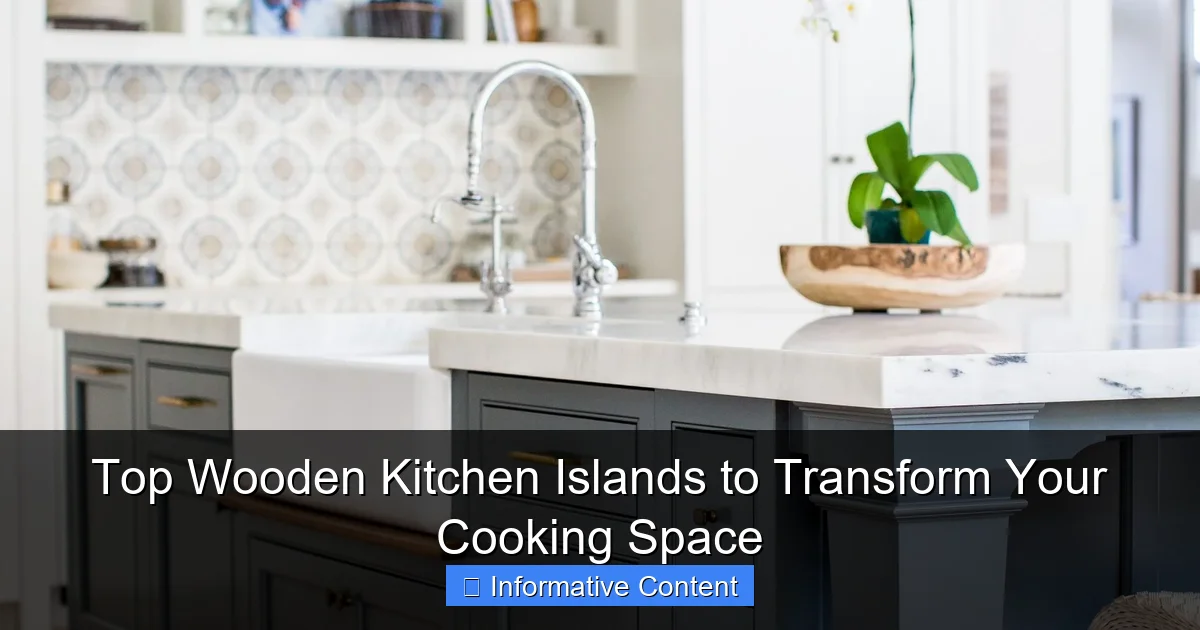
Featured image for kitchen islands wooden
Image source: christopherscottcabinetry.com
Upgrade your kitchen with the timeless charm and durability of wooden kitchen islands, the ultimate blend of style and functionality. From rustic farmhouse designs to sleek modern finishes, these versatile islands offer ample storage, prep space, and a stunning focal point for any cooking space. Transform your kitchen into a warm, inviting hub with a wooden island that suits both your aesthetic and practical needs.
Key Takeaways
- Choose solid wood for durability and long-term value in kitchen islands.
- Measure your space to ensure the island fits and allows easy movement.
- Prioritize storage with built-in shelves, drawers, or cabinets for efficiency.
- Match your style by selecting finishes that complement existing kitchen decor.
- Consider mobility with casters for flexible placement and multi-functional use.
- Opt for eco-friendly materials like reclaimed or sustainably sourced wood.
📑 Table of Contents
- Why Wooden Kitchen Islands Are a Game-Changer
- What Makes Wooden Kitchen Islands So Special?
- Top Types of Wood for Kitchen Islands (And How to Choose)
- Design Ideas to Maximize Your Wooden Island’s Potential
- Real-World Examples: Wooden Islands That Inspire
- Care and Maintenance: Keeping Your Wooden Island Beautiful
- Wooden Kitchen Islands: A Comparison Table
- Final Thoughts: Is a Wooden Kitchen Island Right for You?
Why Wooden Kitchen Islands Are a Game-Changer
Remember the last time you hosted a dinner party and found yourself elbow-to-elbow with your guests, struggling to prep, plate, and chat all at once? Or maybe you’ve stared longingly at those dreamy kitchen photos on Instagram, where families gather around a beautiful island while meals come together effortlessly. The secret ingredient? A wooden kitchen island—not just a countertop, but a lifestyle upgrade.
Wooden kitchen islands bring warmth, functionality, and timeless charm to any cooking space. Unlike cold stainless steel or high-maintenance granite, wood adds a natural, inviting feel that makes your kitchen the heart of the home. Whether you’re a passionate home cook, a busy parent, or someone who just loves the idea of a more organized and stylish kitchen, a wooden island can transform how you use your space.
What Makes Wooden Kitchen Islands So Special?
Wooden kitchen islands aren’t just trendy—they’re a smart choice backed by design principles and real-world benefits. Let’s break down why so many homeowners are choosing wood over other materials.
The Natural Warmth and Aesthetic Appeal
Wood has a unique ability to soften the look of a kitchen. While stone and metal can feel industrial, wood brings warmth and texture. Whether it’s the rich grain of walnut, the light elegance of maple, or the rustic charm of reclaimed pine, wood instantly adds character.
Pro tip: If you have a modern kitchen, a dark walnut island can add contrast and depth. In a farmhouse-style space, a whitewashed oak island blends in beautifully. Wood also ages gracefully, developing a patina that tells the story of your family’s meals, conversations, and memories.
Durability and Longevity (When Properly Maintained)
You might think wood is delicate, but high-quality hardwoods like maple, cherry, and walnut are incredibly durable. A well-constructed wooden island can last decades—especially if it’s sealed properly. Unlike laminate or veneer, real wood can be sanded and refinished, giving it a second (or third) life.
That said, wood does need care. Avoid placing hot pots directly on the surface, clean spills quickly, and reapply food-safe mineral oil or beeswax finish every few months to prevent drying and cracking.
Customization and Flexibility
One of the biggest perks of wooden islands is their adaptability. You can customize the size, shape, finish, and features to fit your exact needs. Need extra storage? Add deep drawers or open shelving. Want a built-in wine rack or spice pullout? No problem. Wood is easier to modify than stone or metal, so future upgrades are simpler.
Real-life example: A friend of mine added a pull-out cutting board and a knife block to her island. Now, she preps salads and sandwiches right at the island while her kids do homework nearby—no more running back and forth to the main counter.
Top Types of Wood for Kitchen Islands (And How to Choose)
Not all wood is created equal. The type of wood you choose affects the island’s look, durability, and maintenance. Here’s a breakdown of the best options, along with their pros and cons.
Maple: The All-Around Performer
- Pros: Hard, durable, light in color, resists wear, affordable
- Cons: Can show scratches over time, limited grain variation
- Best for: Families, high-traffic kitchens, minimalist designs
Maple is a favorite for a reason. It’s tough, easy to clean, and its light tone brightens up smaller kitchens. If you want a clean, modern look without the price tag of exotic woods, maple is a solid choice.
Walnut: Luxury with Character
- Pros: Rich, dark color, beautiful grain, high-end look
- Cons: More expensive, softer than maple, can show dents
- Best for: Upscale kitchens, modern farmhouse, statement pieces
Walnut makes a bold statement. Its deep, chocolatey tones add sophistication. It’s a bit softer, so it’s best for islands used more for prep and less for heavy-duty tasks like kneading dough.
Oak: Classic and Sturdy
- Pros: Very durable, pronounced grain, affordable
- Cons: Can look dated if not finished well, grain may be too busy for some
- Best for: Traditional, rustic, or craftsman-style kitchens
Oak is a classic. Red oak has a warm tone; white oak is slightly cooler. The prominent grain adds texture, but if you prefer a smoother look, consider a satin or matte finish to tone it down.
Reclaimed Wood: Eco-Friendly and Unique
- Pros: Sustainable, one-of-a-kind character, rich history
- Cons: Can be uneven, may require more maintenance, limited availability
- Best for: Eco-conscious homeowners, industrial or rustic themes
Reclaimed wood tells a story. Each plank has its own marks, knots, and imperfections. It’s perfect for a kitchen with soul. Just make sure it’s properly sealed and stabilized—old wood can have hidden weaknesses.
Bamboo: The Sustainable Alternative
- Pros: Eco-friendly, harder than many hardwoods, modern look
- Cons: Limited color options, can look too “furniture-like” if not designed well
- Best for: Modern kitchens, small spaces, budget-conscious buyers
Bamboo isn’t technically wood—it’s grass—but it’s often grouped with hardwoods. It’s fast-growing and renewable, making it a green choice. Strand-woven bamboo is especially durable and resists moisture.
Design Ideas to Maximize Your Wooden Island’s Potential
A wooden kitchen island isn’t just a counter—it’s a multi-functional hub. With smart design, you can turn it into the most useful spot in your home.
Add Seating for a Social Hub
One of the best things about a kitchen island? It invites people in. Add a few stools or chairs, and suddenly it becomes a place for morning coffee, homework, or casual meals.
Tip: Allow 12 inches of countertop overhang for comfortable seating. Choose stools with footrests and a height that matches your island (usually 24–30 inches tall for standard 36-inch counters).
For extra comfort, consider padded seats or backless stools that tuck neatly underneath when not in use. A friend added a built-in bench on one side of her island, creating a cozy nook for her kids to eat breakfast.
Storage Solutions That Keep Clutter at Bay
Kitchen clutter is the enemy of a peaceful cooking experience. A well-designed island can solve that.
- Deep drawers: Perfect for pots, pans, and bulky items
- Pull-out trash bins: Keep odors contained and out of sight
- Spice racks or knife blocks: Keep essentials within reach
- Open shelving: Great for cookbooks, baskets, or decorative items
One clever idea: install a lazy Susan in a corner cabinet for easy access to oils, vinegars, and sauces. Another: use magnetic knife strips on the side of the island for quick access and a cool visual effect.
Integrate Appliances and Utilities
Take your island to the next level by adding functional features:
- Under-counter refrigerator or beverage cooler: Keeps drinks and snacks close
- Induction cooktop or electric burner: Expands cooking space (ideal for small kitchens)
- Sink with pull-down faucet: Creates a secondary prep zone
- Charging station: Hidden outlets for phones, tablets, and laptops
Note: Adding appliances means you’ll need to plan for plumbing, electrical, or gas lines. Always consult a professional before installation.
Mix Materials for Visual Interest
Wood doesn’t have to stand alone. Pair it with other materials to create a stunning focal point.
- Wood + stone countertop: A butcher block island with a granite or quartz top adds contrast
- Wood + metal legs or base: Industrial-chic with a warm twist
- Wood + glass inserts: Light and airy, great for small kitchens
One homeowner paired a walnut island with a white quartz top and black metal legs. The result? A modern, elegant island that’s also super functional.
Real-World Examples: Wooden Islands That Inspire
Let’s look at how real people have used wooden kitchen islands to solve common problems and elevate their spaces.
The Small Kitchen Savior
Problem: A 10×12-foot kitchen with no room for extra counters or seating.
Solution: A 36-inch-wide walnut island with a drop-leaf extension. When not in use, the leaf folds down, saving space. When needed, it extends to create a breakfast bar.
Features: Two stools, a pull-out trash bin, and open shelves for cookbooks. The island doubles as a prep zone and dining area.
Result: The kitchen now feels 50% larger. The family eats dinner together every night—something they rarely did before.
The Entertainer’s Dream
Problem: Hosting parties meant guests hovered in the kitchen, blocking access to the stove.
Solution: A large, U-shaped maple island with a built-in sink and induction cooktop. One side has four stools for guests; the other is a prep zone.
Features: Hidden spice racks, a wine fridge, and a charging station. The island’s base has LED lighting that changes color to match the party mood.
Result: Now, the host can cook while chatting with guests. The island is the star of every party.
The Family-Friendly Hub
Problem: Kids’ homework, snacks, and messes were taking over the dining table.
Solution: A reclaimed pine island with a built-in bench, two drawers, and a chalkboard panel on one side.
Features: The bench seats four. Drawers hold crayons, paper, and snacks. The chalkboard is perfect for grocery lists or doodling.
Result: The dining table is now free for meals. The island is the kids’ favorite spot.
Care and Maintenance: Keeping Your Wooden Island Beautiful
Wood is forgiving, but it does need attention. Here’s how to keep your island looking great for years.
Daily and Weekly Care
- Wipe spills immediately: Water and juice can cause stains or warping
- Use coasters and trivets: Even sealed wood can be damaged by heat and moisture
- Clean with mild soap and water: Avoid harsh chemicals or abrasive sponges
- Dry thoroughly: After cleaning, wipe with a soft, dry cloth
Pro tip: Keep a small spray bottle of water and a microfiber cloth near the island for quick wipe-downs.
Seasonal Maintenance
- Reapply finish every 3–6 months: Use food-safe mineral oil, beeswax, or butcher block conditioner
- Sand and refinish as needed: Light scratches can be sanded out; deep gouges may need professional help
- Check for loose joints or wobbly legs: Tighten screws or bolts to prevent damage
One homeowner noticed her island’s top was looking dry. She applied a coat of beeswax, and within hours, the wood looked vibrant again.
Dealing with Common Issues
- Water rings: Rub with a paste of baking soda and toothpaste, then oil
- Scratches: Light ones fade over time; deep ones can be filled with wood filler
- Warping: Usually caused by moisture—keep humidity stable and avoid standing water
Important: Never sand a sealed island unless you plan to reseal it. Unsealed wood absorbs moisture and can swell or crack.
Wooden Kitchen Islands: A Comparison Table
Choosing the right wood and design can feel overwhelming. Here’s a quick comparison to help you decide.
| Wood Type | Durability | Cost | Maintenance | Best For |
|---|---|---|---|---|
| Maple | High | $$ | Low | Families, high-traffic areas |
| Walnut | Medium | $$$ | Medium | Upscale, modern kitchens |
| Oak | High | $$ | Low | Traditional, rustic styles |
| Reclaimed Wood | Medium | $$$ | High | Eco-friendly, unique designs |
| Bamboo | High | $ | Low | Small kitchens, modern look |
Note: Costs are approximate and vary by region and design complexity.
Final Thoughts: Is a Wooden Kitchen Island Right for You?
If you’re still on the fence, ask yourself: Do you want a kitchen that feels warm, welcoming, and truly yours? Do you value functionality as much as beauty? Are you willing to give your island a little TLC to keep it looking great?
A wooden kitchen island isn’t just a piece of furniture—it’s an investment in your home and lifestyle. It brings people together, makes cooking easier, and adds timeless charm. Whether you choose maple for its durability, walnut for its elegance, or reclaimed wood for its story, the right island can transform your kitchen from a workspace into a sanctuary.
Start by measuring your space, thinking about your needs, and browsing designs that inspire you. Talk to a local woodworker or cabinetmaker—they can help you create a custom island that fits your vision. And remember: the best kitchen island is one that reflects your life, your style, and your love for good food and great company.
Frequently Asked Questions
What are the benefits of choosing a wooden kitchen island over other materials?
Wooden kitchen islands offer timeless warmth, durability, and versatility in design, blending seamlessly with farmhouse, rustic, or modern decor. Unlike metal or laminate, wood ages gracefully and can be refinished to extend its lifespan.
How do I choose the right size wooden kitchen island for my space?
Measure your kitchen layout, ensuring at least 36–42 inches of clearance around the island for comfortable movement. Consider compact designs (under 60 inches) for small kitchens and larger, multi-functional islands for open-concept spaces.
Can a wooden kitchen island be used for seating and storage?
Yes! Many wooden kitchen islands feature built-in cabinets, drawers, and overhangs for bar stools, combining practicality with style. Opt for solid hardwood tops for durability in high-traffic areas.
Are wooden kitchen islands easy to maintain?
Regular dusting and occasional oiling (for untreated wood) keep them looking fresh. Use coasters or trivets to prevent water and heat damage, especially on natural wood surfaces.
What types of wood are best for kitchen islands?
Hardwoods like oak, maple, and walnut are ideal for wooden kitchen islands due to their strength and resistance to wear. Pine offers a budget-friendly option but requires more upkeep to avoid scratches.
Can I DIY a wooden kitchen island, or should I buy pre-made?
Pre-made islands save time and ensure professional craftsmanship, but DIY kits are great for customization. Choose based on your skill level, budget, and desired design complexity.