
Featured image for oak wood kitchen island
Image source: publicdomainpictures.net
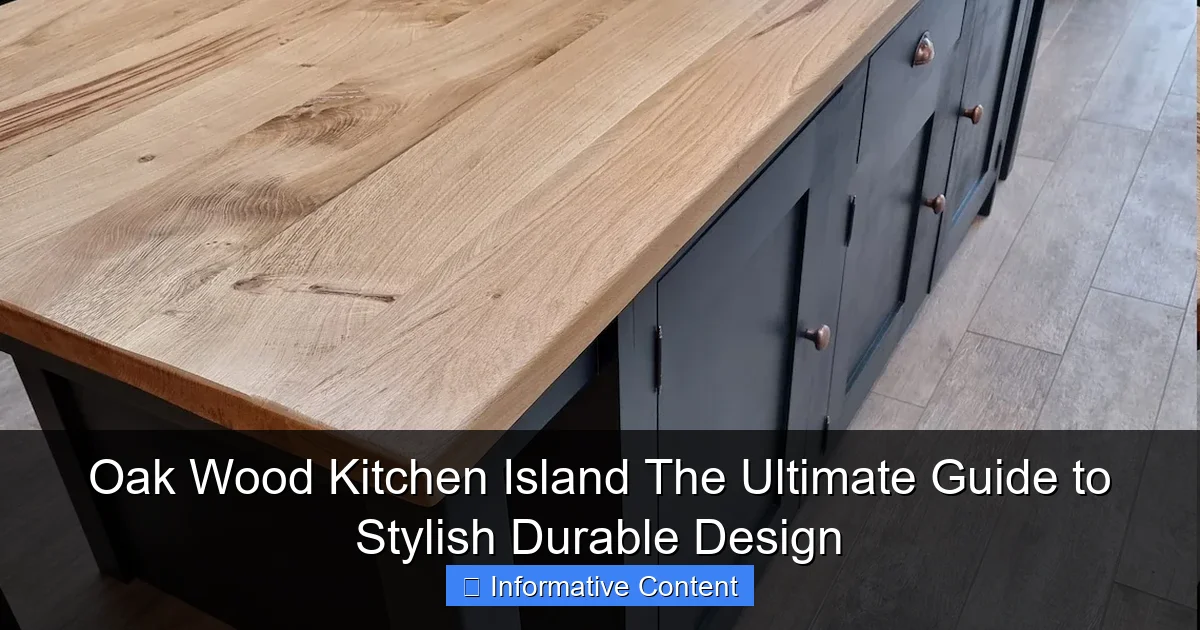
Oak wood kitchen islands combine timeless style with exceptional durability, making them a top choice for modern and rustic kitchens alike. Resistant to wear and moisture, solid oak offers long-lasting performance while adding warm, natural beauty to your culinary space. This guide reveals how to select, maintain, and style the perfect oak island for lasting elegance.
Key Takeaways
- Choose solid oak: Opt for solid oak to ensure long-term durability and timeless style.
- Prevent moisture damage: Seal oak surfaces regularly to protect against spills and humidity.
- Prioritize grain patterns: Select tight, consistent grain for a sleek, high-end look.
- Customize for space: Tailor size and storage to maximize kitchen functionality and flow.
- Balance aesthetics: Pair oak’s warmth with complementary materials like metal or stone.
- Maintain with care: Use mild cleaners and avoid harsh chemicals to preserve the finish.
📑 Table of Contents
- Why an Oak Wood Kitchen Island Could Be Your Kitchen’s Best Friend
- What Makes Oak Wood Special for Kitchen Islands?
- Design Ideas: How to Style Your Oak Wood Kitchen Island
- Oak Wood Kitchen Island vs. Other Materials: The Showdown
- How to Choose the Right Oak Wood Kitchen Island for Your Space
- Maintaining Your Oak Wood Kitchen Island: Tips for Longevity
- Final Thoughts: Is an Oak Wood Kitchen Island Right for You?
Why an Oak Wood Kitchen Island Could Be Your Kitchen’s Best Friend
Let’s be honest—your kitchen is the heart of your home. It’s where you brew morning coffee, chop veggies for dinner, and maybe even host impromptu wine nights with friends. But if you’re like many of us, your kitchen could use a little more style, function, and *soul*. Enter the oak wood kitchen island—a timeless, durable, and versatile piece that can transform your space from “meh” to “wow.”
I remember when I first considered adding an oak island to my kitchen. I was skeptical. Would it look too rustic? Too heavy? Would it clash with my modern appliances? But after testing a few options and seeing how it tied my whole kitchen together, I was sold. Oak isn’t just a pretty face; it’s a workhorse. Whether you’re cooking, entertaining, or just need extra storage, an oak kitchen island delivers. And the best part? It ages like fine wine—getting better with time.
What Makes Oak Wood Special for Kitchen Islands?
Oak is more than just a popular wood choice—it’s a legend in the world of cabinetry and furniture. But what makes it so perfect for a kitchen island? Let’s break it down.
Visual guide about oak wood kitchen island
Image source: i.etsystatic.com
Natural Durability and Strength
Oak is a hardwood, which means it’s tough. Really tough. It’s resistant to dents, scratches, and everyday wear and tear—something you’ll appreciate when you’re chopping veggies or kids are dragging chairs across the floor. Unlike softer woods like pine, oak can handle heavy use without showing its age too quickly.
Take my friend Sarah, for example. She has two kids under five, a dog, and a husband who loves to cook. Her oak island has survived spaghetti nights, art projects, and even a few accidental spills. After three years, it still looks great—just with a few character marks that tell its story.
Beautiful Grain Patterns and Warm Tones
Oak has a unique grain pattern—distinctive, elegant, and full of character. The open grain (especially in white oak) gives it depth and texture, making it visually interesting even in a minimalist kitchen.
There are two main types of oak used in kitchen islands:
- White oak: Lighter in color, with a slightly grayish or golden hue. It’s more water-resistant, making it ideal for kitchens where spills happen.
- Red oak
Both types age beautifully. Over time, oak develops a warm patina—a soft, honeyed tone that adds charm. And if you ever want to refinish it? No problem. Oak sands and refinishes well, so it can last decades.
Eco-Friendly and Sustainable
Good news: oak is one of the more sustainable hardwoods. It grows relatively fast (compared to walnut or maple), and many suppliers use responsibly harvested timber. Look for FSC-certified oak if sustainability is a priority for you.
Plus, because oak is so durable, you’re less likely to replace it—reducing long-term waste. It’s a win for you and the planet.
Design Ideas: How to Style Your Oak Wood Kitchen Island
Now that you know why oak is great, let’s talk about how to use it in your kitchen. The design possibilities are endless—but here are some tried-and-true ideas that work.
Modern Farmhouse with a Twist
Oak and farmhouse style go hand-in-hand. Think shiplap walls, apron sinks, and vintage lighting. But you don’t have to go full “Fixer Upper.” Try pairing a white oak island with sleek, matte black hardware and quartz countertops.
Pro tip: Add a butcher block countertop to your oak island. It’s functional (great for chopping) and adds a rustic touch. I did this in my kitchen, and it’s now my favorite spot to prep meals.
Minimalist with Warmth
Love clean lines and open space? An oak island can add warmth without clutter. Choose a simple, boxy design with minimal detailing. Pair it with white or light gray cabinets and stainless steel appliances.
One of my clients, a graphic designer, went with a white oak island, white cabinets, and black leather bar stools. The result? A kitchen that feels airy but cozy—like a Scandinavian dream.
Industrial Edge
Want something edgier? Combine your oak island with metal accents. Think black iron legs, exposed rivets, or a steel countertop edge. This style works especially well in lofts or converted spaces.
Example: A client in Brooklyn used a red oak island with black steel legs and a concrete countertop. It looked like it belonged in a Brooklyn warehouse—but was still warm and inviting.
Two-Tone Magic
Can’t decide between light and dark? Go two-tone! Paint the base of your oak island in a bold color (like navy or forest green) and keep the top natural wood. This adds visual interest and breaks up a large kitchen.
Bonus: It hides dirt better than an all-wood island. Kids? Pets? No problem.
Integrated Seating and Storage
An oak island isn’t just for looks—it’s for function too. Add overhangs for bar stools (12–18 inches is ideal for legroom) and built-in drawers or shelves. Use the space underneath for wine racks, spice drawers, or even a small trash pullout.
My favorite trick? Add a small bookshelf or display niche to the side. It’s perfect for cookbooks, plants, or decorative bowls.
Oak Wood Kitchen Island vs. Other Materials: The Showdown
Oak isn’t the only player in town. Let’s compare it to other popular kitchen island materials—so you can make an informed choice.
Oak vs. Maple
Maple is another hardwood, but it’s denser and more uniform in grain. It’s great for modern kitchens with a sleek look. But here’s the catch: maple is more expensive and can yellow over time (especially if exposed to sunlight).
Oak, on the other hand, has more character and ages gracefully. It’s also slightly more affordable. If you want warmth and texture, oak wins.
Oak vs. Pine
Pine is softwood—cheaper and easier to work with. But it dents easily and can feel “cheap” if not finished well. I once had a pine island that got dinged by a falling pot. The dent never came out.
Oak is sturdier and more refined. It’s worth the extra cost for a high-traffic kitchen.
Oak vs. Quartz or Granite Countertops
Many islands use stone countertops (like quartz or granite) on top of wood bases. But what if you go all-wood?
An all-oak island (base and top) is warmer and more cohesive. But stone countertops are more heat-resistant and easier to clean. The best of both worlds? Use oak for the base and a stone top. Or, if you love wood, go with a high-quality oak butcher block sealed with food-safe oil or resin.
Oak vs. Engineered Wood or Laminate
Engineered wood and laminates are budget-friendly, but they lack the depth and durability of solid oak. They can peel, chip, or look artificial over time.
Solid oak might cost more upfront, but it’s an investment. It lasts longer and adds real value to your home.
Data Table: Oak Wood Kitchen Island vs. Alternatives
| Material | Durability | Cost (Relative) | Maintenance | Best For |
|---|---|---|---|---|
| Solid Oak | High (resists dents, scratches) | $$$ | Moderate (needs occasional oiling/sealing) | High-traffic kitchens, long-term investment |
| Maple | High (very dense) | $$$$ | Low (resists stains well) | Modern, sleek designs |
| Pine | Low (soft, dents easily) | $ | High (needs frequent refinishing) | Low-budget projects, temporary use |
| Quartz (on wood base) | Very High (non-porous, heat-resistant) | $$$$ | Very Low (wipe clean) | Minimalist, high-tech kitchens |
| Engineered Wood | Medium (can delaminate) | $$ | Medium (avoid water exposure) | Renovations on a tight budget |
How to Choose the Right Oak Wood Kitchen Island for Your Space
Not all oak islands are created equal. Here’s how to pick the perfect one—without getting overwhelmed.
Measure Your Kitchen (Seriously)
This sounds obvious, but so many people skip it. Measure your kitchen’s length, width, and clearance. You need at least 36–42 inches of walking space around the island. If it’s too tight, you’ll feel cramped.
Rule of thumb: Your island should take up no more than 10% of your kitchen’s total floor space. For a 100 sq. ft. kitchen, aim for a 10 sq. ft. island max.
Pick the Right Size and Shape
Most islands are rectangular, but you can also find:
- Round or oval: Great for small kitchens or creating a conversation area.
- L-shaped: Fits into corners and adds extra counter space.
- T-shaped: Extends into the room for more seating.
For example, my kitchen is long and narrow, so I went with a rectangular island. But my neighbor has a square kitchen and chose an L-shaped design—it fits perfectly and gives her more storage.
Decide on Storage Needs
Think about what you’ll store. Do you need deep drawers for pots? A wine rack? A pull-out cutting board? Custom islands let you add exactly what you want.
Pre-made islands are cheaper but may have standard features. If you’re handy, you can even DIY the storage and buy the wood separately.
Finish and Sealing: The Secret to Longevity
How your oak is finished matters. Here are the most common options:
- Oil finish: Natural look, easy to maintain (just re-oil every 6–12 months). Best for butcher blocks.
- Polyurethane (water-based): Durable, low odor, dries clear. Great for high-use areas.
- Polyurethane (oil-based): Even tougher, but has a stronger smell and yellows slightly over time.
- Wax: Soft, matte finish. Needs frequent reapplication but feels luxurious.
For a kitchen island, I recommend water-based polyurethane or oil finish (if you’re using a butcher block). Avoid wax—it’s too high-maintenance for daily use.
Hardware and Legs: Small Details, Big Impact
The legs and hardware can make or break your island’s style. Try:
- Tapered legs: Mid-century modern vibe.
- Square block legs: Classic and sturdy.
- Metal legs: Industrial or minimalist look.
- Hidden legs (baseboard style): Sleek and modern.
Hardware (drawer pulls, knobs) should match your kitchen’s overall style. Black iron for farmhouse, brushed nickel for modern, and brass for a vintage feel.
Maintaining Your Oak Wood Kitchen Island: Tips for Longevity
Oak is tough, but it still needs love. Here’s how to keep it looking great for years.
Cleaning 101
Wipe spills immediately with a damp cloth. For daily cleaning, use a mild dish soap and water. Avoid harsh cleaners (like bleach or ammonia)—they can strip the finish.
For stubborn stains, make a paste of baking soda and water. Gently scrub, then rinse. Never soak the wood—excess water can cause warping.
Re-Oiling and Sealing
If you have an oil-finished island, re-oil every 6–12 months. Use food-safe mineral oil or tung oil. Apply with a cloth, let it sit for 15–20 minutes, then buff off the excess.
For polyurethane finishes, you usually don’t need to reapply—just clean regularly. But if the finish looks dull, you can lightly sand and re-coat it.
Preventing Damage
Use cutting boards—never chop directly on the wood. Use coasters for drinks. And if you have kids or pets, consider adding edge guards (soft rubber or felt) to protect the corners.
One of my clients added felt pads under all their bar stools. No more scratches!
Dealing with Scratches and Dents
Light scratches? Try a walnut. Seriously—rub a raw walnut over the scratch. The oils can help hide it. For deeper dents, use a wood filler or call a professional.
And remember: small imperfections add character. A few dings don’t ruin the island—they tell its story.
When to Refinish
If your island looks dull, faded, or scratched, it’s time to refinish. Sand it down with 120-grit sandpaper, then reapply your finish of choice. It’s a weekend project, but it’s worth it.
Pro tip: Refinish in a well-ventilated area and wear a mask. Wood dust is no joke.
Final Thoughts: Is an Oak Wood Kitchen Island Right for You?
After years of testing, living with, and even building oak kitchen islands, here’s my honest take: an oak wood kitchen island is one of the best investments you can make for your kitchen.
It’s not just about looks (though it’s definitely beautiful). It’s about durability, warmth, and timeless style. Whether you’re cooking, eating, or just hanging out, it becomes a central hub in your home.
Yes, it costs more than cheaper options. Yes, it needs a little maintenance. But if you treat it right, it will outlast trends, appliances, and even your kids’ childhood. It’s the kind of piece you’ll pass down to the next generation.
So, if you’re on the fence—go for it. Start by measuring your space, deciding on your style, and picking a finish that fits your lifestyle. And don’t be afraid to add your own twist. Maybe a pop of color, a unique leg design, or a custom storage feature.
Your kitchen deserves a centerpiece that’s as hardworking as you are. And in the world of kitchen islands, oak wood is the MVP. It’s stylish, durable, and full of heart—just like your home.
Frequently Asked Questions
What makes an oak wood kitchen island a durable choice for my home?
Oak wood is renowned for its strength and resistance to wear, making it ideal for high-traffic kitchen areas. Its tight grain structure also helps prevent warping and damage from daily use, ensuring long-lasting durability.
How do I maintain the finish on my oak wood kitchen island?
Regularly dust with a soft cloth and use a wood-safe cleaner for spills. To preserve the natural luster, apply a wood conditioner or oil every 6–12 months, especially in dry climates.
Can an oak wood kitchen island fit into a modern kitchen design?
Absolutely! Oak’s natural grain and versatility allow it to blend seamlessly with modern, rustic, or farmhouse styles. Choose sleek hardware and minimalist designs for a contemporary look.
Is oak wood kitchen island resistant to stains and water damage?
Oak is naturally moisture-resistant, but sealing or finishing the wood enhances protection against stains and water damage. Always wipe spills promptly to maintain its appearance.
What are the benefits of choosing solid oak over engineered oak for a kitchen island?
Solid oak offers superior durability and can be refinished multiple times, while engineered oak may delaminate over time. Solid oak also provides a more authentic, premium look.
How do I style an oak wood kitchen island to match my existing decor?
Pair light oak with white or pastel cabinets for a Scandinavian vibe, or contrast dark oak with metallic accents for a bold statement. Add barstools and pendant lights to tie the look together.