
Featured image for this comprehensive guide about kitchen island on rollers
Portable Kitchen Island on Rollers for Flexibility
In the dynamic world of modern living, our homes, especially our kitchens, are constantly evolving to meet diverse needs. Gone are the days of rigid, unchanging layouts. Today, flexibility is king, and nowhere is this more evident than in the rising popularity of the kitchen island on rollers. Imagine a central hub in your culinary space that can effortlessly transform from a prep station to a serving buffet, a cozy breakfast nook, or even an extra workspace, all with a gentle push. This isn’t a futuristic dream; it’s the practical, stylish reality offered by a portable kitchen island.
Whether you’re contending with a compact apartment kitchen, an expansive open-plan layout that demands adaptability, or simply seeking to optimize every inch of your cooking area, a rolling kitchen island presents an ingenious solution. It’s more than just a piece of furniture; it’s a strategic asset that empowers you to redefine your kitchen’s functionality on demand. Say goodbye to fixed constraints and hello to a fluid, versatile kitchen where every square foot works harder for you.
Join us as we dive deep into the world of movable kitchen islands, exploring their myriad benefits, the essential features to look for, and how to seamlessly integrate one into your home. Discover how this single, ingenious addition can unlock unprecedented levels of convenience, efficiency, and style in your kitchen.
Quick Answers to Common Questions
Why choose a kitchen island on rollers?
A kitchen island on rollers offers incredible flexibility, letting you easily reconfigure your space for cooking, entertaining, or extra counter room wherever you need it most.
Are kitchen islands on rollers stable when in use?
Absolutely! Most quality kitchen islands on rollers come equipped with locking casters, ensuring they stay securely in place when you’re chopping, mixing, or dining.
What kind of things can I use a portable kitchen island on rollers for?
From extra prep space and a mobile serving station to a temporary breakfast bar or even a homework spot, a kitchen island on rollers is incredibly versatile and adapts to your changing needs.
Do these units come in different styles or materials?
Yes, you’ll find a wide array of kitchen islands on rollers, ranging from sleek modern designs to rustic farmhouse styles, often in materials like wood, stainless steel, or even butcher block.
How easy is it to move a kitchen island on rollers around?
It’s surprisingly easy! The integrated casters on a kitchen island on rollers allow for smooth gliding across most floor types, making repositioning a breeze whenever you need to adjust your kitchen layout.
📋 Table of Contents
- The Rise of the Flexible Kitchen: Why a Kitchen Island on Rollers is a Game-Changer
- Unpacking the Benefits: More Than Just a Movable Surface
- What to Look for: Key Features of the Ideal Portable Kitchen Island
- Design Inspiration: Integrating Your Kitchen Island on Rollers Seamlessly
- Practical Applications and Creative Uses for Your Movable Island
- Maintenance and Care: Keeping Your Kitchen Island on Rollers in Top Shape
- Conclusion
The Rise of the Flexible Kitchen: Why a Kitchen Island on Rollers is a Game-Changer
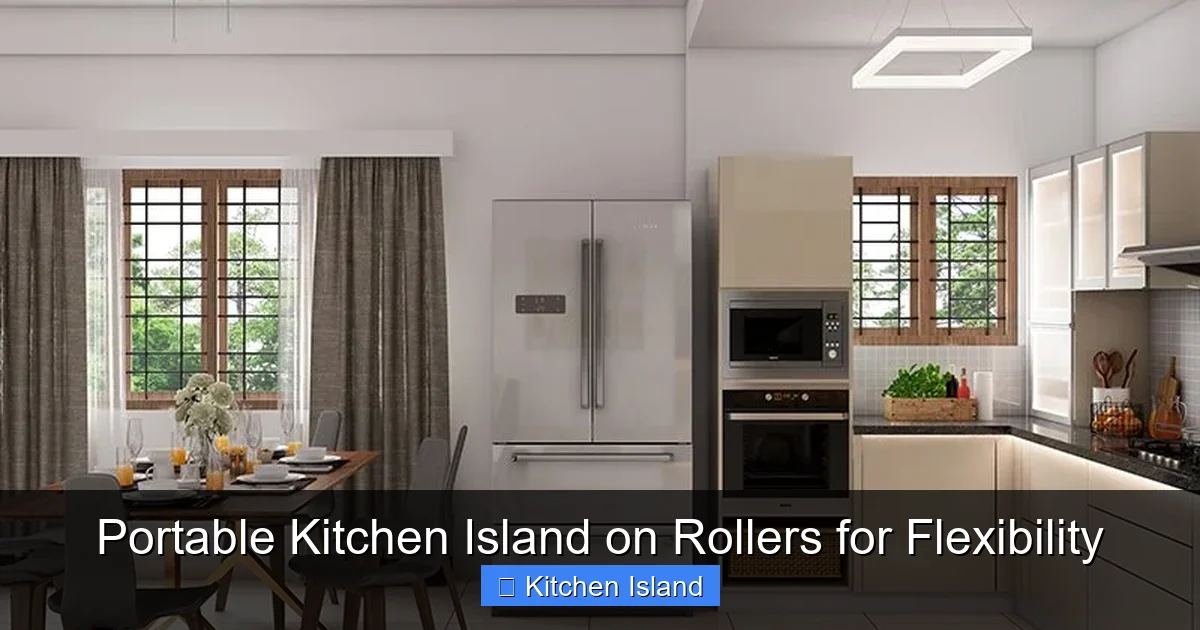
Modern homes are characterized by their multi-functional spaces. Living rooms morph into home offices, dining tables become homework stations, and kitchens are no longer solely for cooking. This shift has driven a demand for furniture that can adapt to various activities and spatial requirements. Enter the kitchen island on rollers – a product perfectly aligned with this contemporary need for flexibility.
Learn more about kitchen island on rollers – Portable Kitchen Island on Rollers for Flexibility
Image source: media.designcafe.com
For many homeowners and renters, the traditional, fixed kitchen island, while a beautiful focal point, can sometimes be a hindrance. It dictates traffic flow, limits layout options, and can feel cumbersome in smaller spaces. A portable kitchen island, conversely, offers liberation. It allows you to maximize your existing footprint, providing ample workspace and storage when you need it, and discreetly moving out of the way when you don’t. This adaptability is particularly valuable in open-concept layouts where defining different zones can be challenging, or in compact kitchens where every inch counts. Studies show that over 70% of homeowners are seeking more flexible and multi-functional spaces, a trend that directly fuels the appeal of a rolling kitchen island.
| Feature | Benefit for Rolling Island | Typical Specification/Comparison | User Impact/Consideration |
|---|---|---|---|
| Mobility & Portability | Flexible kitchen layout, easy cleaning under/around. | Moves 0-10ft in seconds; stationary islands require professional relocation. | Adaptable workspace; ideal for dynamic kitchen needs or temporary use. |
| Multi-functional Use | Transforms into prep station, serving cart, extra seating, or storage. | Often includes drawers, shelves, or drop-leaf extensions; stationary units are fixed purpose. | Maximizes utility, especially in smaller or open-plan kitchens. |
| Durable Locking Casters | Stability during use, smooth movement, floor protection. | 2-4 inch rubber/polyurethane wheels; supports 100-300 lbs load capacity. | Safe and stable workspace when locked; prevents floor damage when moving. |
| Space Optimization | Can be stored away or moved to create more open floor space. | Compact models 24″x24″ to larger 36″x48″; average stationary island is 3’x6′. | Perfect for small kitchens or temporary needs; avoids permanent obstruction. |
| Material Variety | Matches kitchen aesthetic, offers various work surfaces for different tasks. | Butcher block, stainless steel, granite tops; often built on wood or metal frame. | Choose based on style, budget, and intended use for longevity and function. |
Unpacking the Benefits: More Than Just a Movable Surface
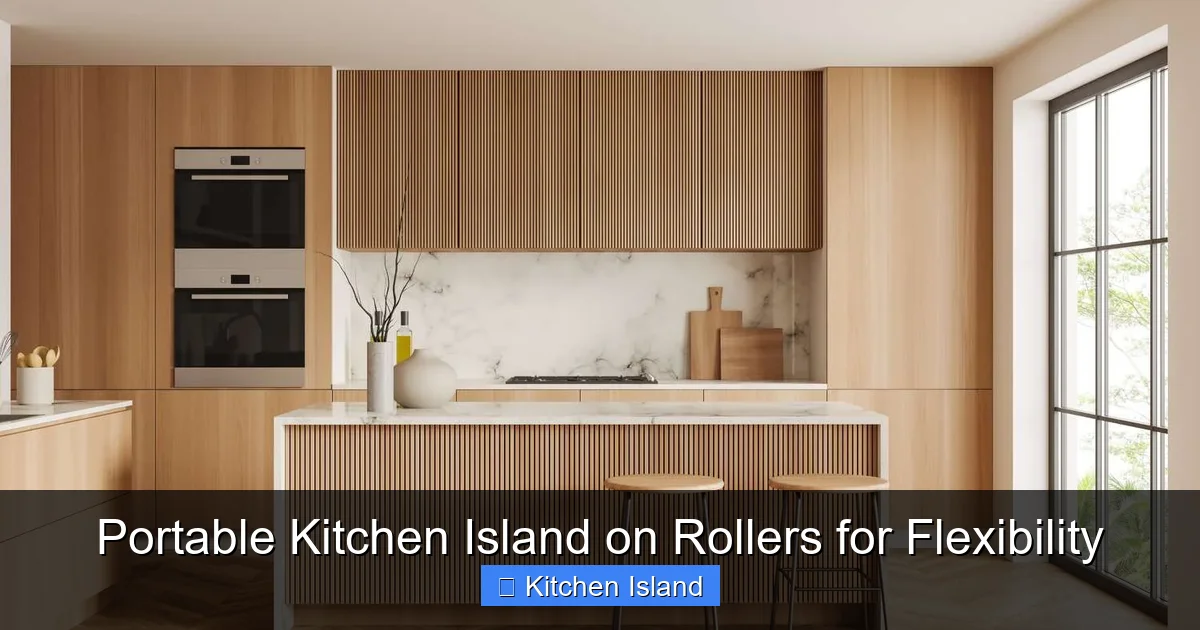
The advantages of incorporating a kitchen island on rollers into your home extend far beyond mere mobility. This versatile piece of furniture brings a host of practical and aesthetic benefits.
Learn more about kitchen island on rollers – Portable Kitchen Island on Rollers for Flexibility
Image source: realsimple.com
Maximized Space Utilization
Perhaps the most immediate benefit of a movable kitchen island is its ability to optimize space. In small kitchens, it can provide crucial extra counter space for prep work, and then be tucked away against a wall or into a corner when not in use, freeing up valuable floor space. In larger kitchens, it can be positioned exactly where it’s needed for specific tasks, reducing the number of steps required during cooking. This fluid arrangement ensures that your kitchen always feels spacious and uncluttered.
Enhanced Workflow and Ergonomics
Imagine being able to bring your chopping board right next to your stove, or having a convenient landing spot for groceries directly adjacent to your refrigerator. A portable kitchen island facilitates a more efficient workflow by allowing you to customize your workspace on the fly. This reduces unnecessary movement, makes cooking less strenuous, and can even prevent common kitchen accidents caused by carrying hot pans or sharp knives over long distances. It puts everything you need exactly where you need it.
Instant Entertainment Hub
Hosting gatherings becomes a breeze with a kitchen island on wheels. Easily roll it into the dining area or living room to serve as a bar cart, a buffet station, or a dessert display. It offers additional surface area for appetizers, drinks, or plates, keeping your main dining table free for the meal. This transforms your kitchen island into a social asset, enhancing your entertaining capabilities without the need for additional, bulky furniture.
Adaptable Storage Solutions
Many rolling kitchen islands come equipped with built-in storage, such as shelves, drawers, or even wine racks. This provides crucial extra space for pots, pans, small appliances, cookbooks, or pantry items. The beauty of this storage is that it’s as mobile as the island itself. You can bring your entire spice collection or your baking tools right to your workstation, making cooking more organized and enjoyable.
Rental-Friendly and Future-Proof
For renters, installing a fixed island is often not an option. A kitchen island on rollers provides all the benefits of an island without permanent alteration, making it the perfect solution. Furthermore, for homeowners, it offers a future-proof investment. Should your needs change, you move, or you simply want to reconfigure your kitchen, your island can move with you, or be repurposed for another room altogether.
What to Look for: Key Features of the Ideal Portable Kitchen Island
When selecting your perfect kitchen island on rollers, there are several crucial features to consider to ensure it meets your specific needs and stands the test of time.
Caster Quality and Locking Mechanisms
This is arguably the most critical feature of any rolling kitchen island. High-quality casters (wheels) are essential for smooth, effortless movement across different floor types. Look for wheels made from durable materials like rubber or heavy-duty plastic that won’t scratch your floors. Crucially, ensure that at least two, preferably all, of the casters have robust locking mechanisms. These locks will keep your portable kitchen island securely in place during prep work, preventing unwanted movement and ensuring safety. Flimsy casters can lead to instability and frustration.
Construction Material and Durability
The overall construction material will dictate the island’s longevity and aesthetic. Popular choices include solid wood (like butcher block, oak, or maple), stainless steel, engineered wood (MDF or particleboard with veneers), and combinations thereof.
Solid wood kitchen islands on rollers offer classic beauty and exceptional durability, often becoming family heirlooms. Stainless steel kitchen islands on rollers are excellent for a modern, industrial look, offering hygienic, easy-to-clean surfaces that are highly resistant to heat and moisture. Engineered wood options can be more budget-friendly and come in a wider range of finishes, but ensure the quality of the veneer is high to prevent chipping or peeling. Consider the environment of your kitchen; a high-moisture area might benefit more from stainless steel or treated wood.
Countertop Options for Every Need
The countertop is where most of the action happens, so choose wisely.
Here’s a quick comparison of common countertop materials for a movable kitchen island:
| Material | Pros | Cons | Ideal Use |
|---|---|---|---|
| Butcher Block | Warm aesthetic, great for chopping (direct), can be sanded and re-oiled. | Requires regular oiling, prone to water damage if not maintained, can show knife marks. | Food prep, rustic/farmhouse styles. |
| Stainless Steel | Hygienic, heat-resistant, easy to clean, modern look, very durable. | Can be noisy, prone to fingerprints and scratches, may look industrial. | Heavy-duty prep, modern/industrial kitchens. |
| Quartz/Granite | Extremely durable, scratch/heat/stain-resistant, wide range of colors/patterns, low maintenance. | Heavy (can affect mobility), expensive, requires professional installation (less common for mobile units). | Luxury aesthetic, high-traffic prep (if island is very robust). |
| Laminate | Affordable, wide variety of patterns, easy to clean, lightweight. | Prone to heat damage, can chip, not as durable as solid surfaces. | Budget-friendly, light use, temporary solutions. |
A butcher block kitchen island on rollers is popular for its warmth and utility, while stainless steel offers a professional, easy-clean surface. Consider your primary use – heavy prep, baking, or serving – when making your selection.
Storage Versatility (Shelves, Drawers, Racks)
Evaluate the storage components of the portable kitchen island. Do you need open shelving for easy access to frequently used items or cookbooks? Or do you prefer drawers for cutlery, linens, or small gadgets to keep things out of sight? Some islands include towel bars, spice racks, or even built-in waste bins, adding to their utility. Think about what you plan to store and choose an island with the appropriate configuration.
Size and Scale Considerations
Measure your kitchen carefully. Consider not only the island’s footprint but also its height relative to your existing countertops or dining table. A standard counter height is usually 36 inches, while bar height is 42 inches. Ensure there’s enough space to comfortably move around the island when it’s in use and ample clearance to store it discreetly when not needed. A good rule of thumb is to leave at least 36-42 inches of walkway space around any working areas.
Design Inspiration: Integrating Your Kitchen Island on Rollers Seamlessly
A kitchen island on rollers should not just be functional; it should also complement your kitchen’s aesthetic. Integrating it seamlessly into your existing decor can elevate the entire space.
Matching Your Existing Decor
For a cohesive look, choose a rolling kitchen island that matches your kitchen’s current style, whether it’s farmhouse, modern, traditional, or industrial. Consider the finishes of your cabinets, hardware, and appliances.
- Farmhouse/Rustic: Opt for distressed wood, butcher block tops, and maybe some open shelving with wire baskets.
- Modern/Minimalist: Stainless steel, clean lines, white or dark wood finishes, and minimalist hardware.
- Traditional: Rich wood tones, decorative legs, and perhaps a granite or quartz top.
- Industrial: Exposed metal elements, raw wood, and dark finishes.
Statement Piece vs. Blending In
Decide whether you want your movable kitchen island to be a focal point or to blend subtly into the background. A bold color, a unique countertop material, or an unusual design can make it a statement piece. Alternatively, choosing an island in a neutral color that matches your cabinetry will help it integrate quietly into the space, offering functionality without drawing too much attention.
Smart Placement Strategies
Think about where your portable kitchen island will live most of the time.
- Against a Wall: If space is tight, tuck it against an unused wall when not actively in use, freeing up central floor space.
- As an Extension: Position it to extend existing counter space, forming an L-shape or U-shape for expansive prep areas.
- Between Zones: Use it to define distinct areas in an open-plan kitchen, perhaps separating the cooking zone from a dining or living area.
- Under a Window: For natural light during prep, or simply a pleasant view while you work.
Consider your “kitchen triangle” (sink, stove, refrigerator) and how the island can enhance movement within this critical zone without obstructing it.
Accessorizing Your Portable Island
Accessorize your kitchen island on rollers to enhance both its functionality and style. Add decorative cutting boards, a stylish fruit bowl, or a small plant to personalize it. Hooks on the side can hold dish towels or frequently used utensils. If your island has open shelves, use attractive storage bins or baskets to keep items tidy and visually appealing. Under-cabinet lighting strips can also be a fantastic addition, illuminating your workspace and creating ambiance.
Practical Applications and Creative Uses for Your Movable Island
The versatility of a kitchen island on rollers truly shines in its ability to adapt to a multitude of tasks and situations. Beyond its primary role in cooking, here are some creative ways to leverage your portable kitchen island:
Extra Prep Space for Culinary Adventures
This is its bread and butter. Whether you’re baking dozens of cookies, prepping a holiday feast, or simply need more room for chopping vegetables, your movable kitchen island is always ready. Roll it next to your stove for quick plating, or near the sink for easy washing and chopping.
Serving Station for Gatherings
As mentioned, transform it into an elegant buffet table for parties. It can hold chafing dishes, drink dispensers, or stacks of plates, keeping guests flowing smoothly without crowding your main dining table. A rolling kitchen island is invaluable for entertaining, offering a flexible serving solution.
Mobile Coffee Bar or Breakfast Nook
Dedicate a section of your island to your morning routine. A coffee maker, grinder, mugs, and syrups can turn it into a dedicated coffee station. Add a couple of stools, and it becomes a charming, informal spot for breakfast or a quick snack, which can be moved into a sunnier spot or by a window.
Homework/Craft Station (When Not in Use for Cooking)
When the kitchen isn’t bustling with culinary activity, the island’s spacious countertop makes an excellent temporary spot for kids to do homework or for adults to engage in crafts, puzzles, or other hobbies. Its mobility means you can move it to a quiet corner or a well-lit area, then easily clear and clean it for meal prep later.
Temporary Home Office Space
In smaller homes, every surface can become a workspace. If you need a temporary spot to check emails, join a video call, or work on a laptop, your kitchen island on rollers can serve as a standing desk or a compact sitting desk, easily moved to a less distracting part of the house.
Maintenance and Care: Keeping Your Kitchen Island on Rollers in Top Shape
To ensure your kitchen island on rollers remains a valuable asset for years to come, regular maintenance and care are essential. This not only preserves its appearance but also ensures its functionality and longevity.
Regular Cleaning Tips
- Countertop: The cleaning method will depend on the material.
- Butcher Block: Wipe with a damp cloth and mild soap. Periodically oil with food-grade mineral oil to prevent drying and cracking.
- Stainless Steel: Use a stainless steel cleaner and a microfiber cloth to prevent streaks. Wipe in the direction of the grain.
- Quartz/Granite: Wipe with a damp cloth and mild soap. Avoid harsh chemicals or abrasive cleaners.
- Laminate: Simply wipe with a damp cloth and mild all-purpose cleaner.
- Body/Frame: Wipe down the frame with a damp cloth to remove dust and spills. For wooden frames, use a wood-friendly cleaner or polish periodically.
Caster Care and Lubrication
The casters are what make your portable kitchen island truly portable, so they require special attention.
- Regular Cleaning: Periodically check the wheels for hair, dust, or food debris that can get tangled and hinder movement. Use a brush or tweezers to remove any obstructions.
- Lubrication: If the wheels start to squeak or become stiff, a small amount of silicone spray or light lubricating oil applied to the axle can work wonders. Avoid petroleum-based lubricants on rubber casters, as they can degrade the material.
- Check Locks: Ensure the locking mechanisms are clean and functioning correctly. If they feel stiff, a drop of lubricant can help.
Countertop Specific Maintenance
Beyond general cleaning, some countertops have specific needs:
- Cutting on Butcher Block: While you can cut directly on butcher block, using a separate cutting board will preserve its surface and hygiene.
- Heat Protection: Always use trivets or hot pads for hot pots and pans, regardless of your countertop material, to prevent potential damage.
- Stain Prevention: Wipe up spills immediately, especially on porous surfaces like unsealed wood or light-colored stone, to prevent stains.
By following these simple maintenance tips, your kitchen island on rollers will remain a functional and beautiful centerpiece in your home for many years to come.
Conclusion
The kitchen island on rollers is far more than a passing trend; it’s a testament to the evolving needs of modern homeowners. It embodies flexibility, efficiency, and smart design, offering a practical solution to common kitchen challenges, from limited counter space to the desire for adaptable entertaining areas. This portable kitchen island empowers you to customize your space on a whim, making your kitchen a more functional, enjoyable, and dynamic environment.
By carefully considering factors like caster quality, material, countertop options, and storage configurations, you can select a rolling kitchen island that perfectly aligns with your lifestyle and aesthetic preferences. Embrace the freedom and versatility that a movable kitchen island brings, and transform your kitchen into a truly flexible heart of your home. It’s an investment in convenience, style, and the ultimate adaptability for your culinary adventures.
🎥 Related Video: How To Build an Outdoor BBQ
📺 Kyal and Kara
Frequently Asked Questions
What are the primary benefits of a portable kitchen island on rollers?
The main benefits include incredible flexibility and added functionality in your kitchen. You can easily move it to where you need extra counter space, a prep area, or a serving station, then roll it away when not in use. This makes it perfect for dynamic kitchens or smaller spaces.
Is a kitchen island on rollers stable enough for food preparation?
Yes, reputable portable kitchen islands on rollers are designed with stability in mind for tasks like chopping and mixing. Many models feature sturdy construction and locking caster wheels that secure the island firmly in place, preventing unwanted movement during use.
What materials are typically used to build these flexible kitchen islands?
These kitchen islands are commonly constructed from durable materials like solid wood, engineered wood, stainless steel, or a combination. Countertops can vary from butcher block and granite to stainless steel, offering both aesthetic appeal and practical resilience for your portable kitchen island.
How easy is it to move and reposition a kitchen island on rollers?
Moving a portable kitchen island on rollers is exceptionally easy thanks to its smooth-gliding wheels. Once unlocked, you can effortlessly push or pull it to any desired location in your kitchen or dining area, making reorganizing your space a breeze.
Do the wheels on a portable kitchen island lock for safety?
Absolutely, most high-quality portable kitchen islands on rollers come equipped with locking casters on at least two of the wheels. This crucial safety feature allows you to secure the island in a fixed position, preventing accidental rolling while you’re working or when children are around.
Can a kitchen island on rollers provide extra storage space?
Yes, a significant advantage of a kitchen island on rollers is the additional storage it often provides. Many models include shelves, drawers, or cabinets, offering convenient space for pots, pans, utensils, cookbooks, or even small appliances, helping to declutter your kitchen.