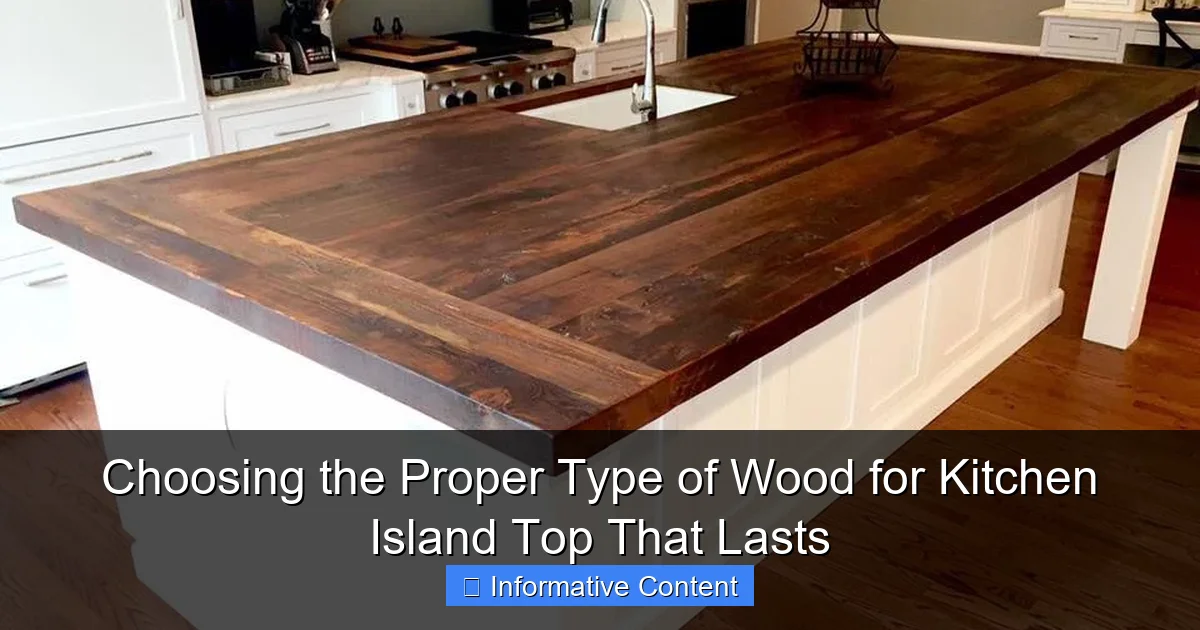
Featured image for proper type of wood for kitchen island top
Image source: i.pinimg.com
Choosing the right wood for your kitchen island top is crucial for durability and style. Hardwoods like oak, maple, and walnut offer unmatched strength and resistance to wear, making them ideal for high-traffic kitchens. Avoid softer woods like pine unless sealed properly, as they can dent and stain easily.
Key Takeaways
- Choose hardwoods: Opt for oak, maple, or walnut for durability and longevity.
- Seal properly: Always apply food-safe sealants to protect against moisture and stains.
- Consider grain density: Denser grains resist scratches and dents better in high-traffic kitchens.
- Prevent warping: Use quarter-sawn wood to minimize movement from humidity changes.
- Balance style and function: Match wood tone and grain to your kitchen’s aesthetic and use.
- Maintain regularly: Reapply finishes annually to preserve beauty and structural integrity.
📑 Table of Contents
- The Heart of Your Kitchen Deserves the Best
- Why Wood? The Unique Benefits of a Wooden Kitchen Island Top
- Top 5 Durable Wood Types for Kitchen Island Tops (And Why They Work)
- How to Choose the Right Wood for Your Lifestyle (Not Just Your Aesthetic)
- Finishes and Maintenance: Protecting Your Investment
- Cost vs. Longevity: Making a Smart Investment
- Real-World Lessons: What 10 Years of Wood Island Ownership Teaches Us
The Heart of Your Kitchen Deserves the Best
Your kitchen island is more than just a countertop—it’s the heart of your home. It’s where coffee is brewed on lazy Sundays, where kids do homework with flour-streaked hands, and where friends gather for wine and laughter. Choosing the proper type of wood for kitchen island top isn’t just about looks. It’s about durability, maintenance, and creating a space that feels both inviting and built to last.
I remember when my neighbor, Sarah, installed a stunning walnut island top. It looked like something out of a design magazine. But within a year, she was frustrated—water stains from spills, scratches from cutting boards, and even a small dent from a dropped pot. “I thought wood was supposed to be timeless,” she sighed. That’s when I realized: not all wood is created equal. The key isn’t just picking a beautiful wood—it’s picking the right wood for your lifestyle. Whether you’re a weekend cook or a daily meal prepper, your island top needs to handle real life. Let’s explore how to choose the proper type of wood for kitchen island top that balances beauty, strength, and practicality.
Why Wood? The Unique Benefits of a Wooden Kitchen Island Top
Warmth and Character That Stone Can’t Match
Granite, quartz, and marble are sleek and modern, but they lack the warmth of wood. A wooden island top brings a cozy, organic feel to your kitchen. Think of the way sunlight catches the grain of a live-edge maple slab—it’s almost like nature is part of your design. Unlike cold stone, wood feels alive. It ages gracefully, developing a rich patina over time. Every scratch, every water mark, tells a story. For families, this means your island top grows with you.
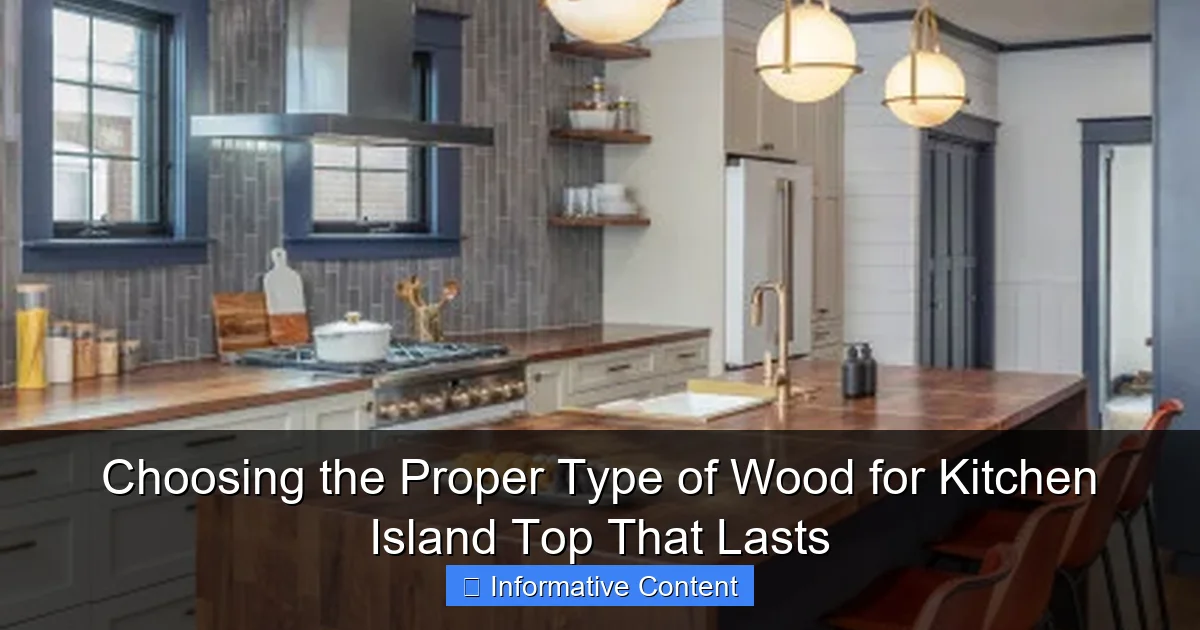
Visual guide about proper type of wood for kitchen island top
Image source: st.hzcdn.com
Wood also offers unmatched visual variety. No two slabs are alike. You might find a walnut with swirling grain patterns or a cherry with subtle reddish undertones. This uniqueness makes your kitchen truly one-of-a-kind. As designer Maria Lopez puts it: “Stone is perfect. Wood is personal.”
Repairability: A Hidden Advantage
Here’s a little-known secret: wood is far easier to repair than stone or laminate. Got a deep scratch? Light sanding and re-oiling can make it vanish. Water rings? A paste of baking soda and toothpaste might do the trick. Even dents can be lifted with steam and a damp towel. Compare that to granite, where a chip often means replacing the entire slab. With wood, you’re not just buying a countertop—you’re investing in a surface you can renew over time.
For example, my cousin’s butcher block island had a knife gouge from a careless guest. Instead of panicking, he sanded it down, applied mineral oil, and now you’d never know. That repairability is a game-changer for busy households.
Eco-Friendly and Sustainable Options
If you care about sustainability, wood is a smart choice—especially when sourced responsibly. Look for FSC-certified (Forest Stewardship Council) wood, which ensures it comes from well-managed forests. Reclaimed wood is another eco-friendly option. I once saw a stunning island top made from salvaged oak barn beams. It had character, history, and a carbon footprint far smaller than imported marble.
Plus, wood is biodegradable. When your island finally retires (decades from now), it won’t sit in a landfill like synthetic materials. For environmentally conscious homeowners, that’s a big win.
Top 5 Durable Wood Types for Kitchen Island Tops (And Why They Work)
1. Walnut: The Luxury Choice for Low-Maintenance Elegance
Walnut is a favorite for high-end kitchens—and for good reason. Its rich, chocolate-brown color deepens over time, and the grain is typically straight with subtle waves. But what makes walnut great for island tops? Density. At 3.8 on the Janka hardness scale, it resists scratches and dents better than softer woods like pine.
Best for: Families who want a dark, luxurious look but don’t want constant upkeep.
Pro tip: Seal walnut with a food-safe epoxy or polyurethane for extra protection against water damage. Avoid direct sunlight, as UV rays can fade the color unevenly.
2. Maple: The Workhorse for High-Traffic Kitchens
Maple is the unsung hero of kitchen islands. With a Janka rating of 4.0, it’s harder than walnut and nearly impervious to daily wear. Its pale color (ranging from creamy white to light amber) brightens small spaces, and the grain is fine and uniform—perfect for a clean, modern look.
My friend Jake, a baker, uses his maple island for rolling dough daily. After five years, it has only minor knife marks, which he embraces as part of its charm. “It’s like a well-worn baseball glove,” he says. “It gets better with time.”
Best for: Cooks who use the island for food prep, families with kids, or anyone who wants a light, airy kitchen.
Pro tip: Opt for “rock maple” (also called sugar maple) for the hardest, most durable grain.
3. Oak: The Classic Choice for Rustic or Traditional Kitchens
Oak is a timeless favorite, and for good reason. Red oak (Janka 4.0) and white oak (Janka 4.2) are both tough, with open grain patterns that add texture. White oak is especially water-resistant, making it ideal for islands near sinks. Its golden-brown hue pairs well with farmhouse or traditional décor.
One caveat: oak’s prominent grain can trap food particles if not sealed properly. But with a good finish, it’s incredibly durable. I once visited a 1920s home where the original oak island was still in use—100 years later!
Best for: Traditional kitchens, farmhouse styles, or homes with vintage charm.
Pro tip: Use white oak for areas prone to moisture. Red oak is fine for dry zones.
4. Cherry: The Elegant Wood That Ages Like Fine Wine
Cherry starts as a light pinkish hue but darkens to a rich, reddish-brown over time. It’s softer (Janka 2.6), so it’s not ideal for heavy chopping, but its smooth grain and natural luster make it perfect for decorative islands. Think of it as the “living room” of kitchen woods—beautiful but best for light use.
Best for: Islands used for serving, entertaining, or as a breakfast bar.
Pro tip: Pair cherry with a thick epoxy coating if you plan to prep food. Otherwise, treat it like fine furniture—wipe spills immediately.
5. Bamboo: The Eco-Friendly Alternative
Bamboo isn’t technically wood—it’s grass—but it’s processed into a durable, wood-like material. With a Janka rating of 4.5, it’s harder than most hardwoods. It’s also sustainable, growing up to 35 inches per day. Bamboo has a light, modern look with faint striations.
Best for: Eco-conscious homeowners or those who want a sleek, contemporary style.
Pro tip: Choose “strand-woven” bamboo for maximum durability. Avoid cheap bamboo that’s prone to warping.
How to Choose the Right Wood for Your Lifestyle (Not Just Your Aesthetic)
Assessing Your Kitchen’s Traffic and Use
Not all islands are used the same way. Ask yourself:
- Do you prep meals here daily? If yes, prioritize hardness. Maple, oak, or bamboo are best.
- Is it a social hub? For entertaining, walnut or cherry add warmth without sacrificing durability.
- Are pets or kids part of the equation? Go for maple or white oak—they handle scratches better.
For example, my sister has three kids and a dog. Her island sees everything from juice spills to homework messes. She chose maple for its durability and light color (which hides stains better than dark wood). “I don’t have time to baby it,” she says. “It just works.”
Climate and Humidity: The Silent Factor
Wood expands and contracts with humidity. In dry climates, it may crack. In humid areas, it might warp. This isn’t a dealbreaker—but it’s crucial to consider:
- Arid regions: Seal wood with a moisture-resistant finish. Avoid thin slabs (under 1.5 inches), which are more prone to cracking.
- Coastal or humid areas: Use white oak or epoxy-sealed wood. Install a dehumidifier if your kitchen lacks ventilation.
A friend in Florida learned this the hard way. Her unsealed walnut island warped after one rainy season. The fix? A professional refinish with marine-grade epoxy. Now it’s as good as new.
Matching Your Kitchen’s Style
Wood should complement—not clash with—your kitchen’s design. Here’s a quick guide:
- Modern kitchens: Light maple or bamboo with minimal grain.
- Rustic/farmhouse: White oak with prominent grain or reclaimed wood.
- Traditional: Cherry or walnut with a warm, rich tone.
- Coastal: Weathered oak or teak for a beachy vibe.
Remember: the wood’s finish matters too. A matte finish hides fingerprints; a glossy finish highlights grain. Test samples in your kitchen’s lighting before deciding.
Finishes and Maintenance: Protecting Your Investment
Oil vs. Polyurethane vs. Epoxy: The Great Debate
The finish you choose determines how much maintenance your island needs. Here’s the breakdown:
- Mineral oil/beeswax: Natural, food-safe, and easy to reapply. But requires monthly re-oiling. Best for light use (e.g., decorative islands).
- Polyurethane: Durable, water-resistant, and low-maintenance. Apply 2-3 coats for maximum protection. Ideal for high-traffic kitchens.
- Epoxy: Nearly indestructible. Resists heat, water, and scratches. Perfect for heavy use—but can look plastic-like. Use it for “floating” island tops or near sinks.
My neighbor Sarah switched from oil to polyurethane after her walnut top’s water stains. “I was re-oiling every three weeks,” she says. “Now I wipe it down and forget about it.”
Daily Care Tips to Prevent Damage
Even the toughest wood needs care. Follow these rules:
- Wipe spills immediately. Water is wood’s worst enemy.
- Use cutting boards. Knives dull faster on wood, and scratches are inevitable.
- Avoid harsh cleaners. Stick to mild soap and water. Vinegar can strip finishes.
- Rotate hot pots. Use trivets—heat can warp wood or crack finishes.
Bonus tip: Sand minor scratches with fine-grit sandpaper (220 grit), then reapply oil or polyurethane. It’s like a mini spa day for your island!
When to Refinish (And How)
Over time, even the best finishes wear down. Signs it’s time to refinish:
- Dullness or discoloration.
- Water no longer beads on the surface.
- Visible scratches or stains.
For oil-finished wood: Sand lightly and reapply oil. For polyurethane: Strip the old finish, sand, and re-coat. For epoxy: This is a job for professionals—it’s messy and requires specialized tools.
Cost vs. Longevity: Making a Smart Investment
Upfront Costs vs. Long-Term Value
Wood island tops range from $50–$200 per square foot, depending on type and finish. Here’s a rough estimate:
| Wood Type | Cost per sq. ft. | Lifespan (with proper care) | Best For |
|---|---|---|---|
| Maple | $70–$100 | 20+ years | High-traffic kitchens |
| Walnut | $90–$150 | 25+ years | Luxury, low-maintenance |
| White Oak | $60–$120 | 30+ years | Moisture-prone areas |
| Cherry | $80–$140 | 15–20 years | Light-use islands |
| Bamboo | $50–$90 | 20+ years | Eco-friendly homes |
Yes, wood is pricier than laminate, but it’s a long-term investment. A well-maintained maple top can outlast a granite countertop (which costs $100–$200 per sq. ft. and can’t be repaired). Plus, wood adds resale value—buyers love the warmth and craftsmanship.
DIY vs. Professional Installation: Weighing the Risks
Can you install a wood island top yourself? Technically, yes. But it’s risky. Wood is heavy (a 3-inch slab weighs ~5 lbs per sq. ft.), and improper installation can cause warping or gaps. For a seamless, long-lasting result, hire a pro. They’ll:
- Ensure proper support (no sagging).
- Seal edges to prevent moisture damage.
- Align grain patterns for a cohesive look.
My brother tried a DIY install. The result? A wobbly top that creaked every time he leaned on it. “I saved $500,” he says, “but I’ll pay $1,000 to fix it later.”
Real-World Lessons: What 10 Years of Wood Island Ownership Teaches Us
After years of seeing wood island tops in action, here’s what holds true:
- Hardness matters, but so does finish. A soft wood with epoxy can outperform a hard wood with oil.
- Embrace imperfections. Scratches and dents add character. They’re proof your kitchen is lived-in.
- Maintenance isn’t optional. Even the toughest wood needs care. But it’s worth it.
The proper type of wood for kitchen island top isn’t just about looks—it’s about finding a balance between beauty, durability, and your lifestyle. Whether you choose maple for its resilience, walnut for its elegance, or bamboo for its sustainability, your island will be the heart of your home for years to come. As Sarah says now, with her refinished walnut top: “I finally love my kitchen. And it loves me back.”
Frequently Asked Questions
What is the best type of wood for a kitchen island top?
Hardwoods like maple, walnut, and white oak are top choices for kitchen island tops due to their durability, resistance to scratches, and beautiful grain patterns. These woods also handle frequent use and moisture exposure better than softer alternatives.
Can I use softwood for a kitchen island top?
While softwoods like pine or fir are more affordable, they’re prone to dents, scratches, and water damage, making them less ideal for high-traffic kitchen islands. If used, they require frequent sealing and careful maintenance to last.
Is butcher block a good option for a kitchen island top?
Yes, butcher block made from hard maple or walnut is an excellent choice for a kitchen island top, offering both functionality and warmth. Regular oiling and sealing are essential to prevent moisture damage and maintain its appearance.
How does wood type affect maintenance for a kitchen island top?
Denser hardwoods like cherry or teak require less maintenance and resist wear better, while softer woods need frequent sealing and care. Choosing the proper type of wood for your kitchen island top minimizes long-term upkeep.
Which wood is most resistant to moisture for a kitchen island top?
White oak and teak are highly resistant to moisture and warping, making them ideal for kitchen island tops near sinks or dishwashers. Both woods naturally repel water and age gracefully with minimal damage.
Does the wood species impact the style of a kitchen island top?
Absolutely—walnut offers a rich, dark tone perfect for modern kitchens, while maple’s light grain suits farmhouse or coastal designs. Selecting the right wood species ensures your kitchen island top complements your overall aesthetic.