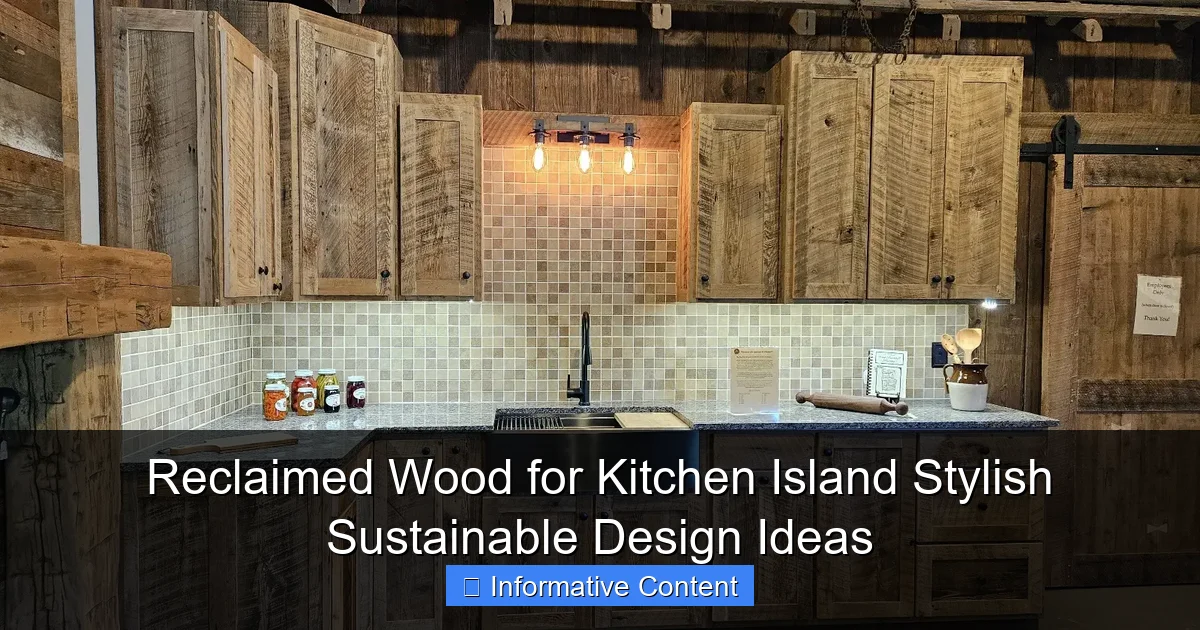
Featured image for reclaimed wood for kitchen island
Image source: oldreclaimedwood.com
Reclaimed wood for kitchen islands combines rustic charm with eco-conscious design, transforming salvaged materials into stunning, sustainable focal points. Durable, unique, and full of character, each piece tells a story while reducing environmental impact—making it a stylish and responsible choice for modern kitchens.
Key Takeaways
- Reclaimed wood adds unique character to kitchen islands with natural imperfections and history.
- Choose durable finishes like polyurethane to protect wood and ensure longevity.
- Source ethically from salvage yards or certified sustainable suppliers for eco-friendly design.
- Pair with modern materials like metal or concrete for a balanced, contemporary look.
- Seal properly to prevent moisture damage and maintain hygiene in food prep areas.
- Highlight craftsmanship by showcasing visible joinery or original markings for added charm.
📑 Table of Contents
- Why Reclaimed Wood for Kitchen Islands Is the Ultimate Design Upgrade
- The Beauty and Character of Reclaimed Wood
- Sustainability: The Eco-Friendly Choice
- Design Ideas and Practical Applications
- Installation, Maintenance, and Durability
- Cost, Sourcing, and Budget-Friendly Tips
- Final Thoughts: Is Reclaimed Wood Right for Your Kitchen?
Why Reclaimed Wood for Kitchen Islands Is the Ultimate Design Upgrade
Imagine walking into your kitchen and being greeted by the warm, weathered charm of a centuries-old barn beam now transformed into a stunning kitchen island. That’s the magic of reclaimed wood for kitchen island designs. It’s not just about looks—this material brings history, character, and sustainability into your home in a way no new wood ever could. I remember visiting a friend’s newly renovated kitchen last year. The island, made from reclaimed oak, had these gorgeous grain patterns and tiny nail holes that told a story. I couldn’t stop running my fingers over it. That’s the kind of tactile, emotional connection reclaimed wood creates.
But beyond the aesthetic appeal, choosing reclaimed wood is a conscious decision to reduce your environmental footprint. Every piece of reclaimed lumber saves trees, reduces landfill waste, and cuts down on the energy-intensive processes of manufacturing new materials. In a world where sustainability matters more than ever, using reclaimed wood for kitchen island builds is a small change with a big impact. And the best part? It doesn’t sacrifice style. Whether you’re going for rustic farmhouse, industrial chic, or modern minimalist, reclaimed wood adapts beautifully. Let’s dive into why this material is a game-changer—and how you can use it to create a kitchen island that’s as unique as you are.
The Beauty and Character of Reclaimed Wood
What Makes Reclaimed Wood So Special?
Reclaimed wood is sourced from old barns, factories, warehouses, and even sunken logs pulled from riverbeds. Each piece has lived a previous life, which means it’s already weathered the test of time. Unlike new wood, which starts fresh and uniform, reclaimed wood carries imperfections—knots, grain variations, saw marks, and even old nail holes—that add depth and authenticity. These “flaws” are what make it so visually striking.

Visual guide about reclaimed wood for kitchen island
Image source: canadianloghomes.com
For example, a reclaimed heart pine beam from a 19th-century textile mill might have deep, rich tones and a grain pattern that looks like it’s been hand-carved by nature. Or a salvaged oak plank from a demolished barn could show decades of sun exposure, giving it a silvery-gray patina perfect for a coastal kitchen. These details aren’t just decorative; they’re history you can touch.
Unique Aesthetic Possibilities
One of the biggest draws of using reclaimed wood for kitchen island designs is the sheer variety of looks you can achieve:
- Rustic Farmhouse: Think chunky, uneven planks with visible saw marks and a whitewash or natural oil finish.
- Industrial Edge: Use reclaimed steel beams as legs or accents, paired with dark-stained reclaimed wood for a factory-chic vibe.
- Modern Minimalist: Smooth, planed reclaimed wood with clean lines and a light gray or white finish creates a Scandinavian feel.
- Coastal Cottage: Weathered gray wood with a matte sealant mimics driftwood and pairs well with white cabinets.
Pro tip: Visit a local salvage yard or specialty supplier to handpick your wood. You’ll get to see the actual grain and color variations, which is crucial since reclaimed wood is never uniform.
Color and Finish Options
Reclaimed wood comes in a rainbow of natural tones, depending on its age and source:
- Golden Honey: From old barns, often with a warm amber hue.
- Charcoal Gray: Weathered wood that’s been exposed to sun and rain for decades.
- Deep Espresso: Rare old-growth timber with dense, dark grain.
- Whitewashed: Bleached or painted wood from old shiplap or siding.
For finishes, avoid glossy polyurethane—it looks too “new” and clashes with the wood’s character. Instead, opt for matte or satin sealants like tung oil, beeswax, or water-based poly. These enhance the grain without masking it.
Sustainability: The Eco-Friendly Choice
Why Reclaimed Wood Is a Green Hero
Let’s talk numbers. According to the U.S. Forest Service, reclaiming one ton of wood saves 17 trees, 7,000 gallons of water, and enough energy to power an average home for 6 months. That’s huge. When you choose reclaimed wood for your kitchen island, you’re:
- Preventing old wood from ending up in landfills (where it would release methane as it decomposes).
- Reducing demand for new timber, which protects forests and biodiversity.
- Cutting down on the carbon footprint of manufacturing and transporting new materials.
I once worked with a couple who built their island from reclaimed Douglas fir from a demolished 1920s schoolhouse. They even found a piece with a teacher’s chalkboard markings still visible—now framed as a decorative accent. That’s the kind of storytelling sustainability can create.
Certifications and Ethical Sourcing
Not all reclaimed wood is created equal. To ensure you’re getting truly eco-friendly material, look for:
- FSC Reclaimed Certification: Guarantees the wood was salvaged responsibly.
- Local Suppliers: Reduces transportation emissions. Ask if they source from nearby barns or buildings.
- No Chemical Treatments: Avoid wood from old railroad ties (often treated with creosote) or industrial sites (potential toxins).
One caution: Some sellers claim wood is “reclaimed” but actually just distress new wood to look old. Always ask for the wood’s origin. A reputable supplier will have documentation or photos of the original structure.
Long-Term Environmental Benefits
Reclaimed wood is more stable than new wood because it’s already dried and acclimated to temperature changes. This means less warping, cracking, or shrinkage over time. A well-sealed reclaimed wood island can last 50+ years—far longer than most new furniture. When it’s time to replace it, the wood can be composted or repurposed again, closing the loop.
Design Ideas and Practical Applications
Top 5 Kitchen Island Designs with Reclaimed Wood
Ready to get inspired? Here are five real-world examples of how reclaimed wood for kitchen island designs can transform your space:
- The Statement Countertop: Use thick, live-edge reclaimed slabs for a dramatic, one-of-a-kind surface. Pair with metal legs for contrast.
- Shiplap Island: Cover the island’s base with reclaimed shiplap for a cozy, cottage feel. Paint it white or leave it natural.
- Mixed Materials: Combine reclaimed wood with concrete, marble, or stainless steel for a modern industrial look.
- Floating Shelves: Add reclaimed wood shelves above the island for open storage and display.
- Two-Tone Design: Use reclaimed wood for the base and a contrasting stone (like quartz or granite) for the countertop.
For example, a client in Portland used reclaimed barn wood for their island’s base, paired with a concrete countertop. The mix of textures—rough wood and smooth concrete—created a kitchen that felt both earthy and contemporary.
Size and Layout Considerations
Reclaimed wood’s thickness (often 1.5–3 inches) means your island will have a substantial, grounded feel. But this also affects:
- Height: Standard islands are 36 inches tall. With thick reclaimed wood, consider adding a few inches to the base for balance.
- Weight: A solid reclaimed wood island can weigh 500+ pounds. Ensure your floor can support it, especially on upper levels.
- Storage: Use reclaimed wood for open shelving or cabinet doors. For drawers, pair it with new wood or metal frames.
Pro tip: If you’re on a budget, use reclaimed wood for the island’s face and sides, then pair it with a new wood or stone countertop.
Pairing with Other Kitchen Elements
Reclaimed wood plays well with almost any style, but here’s how to make it shine:
- Cabinets: Match reclaimed wood with white, navy, or black cabinets. Avoid wood-on-wood unless you’re going for a cabin aesthetic.
- Backsplash: Pair with subway tiles, marble, or even more reclaimed wood (for a cohesive look).
- Lighting: Pendant lights with black metal or Edison bulbs enhance the wood’s rustic charm.
- Hardware: Choose oil-rubbed bronze or black iron knobs and pulls.
One of my favorite combos: a reclaimed wood island with a white farmhouse sink, brass faucet, and vintage-style bar stools. It’s timeless and inviting.
Installation, Maintenance, and Durability
Prepping and Sealing Reclaimed Wood
Reclaimed wood needs extra care before installation. Here’s the process:
- Inspect: Check for pests (termites, carpenter ants) and old nails. Remove or fill any holes.
- Clean: Sand lightly to remove dirt and old finishes, but don’t over-sand—you’ll lose character.
- Stabilize: Let the wood acclimate in your home for 2–4 weeks to adjust to humidity.
- Seal: Apply 2–3 coats of food-safe sealant (like tung oil or water-based poly) to protect against spills and stains.
For countertops, avoid oil-based sealants—they can turn rancid with food contact. Instead, use a commercial-grade, food-safe epoxy for high-use areas.
Daily Care and Cleaning
Reclaimed wood is durable but not indestructible. Follow these tips:
- Wipe spills immediately with a damp cloth.
- Use coasters for hot dishes and cutting boards for food prep.
- Clean with mild soap and water—no harsh chemicals.
- Reapply sealant every 1–2 years (or when water stops beading).
One mistake I see: people using vinegar or bleach on reclaimed wood. These can strip the finish and damage the grain. Stick to pH-neutral cleaners.
Longevity and Repairs
With proper care, a reclaimed wood island can last a lifetime. Minor scratches? Embrace them—they add character. For deeper gouges, fill with wood filler and sand smooth. If the finish wears down, lightly sand and reseal. The wood’s age makes it more resistant to warping than new wood, but avoid placing it near heat sources (like a stovetop) or in direct sunlight, which can fade the color.
Cost, Sourcing, and Budget-Friendly Tips
How Much Does Reclaimed Wood Cost?
Reclaimed wood isn’t cheap, but it’s an investment. Here’s a breakdown of average prices (per square foot):
| Type of Reclaimed Wood | Price Range (per sq ft) | Best For |
|---|---|---|
| Barn Wood (Oak, Pine) | $10–$25 | Island bases, shelving |
| Heart Pine (Old Growth) | $25–$50 | Countertops, statement pieces |
| Douglas Fir (Industrial) | $8–$18 | Structural supports, legs |
| Live Edge Slabs | $50–$150 | Countertops, focal points |
For a standard 4′ x 6′ island, expect to spend $800–$3,000 just for the wood. But remember: this includes the story, sustainability, and longevity that new wood can’t match.
Where to Source Reclaimed Wood
Skip big-box stores. Instead, try:
- Local Salvage Yards: Search “reclaimed wood [your city]” online. Many offer pickup or delivery.
- Specialty Suppliers: Companies like Eco Timber or Reclaimed Wood Solutions ship nationwide.
- Demolition Sites: With permission, you can salvage wood from old buildings (check local regulations).
- Online Marketplaces: Etsy, Facebook Marketplace, and Craigslist often have affordable options.
Pro tip: Buy 10–20% extra to account for cuts and imperfections.
Budget-Friendly Alternatives
Not ready to splurge? Try these tricks:
- Reclaimed Wood Veneer: Thin sheets of reclaimed wood glued to a new base. Costs 50–70% less.
- DIY Distressing: Buy new wood and distress it yourself (use a wire brush, sandpaper, and vinegar/steel wool stain).
- Focus on Accents: Use reclaimed wood for the island’s base, then pair with a cheaper countertop (like butcher block or laminate).
I once helped a client create a “reclaimed look” island using new pine boards stained with a gray wash and lightly sanded. It cost $300 instead of $1,500—and fooled everyone!
Final Thoughts: Is Reclaimed Wood Right for Your Kitchen?
Choosing reclaimed wood for kitchen island design isn’t just a trend—it’s a commitment to sustainability, history, and timeless beauty. It’s the kind of material that makes your kitchen feel like a home, not a showroom. Yes, it takes more planning and care than new wood. But the payoff—a space that’s warm, unique, and kind to the planet—is worth it.
Think about your priorities. If you value:
- Authenticity: Reclaimed wood’s imperfections are its charm.
- Sustainability: You’re making an eco-conscious choice.
- Longevity: This island will outlive you.
…then it’s the perfect fit. But if you need a flawless, low-maintenance surface or are on a tight budget, consider a reclaimed-wood veneer or distressed new wood instead.
Ultimately, the best kitchen islands reflect the people who use them. Whether you’re drawn to the rustic soul of barn wood or the sleek elegance of a live-edge slab, reclaimed wood lets you tell your story—one grain line at a time. So go ahead, embrace the knots, the history, and the heart. Your kitchen (and the planet) will thank you.
Frequently Asked Questions
Is reclaimed wood for kitchen island durable enough for daily use?
Yes, reclaimed wood is often more durable than new wood due to its age and density, having already withstood decades of natural hardening. Proper sealing and finishing further enhance its resistance to scratches, spills, and wear in high-traffic kitchens.
How does using reclaimed wood in a kitchen island contribute to sustainability?
Reclaimed wood repurposes old timber from barns, factories, or warehouses, reducing deforestation and landfill waste. Choosing it for your kitchen island lowers your carbon footprint while adding unique, eco-friendly character to your space.
Can I customize the color and finish of reclaimed wood for a kitchen island?
Absolutely! Reclaimed wood can be sanded, stained, or painted to match your desired aesthetic, though many prefer its natural weathered look. Work with a skilled carpenter to achieve a finish that complements your kitchen’s design.
What are the maintenance requirements for a reclaimed wood kitchen island?
Regular cleaning with a damp cloth and occasional reapplication of food-safe oil or wax will keep the wood looking fresh. Avoid harsh chemicals, and address spills promptly to prevent staining or warping.
Where can I source high-quality reclaimed wood for kitchen island projects?
Look for reputable salvage yards, architectural reclaimers, or specialty lumber suppliers that verify the wood’s origin and condition. Online marketplaces like Etsy or local artisans also offer pre-finished reclaimed wood slabs.
Will reclaimed wood for kitchen islands develop cracks or warping over time?
Properly dried and treated reclaimed wood is stable, but minor cracks (called checking) may appear due to its age—this is often seen as part of its charm. Ensure the wood is kiln-dried and sealed to minimize future warping.