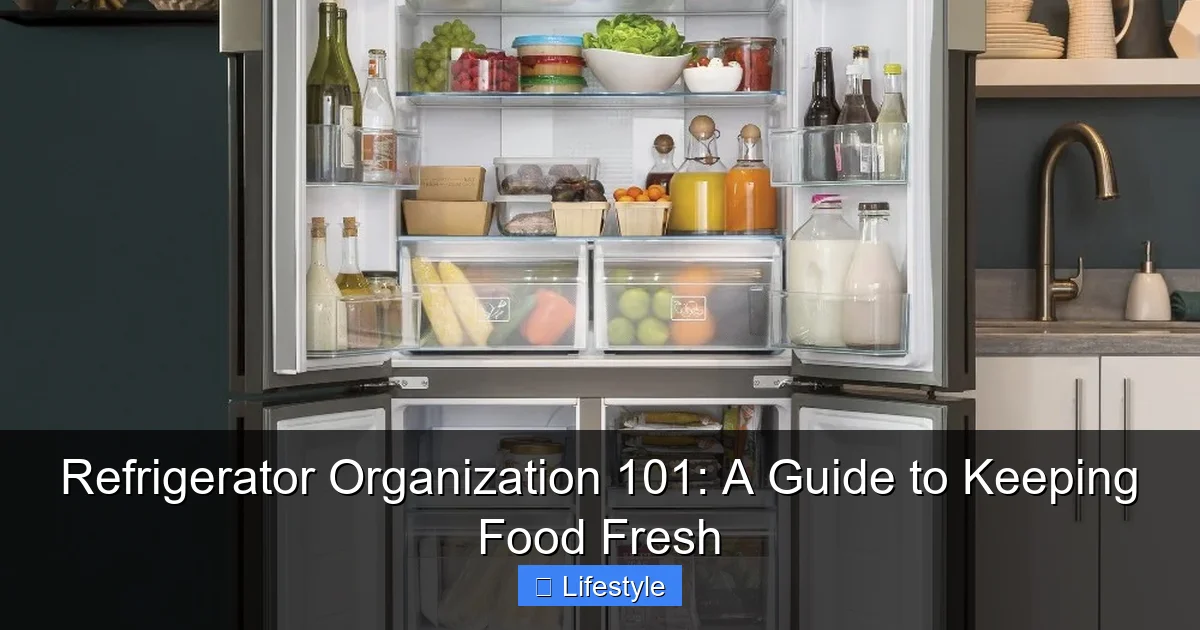
Featured image for this comprehensive guide about Refrigerator organization for fresh food
Image source: i0.wp.com
Imagine opening your refrigerator door to a symphony of freshness: vibrant produce, neatly arranged containers, and everything easily visible. No more forgotten leftovers lurking in the back, no more wilted greens, and definitely no more mystery smells. Sounds like a dream, right? For many, the refrigerator can feel like a chaotic black hole, a place where good food goes to die a slow, unlamented death. This isn’t just frustrating; it’s wasteful, expensive, and frankly, a barrier to healthy eating.
The truth is, your refrigerator is a powerful tool designed to extend the life of your food, but only if you know how to use it right. A disorganized fridge leads to an estimated 25% of all food waste in developed countries, costing families hundreds, if not thousands, of dollars annually. But it doesn’t have to be this way. With a little strategic thinking and some actionable tips, you can transform your fridge from a jumbled mess into a highly efficient freshness factory.
This comprehensive guide will walk you through everything you need to know about refrigerator organization for fresh food. We’ll explore the science behind optimal storage, delve into practical layout strategies, and equip you with the knowledge to keep your groceries fresher for longer, save money, and reduce your household food waste. Get ready to unlock the full potential of your fridge and savor every bite of your delicious, perfectly preserved food!
Quick Answers to Common Questions
What’s the golden rule for refrigerator organization for fresh food placement?
Always remember “first in, first out” for general rotation, and store items by temperature needs. Place raw meats on the lowest shelf, dairy and eggs in the main body, and produce in the crisper drawers.
My produce goes bad so fast! What’s the secret to refrigerator organization for fresh food when it comes to fruits and veggies?
Utilize your crisper drawers! Most leafy greens and delicate vegetables prefer high humidity, while many fruits and some vegetables (like peppers) do better in low humidity settings. Separate them to extend freshness.
How can I prevent raw meat from contaminating other items with smart refrigerator organization for fresh food?
Always store raw meat, poultry, and seafood on the lowest shelf in your refrigerator, preferably in a sealed container or on a plate to catch any drips. This crucial step prevents cross-contamination with ready-to-eat foods.
I’ve heard the door isn’t great for everything. What’s the best refrigerator organization for fresh food spot for eggs and milk?
Keep milk and eggs in the main body of the fridge, typically on a middle shelf, where the temperature is more consistent. The door is the warmest spot and best reserved for less perishable items like condiments and jars.
How can I maximize shelf life for open items and leftovers through effective refrigerator organization for fresh food?
Store leftovers and opened foods in clear, airtight containers on easily accessible shelves, and label them with the date. This helps you quickly identify what needs to be eaten first and prevents food waste.
📋 Table of Contents
- Why Smart Refrigerator Organization Matters for Fresh Food
- Mastering the Fridge Layout: The Zone System Explained
- Pre-Organization Prep: Essential Steps Before You Arrange
- Specific Food Storage Hacks for Maximum Freshness
- Maintaining Your Organized Fridge: Routine and Best Practices
- A Quick Reference: Optimal Storage for Common Fresh Foods
- Conclusion: Your Fresh Food Sanctuary Awaits
Why Smart Refrigerator Organization Matters for Fresh Food
Before we dive into the ‘how-to,’ let’s understand the profound impact that proper refrigerator organization for fresh food has on your daily life, your wallet, and even the planet. It’s more than just aesthetics; it’s a critical component of efficient and sustainable home management.
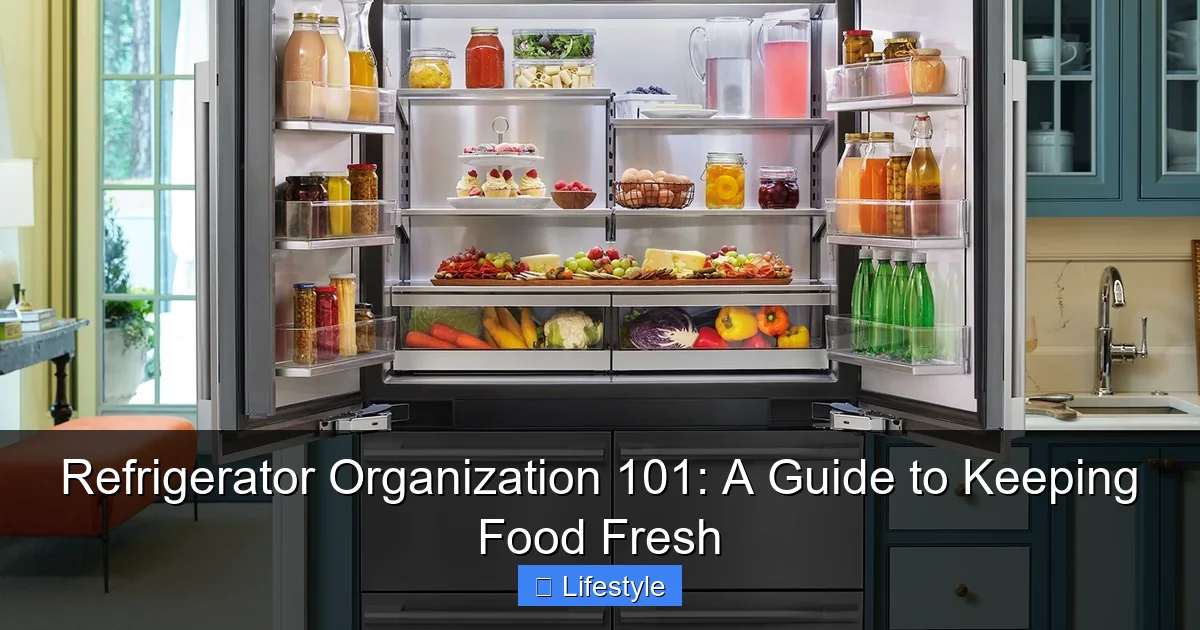
Learn more about Refrigerator organization for fresh food – Refrigerator Organization 101: A Guide to Keeping Food Fresh
Image source: lg-sks-content.s3.us-west-1.amazonaws.com
The Cost of Food Waste
Food waste is a staggering global problem, and a significant portion of it happens right in our homes. In the United States alone, approximately 30-40% of the food supply is wasted, equating to roughly 133 billion pounds and $161 billion worth of food annually. For the average family, this translates to throwing away about $1,500 worth of groceries each year. Think about that for a moment – money directly from your pocket, into the trash bin. Much of this waste stems from food expiring before it’s used, often because it’s lost in a cluttered fridge, improperly stored, or simply forgotten. Effective fridge organization makes it easier to see what you have, encouraging you to use items before they spoil, thereby significantly reducing your personal contribution to food waste and saving you real money.
| Refrigerator Zone / Food Type | Recommended Storage Method | Impact on Freshness / Benefit |
|---|---|---|
| High-Humidity Crisper (e.g., leafy greens, herbs) | Wash, dry thoroughly, store in an airtight container or bag with a paper towel. | Extends freshness by 3-5 days; prevents wilting and dehydration, significantly reducing food waste. |
| Low-Humidity Crisper (e.g., apples, bell peppers, citrus) | Store unwashed in a breathable bag or loose. Keep away from ethylene-producing fruits. | Prevents premature ripening; maintains crispness and flavor, potentially adding 1-2 weeks to shelf life. |
| Top & Middle Shelves (most consistent temperature) | Cooked leftovers in airtight containers, dairy products (milk, yogurt), deli meats. | Ensures food safety by maintaining proper temperature; prevents odor transfer and spoilage (leftovers typically last 3-4 days). |
| Bottom Shelf (coldest, prevents cross-contamination) | Raw meats, poultry, and seafood in sealed containers or original packaging placed on a plate. | Prevents drips onto other foods, drastically reducing risk of bacterial spread; maintains optimal coldness for highly perishable items. |
| Door Shelves (warmest, most temperature fluctuation) | Condiments (mustard, ketchup, jams), drinks, butter. Avoid milk or eggs here. | Ideal for items with natural preservatives or those less sensitive to temperature changes, ensuring they last for their full stated period. |
Health and Safety Benefits
Beyond the financial implications, a well-organized refrigerator plays a crucial role in maintaining food safety and promoting healthier eating habits. When raw meats drip onto ready-to-eat produce, or when old, forgotten items harbor bacteria, you risk cross-contamination and foodborne illnesses. Proper segregation of food types, maintaining optimal temperatures, and clear visibility of contents ensure that your food remains safe to consume. Furthermore, when your healthy ingredients – fresh fruits, vegetables, and lean proteins – are front and center and easily accessible, you’re far more likely to grab them for a snack or meal, supporting a healthier diet.
Mastering the Fridge Layout: The Zone System Explained
Think of your refrigerator not as a big, cold box, but as a series of temperature zones, each ideally suited for different types of food. Understanding these zones is the cornerstone of effective refrigerator organization for fresh food. This “zone system” prevents cross-contamination, maintains optimal temperatures for various items, and ultimately helps you keep food fresh for longer.
Learn more about Refrigerator organization for fresh food – Refrigerator Organization 101: A Guide to Keeping Food Fresh
Image source: upload.wikimedia.org
Top Shelf: Ready-to-Eat Items
The top shelf is typically the warmest area in most refrigerators, making it ideal for foods that are already cooked or require minimal chilling. This is your prime real estate for immediate consumption.
- Leftovers: Store them in clear, airtight containers. Label with the date to follow the “First-In, First-Out” (FIFO) rule.
- Cooked Foods: Dishes you’ve prepared for the week, like roasted chicken or pasta salads.
- Deli Meats and Cheeses: Keep them in their original packaging or rewrap tightly to prevent drying out.
- Herbs (Delicate): Place fresh herbs like cilantro or parsley upright in a jar with a little water, then cover loosely with a plastic bag.
Middle Shelves: Dairy and Produce
These shelves maintain a consistent, moderate temperature, perfect for dairy and certain produce.
- Dairy Products: Milk, yogurt, sour cream, and butter thrive here. Keep milk in the main body of the fridge, not the door, as the door fluctuates in temperature.
- Eggs: While some fridges have egg trays in the door, it’s best to keep them in their original carton on a middle shelf, where the temperature is more stable.
- Open Jars and Spreads: Jams, hummus, salsas, and condiments that need to be refrigerated after opening.
- Berries and Grapes: Store unwashed in their original containers or in a shallow, breathable container. Wash just before eating.
Bottom Shelf: Raw Meats and Seafood (Crucial for Safety)
This is arguably the most critical zone for food safety. The bottom shelf is the coldest part of your refrigerator and, most importantly, it prevents raw meat juices from dripping onto and contaminating other foods. This is paramount for preventing foodborne illnesses.
- Raw Meats and Poultry: Always store these in their original sealed packaging, or place them on a plate or in a container with a lip to catch any potential drips. Ensure they are well-sealed.
- Raw Fish and Seafood: Similar to meat, keep these tightly wrapped and on the bottom shelf. Use within 1-2 days of purchase or freeze.
- Marinating Foods: If you’re marinating meat, place the container on the bottom shelf to catch any potential leaks.
Remember, always wash your hands thoroughly after handling raw meats to prevent cross-contamination.
Crisper Drawers: The Produce Powerhouses
Crisper drawers are designed to manage humidity levels, making them specialized environments for various types of produce. Most modern refrigerators have two crisper drawers with adjustable settings: one for high humidity and one for low humidity.
- High-Humidity Drawer: This drawer typically has the vent nearly closed. It’s perfect for ethylene-sensitive produce that needs moisture to stay crisp.
- Best for: Leafy greens (lettuce, spinach, kale), broccoli, cauliflower, carrots, asparagus, cucumbers, bell peppers.
- Tip: Store leafy greens loosely wrapped in a damp paper towel within a plastic bag to maintain moisture.
- Low-Humidity Drawer: This drawer typically has the vent open. It’s designed for produce that emits ethylene gas, which can cause other produce to ripen and spoil quickly.
- Best for: Apples, pears, avocados, melons, peaches, plums.
- Tip: Keep ethylene-producing fruits separate from ethylene-sensitive vegetables to maximize their shelf life.
Door Compartments: The Warmest Zone
The refrigerator door experiences the most temperature fluctuation every time it’s opened. Therefore, it’s the warmest spot in your fridge and not suitable for highly perishable items.
- Condiments: Ketchup, mustard, pickles, jams, salad dressings – these typically have a high vinegar, salt, or sugar content, making them less susceptible to temperature changes.
- Beverages: Water, juice, sodas, and other bottled drinks.
- Opened Jars of Olives, Capers, etc.: These items are usually preserved in brine or oil.
Never store milk or eggs in the door compartments. The temperature instability will significantly shorten their shelf life and potentially compromise safety.
Pre-Organization Prep: Essential Steps Before You Arrange
Before you start assigning zones and meticulously placing items, a little preparation goes a long way. These preliminary steps are crucial for effective refrigerator organization for fresh food and creating a truly clean slate.
The Great Fridge Purge: Declutter and Clean
- Empty Everything Out: Take every single item out of your refrigerator. Yes, everything. This is your chance to really see what you have (and what you don’t).
- Toss Expired and Spoiled Items: Be ruthless. If it’s past its prime, smells suspicious, or has visible mold, it goes. This is the biggest step in reducing food waste.
- Clean Thoroughly: Remove all shelves, drawers, and bins. Wash them with warm, soapy water. Wipe down the interior of the fridge with a mild cleaning solution (a mix of white vinegar and water works wonders) to eliminate bacteria and odors. Don’t forget the door seals!
- Check Temperature: While empty, it’s a good time to ensure your fridge is operating at the correct temperature. The ideal range for food safety and freshness is between 35°F and 38°F (1.7°C and 3.3°C). Use a separate refrigerator thermometer if your appliance doesn’t have an accurate built-in display.
A clean fridge doesn’t just look better; it’s a safer environment for your food and sets the stage for maximum food freshness.
Invest in Smart Storage Solutions
While not strictly necessary, good storage containers can dramatically improve your fridge organization and food longevity. Look for:
- Airtight Containers: Essential for leftovers, cut produce, and deli meats to prevent them from drying out or absorbing odors. Glass containers are excellent as they are non-reactive, easy to clean, and allow you to see contents clearly.
- Clear Bins and Trays: These help group similar items (e.g., all yogurts, all condiments) and make it easy to pull out a whole section to find what you need. They also prevent items from migrating to the back of the fridge.
- Produce Savers: Some containers are specifically designed to regulate humidity for fruits and vegetables, further extending their shelf life.
- Reusable Produce Bags: Great for storing certain vegetables in the crisper drawers.
The key is visibility. If you can see it, you’re more likely to use it.
Understand Expiration Dates and First-In, First-Out (FIFO)
This is a fundamental principle of effective food management, borrowed from professional kitchens. When restocking your fridge, place newer items behind older ones. When reaching for an item, always grab the one that needs to be used first. This simple practice ensures you rotate your stock efficiently and significantly reduces items going bad unnoticed. Labeling leftovers and opened packages with the date they were made or opened is invaluable for implementing FIFO effectively.
Specific Food Storage Hacks for Maximum Freshness
Now that your fridge is clean, organized into zones, and equipped with smart storage, let’s get into the nitty-gritty of how to store specific fresh foods to truly keep food fresh and extend their lifespan.
Fruits and Vegetables: A Detailed Guide
Produce can be tricky due to varying needs for humidity and sensitivity to ethylene gas. The general rule is: store like with like and respect the crisper settings.
- Leafy Greens (Lettuce, Spinach, Kale): Wash, dry thoroughly (a salad spinner is great), then wrap loosely in a damp paper towel and store in an airtight bag or container in the high-humidity crisper. This can keep them fresh for up to 1-2 weeks.
- Carrots, Celery, Asparagus: Trim ends, then stand upright in a jar with a bit of water, covering with a plastic bag. Or, store in an airtight container in the high-humidity drawer.
- Berries: Store unwashed in their original container or a breathable container in the middle shelf. Wash just before eating. A quick vinegar bath (1 part vinegar to 3 parts water, rinse well) can help inhibit mold growth.
- Apples, Pears, Citrus: Store in the low-humidity crisper. Keep apples away from other produce if possible, as they are strong ethylene producers.
- Mushrooms: Store in a paper bag (not plastic) in the main part of the fridge to allow them to breathe and prevent sliminess.
- Avocados: Store unripe avocados on the counter. Once ripe, move to the low-humidity crisper to slow down ripening.
Do NOT refrigerate: Tomatoes (lose flavor), potatoes (starch turns to sugar), onions (turn soft), garlic (sprouts), bananas (turn black), basil (turns black quickly). Store these at room temperature.
Dairy and Eggs: Best Practices
Correct dairy and egg storage is vital for safety and flavor.
- Milk: Store on a middle shelf, towards the back, where temperatures are most stable. Never in the door.
- Yogurt, Cottage Cheese, Sour Cream: Keep tightly sealed on a middle shelf.
- Butter: Can be stored in the butter compartment in the door for easy spreading, but for longer storage, keep it in the main body of the fridge.
- Cheese: Hard cheeses last longer. Wrap them in cheese paper or parchment paper, then a loose plastic bag, allowing them to breathe without drying out. Store on a middle shelf. Fresh cheeses like mozzarella or feta should be kept in their brine and consumed quickly.
- Eggs: In their original carton, on a middle shelf. The carton protects them from absorbing odors and helps maintain their freshness.
Meats and Seafood: Safety First
Raw meats and seafood are highly perishable and pose a risk of cross-contamination if not handled correctly. This is where food safety is paramount for your refrigerator organization for fresh food.
- Raw Meats (Beef, Pork, Chicken): Store in their original packaging, placed on a plate or in a shallow container on the bottom shelf to catch any drips. Use within 1-2 days or freeze immediately.
- Ground Meats: Even more perishable than whole cuts. Use within 1 day or freeze.
- Fish and Seafood: Store on the bottom shelf, tightly wrapped, ideally on ice in a container if you plan to use it within 24 hours. Otherwise, freeze immediately.
- Cooked Meats: Store on the top shelf, in airtight containers, for up to 3-4 days.
Leftovers and Meal Prep: Keeping Them Safe
The key to good leftover management is speed and proper storage.
- Cool Quickly: Divide large quantities of food into shallow containers to help them cool rapidly before refrigerating (within 2 hours of cooking).
- Airtight Containers: Always use airtight containers to prevent drying out and absorption of odors.
- Label and Date: Essential for knowing what you have and when it needs to be eaten. Most leftovers are good for 3-4 days.
- Strategic Placement: Place ready-to-eat meal prep containers and leftovers on the top or middle shelves for easy access and visibility.
Maintaining Your Organized Fridge: Routine and Best Practices
Achieving a perfectly organized fridge is one thing; keeping it that way is another. Regular maintenance is key to sustaining your efforts and ensuring continuous food freshness and safety. This ongoing commitment to refrigerator organization for fresh food will pay dividends.
Regular Cleaning Schedule
A quick weekly clean can prevent a major deep clean later. Before your weekly grocery shop, do a quick audit:
- Wipe Down Spills Immediately: Don’t let them dry and harden.
- Quick Shelf Wipe: Every week or two, quickly wipe down shelves and door compartments.
- Monthly Deep Clean: Plan a more thorough clean every month or two, taking out shelves and drawers for a proper wash, just like your initial purge.
- Check for Odors: If you notice lingering smells, it’s often a sign of spoiled food or a need for a deeper clean. An open box of baking soda can help absorb odors.
Temperature Monitoring
As mentioned, the ideal temperature range is 35°F-38°F (1.7°C-3.3°C). Fluctuations can significantly impact food freshness and safety. If your fridge doesn’t have an accurate digital display, invest in an inexpensive refrigerator thermometer and check it regularly.
- Avoid Overpacking: A common mistake! An overstuffed fridge restricts airflow, leading to warmer spots and less efficient cooling. This can spoil food faster. Aim for about 75% capacity to allow for proper circulation.
- Don’t Leave the Door Open: Minimize the time the refrigerator door is open to maintain a consistent internal temperature. Have a plan before you open the door.
Don’t Overpack
It’s tempting to cram every grocery item into the fridge, but an overpacked refrigerator prevents proper air circulation, creating inconsistent temperatures and leading to spoilage. Aim to keep your fridge about 75% full to allow cold air to move freely around your food. This is vital for maintaining optimal food freshness.
Label Everything
This simple habit can save you so much guesswork and prevent waste. Use masking tape and a marker to label leftovers, meal prep containers, and even opened packages with the date they were stored. This instantly tells you what’s what and when it needs to be eaten by, supporting your FIFO system and making refrigerator organization for fresh food more effective.
A Quick Reference: Optimal Storage for Common Fresh Foods
Here’s a handy table summarizing the best storage practices for some of the most common fresh foods, helping you extend their shelf life and maintain peak quality.
| Food Item | Best Storage Location | Tips for Freshness | Typical Shelf Life (Refrigerated) |
|---|---|---|---|
| Raw Chicken/Meat | Bottom Shelf | In original packaging, on a plate/container to catch drips. | 1-2 days (Meat), 1 day (Ground Meat/Poultry) |
| Raw Fish/Seafood | Bottom Shelf | Tightly wrapped, ideally on ice in a container. | 1-2 days |
| Milk, Yogurt | Middle Shelf (back) | Keep sealed, avoid door compartment. | 7-10 days after opening (Milk), 1-2 weeks (Yogurt) |
| Eggs | Middle Shelf | In original carton. | 3-5 weeks |
| Leafy Greens | High-Humidity Crisper | Washed, dried, wrapped in damp paper towel in a bag/container. | 5-10 days |
| Carrots, Celery | High-Humidity Crisper | Trimmed, in airtight container or upright in water. | 2-4 weeks |
| Berries | Middle Shelf | Unwashed, in original container or breathable container. Wash before eating. | 3-7 days |
| Apples, Pears | Low-Humidity Crisper | Separate from ethylene-sensitive produce. | 3-4 weeks (apples), 1-2 weeks (pears) |
| Cooked Leftovers | Top/Middle Shelf | Cooled quickly, in airtight, dated containers. | 3-4 days |
| Condiments | Door Compartment | Tightly sealed. | Months (check label after opening) |
Conclusion: Your Fresh Food Sanctuary Awaits
You now have the tools and knowledge to transform your refrigerator into an efficient, safe, and truly fresh food sanctuary. By understanding the optimal temperature zones, investing in smart storage, and implementing consistent organizational habits, you’re not just tidying up your appliance; you’re actively reducing food waste, saving money, and ensuring that every ingredient you bring home lives up to its fresh potential.
Embracing smart refrigerator organization for fresh food is an ongoing journey, not a one-time event. Make these tips a regular part of your kitchen routine, and you’ll soon find that meal planning becomes easier, cooking is more enjoyable, and the stress of forgotten, spoiled food becomes a distant memory. Take control of your fridge today, and start enjoying fresher, safer, and more delicious food every single day!
Frequently Asked Questions
Why is proper refrigerator organization essential for keeping food fresh?
Effective refrigerator organization ensures optimal airflow, which is crucial for maintaining consistent temperatures throughout your fridge. This prevents spoilage, reduces the risk of cross-contamination between different food types, and helps your fresh ingredients last longer.
Where should I store fruits and vegetables for maximum freshness?
Most fruits and vegetables should go in the crisper drawers, using the humidity settings appropriately: high humidity for leafy greens and low humidity for fruits like apples and pears. Keep ethylene-producing fruits (like apples and avocados) separate from ethylene-sensitive vegetables to prevent premature ripening and spoilage.
What’s the best way to organize raw meats, dairy, and eggs in my refrigerator?
Raw meats, poultry, and seafood should always be stored on the bottom shelf to prevent their juices from dripping onto other foods and causing cross-contamination. Dairy products and eggs are best kept in the colder, main body of the refrigerator, not the door, where temperatures fluctuate more.
Beyond just placement, what are some tips for extending the life of fresh food in my fridge?
Properly store items in airtight containers to lock in moisture and prevent odor transfer. Avoid overcrowding your refrigerator, as this impedes airflow and can lead to warmer spots. Additionally, wipe down produce before storing, but only wash right before use for many items to prevent excess moisture from causing rot.
Are there any common fresh foods that I shouldn’t store in the refrigerator?
Yes, some items lose flavor or texture when refrigerated, such as tomatoes, potatoes, onions, and garlic. Certain fruits like bananas and avocados ripen better at room temperature, and bread can quickly go stale in the fridge, so it’s best kept at room temp or frozen.
How does refrigerator organization impact energy efficiency and overall cleanliness?
A well-organized refrigerator allows for better air circulation, enabling the appliance to run more efficiently and use less energy. It also makes it easier to quickly spot and clean up spills, prevent hidden mold growth, and maintain a hygienic environment, which directly contributes to keeping your food fresher and safer.