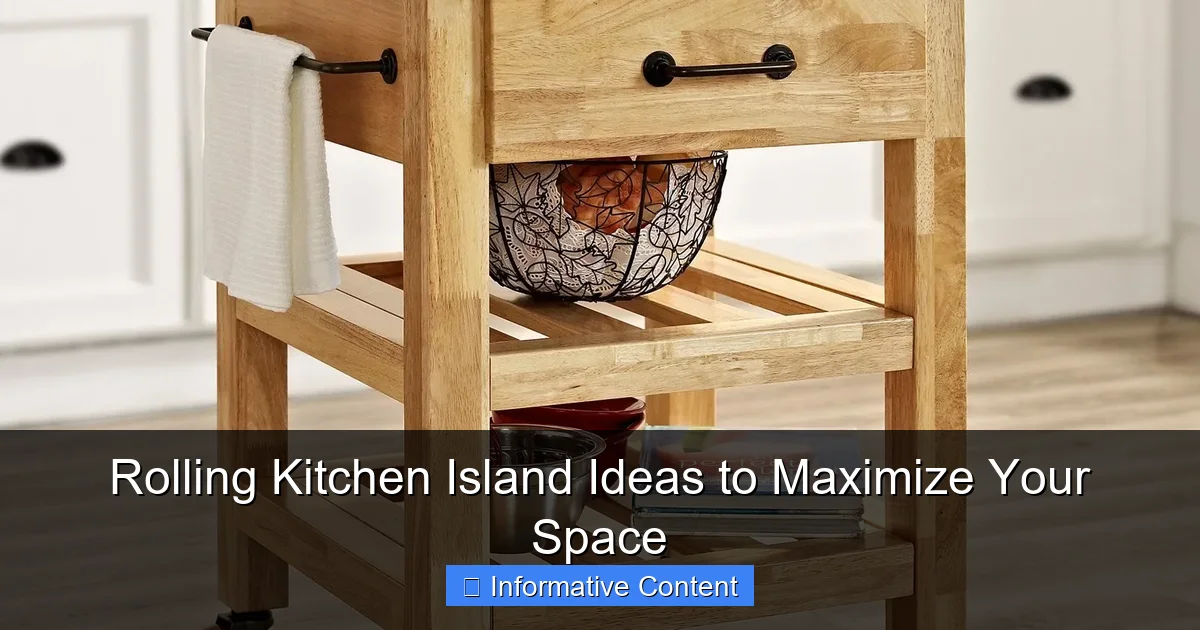
Featured image for rolling kitchen island ideas
Image source: i2.wp.com
Rolling kitchen islands are the ultimate space-saving solution, offering mobility, extra storage, and prep space without permanent installation. Ideal for small kitchens or flexible layouts, these versatile islands can be customized with wheels, butcher block tops, or built-in appliances to match any style—making them a must-have for modern, functional homes.
Key Takeaways
- Maximize mobility: Choose islands with lockable casters for easy repositioning and stability.
- Optimize storage: Pick designs with shelves, hooks, or drawers to reduce clutter efficiently.
- Prioritize materials: Stainless steel or wood offer durability and style for long-term use.
- Measure your space: Ensure the island fits your kitchen layout with room to maneuver.
- Add multi-functionality: Select islands with prep surfaces, seating, or built-in appliances.
- Enhance aesthetics: Match the island’s design to your kitchen’s color scheme and decor.
📑 Table of Contents
- Why Rolling Kitchen Islands Are a Game-Changer for Small and Large Spaces
- What Makes a Rolling Kitchen Island So Versatile?
- Top Rolling Kitchen Island Ideas for Every Kitchen Style
- How to Choose the Right Rolling Island for Your Space
- Creative Ways to Use Your Rolling Island Beyond the Kitchen
- Maintenance and Care: Keeping Your Island in Top Shape
- Rolling Kitchen Island Comparison: Key Features at a Glance
- The Final Word: Make the Most of Your Rolling Island
Why Rolling Kitchen Islands Are a Game-Changer for Small and Large Spaces
Picture this: You’re hosting a dinner party, and the kitchen is packed with guests. Someone needs a knife, another wants to grab a drink from the fridge, and you’re stuck trying to prep the main course in a cramped corner. If only there was more counter space, better storage, and a way to move things around without a full kitchen remodel. That’s where a rolling kitchen island comes in — a flexible, mobile solution that can transform your kitchen, whether it’s a tiny studio apartment or a sprawling family home.
Rolling kitchen islands are like the Swiss Army knife of kitchen furniture. They’re not just about extra countertop space; they’re about adaptability. Need a prep station? Done. A serving bar? Easy. Extra pantry storage? Absolutely. The best part? You can move them around to suit your needs, whether you’re cooking, entertaining, or just trying to keep things tidy. In this guide, we’ll explore how to choose the right rolling island, creative ways to use it, and even DIY options to match your style and budget.
What Makes a Rolling Kitchen Island So Versatile?
Let’s be real: kitchens are often the most used and most crowded room in the house. Between appliances, cookware, groceries, and people, space gets tight fast. A rolling kitchen island solves this problem by adding mobile functionality — meaning it doesn’t just sit in one spot. It can be repositioned, tucked away, or even taken outside when you’re grilling. But what really makes it work? Let’s break it down.

Visual guide about rolling kitchen island ideas
Image source: s3.amazonaws.com
Mobility Without Sacrificing Stability
The first thing people worry about with rolling islands is: “Will it tip over when I’m chopping veggies?” That’s a fair concern. But modern rolling islands are designed with locking casters — those are the wheels that can be locked in place. Once locked, the island stays rock-steady. When you need to move it, just unlock and roll. I once had a flimsy rolling cart that wobbled every time I used the mixer. It was frustrating and unsafe. The difference with a well-designed island? Night and day. Look for models with dual-locking wheels (one for swivel, one for lock) for maximum control.
Pro tip: Test the wheels before buying. Push the island gently side to side. If it feels loose or wobbly, keep looking. Stability matters, especially if you’re using heavy appliances or storing cast iron pans.
Storage That Adapts to Your Needs
Not all kitchens need the same storage. A rolling island can be customized to fit your habits. Here are some common storage options:
- Open shelves: Great for frequently used items like mixing bowls, cookbooks, or decorative pieces. Easy to access but can look cluttered if not styled well.
- Closed cabinets: Ideal for hiding clutter — think small appliances, cleaning supplies, or bulk groceries. Adds a clean, streamlined look.
- Drawer units: Perfect for utensils, measuring spoons, or baking tools. Soft-close drawers are a luxury but worth it if you hate slamming.
- Wine racks or spice racks: Niche features for wine lovers or spice enthusiasts. Some islands even have built-in wine coolers!
I once helped a friend with a galley kitchen (long and narrow). She used a rolling island with closed cabinets on one side and open shelves on the other. The cabinets held her stand mixer and blender, while the open side displayed her favorite cookbooks and a potted herb garden. It doubled as a prep station and a visual focal point. That’s the power of smart storage.
Countertop Materials: Beauty Meets Function
The countertop is where you’ll do most of your work, so it needs to be both durable and attractive. Here are the most common materials:
- Butcher block: Warm, natural wood that’s great for chopping. Needs regular oiling to prevent drying and warping. I love the rustic look, but it can stain if you’re not careful.
- Stainless steel: Industrial, easy to clean, and heat-resistant. Perfect for serious cooks. Downside? It shows fingerprints and scratches easily.
- Granite or quartz: High-end, durable, and low-maintenance. Expensive, but they add serious value if you’re selling your home.
- Laminate: Budget-friendly and available in endless colors and patterns. Can scratch or chip over time, but modern laminates are tougher than they used to be.
One couple I know chose a stainless steel top for their island because they do a lot of bread baking. The steel stays cool, which helps with dough handling. They paired it with a wooden base for a balanced look. Smart compromise!
Top Rolling Kitchen Island Ideas for Every Kitchen Style
Rolling islands aren’t one-size-fits-all. The right one depends on your kitchen’s layout, your cooking style, and your personal taste. Here are some standout ideas to inspire you.
Idea 1: The Prep & Serve Combo (Best for Entertaining)
Hosting is stressful enough without running back and forth to the kitchen. A rolling island with a drop-leaf countertop is a game-changer. When you’re prepping, the leaf is down, giving you extra workspace. When guests arrive, flip it up to create a bar-height serving area. Add a few stools, and you’ve got a built-in buffet or cocktail station.
One family I know uses their island this way every weekend. They prep snacks on the main surface, then flip up the leaf to serve drinks and appetizers. The island has a built-in wine rack and a small sink (yes, really — more on that later). It’s become the heart of their gatherings.
Tip: Choose a model with a waterproof finish if you’re using it near drinks or wet ingredients. Spills happen — protect your investment.
Idea 2: The Tiny Kitchen Savior (For Small Spaces)
Small kitchens need every inch of space. A slim, tall rolling island (sometimes called a kitchen tower) can fit in tight spots like between the fridge and a wall. Look for one with vertical storage: narrow shelves for spices, a towel bar, and a small drawer for utensils.
I helped a client with a 300-square-foot studio apartment. Their kitchen was basically a closet. We found a 12-inch-wide rolling island with a magnetic knife strip on the side, a fold-down cutting board, and a hidden trash bin. It rolled into the living room when not in use, doubling as a side table. Genius!
Bonus: Add wheels with brakes so it doesn’t slide around when you’re cooking.
Idea 3: The DIY Upcycled Island (Budget-Friendly & Unique)
Love the idea of a custom island but hate the price tag? Try building your own. Start with an old dresser, bookshelf, or even a vintage trunk. Sand it down, add casters, and paint it to match your kitchen. For the countertop, use a piece of butcher block, granite remnant, or even a solid wood door.
A friend of mine turned an old farmhouse dresser into a rolling island. She added a marble top (salvaged from a bathroom remodel) and installed a small sink. The dresser drawers now hold baking sheets and cutting boards. It looks like it cost hundreds, but she spent under $100. Plus, it’s one-of-a-kind.
Warning: DIY projects can be messy and time-consuming. If you’re not handy, consider buying a ready-made island and customizing it with paint or hardware.
Idea 4: The Outdoor Extension (For Grill Masters)
Love to grill but hate running inside for utensils or plates? A rolling island with weather-resistant materials can live outside. Look for stainless steel or teak (which ages beautifully). Add a built-in trash bin, a towel rack, and a shelf for seasonings. Some models even have a small fridge or cooler.
One couple I know uses theirs as a grill station. They roll it next to the barbecue, prep everything on the island, and then use it as a serving table. When dinner’s over, they wheel it back under the patio cover. No more tripping over grill tools or forgetting the tongs!
Idea 5: The Multi-Functional Hub (For Families)
Families need flexibility. A rolling island with multiple work zones can handle everything from homework to meal prep. Look for one with a built-in chalkboard (for grocery lists), a fold-down table (for kids to sit at), and storage for art supplies or laptops.
A neighbor of mine has this setup. The island has a large countertop for cooking, a lower section with stools for the kids, and a magnetic strip for their artwork. It’s also where they do homework, pay bills, and plan meals. It’s the family’s command center — and it rolls out of the way when they need more floor space.
How to Choose the Right Rolling Island for Your Space
With so many options, how do you pick the right one? It comes down to three things: size, style, and function. Let’s walk through it step by step.
Step 1: Measure Your Space (And Leave Room to Move)
This sounds obvious, but it’s easy to overlook. Measure your kitchen’s open floor space. A good rule of thumb: leave at least 36 inches of clearance around the island when it’s in use. This gives you room to open cabinet doors, pull out drawers, and move around comfortably.
I once saw someone buy a huge rolling island for a small kitchen. It looked great in the store, but at home, it blocked the fridge and made it impossible to open the oven. Not ideal. If you’re unsure, use painter’s tape to mark the island’s footprint on the floor. Walk around it. Does it feel cramped? If yes, go smaller.
Step 2: Match Your Kitchen’s Aesthetic
Your island should feel like it belongs in your kitchen, not like a random piece of furniture. If your kitchen is modern, look for clean lines, stainless steel, or high-gloss finishes. If it’s farmhouse, go for wood, shiplap, or vintage details.
One couple I know has a rustic kitchen with exposed beams and a farmhouse sink. They chose a rolling island with a reclaimed wood top and black iron legs. It blends in perfectly but still stands out as a focal point. The key is balance — don’t match everything exactly, but don’t clash either.
Step 3: Prioritize Your Must-Have Features
Make a list of what you need vs. what you want. Need: extra counter space, storage for appliances, and mobility. Want: a built-in sink, wine cooler, or charging station.
Here’s a quick checklist to help:
- Countertop size: At least 24×30 inches for serious prep work.
- Storage capacity: Enough for your most-used items (pots, pans, utensils).
- Wheels: Locking casters with smooth-rolling bearings.
- Height: Standard counter height (36 inches) or bar height (42 inches) for seating.
- Weight capacity: Can it handle your heaviest appliance (mixer, blender, etc.)?
Pro tip: If you’re tall, consider a taller island. If you’re short, a lower one might be more comfortable. Test it out before buying!
Creative Ways to Use Your Rolling Island Beyond the Kitchen
Rolling islands aren’t just for kitchens. Their portability makes them perfect for other rooms — and even outdoor spaces.
As a Home Bar or Coffee Station
Love to entertain? Turn your island into a mobile bar. Store glassware, liquor bottles, and mixers in the cabinets. Add a wine rack and a small fridge for chilling drinks. When guests arrive, wheel it to the living room or patio. For coffee lovers, use it as a morning station — keep your grinder, mugs, and coffee beans organized and ready to go.
One friend uses hers as a weekend mimosa bar. She fills the sink with ice, adds orange juice and champagne, and sets out glasses and garnishes. It’s a hit at brunch parties!
As a Craft or Workspace
Need a temporary office or craft table? A rolling island with a large countertop can double as a workspace. Add a lamp, a charging station, and storage for supplies. When you’re done, roll it into a closet or corner. No more cluttered dining table!
I use mine for photography setups. I set up my lights and backdrop, use the island for props, and then pack it all away in minutes. So much easier than using the dining room table.
As a Laundry or Utility Cart
Laundry day is less of a chore with a rolling island. Use it to sort clothes, fold towels, or carry supplies. Add a laundry bag or basket on one side and detergent on the other. Some models even have a built-in ironing board!
A neighbor of mine uses hers to carry groceries from the car to the kitchen. It’s like a personal shopping cart — and it saves her back!
Maintenance and Care: Keeping Your Island in Top Shape
A rolling kitchen island is an investment — and like any investment, it needs care. Here’s how to keep it looking and working its best.
Cleaning Tips by Material
- Wood (butcher block): Wipe with a damp cloth and mild soap. Dry immediately. Oil every 2-3 months with food-grade mineral oil.
- Stainless steel: Use a microfiber cloth and stainless steel cleaner. Avoid abrasive pads — they’ll scratch the surface.
- Granite/quartz: Wipe with a soft cloth and stone-safe cleaner. No ammonia or vinegar — they can damage the sealant.
- Laminate: Mild soap and water are usually enough. Avoid harsh chemicals or scouring pads.
One mistake people make? Letting spills sit. Even water can warp wood or stain stone over time. Wipe up messes right away.
Wheel Maintenance
Wheels can get gunked up with dust, food crumbs, and pet hair. Every few months, flip the island over and clean the casters with a toothbrush and soapy water. If they’re squeaky, a little silicone spray will fix it.
I once had an island that started making a terrible squeaking noise. Turns out, the wheels were full of dried-up grease from cooking oil. A quick clean and it was good as new.
Seasonal Storage
If you’re using your island outside, bring it in during winter. Even weather-resistant materials can degrade over time. For indoor islands, consider covering them when not in use to prevent dust buildup.
Rolling Kitchen Island Comparison: Key Features at a Glance
To help you compare options, here’s a quick table of popular rolling island features. Note: Prices vary widely based on materials and brand.
| Feature | Budget Option ($100-$200) | Mid-Range ($200-$500) | High-End ($500+) |
|---|---|---|---|
| Material | Laminate, particleboard | Solid wood, stainless steel | Granite, quartz, reclaimed wood |
| Storage | 1-2 shelves, no drawers | Cabinets, drawers, wine rack | Custom storage, built-in fridge |
| Wheels | Basic casters (some locking) | Dual-locking, swivel wheels | Heavy-duty, silent-rolling |
| Weight Capacity | 50-75 lbs | 100-150 lbs | 200+ lbs |
| Customization | Limited (paint, hardware) | Moderate (add shelves, hooks) | High (built-in sinks, outlets) |
The Final Word: Make the Most of Your Rolling Island
At the end of the day, a rolling kitchen island is about more than just extra space — it’s about freedom. Freedom to rearrange your kitchen on a whim, to entertain without stress, and to adapt to life’s ever-changing needs. Whether you’re a solo cook in a tiny apartment or a busy parent in a family home, there’s a rolling island out there that can make your life easier.
Remember: the best island is the one that works for you. Don’t get caught up in trends or features you don’t need. Focus on what will make your daily routine smoother. Test it out. Move it around. See how it feels. And if you’re feeling creative, don’t be afraid to DIY it. Some of the best islands I’ve seen were built from scratch — not bought off the shelf.
So go ahead: roll with it. Your kitchen — and your sanity — will thank you.
Frequently Asked Questions
What are the best rolling kitchen island ideas for small spaces?
Compact rolling kitchen islands with built-in storage, foldable countertops, or drop-leaf designs are ideal for small spaces. Look for models with wheels for easy mobility and multi-functional features like towel racks or spice shelves to maximize utility.
Can a rolling kitchen island provide extra seating?
Yes, many rolling kitchen island ideas include overhanging countertops or built-in stools to create instant seating. Choose an island with a sturdy base and bar-height design for comfortable, space-saving dining.
How do I choose a rolling kitchen island that matches my decor?
Select a rolling kitchen island with finishes (wood, metal, or stone) that complement your existing cabinets and hardware. Neutral colors like white, gray, or natural wood tones offer versatile styling for most kitchen themes.
Are rolling kitchen islands easy to assemble?
Most rolling kitchen islands come with pre-drilled holes and clear instructions for quick assembly. Opt for lightweight models (under 50 lbs) if you plan to move them frequently.
What features should I look for in a functional rolling kitchen island?
Prioritize features like locking wheels, ample storage (drawers/shelves), and durable countertops (quartz or butcher block). For rolling kitchen island ideas, consider added perks like hooks for utensils or integrated charging stations.
How do I maintain a rolling kitchen island?
Clean countertops regularly with non-abrasive cleaners and tighten loose screws or bolts monthly. For wooden islands, use food-safe oils to prevent drying, and avoid overloading shelves to maintain stability.