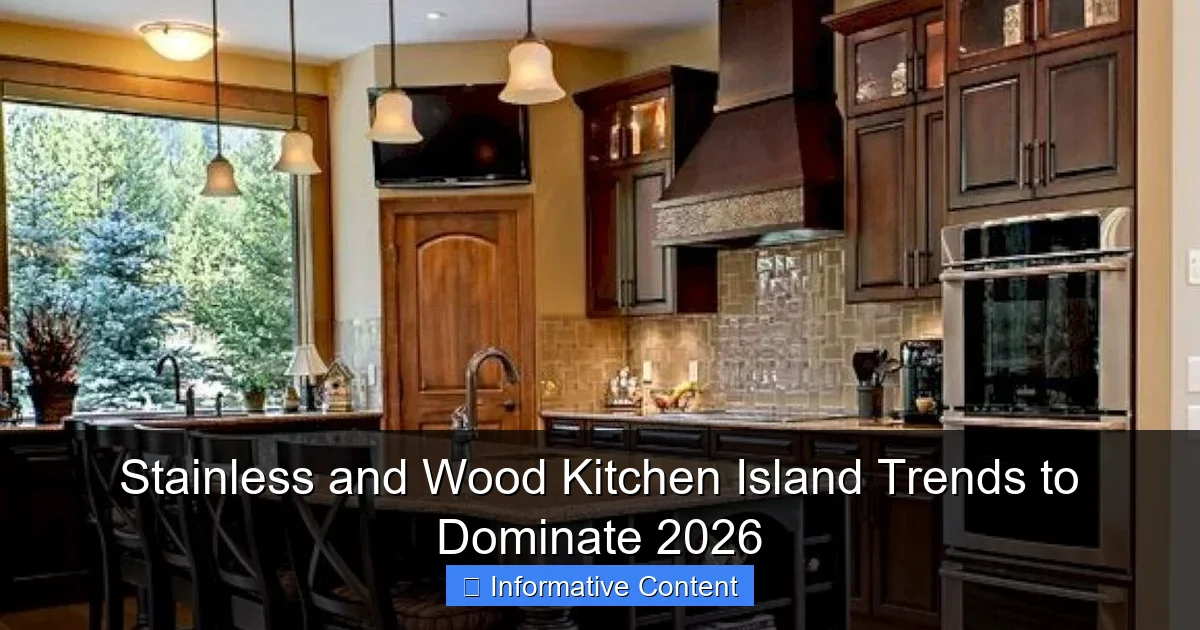
Featured image for stainless and wood kitchen island
Image source: foter.com
Stainless and wood kitchen islands are set to dominate 2026, blending industrial durability with warm, organic aesthetics for a timeless yet modern look. Homeowners and designers are embracing this hybrid trend for its unmatched versatility, pairing sleek stainless steel bases with rich wood countertops to create functional, statement-making centerpieces. Expect innovative designs featuring integrated storage, waterfall edges, and sustainable materials to lead the way.
Key Takeaways
- Blend materials: Combine stainless steel and wood for a modern, durable kitchen island.
- Prioritize function: Opt for stainless countertops with wood cabinets for easy maintenance.
- Choose warm finishes: Light or natural wood tones balance stainless steel’s cool look.
- Maximize storage: Use wood drawers and open shelving for practical, stylish organization.
- Add mobility: Install locking casters on stainless frames for flexible, space-saving use.
- Highlight contrasts: Pair matte stainless with textured wood for visual depth.
📑 Table of Contents
- The Rise of Stainless and Wood Kitchen Islands: 2026’s Hottest Trend
- Why Stainless and Wood Islands Are the Future of Kitchen Design
- Top Design Trends for Stainless and Wood Kitchen Islands in 2026
- How to Choose the Right Materials for Your Island
- Practical Tips for Maintaining Your Stainless and Wood Island
- Real-Life Examples: Stunning Stainless and Wood Island Inspirations
- Final Thoughts: Why This Trend Is Here to Stay
The Rise of Stainless and Wood Kitchen Islands: 2026’s Hottest Trend
Picture this: You walk into your kitchen and instead of the usual cold, clinical feel of all-stainless steel, you’re greeted by a warm, inviting island that combines the best of both worlds—stainless steel’s sleek durability and wood’s natural charm. That’s the magic of stainless and wood kitchen islands, a trend that’s set to dominate kitchen design in 2026. These islands aren’t just about looks; they’re a practical solution for modern homes, blending style, functionality, and sustainability.
Why is this trend catching on so fast? It’s simple. Homeowners want kitchens that feel alive, not like a sterile lab. The mix of stainless steel and wood brings balance—steel for the high-performance areas (think prep zones and sinks) and wood for the cozy, lived-in vibe. Plus, with sustainability becoming a priority, reclaimed wood or FSC-certified timber paired with recyclable stainless steel is a win-win. Whether you’re a busy parent needing a durable workspace or a design enthusiast craving a statement piece, these islands tick all the boxes. Let’s dive into why this trend is here to stay and how you can make it work for your space.
Why Stainless and Wood Islands Are the Future of Kitchen Design
Let’s face it: The all-white or all-stainless kitchen is starting to feel a little… predictable. Homeowners want kitchens that reflect their personality, and the stainless and wood kitchen island trend delivers just that. It’s a fusion of materials that’s both timeless and modern, offering flexibility in design without sacrificing functionality.
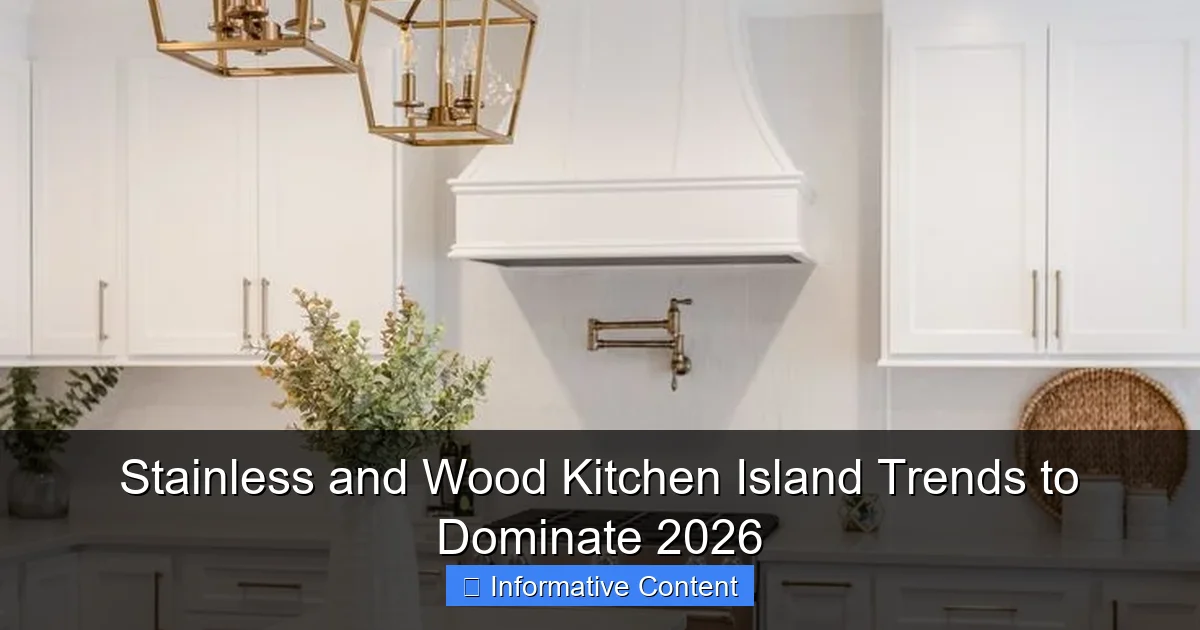
Visual guide about stainless and wood kitchen island
Image source: i.pinimg.com
The Best of Both Worlds: Durability Meets Warmth
Stainless steel brings unmatched durability. It’s heat-resistant, easy to clean, and stands up to daily wear and tear—perfect for high-traffic areas like prep zones or built-in sinks. Meanwhile, wood adds warmth and texture, softening the kitchen’s overall look. Think of it like a cozy sweater for your kitchen: practical but inviting.
- Stainless steel: Ideal for countertops, backsplashes, and even drawer fronts. It’s hygienic and resists stains, making it a no-brainer for busy households.
- Wood: Best for base cabinets, seating areas, or accent panels. It adds depth and character, with options ranging from light oak to rich walnut.
Pro tip: If you’re worried about wood’s maintenance, opt for engineered wood or a sealed hardwood finish. It’s nearly as durable as stainless but with all the warmth.
Sustainability and Eco-Friendly Appeal
Eco-conscious buyers are driving this trend too. Stainless steel is 100% recyclable, and wood sourced from responsibly managed forests (like FSC-certified timber) reduces environmental impact. Pairing these materials means you’re not just getting a beautiful kitchen—you’re making a sustainable choice.
For example, a client of mine wanted a “green” kitchen but didn’t want to compromise on style. We used reclaimed barn wood for the island base and recycled stainless steel for the countertop. The result? A stunning, eco-friendly centerpiece that became the heart of their home.
Versatility in Design and Layout
One of the biggest perks of this combo is its versatility. Whether you prefer a minimalist Scandi look, a rustic farmhouse vibe, or a sleek modern aesthetic, stainless and wood can adapt. For instance:
- Minimalist: Stainless countertops with light wood cabinets (e.g., birch or ash).
- Rustic: Reclaimed wood base with a hammered stainless steel top for a textured feel.
- Industrial: Blackened steel accents with dark walnut for a bold contrast.
This flexibility makes it a no-brainer for designers and homeowners alike.
Top Design Trends for Stainless and Wood Kitchen Islands in 2026
2026 is all about pushing boundaries, and stainless and wood kitchen islands are no exception. Here are the top trends you’ll see everywhere—and how to make them work in your space.
1. Mixed Materials with a Purpose
Gone are the days of “matchy-matchy” kitchens. The trend now is to mix materials intentionally. For example:
- Stainless steel countertop with a live-edge wood base (great for a statement piece).
- Wooden countertop with stainless steel legs (ideal for a light, airy feel).
Real-world example: A friend of mine installed a walnut island with stainless steel legs and a built-in induction cooktop. The contrast between the organic wood and industrial legs made it the kitchen’s focal point.
2. Integrated Seating and Multi-Functional Islands
Islands aren’t just for prep anymore—they’re becoming multi-functional hubs. In 2026, expect to see:
- Wooden breakfast bars with stainless steel supports (perfect for quick meals).
- Stainless steel overhangs with wooden stools (great for a modern, industrial look).
Pro tip: If you’re adding seating, make sure the overhang is at least 12 inches deep for comfort. And always test the stool height—knees should be slightly lower than hips when seated.
3. Textured Finishes and Bold Contrasts
Flat, uniform finishes are out. In 2026, it’s all about texture:
- Brushed stainless steel (hides fingerprints and adds a soft glow).
- Wire-brushed wood (enhances grain and adds tactile interest).
- Hammered metal accents (for a handcrafted, artisanal feel).
For a bold contrast, try pairing a dark wood base (like ebony) with a bright stainless steel top. It’s striking without being overwhelming.
4. Smart Storage and Hidden Tech
Islands are getting smarter. Think:
- Stainless steel pull-out bins (for easy waste disposal).
- Wooden drawers with soft-close mechanisms (for silent, smooth operation).
- Integrated charging stations (hidden under a flip-up stainless steel panel).
These features keep the island clutter-free while maintaining its sleek look.
How to Choose the Right Materials for Your Island
Choosing between stainless steel and wood isn’t always easy. The key is to balance your priorities—durability, aesthetics, and budget. Here’s how to make the right call.
Stainless Steel: What to Consider
Stainless steel is a powerhouse, but not all grades are created equal:
- Grade 304: The gold standard for kitchens. Resists corrosion and is easy to clean (ideal for countertops).
- Grade 430: More affordable but less durable. Best for backsplashes or decorative accents.
Pro tip: Opt for a brushed finish—it hides scratches better than a mirror-polished surface. And always check the thickness (16-gauge is ideal for countertops; 18-gauge for sinks).
Wood: Types and Finishes
Wood offers endless options, but here’s what to know:
- Hardwoods (oak, maple, walnut): Durable and long-lasting. Great for high-traffic areas.
- Softwoods (pine, cedar): More affordable but less durable. Best for low-use zones.
- Engineered wood: A budget-friendly alternative to solid wood. Resists warping and is eco-friendly.
For finishes, consider:
- Oil-based stains: Penetrate deeply for a natural look.
- Polyurethane: Adds a protective layer (great for families with kids).
- Matte finishes: Reduce glare and hide imperfections.
Balancing Cost and Longevity
Stainless steel is more expensive upfront (around $50–$100 per square foot for countertops) but lasts decades. Wood is cheaper ($20–$50 per square foot) but may need refinishing over time. The sweet spot? Use stainless for high-wear areas (like countertops) and wood for lower-wear zones (like bases or seating).
Example: A couple I worked with chose a stainless steel countertop with a reclaimed wood base. The steel handled daily cooking, while the wood added warmth and saved them money.
Practical Tips for Maintaining Your Stainless and Wood Island
Let’s be real: No one wants a high-maintenance kitchen. The good news is that with a little care, your stainless and wood kitchen island can look great for years. Here’s how.
Daily Care for Stainless Steel
Stainless steel is low-maintenance, but a few habits keep it looking fresh:
- Wipe spills immediately (especially acidic liquids like lemon juice).
- Use a microfiber cloth (paper towels can leave scratches).
- Clean with mild soap and water (avoid abrasive cleaners).
Pro tip: For stubborn stains, make a paste of baking soda and water. Apply gently, then rinse with warm water.
Wood Care: Preventing Damage and Wear
Wood needs a bit more TLC, but it’s worth it:
- Seal it properly (use a water-based polyurethane for kitchens).
- Use trivets and cutting boards (to protect against heat and scratches).
- Refinish every 5–10 years (or sooner if it looks dull).
Real-world example: A client’s oak island started showing water rings after a year. We sanded and resealed it—good as new!
Dealing with Common Issues
No material is perfect. Here’s how to handle the usual suspects:
- Stainless steel fingerprints: Wipe with a vinegar-water solution (1:1 ratio).
- Wood scratches: Use a wood filler pen or rub a walnut on the scratch (seriously—it works!).
- Water damage on wood: Sand and refinish ASAP to prevent warping.
Bonus tip: Keep a “kitchen care kit” with a microfiber cloth, wood conditioner, and stainless steel cleaner. Store it in a drawer for easy access.
Real-Life Examples: Stunning Stainless and Wood Island Inspirations
Seeing is believing. Let’s look at some real-world kitchens that nail the stainless and wood kitchen island trend—and how you can steal their style.
1. The Farmhouse Fusion
Design: A reclaimed wood base with a stainless steel countertop and farmhouse sink. The wood has a whitewash finish for a rustic-chic look.
Why it works: The stainless steel handles heavy-duty cooking, while the wood adds warmth. The whitewash finish keeps it light and airy.
Steal this idea: Pair a light wood base (like pine) with a stainless steel apron-front sink.
2. The Modern Minimalist
Design: A sleek island with a blackened steel countertop and a light oak base. The wood is wire-brushed for texture.
Why it works: The contrast is bold but balanced. The wire-brushed oak adds interest without overwhelming the space.
Steal this idea: Try a dark metal top (like blackened steel) with a light wood base for a striking look.
3. The Industrial Chic
Design: A hammered stainless steel countertop with a reclaimed wood base and exposed steel legs. The wood has a dark espresso stain.
Why it works: The hammered metal adds texture, while the dark wood grounds the space. The exposed legs give it an industrial edge.
Steal this idea: Use hammered or brushed metal for your countertop and pair it with dark wood for a moody, sophisticated vibe.
4. The Family-Friendly Hub
Design: A large island with a stainless steel countertop, a built-in induction cooktop, and a wooden breakfast bar with stools.
Why it works: The stainless steel handles spills and heat, while the wood makes the seating area cozy. The cooktop keeps everything in one place.
Steal this idea: Add a wooden overhang (at least 12 inches deep) with stainless steel supports for a practical yet stylish seating area.
Data Table: Popular Wood and Stainless Steel Combinations
| Combination | Best For | Pros | Cons |
|---|---|---|---|
| Stainless top + light wood base (oak, birch) | Minimalist, Scandinavian | Bright, airy feel; easy to clean | Wood may show water marks |
| Stainless top + dark wood base (walnut, ebony) | Modern, industrial | Bold contrast; hides dirt | Can feel heavy in small kitchens |
| Wood top + stainless legs | Farmhouse, rustic | Warm, inviting; budget-friendly | Wood may scratch or stain |
| Hammered stainless top + reclaimed wood | Artisanal, textured | Unique, handcrafted look | Harder to clean |
Final Thoughts: Why This Trend Is Here to Stay
The stainless and wood kitchen island isn’t just a fleeting trend—it’s a design philosophy. It’s about creating a kitchen that’s both functional and beautiful, durable yet warm. Whether you’re drawn to the sleekness of stainless steel or the coziness of wood, this combo lets you have both.
As we head into 2026, expect to see even more innovation: smart storage, eco-friendly materials, and bold new finishes. But the core idea remains the same: kitchens should be places where you love to cook, eat, and gather. And with a stainless and wood island, you’re not just keeping up with the trends—you’re creating a space that’s uniquely yours.
So, what’s your dream island look? Maybe it’s a light wood base with a hammered stainless top, or a dark walnut island with a built-in sink. Whatever you choose, remember: the best kitchen is one that works for your life—not just your Pinterest board.
Frequently Asked Questions
What are the benefits of a stainless and wood kitchen island?
A stainless and wood kitchen island combines the durability and sleekness of stainless steel with the warmth and natural appeal of wood. This hybrid design offers both modern functionality and timeless aesthetics, making it ideal for diverse kitchen styles.
How do I maintain a stainless and wood kitchen island?
Clean stainless steel surfaces with a microfiber cloth and non-abrasive cleaner to prevent scratches, while wood components benefit from regular oiling or sealing to maintain their luster. Avoid excessive moisture on wood to prevent warping or staining.
Is a stainless and wood kitchen island suitable for small kitchens?
Yes, compact designs with smart storage solutions maximize space efficiency. The reflective quality of stainless steel also creates an illusion of more space, enhancing the feel of smaller kitchens.
Can I customize a stainless and wood kitchen island to match my decor?
Many manufacturers offer customizable options, including wood finishes (like oak, walnut, or bamboo) and stainless steel grades. This flexibility ensures your stainless and wood kitchen island complements existing cabinetry and hardware.
Are stainless and wood kitchen islands durable for heavy daily use?
Absolutely. Stainless steel resists heat, stains, and scratches, while quality hardwoods like maple or teak withstand wear. Together, they create a long-lasting centerpiece for meal prep and entertaining.
What trends will shape stainless and wood kitchen islands in 2026?
Expect integrated smart storage (charging stations, hidden compartments) and sustainable materials like FSC-certified wood. The stainless and wood kitchen island trend will also emphasize mixed-metal accents and organic, handcrafted details.