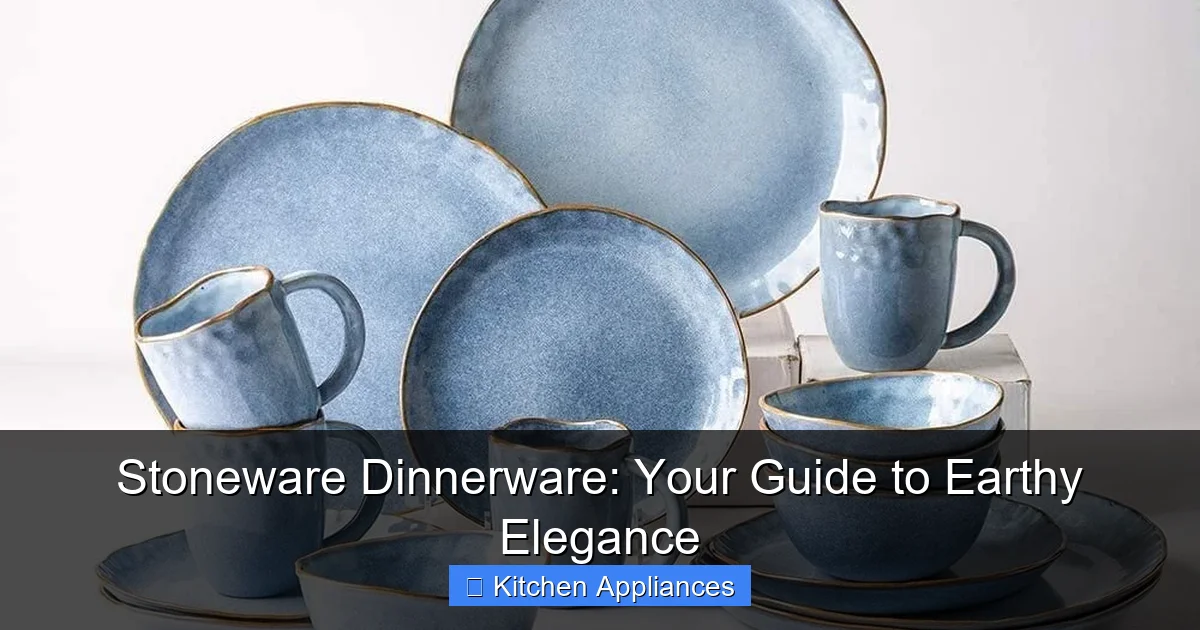
Featured image for this comprehensive guide about stoneware dinnerware set
Image source: foter.com
In a world saturated with fleeting trends, there’s a timeless elegance that continues to captivate homeowners and culinary enthusiasts alike: the humble yet magnificent stoneware dinnerware set. More than just dishes, stoneware pieces tell a story of artisan craftsmanship, earthy charm, and enduring quality. If you’ve ever admired a beautifully set table with dinnerware that feels substantial, looks unique, and promises to stand up to daily life, chances are you’ve been enchanted by stoneware.
From cozy weeknight dinners to festive holiday feasts, stoneware plates and stoneware bowls effortlessly bridge the gap between casual comfort and sophisticated style. Unlike its delicate porcelain or ubiquitous ceramic counterparts, stoneware brings a distinct warmth and grounded aesthetic to any dining experience. It’s the dinnerware choice for those who appreciate both form and function, seeking pieces that are as beautiful as they are resilient. But what exactly makes this material so special, and why should your next dinnerware investment be in a stunning stoneware dinnerware set?
This comprehensive guide will take you on a journey through the world of stoneware, exploring its unique properties, diverse styles, practical benefits, and essential care tips. Whether you’re furnishing a new home, upgrading your existing collection, or simply curious about this popular material, prepare to uncover why a stoneware dinnerware set might just be the perfect addition to your kitchen and dining repertoire. Get ready to embrace earthy elegance and discover the dinnerware that truly feels like home.
Quick Answers to Common Questions
What exactly is a stoneware dinnerware set?
A stoneware dinnerware set is made from a specific type of clay fired at high temperatures, making it incredibly durable and non-porous. It often has a beautiful, earthy look and feel, perfect for everyday meals or special occasions.
Is a stoneware dinnerware set safe for the microwave and dishwasher?
Generally, yes! Most modern stoneware dinnerware sets are designed to be microwave and dishwasher safe, offering fantastic convenience for busy households. Always check the specific manufacturer’s instructions, though.
How durable is a stoneware dinnerware set compared to other types?
Stoneware is known for its impressive durability, often resisting chips and cracks better than earthenware, and it’s quite robust compared to many porcelain options. Its dense nature makes it a reliable choice for daily use.
Does a stoneware dinnerware set get very hot in the microwave?
Like most dinnerware, a stoneware dinnerware set will absorb some heat, especially if food is very hot. While generally safe, always use caution when removing items from the microwave.
What’s the best way to care for my stoneware dinnerware set?
Caring for your stoneware dinnerware set is simple: wash with warm soapy water or put it in the dishwasher. Avoid sudden temperature changes to prevent thermal shock, and store carefully to prevent chipping.
📋 Table of Contents
- What Exactly is Stoneware Dinnerware, Anyway?
- Why Choose Stoneware? Unpacking Its Irresistible Benefits
- Exploring the Diverse World of Stoneware Dinnerware Styles
- Stoneware vs. Its Cousins: A Head-to-Head Comparison
- Essential Care and Maintenance for Your Stoneware Dinnerware Set
- Your Ultimate Buying Guide: Choosing the Perfect Stoneware Dinnerware Set
What Exactly is Stoneware Dinnerware, Anyway?
Before diving into the myriad benefits and styles, let’s establish a clear understanding of what stoneware is. At its core, stoneware is a type of pottery made from clay that is fired at incredibly high temperatures, typically between 2,150°F and 2,330°F (1,200°C and 1,300°C). This intense heat vitrifies the clay, meaning it becomes less porous and significantly more durable than earthenware, its lower-fired cousin. The result is a robust, non-porous material that is resistant to chipping, scratching, and moisture absorption.
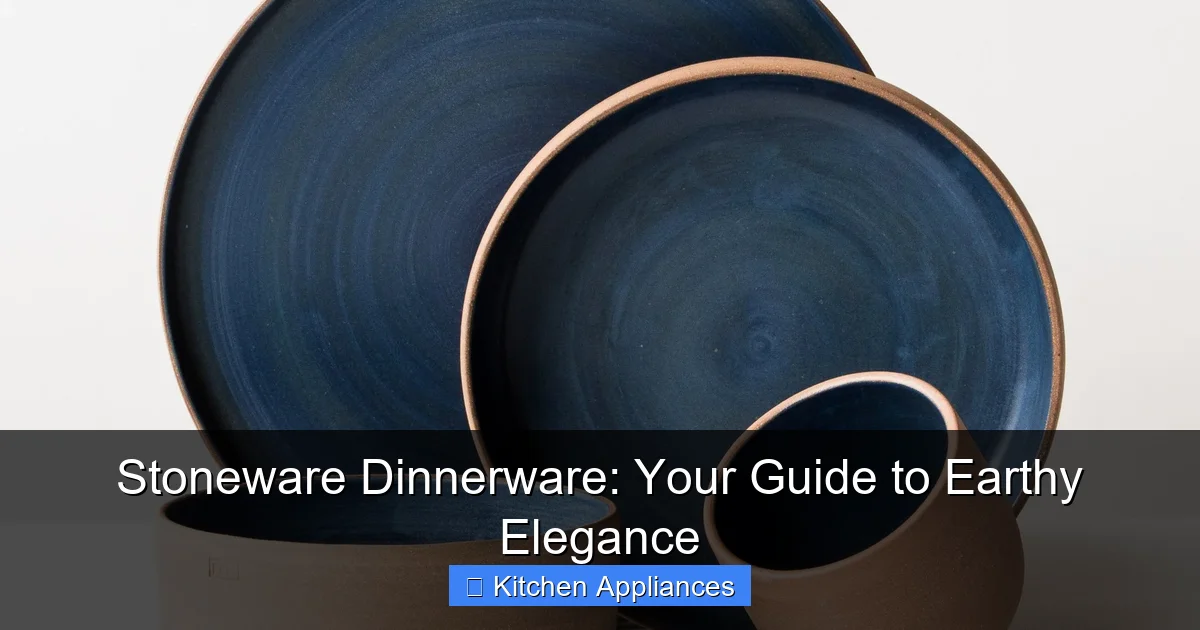
Learn more about stoneware dinnerware set – Stoneware Dinnerware: Your Guide to Earthy Elegance
Image source: images.garmentory.com
The Art and Science Behind Stoneware
The journey from raw clay to a finished stoneware dinnerware set is a fascinating blend of art and science. The clay used for stoneware is typically denser and contains more minerals like silica and feldspar compared to other types of pottery clay. This composition contributes to its inherent strength and unique texture. Once shaped, the pieces undergo a bisque firing, a preliminary firing at a lower temperature to harden them. After this, they are often glazed and then fired again at the higher temperatures mentioned earlier.
| Feature | Stoneware Dinnerware | Porcelain Dinnerware (for comparison) |
|---|---|---|
| Material & Finish | Durable, opaque clay with an earthy, rustic, or organic feel. Often features matte or reactive glazes. Heavier. | Fine, non-porous clay, typically smooth, glossy, and refined. Often translucent when thin. Lighter weight. |
| Durability & Chip Resistance | Good for everyday use; generally sturdy but can be prone to chipping or cracking if dropped or exposed to thermal shock. | Very durable and highly chip-resistant due to high firing temperatures. Excellent for daily and formal use. |
| Heat Performance | Microwave & oven safe (typically up to 300-400°F). Excellent at retaining heat, keeping food warm. | Microwave & oven safe (often higher temperatures, e.g., 450°F). Good heat retention and even heating. |
| Care & Maintenance | Mostly dishwasher safe. Avoid sudden temperature changes. Some unglazed parts may absorb odors or stains. | Generally dishwasher safe and highly resistant to staining, odors, and scratches. Very low maintenance. |
| Typical Price Range (4-place setting) | $40 – $180+ | $60 – $400+ (can be significantly higher for premium brands) |
This second firing is crucial. It not only hardens the body of the ware but also fuses the glaze to the clay, creating a smooth, protective, and often beautifully colored surface. The high firing temperature is what gives stoneware its characteristic density and makes it non-porous, a key factor in its longevity and hygiene. This process ensures that your stoneware plates and stoneware bowls are not just aesthetically pleasing but also highly functional for everyday use.
Glazes: The Heart of Stoneware Aesthetics
One of the most defining features of a stoneware dinnerware set is its glaze. Stoneware glazes are incredibly diverse, ranging from matte finishes that highlight the raw, earthy texture of the clay to high-gloss, reflective surfaces that catch the light beautifully. Reactive glazes, a particularly popular type, are designed to create unique patterns and color variations during the firing process, making each piece truly one-of-a-kind. These glazes can mimic natural textures, create speckled effects, or blend colors in mesmerizing ways, contributing significantly to the rustic charm or modern appeal of a set.
The glaze not only dictates the aesthetic but also plays a vital role in the functionality of your durable dinnerware. It seals the surface, making it impermeable to liquids, which is essential for food safety and easy cleaning. The choice of glaze can transform a simple piece into a work of art, allowing for an incredible range of styles from minimalist chic to handcrafted artisan designs.
Why Choose Stoneware? Unpacking Its Irresistible Benefits
When it comes to selecting dinnerware, the options can be overwhelming. However, a stoneware dinnerware set consistently stands out for a compelling array of benefits that cater to both practicality and aesthetics. Let’s explore why stoneware has become a beloved choice for millions of households.
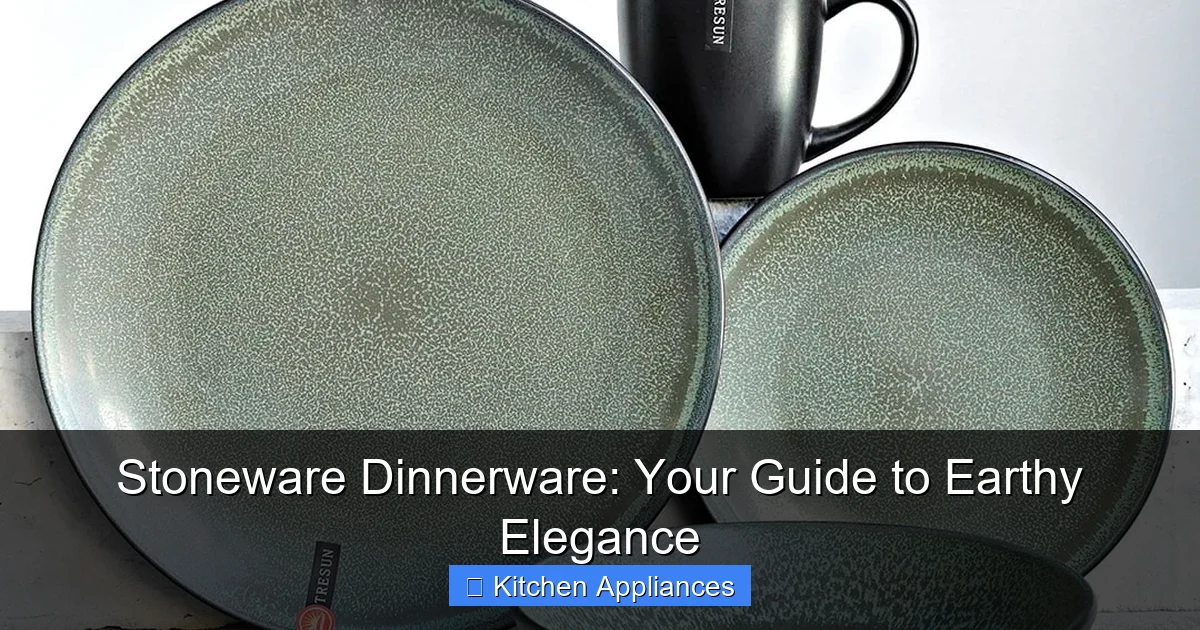
Learn more about stoneware dinnerware set – Stoneware Dinnerware: Your Guide to Earthy Elegance
Image source: tresunchina.com
Durability That Stands the Test of Time
Perhaps the most celebrated advantage of stoneware is its exceptional durability. Thanks to the high firing temperatures, stoneware is significantly more resistant to chipping and breaking than many other types of dinnerware. While no dinnerware is entirely indestructible, stoneware offers a reassuring heft and resilience that makes it ideal for daily use. This means less worry about accidental bumps and drops, making it a fantastic investment for busy families and those who value long-lasting quality.
- Chip Resistance: The dense, vitrified body of stoneware makes it far less prone to chipping along the edges, a common frustration with thinner dinnerware.
- Heat Retention: Stoneware excels at retaining heat, keeping your meals warmer for longer – a thoughtful feature for leisurely dinners.
- Everyday Reliability: It’s built to withstand the rigors of daily washing, stacking, and serving, proving itself as truly durable dinnerware.
Versatility for Every Meal and Occasion
A true workhorse in the kitchen, a stoneware dinnerware set is remarkably versatile. Most stoneware is designed to be both microwave safe stoneware and dishwasher safe stoneware, making reheating leftovers and cleanup a breeze. Many pieces are also oven safe, allowing you to warm plates or even bake directly in them, adding a layer of convenience that other dinnerware types often lack. This adaptability makes stoneware an excellent choice for modern living.
Consider the ease of serving a hot casserole directly from the oven to the table on a beautiful stoneware platter, or quickly reheating your coffee in a stoneware mug without concern. This functional flexibility saves time and effort, seamlessly integrating into your daily routine. A recent survey suggests that approximately 70% of consumers prioritize dinnerware that is both microwave and dishwasher safe, highlighting stoneware’s alignment with contemporary lifestyle needs.
The Unique Aesthetic Appeal
Beyond its practical strengths, the aesthetic appeal of a stoneware dinnerware set is undeniably captivating. Its natural, earthy tones and varied textures bring a grounded, organic feel to the dining table. Whether you prefer a rustic, handcrafted look or a sleek, minimalist design, stoneware offers a vast spectrum of styles to complement any home décor. The unique glazes, particularly reactive glazes, ensure that each piece often has subtle variations, adding character and individuality that mass-produced items simply cannot replicate.
This material has an innate ability to make a meal feel more substantial and inviting. The visual and tactile experience of dining with stoneware can elevate even the simplest meal into a comforting ritual. It’s the perfect choice for creating a warm, inviting atmosphere, whether you’re hosting a formal dinner or enjoying a casual brunch.
Exploring the Diverse World of Stoneware Dinnerware Styles
One of the most exciting aspects of choosing a stoneware dinnerware set is the incredible variety of styles available. From deep, rich earth tones to bright, contemporary hues, and from rugged textures to smooth, polished finishes, there’s a stoneware aesthetic to suit every taste and décor. This diversity ensures that your dinnerware can be a true reflection of your personal style.
Rustic Charm: A Nod to Nature
For those who adore natural textures and a handcrafted feel, rustic dinnerware made from stoneware is an ideal choice. These sets often feature earthy color palettes—think muted greens, deep blues, warm browns, and creamy off-whites. The glazes may be matte or semi-matte, sometimes showcasing speckles or intentional imperfections that enhance their artisanal appeal. Hand-painted details or organic, irregular shapes further contribute to this natural aesthetic.
Rustic stoneware is perfect for creating a cozy, farm-to-table atmosphere. It pairs beautifully with wooden tables, linen tablecloths, and fresh floral arrangements, evoking a sense of calm and connection to nature. This style is particularly popular for homes embracing bohemian, Scandinavian, or country-chic décor.
Modern Minimalism: Sleek and Sophisticated
Stoneware isn’t just for rustic settings; it also shines brightly in modern and minimalist homes. Modern stoneware designs often feature clean lines, simple forms, and a refined color palette that includes crisp whites, charcoal grays, and sophisticated blacks. The glazes tend to be smooth and uniform, sometimes with a subtle sheen that adds a touch of understated luxury. Geometric patterns or a complete absence of decoration allow the inherent beauty and texture of the stoneware to speak for itself.
A minimalist stoneware dinnerware set can provide a perfect canvas for contemporary culinary creations. It offers a chic and understated elegance that complements urban apartments and modern dining spaces, proving that stoneware can be both earthy and utterly chic.
The Beauty of Reactive Glaze Stoneware
A discussion of stoneware styles would be incomplete without highlighting reactive glaze dinnerware. This technique involves glazes that react with each other or with the clay body during the high-temperature firing process, resulting in unique and often mesmerizing patterns. No two pieces with a reactive glaze are exactly alike, offering an individualized, artistic touch to your dining table.
Reactive glazes can create effects such as:
- Gradient Fades: Colors subtly transitioning from one hue to another.
- Speckled Finishes: Tiny dots or flecks of contrasting color emerging through the main glaze.
- Organic Swirls: Dynamic patterns that mimic natural elements like water or stone.
- Metallic Sheens: Certain glazes can develop iridescent or metallic-like qualities.
These unique finishes make reactive glaze stoneware a favorite for those seeking distinctive and artful dinnerware that truly stands out.
Stoneware vs. Its Cousins: A Head-to-Head Comparison
To fully appreciate the advantages of a stoneware dinnerware set, it’s helpful to understand how it compares to other popular dinnerware materials. While often grouped under the general term “ceramic,” each material has distinct characteristics that influence its appearance, durability, and cost.
Stoneware vs. Porcelain: A Battle of Strength and Delicacy
Porcelain is known for its delicate appearance, translucent quality, and extreme strength due to its kaolin clay composition and very high firing temperatures (often above 2,370°F or 1,300°C). It’s typically thinner, lighter, and has a very smooth, non-porous finish, often in bright white.
Stoneware, on the other hand, is heavier, more opaque, and typically has a more rustic or earthy aesthetic. While both are incredibly durable, stoneware tends to be more chip-resistant for everyday knocks, while porcelain often offers superior resistance to scratching due to its harder glaze. Porcelain is often considered more formal, whereas stoneware leans towards casual dining.
Stoneware vs. Ceramic: Understanding the Nuances
“Ceramic” is a broad term that encompasses pottery made from clay and hardened by heat, including earthenware, stoneware, and porcelain. However, when people refer to “ceramic dinnerware” in a comparative sense, they often mean earthenware. Earthenware is fired at lower temperatures than stoneware, making it more porous and less durable.
Here’s a quick comparison to highlight the key differences:
| Feature | Stoneware | Porcelain | Earthenware (often referred to as ‘Ceramic’) |
|---|---|---|---|
| Firing Temp. | High (2,150-2,330°F) | Very High (2,370°F+) | Low (1,830-2,010°F) |
| Porosity | Non-porous (when glazed) | Non-porous | Porous (requires thick glaze) |
| Durability | Very Durable, Chip Resistant | Extremely Durable, Scratch Resistant | Less Durable, Prone to Chipping |
| Weight | Heavier, Substantial | Lighter, Delicate Feel | Moderate to Heavy |
| Appearance | Earthy, Rustic, Modern, Varied Glazes | Elegant, Translucent, Bright White | Often Hand-painted, Vibrant Colors |
| Heat Retention | Excellent | Good | Moderate |
| Common Use | Everyday, Casual, Rustic, Modern | Formal, Everyday, Fine Dining | Decorative, Casual, often Handcrafted |
This table clearly illustrates why stoneware occupies a sweet spot, offering substantial durability and aesthetic versatility that make it an exceptional choice for modern households. It strikes a balance between the robustness of porcelain and the organic warmth often associated with earthenware, all while maintaining superior functionality for everyday use.
Essential Care and Maintenance for Your Stoneware Dinnerware Set
Investing in a beautiful stoneware dinnerware set means you’ll want to keep it looking its best for years to come. While stoneware is renowned for its durability, a little care and attention can significantly extend its lifespan and maintain its aesthetic appeal. Proper maintenance ensures that your stoneware plates and stoneware bowls continue to serve you well, meal after meal.
Dishwasher and Microwave Safety: What You Need to Know
Good news! Most modern stoneware dinnerware sets are designed to be both microwave safe stoneware and dishwasher safe stoneware. This is a huge convenience for busy individuals and families. However, it’s always wise to check the manufacturer’s specific care instructions, as there can be variations, especially with handcrafted or vintage pieces. Generally:
- Dishwasher: Place stoneware carefully in the dishwasher, avoiding overcrowding to prevent chipping. Use a gentle cycle and mild detergent.
- Microwave: Stoneware heats up quickly in the microwave. Use caution when handling hot dishes and always use oven mitts or a towel.
- Oven: Many stoneware pieces are oven safe up to a certain temperature (e.g., 350-400°F or 175-200°C). Avoid extreme temperature changes, which can lead to thermal shock.
Preventing Chips and Scratches
While stoneware is chip-resistant, it’s not invincible. Here are some tips to minimize wear and tear:
- Avoid Thermal Shock: This is a key concern. Never take a dish straight from the freezer and put it into a hot oven, or vice-versa. Allow stoneware to adjust gradually to temperature changes. For instance, if baking, place a cold dish into a cold oven and allow both to heat up together.
- Gentle Handling: When washing by hand, avoid abrasive scrubbers that could scratch the glaze, especially on reactive glaze finishes. Use soft sponges or cloths.
- Careful Stacking: When storing, place a soft cloth or paper towel between plates and bowls to prevent scratches from rough bottom edges, especially with unglazed bases.
- Wooden Utensils: While stoneware glazes are hard, metal utensils can leave marks over time. Using wooden or silicone cooking utensils can help preserve the surface.
Storage Solutions for Longevity
How you store your stoneware dinnerware set also contributes to its longevity. Stack plates and bowls carefully in cabinets, ensuring they are not tightly wedged, which can cause chips when removing them. If you have open shelving, consider plate racks or dividers to prevent shifting and potential damage. Proper storage not only protects your investment but also keeps your kitchen organized and functional. By following these simple care tips for stoneware, your beautiful set will remain a cherished part of your dining experience for many years.
Your Ultimate Buying Guide: Choosing the Perfect Stoneware Dinnerware Set
Ready to bring the warmth and durability of stoneware into your home? Choosing the right stoneware dinnerware set involves more than just picking a design you like. By considering a few key factors, you can ensure your investment perfectly suits your lifestyle, aesthetic preferences, and budget. This ultimate buying guide will walk you through everything you need to know.
What to Look For in a Quality Set
Not all stoneware is created equal. Understanding the signs of a high-quality set will help you make an informed decision:
- Glaze Consistency: Look for a smooth, even glaze without significant pinholes, cracks (crazing), or bare spots. While reactive glazes are designed to be varied, the overall finish should still appear intentional and well-executed.
- Weight and Feel: Quality stoneware should feel substantial and solid in your hand, but not excessively heavy. A good weight indicates density and durability.
- Bottom Finish: Check the base of the plates and bowls. If unglazed, it should be finely sanded and smooth to prevent scratching your table or other dishes when stacked.
- Brand Reputation: Consider reputable stoneware brands known for their quality and consistency. While artisan-made pieces are wonderful, established brands often offer more consistent durability and adherence to safety standards.
- Food Safety: Always ensure the dinnerware is certified lead and cadmium-free. Most modern stoneware adheres to these food safety standards, but it’s good practice to verify, especially with imported or unbranded items.
Considering Your Lifestyle and Aesthetic
Your dinnerware should complement your life and your home’s style. Ask yourself these questions:
- Everyday vs. Special Occasion: Do you need a robust set for daily family meals, or something more decorative for entertaining? Stoneware excels at bridging this gap, offering durable dinnerware that can be dressed up or down.
- Color and Design: Are you drawn to the rustic dinnerware look, or do you prefer modern stoneware with clean lines? Consider your existing kitchen and dining room décor. Neutrals offer versatility, while bolder colors can make a statement.
- Piece Count: How many place settings do you need? 4, 6, 8, or more? Most sets come in 4-piece place settings (dinner plate, salad plate, bowl, mug). Consider if you need additional serving pieces like platters or serving bowls.
- Maintenance: Confirm the set is microwave safe stoneware and dishwasher safe stoneware if these features are important to your routine.
The Value of a Coordinated Stoneware Dinnerware Set
While buying individual pieces can be fun, a complete stoneware dinnerware set offers undeniable advantages. A coordinated set ensures all your plates, bowls, and mugs match perfectly, creating a harmonious and polished table setting. Many brands offer both full sets and open stock, allowing you to buy a foundational set and then add specific pieces like pasta bowls or serving dishes as needed. This flexibility ensures you build a collection that is both beautiful and highly functional, ready for any culinary adventure. By following this guide, you’ll be well-equipped to choose a stoneware dinnerware set that you’ll cherish for years to come, bringing earthy elegance and lasting quality to every meal.
The journey to finding the perfect dinnerware can be as personal as the meals you’ll share on it. A stoneware dinnerware set offers a compelling blend of artistic charm, robust durability, and incredible versatility that makes it a standout choice for any home. From its origins in high-fired clay to its stunning array of reactive glazes and diverse styles, stoneware brings a unique warmth and grounded elegance to every table.
We’ve explored why this material is a favorite: its exceptional resistance to chipping, its ability to retain heat, and its user-friendly nature, being largely microwave safe stoneware and dishwasher safe stoneware. We’ve delved into the rustic charm of some sets and the sleek appeal of modern stoneware, showcasing how it effortlessly adapts to any aesthetic. Furthermore, understanding how stoneware compares to porcelain and earthenware highlights its unique position as a truly practical yet beautiful option.
Remember that investing in a stoneware dinnerware set is not just about buying dishes; it’s about choosing pieces that will withstand the test of time, enhance your dining experiences, and reflect your personal style. With proper care and an informed selection, your stoneware will continue to serve as a cornerstone of countless cherished meals and gatherings. So, embrace the earthy elegance, the undeniable quality, and the rich character that only stoneware can bring to your home. Happy dining!
Frequently Asked Questions
What exactly is stoneware, and how does it differ from other dinnerware materials?
Stoneware is a type of pottery made from a specific clay fired at very high temperatures, making it less porous and more durable than earthenware. It’s known for its natural, earthy aesthetic and a substantial feel, distinguishing it from finer materials like porcelain or bone china.
Is stoneware dinnerware durable and resistant to chipping?
Yes, stoneware is generally quite durable, especially against everyday use, thanks to its high-firing process. While it’s more robust than some ceramics, extreme impacts can still cause chips or breaks, so handling with care is always recommended.
Can I safely use my stoneware dinnerware in the microwave, dishwasher, and oven?
Most modern stoneware dinnerware sets are designed to be microwave, dishwasher, and oven safe, offering great versatility for daily use. However, always check the specific manufacturer’s instructions to confirm compatibility and avoid thermal shock when moving from extreme temperatures.
How should I care for my stoneware dinnerware to maintain its beauty?
To keep your stoneware looking its best, we recommend washing it with mild soap and avoiding abrasive scrubbers that could scratch the glaze. While often dishwasher safe, handwashing can help preserve its finish and extend its lifespan, especially for pieces with reactive glazes.
Is stoneware dinnerware typically heavy compared to other types of dinnerware?
Yes, stoneware often has a noticeable weight and thickness compared to lighter materials like porcelain or bone china. This contributes to its sturdy, grounded feel, adding a rustic and substantial presence to your table settings.
Does stoneware dinnerware retain heat effectively for serving food?
One of the excellent qualities of stoneware is its ability to retain heat well, keeping your food warmer for longer periods at the table. This makes it an ideal choice for serving hot dishes and ensures a more enjoyable dining experience.