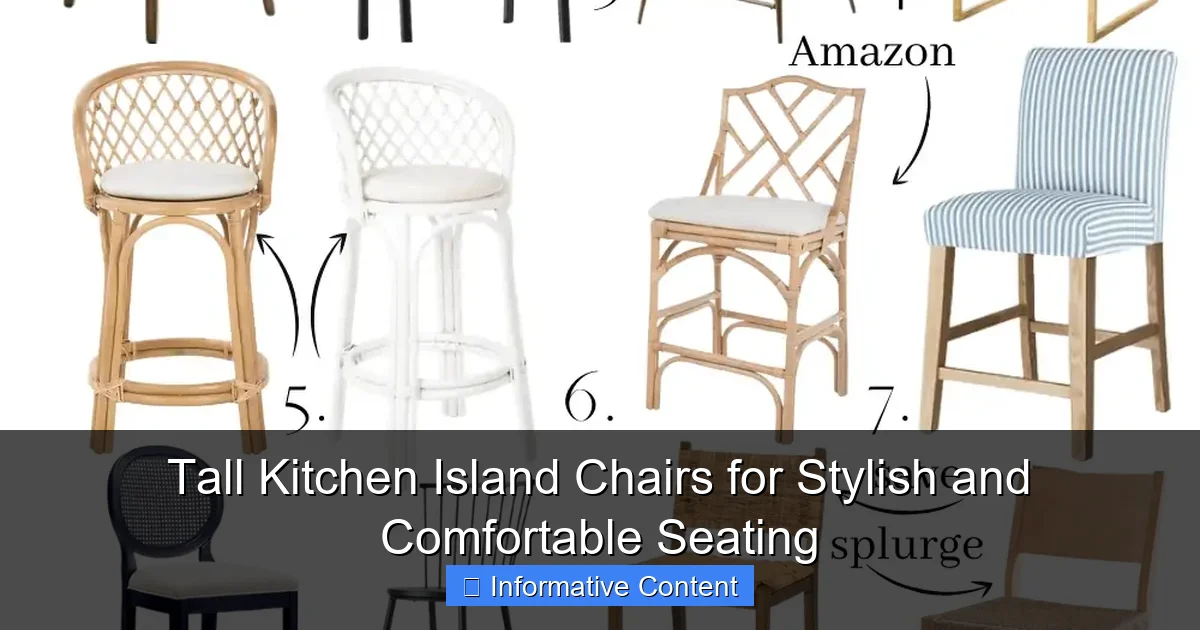
Featured image for tall kitchen island chairs
Image source: chrissymarieblog.com
Tall kitchen island chairs combine ergonomic design and modern style to transform your kitchen into a welcoming, functional space. Perfect for counter-height surfaces, these chairs offer comfortable seating with elevated backs, footrests, and sleek finishes that enhance any décor. Ideal for entertaining or casual dining, they strike the perfect balance between comfort and sophistication.
Key Takeaways
- Measure your island height to ensure chairs fit perfectly and provide comfortable legroom.
- Choose ergonomic designs for long-term comfort, especially if used frequently for meals or work.
- Prioritize durable materials like solid wood or metal to withstand daily wear and tear.
- Match chair style to your kitchen decor for a cohesive, stylish look.
- Test seat depth to avoid discomfort, especially for taller users or extended sitting.
- Opt for easy-to-clean upholstery or finishes for hassle-free maintenance in busy kitchens.
📑 Table of Contents
- Why Tall Kitchen Island Chairs Matter
- Understanding the Right Height for Tall Kitchen Island Chairs
- Choosing Materials That Match Your Lifestyle
- Design Features That Enhance Comfort and Function
- Matching Tall Chairs to Your Kitchen Style
- Top Tall Kitchen Island Chairs: A Quick Comparison
- Final Thoughts: Finding Your Perfect Tall Kitchen Island Chairs
Why Tall Kitchen Island Chairs Matter
Let’s be honest—kitchen islands aren’t just for prepping food anymore. They’ve become the heart of the home, a place where families gather, kids do homework, friends sip wine, and weekend brunches turn into long conversations. And if you’ve got a kitchen island, you’ve probably realized one thing: standard chairs just don’t cut it. That’s where tall kitchen island chairs come in. They’re the secret ingredient to making your island not just functional, but a true social hub.
I remember the first time I sat at a friend’s kitchen island in a pair of mismatched bar stools. My feet dangled, my back ached after 20 minutes, and I felt more like a kid at a grown-up table than a guest. It was a lightbulb moment. The right seating can transform the entire vibe of your kitchen. Tall kitchen island chairs aren’t just about height—they’re about comfort, style, and making every moment at the island feel intentional. Whether you’re remodeling or just refreshing your space, choosing the right chairs can make all the difference.
Understanding the Right Height for Tall Kitchen Island Chairs
Standard vs. Counter vs. Bar Height
Not all tall chairs are created equal. The term “tall” can be misleading, so let’s break it down. Kitchen islands come in different heights, and your chairs need to match. Here’s a quick guide:

Visual guide about tall kitchen island chairs
Image source: i.shgcdn.com
- Counter height (36 inches): Most common for kitchen islands. Pairs with chairs that are 24–26 inches tall (seat height).
- Bar height (42 inches): Taller islands, often found in open-concept kitchens or homes with a more modern aesthetic. Requires chairs with 30–32 inch seat heights.
- Extra-tall (48 inches or more): Found in some custom kitchens or commercial-style setups. Needs 34–36 inch seats—rare, but growing in popularity.
Pro tip: Measure your island from the floor to the top surface. Then subtract 10–12 inches to find the ideal seat height. This gives you enough legroom to sit comfortably without your knees hitting the counter.
Why Height Mismatch Is a Real Pain
I once helped a neighbor pick out bar stools for her 42-inch island. She chose 26-inch chairs because they were “cute” and on sale. Big mistake. Her guests looked like they were sitting at a child’s tea party—knees up, feet swinging, and zero back support. After three weeks, she returned them. The lesson? Aesthetics matter, but comfort and ergonomics matter more.
When chairs are too short, you end up slouching or perching on the edge. Too tall, and you can’t rest your feet properly or reach the counter comfortably. The sweet spot is when your elbows rest naturally on the countertop when seated. That’s the sign of a well-matched chair.
Also, consider footrests. If you’re using bar-height chairs (30+ inches), a footrest is essential. Without one, your legs dangle, which can lead to numbness or fatigue—especially during long dinners or work-from-home sessions at the kitchen island.
Choosing Materials That Match Your Lifestyle
Wood: Warmth and Timeless Appeal
Wooden tall kitchen island chairs bring warmth and character. Solid wood (like oak, walnut, or maple) is durable and ages beautifully. I have a pair of walnut bar stools that I’ve had for five years—scratches and all, they still look rich and inviting. Wood is great for traditional, farmhouse, or Scandinavian-style kitchens.
But wood has its downsides. It can scratch, stain, or warp in humid kitchens. If you have kids or pets, opt for chairs with a protective finish. Avoid softwoods like pine for high-traffic areas—they dent easily.
One trick: Look for chairs with a slightly curved seat. Flat wooden seats can get uncomfortable after 30 minutes. A gentle contour makes all the difference.
Metal: Modern and Low-Maintenance
Metal chairs (especially steel or aluminum) are sleek, sturdy, and easy to clean—perfect for modern or industrial kitchens. I love a good black metal stool with a leather seat. It’s minimalist but still cozy.
But metal can be cold—literally. In winter, sitting on a bare metal seat can feel like sitting on a bench in a park. Look for models with upholstered or padded seats. And avoid chairs with sharp edges—especially if you have toddlers running around.
Another thing: metal can squeak over time, especially if joints aren’t welded well. Check customer reviews for mentions of noise or wobbling. A little squeak might seem small, but it gets annoying fast.
Upholstered: Comfort Meets Style
If comfort is your top priority, upholstered tall kitchen island chairs are the way to go. Think padded seats, backrests, and even armrests. They’re perfect for long meals, working from home, or just lounging with coffee.
But—and this is a big but—fabric can stain. Spilled wine, coffee drips, or sticky fingers from kids can leave marks. Choose performance fabrics (like Sunbrella or Crypton) that resist stains and moisture. Or go with leather or faux leather—they wipe clean easily and develop a nice patina over time.
One friend has two young kids and chose white linen chairs. She loved the look… until the first juice spill. Now she’s switching to dark gray microfiber. Lesson learned: style should never come at the cost of practicality.
Plastic and Acrylic: Lightweight and Trendy
Acrylic or molded plastic chairs are having a moment. They’re lightweight, affordable, and come in fun colors and designs. Great for eclectic or mid-century modern kitchens. I’ve seen transparent acrylic stools that make a kitchen feel open and airy—like the chairs are floating.
But they’re not for everyone. Plastic can feel cheap, and acrylic scratches easily. Also, they don’t offer much back support. If you’re sitting for more than 20 minutes, you’ll start to notice. Best for occasional use or as accent chairs.
And if you’re tall or heavier, check the weight limit. Some plastic chairs max out at 200 lbs—definitely not ideal for all body types.
Design Features That Enhance Comfort and Function
Backrests: The Unsung Hero
Not all tall kitchen island chairs have backrests, but I can’t stress enough how much they matter. A low backrest (just above the waist) supports your spine without making you feel boxed in. High backs offer more support but can feel restrictive in a social space.
I once sat on a backless stool during a dinner party. By dessert, I was leaning forward on the island, trying to avoid back pain. My host noticed and swapped me to a chair with a backrest. Instant relief. Moral of the story? Backrests aren’t just about posture—they’re about staying comfortable through the whole meal.
For families or frequent entertainers, I recommend chairs with 14–18 inch backrests. They’re high enough to support, low enough to keep the kitchen feeling open.
Swivel vs. Fixed: Mobility Matters
Swivel chairs are a game-changer. They let you turn to talk to someone, grab a napkin, or reach the fridge without standing up. I have swivel bar stools at my island, and my kids love spinning in circles (supervised, of course). But they’re not just fun—they’re practical.
However, swivel mechanisms can loosen over time, leading to wobbling. Look for chairs with ball-bearing swivels—they’re smoother and more durable. And make sure the base is wide enough so it doesn’t tip when you lean to one side.
Fixed chairs are more stable and often cheaper. They’re great if you don’t need mobility—like in a small kitchen where chairs stay in one place.
Armrests: A Double-Edged Sword
Armrests add comfort, especially for older adults or people with joint pain. They help you get in and out of the chair more easily. But they also take up space. If your island is narrow or you have a tight kitchen, armrests can make it hard to tuck chairs in or move around.
I’ve seen kitchens where chairs with arms block the walkway when pushed in. Not ideal. Measure your space carefully. If you’re tight on room, consider chairs with removable arms or low-profile designs.
Another tip: If you do go for armrests, make sure they’re padded. Hard wood or metal arms can be uncomfortable over time.
Footrests and Footrails: Small but Crucial
As mentioned earlier, footrests are non-negotiable for bar-height chairs. But not all footrests are created equal. Look for ones that are:
- Wide enough for both feet
- Positioned at a comfortable height (usually 10–14 inches from the floor)
- Made of non-slip material (rubber, textured metal, or wood with grooves)
I once bought a sleek metal stool with a thin, smooth footrail. It looked great… until I tried to rest my feet on it. My socks kept sliding, and I ended up with sore calves. A textured or grooved footrest makes all the difference.
Matching Tall Chairs to Your Kitchen Style
Modern and Minimalist Kitchens
If your kitchen has clean lines, neutral colors, and high-gloss finishes, go for tall kitchen island chairs with simple silhouettes. Think:
- Metal frames with leather or fabric seats
- Monochromatic color schemes (black, white, gray)
- Geometric shapes (cubes, cylinders, or tapered legs)
One of my favorite looks: a matte black metal chair with a charcoal gray upholstered seat. It’s sleek but not cold. Bonus: it pairs well with stainless steel appliances and concrete countertops.
Rustic and Farmhouse Kitchens
For warm, cozy kitchens with shiplap, open shelves, and apron sinks, wooden or distressed metal chairs work best. Look for:
- Reclaimed wood seats or backs
- X-back or ladder-back designs
- Wicker or rattan accents
I helped a client pick out ladder-back stools with a whitewashed finish. They matched her farmhouse sink and butcher block island perfectly. The best part? They were comfortable enough for her to sit and chat with guests for hours.
Industrial and Urban Lofts
Exposed brick, ductwork, and concrete floors call for bold, utilitarian chairs. Metal is your friend here. Think:
- Steel frames with rivets or exposed welds
- Distressed leather or canvas seats
- Adjustable height mechanisms (like vintage drafting stools)
One friend has a converted warehouse kitchen with a steel island. He chose vintage-inspired stools with black leather seats and chrome bases. They look like they belong in a 1950s diner—perfect for his space.
Eclectic and Maximalist Kitchens
If your kitchen is a mix of colors, patterns, and textures, don’t be afraid to go bold. Mix materials and colors. Try:
- A set of mismatched chairs (e.g., one wood, one metal, one upholstered)
- Brightly colored acrylic stools
- Chairs with unique backs (like sunburst, floral, or geometric cutouts)
My sister did this in her kitchen—three different chair styles, all in coordinating colors. It looked chaotic at first, but after a few days, it felt vibrant and alive. Just make sure there’s a unifying element—like a shared color, material, or leg style.
Top Tall Kitchen Island Chairs: A Quick Comparison
To help you narrow down your choices, here’s a comparison of five popular tall kitchen island chairs based on real-world performance, comfort, and style.
| Chair Model | Height (Seat) | Material | Backrest | Swivel | Weight Limit | Best For | Price Range |
|---|---|---|---|---|---|---|---|
| Modway Engage Bar Stool | 30″ | Faux leather, steel frame | High back | Yes | 300 lbs | Modern kitchens, long sitting | $120–$150 |
| Winsome Wood 24″ Counter Stool | 24″ | Solid beech wood | Low back | No | 250 lbs | Farmhouse, traditional | $60–$80 |
| Flash Furniture Black Metal Stool | 30″ | Steel, vinyl seat | Backless | No | 500 lbs | Industrial, high-traffic | $50–$70 |
| Christopher Knight Home Acrylic Chair | 26″ | Acrylic, chrome base | Low back | Yes | 220 lbs | Small spaces, modern look | $90–$110 |
| Lark Manor Upholstered Bar Stool | 31″ | Polyester fabric, wood frame | High back, padded | Yes | 275 lbs | Comfort-focused, families | $130–$160 |
Note: Prices are approximate and may vary by retailer. Always check current listings and customer reviews before purchasing.
What stands out? The Modway Engage is a favorite for its plush seat and sturdy swivel. The Flash Furniture stool is a budget-friendly powerhouse—great for busy kitchens. And the Lark Manor wins for comfort, especially if you’re sitting for work or long meals.
Final Thoughts: Finding Your Perfect Tall Kitchen Island Chairs
Choosing tall kitchen island chairs isn’t just about picking something that looks good in a photo. It’s about how they feel when you sit in them after a long day. It’s about whether your guests can relax without fidgeting. It’s about whether your kids can sit safely and comfortably while doing homework.
Start with your island height. Measure it. Then think about your lifestyle. Do you entertain often? Do you work from home? Do you have kids or elderly family members? These factors matter more than trends or Instagram aesthetics.
Don’t rush the decision. Try sitting in different chairs if you can—visit furniture stores or borrow a friend’s set for a weekend. Pay attention to how your back, legs, and feet feel after 30 minutes. That’s the real test.
And remember: tall kitchen island chairs are an investment in your daily comfort. A little extra spent on quality can save you years of discomfort. Whether you go for sleek metal, warm wood, or plush upholstery, the right chairs will make your kitchen island the favorite spot in the house.
So take your time. Measure twice. Read reviews. And when you find the ones that feel just right—sit back, relax, and enjoy your stylish, comfortable kitchen oasis. You’ve earned it.
Frequently Asked Questions
What are the best tall kitchen island chairs for comfort and style?
The best tall kitchen island chairs combine ergonomic design with durable materials like solid wood or metal, and cushioned seats for comfort. Look for styles with back support and a height of 28–32 inches to match standard island counters (36–42 inches tall).
How do I choose the right height for tall kitchen island chairs?
Measure your island’s height and subtract 10–12 inches to find the ideal chair seat height. For a 42-inch island, a 30-inch tall kitchen island chair ensures comfortable legroom and alignment with the counter.
Are tall kitchen island chairs suitable for small spaces?
Yes! Opt for backless or swivel tall kitchen island chairs to save space and add functionality. Compact designs with slim profiles or built-in footrests maximize seating without crowding your kitchen.
What materials work best for tall kitchen island chairs?
Metal and wood are popular for durability and style, while upholstered seats add comfort. Consider water-resistant finishes or leather for easy cleanup in high-traffic kitchen areas.
Can tall kitchen island chairs double as dining chairs?
Absolutely—many designs transition seamlessly between island seating and dining tables. Choose chairs with neutral colors or versatile styles (e.g., industrial, farmhouse) to match both settings.
Do tall kitchen island chairs require assembly?
Most require minimal assembly (e.g., attaching legs or backrests), with tools often included. Check product descriptions for “no-assembly” options if you prefer ready-to-use chairs.