
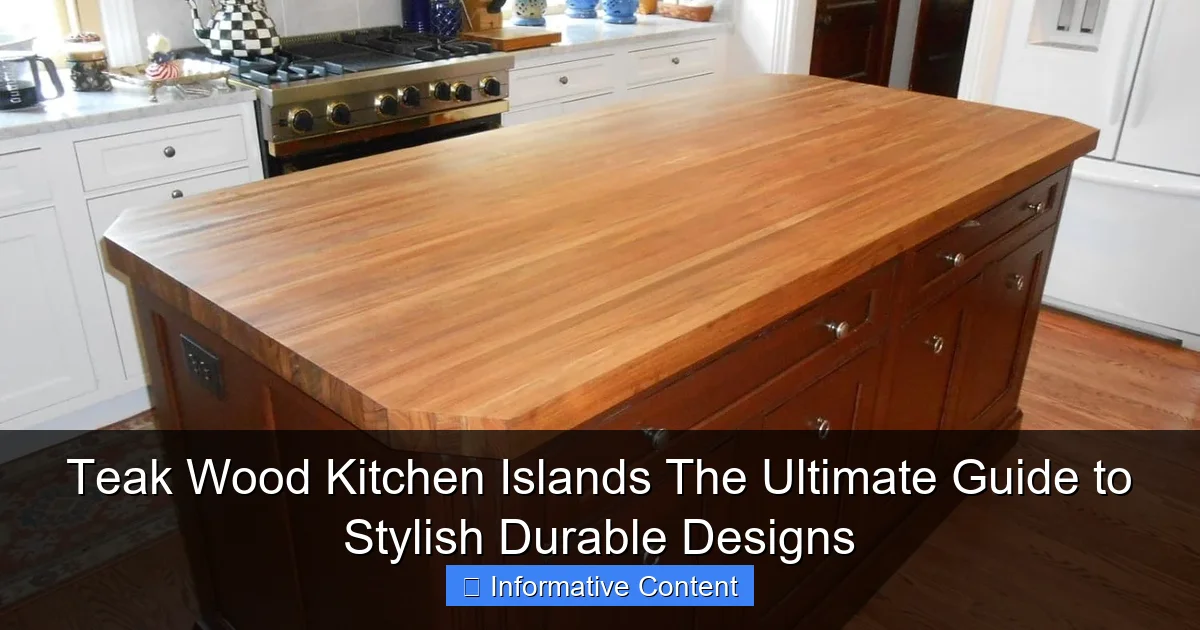
Featured image for teak wood kitchen islands
Image source: i.pinimg.com
Teak wood kitchen islands are the pinnacle of style and durability, offering unmatched resistance to moisture, heat, and daily wear—making them a top choice for high-traffic kitchens. Renowned for their rich grain and long-lasting beauty, teak islands blend timeless elegance with modern functionality, aging gracefully into a warm, silvery patina if left untreated. Invest in teak for a kitchen centerpiece that combines sustainability, strength, and sophistication in one stunning design.
Key Takeaways
- Teak wood resists moisture: Ideal for kitchens with high humidity or spills.
- Prioritize solid teak: Avoid veneers for maximum durability and longevity.
- Seal annually: Preserve color and protect against stains with regular maintenance.
- Pair with warm tones: Complements stainless steel or natural stone countertops.
- Invest in pre-assembled: Saves time and ensures professional-quality craftsmanship.
- Choose sustainably sourced: Look for FSC-certified teak to support eco-friendly practices.
📑 Table of Contents
- Why Teak Wood Kitchen Islands Are Worth the Investment
- What Makes Teak Wood Special for Kitchen Islands
- Design Styles and Customization Options
- Pros and Cons of Teak Wood Kitchen Islands
- How to Care for and Maintain Your Teak Island
- Top Brands and Where to Buy Quality Teak Islands
- Real-Life Examples and Final Thoughts
Why Teak Wood Kitchen Islands Are Worth the Investment
Imagine walking into your kitchen and being greeted by a warm, rich island that feels both modern and timeless. That’s the magic of a teak wood kitchen island. Whether you’re renovating your entire kitchen or simply adding a functional centerpiece, teak wood offers a unique blend of beauty, durability, and practicality. I’ve seen firsthand how a well-chosen teak island can transform a space—not just visually, but in how it feels to cook, gather, and live in the heart of the home.
But let’s be honest: kitchen islands are a big investment, and choosing the right material can feel overwhelming. Granite? Stainless steel? Butcher block? Each has its pros and cons, but teak wood kitchen islands stand out for their natural elegance and resilience. Unlike softer woods that scratch easily or synthetic materials that can look cold, teak ages gracefully. It resists moisture, heat, and wear—perfect for a high-traffic area like the kitchen. And the best part? No two teak islands are exactly alike. The grain patterns, subtle color variations, and natural oil content give each piece a unique character.
What Makes Teak Wood Special for Kitchen Islands
Natural Oils and Moisture Resistance
Teak wood comes from the Tectona grandis tree, native to Southeast Asia. What sets it apart is its high concentration of natural oils and rubber. These aren’t just marketing terms—they’re real, measurable benefits. The oils make teak naturally water-resistant, which is a game-changer in a kitchen where spills, steam, and splashes happen daily.
Visual guide about teak wood kitchen islands
Image source: m.media-amazon.com
Think about it: you’re cooking pasta, and a pot boils over. With a teak island, you don’t panic. A quick wipe with a damp cloth, and the surface is good as new. No warping, no staining, no need to seal it every few months like you might with other hardwoods. I once visited a friend who’d had her teak island for over a decade. It had been used daily, wiped down with just water and mild soap, and still looked rich and smooth—no major scratches or discoloration.
Durability That Lasts Generations
When you buy a kitchen island, you’re not just buying furniture—you’re making a long-term investment. Teak’s density and tight grain structure make it incredibly strong. It’s rated as one of the most durable hardwoods, often lasting 50+ years with proper care. Compare that to pine or birch, which may start showing signs of wear in under a decade.
And it’s not just about scratches. Teak resists pests, mold, and rot—common issues in humid environments. This makes it ideal not just for kitchens, but also for homes in coastal areas or regions with high humidity. My neighbor installed a teak island in her beach house, where salt air and moisture are constant challenges. After five years, it still looks as good as the day it arrived.
Timeless Aesthetic and Aging Gracefully
One of the most beautiful things about teak is how it changes over time. Fresh teak has a warm golden-brown hue. As it ages, it develops a silvery-gray patina—especially if exposed to sunlight. Some people love this weathered look, while others prefer to maintain the original color. Either way, teak doesn’t “go out of style.” Its classic look fits modern, farmhouse, coastal, and even industrial kitchens.
If you want to preserve the golden tone, you can apply a teak oil or sealant annually. But many homeowners embrace the graying process, finding it adds character and a sense of history to the space. I love how my cousin’s teak island now has a soft silver sheen—it looks like it’s been part of the kitchen forever, like a well-loved heirloom.
Design Styles and Customization Options
Modern and Minimalist Teak Islands
If your kitchen leans toward clean lines and open space, a modern teak island might be perfect. These designs often feature sleek silhouettes, integrated handles, and minimal ornamentation. Think flat-panel cabinetry, recessed pulls, and a seamless countertop-to-base connection.
A popular trend is pairing teak with stainless steel or matte black hardware. The contrast between the warm wood and cool metal creates a striking balance. For example, a rectangular teak island with a waterfall edge (where the countertop material flows down the sides) looks stunning with brushed nickel bar stools and under-cabinet LED lighting.
Pro tip: If you’re going minimalist, consider a built-in sink or induction cooktop on the island. Teak’s strength supports heavy appliances, and the natural wood adds warmth to an otherwise sleek setup.
Rustic and Farmhouse Inspirations
For those who love cozy, lived-in vibes, rustic teak islands are a dream. These often feature distressed finishes, visible grain, and hand-crafted details like dovetail joinery or reclaimed-style legs. Pair them with apron-front sinks, open shelving, and vintage lighting for a true farmhouse feel.
One of my favorite examples is a teak island with a butcher block top and open lower shelves. The owner used it as a prep station, storage for cookbooks, and a spot to display ceramic pitchers. The wood’s natural variations gave it a “one-of-a-kind” charm—no need for artificial distressing.
You can also add farmhouse details like X-bracing on the sides or turned legs. Just make sure the design doesn’t compromise functionality. For instance, avoid deep carvings that collect dust or make cleaning difficult.
Custom Shapes and Integrated Features
Teak is surprisingly versatile when it comes to custom shapes. Want a curved island with a built-in wine rack? Or an L-shaped design with a breakfast bar? Teak can be milled and shaped to fit almost any layout.
Some homeowners go all out with integrated features:
- Pull-out trash/recycling bins – Hidden in drawers for a clean look
- Built-in spice racks – Perfect for home chefs who love organization
- Hidden charging stations – USB ports and outlets tucked into the base
- Overhang seating – Extend the countertop 10–12 inches to fit bar stools
I recently saw a teak island with a fold-down leaf—great for small kitchens. During the day, it was flush with the counter. At dinner, it extended to seat four. The mechanism was smooth, and the wood grain matched perfectly when folded.
Pros and Cons of Teak Wood Kitchen Islands
The Pros: Why Teak Is a Top Choice
- Exceptional durability – Resists scratches, dents, and moisture
- Low maintenance – Wipe with mild soap and water; occasional oiling (if desired)
- Natural beauty – Rich grain, warm tones, and aging patina
- Eco-friendly option – Sustainably harvested teak is available (look for FSC or SVLK certification)
- Versatile style – Works in modern, rustic, coastal, and transitional kitchens
- Long lifespan – Can last decades, even with heavy use
One of the biggest advantages is how well teak handles temperature changes. Unlike some woods that expand and contract with humidity, teak stays stable. That means no warping or cracking around sinks or cooktops—common issues with softer hardwoods.
The Cons: What to Consider Before Buying
- Higher initial cost – Teak is more expensive than pine, birch, or MDF
- Color changes over time – Graying is natural but may not suit all tastes
- Weight – Heavy, so installation may require professional help
- Ethical sourcing – Not all teak is sustainably harvested; research your supplier
- Ongoing maintenance (optional) – Oiling to preserve color is a yearly task
Let’s talk about the cost. A high-quality teak island can range from $2,000 to $8,000+, depending on size, design, and craftsmanship. That’s a significant investment, but think of it as a long-term purchase. You’re not just buying an island—you’re buying a piece of furniture that could last your lifetime.
And while the graying process is natural, it’s worth noting that some people prefer the golden look. If that’s you, plan to apply teak oil (or a UV-protectant sealant) once or twice a year. It’s not a huge chore, but it’s something to consider.
Finally, the weight. A solid teak island can weigh 150–300 pounds. If you’re installing it yourself, make sure your floor can support it—especially in older homes. And if you ever want to move it, you’ll likely need help.
How to Care for and Maintain Your Teak Island
Daily and Weekly Cleaning Routines
The good news? Caring for a teak wood kitchen island is simple. For daily cleaning, just wipe it down with a damp cloth and mild dish soap. Avoid harsh chemicals or abrasive scrubbers—they can damage the finish and strip natural oils.
For weekly maintenance, I recommend a quick once-over with a soft brush or microfiber cloth to remove crumbs and dust. If you have a butcher block-style top, check for food debris in the grain. A quick vacuum with a brush attachment works well.
Tip: Always wipe spills immediately, especially acidic liquids like lemon juice or vinegar. While teak is stain-resistant, prolonged exposure can still cause discoloration.
Preserving the Golden Color (Optional)
If you love the warm, golden hue of new teak, you can slow the graying process. Here’s how:
- Apply a teak oil or UV-protectant sealant every 6–12 months
- Use products with natural oils (linseed, tung, or citrus-based)
- Sand lightly (220-grit) before reapplying to ensure absorption
- Apply in thin, even coats—don’t let it pool
I tried this on my own teak island. After two years of no treatment, it had turned a soft silver. I sanded it lightly, applied teak oil, and within a week, the warm color returned. It wasn’t *exactly* like new, but close—and it gave the wood a beautiful, rich glow.
Dealing with Scratches and Wear
Even the most careful homeowners get scratches. The good news? Teak’s natural oils help it “heal” minor surface marks over time. For deeper scratches:
- Lightly sand the area with 220-grit sandpaper
- Wipe with a damp cloth and let dry
- Apply a matching wood filler or teak wax
- Buff with a soft cloth
For burn marks or deep gouges, you might need professional refinishing. But in most cases, minor imperfections add character—especially in rustic-style kitchens.
Top Brands and Where to Buy Quality Teak Islands
Reputable Teak Furniture Makers
Not all teak is created equal. Look for brands that source sustainably and craft their pieces with care. Here are a few trusted names:
| Brand | Specialty | Price Range | Sustainability |
|---|---|---|---|
| Teak Warehouse | Custom islands, modular designs | $2,500–$6,000 | FSC-certified teak |
| Outdoor Living Today | Kitchen + outdoor combos | $1,800–$5,000 | SVLK-certified (Indonesia) |
| Woodland Creek | Handcrafted, rustic styles | $3,000–$7,500 | Reclaimed and plantation-grown |
| Custom Cabinet Makers | Fully bespoke designs | $4,000–$10,000+ | Depends on supplier (ask!) |
When shopping, always ask about the teak’s origin. Indonesian teak (from Java and Sumatra) is generally considered the highest quality. Avoid “teak-like” woods like eucalyptus or acacia—they don’t have the same durability or oil content.
Online vs. In-Store Purchasing
Buying online offers more variety and often better prices. But you can’t see the grain or feel the craftsmanship. I recommend:
- Order samples first (many brands offer wood swatches)
- Read customer reviews—look for comments on durability and color
- Check return policies (some custom islands are non-returnable)
In-store shopping lets you inspect the wood and test the construction. Look for tight joints, smooth finishes, and no wobbling. And don’t be afraid to open drawers and cabinets—quality hinges and slides matter.
Pro tip: If you’re working with a designer, they can help source a custom teak island that fits your exact kitchen layout. Many cabinet makers offer teak as a premium option.
Real-Life Examples and Final Thoughts
How Real Homeowners Use Their Teak Islands
Teak isn’t just for show—it’s built for real life. Here are a few ways people use their teak wood kitchen islands:
- As a prep station – The smooth surface is perfect for chopping, rolling dough, or plating meals
- For entertaining – Guests gather around the island for snacks, drinks, and conversation
- As a workspace – With built-in outlets, it’s great for laptops, tablets, or kids’ homework
- For storage – Deep drawers and cabinets hold everything from pots to pantry items
I love how my neighbor uses hers: it’s the heart of their open-plan kitchen. In the morning, it’s a breakfast bar. At night, it’s a spot for family dinners. On weekends, it’s a buffet for game-day snacks. The teak has held up beautifully—no major wear, just a few light scratches that add character.
Is a Teak Island Right for You?
Let’s be real: a teak wood kitchen island isn’t for everyone. If you’re on a tight budget, need a temporary solution, or prefer a very cool, industrial look, another material might be better.
But if you value:
- Long-term durability
- Natural beauty that ages well
- Low maintenance (once it’s installed)
- A warm, inviting kitchen
then teak is worth serious consideration.
Think of it this way: your kitchen island is one of the most used pieces in your home. It’s where meals are made, homework is done, and memories are shared. Why not make it something special? A teak island isn’t just furniture—it’s a statement. It says you value quality, craftsmanship, and the little moments that happen around a warm, welcoming surface.
So if you’re ready to invest in a kitchen centerpiece that’s as tough as it is beautiful, give teak a look. You might just fall in love—like so many homeowners already have.
Frequently Asked Questions
What makes teak wood kitchen islands a durable choice for modern kitchens?
Teak wood kitchen islands are naturally resistant to moisture, warping, and pests due to their high oil content, making them ideal for humid environments. This durability ensures they maintain their beauty and structural integrity for decades with minimal maintenance.
Are teak wood kitchen islands easy to maintain?
Yes, teak wood kitchen islands require simple care—occasional wiping with a damp cloth and periodic oiling to preserve their rich color. Unlike other hardwoods, teak doesn’t crack or splinter easily, reducing long-term upkeep efforts.
How does the cost of teak wood kitchen islands compare to other materials?
While teak wood kitchen islands have a higher upfront cost than materials like pine or stainless steel, their longevity and timeless aesthetic offer better value over time. Their resistance to wear and tear reduces replacement or repair costs.
Can teak wood kitchen islands be customized to fit specific kitchen layouts?
Absolutely! Teak wood’s versatility allows for custom designs, including unique shapes, built-in storage, or integrated countertops. Many retailers offer made-to-order options to match your kitchen’s dimensions and style preferences.
Is teak wood sustainable for kitchen islands?
When sourced from responsibly managed forests (look for FSC or SVLK certifications), teak wood kitchen islands are an eco-friendly choice. Teak’s rapid regrowth and durability make it a sustainable alternative to less resilient hardwoods.
What design styles pair well with teak wood kitchen islands?
Teak’s warm, golden-brown tones complement coastal, farmhouse, and Scandinavian designs, while its sleek finish suits modern and minimalist kitchens. Its natural grain adds texture without overwhelming the space.