Featured image for this comprehensive guide about The essential spices for Indian cooking
Image source: carameltintedlife.com
Step into any Indian kitchen, and your senses are immediately captivated by a symphony of aromas. It’s a fragrant embrace, a complex dance of flavors that tells a story of centuries of culinary tradition. At the heart of this gastronomic wonderland lies a carefully curated collection of spices – the true soul of authentic Indian cooking. For many, the sheer number of spices can seem daunting, but fear not! Unlocking the magic of Indian cuisine is less about mastering every single spice and more about understanding the core, essential spices for Indian cooking that form its very foundation.
India, often called the “Land of Spices,” produces over 75 of the 109 spices listed by the International Organization for Standardization (ISO). This rich heritage is woven into every dish, transforming simple ingredients into extraordinary meals. Whether you're a seasoned chef or a curious home cook looking to explore the vibrant world of Indian food, having a well-stocked spice cabinet is your first, most crucial step. Forget bland food; prepare to embark on a flavorful journey that will elevate your cooking to new heights. We’re here to guide you through the absolute must-haves – the 12 essential spices for Indian cooking that will allow you to create truly authentic and delicious Indian dishes right in your own kitchen.
From the warming earthiness of cumin to the pungent kick of mustard seeds, each spice plays a unique role, contributing to the layers of flavor that make Indian food so globally beloved. Understanding their individual characteristics, how to use them, and how they interact is key to mastering this incredible cuisine. Get ready to transform your pantry and your palate as we delve into the core of Indian cooking spices.
Quick Answers to Common Questions
What are the absolute must-have essential spices for Indian cooking?
If you're just starting your Indian culinary journey, focus on foundational spices like cumin, coriander, turmeric, red chili powder, and garam masala. These five form the backbone of countless authentic dishes.
Why are these essential spices for Indian cooking so crucial to the flavor?
These spices are the heart and soul of Indian cuisine, creating layers of complex aromas and depth, not just heat. They transform simple ingredients into vibrant, unforgettable meals.
Do I need to buy a whole spice rack to begin authentic Indian cooking?
Absolutely not! You can create incredible, flavorful dishes with just a handful of the most essential spices for Indian cooking. Start small and build your collection as you gain confidence.
Should I use whole or ground essential spices for Indian cooking?
Both whole and ground essential spices have their specific roles! Whole spices are often used at the beginning to temper oil and infuse aroma, while ground spices are added later to build rich color and flavor.
How can I keep my essential spices for Indian cooking fresh and potent?
To preserve their vibrant flavor and aroma, store your essential spices in airtight containers in a cool, dark place, away from direct sunlight and heat. This ensures they deliver maximum impact to your dishes.
📋 Table of Contents
- The Aromatic Soul of Indian Cooking: Foundation Spices
- The Warming & Pungent Powerhouses: Building Depth
- Flavor Boosters & Umami Generators: The Secret Weapons
- The Fiery & Finishing Touches: Adding Zing & Aroma
- Mastering Your Masala: Tips for Indian Spice Success
- Embrace the Spice: Your Journey to Authentic Indian Flavors
The Aromatic Soul of Indian Cooking: Foundation Spices
These are the workhorses, the unsung heroes that lay the groundwork for nearly every savory Indian dish. They provide the fundamental earthy, warm, and often subtly bitter notes that are quintessential to the cuisine. Master these, and you've already conquered a significant portion of authentic Indian cooking.

Learn more about The essential spices for Indian cooking - The 12 Essential Spices for Authentic Indian Cooking
Image source: i.pinimg.com
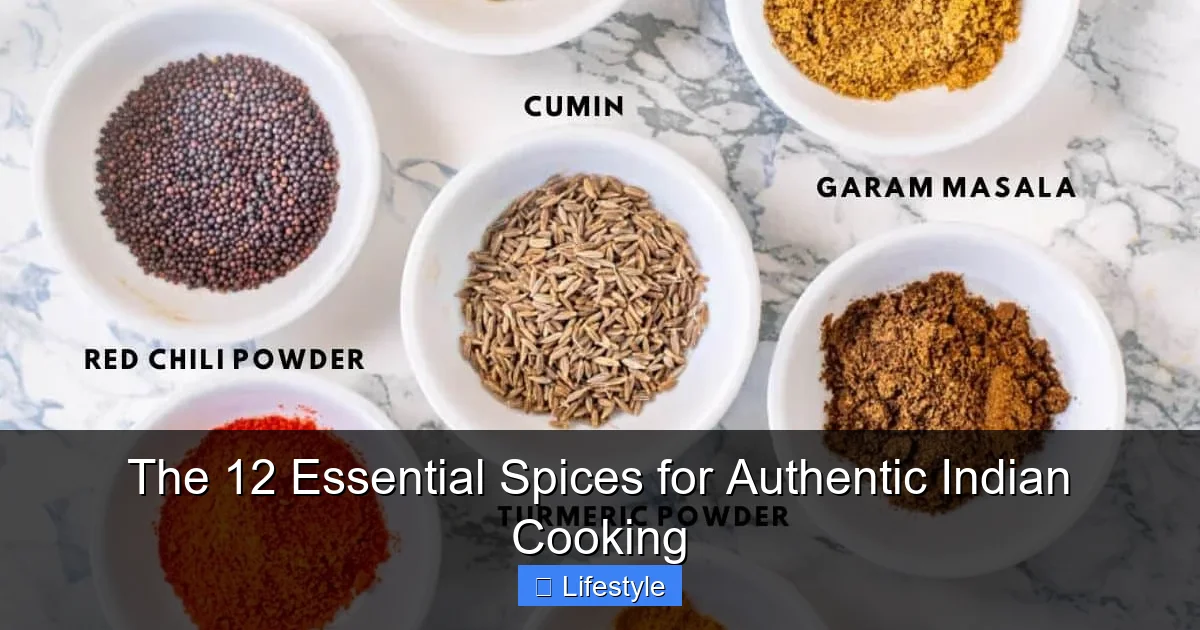
Cumin Seeds (Jeera)
Cumin is arguably one of the most widely used Indian spices, celebrated for its warm, earthy, and slightly bitter flavor profile. It’s an incredibly versatile spice, used both whole and ground. Whole cumin seeds are often tempered (sautéed in hot oil or ghee) at the beginning of a dish to infuse the fat with its distinct aroma. Ground cumin, on the other hand, is a staple in most spice blends and curries, adding depth and a smoky undertone.
| Spice | Flavor Profile | Key Role in Indian Cuisine | Common Dishes/Uses |
|---|---|---|---|
| Turmeric (Haldi) | Earthy, warm, slightly bitter, peppery undertones. | Fundamental color (golden yellow), earthy base, anti-inflammatory. Used almost daily. | Curries, dals (lentils), vegetable preparations, rice dishes. |
| Cumin (Jeera) | Warm, earthy, pungent, slightly bitter, nutty aroma. | Aromatic base, digestive aid, adds depth and smokiness. Very frequently used. | Tadka (tempering), curries, stews, marinades, dry vegetable dishes. |
| Coriander (Dhaniya) | Citrusy, sweet, warm, nutty, slightly spicy. | Thickening agent, balances flavors, provides a fundamental aroma. Essential for gravies. | Most curries, gravies, spice blends (like Garam Masala), pickles. |
| Red Chili Powder (Mirch) | Pungent, hot (varies by type), smoky, fruity. | Adds heat and vibrant red color. Used across nearly all savory dishes. | Almost all savory Indian dishes, tandoori marinades, chutneys, curries. |
| Garam Masala | Warm, aromatic, complex blend (cinnamon, cardamom, cloves, etc.). | Finishing spice, adds aromatic richness and warmth at the end of cooking. | Curries, biryanis, lentil dishes, rich gravies. |
- Flavor Profile: Earthy, warm, slightly bitter, smoky.
- Uses: Tempering oil for dals, curries, vegetables; essential in spice blends like garam masala; marinades; rice dishes like pulao.
- Tip: Always toast whole cumin seeds lightly before grinding for a more intense flavor.
Coriander Seeds (Dhaniya)
Coriander seeds offer a delightful citrusy, sweet, and nutty flavor that perfectly complements the earthiness of cumin. Like cumin, it's used extensively in both whole and ground forms. Whole coriander seeds are often roasted and then ground to release their full aromatic potential, forming the backbone of many dry spice rubs and curry powders. Ground coriander helps thicken gravies and adds a refreshing note to rich dishes.
- Flavor Profile: Citrusy, nutty, sweet, warm, slightly woody.
- Uses: Base for almost all curries and gravies; pickling; marinades; spice blends.
- Tip: Dry roast coriander seeds in a pan until fragrant before grinding to enhance their flavor significantly.
Turmeric Powder (Haldi)
Turmeric is unmistakable, not just for its vibrant golden-yellow hue but also for its distinctive earthy, slightly bitter, and pungent flavor. Beyond its culinary uses, turmeric is revered in Ayurveda for its numerous health benefits, particularly its anti-inflammatory properties. It's almost exclusively used in its powdered form in Indian cooking, added early in the cooking process to allow its flavor to mellow and its color to fully develop.
- Flavor Profile: Earthy, slightly bitter, pungent, warm.
- Uses: Coloring agent for curries, dals, rice; essential in almost every savory dish; pickling.
- Tip: A little goes a long way. Too much turmeric can make your dish bitter. Always cook it thoroughly to remove its raw taste.
The Warming & Pungent Powerhouses: Building Depth
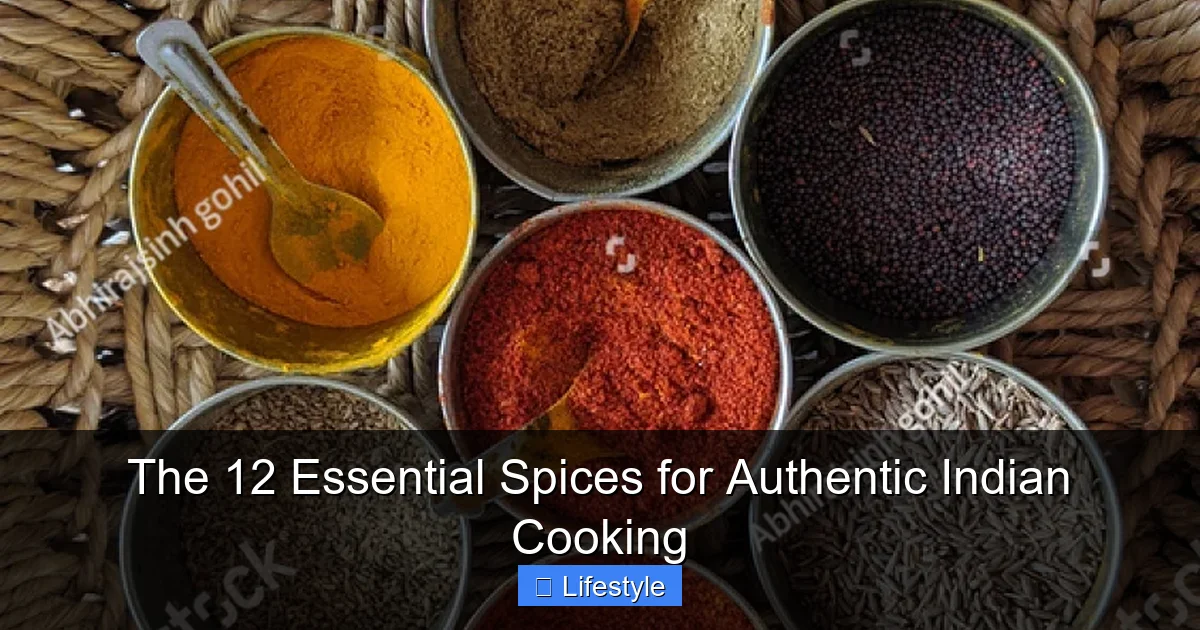
These spices bring warmth, intensity, and often a beautiful complexity to Indian dishes. They are crucial for creating the deeply layered flavors that are characteristic of authentic Indian cuisine.
Learn more about The essential spices for Indian cooking - The 12 Essential Spices for Authentic Indian Cooking
Image source: image.shutterstock.com
Green Cardamom (Elaichi)
Often called the "Queen of Spices," green cardamom boasts a highly aromatic, sweet, floral, and slightly citrusy flavor. It's one of the more expensive spices but delivers an unparalleled elegance to both sweet and savory dishes. Whole pods are often used in tempering or added directly to rice dishes, while the seeds, either whole or ground, lend their magic to desserts, teas, and rich curries.
- Flavor Profile: Sweet, floral, citrusy, aromatic, slightly peppery.
- Uses: Desserts (kheer, gulab jamun), chai tea, rich curries (biryani), rice dishes, some savory vegetable preparations.
- Tip: For maximum flavor, lightly crush whole pods to release the seeds before adding to dishes.
Cloves (Laung)
Cloves are small, dark, nail-shaped spices with a powerful, intensely aromatic, pungent, and slightly sweet flavor. They are often used whole to infuse dishes with a warm, almost woody fragrance. Due to their potency, they are used sparingly, providing a strong aromatic base for many meat dishes, biryanis, and even some sweet preparations.
- Flavor Profile: Pungent, warm, sweet, aromatic, strong.
- Uses: Biryanis, curries, stews, chai tea, some pickling, spice blends.
- Tip: Remove whole cloves before serving, as biting into one can be overpowering.
Cinnamon (Dalchini)
Indian cinnamon, typically Cassia cinnamon, offers a robust, warm, sweet, and woody flavor. It's a staple in both sweet and savory Indian dishes. Whole sticks are often added to hot oil to release their aroma, providing a fragrant base for curries, rice, and stews. Ground cinnamon is less commonly used as a primary spice in savory dishes compared to its whole form but is essential in spice blends like garam masala.
- Flavor Profile: Warm, sweet, woody, pungent.
- Uses: Biryanis, curries, stews, chai tea, spice blends, some desserts.
- Tip: Always use whole cinnamon sticks in savory dishes for a more nuanced flavor.
Black Pepper (Kali Mirch)
While a global spice, black pepper holds a significant place in Indian cuisine, especially in South India. It provides a sharp, pungent, and subtly fiery kick. Used whole or freshly ground, it adds a distinct warmth and complexity to dishes. It's often paired with other warming spices to create a balanced heat.
- Flavor Profile: Pungent, sharp, fiery, warm.
- Uses: Curries, stir-fries, marinades, soups, spice blends, tempering.
- Tip: Freshly ground black pepper has a far superior flavor to pre-ground varieties.
Flavor Boosters & Umami Generators: The Secret Weapons
These spices might not be as universally recognized as cumin or turmeric, but they are absolutely crucial for achieving the distinct depth and sometimes peculiar flavors that define authentic Indian cooking. They add layers of pungency, bitterness, and even umami.
Fenugreek (Methi Seeds & Kasuri Methi)
Fenugreek comes in two main forms in Indian cuisine: seeds and dried leaves.
Fenugreek Seeds (Methi Dana): These small, hard seeds have a potent, slightly bitter, and maple-like aroma. They are often tempered in oil until slightly reddish-brown, contributing a unique savory depth and a characteristic aroma to vegetable dishes, pickles, and dals. Be careful not to burn them, as they will become excessively bitter.
Dried Fenugreek Leaves (Kasuri Methi): These dried leaves offer a milder, sweet, and slightly bitter flavor, reminiscent of celery and maple syrup. They are often crushed between the palms and added towards the end of cooking to impart a distinctive, earthy aroma, particularly to rich gravies, paneer dishes, and non-vegetarian preparations.
- Flavor Profile (Seeds): Bitter, pungent, maple-like, savory.
- Flavor Profile (Leaves): Sweet, slightly bitter, aromatic, earthy.
- Uses (Seeds): Pickles, tempering for vegetables and dals, some spice blends.
- Uses (Leaves): Rich gravies, paneer dishes, chicken/meat curries, flatbreads (paratha).
- Tip: For Kasuri Methi, lightly toast the leaves in a dry pan for a few seconds before crushing to enhance their aroma.
Asafoetida (Hing)
Asafoetida is a truly unique spice. Derived from a resin, it has a strong, pungent, sulfurous aroma when raw, often likened to garlic and onions. However, when tempered in hot oil or ghee, it transforms, mellowing into a savory, umami-rich flavor that enhances vegetarian dishes, particularly dals and bean preparations. It's a lifesaver for those who avoid onion and garlic but still want that deep savory base.
- Flavor Profile: Pungent (raw), savory, umami, onion/garlic-like (cooked).
- Uses: Tempering for dals, bean dishes, lentil dishes, vegetable curries, pickles.
- Tip: Always use a tiny pinch; its flavor is incredibly potent. Always add it to hot oil at the beginning of cooking to mellow its strong raw aroma.
Mustard Seeds (Sarson/Rai)
Mustard seeds, available in black, brown, and yellow varieties, are a cornerstone of South Indian and Bengali cuisine. When popped in hot oil, they release a wonderfully nutty, pungent, and slightly sharp flavor. They are a common component of tempering (tadka), lending a distinctive crunch and aromatic kick to dals, vegetable stir-fries, and pickles. The black variety is typically more pungent.
- Flavor Profile: Pungent, nutty, sharp, slightly bitter.
- Uses: Tempering for dals, vegetable dishes, pickles, chutneys, marinades.
- Tip: Always cook mustard seeds until they pop to release their flavor. Be careful not to burn them, as they will turn bitter.
The Fiery & Finishing Touches: Adding Zing & Aroma
These spices are about creating impact – whether it's the gentle warmth of a well-balanced spice blend or the fiery kick that awakens the palate. They add the final layer of excitement and often dictate the dish's character.
Dry Red Chillies (Lal Mirch)
Dry red chillies are essential for bringing heat and a smoky, fruity flavor to Indian cooking. Used whole or crushed, they are typically tempered in hot oil at the beginning of a dish, infusing the oil with their spice and aroma. There are various types, from mild Kashmiri chillies that primarily add color to fiery Guntur chillies for intense heat. You can adjust the quantity based on your preferred spice level.
- Flavor Profile: Pungent, fiery, smoky, sometimes fruity.
- Uses: Tempering, flavoring oils, curries, dals, pickles, stir-fries.
- Tip: For less heat, break the chillies and remove the seeds before tempering. For more heat, leave them whole or crush them.
Garam Masala
Garam Masala, meaning "hot spice mix," is not a single spice but a blend of several warming spices, usually toasted and then ground. While the specific ingredients vary by region and household, common components include cinnamon, cardamom, cloves, black pepper, cumin, and coriander. It’s typically added towards the end of cooking or as a finishing spice to enhance aroma and flavor, rather than as a primary cooking spice.
- Flavor Profile: Warm, aromatic, complex, slightly sweet, pungent.
- Uses: Finishing spice for curries, dals, gravies, marinades, biryanis.
- Tip: While readily available pre-made, freshly ground homemade garam masala offers an unparalleled aroma and flavor.
Mastering Your Masala: Tips for Indian Spice Success
Now that you know your essential spices for Indian cooking, here are some actionable tips to help you master their use and elevate your Indian dishes from good to truly outstanding.
India's spice market is a multi-billion dollar industry, reflecting the deep cultural and culinary significance of these ingredients. With global demand for Indian flavors on the rise, understanding these basic spices empowers you to join this incredible culinary journey.
The Art of Tempering (Tadka/Baghaar)
Tempering is the cornerstone of Indian cooking. It involves heating whole spices in hot oil or ghee until they crackle and release their aromas. This process infuses the fat with incredible flavor, which then permeates the entire dish.
How to: Heat a small amount of oil or ghee in a pan. Add whole spices like cumin seeds, mustard seeds, dry red chillies, or asafoetida. Cook until fragrant and they begin to crackle (for mustard seeds) or change color slightly (for cumin). Be quick – burning spices will make them bitter.
Toasting & Grinding Your Own Spices
While pre-ground spices are convenient, whole spices toasted and ground just before use offer a vastly superior flavor and aroma. The difference is truly night and day.
How to: Heat a dry pan over medium-low heat. Add whole spices (e.g., cumin, coriander, black pepper). Toast, stirring constantly, until fragrant and slightly darker in color (about 2-5 minutes). Let them cool completely before grinding in a spice grinder or mortar and pestle.
Spice Storage and Freshness
Spices lose their potency over time. Proper storage is key to maintaining their vibrant flavors.
- Store whole spices in airtight containers in a cool, dark place away from direct sunlight and heat.
- Ground spices lose flavor faster; buy them in smaller quantities or grind your own regularly.
- Aim to replace your ground spices every 6-12 months and whole spices every 1-2 years.
Balancing Flavors
Indian cooking is all about balance. Don't be afraid to experiment, but also pay attention to how spices interact.
- Acidity: Use lemon juice, tamarind, or tomatoes to brighten flavors and cut through richness.
- Sweetness: A pinch of sugar or jaggery can balance heat and bitterness.
- Salt: Essential for enhancing all other flavors. Adjust to taste carefully.
- Heat: Adjust chillies (fresh or dry) to your preference, but remember heat also adds complexity.
Essential Spice Characteristics at a Glance
To help you quickly grasp the essence of these spices, here's a quick reference:
| Spice Name | Primary Flavor Profile | Common Usage | Key Characteristic |
|---|---|---|---|
| Cumin Seeds | Earthy, warm, smoky | Dals, curries, tempering | Foundation, digestive aid |
| Coriander Seeds | Citrusy, nutty, sweet | Curry base, gravies | Aromatic, thickening agent |
| Turmeric Powder | Earthy, bitter, pungent | Coloring, anti-inflammatory | Color, health benefits |
| Green Cardamom | Sweet, floral, citrusy | Sweets, biryani, chai | Aromatic, elegant |
| Cloves | Pungent, warm, sweet | Biryanis, stews, chai | Intense aroma |
| Cinnamon | Warm, sweet, woody | Curries, rice, spice blends | Fragrant warmth |
| Black Pepper | Pungent, sharp, fiery | Curries, marinades | Balanced heat, warmth |
| Fenugreek Seeds | Bitter, maple-like | Tempering, pickles | Unique savory depth |
| Asafoetida | Savory, onion/garlic-like | Dals, vegetarian dishes | Umami booster |
| Mustard Seeds | Pungent, nutty, sharp | Tempering, pickles | Pop & crackle, distinct flavor |
| Dry Red Chillies | Fiery, smoky, pungent | Heat, flavor infusion | Adjustable heat level |
| Garam Masala | Warm, aromatic, complex | Finishing spice, aroma | Signature blend |
Embrace the Spice: Your Journey to Authentic Indian Flavors
Mastering Indian cooking is a delightful journey, and your spice cabinet is your passport. These 12 essential spices for Indian cooking are not just ingredients; they are the heart and soul of a cuisine that tantalizes taste buds across the globe. From the foundational earthiness of cumin and coriander to the aromatic elegance of cardamom and the fiery kick of chillies, each spice plays a pivotal role in creating the layered, complex, and utterly satisfying flavors that define authentic Indian cuisine.
Don't be intimidated by the rich array of flavors. Start by incorporating these key spices into your cooking, understanding their individual characteristics, and observing how they transform simple ingredients into something extraordinary. Experiment with tempering, try your hand at dry roasting and grinding your own blends, and most importantly, taste as you go. You'll quickly develop an intuitive understanding that will make Indian cooking spices feel like second nature.
So, equip your pantry, awaken your senses, and embark on a flavorful adventure. With these essential Indian spices in your arsenal, you're well on your way to creating truly authentic, delicious, and soul-satisfying Indian dishes that will impress your family and friends. Happy cooking!
Frequently Asked Questions
What makes these 12 spices “essential” for authentic Indian cooking?
These specific spices form the aromatic and flavor backbone of traditional Indian cuisine. They are foundational, providing the distinct taste profiles, fragrances, and sometimes color that define authentic Indian dishes, making them truly essential.
Do I need all 12 essential spices to start cooking Indian food?
While having all 12 provides the most versatility, you can definitely start with a core set of 5-7 commonly used spices. As you become more comfortable, you can gradually expand your collection of these essential spices to explore more recipes.
How should I properly store these essential spices for Indian cooking?
To maintain their freshness and potency, store your essential spices in airtight containers away from direct sunlight, heat, and moisture. A cool, dark pantry or cupboard is ideal for extending their shelf life and preserving their vibrant flavors.
Can I substitute one of these essential Indian spices if I don’t have it?
While substitutions are possible in a pinch, it’s generally recommended to use the exact essential spices for the most authentic flavor. Substituting may alter the dish’s intended profile, but sometimes a similar spice can offer a passable alternative without completely ruining the dish.
Where can I buy high-quality versions of these essential spices?
You can find high-quality essential spices at specialty Indian grocery stores, well-stocked supermarkets in the ethnic food aisle, or reputable online spice retailers. Opt for whole spices whenever possible for superior freshness and flavor when freshly ground at home.
What’s the best way to incorporate these essential spices into my Indian dishes?
Essential spices are often used whole in tempering (tadka) to infuse oil with flavor, or freshly ground and added at various stages of cooking. Layering these spices, either whole or ground, helps build complex and authentic flavors in your Indian dishes.