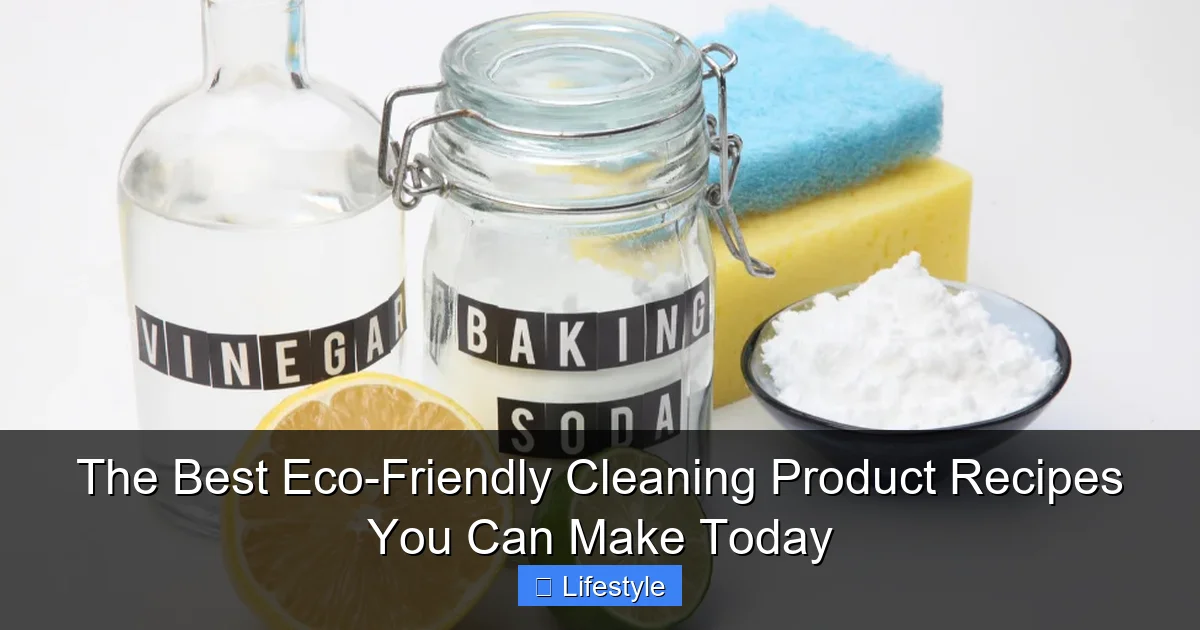
Featured image for this comprehensive guide about The best eco-friendly cleaning product recipes
Image source: healthyvix.com
The Best Eco-Friendly Cleaning Product Recipes You Can Make Today
Imagine a home that sparkles, smells fresh, and doesn’t expose your family to harsh chemicals. Sounds like a dream, right? What if we told you it’s not only possible but also incredibly simple and affordable to achieve? In a world increasingly conscious of environmental impact and personal health, the shift towards eco-friendly cleaning product recipes has never been more relevant. Gone are the days when “clean” meant a powerful, often toxic, chemical scent. Today, embracing natural cleaning solutions means a safer home, a healthier planet, and often, more money in your pocket.
For decades, we’ve been conditioned to believe that industrial-strength cleaners are the only way to tackle grime and germs. However, many conventional cleaning products contain volatile organic compounds (VOCs), phthalates, and other hazardous ingredients that can contribute to indoor air pollution, allergic reactions, and even more serious health concerns over time. According to the Environmental Protection Agency (EPA), indoor air can be 2 to 5 times more polluted than outdoor air, largely due to household cleaning products. But there’s good news: you don’t need a lab full of chemicals to achieve a pristine home. With simple, everyday ingredients, you can whip up effective, non-toxic cleaning products right in your kitchen.
This comprehensive guide will walk you through the very best DIY cleaning product recipes, helping you transform your cleaning routine from potentially harmful to wonderfully healthy and sustainable. We’ll explore the essential ingredients, share powerful all-purpose and targeted solutions, and provide crucial tips for safe and effective use. Get ready to discover the joy of a truly clean home with homemade cleaners that are kind to you, your loved ones, and the environment.
Quick Answers to Common Questions
Why should I bother with eco-friendly cleaning product recipes?
Making your own eco-friendly cleaning product recipes saves money, significantly reduces plastic waste, and keeps harsh chemicals out of your home. It’s a simple, impactful switch for a healthier living space!
What common ingredients do I need for these eco-friendly cleaning product recipes?
You probably already have most of them! White vinegar, baking soda, castile soap, and essential oils are the stars of most fantastic eco-friendly cleaning product recipes.
Are homemade eco-friendly cleaning product recipes actually effective?
Absolutely! Don’t let their simplicity fool you; these eco-friendly cleaning product recipes are incredibly powerful for tackling grime, sanitizing surfaces, and leaving your home sparkling clean.
How much time do these eco-friendly cleaning product recipes take to make?
Not much at all! Most eco-friendly cleaning product recipes can be whipped up in just 5-10 minutes, making them super convenient to integrate into your routine.
Which eco-friendly cleaning product recipe should I try first as a beginner?
Start with an all-purpose cleaner! Many eco-friendly cleaning product recipes for this only require vinegar, water, and a few drops of essential oil, making it super easy to jump right in.
📋 Table of Contents
- Why Choose Eco-Friendly Cleaning? The Hidden Benefits for Your Home and Health
- Essential Ingredients for Your DIY Cleaning Arsenal
- All-Purpose Wonders: Versatile Eco-Friendly Cleaning Recipes
- Targeted Solutions: Specific Eco-Friendly Cleaning Recipes for Every Room
- Safety First & Smart Storage: Tips for Your DIY Cleaning Journey
- Embracing a Greener Home: Beyond Recipes
- Conclusion: Your Journey to a Cleaner, Greener Home Starts Today
Why Choose Eco-Friendly Cleaning? The Hidden Benefits for Your Home and Health
Making the switch to eco-friendly cleaning product recipes isn’t just a trend; it’s a conscious decision to foster a healthier living environment and contribute to a more sustainable future. The benefits extend far beyond simply having a clean home.

Learn more about The best eco-friendly cleaning product recipes – The Best Eco-Friendly Cleaning Product Recipes You Can Make Today
Image source: healthyvix.com
Health Benefits: Reducing Your Chemical Exposure
One of the most compelling reasons to adopt natural cleaning solutions is the significant reduction in chemical exposure for you and your family. Conventional cleaners often contain ingredients linked to a range of health issues:
| Recipe Name | Key Ingredients | Primary Eco-Benefit | Estimated Cost Savings (vs. Commercial) |
|---|---|---|---|
| DIY All-Purpose Cleaner | White vinegar, water, essential oils (optional) | Non-toxic, biodegradable, reduces single-use plastic, safer for pets/children. | 70-80% compared to premium eco-cleaners. |
| Streak-Free Glass Cleaner | White vinegar, water, rubbing alcohol (optional) | No ammonia fumes, leaves no chemical residue, improves indoor air quality. | 60-75% compared to standard glass cleaners. |
| Natural Scouring Paste | Baking soda, liquid castile soap, water | Gentle abrasive, no harsh chemicals or fumes, effective on tough grime. | 80-90% compared to chemical abrasive cleansers. |
| Eco-Friendly Drain Freshener | Baking soda, white vinegar, hot water | Prevents clogs and eliminates odors naturally, avoids corrosive chemicals. | 90%+ compared to specialized chemical drain cleaners. |
| Natural Air Freshener Spray | Water, witch hazel (or vodka), essential oils | Free from synthetic fragrances, phthalates, and aerosol propellants. | 50-70% compared to premium natural air fresheners. |
- Respiratory Problems: Ingredients like ammonia and chlorine bleach can irritate airways, exacerbating asthma and allergies.
- Skin Irritation: Harsh detergents and solvents can cause dryness, rashes, and chemical burns.
- Endocrine Disruption: Phthalates, often found in fragranced products, are endocrine disruptors that can interfere with hormone function.
- Poisoning Risk: Accidental ingestion of toxic cleaners is a leading cause of childhood poisoning.
By opting for chemical-free cleaning, you significantly reduce these risks, creating a safer space, especially for children and pets who spend more time on floors and surfaces.
Environmental Impact: Less Pollution, Less Waste
Every time you pour a conventional cleaning product down the drain, those chemicals enter our water systems, potentially harming aquatic life and disrupting ecosystems. The manufacturing and packaging of these products also contribute to pollution and plastic waste. By embracing sustainable home cleaning practices and making your own products:
- You reduce the amount of harmful chemicals entering waterways.
- You minimize plastic waste by reusing spray bottles and containers.
- You lower your carbon footprint by using ingredients that require less energy to produce and transport.
A study by the Environmental Working Group (EWG) found that hundreds of cleaning products contain ingredients that could harm our health and the environment. Choosing environmentally friendly cleaning helps combat this widespread issue.
Cost Savings: A Budget-Friendly Approach
While the health and environmental benefits are paramount, the financial savings are an undeniable bonus. The core ingredients for most eco-friendly cleaning product recipes—vinegar, baking soda, and Castile soap—are incredibly inexpensive and versatile. A large bottle of white vinegar, for instance, can last for dozens of cleaning tasks, whereas a single specialized cleaner might only last for a few uses. Over time, these savings add up, making DIY cleaning products a smart economic choice for any household.
Essential Ingredients for Your DIY Cleaning Arsenal
The beauty of homemade cleaners lies in their simplicity. You likely already have many of the key ingredients in your pantry or medicine cabinet. Let’s explore the fundamental components that will form the backbone of your green cleaning solutions.

Learn more about The best eco-friendly cleaning product recipes – The Best Eco-Friendly Cleaning Product Recipes You Can Make Today
Image source: cdn.sanity.io
The Powerhouse Trio: Versatility and Effectiveness
- White Distilled Vinegar: A natural disinfectant, deodorizer, and degreaser. Its acidity cuts through grease, soap scum, and mineral deposits. It’s excellent for glass, floors, and descaling. (Note: Avoid on natural stone like granite or marble, as the acid can etch the surface.)
- Baking Soda (Sodium Bicarbonate): A gentle abrasive, powerful deodorizer, and mild alkali. It’s fantastic for scrubbing, absorbing odors, and neutralizing acids. Perfect for sinks, tubs, and ovens.
- Liquid Castile Soap: A concentrated, vegetable-oil-based soap that’s biodegradable and non-toxic. It’s a natural surfactant that lifts dirt and grease without harsh chemicals. Excellent for all-purpose cleaners, dish soap, and floor cleaning.
Supporting Stars: Enhancing Your Cleaning Power
- Lemons/Lemon Juice: A natural bleaching agent, degreaser, and fresh scent booster. Its citric acid helps dissolve stains and mineral deposits.
- Essential Oils (e.g., Tea Tree, Lavender, Lemon, Peppermint): Provide natural fragrance and often possess antimicrobial properties. Tea tree oil, for example, is a known antifungal and antibacterial agent. (Always use sparingly and ensure proper ventilation.)
- Hydrogen Peroxide (3% solution): A natural bleach alternative and disinfectant, effective against bacteria, viruses, and mold. It breaks down into water and oxygen. (Store in its original dark bottle and avoid mixing with vinegar directly in a bottle, as it can create peracetic acid, which is irritating.)
- Borax (Sodium Borate): While generally considered safe for cleaning when used properly, it’s a more potent ingredient. It boosts cleaning power, acts as a deodorizer, and helps inhibit mold. Use with caution and avoid ingestion. (Always wear gloves and ensure good ventilation.)
- Rubbing Alcohol (Isopropyl Alcohol): A disinfectant, degreaser, and quick-drying agent, excellent for streak-free shine on glass and stainless steel.
Tools of the Trade: Reusable and Practical
To make your eco-friendly cleaning product recipes a success, you’ll need a few basic tools:
- Reusable Spray Bottles: Glass or BPA-free plastic for all-purpose cleaners, glass cleaners, etc.
- Microfiber Cloths: Excellent for streak-free cleaning and can be washed and reused countless times.
- Sponges and Brushes: Choose natural or recycled options where possible.
- Buckets: For floor cleaning and general dilution.
- Funnels: To easily transfer liquids into spray bottles.
All-Purpose Wonders: Versatile Eco-Friendly Cleaning Recipes
These versatile homemade cleaners are the workhorses of your green cleaning routine. They can tackle a multitude of surfaces and everyday messes, proving that you don’t need a different product for every task.
1. The Ultimate All-Purpose Vinegar Cleaner
This is arguably the most essential of all eco-friendly cleaning product recipes. It’s effective, cheap, and incredibly versatile.
- Ingredients:
- 1 part white distilled vinegar
- 1 part water
- 10-15 drops essential oil (optional, e.g., lemon, tea tree, lavender for scent and extra cleaning power)
- Instructions:
- Combine vinegar and water in a reusable spray bottle.
- Add essential oils if desired and shake gently to combine.
- Usage: Spray directly onto surfaces like countertops (except natural stone), sinks, bathroom fixtures, appliances, and even windows. Wipe with a clean microfiber cloth. For tough spots, let it sit for a few minutes before wiping.
- Why it works: Vinegar’s acidity breaks down grease, grime, and mildew, and acts as a natural disinfectant.
2. Gentle All-Purpose Castile Soap Cleaner
For surfaces where vinegar might be too acidic (like natural stone) or when you prefer a sudsier clean, this natural cleaning solution is perfect.
- Ingredients:
- 1-2 tablespoons liquid Castile soap
- 2 cups warm water
- 5-10 drops essential oil (optional)
- Instructions:
- Combine Castile soap and water in a reusable spray bottle.
- Add essential oils if desired and shake gently to mix. Avoid shaking too vigorously to prevent excessive suds.
- Usage: Spray on countertops, sealed wood, tile, and other general surfaces. Wipe with a damp cloth. This is also excellent for washing fruits and vegetables (use less soap) or as a gentle hand soap refill.
- Why it works: Castile soap is a powerful emulsifier, lifting dirt and grease to be wiped away easily.
3. Heavy-Duty Baking Soda Scrub
When you need some serious scrubbing power without scratching, this homemade cleaner is your go-to.
- Ingredients:
- ½ cup baking soda
- 2-3 tablespoons liquid Castile soap (or enough water/vinegar to make a paste)
- Optional: 5-10 drops lemon essential oil for extra degreasing and scent.
- Instructions:
- In a small bowl, combine baking soda with Castile soap (or liquid of choice) to form a thick paste. Adjust liquid as needed.
- Add essential oil if using.
- Usage: Apply the paste directly to stained or greasy surfaces like sinks, bathtubs, stovetops, ovens, or grout. Let it sit for 5-10 minutes, then scrub with a sponge or brush. Rinse thoroughly.
- Why it works: Baking soda’s mild abrasive properties gently scrub away grime, while its alkaline nature helps cut through grease and neutralize odors.
Targeted Solutions: Specific Eco-Friendly Cleaning Recipes for Every Room
While all-purpose cleaners are fantastic, some tasks benefit from a more specialized approach. These eco-friendly cleaning product recipes target specific areas of your home for maximum impact.
1. Streak-Free Glass and Mirror Cleaner
Achieve crystal-clear windows and mirrors without the blue streaks or chemical fumes.
- Ingredients:
- ½ cup white distilled vinegar
- ½ cup rubbing alcohol (70% isopropyl alcohol)
- 1 cup water
- 1-2 drops essential oil (optional, for scent)
- Instructions:
- Combine all ingredients in a spray bottle.
- Shake gently before each use.
- Usage: Spray onto glass or mirrors and wipe immediately with a clean microfiber cloth. For best results, avoid cleaning in direct sunlight, which can cause premature drying and streaks.
- Why it works: Vinegar and rubbing alcohol evaporate quickly, leaving no residue, while the alcohol acts as an excellent degreaser for fingerprints.
2. Toilet Bowl Power Scrub
Ditch the harsh chemical toilet cleaners for this powerful, effervescent duo.
- Ingredients:
- ½ cup baking soda
- 1 cup white distilled vinegar
- 5-10 drops tea tree or lemon essential oil (optional, for disinfection and scent)
- Instructions:
- Sprinkle baking soda into the toilet bowl, making sure it coats the sides and bottom.
- Drizzle vinegar over the baking soda. It will fizz and bubble.
- Add essential oils if using.
- Let it sit for 15-30 minutes (or longer for stubborn stains).
- Usage: After letting it sit, scrub thoroughly with a toilet brush. Flush to rinse.
- Why it works: The combination of baking soda and vinegar creates a powerful reaction that dislodges grime, deodorizes, and helps sanitize.
3. Natural Floor Cleaner for Various Surfaces
Keep your floors pristine with these gentle yet effective green cleaning alternatives.
- For Tile, Linoleum, or Sealed Wood Floors:
- ½ cup white distilled vinegar
- 1 gallon warm water
- Optional: 10-15 drops essential oil (e.g., lemon, pine, lavender)
- Instructions: Mix ingredients in a bucket. Mop as usual. No need to rinse.
- For Wood Floors (use sparingly or only on sealed wood):
- 1-2 tablespoons liquid Castile soap
- 1 gallon warm water
- Optional: 10-15 drops essential oil
- Instructions: Mix ingredients in a bucket. Damp mop (ensure your mop is wrung out very well to avoid excess moisture on wood).
- Why it works: Vinegar cuts through dirt and grime without leaving a residue, while Castile soap gently cleans and adds a touch of conditioning to sealed surfaces.
4. Mold and Mildew Buster
Tackle unsightly mold and mildew with this simple, powerful chemical-free cleaning solution.
- Ingredients:
- 1 part 3% hydrogen peroxide
- 1 part water
- Instructions:
- Mix hydrogen peroxide and water in a spray bottle.
- (Alternatively, you can use straight 3% hydrogen peroxide directly from its original dark bottle, as light degrades it).
- Usage: Spray directly onto mold and mildew. Let it sit for 10-15 minutes, then scrub with a brush and wipe clean. Rinse thoroughly. Always test on an inconspicuous area first, as hydrogen peroxide can bleach certain fabrics or surfaces. Ensure good ventilation.
- Why it works: Hydrogen peroxide is a powerful oxidizer that effectively kills mold spores and lightens stains.
5. DIY Room & Fabric Freshener
Eliminate odors naturally without synthetic fragrances.
- Ingredients:
- ½ cup rubbing alcohol or witch hazel (acts as an emulsifier for oils)
- ½ cup distilled water
- 20-30 drops essential oil (e.g., lavender, lemon, peppermint, frankincense, eucalyptus)
- Instructions:
- Combine rubbing alcohol (or witch hazel) and essential oils in a spray bottle.
- Shake well to disperse the oils.
- Add distilled water and shake again.
- Usage: Lightly mist into the air to freshen rooms, or onto fabrics like curtains, carpets, and upholstery (test in an inconspicuous spot first).
- Why it works: Essential oils provide natural fragrance, and rubbing alcohol helps them disperse evenly and evaporate quickly.
Safety First & Smart Storage: Tips for Your DIY Cleaning Journey
While eco-friendly cleaning product recipes use natural ingredients, it’s still important to handle them responsibly. A little knowledge goes a long way in ensuring your sustainable home cleaning is safe and effective.
Important Safety Precautions
- Never Mix Ammonia and Bleach: This is a cardinal rule for any cleaning. While you won’t be using either in most of these recipes, be aware that mixing common household cleaners can produce dangerous chlorine gas.
- Avoid Mixing Vinegar and Hydrogen Peroxide in the Same Bottle: While both are excellent disinfectants, combining them can create peracetic acid, which can be irritating to the respiratory system. You can use them *separately* on the same surface (e.g., spray with vinegar, wipe, then spray with peroxide), but never mix and store.
- Wear Gloves: Even natural ingredients like vinegar and essential oils can irritate sensitive skin with prolonged exposure.
- Ensure Ventilation: Always clean in a well-ventilated area, especially when using strong scents or ingredients like hydrogen peroxide.
- Keep Out of Reach of Children and Pets: Even if non-toxic, these solutions are not meant for ingestion. Treat them like any other cleaning product.
Proper Storage for Longevity
- Use Appropriate Containers: Glass spray bottles are excellent for essential oil-based solutions as plastic can degrade over time. Plastic bottles (BPA-free) are fine for most vinegar/water solutions.
- Store in a Cool, Dark Place: Light and heat can degrade essential oils and reduce the efficacy of ingredients like hydrogen peroxide.
- Check for Expiration: While baking soda and vinegar have long shelf lives, some solutions containing water can develop mold or bacteria over time. Aim to use homemade cleaners within a few weeks or months, depending on the ingredients.
Labeling Your Creations
This seems obvious, but it’s crucial! Clearly label every bottle with its contents and the date it was made. This prevents confusion and ensures you’re using the right homemade cleaner for the right job.
Testing Surfaces: Always Patch Test!
Before applying any new natural cleaning solution to a large area, especially on delicate or new surfaces, always perform a patch test in an inconspicuous spot. This helps prevent accidental damage, such as etching from vinegar on natural stone or discoloration from hydrogen peroxide on certain fabrics.
Embracing a Greener Home: Beyond Recipes
Transitioning to eco-friendly cleaning product recipes is a fantastic step, but creating a truly sustainable home involves more than just what’s in your spray bottle. It’s about a holistic approach to consumption and waste reduction.
Reducing Waste in Your Cleaning Routine
- Reusable Tools: Swap paper towels for washable microfiber cloths or old cotton t-shirts.
- Zero-Waste Options: Consider package-free Castile soap bars, bamboo brushes, and compostable sponges.
- Bulk Buying: Purchase staple ingredients like vinegar and baking soda in larger quantities to reduce packaging waste.
Sustainable Shopping Habits
- Support Eco-Conscious Brands: When you do need to buy specialized products, choose brands committed to sustainability, transparency, and non-toxic ingredients.
- Avoid “Greenwashing”: Be wary of products that claim to be “natural” or “eco-friendly” without providing clear ingredient lists or certifications. Do your research!
By integrating these practices, your commitment to environmentally friendly cleaning extends throughout your entire home, fostering a truly sustainable lifestyle.
Conclusion: Your Journey to a Cleaner, Greener Home Starts Today
Making the switch to eco-friendly cleaning product recipes is one of the most impactful changes you can make for your health, your family, and the planet. You’ve learned that achieving a sparkling clean home doesn’t require an arsenal of harsh chemicals or a hefty budget. Instead, simple, readily available ingredients like vinegar, baking soda, and Castile soap can unlock powerful natural cleaning solutions that are both effective and genuinely safe.
From all-purpose cleaners to targeted solutions for every room, these DIY cleaning products empower you to take control of what goes into your home and down your drains. By reducing your exposure to toxins, minimizing plastic waste, and saving money, you’re not just cleaning—you’re cultivating a healthier, more sustainable way of living. So, gather your ingredients, grab a spray bottle, and start experimenting with these fantastic homemade cleaners today. Your lungs, your wallet, and Mother Earth will thank you.
Frequently Asked Questions
What are the main benefits of using these eco-friendly cleaning product recipes?
Opting for homemade eco-friendly cleaning product recipes offers numerous advantages, from reducing exposure to harsh chemicals in your home to protecting the environment from pollutants. You’ll enjoy a healthier living space and contribute to a more sustainable planet, often saving money in the process.
Are eco-friendly cleaning product recipes as effective as conventional store-bought cleaners?
Absolutely! Many natural ingredients, like vinegar, baking soda, and essential oils, possess powerful cleaning and disinfecting properties that rival their chemical counterparts. These eco-friendly cleaning product recipes are designed to effectively tackle common household messes, leaving your home sparkling clean.
How much time and effort do these eco-friendly cleaning product recipes require to make?
You’ll be surprised how quick and simple it is to whip up most of these eco-friendly cleaning product recipes. Many can be made in just minutes using common household items and straightforward instructions, making them a convenient and time-saving choice for busy individuals.
What basic ingredients will I need to get started making these natural cleaning solutions?
You likely already have many of the core ingredients needed for these natural cleaning solutions in your pantry. Common staples include white vinegar, baking soda, castile soap, lemon juice, and various essential oils for scent and added cleaning power.
Are these homemade eco-friendly cleaning products safe for homes with children and pets?
Generally, yes, these homemade eco-friendly cleaning products are much safer than commercial cleaners containing harsh chemicals. However, it’s always wise to research individual ingredients and keep all cleaning solutions, natural or not, out of reach of children and pets.
Can I use these eco-friendly cleaning recipes on all surfaces in my home?
Most eco-friendly cleaning recipes are versatile for many surfaces, but it’s crucial to check specific ingredients for compatibility. For instance, vinegar should be avoided on natural stone like marble or granite, and certain essential oils might not be suitable for all finishes. Always patch test in an inconspicuous area first.