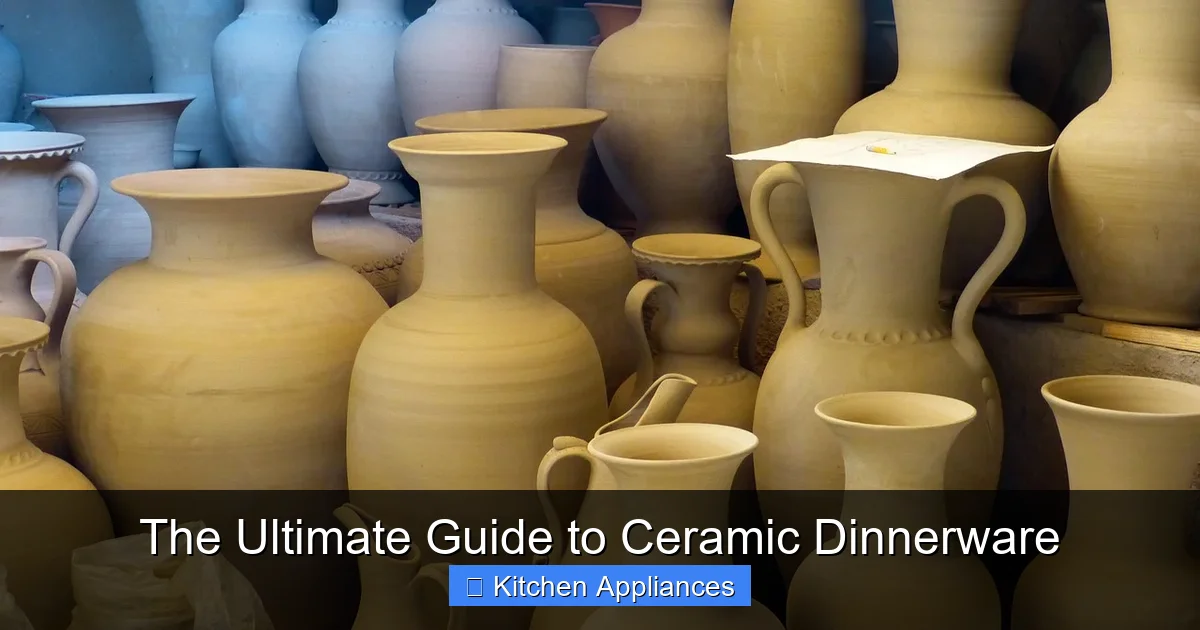
Featured image for this comprehensive guide about ceramic dinnerware set
Image source: cdn.pixabay.com
The Ultimate Guide to Ceramic Dinnerware
Stepping into the world of dinnerware can feel like navigating a culinary labyrinth. From the shimmering elegance of porcelain to the rustic charm of stoneware, the options are as varied as the dishes you serve. But amidst this array, one material consistently stands out for its timeless appeal, durability, and versatility: ceramic. If you’re searching for the perfect foundation for your culinary creations or simply upgrading your dining experience, a ceramic dinnerware set is often the first, and best, place to look.
More than just vessels for your food, your dinnerware reflects your personal style, enhances your dining ambiance, and becomes an integral part of your home. A well-chosen ceramic dinnerware set can elevate everyday meals into special occasions and withstand the rigors of daily use. But what exactly defines ceramic dinnerware, what are its myriad types, and how do you choose the set that’s perfect for you? This comprehensive guide will demystify the world of ceramic dinnerware, offering actionable tips, insights, and everything you need to know to make an informed decision.
Join us as we embark on a journey through the history, craftsmanship, and practicalities of ceramic dinnerware, ensuring that your next purchase is not just beautiful, but also perfectly suited to your lifestyle. Whether you’re a seasoned host or just starting to build your kitchen collection, understanding the nuances of these beautiful and functional pieces will empower you to create a dining experience that truly shines.
Quick Answers to Common Questions
What exactly is a ceramic dinnerware set?
A ceramic dinnerware set includes plates, bowls, and sometimes mugs crafted from clay-based materials like stoneware, porcelain, or earthenware, fired at high temperatures. They’re a classic choice, offering a wide range of styles and durability for your table.
Are ceramic dinnerware sets microwave and dishwasher safe?
Most contemporary ceramic dinnerware sets are designed to be both microwave and dishwasher safe, making them incredibly practical for daily use. Always check the specific care instructions provided by the manufacturer to be sure.
Is a ceramic dinnerware set durable enough for everyday use?
Absolutely! High-quality ceramic dinnerware sets, especially those made from stoneware or porcelain, are very durable and built to withstand the rigors of daily meals and frequent washing. They’re designed to be enjoyed regularly!
How do I clean and care for my ceramic dinnerware set?
For most ceramic dinnerware sets, simply wash them with warm, soapy water or place them in the dishwasher if marked as safe. Avoid using abrasive cleaners or steel wool to protect their beautiful glaze and finish.
Why should I choose a ceramic dinnerware set over other materials?
Choosing a ceramic dinnerware set offers a fantastic blend of aesthetic versatility, excellent heat retention, and a satisfying, substantial feel. They provide a beautiful and practical foundation for any meal, from casual breakfasts to elegant dinners.
📋 Table of Contents
- Understanding Ceramic Dinnerware: What Makes It Special?
- Types of Ceramic Dinnerware: A Detailed Look
- Choosing Your Perfect Ceramic Dinnerware Set: Factors to Consider
- Care and Maintenance: Keeping Your Ceramic Dinnerware Pristine
- The Art of Setting Your Table: Styling with Ceramic Dinnerware
- Safety and Sustainability: What You Need to Know About Ceramic Dinnerware
- Ceramic Dinnerware Comparison Table
- Conclusion: Investing in the Enduring Beauty of Ceramic Dinnerware
Understanding Ceramic Dinnerware: What Makes It Special?
At its core, ceramic refers to any object made from clay and hardened by heat. This ancient art form dates back thousands of years, with pottery being one of humanity’s earliest inventions. The enduring popularity of ceramic dinnerware isn’t just a nod to tradition; it’s a testament to its unique blend of aesthetic appeal and functional robustness. Unlike other materials, ceramic offers an incredible range of textures, finishes, and colors, allowing for unparalleled personalization.
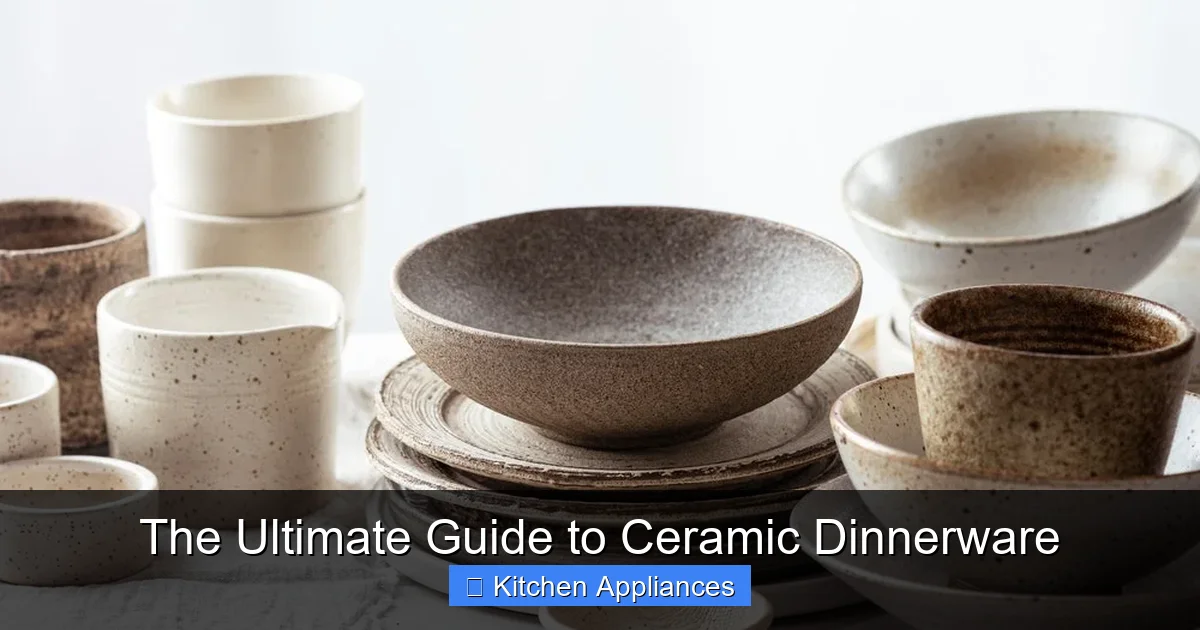
Learn more about ceramic dinnerware set – The Ultimate Guide to Ceramic Dinnerware
Image source: images.prismic.io
What sets ceramic dinnerware sets apart from, say, glass or plastic? Primarily, it’s the material’s inherent properties. Clay, when fired at high temperatures, undergoes a chemical transformation, becoming incredibly hard and non-porous (especially when glazed). This process imparts durability, heat retention, and a satisfying weight that makes each piece feel substantial in hand. Furthermore, ceramic is often perceived as a healthier option due to its inert nature, which means it doesn’t leach chemicals into food, provided it’s made with food-safe glazes.
| Ceramic Type | Durability & Weight | Microwave/Dishwasher Safety | Ideal Use & Aesthetic |
|---|---|---|---|
| Stoneware | Good chip resistance, medium weight; opaque and often thicker. | Generally safe (check glaze); prone to thermal shock. | Everyday casual dining; rustic, earthy, matte or glossy finishes. |
| Porcelain | Very durable, good chip resistance; medium-light weight, non-porous. | Highly resistant to thermal shock, generally safe for both. | Everyday to semi-formal; classic, smooth, often bright white finish. |
| Bone China | Excellent chip resistance, surprisingly strong; very lightweight, translucent. | Mostly microwave safe; hand wash recommended for delicate patterns. | Formal dining, special occasions; elegant, refined, delicate appearance. |
| Earthenware | Moderate chip resistance, more porous; heavier and thicker. | Can be microwave safe (check glaze); often hand wash recommended. | Casual, decorative, vibrant colors; often handcrafted, rustic charm. |
The journey from raw clay to a finished ceramic dinnerware set involves several key stages:
- Preparation: Clay is cleaned, mixed, and de-aired to ensure consistency.
- Forming: Clay is shaped using techniques like throwing on a potter’s wheel, slip casting (pouring liquid clay into molds), or pressing.
- Drying: Pieces are slowly dried to remove moisture and prevent cracking during firing.
- Bisque Firing: The first firing, typically at a lower temperature, makes the clay hard and durable enough to handle without breaking, but still porous enough to absorb glaze.
- Glazing: A glassy coating is applied, which can be clear, colored, matte, or glossy. Glaze adds protection, makes the surface non-porous, and enhances aesthetics.
- Glaze Firing: The final firing, usually at a higher temperature, melts the glaze onto the ceramic body, creating a strong, durable, and often vitrified (glass-like) surface.
This intricate process ensures that each piece of ceramic dinnerware is not just an object, but a work of art, ready to grace your table for years to come.
Types of Ceramic Dinnerware: A Detailed Look
While the umbrella term “ceramic” covers a broad spectrum, it’s crucial to understand the distinct types, as each offers different characteristics in terms of durability, appearance, and care. Knowing these differences is key to selecting the ideal ceramic dinnerware set for your needs. Here’s a breakdown of the most common varieties:
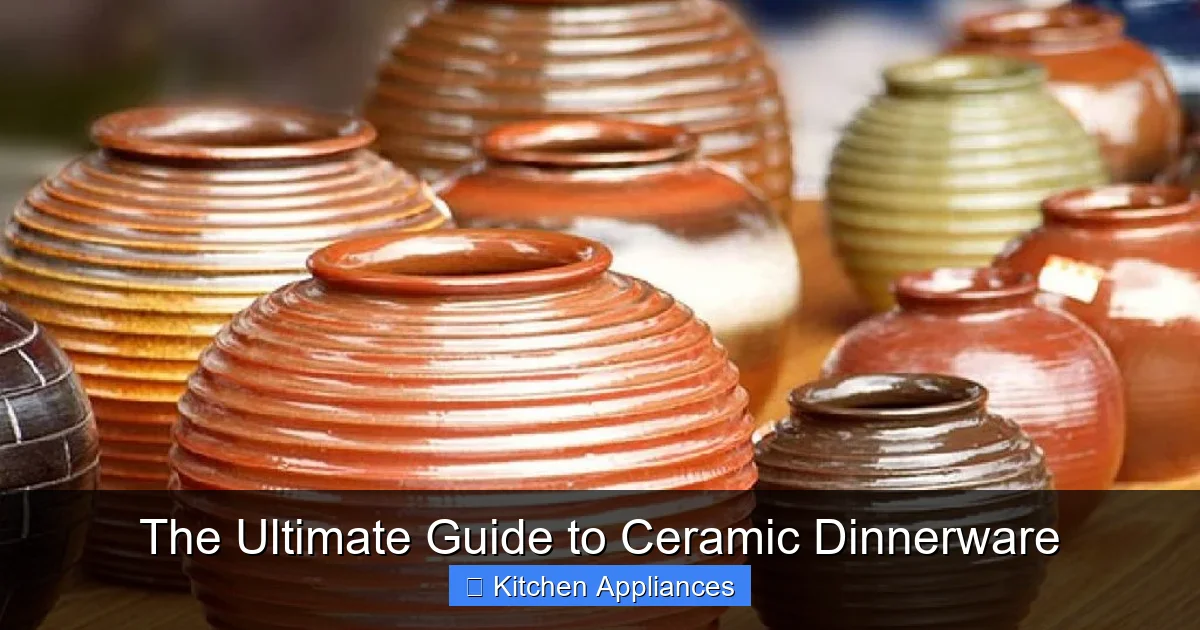
Learn more about ceramic dinnerware set – The Ultimate Guide to Ceramic Dinnerware
Image source: rockgardenpottery.com
Earthenware Dinnerware
- Characteristics: Earthenware is the oldest and most traditional form of pottery. It’s fired at lower temperatures than other ceramics, making it more porous. It typically has a rustic, weighty feel and often features vibrant, opaque glazes.
- Pros: Affordable, wide range of colors and designs, excellent for casual dining, often handmade look.
- Cons: More prone to chipping and breaking than other ceramics, can be porous if glaze is damaged, typically not microwave or dishwasher safe unless specifically stated. Absorbs liquids more readily.
- Ideal For: Everyday, casual use, rustic or bohemian decor.
Stoneware Dinnerware
- Characteristics: Fired at higher temperatures than earthenware, stoneware is denser, more durable, and less porous. It often has an opaque, earthy appearance, with a natural, weighty feel. Many stoneware dinnerware sets feature reactive glazes, creating unique patterns on each piece.
- Pros: Good durability, retains heat well, generally microwave and dishwasher safe, excellent for both casual and semi-formal dining.
- Cons: Can be heavy and prone to chipping if dropped on hard surfaces.
- Ideal For: Everyday use, family meals, contemporary and farmhouse styles. A very popular choice for a versatile ceramic dinnerware set.
Porcelain Dinnerware
- Characteristics: Porcelain is a type of ceramic fired at extremely high temperatures, resulting in a very hard, non-porous, and translucent material. It’s often white or off-white, with a smooth, elegant finish.
- Pros: Exceptionally durable, chip-resistant, non-porous (hygienic), lightweight, microwave and dishwasher safe, often oven-safe. Its refined appearance makes it perfect for formal settings.
- Cons: Generally more expensive than earthenware or stoneware, can sometimes feel delicate due to its thinness (though it’s very strong).
- Ideal For: Formal dining, special occasions, modern minimalist aesthetics, or those seeking a highly durable and versatile dinnerware set.
Bone China Dinnerware
- Characteristics: A type of porcelain, bone china incorporates bone ash (typically from cattle) into the clay mixture. This gives it unparalleled whiteness, translucency, and strength while remaining lightweight.
- Pros: The strongest and most chip-resistant type of ceramic dinnerware, incredibly lightweight, exquisite elegance, excellent heat retention, generally dishwasher and microwave safe (unless metallic accents are present).
- Cons: Highest price point, delicate appearance might make some wary of everyday use (though it’s incredibly tough).
- Ideal For: Luxury dining, formal events, heirloom collections. Often considered the pinnacle of ceramic dinnerware sets.
Dolomite Dinnerware
- Characteristics: While not a pure ceramic in the traditional sense, dolomite dinnerware is often grouped with ceramics due to its similar appearance and use. It’s made from a soft, porous mineral, usually combined with ceramic materials and fired at lower temperatures. It’s known for its bright, often whimsical designs and vibrant colors.
- Pros: Highly decorative, wide range of playful designs, usually very affordable.
- Cons: Very fragile and prone to chipping and breaking, often not microwave or dishwasher safe, primarily for decorative use or very gentle serving.
- Ideal For: Decorative pieces, themed parties, seasonal use, or specific serving items rather than a full dinnerware set for daily use.
Understanding these distinct categories is the first step in making an informed decision about your next ceramic dinnerware set. Each type offers a unique blend of aesthetics, durability, and care requirements.
Choosing Your Perfect Ceramic Dinnerware Set: Factors to Consider
With so many beautiful options, selecting a ceramic dinnerware set can feel overwhelming. However, by considering a few key factors, you can narrow down your choices and find a set that perfectly complements your lifestyle and aesthetic preferences. Remember, this is an investment in your home, so choose wisely!
1. Durability and Use Case
Consider how frequently the dinnerware will be used. Is it for daily family meals, special occasions, or both? For everyday use, especially in busy households with children, durability is paramount. Stoneware dinnerware or porcelain dinnerware are excellent choices due to their chip-resistant properties and robustness. Bone china, while delicate in appearance, is surprisingly resilient.
- Everyday: Look for stoneware, porcelain, or bone china that is microwave and dishwasher safe.
- Special Occasions: You might prioritize aesthetics over ultimate durability, opting for more delicate designs, perhaps even earthenware with specific care instructions.
- Family with Kids: Prioritize chip resistance and ease of cleaning above all else.
A recent survey showed that 70% of consumers prioritize durability when purchasing a new dinnerware set for everyday use, highlighting its importance.
2. Style and Aesthetic Appeal
Your dinnerware should reflect your personal style and complement your home decor. Do you prefer a rustic, modern, minimalist, or traditional look?
- Rustic/Farmhouse: Earthenware and stoneware with reactive glazes, earthy tones, or handcrafted textures.
- Modern/Minimalist: Crisp white porcelain, sleek designs, matte finishes, or neutral color palettes.
- Elegant/Traditional: Bone china with classic patterns, delicate rims, or subtle embellishments.
- Bohemian/Eclectic: Mix-and-match patterns, vibrant colors, unique hand-painted ceramic pieces.
Don’t be afraid to mix and match different patterns or colors within the same style family to create a truly unique and personalized table setting.
3. Color and Pattern
The color and pattern of your ceramic dinnerware set can significantly impact the presentation of your food. White and neutral tones (like cream, grey, or beige) are classic choices as they allow the food to be the star. They also offer flexibility for seasonal decorations and tablecloths.
Vibrant colors and intricate patterns, on the other hand, can add personality and zest to your table. Consider:
- Versatility: Neutral colors are incredibly versatile.
- Food Presentation: Darker plates can make light-colored food pop, while white plates highlight colorful dishes.
- Longevity: Will you still love that trendy pattern in five years? Classic designs tend to have more staying power.
4. Size and Shape of Pieces
Standard dinnerware sets usually include dinner plates, salad plates, bowls, and mugs. However, consider the size and shape that best suits your serving habits and storage space.
- Plate Size: Large dinner plates are great for generous portions, but ensure they fit in your dishwasher and cabinets.
- Bowl Depth: Deep bowls are excellent for soups and pasta, while shallower bowls are better for salads.
- Rim vs. Rimless: Rimmed plates have a classic feel, while rimless (coupe style) offer more surface area for food and a modern look.
- Mugs: Do you prefer large mugs for coffee or smaller cups for tea?
5. Microwave, Dishwasher, and Oven Safety
For most modern households, convenience is key. Always check the manufacturer’s recommendations for:
- Microwave Safety: Most ceramic is microwave safe, but glazes with metallic accents (gold, silver) are not.
- Dishwasher Safety: While many ceramic dinnerware sets are dishwasher safe, handwashing is often recommended for more delicate pieces or to preserve intricate glazes over time.
- Oven Safety: Some stoneware and porcelain can go directly from oven to table, which is a great feature for baking dishes or keeping food warm.
6. Budget
Ceramic dinnerware sets range widely in price. Earthenware and basic stoneware are generally more affordable, while high-quality porcelain and bone china will be at the higher end. Determine your budget before you start shopping, but remember that investing in a durable, high-quality set can save you money in the long run by reducing the need for frequent replacements.
By thoughtfully considering these factors, you’ll be well-equipped to choose a ceramic dinnerware set that’s not just visually appealing, but also perfectly suited to your everyday life and special occasions.
Care and Maintenance: Keeping Your Ceramic Dinnerware Pristine
Once you’ve invested in a beautiful ceramic dinnerware set, proper care is essential to ensure its longevity and maintain its pristine appearance. While ceramics are generally durable, a little attention goes a long way in preventing chips, scratches, and stains. Follow these actionable tips to keep your dinnerware looking as good as new.
Washing: Dishwasher vs. Handwashing
Most modern ceramic dinnerware sets (especially stoneware and porcelain) are labeled as dishwasher safe. However, there are nuances:
- Dishwasher Use:
- Place items carefully to prevent contact during cycles, which can cause chipping.
- Avoid abrasive detergents.
- For delicate pieces, use a gentle cycle with lower heat settings.
- Some experts suggest that frequent dishwashing, especially at high temperatures, can eventually dull glazes or fade patterns over many years compared to handwashing.
- Handwashing:
- Always use a soft sponge or cloth and non-abrasive dish soap.
- Avoid steel wool or harsh scrubbers, which can scratch glazes.
- For stubborn food residue, let the dishes soak in warm, soapy water before attempting to clean.
- Rinse thoroughly and dry immediately to prevent water spots, especially on darker glazes.
- Special Consideration: Any ceramic dinnerware set with metallic rims (gold, silver) should always be hand-washed to prevent tarnishing or removal of the metallic accents. These are also never microwave safe.
Preventing Chips and Scratches
The edges of plates and bowls are most susceptible to chipping. Here’s how to minimize the risk:
- Storage:
- When stacking plates, use felt or fabric plate separators to prevent direct contact between pieces, which can cause scratches or chips from friction.
- Avoid stacking too many plates high, as the weight can stress the bottom pieces.
- Store mugs and bowls upright rather than stacked on their rims.
- Handling:
- Be gentle when placing dishes in the sink or dishwasher. Don’t let them clatter against each other.
- Avoid sudden temperature changes (e.g., placing a hot dish directly into cold water) as this can lead to thermal shock and cracking.
- Utensil Marks: Metal utensils can sometimes leave grey marks on certain ceramic glazes, especially matte finishes or unglazed areas. These are usually surface deposits, not actual scratches, and can often be removed with a non-abrasive cleanser designed for ceramic or a paste of baking soda and water.
Dealing with Stains
While most ceramic is non-porous when glazed, certain foods (like coffee, tea, or highly pigmented sauces) can leave stains, especially on lighter-colored pieces or if the glaze is compromised. Prompt cleaning is the best defense. For persistent stains:
- Make a paste of baking soda and a little water. Apply it to the stain and let it sit for a few minutes before gently scrubbing with a soft cloth.
- For very stubborn stains, a diluted bleach solution (check manufacturer’s guide first) or a commercial ceramic cleaner can be used sparingly, followed by thorough rinsing.
With consistent care, your beautiful ceramic dinnerware set will continue to serve you and your guests for countless meals, becoming a cherished part of your home for years to come.
The Art of Setting Your Table: Styling with Ceramic Dinnerware
Your ceramic dinnerware set is more than just functional; it’s a foundation for creative expression. The way you arrange and accessorize your table can transform a simple meal into an unforgettable experience. Here’s how to master the art of table setting with your beautiful ceramic pieces.
Layering for Depth and Visual Interest
Layering is a fundamental technique in professional table setting. It adds depth, texture, and visual appeal, elevating even the most basic meal.
- Charger Plate (Optional): Start with a charger plate. While not always ceramic, a charger adds a base layer, protecting the table and enhancing the presentation. Choose one that complements or contrasts your ceramic dinnerware.
- Dinner Plate: Place your main ceramic dinner plate on top of the charger (or directly on the placemat/tablecloth).
- Salad/Appetizer Plate: Layer a smaller ceramic salad plate or appetizer plate on top of the dinner plate. This creates a functional and aesthetically pleasing stack.
- Bowl: If serving soup or a first course in a bowl, place a ceramic bowl on the very top of the stack.
Don’t be afraid to mix different textures or subtly contrasting colors. For instance, a rustic stoneware charger beneath a sleek porcelain dinner plate creates an intriguing dynamic. Many find that layering different pieces from their existing dinnerware sets (or even other collections) creates a more curated look, with 60% of home decorators using layered plates for special occasions.
Choosing Linens and Centerpieces
Linens (tablecloths, placemats, napkins) and centerpieces are crucial elements that tie your table together and enhance your ceramic dinnerware.
- Tablecloths: A tablecloth sets the tone. A crisp white linen tablecloth pairs elegantly with porcelain or bone china, while a textured, earthy-toned linen might complement stoneware.
- Placemats: Placemats add individual definition and can introduce color or texture. Woven placemats work well with rustic ceramic, while sleek leather or fabric ones suit modern designs.
- Napkins: Napkins are a chance to add a pop of color or a complementary pattern. Fold them creatively or use napkin rings for an extra touch.
- Centerpieces: Keep centerpieces at a height that allows guests to see each other. Fresh flowers, candles, or decorative objects that echo the style of your ceramic dinnerware set can complete the look. For example, a simple vase with wildflowers perfectly matches a handmade stoneware set.
Mixing and Matching for a Curated Look
The beauty of ceramic dinnerware lies in its versatility. Don’t feel confined to using a perfectly matching set for every course. Mixing and matching different styles can create a unique, collected aesthetic:
- Color Palettes: Stick to a cohesive color palette but vary the shades or patterns. For example, use a set of white ceramic dinner plates with individual hand-painted ceramic bowls in complementary blues and greens.
- Texture Play: Combine smooth, glossy porcelain plates with textured, matte stoneware side plates for tactile interest.
- Vintage Finds: Incorporate vintage ceramic plates or bowls with your modern set to add character and history.
- Serving Pieces: While your core ceramic dinnerware set might be uniform, serving platters and bowls are perfect opportunities to introduce unique, statement ceramic pieces.
Experimentation is key! A beautifully set table, anchored by your exquisite ceramic dinnerware set, not only delights the eye but also fosters a warm and inviting atmosphere, making every meal a celebration.
Safety and Sustainability: What You Need to Know About Ceramic Dinnerware
Beyond aesthetics and durability, modern consumers are increasingly concerned about the safety and environmental impact of their household goods. When it comes to ceramic dinnerware sets, these are vital considerations. Understanding the nuances of lead content, food safety, and sustainable practices can guide you toward responsible and healthy choices.
Lead and Cadmium Safety
Historically, glazes used on ceramics could contain lead and cadmium, heavy metals that can leach into food, posing health risks. Today, regulations are much stricter, especially in countries like the United States, Canada, and the European Union. Most reputable manufacturers produce lead-free and cadmium-free ceramic dinnerware. However, it’s still essential to be aware:
- Check for Labels: Always look for labels that explicitly state “lead-free” or “food safe.”
- Reputable Brands: Purchase from well-known brands or retailers that adhere to international safety standards. They are usually transparent about their manufacturing processes.
- Vintage/Handmade: Exercise caution with older or artisanal ceramic dinnerware if you cannot confirm the glaze’s safety. Decorative pieces, especially those made outside strict regulatory regions, might contain lead and should not be used for food service.
- Colored Glazes: While most glazes are safe, some vibrant red, yellow, and orange glazes historically used cadmium. Again, ensure the product is certified food-safe.
According to consumer safety reports, over 95% of new ceramic dinnerware sets sold by major retailers in North America meet or exceed lead and cadmium safety standards.
Environmental Impact and Sustainability
The production of ceramic dinnerware involves energy-intensive firing processes. However, ceramics can also be a highly sustainable choice due to their exceptional longevity and natural origins.
- Durability for Longevity: Investing in a high-quality, durable ceramic dinnerware set (like porcelain or stoneware) means fewer replacements, reducing waste. A well-cared-for set can last for decades, even generations.
- Natural Materials: Ceramic is made from earth-based materials (clay, minerals) that are abundant.
- Production Practices: Look for brands that highlight sustainable manufacturing, such as:
- Using energy-efficient kilns.
- Recycling water and clay waste in their production processes.
- Sourcing raw materials responsibly.
- Reducing packaging waste.
- End of Life: While ceramics aren’t typically recyclable in curbside programs due to their high firing temperature, they are inert and don’t leach harmful chemicals into landfills. Some artistic or upcycling initiatives find new uses for broken ceramic pieces.
Health and Hygiene
Beyond lead/cadmium, ceramic offers inherent hygienic benefits:
- Non-Porous Surface: Glazed ceramics (especially porcelain and vitrified stoneware) are non-porous, meaning they don’t absorb food particles, odors, or bacteria. This makes them very easy to clean and sanitize.
- Chemical Inertness: Ceramic is largely chemically inert, meaning it won’t react with food acids or leach unwanted flavors into your meals.
By prioritizing brands that adhere to rigorous safety standards and demonstrate commitment to sustainable practices, you can enjoy your beautiful ceramic dinnerware set with peace of mind, knowing it’s a healthy choice for your family and the planet.
Ceramic Dinnerware Comparison Table
To help you visualize the differences and make an informed choice, here’s a comparative overview of the most common types of ceramic dinnerware sets:
| Feature | Earthenware | Stoneware | Porcelain | Bone China |
|---|---|---|---|---|
| Firing Temperature | Lowest (approx. 1,000-1,150°C) | Medium-High (approx. 1,180-1,300°C) | High (approx. 1,200-1,400°C) | Highest (approx. 1,200-1,450°C with bone ash) |
| Porosity | High (requires glaze) | Low-Medium (often vitrified) | Very Low (fully vitrified) | Very Low (fully vitrified) |
| Durability/Chip Resistance | Fair (more prone to chips/breaks) | Good (durable for everyday) | Excellent (very chip-resistant) | Superior (strongest, most chip-resistant) |
| Appearance | Rustic, opaque, heavy, often vibrant glazes | Earthy, opaque, weighty, often reactive glazes | Elegant, translucent, white, smooth, thin | Exquisite, highly translucent, brilliant white, lightweight |
| Weight | Heavy | Heavy | Light-Medium | Very Lightweight |
| Microwave Safe | Check specific product (often NO) | Generally YES | Generally YES | Generally YES (unless metallic trim) |
| Dishwasher Safe | Check specific product (often NO) | Generally YES | Generally YES | Generally YES (unless metallic trim) |
| Price Range | $ | $$ | $$$ | $$$$ |
| Best For | Casual dining, rustic decor | Everyday use, versatile, family meals | Formal dining, modern elegance, durability | Luxury, formal occasions, heirloom, highest durability |
This table provides a quick reference to help you weigh the pros and cons of each type of ceramic dinnerware when considering your next purchase.
Conclusion: Investing in the Enduring Beauty of Ceramic Dinnerware
Choosing a ceramic dinnerware set is more than just a practical decision; it’s an investment in your home, your dining experiences, and your personal style. From the warm, earthy embrace of stoneware to the delicate elegance of bone china, the world of ceramic offers an unparalleled range of options to suit every taste and need. We’ve explored the diverse types, delved into factors for selection, offered tips for care, and even discussed the important aspects of safety and sustainability.
Remember that the best dinnerware set is one that not only looks beautiful but also fits seamlessly into your lifestyle. Consider its durability, ease of care, and how it makes you feel when you set your table. A well-chosen set will not just hold your food; it will enhance your meals, spark conversations, and become a cherished part of countless memories shared around the table. So, go forth with confidence, armed with the knowledge to select a ceramic dinnerware set that you will adore for years to come. Happy dining!
Frequently Asked Questions
Is ceramic dinnerware durable, and how should I care for it?
Ceramic dinnerware is generally durable, especially stoneware and porcelain varieties, which are known for their chip resistance. To maintain its beauty and longevity, avoid extreme temperature changes and handle with care, though most quality sets are designed to be dishwasher and microwave safe.
Is ceramic dinnerware safe to use, especially regarding lead or cadmium?
Yes, reputable ceramic dinnerware sets are considered safe for food use. Manufacturers adhere to strict safety standards, ensuring that glazes on tableware are lead and cadmium-free, particularly for surfaces that come into contact with food.
What are the different types of ceramic dinnerware sets available?
The main types of ceramic dinnerware include earthenware, stoneware, and porcelain (which encompasses bone china). Earthenware is more porous and less durable, while stoneware is sturdy and opaque. Porcelain is non-porous, very strong, and often translucent, making it a popular choice for versatile and elegant ceramic dinnerware sets.
How do I choose the right ceramic dinnerware set for my needs?
Consider your lifestyle and how frequently the set will be used. For everyday use, look for durable, chip-resistant stoneware or porcelain that is explicitly marked as dishwasher and microwave safe. For special occasions, you might prioritize aesthetic appeal, unique glazes, or a more delicate design.
Can I put my ceramic dinnerware set in the dishwasher and microwave?
Most modern ceramic dinnerware sets are designed to be both dishwasher and microwave safe, offering great convenience. However, always check the manufacturer’s specific care instructions, especially for pieces with metallic accents or delicate hand-painted designs, as these may require special handling.
What are the main advantages of choosing a ceramic dinnerware set?
A ceramic dinnerware set offers a beautiful aesthetic, coming in a vast array of colors, textures, and designs to suit any decor. It’s also a durable and long-lasting option when properly cared for, providing good heat retention for food and a satisfying weight in hand, making it ideal for both everyday meals and entertaining.