
Featured image for unique wood kitchen islands
Image source: i.pinimg.com
Transform your kitchen into a one-of-a-kind culinary haven with unique wood kitchen islands that blend artisanal craftsmanship with functional design. From live-edge slabs to reclaimed wood masterpieces, these islands offer unparalleled character, durability, and style, making them the centerpiece of any dream home. Elevate your space with a custom piece that’s as practical as it is visually stunning.
Key Takeaways
- Choose solid wood: Opt for durable, long-lasting materials like oak or walnut.
- Customize your design: Tailor shapes and finishes to match your kitchen style.
- Prioritize functionality: Add storage, seating, or prep space for practical use.
- Embrace natural grain: Highlight wood’s unique patterns for visual warmth.
- Consider sustainability: Select reclaimed or FSC-certified wood for eco-friendly appeal.
- Mix materials wisely: Combine wood with stone or metal for modern contrast.
📑 Table of Contents
- Why Wood Kitchen Islands Are the Heart of a Dream Home
- The Beauty of Natural Wood: What Makes Each Island Unique
- Design Styles: Matching Your Island to Your Kitchen’s Vibe
- Functionality Meets Art: Smart Features for Real Life
- Eco-Friendly Choices: Sustainability in Wood Islands
- Custom vs. Pre-Made: Making the Right Choice for Your Budget
- Data Table: Wood Species Comparison for Kitchen Islands
- Final Thoughts: Your Island, Your Story
Why Wood Kitchen Islands Are the Heart of a Dream Home
Picture this: you walk into your kitchen, and instead of the usual cold, stainless steel or glossy laminate island, your eyes land on a warm, handcrafted wooden centerpiece. It’s not just a countertop—it’s a story. The grain tells a tale of forests, time, and craftsmanship. The edges are slightly imperfect, not because they’re flawed, but because they’re real. This is what a unique wood kitchen island brings to your home: character, warmth, and a soul that no mass-produced piece can replicate.
Wood kitchen islands have evolved from simple butcher blocks into stunning, functional works of art. They’re no longer just about prep space—they’re conversation starters, family hubs, and design statements. Whether you’re renovating a rustic farmhouse kitchen or adding contrast to a sleek modern space, a well-chosen wooden island can transform the entire vibe of your home. And the best part? No two are exactly alike. From reclaimed barn wood to exotic hardwoods, the possibilities are as diverse as your taste.
The Beauty of Natural Wood: What Makes Each Island Unique
Wood Species: A World of Grain and Color
Not all wood is created equal. The species you choose will define your island’s personality. Let’s break it down with real-world examples:
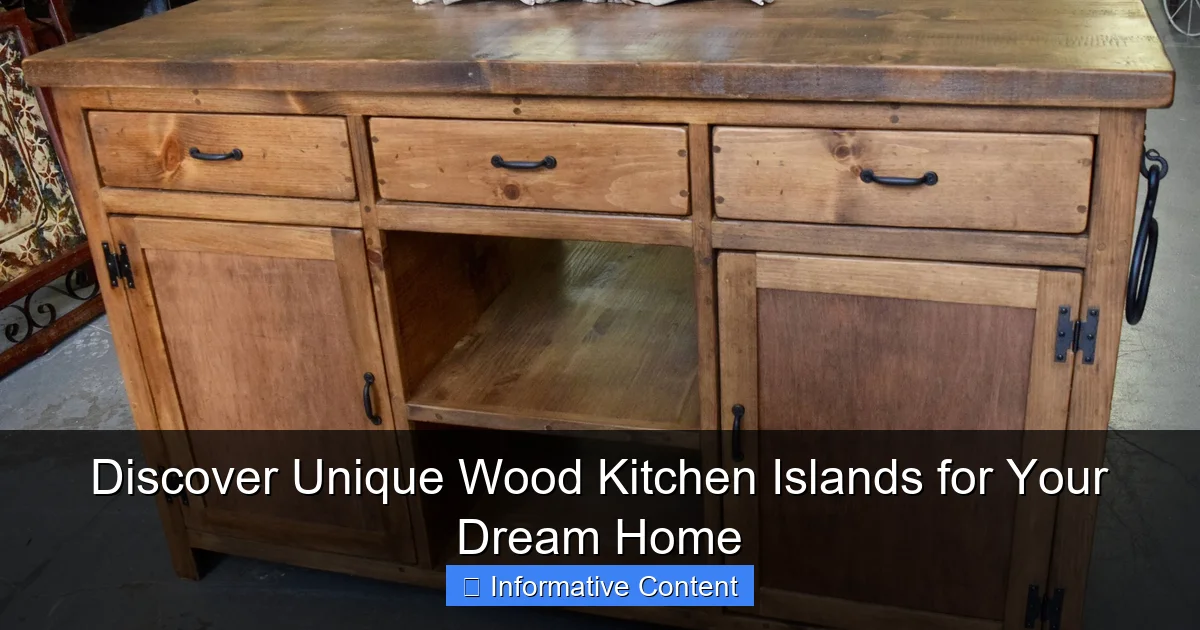
Visual guide about unique wood kitchen islands
Image source: i.pinimg.com
- Walnut: Deep, rich brown with subtle purple undertones. It’s durable, ages beautifully, and pairs well with both light and dark cabinetry. Think of it as the “luxury leather” of wood islands.
- Oak: Known for its pronounced grain and durability. White oak resists moisture better than red oak, making it a solid pick for kitchens with frequent spills.
- Maple: Light, creamy, and smooth—perfect for minimalist or Scandinavian kitchens. But it scratches more easily, so it’s best for lower-traffic prep zones.
- Reclaimed Wood: Salvaged from old barns, factories, or ships. Each plank has knots, nail holes, and weathering that tell a history. Ideal for industrial or vintage-inspired kitchens.
- Exotics like Teak or Zebrawood: Bold grain patterns and vibrant colors. These make a dramatic statement but can overwhelm if not balanced with neutral surroundings.
Here’s a pro tip: visit a lumberyard or artisan workshop. Run your hand over the wood. Notice how walnut feels almost velvety, while oak has a rougher, more textured surface. Your island will be touched daily—choose a texture you love.
Grain Patterns and Live Edges: Nature’s Artwork
Ever seen a kitchen island with a “live edge”? That’s when the natural curve of the tree trunk is preserved, often with bark still intact. It’s raw, organic, and utterly captivating. But it’s not just about looks. The grain pattern affects how the island functions:
- Straight grain (like maple): Clean, modern, and easy to sand/refinish.
- Curly or quilted grain (like figured maple): Catches light dynamically—great for spotlighting a focal point.
- Bird’s eye or spalted wood: Unique “eyes” or black mineral streaks. These add visual interest but require more maintenance to prevent further decay.
One of my favorite examples? A client in Vermont chose a live-edge walnut island with a single knot that looked like a bird in flight. It became the centerpiece of her kitchen—and her guests always asked about the story behind it. That’s the power of unique wood kitchen islands: they invite connection.
Design Styles: Matching Your Island to Your Kitchen’s Vibe
Rustic Farmhouse: Warmth and Whimsy
If your kitchen feels like a cozy cabin in the woods, a farmhouse-style wood island is your soulmate. Think:
- Reclaimed barn wood: Weathered gray tones, visible nail holes, and a slightly uneven surface.
- Butcher block tops: Thick maple or oak, often with a juice groove for slicing bread or meat.
- Open shelving or X-brace legs: Adds charm and storage without feeling bulky.
One couple in Tennessee used a reclaimed oak island with a built-in wine rack made from old barrel staves. It felt like a piece of history—and held their favorite bottles of local bourbon. The key? Let the wood’s imperfections shine. A little sanding to smooth rough spots, but never sand away the character.
Modern Minimalist: Clean Lines with Warmth
Contrary to popular belief, wood can fit perfectly in a modern kitchen. It adds warmth to an otherwise cool space. Look for:
- Slab-style tops: Thick, single-piece wood with minimal grain disruption.
- Floating designs: Legs or supports that create a “floating” illusion.
- Neutral finishes: Light oak or bleached ash to avoid clashing with sleek cabinets.
A designer in Portland created a “floating” walnut island with hidden storage and a waterfall edge. The grain ran vertically on the sides, making the island look like a sculptural column. The trick? Pairing it with matte black cabinetry and brass hardware for contrast.
Industrial Edge: Raw Meets Refined
For lofts or urban kitchens, combine wood with metal for an industrial vibe:
- Steel legs or frames: Black iron, brass, or copper.
- Reclaimed wood tops: Charred (shou sugi ban) or painted with chalkboard paint for notes/recipes.
- Exposed hardware: Rivets, visible welds, or pipe-style supports.
One Brooklyn chef used a charred cedar island with steel legs and a built-in induction cooktop. The smoky wood contrasted beautifully with the stainless appliances. Bonus: the wood’s natural oils resisted stains from cooking splatters.
Functionality Meets Art: Smart Features for Real Life
Storage Solutions That Don’t Compromise Style
A kitchen island isn’t just a pretty face—it’s a workhorse. But with wood, you can blend utility and elegance:
- Hidden drawers: Use soft-close mechanisms and dovetail joints for a seamless look.
- Pull-out cutting boards: Slide out when you need extra prep space, tuck away when not in use.
- Integrated trash/recycling bins: Hide unsightly bags in a wooden cabinet with a lift-up lid.
- Spice racks or knife blocks: Carved into the island’s end grain or tucked under the counter.
One family in Colorado added a “coffee station” to their island: a recessed tray with a built-in mug rack, grinder shelf, and hidden outlet for their kettle. The walnut top had a slight curve to catch drips—functional *and* beautiful.
Seating and Social Spaces
Islands are natural gathering spots. But wood requires smart design to seat people comfortably:
- Overhang depth: At least 10–12 inches for leg room.
- Counter height: Standard is 36 inches, but 30-inch (bar height) works for stools.
- Footrests: Add a metal or wood rail 8–10 inches from the floor.
A client in Austin extended her live-edge island with a 24-inch overhang, creating a breakfast nook. She used low-back stools with leather seats—easy to slide in/out, and the wood’s warmth made the space feel inviting. Just remember: if you’re using stools with metal bases, protect the wood with felt pads.
Durability Hacks for High-Traffic Areas
Wood is tough, but kitchens are tough on wood. Here’s how to keep your island looking great:
- Finish wisely: Food-grade mineral oil (for cutting boards) or polyurethane (for high-traffic zones).
- Use trivets: Even heat-resistant finishes can crack with direct hot pan contact.
- Wipe spills immediately: Water is wood’s enemy. Keep a microfiber cloth handy.
- Sand and reseal yearly: Light sanding (220-grit) and a fresh coat of oil/varnish keeps it protected.
One chef in Chicago used a teak island (naturally water-resistant) with a polyurethane topcoat. After five years, it still looked new—just with a few character-building knife marks near the sink. “That’s where I chop herbs,” he laughed. “It’s a reminder of the meals we’ve made.”
Eco-Friendly Choices: Sustainability in Wood Islands
Reclaimed Wood: Beauty with a Conscience
Reclaimed wood isn’t just trendy—it’s a sustainability win. By using old barns, factories, or even wine barrels, you:
- Reduce demand for new logging.
- Prevent usable wood from landfills.
- Preserve history and character.
One couple in Maine sourced a 150-year-old white pine beam from a demolished textile mill. They had it milled into a 10-foot island top. The wood had nail holes, saw marks, and a rich patina. “It’s like the island has lived a life before ours,” the wife said. The only downside? Reclaimed wood can have hidden nails or rot. Always have a professional inspect it.
Certified Sustainable Woods
If you’re not using reclaimed, look for certifications:
- FSC (Forest Stewardship Council): Ensures responsible forestry.
- PEFC (Programme for the Endorsement of Forest Certification): Promotes sustainable forest management.
A designer in Oregon chose FSC-certified walnut for a client’s island. The wood came with a certificate tracing it to a sustainably managed forest in Pennsylvania. “The client loved knowing their island didn’t cost a tree,” the designer said. Pro tip: Ask your supplier for certification details. Reputable artisans will provide them.
Low-VOC Finishes and Adhesives
Even eco-friendly wood can be ruined by toxic finishes. Opt for:
- Natural oils: Tung oil, linseed oil (food-safe and low-odor).
- Water-based varnishes: Low VOC, quick-drying, and durable.
- Non-toxic adhesives: Avoid formaldehyde-based glues in joinery.
One family in California used a walnut island finished with beeswax and linseed oil. It had a subtle honey scent—no off-gassing, even in their small kitchen. “It felt like nature, not chemicals,” the mom said.
Custom vs. Pre-Made: Making the Right Choice for Your Budget
Custom Wood Islands: The Ultimate Personalization
Custom islands are like bespoke suits—tailored to your space and needs. Benefits:
- Exact dimensions: Fits your kitchen’s layout perfectly.
- Unique features: Built-in appliances, custom storage, or artistic details.
- Material freedom: Choose rare wood species or finishes.
One client in Colorado wanted an island with a built-in herb garden. The artisan used a live-edge walnut top with a recessed planter (filled with succulents and mint). The island became a living centerpiece. But custom work isn’t cheap: expect $2,000–$10,000+ depending on size and complexity.
Pre-Made Options: Quality Without the Wait
Pre-made wood islands offer affordability and convenience. Look for:
- Solid wood construction: Avoid particleboard cores.
- Adjustable legs: For uneven floors.
- Modular designs: Expandable or reconfigurable.
A couple in Chicago bought a pre-made maple island from a local artisan’s stock. It had a butcher block top, two drawers, and a shelf. At $1,200, it was 60% cheaper than custom. The only compromise? They couldn’t add a sink (the pre-drilled holes didn’t align). But they added a portable induction cooktop instead—a flexible solution.
Hybrid Approach: Semi-Custom for the Win
Many artisans offer “semi-custom” islands: pre-designed styles with customizable options. For example:
- Choose wood species and finish.
- Adjust dimensions (width, depth, height).
- Add optional features (shelves, drawers, seating).
One family in Seattle picked a semi-custom oak island with a waterfall edge. They chose a matte finish and added a pull-out spice rack. The price? $3,500—half the cost of fully custom. “It felt personalized, but without the six-month wait,” the dad said.
Data Table: Wood Species Comparison for Kitchen Islands
| Wood Species | Janka Hardness (lb) | Moisture Resistance | Best For | Maintenance Level |
|---|---|---|---|---|
| Walnut | 1,010 | Medium | Focal points, luxury kitchens | Low (oiled annually) |
| White Oak | 1,360 | High | High-traffic zones, wet areas | Medium (sealed every 2 years) |
| Maple | 1,450 | Low | Light-use prep, minimalist designs | High (frequent sealing) |
| Reclaimed Pine | 690 | Low | Rustic, decorative islands | Medium (check for rot) |
| Teak | 1,155 | Very High | Wet zones, outdoor kitchens | Low (natural oils protect) |
Note: Janka hardness measures resistance to dents. Higher = more durable. Reclaimed wood varies widely—inspect carefully.
Final Thoughts: Your Island, Your Story
Choosing a unique wood kitchen island isn’t just about picking a countertop. It’s about creating a space where memories are made—where kids do homework, friends gather for wine, and meals are shared. The right island becomes a silent witness to your life’s moments.
Remember: there’s no “perfect” island. It’s about balance. A rustic reclaimed oak might be beautiful, but if you cook daily, a harder wood like white oak might be more practical. A live-edge walnut slab is stunning, but if your kitchen is small, a simpler design might feel less overwhelming. And always, *always* prioritize craftsmanship. A well-built island with dovetail joints, solid joinery, and a thoughtful finish will last generations.
So take your time. Visit artisans. Feel the wood. Imagine your family gathered around it. When you find “the one,” you’ll know. Because just like a home, a kitchen island should feel like it was made for you—flaws, character, and all.
Frequently Asked Questions
What makes a wood kitchen island unique compared to standard designs?
A unique wood kitchen island stands out through custom craftsmanship, rare wood types (like live-edge walnut or reclaimed barn wood), and personalized features such as integrated storage or artistic joinery. These islands blend functionality with one-of-a-kind aesthetics that mass-produced options can’t match.
Are unique wood kitchen islands durable for daily use?
Yes, high-quality hardwoods like maple, oak, or teak are naturally durable and resistant to wear when properly sealed. Unique wood islands built by skilled artisans often feature reinforced joinery and food-safe finishes for long-lasting performance.
Can I customize a unique wood kitchen island to fit my kitchen layout?
Absolutely! Many artisans offer bespoke sizing, storage solutions, and design elements (e.g., overhangs for seating, butcher block tops) to match your kitchen’s dimensions and style. This customization is a hallmark of truly unique wood kitchen islands.
How do I maintain a wooden kitchen island to preserve its look?
Clean with mild soap and water, avoid excessive moisture, and reapply mineral oil or beeswax every 3–6 months to prevent drying. For sealed islands, use non-abrasive cleaners and promptly wipe spills to maintain the finish.
What are the best wood types for a unique kitchen island?
Popular choices include walnut (rich grain), reclaimed wood (eco-friendly charm), and hickory (extreme durability). The “best” type depends on your style, budget, and how the island will be used—each wood offers distinct character.
Where can I find authentic unique wood kitchen islands?
Look for local woodworkers, Etsy artisans, or specialty furniture makers who use solid hardwoods and offer customization. Avoid mass-market retailers—true uniqueness comes from handcrafted pieces with attention to detail.