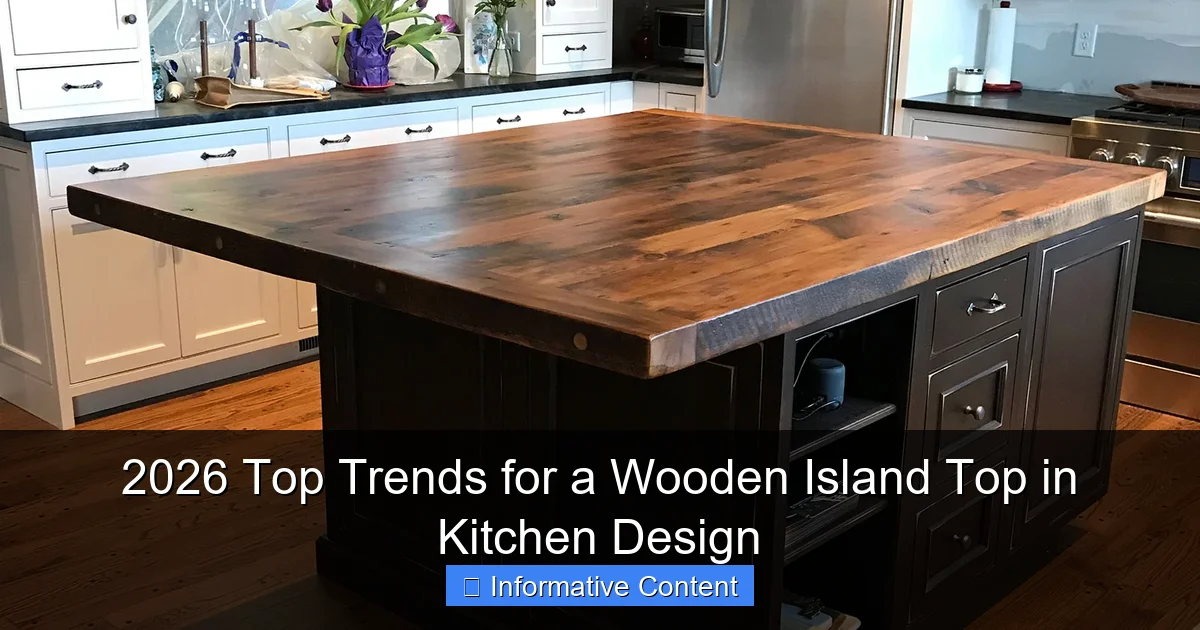
Featured image for wooden island top in kitchen
Image source: areclaimed.com
Wooden island tops are set to dominate kitchen design in 2026, combining timeless warmth with modern sustainability. Expect bold grain patterns, eco-friendly finishes, and mixed-material pairings—like wood with stone or metal—to redefine kitchen aesthetics. This trend delivers both style and durability, making the wooden island a true centerpiece of functional, future-forward kitchens.
Key Takeaways
- Choose sustainable wood: Opt for eco-friendly materials like bamboo or reclaimed oak.
- Seal properly: Apply food-safe sealants to protect against stains and moisture.
- Mix textures: Combine wood with stone or metal for visual contrast.
- Prioritize maintenance: Regular oiling keeps wooden tops looking fresh and durable.
- Embrace natural grains: Highlight unique patterns for a personalized, organic aesthetic.
- Size wisely: Match island dimensions to kitchen layout for balanced functionality.
📑 Table of Contents
- The Rise of Wooden Island Tops: A Timeless Trend for 2026
- Why Wooden Island Tops Are Dominating 2026 Kitchen Trends
- Top Wood Types for 2026: Pros, Cons, and Best Uses
- Design Trends: How to Style Your Wooden Island Top
- Maintenance and Care: Keeping Your Wooden Island Top Pristine
- Cost Breakdown and Budget-Friendly Options
- Final Thoughts: Is a Wooden Island Top Right for You?
The Rise of Wooden Island Tops: A Timeless Trend for 2026
Imagine walking into your kitchen and being greeted by the warm, natural beauty of a wooden island top. It’s not just a surface for food prep—it’s a statement piece that brings character, charm, and a touch of nature into your home. In 2026, wooden island tops are making a major comeback, and for good reason. They’re not just stylish; they’re practical, sustainable, and endlessly customizable. Whether you’re renovating your kitchen or designing a new one, a wooden island top might be the perfect addition to elevate your space.
From rustic farmhouse kitchens to sleek modern designs, wooden island tops are proving their versatility. They’re not just for traditional homes anymore. In fact, they’re being reimagined in ways that blend old-world craftsmanship with contemporary aesthetics. If you’ve been on the fence about adding one to your kitchen, this guide will walk you through the top trends, materials, maintenance tips, and design ideas for 2026. By the end, you’ll have all the inspiration you need to make an informed decision.
Why Wooden Island Tops Are Dominating 2026 Kitchen Trends
Wooden island tops are no longer just a nostalgic nod to the past. They’re a forward-thinking choice for modern kitchens, thanks to their adaptability, durability, and eco-friendly appeal. Let’s break down why they’re trending in 2026.
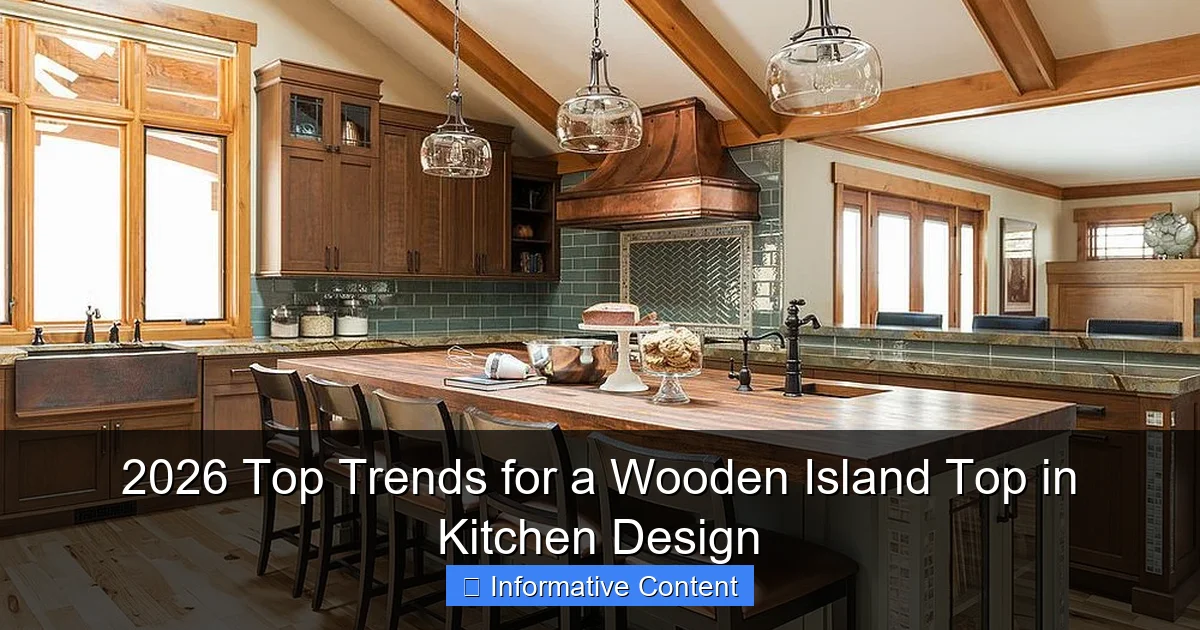
Visual guide about wooden island top in kitchen
Image source: cdn.decoist.com
The Appeal of Natural Materials
There’s something inherently calming about natural materials in the home. Wood, with its organic grain patterns and warmth, creates a welcoming atmosphere. In 2026, homeowners are prioritizing biophilic design—bringing the outdoors in—and wooden island tops are a perfect way to achieve this. Unlike cold, sterile materials like stainless steel or quartz, wood adds a sense of grounding and connection to nature.
For example, a reclaimed oak island top with visible knots and grain tells a story of its past, adding depth to your kitchen. Meanwhile, a smooth walnut top with a rich, dark finish can create a luxurious, modern feel. The key is choosing a wood type that complements your overall design aesthetic.
Sustainability and Eco-Friendly Choices
With sustainability becoming a top priority for many homeowners, wooden island tops are a greener alternative to synthetic materials. Reclaimed wood, FSC-certified hardwoods, and locally sourced timber reduce environmental impact while offering unique character. In 2026, we’re seeing a rise in upcycled wooden island tops—think barn wood, salvaged beams, or even repurposed furniture pieces transformed into stunning kitchen islands.
Here’s a pro tip: If sustainability is important to you, look for wood suppliers that prioritize ethical sourcing. Ask about their harvesting practices and certifications. A little research can go a long way in ensuring your island top aligns with your values.
Durability Meets Functionality
Wood is often misunderstood as a high-maintenance material, but with proper care, it can last decades. Modern finishes and sealants have made wooden island tops more resistant to scratches, stains, and moisture. For example, a polyurethane-sealed maple top can handle daily use without losing its luster. Plus, minor scratches can be sanded and refinished, making wood a long-term investment.
One homeowner I spoke to shared that her cherry wood island top has survived two kids, countless dinner parties, and even the occasional wine spill—and still looks fantastic after 15 years. The secret? Regular oiling and prompt cleaning of spills.
Top Wood Types for 2026: Pros, Cons, and Best Uses
Not all wood is created equal. The type you choose will impact the look, feel, and maintenance of your island top. Here’s a breakdown of the most popular options in 2026, along with their strengths and weaknesses.
1. Walnut: Luxury and Elegance
- Pros: Rich, dark color; smooth grain; high durability; ages beautifully.
- Cons: More expensive than other hardwoods; can show scratches if not sealed properly.
- Best for: Modern, minimalist kitchens; high-end renovations.
Walnut is a favorite for its sophisticated look. A walnut island top with a matte finish pairs well with white cabinets and brass hardware, creating a timeless, high-end vibe.
2. Oak: Classic and Versatile
- Pros: Affordable; strong grain pattern; easy to refinish; widely available.
- Cons: Can look bulky if not stained correctly; prone to water damage if unsealed.
- Best for: Farmhouse, rustic, or transitional kitchens.
Oak is a workhorse. Whether you choose white oak for a lighter look or red oak for warmth, it’s a reliable choice. One designer I know recommends white oak with a gray stain for a Scandinavian-inspired kitchen.
3. Maple: Light and Bright
- Pros: Light, neutral color; fine grain; resistant to warping; affordable.
- Cons: Softer than walnut or oak; can yellow over time.
- Best for: Coastal, modern, or small kitchens.
Maple is ideal for brightening up a space. A maple island top with a clear finish can make a small kitchen feel larger and airier.
4. Reclaimed Wood: Unique and Eco-Friendly
- Pros: One-of-a-kind character; sustainable; adds history to your kitchen.
- Cons: Can be expensive; may require extra prep work; inconsistent grain patterns.
- Best for: Rustic, industrial, or eclectic kitchens.
Reclaimed wood is a showstopper. A barn wood island top with visible nail holes and weathered edges adds instant charm. Just make sure it’s properly treated to avoid splinters or pests.
5. Butcher Block: Practical and Stylish
- Pros: Great for food prep; affordable; easy to repair.
- Cons: Requires frequent oiling; not ideal for high-moisture areas.
- Best for: Cooks who want a functional surface; budget-friendly projects.
Butcher block is a classic for a reason. A maple or walnut butcher block can double as a cutting board and a dining surface. Just remember to re-oil it every few months to prevent drying and cracking.
Design Trends: How to Style Your Wooden Island Top
A wooden island top is more than just a functional piece—it’s a design opportunity. In 2026, we’re seeing some exciting ways to incorporate wood into kitchen islands. Here are the top trends to inspire your design.
Mixed Materials: The Best of Both Worlds
One of the biggest trends is combining wood with other materials. A wooden island top paired with a marble base creates a striking contrast. Or, try a metal base with a walnut top for an industrial-chic look. The key is to balance textures and colors so they complement—not compete with—each other.
For example, a blackened steel base with a light oak top works well in a modern kitchen. The dark base grounds the space, while the wood adds warmth.
Color Trends: From Natural to Bold
While natural wood tones remain popular, 2026 is seeing a rise in stained and painted island tops. Gray-washed wood is perfect for a soft, neutral look, while black-stained walnut makes a dramatic statement. For a pop of color, consider a blue or green island base with a natural wood top.
One homeowner shared that her white-painted island base with a walnut top made her kitchen feel brighter and more spacious. The wood top added just enough warmth to balance the cool white.
Shape and Layout: Beyond the Rectangle
Forget the standard rectangular island. In 2026, we’re seeing more organic shapes and multi-level designs. A rounded wooden island top can soften a sharp-edged kitchen, while a two-tiered island (with a lower prep area and higher bar seating) adds functionality.
For small kitchens, a circular wooden island can maximize space and create a cozy nook. One couple I spoke to used a small round oak island as a breakfast bar—it’s perfect for quick meals and coffee chats.
Integrated Features: Smart and Stylish
Wooden island tops are getting smarter. Think built-in charging stations, hidden storage compartments, or even induction cooktops embedded in the surface. A walnut island top with a pull-out cutting board is both practical and stylish.
One innovative design I saw featured a wooden island top with a retractable vent hood. When not in use, the hood disappears into the island, keeping the look clean and uncluttered.
Maintenance and Care: Keeping Your Wooden Island Top Pristine
Wood is a beautiful material, but it does require some upkeep. The good news? With a little care, your island top can stay gorgeous for years. Here’s how to keep it in top shape.
Daily and Weekly Care
- Wipe spills immediately: Water and acidic liquids (like lemon juice or wine) can stain wood. Keep a microfiber cloth handy.
- Use cutting boards: Even butcher block tops can suffer from knife marks. Always use a board for chopping.
- Clean with mild soap: A damp cloth with a drop of dish soap is all you need. Avoid harsh chemicals or abrasive scrubbers.
One homeowner swears by weekly oiling with mineral oil to keep her maple island top hydrated. It’s a simple habit that makes a big difference.
Long-Term Maintenance
- Reapply finish every 6-12 months: Whether it’s oil, wax, or polyurethane, resealing protects the wood from wear and moisture.
- Sand and refinish as needed: Minor scratches can be sanded out. For deeper gouges, a professional refinishing job may be necessary.
- Protect from direct sunlight: UV rays can fade and dry out wood. Consider window treatments or UV-protective finishes.
A friend of mine had to refinish her cherry wood island top after 10 years, but she says it was worth it. The process took a weekend, and the island looked brand new.
Common Mistakes to Avoid
- Using vinegar or bleach: These can strip the finish and damage the wood. Stick to mild soap and water.
- Ignoring humidity levels: Extreme dryness or moisture can cause wood to crack or warp. Use a humidifier or dehumidifier if needed.
- Neglecting oiling: Unoiled wood dries out and becomes brittle. Make oiling a regular part of your routine.
Cost Breakdown and Budget-Friendly Options
Wooden island tops can range from affordable to luxury-priced. Here’s what to expect, along with some budget-friendly alternatives.
Average Costs by Wood Type
| Wood Type | Average Cost per Square Foot | Best For |
|---|---|---|
| Maple | $5-$10 | Budget-friendly, light kitchens |
| Oak | $6-$12 | Rustic, farmhouse |
| Walnut | $10-$20 | High-end, modern |
| Reclaimed Wood | $15-$30 | Unique, eco-friendly |
| Butcher Block | $4-$8 | Functional, DIY-friendly |
Budget-Friendly Tips
- DIY butcher block: Pre-made butcher block kits are available at home improvement stores for under $200.
- Use veneers: Wood veneer over a plywood base can save money while still looking authentic.
- Shop local: Local lumberyards often have better prices than big-box stores.
One couple I spoke to saved hundreds by building their own oak island top from scratch. They used a simple plan from Pinterest and spent a weekend assembling it. The result? A stunning, custom look at a fraction of the cost.
Final Thoughts: Is a Wooden Island Top Right for You?
By now, you’ve probably realized that a wooden island top is more than just a trend—it’s a design choice with staying power. Whether you love the warmth of oak, the elegance of walnut, or the uniqueness of reclaimed wood, there’s a style to suit every kitchen.
The key is to think long-term. Consider your lifestyle, cooking habits, and design preferences. If you’re willing to put in a little maintenance, a wooden island top can be a stunning centerpiece that adds value and character to your home.
As we move into 2026, one thing is clear: wood is here to stay. It’s not just about following trends—it’s about creating a kitchen that feels like you. So go ahead, embrace the natural beauty of wood, and make your island the heart of your home.
Frequently Asked Questions
What are the top trends for a wooden island top in kitchen design for 2026?
For 2026, key trends include sustainable wood types like bamboo and reclaimed oak, matte finishes, and mixed-material designs (e.g., wood with quartz inlays). Natural edge detailing and bold wood grains are also gaining popularity for a rustic-meets-modern aesthetic.
Is a wooden island top durable enough for heavy kitchen use?
Yes, high-quality hardwoods like walnut or maple, when properly sealed and maintained, can withstand daily wear and resist scratches and heat. Opt for a food-safe epoxy or oil finish for added protection.
How do I maintain a wooden island top to keep it looking new?
Regularly clean with a damp cloth and mild soap, and reapply food-grade mineral oil or beeswax every 3-6 months. Avoid prolonged exposure to water and use trivets for hot pots to prevent damage.
What wood types are best for a kitchen island top?
Hardwoods like walnut, maple, and teak are ideal due to their durability and resistance to dents. Bamboo is a sustainable option, while live-edge slabs add a unique, organic touch to your wooden island top.
Can I combine a wooden island top with other countertop materials?
Absolutely! Pairing wood with stone (e.g., quartz or granite) or concrete creates visual contrast and functional zones. This hybrid approach is a 2026 trend, blending warmth with sleek, modern elements.
Are wooden island tops eco-friendly compared to other materials?
Wood is a renewable resource, especially when sourced from FSC-certified forests or reclaimed materials. A wooden island top has a lower environmental impact than synthetic options, especially when finished with non-toxic sealants.