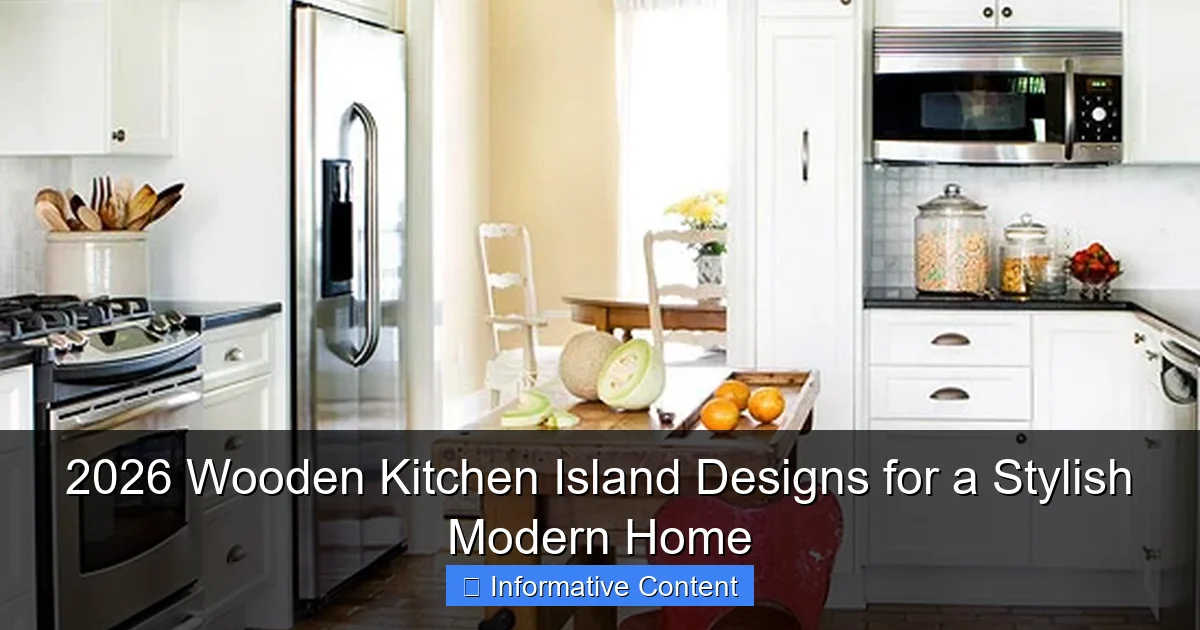
Featured image for wooden kitchen island designs
Image source: digsdigs.com
Discover the top 2026 wooden kitchen island designs that blend modern elegance with functional craftsmanship to transform your culinary space. From minimalist Scandinavian-inspired slabs to bold, live-edge statement pieces, these on-trend islands highlight natural wood grains, sustainable materials, and smart storage solutions—perfect for style-savvy homeowners seeking warmth and sophistication. Elevate your kitchen with timeless designs that marry aesthetics and innovation.
Key Takeaways
- Choose sustainable wood: Opt for bamboo or reclaimed wood for eco-friendly durability.
- Prioritize multifunctionality: Select islands with built-in storage and seating for efficiency.
- Embrace minimalist lines: Clean, geometric designs enhance modern aesthetics effortlessly.
- Integrate smart features: Add wireless charging or hidden outlets for tech-savvy convenience.
- Warm finishes shine: Light oak or walnut stains brighten spaces while feeling inviting.
- Customize for flow: Match island shape to your kitchen’s layout for seamless movement.
📑 Table of Contents
- Why Wooden Kitchen Islands Are Making a Comeback
- Types of Wood for Kitchen Island Designs in 2026
- Design Styles: Matching Your Wooden Island to Your Home Aesthetic
- Functional Features: Making Your Wooden Island Work Harder
- Finishes and Maintenance: Protecting Your Investment
- 2026 Trends: What’s New and Exciting in Wooden Island Design
- Comparing Wooden Kitchen Island Options: A Quick Guide
- Final Thoughts: Is a Wooden Kitchen Island Right for You?
Why Wooden Kitchen Islands Are Making a Comeback
Remember when kitchen islands were just stainless steel and granite? Those days are fading fast. Today, more homeowners are falling in love with the warmth and character that only wooden kitchen island designs can bring. It’s not just nostalgia—wood brings soul to a space. It softens the hard edges of modern appliances and adds a touch of nature to one of the busiest rooms in the house.
I recently helped my sister renovate her kitchen, and we debated for weeks over materials. She wanted sleek and modern, but every time we saw a photo with a rich walnut or reclaimed oak island, we’d pause. There was something about the grain, the texture, the way light played across the surface. In the end, we went with a live-edge walnut island with a matte finish. Now, it’s the heart of her home—where her kids do homework, where friends gather for wine nights, and where she finally feels like her kitchen reflects who she is.
Wooden kitchen islands are no longer just a rustic farmhouse feature. In 2026, they’re evolving into stylish, functional centerpieces for modern homes. From minimalist Scandinavian designs to bold, sculptural pieces, wood is proving it can be both timeless and cutting-edge. And with sustainability on everyone’s mind, responsibly sourced wood adds eco-cred to your kitchen’s aesthetic.
Types of Wood for Kitchen Island Designs in 2026
Not all wood is created equal—especially when it comes to kitchen islands, where durability, moisture resistance, and aesthetics matter. Choosing the right wood species sets the tone for your entire design. Let’s break down the most popular and practical options for 2026, along with their pros, cons, and ideal uses.
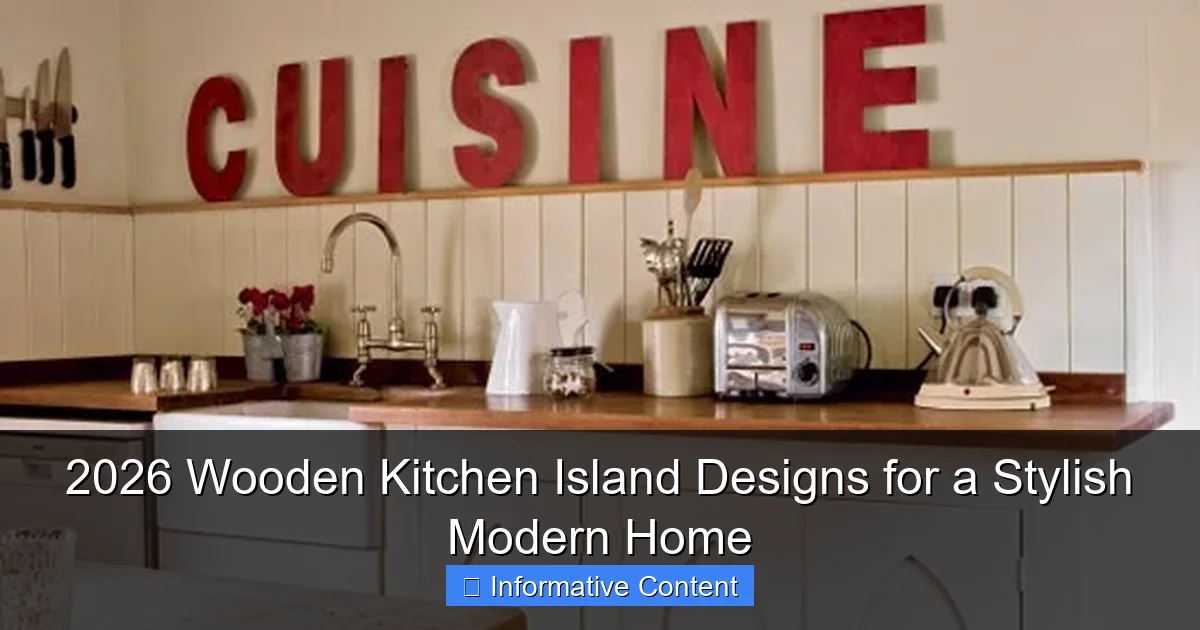
Visual guide about wooden kitchen island designs
Image source: digsdigs.com
Solid Hardwoods: The Classics with a Modern Twist
When people think of wooden kitchen island designs, they often picture solid hardwoods like oak, maple, and cherry. These are still top contenders—and for good reason.
- White Oak: Gaining massive popularity in 2026, white oak is durable, water-resistant, and has a beautiful, subtle grain. Its neutral tone works with both warm and cool palettes. It’s ideal for modern farmhouse or transitional styles.
- Maple: Known for its strength and fine grain, maple is a favorite for minimalist and Scandinavian kitchens. It’s lighter in color, which helps brighten smaller spaces. However, it can yellow slightly over time with UV exposure.
- Cherry: This rich, reddish-brown wood deepens beautifully with age, giving your island a lived-in charm. It’s softer than oak or maple, so it’s best suited for homes with light to moderate use or with protective finishes.
Pro tip: If you love the look of hardwood but worry about scratches, consider a wire-brushed finish. It adds texture that hides minor wear and tear—perfect for busy families.
Exotic and Sustainable Woods: For the Bold and Eco-Conscious
For those who want a statement piece, 2026 is all about exotic and sustainably sourced woods. These aren’t just beautiful—they tell a story.
- Walnut: Deep, chocolatey, and elegant, walnut is a favorite for modern luxury kitchens. It’s slightly softer than oak but holds up well with proper sealing. Pair it with white countertops for a stunning contrast.
- Reclaimed Barn Wood: Every piece has history. Reclaimed wood brings unique character, with weathered textures and natural imperfections. It’s perfect for industrial or rustic-modern designs. Just ensure it’s properly treated and sealed to resist moisture and pests.
- Bamboo (Engineered): Technically a grass, bamboo is a fast-growing, renewable material. Engineered bamboo offers high durability and a modern, linear grain. It’s a great eco-friendly alternative to traditional hardwoods.
Real talk: Reclaimed wood can be pricier and harder to source. But if you’re renovating a historic home or want a one-of-a-kind look, it’s worth the effort. I once helped a client install a reclaimed oak island from a 1920s barn. The grain told a story—literally.
Engineered Wood: The Smart, Stylish Alternative
Not everyone can afford solid wood—or wants to risk moisture damage. That’s where engineered wood comes in. Made from layers of wood veneer bonded over a stable core (often plywood), engineered wood offers the look of real wood with added stability.
- Wood Veneer Over Plywood: This gives you the appearance of solid wood at a lower cost. It’s less prone to warping and is great for large islands where solid wood might expand or contract.
- Laminate with Wood-Look Finish: High-pressure laminates can mimic oak, walnut, or even exotic woods. While not “real” wood, premium options are hard to distinguish visually and are highly scratch- and stain-resistant.
Tip: If you’re using engineered wood, make sure the edges are properly sealed—especially around sinks or dishwashers. Water is the enemy of any wood product.
Design Styles: Matching Your Wooden Island to Your Home Aesthetic
Wooden kitchen island designs aren’t one-size-fits-all. The style you choose should reflect your home’s overall vibe—whether it’s sleek and minimal or cozy and rustic. Here’s how to match your island to your aesthetic in 2026.
Modern Minimalist: Clean Lines, Natural Beauty
Minimalism is still going strong, and wood is a key player. Think: clean silhouettes, hidden storage, and a focus on material honesty.
- Use light-toned woods like maple or birch with a matte or satin finish.
- Opt for floating islands—suspended with metal brackets or legs—to create an airy, open feel.
- Pair with integrated appliances and concealed drawers for a clutter-free look.
Example: A 7-foot maple island with a waterfall edge (where the wood continues down the sides) and recessed LED lighting underneath. It’s simple, but the grain adds warmth without overwhelming the space.
Modern Farmhouse: Warmth Meets Function
This style blends rustic charm with contemporary comfort. Wooden islands here are often larger, with practical features and a lived-in feel.
- Choose white oak or reclaimed wood with a slightly distressed finish.
- Add shiplap paneling to the base or sides for texture.
- Include open shelving or a butcher block section for prep space.
Tip: A farmhouse island doesn’t have to be all wood. Try a wood base with a quartz or concrete countertop for durability and contrast.
Industrial Chic: Raw, Edgy, and Authentic
Industrial kitchens love the juxtaposition of raw wood and metal. Think exposed brick, steel beams, and a wooden island that looks like it came from a Brooklyn loft.
- Use reclaimed barn wood with visible knots, splits, and nail holes.
- Pair with blackened steel legs or a metal base for contrast.
- Add exposed rivets or iron brackets for an authentic touch.
Real talk: This style works best in open-plan homes with high ceilings. In a small kitchen, it can feel too heavy. Balance is key.
Scandinavian: Light, Airy, and Inviting
Scandinavian design celebrates simplicity, functionality, and natural materials. Wood is central—but it’s light, clean, and unadorned.
- Go for ash, birch, or light oak with a whitewash or natural oil finish.
- Keep the shape simple and geometric—no ornate carvings.
- Add integrated storage with soft-close mechanisms for a quiet, serene feel.
Example: A 6-foot birch island with a white quartz top and open cubbies for cookbooks and baskets. It’s understated but incredibly functional.
Functional Features: Making Your Wooden Island Work Harder
A wooden kitchen island isn’t just for looks. In 2026, the best designs are as smart as they are beautiful. Here’s how to make yours work for your lifestyle.
Storage Solutions: Hidden and Practical
Clutter kills a beautiful kitchen. A well-designed wooden island should offer plenty of storage—without sacrificing style.
- Deep drawers with dividers for pots, pans, and utensils.
- Pull-out trash and recycling bins to keep odors contained.
- Hidden spice racks or knife blocks built into the edge.
- Appliance garages for toasters, blenders, or coffee makers.
Pro tip: Use soft-close hinges and drawer glides. They’re quiet, durable, and prevent slamming—especially important with wood, which can warp under stress.
Integrated Seating: Where Function Meets Comfort
Islands with seating are a must for entertaining and family life. But not all seating is created equal.
- Overhangs of 10–12 inches provide knee space without feeling cramped.
- Wooden stools with cushioned seats add comfort and style.
- Backless designs save space and maintain sightlines.
- Built-in bench seating on one side for a cozy, family-friendly vibe.
Real talk: If you have kids, avoid sharp corners. Rounded edges on the island and stools are safer and more comfortable.
Appliance Integration: Seamless and Stylish
Your island can house more than just storage. In 2026, many homeowners are integrating appliances for a clean, unified look.
- Under-counter wine fridges for entertaining.
< Induction cooktops with wood surrounds for a seamless transition.
Dishwasher drawers built into the island for easy access.
Microwave or steam oven tucked into a lower cabinet.
Important: Always consult an electrician and plumber before cutting into your island for appliances. Proper ventilation and wiring are critical.
Butcher Block vs. Solid Surface Countertops
This is a big debate: should your wooden island have a wood countertop or a different material?
- Butcher Block (Wood Countertop): Warm, natural, and perfect for food prep. But it requires regular oiling and can stain or scratch. Best for islands used mostly for serving or casual dining.
- Quartz, Granite, or Concrete: More durable and low-maintenance. Pair with a wood base for the best of both worlds—warmth and function.
My take: If you’re a serious cook, go with a solid surface. If you want maximum wood presence, use butcher block—but treat it like a fine piece of furniture. Oil it every 3–6 months.
Finishes and Maintenance: Protecting Your Investment
Wood is beautiful, but it’s not indestructible. The right finish and care routine will keep your wooden kitchen island looking great for years.
Top Finishes for Wooden Islands in 2026
- Natural Oil (Tung or Linseed): Penetrates deep into the wood, enhancing grain and offering moderate protection. Needs reapplication every 6–12 months. Great for a matte, organic look.
- Water-Based Polyurethane: Clear, durable, and low-VOC. Resists water and stains better than oil. Ideal for high-traffic kitchens.
- Wax Finish: Soft, warm, and easy to repair. But less water-resistant. Best for decorative pieces or low-use islands.
- Conversion Varnish (Commercial Grade): Used in professional kitchens. Extremely durable and moisture-resistant. Slightly more expensive but worth it for heavy use.
Pro tip: Always test finishes on a small, hidden area first. Some can alter the wood’s color or sheen more than expected.
Daily and Long-Term Care Tips
- Wipe spills immediately—especially water, wine, or citrus.
- Use cutting boards—never cut directly on wood.
- Clean with mild soap and water—avoid harsh chemicals.
- Reapply finish as needed—follow manufacturer’s recommendations.
- Rotate cutting boards and mats to prevent uneven wear.
Real talk: Scratches and dings are part of wood’s charm—especially with live-edge or reclaimed pieces. Don’t stress over perfection. Embrace the patina.
2026 Trends: What’s New and Exciting in Wooden Island Design
Design doesn’t stand still. In 2026, wooden kitchen island designs are getting smarter, greener, and more personalized. Here’s what’s trending.
Live-Edge and Organic Shapes
Forget perfect rectangles. Homeowners are embracing the natural form of wood—especially with live-edge slabs.
- Each piece is unique, with bark, knots, and irregular edges.
- Perfect for statement islands or as a focal point in open kitchens.
- Often paired with metal or concrete bases for contrast.
Example: A 9-foot live-edge walnut island with a black steel base and integrated LED lighting. It’s a sculpture as much as a kitchen feature.
Mixed Materials: Wood Meets Metal, Glass, and Stone
Monochromatic kitchens are out. 2026 is all about contrast and texture.
- Wood base with a concrete or terrazzo countertop.
- Wooden island with glass cabinet doors to display dishware.
- Wood and blackened steel for an industrial-modern hybrid.
Tip: Balance the materials—don’t go overboard. One bold contrast is more impactful than three.
Smart Islands: Tech Meets Timber
Yes, your wooden island can be smart.
- Wireless charging pads built into the countertop.
- Integrated touch controls for lighting, music, or appliances.
- Hidden USB ports for charging devices at the breakfast bar.
Real talk: These features add cost and complexity. But if you love tech, they’re worth considering—especially if you entertain often.
Sustainability and Local Sourcing
Eco-conscious buyers are demanding transparency. In 2026, expect more brands to highlight:
- FSC-certified wood (sustainably harvested).
- Locally sourced materials to reduce carbon footprint.
- Low-VOC finishes for healthier indoor air.
My take: Ask your contractor or designer about the wood’s origin. A beautiful island should also be a responsible one.
Comparing Wooden Kitchen Island Options: A Quick Guide
| Material | Best For | Durability | Maintenance | Cost Range (6-ft island) |
|---|---|---|---|---|
| Solid White Oak | Modern farmhouse, transitional | High | Moderate (oil every 6–12 months) | $3,500–$6,000 |
| Reclaimed Barn Wood | Rustic, industrial, vintage | Medium-High (depends on treatment) | High (sealing, pest checks) | $4,000–$8,000+ |
| Engineered Walnut Veneer | Modern, luxury, budget-conscious | High (resists warping) | Low (wipe clean) | $2,500–$4,500 |
| Butcher Block (Maple) | Casual dining, food prep | Medium | High (oil, avoid moisture) | $1,800–$3,200 |
| Bamboo (Engineered) | Eco-friendly, modern | High | Low | $2,000–$3,800 |
This table gives you a snapshot, but remember: labor, finishes, and customization can significantly affect the final price. Always get multiple quotes.
Final Thoughts: Is a Wooden Kitchen Island Right for You?
After years of helping people design their dream kitchens, I can say this: a wooden kitchen island isn’t just a trend. It’s a timeless choice that brings warmth, character, and soul to your home. Whether you’re drawn to the clean lines of a modern maple island or the rugged beauty of a reclaimed oak slab, wood has a way of making a space feel lived-in and loved.
But it’s not without considerations. Wood requires care. It can scratch, stain, or warp if neglected. And yes, it’s often more expensive than laminate or stainless steel. But when you see your family gathered around it—laughing, cooking, sharing stories—you’ll realize it’s worth it.
In 2026, wooden kitchen island designs are more versatile than ever. They can be sleek or rustic, smart or simple, bold or understated. The key is to choose a design that reflects your lifestyle, your values, and your love for home.
So go ahead—embrace the grain. Let your island tell a story. After all, the kitchen isn’t just a room. It’s where life happens. And with the right wooden island, it’s where beauty happens too.
Frequently Asked Questions
What are the most popular wooden kitchen island designs in 2026?
The top wooden kitchen island designs in 2026 blend modern minimalism with natural textures, featuring live-edge slabs, two-tone finishes (like walnut bases with oak tops), and built-in storage solutions. Multi-functional islands with integrated seating, charging stations, and waterfall countertops are also trending for contemporary homes.
How do I choose the right wood type for my kitchen island design?
Opt for durable hardwoods like oak, walnut, or maple for long-lasting beauty—each offers unique grain patterns and stain compatibility. Consider maintenance: sealed hardwoods resist stains, while reclaimed wood adds rustic charm but requires extra sealing.
Can wooden kitchen islands work in small kitchens?
Yes! Compact wooden kitchen island designs for small spaces include fold-down extensions, narrow rolling carts, or corner units with open shelving. Light-colored woods (e.g., ash or birch) can make the area feel more spacious.
What modern features can I add to a wooden kitchen island?
Enhance functionality with features like induction cooktops, USB ports, or hidden pull-out bins. Modern wooden kitchen island designs often include metal legs or glass inlays to balance the warmth of wood with sleek, contemporary elements.
How do I maintain a wooden kitchen island to prevent wear?
Regularly clean with a damp cloth and mild soap, and reapply food-safe sealant (like mineral oil or polyurethane) every 6–12 months. Avoid direct sunlight and spills to prevent fading or water damage.
Are wooden kitchen islands eco-friendly compared to other materials?
Yes, especially if sourced sustainably or made from reclaimed wood. Wooden kitchen island designs have a lower carbon footprint than stone or metal options and can be refinished or repurposed, reducing waste.