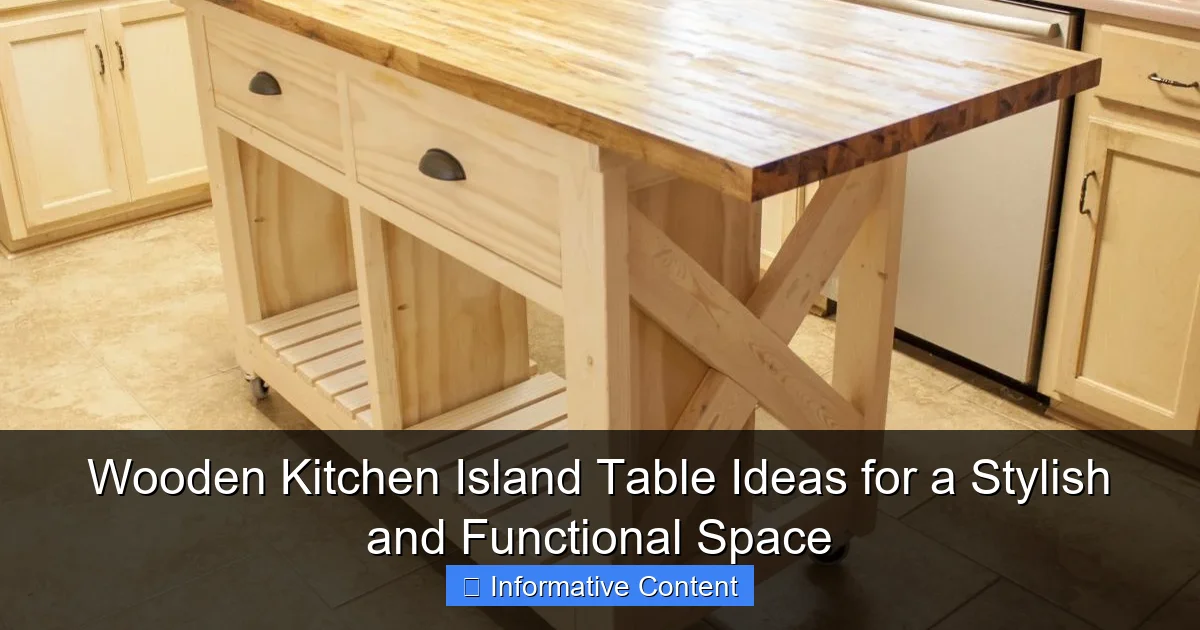
Featured image for wooden kitchen island table
Image source: cdn.homedit.com
Wooden kitchen island tables blend timeless style with everyday functionality, making them a centerpiece for modern and traditional kitchens alike. Crafted from durable hardwoods or eco-friendly reclaimed wood, these islands offer ample workspace, smart storage, and a warm, inviting aesthetic that enhances any culinary space.
Key Takeaways
- Choose solid wood: Opt for oak, walnut, or maple for durability and timeless appeal.
- Measure carefully: Ensure proper fit by measuring your kitchen space before purchasing.
- Add storage: Maximize utility with built-in shelves, drawers, or cabinets for kitchen essentials.
- Match your style: Select a finish and design that complements your kitchen’s decor theme.
- Include seating: Integrate bar stools or benches for a functional dining or social area.
- Maintain regularly: Preserve beauty with periodic oiling or sealing to prevent wear and tear.
📑 Table of Contents
- Why a Wooden Kitchen Island Table Could Be Your Kitchen’s Best Upgrade
- Choosing the Right Wood Type for Your Kitchen Island Table
- Design Styles: Matching Your Island to Your Kitchen Aesthetic
- Size, Shape, and Layout: Making the Island Work for Your Space
- Functionality: Storage, Seating, and Built-In Features
- Maintenance and Care: Keeping Your Wooden Island Looking Great
- Final Thoughts: Finding the Perfect Wooden Kitchen Island Table
Why a Wooden Kitchen Island Table Could Be Your Kitchen’s Best Upgrade
Let’s be honest: the kitchen is more than just a place to cook. It’s where we gather with family, sip coffee while scrolling through our phones, and host impromptu dinner parties that turn into late-night laughter. It’s the heart of the home. And if you’re like me, you’ve probably spent more time than you’d like to admit staring at your kitchen, wondering how to make it feel more—more functional, more inviting, more you.
That’s where a wooden kitchen island table comes in. It’s not just a piece of furniture—it’s a transformation. Whether you’re working with a cozy galley kitchen or a spacious open-concept layout, a well-chosen wooden island table can add warmth, storage, and even extra seating. But here’s the thing: not all wooden islands are created equal. Some are too bulky, others too flimsy. Some look amazing but don’t hold up to daily use. So how do you pick the right one? And how do you make it work for your lifestyle? I’ve been there—torn between rustic charm and modern minimalism, between wanting something that looks great and something that actually holds up to spills, kids, and the occasional pizza night. Let’s walk through what matters, what to avoid, and how to find a wooden kitchen island table that’s both stylish and truly functional.
Choosing the Right Wood Type for Your Kitchen Island Table
When it comes to wooden kitchen island tables, the type of wood you choose makes a huge difference—not just in looks, but in durability, maintenance, and even how it ages over time. I learned this the hard way when I picked a beautiful but soft pine island for my first home. It looked great at first, but after a year of cutting boards, spilled wine, and enthusiastic chopping, it looked more like a war zone than a kitchen centerpiece. Let’s break down the most common wood types and what they bring to the table (pun intended).
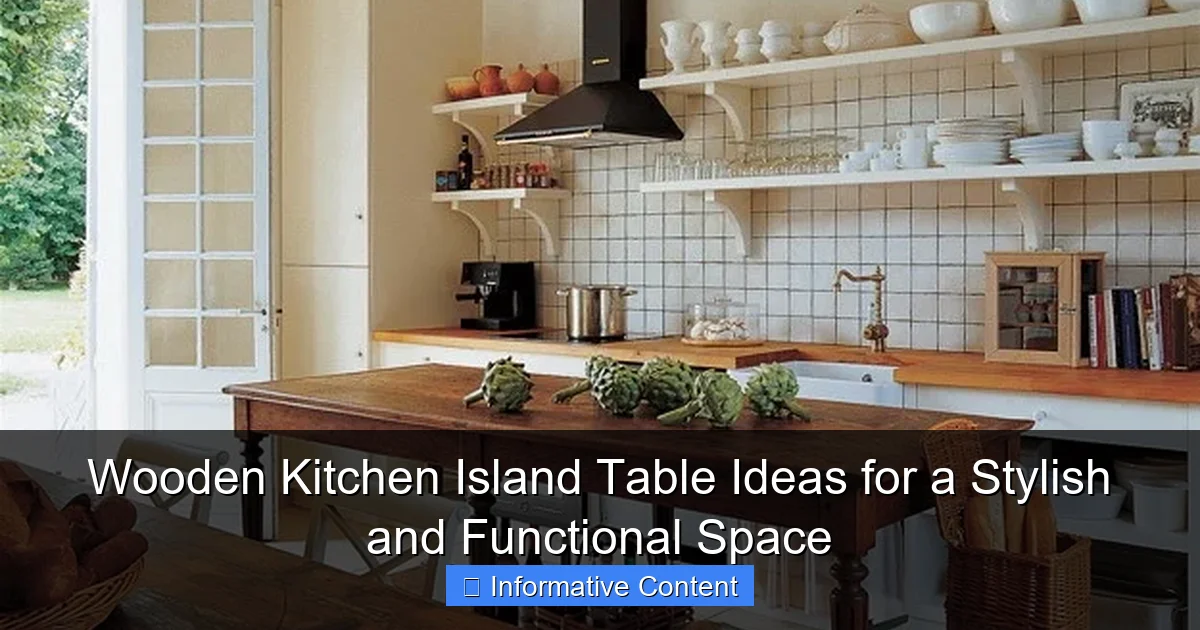
Visual guide about wooden kitchen island table
Image source: digsdigs.com
Hardwood vs. Softwood: What’s the Real Difference?
You’ll hear a lot about hardwood and softwood when shopping for a wooden kitchen island table. But here’s a fun fact: the terms aren’t about how “hard” or “soft” the wood feels—they’re actually about the tree type. Hardwoods come from deciduous trees (like oak and maple), while softwoods come from conifers (like pine and cedar). In practice, hardwoods are generally more durable and resistant to dents and scratches—ideal for a high-traffic kitchen.
- Hardwoods (Best for daily use): Oak, maple, walnut, cherry, and hickory are top choices. They’re dense, long-lasting, and develop a rich patina over time.
- Softwoods (Budget-friendly but delicate): Pine and cedar are lighter and more affordable, but they dent and scratch easily. Great for a rustic look if you’re okay with imperfections.
Tip: If you have kids, pets, or a busy household, lean toward hardwoods. They’ll stand up to the wear and tear. Pine might look charming, but it’s not forgiving when your toddler decides the island is a drum set.
Popular Wood Types and Their Pros & Cons
Let’s get specific. Here’s a quick rundown of common wood types used in kitchen island tables:
- White Oak: Durable, water-resistant, and has a beautiful grain. Great for modern or farmhouse styles. Slightly more expensive but worth it for longevity.
- Maple: Super hard and smooth, with a light color that brightens a space. Resists scratches well, but can yellow slightly over time.
- Walnut: Rich, dark brown with a luxurious feel. Pricier, but adds instant sophistication. Best with a protective finish to prevent water rings.
- Pine: Affordable and easy to stain. But soft—expect dings and dents. Perfect if you love the “lived-in” look or plan to refinish later.
- Reclaimed Wood: Eco-friendly and full of character. Each piece has unique history and imperfections. Can be pricey and may require extra sealing for kitchen use.
Real-life example: My neighbor chose a reclaimed wood island for her farmhouse kitchen. It has nail holes, knots, and a slightly uneven surface—and she loves it. She says it tells a story. But she also uses cutting boards religiously and wipes spills immediately. If you’re okay with that level of care, go for it!
Finish Matters: Sealed vs. Natural
Even the best wood needs protection in a kitchen. A sealed finish (like polyurethane or lacquer) creates a barrier against moisture, stains, and heat. It’s essential if you plan to prep food or set hot pans on the surface.
- Matte or satin finishes: Hide fingerprints and minor scratches. Great for busy kitchens.
- Glossy finishes: Look sleek but show every smudge. Best for low-traffic areas or if you don’t mind frequent cleaning.
- Natural or oil finishes: Softer look, but require regular reapplication (every 3–6 months). Not ideal for messy kitchens.
Tip: If you’re unsure, go with a pre-sealed island. It’ll save you time and effort. And if you DIY, test the finish with water first—if it beads up, it’s well-sealed.
Design Styles: Matching Your Island to Your Kitchen Aesthetic
Your wooden kitchen island table isn’t just about function—it’s a design statement. The style should complement your kitchen, not clash with it. I once saw a sleek, minimalist kitchen with a chunky, rustic island that stuck out like a sore thumb. It broke the flow. So how do you get it right?
Farmhouse & Rustic: Warmth and Character
If you love cozy, lived-in kitchens, a farmhouse or rustic wooden island is a perfect fit. Think thick planks, visible grain, and a distressed or whitewashed finish. These islands often have open shelving or a towel bar on the side.
- Best wood: Reclaimed pine, barn wood, or white oak with a weathered finish.
- Features to look for: X-bracing, turned legs, or a farmhouse apron. Add a butcher block top for extra prep space.
- Pair with: Subway tiles, apron sinks, and vintage lighting.
Example: A friend of mine has a rustic island with a live-edge walnut top. It’s the focal point of her kitchen—guests always comment on it. But she admits it’s not the most practical for chopping (the edge is uneven), so she uses a separate cutting board.
Modern & Minimalist: Clean Lines, Neutral Tones
For sleek, contemporary kitchens, a minimalist wooden island table keeps things simple. Think clean lines, a smooth finish, and a monochromatic palette. The wood adds warmth without overwhelming the space.
- Best wood: Maple, white oak, or walnut with a light stain or natural finish.
- Features to look for: Flat-panel doors, hidden handles, or a waterfall edge (where the wood wraps down the sides).
- Pair with: Quartz countertops, stainless steel appliances, and geometric lighting.
Tip: A waterfall edge island can make a small kitchen feel bigger by drawing the eye downward and creating a seamless look.
Scandinavian: Light, Airy, and Functional
Scandinavian design is all about simplicity, light wood, and practicality. A wooden kitchen island in this style is often light-colored (like birch or ash) with open shelves and a focus on storage.
- Best wood: Birch, ash, or light maple with a natural or white-washed finish.
- Features to look for: Open cubbies, built-in spice racks, or a pull-out cutting board.
- Pair with: White cabinets, matte black hardware, and greenery.
Real-life example: My sister’s Scandinavian kitchen has a birch island with open shelves for baskets and cookbooks. It’s light, functional, and makes the room feel bigger—perfect for her small apartment.
Industrial: Raw and Edgy
If you love exposed brick, metal accents, and a “loft” vibe, an industrial wooden island table blends raw wood with metal details.
- Best wood: Reclaimed wood or thick oak with a matte finish.
- Features to look for: Metal legs, rivets, or a steel frame. Bonus points for a built-in wine rack or tool hooks.
- Pair with: Concrete countertops, pendant lights, and black fixtures.
Tip: Industrial islands often have a lower height (30–32 inches), making them great for casual dining or standing prep.
Size, Shape, and Layout: Making the Island Work for Your Space
Size matters—especially when it comes to a wooden kitchen island table. A too-small island looks like an afterthought. A too-big one can make your kitchen feel cramped. Let’s talk about how to get the dimensions right.
Standard Sizes: What’s Typical?
Most kitchen islands are between 30–42 inches wide and 48–72 inches long. But it depends on your kitchen size and how you plan to use it.
- Small kitchens (under 100 sq ft): Opt for a 30×30 inch square or a narrow 24×48 inch island. Add wheels for flexibility.
- Medium kitchens (100–150 sq ft): A 36×60 inch island works well. Add seating on one side.
- Large kitchens (150+ sq ft): You can go up to 42×72 inches or even larger. Consider a double-tier island (one side for prep, one for dining).
Rule of thumb: Leave at least 36 inches of clearance around the island. Less than that, and you’ll feel boxed in.
Shape Matters: Rectangle, Square, or Round?
The shape of your wooden kitchen island table affects both flow and functionality.
- Rectangle: Most common. Great for linear kitchens and maximizing counter space. Can fit 2–4 bar stools.
- Square: Works well in small spaces or as a secondary island. Often paired with a round table for contrast.
- Round or oval: Softens sharp corners, ideal for open-plan kitchens. Harder to fit seating, but better for conversation.
Example: I have a rectangular island in my kitchen (36×60 inches), with seating on the long side. It’s perfect for breakfast with the kids or hosting friends. But in my old apartment, a round island fit better in the corner and kept the flow open.
Multi-Level Islands: Prep + Dining in One
Want a wooden kitchen island table that doubles as a dining spot? A multi-level design is the way to go. The higher section (36 inches) is for prep or casual eating, while the lower section (30 inches) is for stools or chairs.
- Benefits: Saves space, adds visual interest, and keeps crumbs off the dining area.
- Best for: Open-concept kitchens or homes without a formal dining room.
- Tip: Use the same wood for both levels to create cohesion, or contrast with a different stain for a modern twist.
Functionality: Storage, Seating, and Built-In Features
A wooden kitchen island table isn’t just for looks—it should make your life easier. Let’s talk about the functional features that matter most.
Storage Solutions: Cabinets, Drawers, and Open Shelves
Storage is king in a kitchen. A good wooden island should offer a mix of closed and open storage.
- Cabinets: Hide bulky items (mixers, trash cans) or less-attractive appliances.
- Drawers: Perfect for utensils, spices, or baking sheets. Look for soft-close hinges.
- Open shelves: Great for displaying cookbooks, baskets, or frequently used items. But they collect dust—so keep them minimal.
Pro tip: Add a pull-out cutting board or trash bin for extra convenience. My island has a hidden drawer for my stand mixer—game-changer!
Seating: Bar Stools, Chairs, or Bench?
Seating transforms your island into a gathering spot. But not all seating is equal.
- Bar stools (24–26 inches tall): Best for 36-inch counters. Look for backless or low-back styles to save space.
- Counter stools (20–22 inches tall): Ideal for 30-inch counters or multi-level islands.
- Bench: Fits more people and can double as storage (lift the seat!). Great for families.
Tip: Measure the leg space under the counter. You’ll want at least 10 inches of clearance for knees and feet.
Built-In Features: Beyond the Basics
Some wooden kitchen island tables come with clever extras that boost functionality.
- Pull-out cutting board: Saves counter space and keeps knives handy.
- Wine rack or spice shelf: Keeps essentials within reach.
- Charging station: Hidden USB ports or outlets for phones and tablets.
- Sink or cooktop: Major upgrade, but requires plumbing/electrical work.
Example: A client of mine added a built-in microwave to her island. It freed up counter space and looked seamless with the wood finish.
Maintenance and Care: Keeping Your Wooden Island Looking Great
Wood is beautiful, but it needs care—especially in a kitchen. Here’s how to keep your wooden kitchen island table looking its best for years.
Daily Care: Simple Habits Make a Difference
- Wipe spills immediately: Water and wine can stain or warp wood.
- Use cutting boards: Never cut directly on the surface.
- Clean with mild soap and water: Avoid harsh chemicals or abrasive sponges.
Long-Term Maintenance: Refinishing and Sealing
- Re-seal every 1–2 years: Especially for unsealed or oil-finished wood.
- Sand and refinish when needed: Deep scratches or dullness can be fixed with light sanding and a fresh coat of finish.
- Protect from heat: Use trivets under hot pots and pans.
Tip: If you love the “imperfect” look, embrace minor dents and scratches. They add character—just like a well-loved book.
Data Table: Wood Types Compared
| Wood Type | Durability | Maintenance | Best For | Price Range |
|---|---|---|---|---|
| White Oak | High | Low (sealed) | Daily use, modern/farmhouse | $$$ |
| Maple | Very High | Low | High-traffic kitchens | $$$ |
| Walnut | High | Medium (needs sealing) | Elegant, modern spaces | $$$$ |
| Pine | Low | High (prone to dents) | Rustic, budget-friendly | $ |
| Reclaimed Wood | Medium | Medium-High (may need extra sealing) | Eco-conscious, character-rich | $$-$$$ |
Final Thoughts: Finding the Perfect Wooden Kitchen Island Table
A wooden kitchen island table is more than just a piece of furniture—it’s a lifestyle upgrade. It brings warmth, functionality, and a sense of gathering to your kitchen. Whether you’re drawn to the rustic charm of reclaimed pine or the sleek elegance of maple, the right island can transform your space.
But here’s the truth: there’s no one-size-fits-all solution. Your perfect wooden kitchen island table depends on your space, your style, and how you live. Do you need seating for four? Storage for a small kitchen? A multi-level design for dining and prep? Take the time to think about your needs—not just what looks good on Pinterest.
And remember: wood ages beautifully. A few dents and scratches aren’t flaws—they’re part of the story. So pick a wooden kitchen island table that feels right, care for it with love, and let it become the heart of your home. After all, the best kitchens aren’t just stylish—they’re lived in, loved, and full of memories. And that’s exactly what a wooden island can help create.
Frequently Asked Questions
What are the benefits of a wooden kitchen island table?
A wooden kitchen island table combines style and functionality, offering extra counter space, storage, and seating. Wood adds warmth and durability, making it a timeless centerpiece for any kitchen design.
How do I choose the right size wooden kitchen island table for my space?
Measure your kitchen layout, allowing at least 36 inches of clearance around the island for movement. Consider a compact design for small kitchens or a larger table with seating for open-concept spaces.
Can a wooden kitchen island table match modern kitchen styles?
Yes! Opt for sleek, minimalist designs with clean lines or light-toned woods like ash or maple. Pair it with metal accents (e.g., legs or hardware) to enhance a contemporary look.
What type of wood is best for a kitchen island table?
Hardwoods like oak, walnut, or teak are ideal for wooden kitchen island tables due to their durability and resistance to wear. Softwoods like pine work for rustic styles but may require more maintenance.
How do I maintain a wooden kitchen island table?
Clean spills promptly with a damp cloth and use wood-friendly cleaners to preserve the finish. Reapply oil or wax periodically to protect the surface and prevent drying or cracking.
Can I add wheels to a wooden kitchen island table?
Absolutely! Adding casters (especially lockable ones) makes your island mobile for flexible use. Just ensure the wheels are sturdy enough to support the table’s weight and daily use.