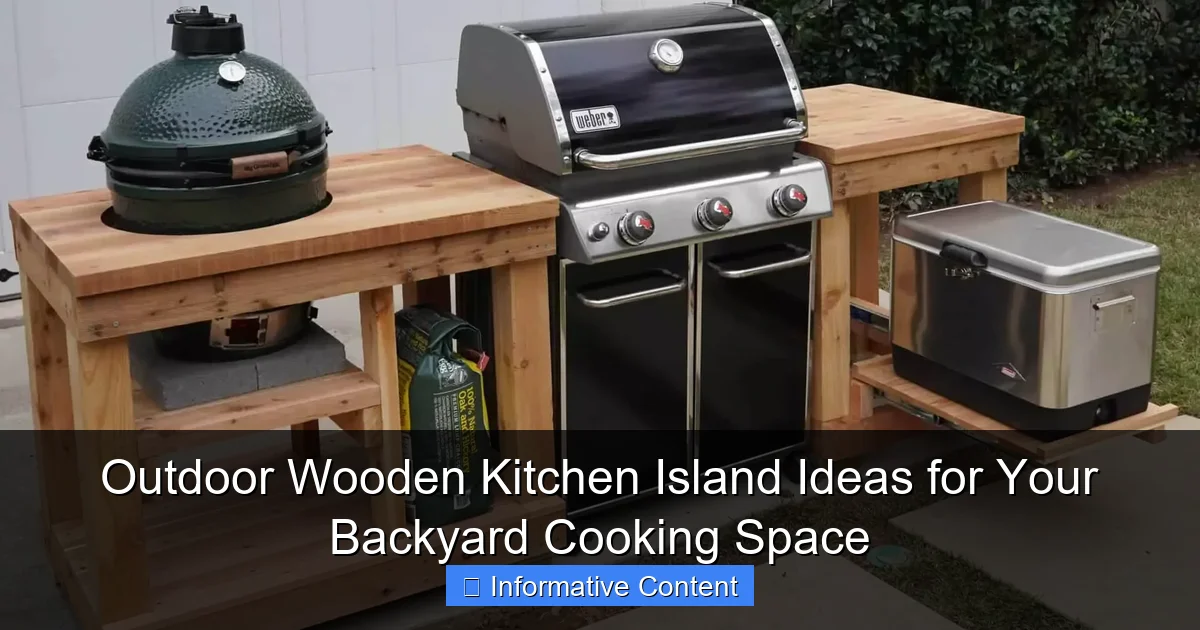
Featured image for outdoor wooden kitchen island
Image source: i.pinimg.com
Transform your backyard into a culinary oasis with a custom outdoor wooden kitchen island—durable, stylish, and built for alfresco entertaining. Crafted from weather-resistant hardwoods like cedar or teak, these islands offer ample prep space, built-in storage, and seamless integration with grills or sinks. Elevate your outdoor cooking experience with a timeless centerpiece that blends function, charm, and natural beauty.
Key Takeaways
- Choose durable hardwoods: Opt for teak or cedar to resist weather and pests.
- Prioritize mobility: Add casters for easy relocation and flexible outdoor layouts.
- Include built-in storage: Cabinets and shelves keep tools and supplies organized and dry.
- Seal regularly: Apply water-resistant sealant annually to protect wood from moisture damage.
- Maximize prep space: Use butcher block countertops for durability and easy cleaning.
- Add functional features: Install sinks, grills, or coolers to boost cooking convenience.
📑 Table of Contents
- Why an Outdoor Wooden Kitchen Island Could Be Your Backyard’s Best Upgrade
- What Is an Outdoor Wooden Kitchen Island?
- Top Benefits of an Outdoor Wooden Kitchen Island
- Design Ideas and Layouts for Every Backyard
- Materials, Maintenance, and Longevity
- Appliances and Add-Ons to Maximize Functionality
- Conclusion: Make Your Backyard a Culinary Haven
Why an Outdoor Wooden Kitchen Island Could Be Your Backyard’s Best Upgrade
Picture this: a warm summer evening, the smell of grilled vegetables wafting through the air, and you’re not stuck indoors sweating over a hot stove. Instead, you’re outside, flipping burgers on your custom-built outdoor wooden kitchen island, surrounded by laughter, music, and the soft glow of string lights. That’s the magic of bringing your kitchen outside.
An outdoor wooden kitchen island isn’t just a trendy backyard accessory—it’s a game-changer for anyone who loves to cook, entertain, or simply enjoy the fresh air while preparing meals. Whether you’re hosting a weekend barbecue, a family dinner, or a quiet morning coffee, this setup blends function and charm in a way few outdoor spaces can. But beyond the Instagram-worthy aesthetics, there’s real practicality here: more prep space, better storage, and a dedicated zone that keeps the mess and heat outside the house.
What Is an Outdoor Wooden Kitchen Island?
At its core, an outdoor wooden kitchen island is a freestanding or semi-permanent structure designed for cooking, food prep, and entertaining in your backyard, patio, or poolside area. Unlike indoor islands, these are built to withstand the elements while offering the same convenience and comfort you’d expect in your kitchen.
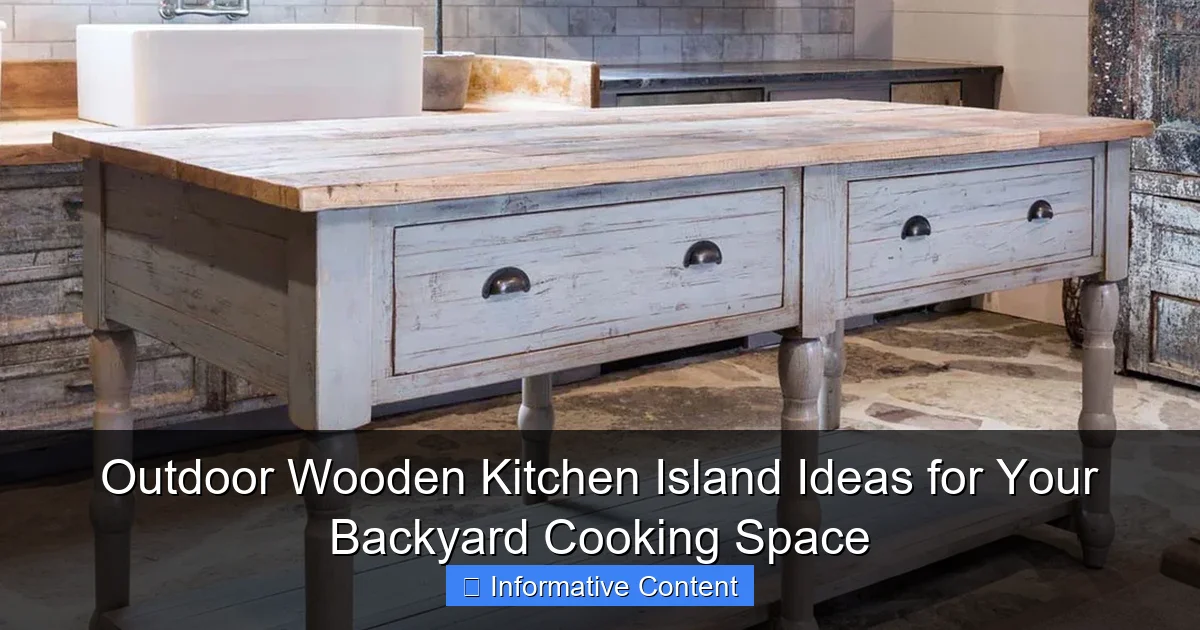
Visual guide about outdoor wooden kitchen island
Image source: i.etsystatic.com
Core Features of a Functional Design
- Wooden construction: Typically made from durable hardwoods like teak, cedar, or acacia, which naturally resist rot, insects, and moisture.
- Integrated appliances: Many models include built-in grills, sinks, refrigerators, or even pizza ovens.
- Prep surfaces: Generous countertops for chopping, mixing, and plating.
- Storage: Cabinets, drawers, or open shelving for utensils, spices, and cookware.
- Seating options: Bar stools, overhangs, or built-in benches to create a social hub.
Think of it as a Swiss Army knife for your backyard. You can go simple with a wooden cart and a portable grill, or go all-in with a full outdoor kitchen anchored by a stunning wooden island. The beauty? It’s customizable to your space, budget, and cooking style.
Why Wood? The Natural Choice
You might wonder: “Why wood over stainless steel or concrete?” Well, wood brings warmth and character that metal or stone can’t match. It ages gracefully, developing a rich patina over time. Plus, hardwoods like teak are naturally oily, which helps repel water and resist warping—perfect for outdoor use.
Take my friend Sarah, for example. She built a cedar island with a butcher block top and a small sink. After three years of sun, rain, and weekly use, it still looks great with just a light sanding and oiling each spring. “It’s like it’s getting more beautiful with age,” she told me. “And it smells amazing when I cut fresh herbs on it.”
Of course, wood does require a bit more care than metal, but the payoff in style and comfort is worth it—especially if you love the cozy, rustic feel of natural materials.
Top Benefits of an Outdoor Wooden Kitchen Island
Let’s be honest: building or buying an outdoor kitchen is a commitment. So why choose a wooden island over other options? Here are the real, lived-in benefits that go beyond just looking good.
1. Enhanced Outdoor Cooking Experience
No more running back and forth between the grill and indoor kitchen. With an outdoor wooden kitchen island, everything you need is in one place. Chop your veggies right next to the grill. Keep your marinades, spices, and drinks within arm’s reach. It streamlines the process and makes cooking outdoors feel less like a chore and more like a joy.
One homeowner in Colorado shared that after installing a teak island with a built-in gas grill and mini-fridge, his family started eating outside 80% of the time. “We’re not just grilling—we’re having dinner together under the stars,” he said. “The island became the heart of our backyard.”
2. More Storage and Organization
Outdoor kitchens often suffer from clutter. Grills, utensils, and supplies get scattered across tables or stored in sheds. A wooden island solves this with smart storage solutions.
- Deep drawers for grilling tools and thermometers
- Closed cabinets to keep spices dry and safe from critters
- Open shelves for frequently used items like cutting boards or serving trays
Bonus: You can design it to match your indoor kitchen’s layout. For example, place the sink near the grill (like a traditional kitchen work triangle) to minimize movement.
3. Adds Value and Curb Appeal
Outdoor living spaces are a major selling point. According to the National Association of Realtors, a well-designed outdoor kitchen can return up to 70% of its cost at resale. And a wooden island? It’s not just functional—it’s a focal point.
Imagine walking into a backyard and seeing a handcrafted cedar island with a stone backsplash, a built-in smoker, and bar seating. It says, “This home is designed for living well.” Even if you’re not planning to sell, it elevates your everyday experience.
4. Eco-Friendly and Sustainable
If you choose responsibly sourced wood (like FSC-certified teak or reclaimed barn wood), your island can be a sustainable choice. Unlike plastic or metal, wood is biodegradable and has a lower carbon footprint when locally sourced.
Plus, many homeowners repurpose old kitchen cabinets or countertops into their outdoor islands. One DIYer in Oregon turned a salvaged butcher block into a stunning centerpiece for their deck. “It’s not just saving money,” he said. “It’s giving something old a new life.”
Design Ideas and Layouts for Every Backyard
No two backyards are the same, and your outdoor wooden kitchen island should reflect your space, style, and cooking habits. Here are five popular layouts and design ideas to inspire you.
1. The Minimalist Cart (Perfect for Small Spaces)
Got a tiny patio or balcony? No problem. A compact wooden cart with a drop-leaf table, a portable grill, and a small sink can do wonders. Look for models with wheels so you can move it out of the way when not in use.
Pro tip: Choose a cart with a stainless steel or ceramic sink to resist rust and staining. Add a fold-down side for extra prep space when needed.
Example: The “Urban Chef Cart” from a small-batch woodworker in Portland is just 36 inches wide but includes a 12-inch sink, two burners, and a drawer for utensils. It’s a favorite among apartment dwellers with rooftop access.
2. The Full-Size L-Shaped Island (For Entertainers)
If you love hosting, go big. An L-shaped wooden island with a built-in grill, sink, fridge, and bar seating creates a natural flow for guests. The long countertop is perfect for buffet-style serving, while the bar stools encourage conversation.
Use different wood tones to define zones—say, a dark walnut countertop for the grill area and a lighter maple for the bar. Add a pergola or retractable awning for shade and rain protection.
One family in Austin built their island with a built-in kegerator and a pizza oven. “It’s like having a restaurant in our backyard,” they said. “We host game nights, movie screenings, and even small weddings.”
3. The Rustic Farmhouse Style (For Cozy Charm)
Think reclaimed wood, shiplap siding, and a butcher block top. This style works beautifully in gardens, poolside areas, or mountain cabins. Add a farmhouse sink, open shelving with mason jars, and a vintage-style faucet for extra charm.
Tip: Use a food-safe wood finish (like mineral oil or tung oil) to protect the butcher block while keeping it safe for food prep.
Bonus: Pair it with string lights, potted herbs, and a wooden herb planter box for a truly inviting space.
4. The Modern Hybrid (Wood + Stone or Metal)
Want the warmth of wood with the durability of stone? Combine materials. A wooden frame with a granite or concrete countertop offers the best of both worlds. The wood adds softness and character, while the stone handles heat and spills with ease.
For example, a teak base with a black granite top and stainless steel appliances creates a sleek, contemporary look. Add LED under-cabinet lighting for a high-end feel.
5. The DIY Pallet Island (Budget-Friendly & Creative)
Feeling crafty? Repurpose wooden pallets into a rustic island. Sand them down, add casters, and top with a reclaimed countertop. You can even build in a fold-down grill or a hidden trash compartment.
One couple in Vermont built theirs using free pallets from a local warehouse. “We spent under $200,” they said. “And it’s the most used spot in our yard.”
Just make sure to use food-safe sealants and avoid pressure-treated wood (which contains chemicals).
Materials, Maintenance, and Longevity
Wood is beautiful, but it needs care to last. Here’s how to choose the right materials and keep your island looking great for years.
Best Wood Types for Outdoor Use
Not all wood is created equal. Here’s a quick guide to the top choices:
- Teak: The gold standard. Naturally oily, resists rot and insects. Can last 20+ years with minimal care. Pricey but worth it for longevity.
- Cedar: Lightweight, aromatic, and naturally resistant to decay. Great for smaller islands or accents. May need more frequent sealing.
- Acacia: Dense and durable, with a rich grain. Affordable alternative to teak. Requires regular oiling.
- Reclaimed barn wood: Eco-friendly and full of character. May need extra sealing due to age.
- Pressure-treated pine: Budget-friendly but not ideal for food prep surfaces. Best for frames or structural parts.
How to Protect and Maintain Your Island
Wood thrives when it’s cared for. Follow these steps:
- Seal it properly: Use a water-repellent sealant or wood oil (like tung or linseed oil) every 6–12 months. Reapply more often in rainy or humid climates.
- Cover it when not in use: A custom-fit cover protects against rain, UV rays, and debris. Even a simple tarp works in a pinch.
- Clean regularly: Wipe down surfaces with mild soap and water. Avoid harsh chemicals that can strip the finish.
- Sand and refinish: Every few years, lightly sand the wood and reapply sealant to restore its luster.
One common mistake? Using indoor wood finishes outdoors. They’re not designed for UV exposure or moisture, so they’ll crack and peel quickly. Always choose products labeled for exterior use.
Weatherproofing Tips
- Elevate the island on concrete blocks or a stone base to prevent ground moisture.
- Add a sloped roof or pergola to shield it from rain.
- Use stainless steel hardware (screws, hinges, etc.) to avoid rust.
- Consider a retractable awning for sun and light rain.
My neighbor, Mark, learned this the hard way. He left his cedar island uncovered one winter, and by spring, the wood had warped and cracked. “I thought cedar was invincible,” he said. “Now I cover it every fall.”
Appliances and Add-Ons to Maximize Functionality
A wooden island is more than just a pretty face. With the right appliances and accessories, it can handle anything from a quick breakfast to a multi-course dinner.
Must-Have Appliances
| Appliance | Best For | Installation Tips |
|---|---|---|
| Built-in gas grill | Steaks, burgers, veggies | Ensure proper ventilation and gas line access. Use a drip tray to protect wood. |
| Outdoor sink | Handwashing, rinsing veggies | Install a foot pedal or motion-sensor faucet to avoid wet hands. Use a stainless steel sink. |
| Mini-fridge | Drinks, marinades, leftovers | Choose an outdoor-rated model. Place near the prep area for easy access. |
| Pizza oven | Wood-fired pizzas, roasted veggies | Use a freestanding model or build into the island. Keep away from flammable materials. |
| Side burner | Sides, sauces, reheating | Install on the end or corner for multitasking. |
Smart Add-Ons for Comfort and Convenience
- LED lighting: Under-cabinet or overhead lights make cooking at night easy.
- Power outlets: Install weatherproof outlets for blenders, slow cookers, or string lights.
- Herb planter: A built-in box for basil, rosemary, or mint adds freshness and style.
- Trash/recycling bin: A hidden pull-out bin keeps mess under control.
- Wine cooler: For those who love to entertain.
One family added a Bluetooth speaker system to their island. “Now we can cook, listen to music, and chat with guests all at once,” they said. “It’s the ultimate multitasking setup.”
Safety First
Never install gas lines or electrical wiring without professional help. Always check local building codes and fire safety regulations. For grills and ovens, keep a fire extinguisher nearby and ensure clear clearance from walls or overhangs.
Conclusion: Make Your Backyard a Culinary Haven
An outdoor wooden kitchen island isn’t just a place to cook—it’s a place to live. It transforms your backyard into a space where meals become memories, where families gather, and where the simple act of grilling a burger turns into a ritual.
Whether you go all-in with a full outdoor kitchen or start small with a DIY cart, the key is to design it for how you actually use your space. Choose materials that suit your climate, appliances that fit your cooking style, and a layout that encourages connection—not just convenience.
And remember: it doesn’t have to be perfect. Some of the best outdoor kitchens I’ve seen started with a dream, a sketch on a napkin, and a willingness to learn as they built. The wood might warp a little. The finish might fade. But with care and love, it will tell a story—of sunny mornings, rainy evenings, and the joy of cooking outside.
So go ahead. Start planning. Sketch that island. Talk to a carpenter. Or grab some pallets and dive in. Your backyard is waiting. And who knows? In a year, you might find yourself saying, “I can’t imagine life without this.”
Frequently Asked Questions
What are the best materials for an outdoor wooden kitchen island?
Teak, cedar, and eucalyptus are top choices for outdoor wooden kitchen islands due to their natural resistance to moisture, rot, and insects. These hardwoods also age beautifully, developing a silvery-gray patina over time while maintaining structural integrity.
How do I protect my outdoor wooden kitchen island from weather damage?
Apply a high-quality outdoor wood sealant or oil every 6–12 months to shield the island from UV rays, rain, and temperature swings. Covering the unit with a weatherproof tarp during off-seasons adds extra protection.
Can I customize my outdoor wooden kitchen island to fit my space?
Absolutely! Many manufacturers and carpenters offer modular or bespoke outdoor wooden kitchen island designs tailored to your backyard layout. You can choose dimensions, storage options, and countertop materials to match your cooking needs.
What features should I look for in a functional outdoor wooden kitchen island?
Prioritize features like built-in storage shelves, hooks for utensils, a stainless steel prep surface, and a sink or grill attachment. Mobility (via casters) and integrated drainage are also key for convenience and longevity.
How do I clean and maintain an outdoor wooden kitchen island?
Wipe down surfaces with mild soap and water monthly, and deep-clean annually using a wood-safe cleaner. Avoid pressure washing, which can damage the grain—opt for gentle scrubbing instead.
Are outdoor wooden kitchen islands eco-friendly?
Yes, especially if sourced from sustainably managed forests (look for FSC-certified wood). Unlike plastic or metal alternatives, wood is biodegradable and has a lower carbon footprint when responsibly harvested.