
Featured image for wooden kitchen island with wheels
Image source: m.media-amazon.com
Maximize style and functionality in your kitchen with a wooden kitchen island with wheels—the ultimate mobile storage solution that combines rustic charm with everyday practicality. Effortlessly roll it into place for extra prep space, dining, or storage, then tuck it away when not in use, all while enhancing your kitchen’s aesthetic with warm, natural wood finishes.
Key Takeaways
- Maximize mobility: Choose lockable wheels for stability and easy movement.
- Prioritize solid wood: Opt for durable hardwoods like oak or maple.
- Measure your space: Ensure a 3-foot clearance for smooth kitchen navigation.
- Smart storage wins: Pick designs with drawers, shelves, or built-in racks.
- Style meets function: Match the island’s finish to your kitchen’s aesthetic.
- DIY-friendly assembly: Select pre-assembled or modular units for hassle-free setup.
📑 Table of Contents
- Why a Wooden Kitchen Island with Wheels Could Be Your New Favorite Appliance
- What Makes a Wooden Kitchen Island with Wheels So Special?
- Choosing the Perfect Wooden Kitchen Island with Wheels for Your Space
- Top Uses for Your Wooden Kitchen Island with Wheels
- How to Maintain Your Wooden Kitchen Island with Wheels
- Wooden Kitchen Island with Wheels: Price and Value Comparison
- Final Thoughts: Why a Wooden Kitchen Island with Wheels Belongs in Your Home
Why a Wooden Kitchen Island with Wheels Could Be Your New Favorite Appliance
Picture this: You’re hosting a cozy dinner party, and the kitchen is bustling. You need extra counter space to plate dishes, a place to set down drinks, and somewhere to store that extra loaf of bread. But your kitchen is tight on space, and moving things back and forth feels like a chore. That’s where a wooden kitchen island with wheels comes in—your mobile, stylish, and functional kitchen sidekick. It’s like having a mini kitchen on the move, ready to adapt to your needs, whether you’re prepping, serving, or cleaning up.
Wooden kitchen islands with wheels have surged in popularity, and for good reason. They combine the timeless warmth of wood with the flexibility of mobility, making them perfect for small kitchens, open-concept living spaces, or anyone who loves to rearrange their home on a whim. Unlike bulky, fixed islands, these wheeled wonders can be tucked away when not in use or rolled right into the dining room when you need extra space. They’re not just practical—they’re a design statement. Whether you’re a home cook, a busy parent, or a weekend entertainer, this piece of furniture can transform how you use your kitchen. And the best part? You don’t need a massive kitchen to make it work.
What Makes a Wooden Kitchen Island with Wheels So Special?
The Magic of Mobility
Let’s start with the obvious: wheels. A wooden kitchen island with wheels isn’t just about looks—it’s about freedom. Imagine rolling your island from the kitchen to the patio during a summer barbecue or tucking it into a corner when guests arrive. The wheels (often lockable) give you control. You can lock them in place for safety while cooking or unlock them to reposition the island in seconds. No heavy lifting, no permanent commitment. It’s like having a kitchen that bends to your life, not the other way around.
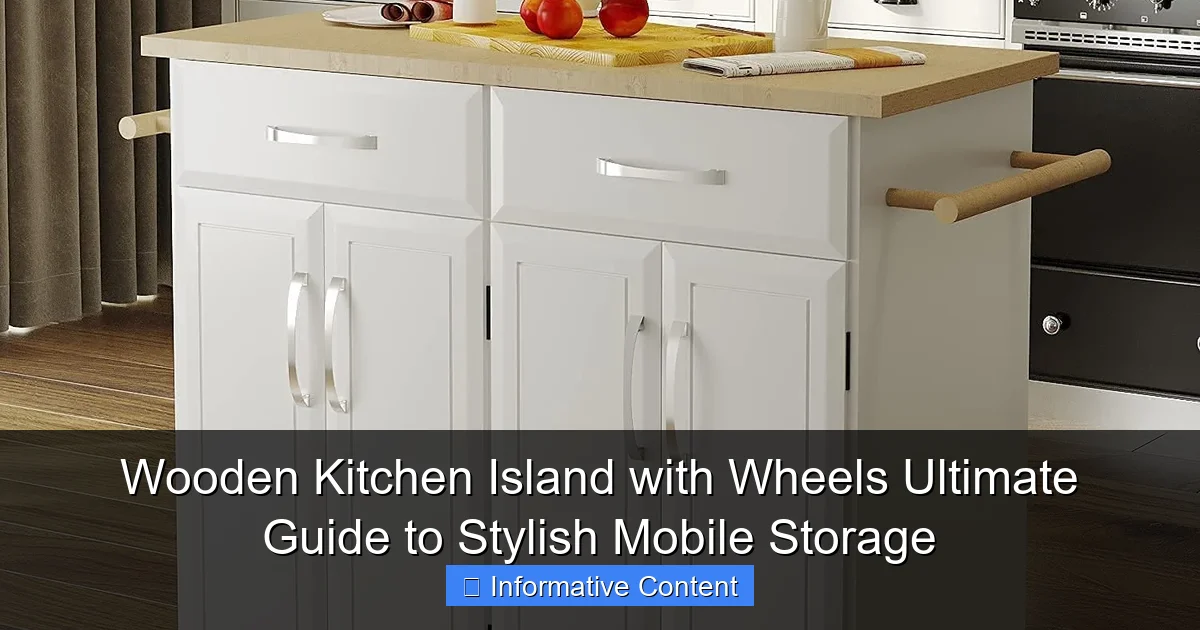
Visual guide about wooden kitchen island with wheels
Image source: m.media-amazon.com
For example, my friend Sarah lives in a small apartment with a galley kitchen. Her wooden kitchen island with wheels doubles as a prep station, a breakfast bar, and a serving cart. “When I have people over, I roll it into the living room,” she told me. “It’s like a pop-up kitchen!” That kind of versatility is hard to beat, especially if your space is limited or you love to entertain.
Wood: Warmth, Durability, and Style
Wood isn’t just beautiful—it’s practical. A solid wood island brings warmth and character to your kitchen, whether you prefer the rich tones of walnut, the rustic charm of reclaimed wood, or the clean lines of maple. Unlike plastic or metal, wood ages gracefully. Over time, it develops a patina that tells a story. Plus, it’s durable enough to handle daily wear and tear, from knife marks to spilled coffee.
But not all wood is created equal. Hardwoods like oak, maple, and birch are ideal for kitchen islands because they resist scratches and dents better than softwoods like pine. If you’re on a budget, engineered wood (like MDF with a wood veneer) can be a smart choice—just make sure it’s sealed properly to handle moisture. And if you’re eco-conscious, look for islands made from FSC-certified wood or reclaimed materials. They’re better for the planet and often come with unique, one-of-a-kind details.
Function Meets Design: Storage and Counter Space
A wooden kitchen island with wheels isn’t just a pretty face—it’s a multitasker. Most models come with built-in storage: drawers for utensils, shelves for pots and pans, and even hooks for towels or aprons. Some even have wine racks, spice racks, or built-in cutting boards. The countertop itself is a game-changer. Need extra space to chop veggies? Roll the island over. Want a spot to set down hot dishes from the oven? It’s right there. The combination of storage and workspace makes it a kitchen MVP.
For instance, my neighbor Mark uses his island as a baking station. The large drawer holds his rolling pin, measuring cups, and baking sheets, while the open shelf below stores his stand mixer. “I used to run back and forth to the pantry,” he said. “Now everything’s in one place.” That’s the power of smart design.
Choosing the Perfect Wooden Kitchen Island with Wheels for Your Space
Size and Scale: Measure Twice, Buy Once
Before you fall in love with a stunning island, take a tape measure to your kitchen. A wooden kitchen island with wheels should fit your space without making it feel cramped. Here’s a quick guide:
- Small kitchens (under 100 sq. ft.): Look for islands 30–40 inches wide. They’ll give you extra counter space without overwhelming the room.
- Medium kitchens (100–200 sq. ft.): A 40–60 inch island is ideal. You’ll get more storage and a larger workspace.
- Large kitchens (200+ sq. ft.): Go bold with a 60+ inch island. It can serve as a full prep station or even a breakfast bar.
Pro tip: Leave at least 36–42 inches of clearance around the island for easy movement. If you’re placing it in a walkway, make sure you can still open cabinets and appliances without bumping into it.
Wheel Quality: Smooth Moves, Locked Down
Not all wheels are created equal. Cheap plastic casters might crack or get stuck, while high-quality rubber or nylon wheels glide effortlessly—even on uneven floors. Here’s what to look for:
- Lockable wheels: Essential for safety. You don’t want your island rolling away while you’re chopping onions.
- 360-degree swivel: Makes maneuvering a breeze, especially in tight spaces.
- Weight capacity: Check the specs. A sturdy island should support at least 150–200 pounds (more if you plan to store heavy appliances).
My sister learned this the hard way. Her first island had flimsy wheels that squeaked and stuck on her hardwood floors. After switching to a model with rubber casters, she said it felt like “rolling a cloud.”
Wood Type and Finish: Beauty That Lasts
Wood choice affects both looks and durability. Here’s a quick breakdown:
- Solid wood: Expensive but long-lasting. Great for high-traffic kitchens.
- Engineered wood: More affordable and stable. Look for water-resistant finishes.
- Reclaimed wood: Eco-friendly and full of character. Just make sure it’s properly sanded and sealed.
For finishes, oil-based stains (like tung oil) penetrate deep into the wood, enhancing its natural grain. Polyurethane coatings add a hard, water-resistant layer—ideal for messy kitchens. Avoid cheap varnishes that chip easily.
Top Uses for Your Wooden Kitchen Island with Wheels
Prep and Cooking: Your Mobile Workstation
Need more counter space? A wooden kitchen island with wheels is your answer. Roll it to the center of the kitchen for chopping, mixing, or rolling out dough. Many models have built-in cutting boards (some even removable), so you can prep right on the island. Bonus: The extra height makes standing tasks easier on your back.
For example, my friend Elena uses her island as a pasta station. She rolls it to the stove, keeps her pasta pot on the burner, and uses the island’s countertop to drain noodles and toss them with sauce. “It’s like having a second kitchen,” she said.
Storage Solutions: Declutter Your Kitchen
Clutter is the enemy of a happy kitchen. A wheeled island can help. Use drawers for:
- Utensils and cutlery
- Mixing bowls and measuring cups
- Spice jars and oils
Shelves are perfect for:
- Pots and pans
- Small appliances (like blenders or toasters)
- Plates and bowls (if you use the island as a serving station)
Pro tip: Add baskets or bins to keep small items organized. Woven seagrass baskets add a natural touch and hide clutter beautifully.
Entertaining: The Ultimate Serving Cart
Hosting a party? Roll your island into the dining room or living room. Use it as:
- A drink station (with a built-in wine rack or bottle opener)
- A dessert display (with cupcakes, cookies, or a cake)
- A charcuterie board (with cheeses, meats, and crackers)
My cousin uses hers as a coffee cart on Sunday mornings. The island holds her French press, mugs, and a tray of pastries. “It’s like having a café in my house,” she said.
How to Maintain Your Wooden Kitchen Island with Wheels
Cleaning and Care: Keep It Looking Fresh
Wood needs love. To keep your island looking its best:
- Wipe spills immediately: Water can warp wood, so don’t let liquids sit.
- Use a damp cloth (not soaking wet): Excess moisture is wood’s enemy.
- Avoid harsh cleaners: Stick to mild soap and water or a wood-safe cleaner.
- Condition regularly: Every 6–12 months, apply a food-safe wood conditioner or mineral oil to prevent drying and cracking.
For stubborn stains, try a paste of baking soda and water. Gently rub it in with a soft cloth, then wipe clean.
Wheel Maintenance: Smooth Sailing
Wheels need attention too. Every few months:
- Check for debris: Hair, dust, and crumbs can get stuck in the casters. Wipe them with a damp cloth.
- Lubricate moving parts: A drop of WD-40 or silicone spray keeps wheels rolling smoothly.
- Tighten loose screws: Vibration can loosen them over time.
My neighbor Mark learned this after his island started squeaking. A quick wipe and a little oil, and it was good as new.
Long-Term Care: Protect Your Investment
With proper care, a wooden kitchen island with wheels can last decades. Here’s how to protect it:
- Use cutting boards: Don’t chop directly on the wood. It’ll scratch and stain.
- Place hot items on trivets: Heat can damage the finish.
- Avoid direct sunlight: UV rays can fade wood over time.
If you notice minor scratches, try a wood filler or a matching stain pen. For deeper damage, sand lightly and reapply a finish.
Wooden Kitchen Island with Wheels: Price and Value Comparison
Let’s talk money. Wooden kitchen islands with wheels range from budget-friendly to luxury. Here’s a breakdown of what to expect:
| Price Range | Materials | Features | Best For |
|---|---|---|---|
| $100–$300 | Engineered wood, MDF with veneer | Basic storage (drawers, shelves), simple wheels | Small kitchens, occasional use |
| $300–$600 | Solid pine or maple, some hardwoods | Better storage (spice racks, wine racks), lockable wheels | Frequent use, families |
| $600–$1,200 | Hardwoods (oak, walnut, cherry), reclaimed wood | Premium features (built-in cutting boards, towel bars, heavy-duty wheels) | Entertaining, long-term investment |
| $1,200+ | Custom solid wood, exotic woods | Fully customized (size, storage, finishes) | Design enthusiasts, luxury kitchens |
Is it worth the price? For most people, yes. A mid-range island ($300–$600) offers the best balance of quality and affordability. If you’re on a tight budget, look for sales or secondhand options. Craigslist, Facebook Marketplace, and thrift stores often have gently used islands at a fraction of the cost. Just inspect the wood and wheels carefully before buying.
Final Thoughts: Why a Wooden Kitchen Island with Wheels Belongs in Your Home
A wooden kitchen island with wheels isn’t just a piece of furniture—it’s a kitchen transformer. It gives you extra space, smart storage, and the freedom to move your kitchen wherever you need it. Whether you’re cooking, cleaning, or hosting, it adapts to your life. And with the warmth of wood, it adds a touch of style that plastic or metal just can’t match.
Of course, it’s not perfect. Cheap models might have flimsy wheels or weak joints. Some islands are too tall or too short for certain kitchens. And if you have pets or kids, you’ll want to make sure the wheels lock securely. But with a little research (and the tips in this guide), you can find an island that fits your space, your budget, and your lifestyle.
So, if you’re tired of running out of counter space, struggling with clutter, or feeling stuck in a rigid kitchen layout, give a wooden kitchen island with wheels a try. Roll it in, lock it down, and see how it changes your daily routine. You might just wonder how you ever lived without it.
Frequently Asked Questions
What are the benefits of a wooden kitchen island with wheels?
A wooden kitchen island with wheels combines style and functionality, offering extra storage, countertop space, and easy mobility. The wheels allow you to reposition it effortlessly, making it ideal for small kitchens or flexible layouts.
How do I choose the right size wooden kitchen island with wheels for my space?
Measure your kitchen area first, leaving at least 36 inches of clearance for movement. Consider the island’s height (standard is 36 inches) and ensure it complements your existing appliances and decor.
Are wooden kitchen islands with wheels durable enough for daily use?
Yes, high-quality wooden kitchen islands are built to last, often using solid hardwoods like oak or maple. Look for models with locking wheels and reinforced frames for added stability during daily tasks.
Can I customize a wooden kitchen island with wheels to match my kitchen’s style?
Many models offer customizable options like paint finishes, butcher block tops, or open/closed shelving. Choose a design that aligns with your kitchen’s aesthetic, whether rustic, modern, or farmhouse.
How easy is it to assemble a wooden kitchen island with wheels?
Most islands come with straightforward instructions and pre-drilled holes for quick assembly. Basic tools (screwdriver, wrench) are usually all you need, and some models require no tools at all.
What maintenance does a wooden kitchen island with wheels require?
Wipe spills immediately, dust regularly, and occasionally apply food-safe mineral oil to preserve the wood. Check wheel locks periodically to ensure they’re functioning smoothly.